Tag Archives: Bodhisattva statue

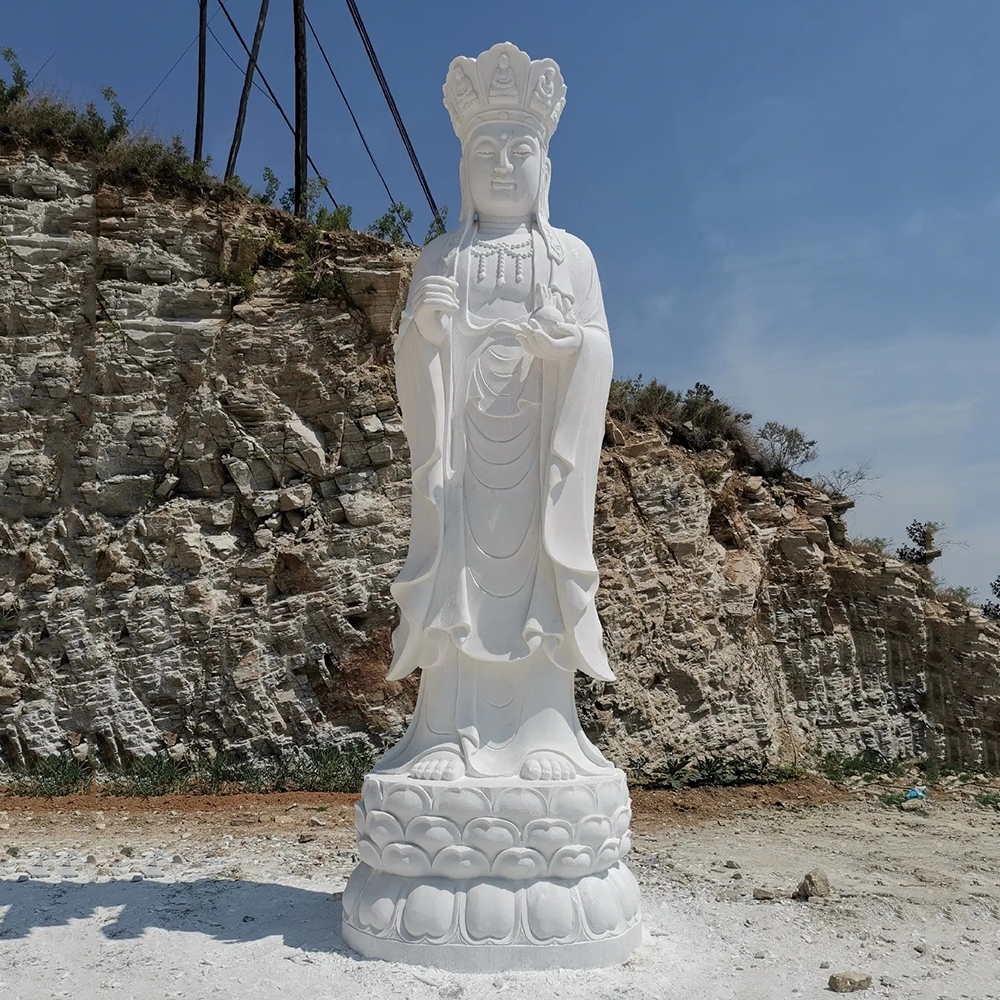
White stone Bodhisattva Garden Statue front view

1. Introduction of Bodhisattva Garden Statue This statue, carved from white stone, is modeled after the image of Ksitigarbha Bodhisattva, depicting him in a dignified and upright standing posture. The Bodhisattva Garden Statue wears a tall, jeweled crown, divided into several decorative sections, each containing intricately carved small Buddha images. The face is rounded, with […]

View More...
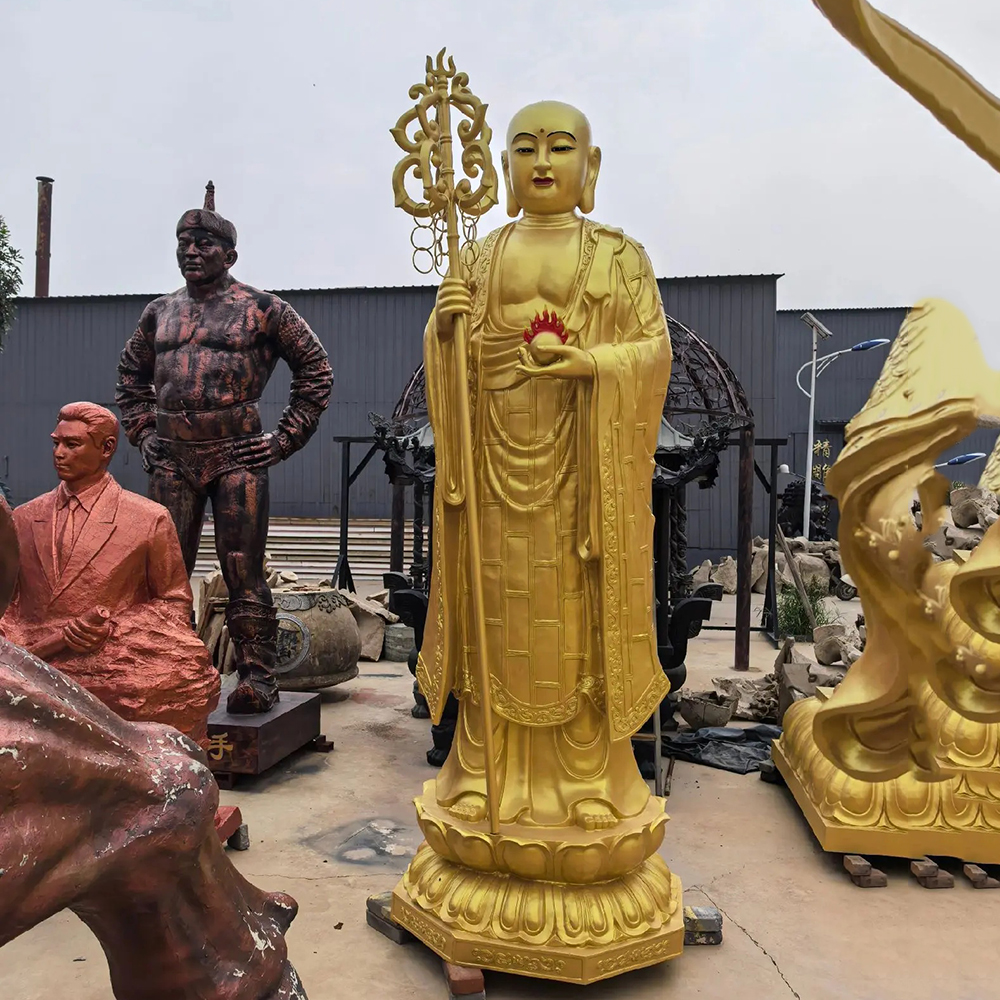
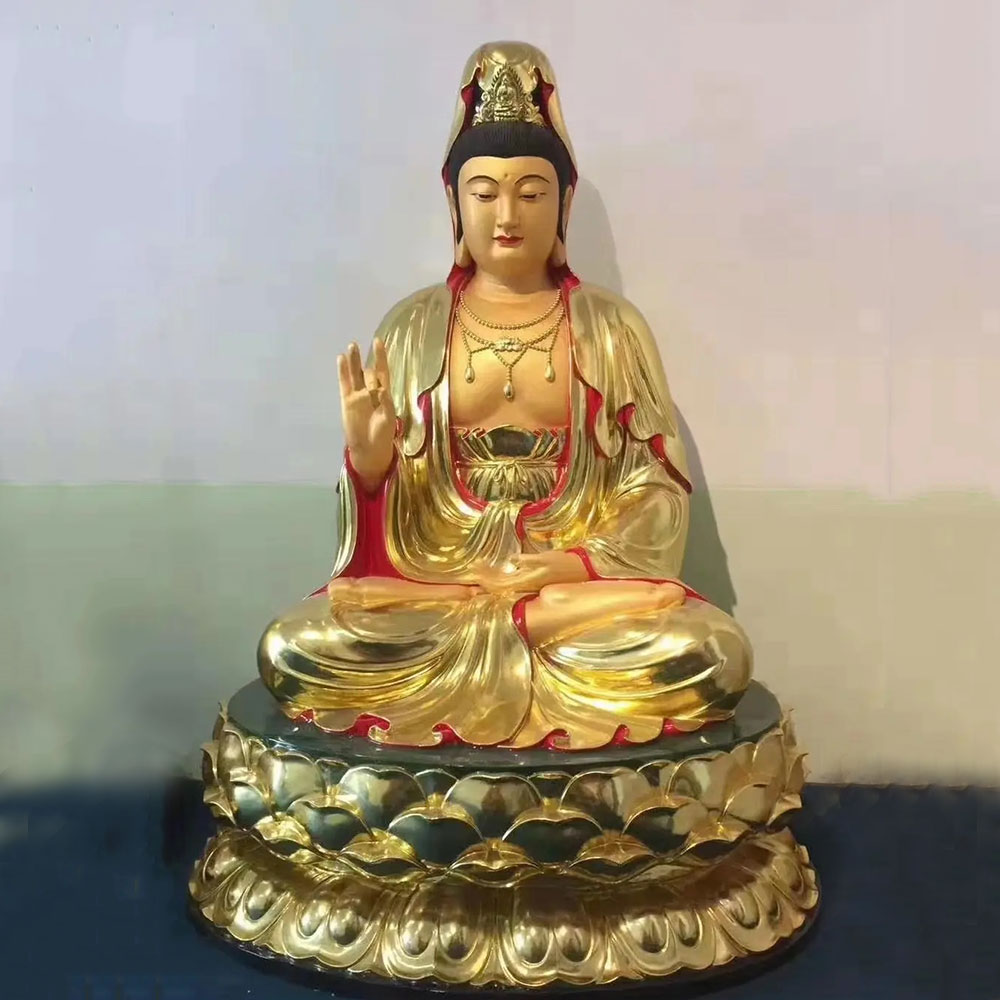
Gold Fiberglass Ksitigarbha Bodhisattva Sculpture holding staff

1. Introduction of Ksitigarbha Bodhisattva Sculpture This sculpture is based on the Buddhist figure of Ksitigarbha Bodhisattva, depicted in the traditional monk’s form. Ksitigarbha Bodhisattva is renowned for saving sentient beings and vowing to help those suffering in pain. The Ksitigarbha Bodhisattva Sculpture is depicted standing, with a smooth head, long ears, slender eyebrows, slightly […]

View More...
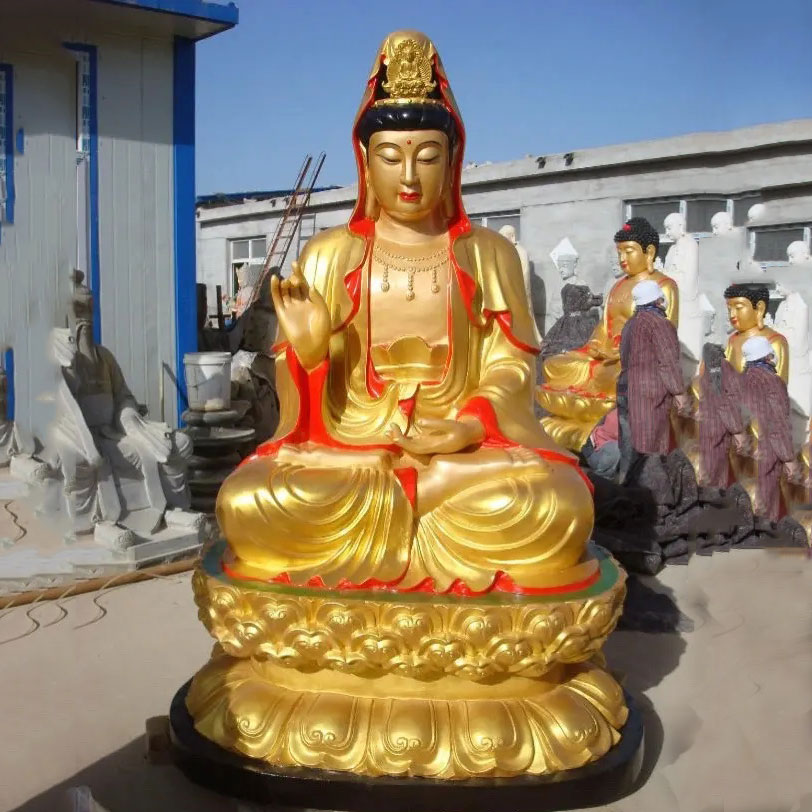
Bronze Buddha Kwan Yin Statue on Lotus

1. Introduction of Buddha Kwan Yin Statue Guanyin Bodhisattva is a symbol of compassion and wisdom in Buddhism and holds an important place in East Asian Buddhist art. Also known as Avalokiteśvara, her Sanskrit name means “Bodhisattva who observes the suffering of all beings.” In Buddhist belief, Guanyin is widely revered for her compassionate salvation […]

View More...
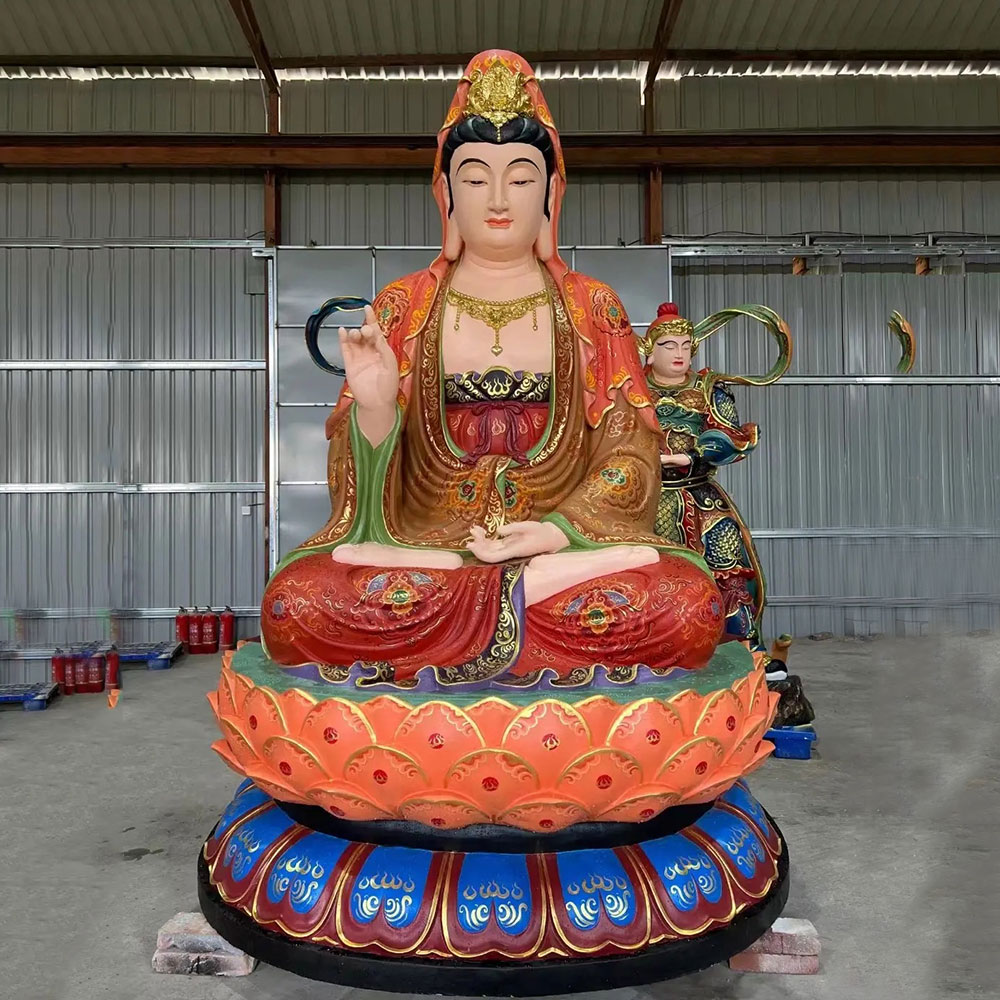
Bronze Guanyin Sitting Lotus Statue with Colorful Robes

1. Introduction of Guanyin Sitting Lotus Statue Guanyin Bodhisattva, also known as Avalokiteshvara Bodhisattva, is a symbol of compassion and wisdom in Buddhism. The lotus seated statue is one of the most common depictions of Guanyin, typically conveying her compassionate and serene image through a dignified posture, gentle countenance, and solemn attire. This bronze Guanyin […]

View More...
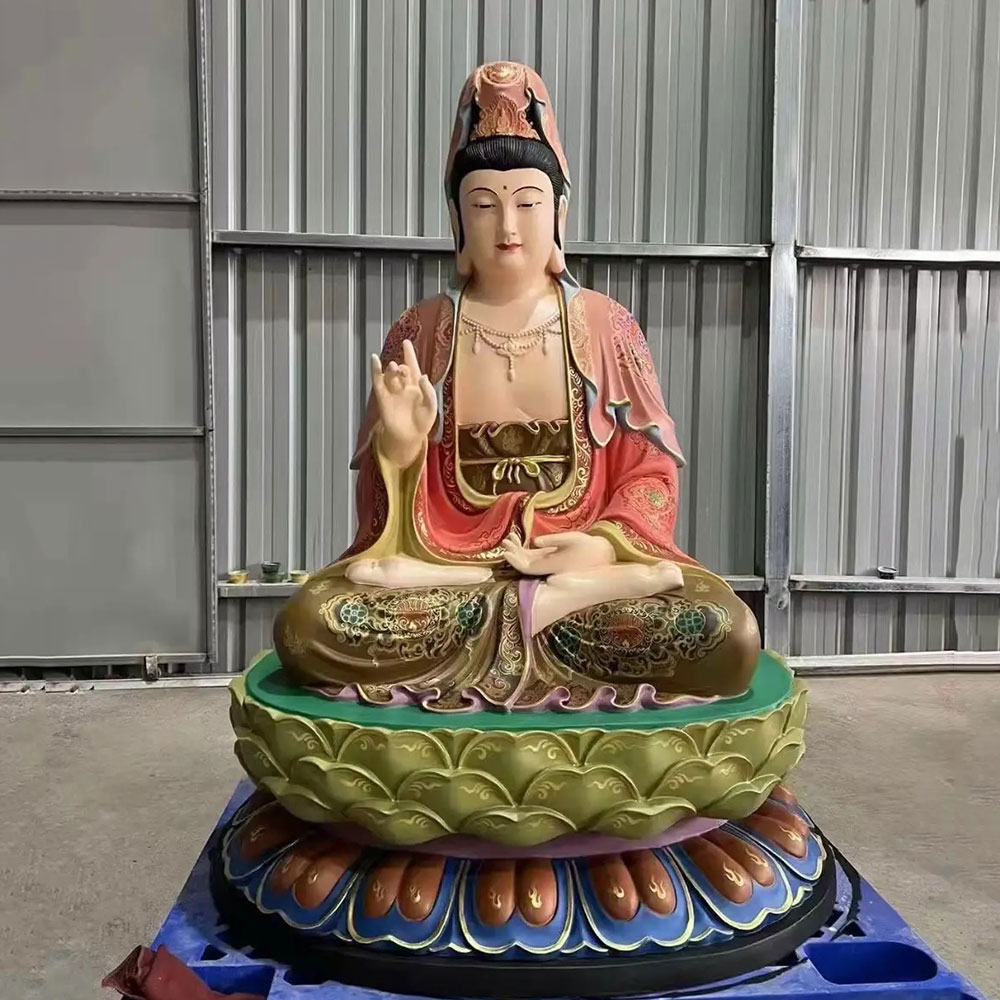
Bronze Buddha Quan Yin Statue on Lotus

1. Introduction of Buddha Quan Yin Statue Guanyin Bodhisattva, also known as Avalokiteśvara, is a significant symbol of compassion in Mahayana Buddhism. “Guanyin” means “one who observes the voices of all beings,” embodying her compassionate vow to listen to suffering and help all beings. According to the Lotus Sutra, specifically the Universal Gate Chapter of […]

View More...
Bronze Chinese Goddess of Mercy Statue Seated

1. Introduction of Chinese Goddess of Mercy Statue Guanyin Bodhisattva, whose Sanskrit name is Avalokiteśvara, is a significant representative of compassion and salvation in Mahayana Buddhism, also known as Guanshiyin Bodhisattva or Guanzizai Bodhisattva. Important scriptures related to Guanyin include the Lotus Sutra (specifically the Universal Gate Chapter of the Lotus Sutra) and the Heart […]

View More...
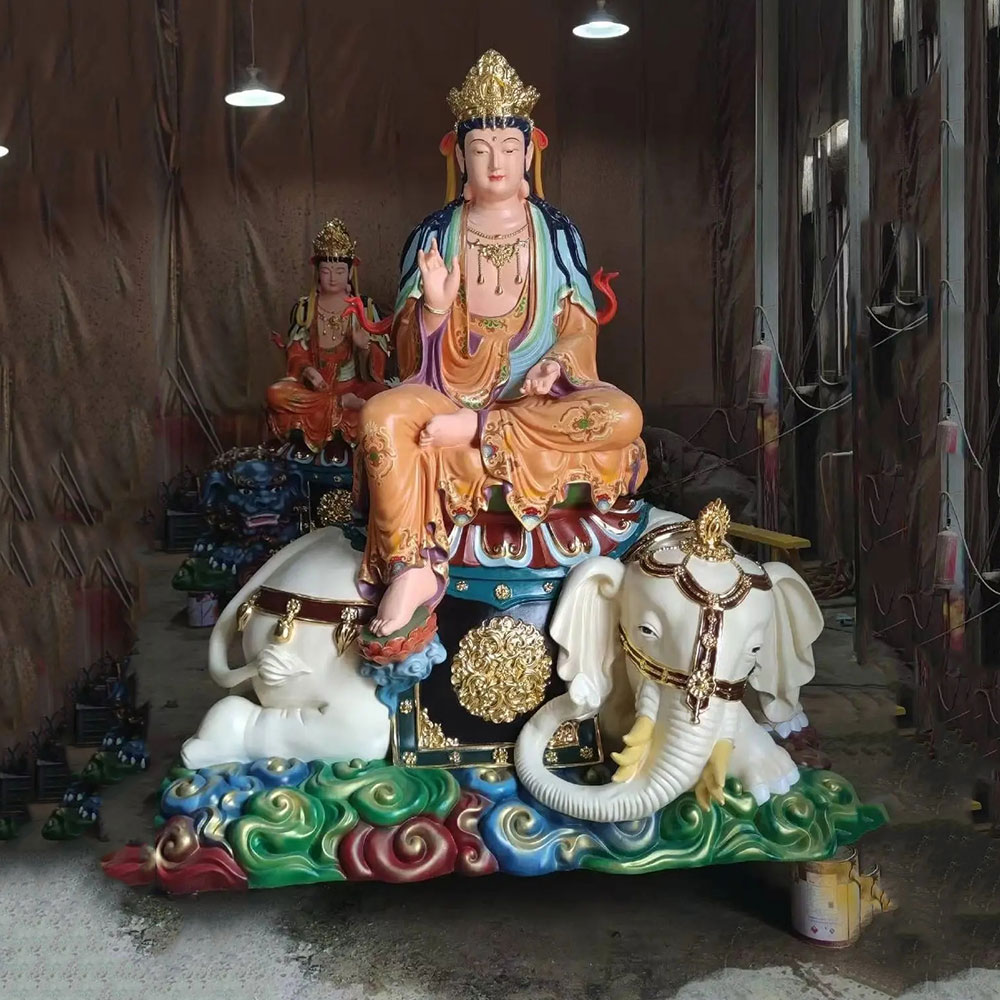
Bronze Samantabhadra Bodhisattva Statue riding white elephant

1. Introduction of Samantabhadra Bodhisattva Statue Samantabhadra Bodhisattva is one of the most important Bodhisattvas in Mahayana Buddhism, usually most closely associated with “practice and vows.” His Sanskrit name, Samantabhadra, means “universally virtuous” or “universally auspicious.” In Buddhist tradition, Samantabhadra emphasizes putting wisdom into action, and thus often appears alongside Manjushri Bodhisattva: Manjushri symbolizes wisdom, […]

View More...
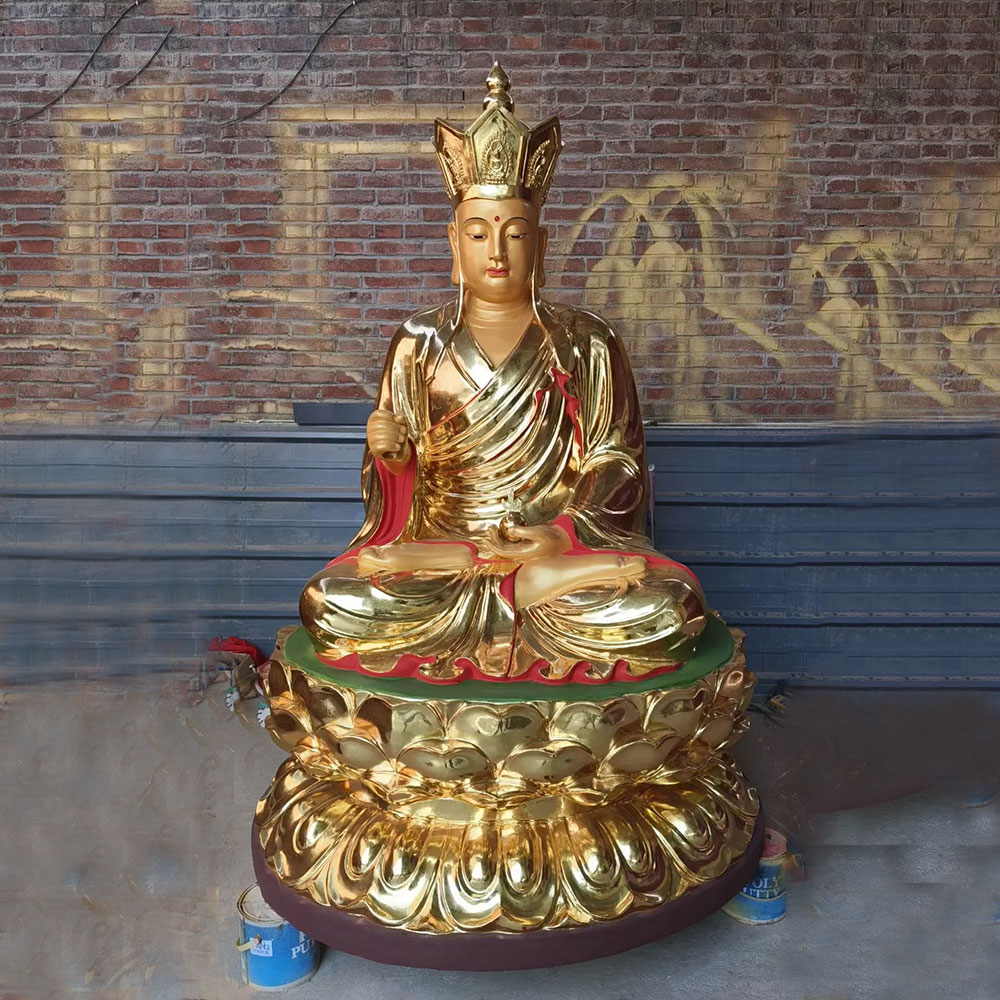
Golden dizang bronze statue on lotus throne

1. Introduction of Dizang Bronze Statue Ksitigarbha Bodhisattva, whose Sanskrit name is Kṣitigarbha, is an important bodhisattva figure in Chinese Buddhism. “Ksitigarbha” is often interpreted as representing the earth’s capacity to bear and encompass, and as a treasure containing merit and wisdom. In related scriptures, Ksitigarbha Bodhisattva is widely known for saving suffering beings, with […]

View More...
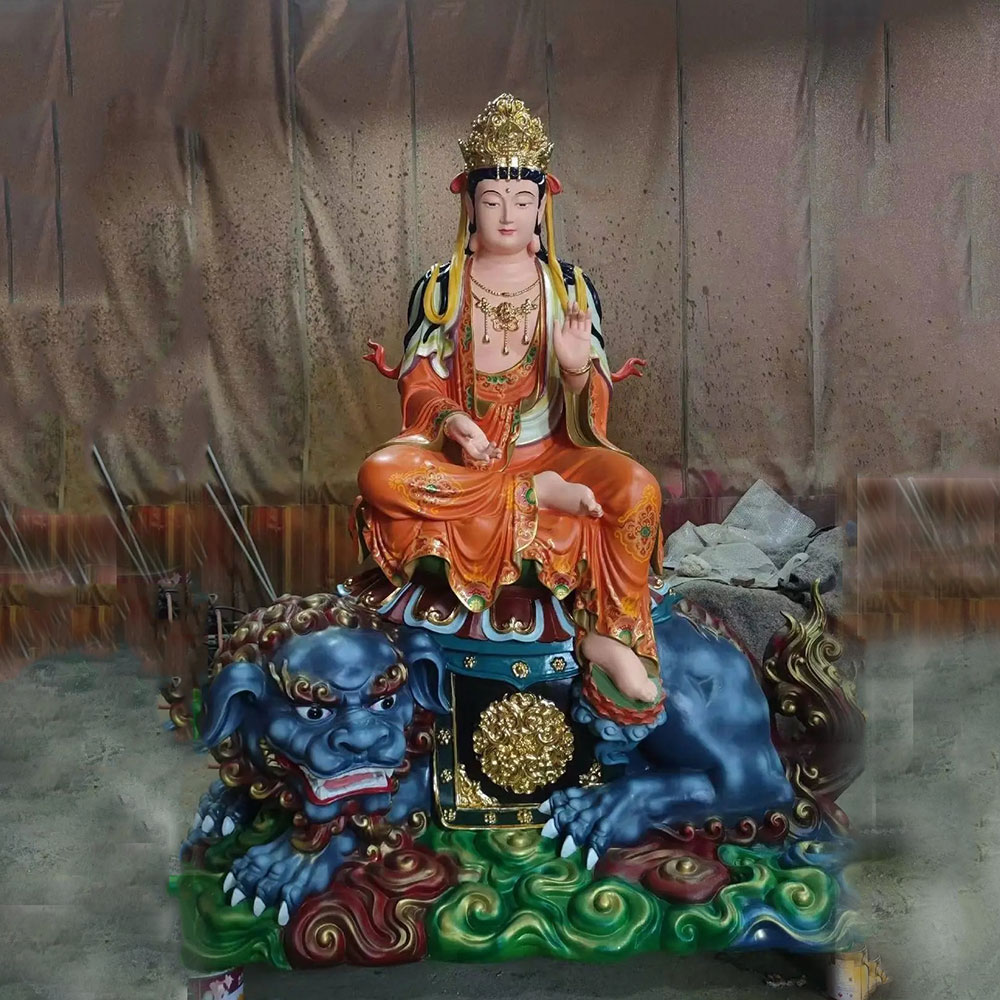
Bronze Manjushri Buddha Statue riding blue lion

1. Introduction of Manjushri Buddha Statue Manjushri, an important bodhisattva closely associated with wisdom in Mahayana Buddhism, is known in Sanskrit as Mañjuśrī. Manjushri symbolizes prajna wisdom, clear judgment, and a profound understanding of Buddhist teachings. The lion in Buddhism symbolizes majesty, courage, and the resolute and powerful wisdom of a lion’s roar; therefore, Manjushri […]

View More...