
From Chaos and Gaia, representing the origin of the universe, to Zeus, Poseidon, Athena, and Aphrodite, who later ruled over the sky, sea, wisdom, war, and love, the Greek pantheon of gods constitutes a vast and complex pantheon. Different gods possess their own generations, functions, and symbols, thus forming many easily recognizable classic figures. Understanding these relationships allows for a clearer understanding of Greek mythology and its influence on classical sculpture.
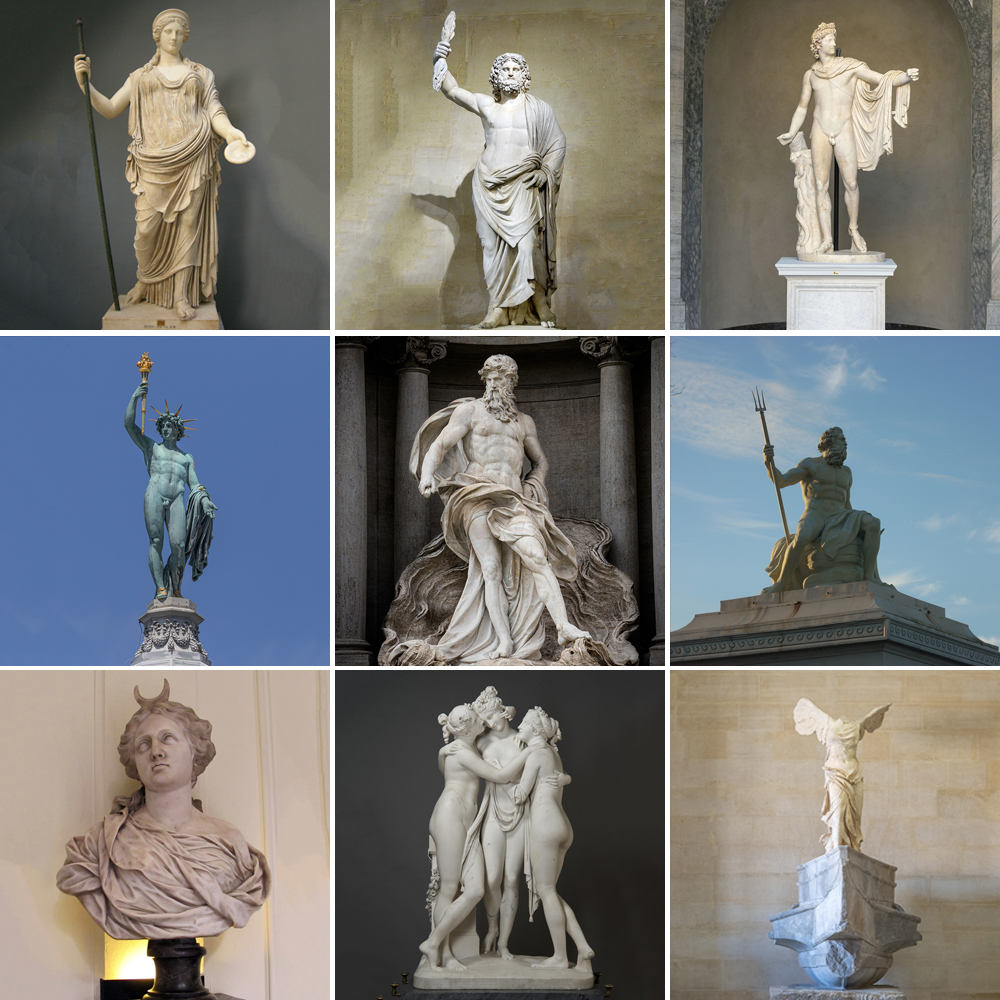
What Is the Greek Pantheon of Gods?
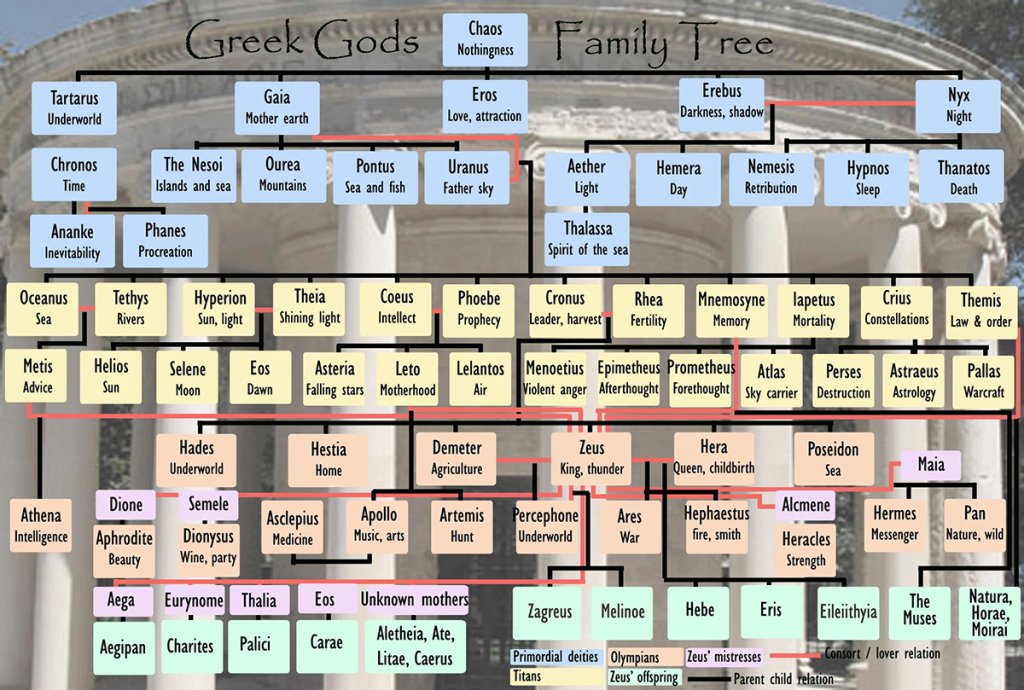
The Greek Pantheon of Gods refers to the entire pantheon of gods in ancient Greek religion and mythology, not just the familiar Twelve Olympians. It includes Primordial Deities, Titans, other important deities, Divine Groups, and Personifications.
There was no single, universally applicable list of gods in ancient Greece. This article primarily follows the chronological order in Hesiod’s Theogony, incorporating Homeric tradition and common classical mythological versions; individual genealogies and deity identities may differ across different texts.
How Is the Greek Pantheon of Gods Organized?
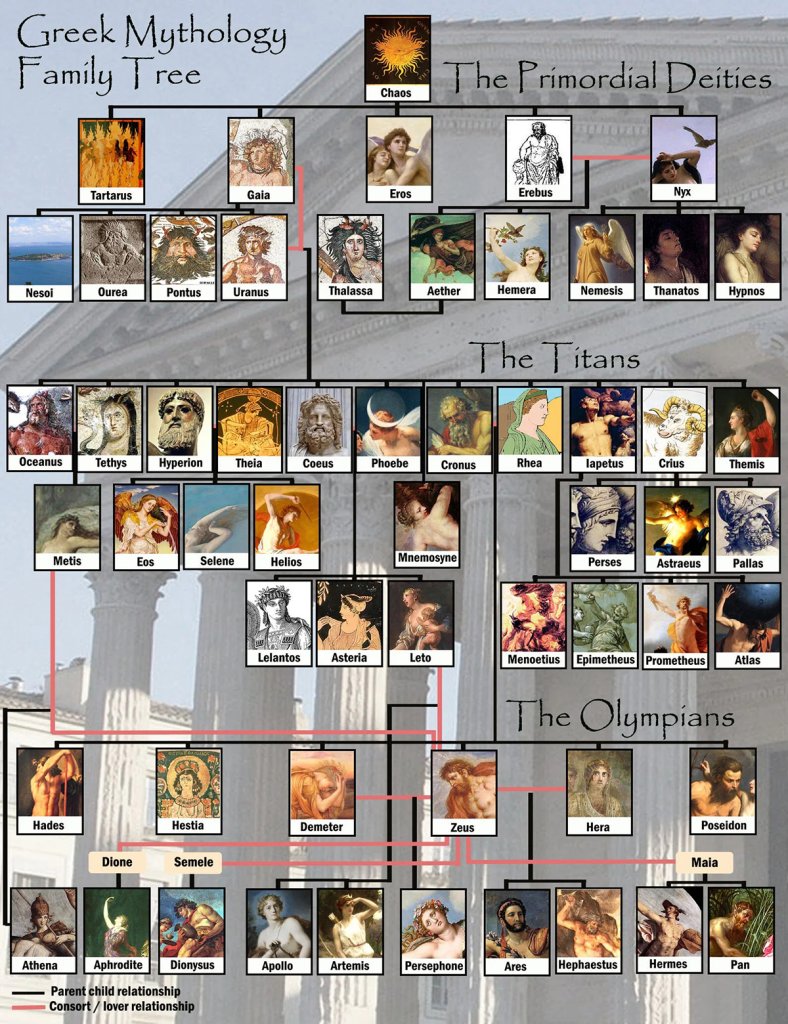
One of the simplest ways to understand the Greek pantheon of gods is to begin with the generational relationships among the gods:
Primordial Deities
↓
Titans and Their Descendants
↓
Olympian Gods
↓
Other Major Deities
In addition, Greek mythology includes categories such as Divine Groups and Personifications. Because a god may simultaneously possess multiple identities—bloodline, function, and personification—overlapping categories naturally arises.
Primordial Deities: The First Beings of Greek Mythology
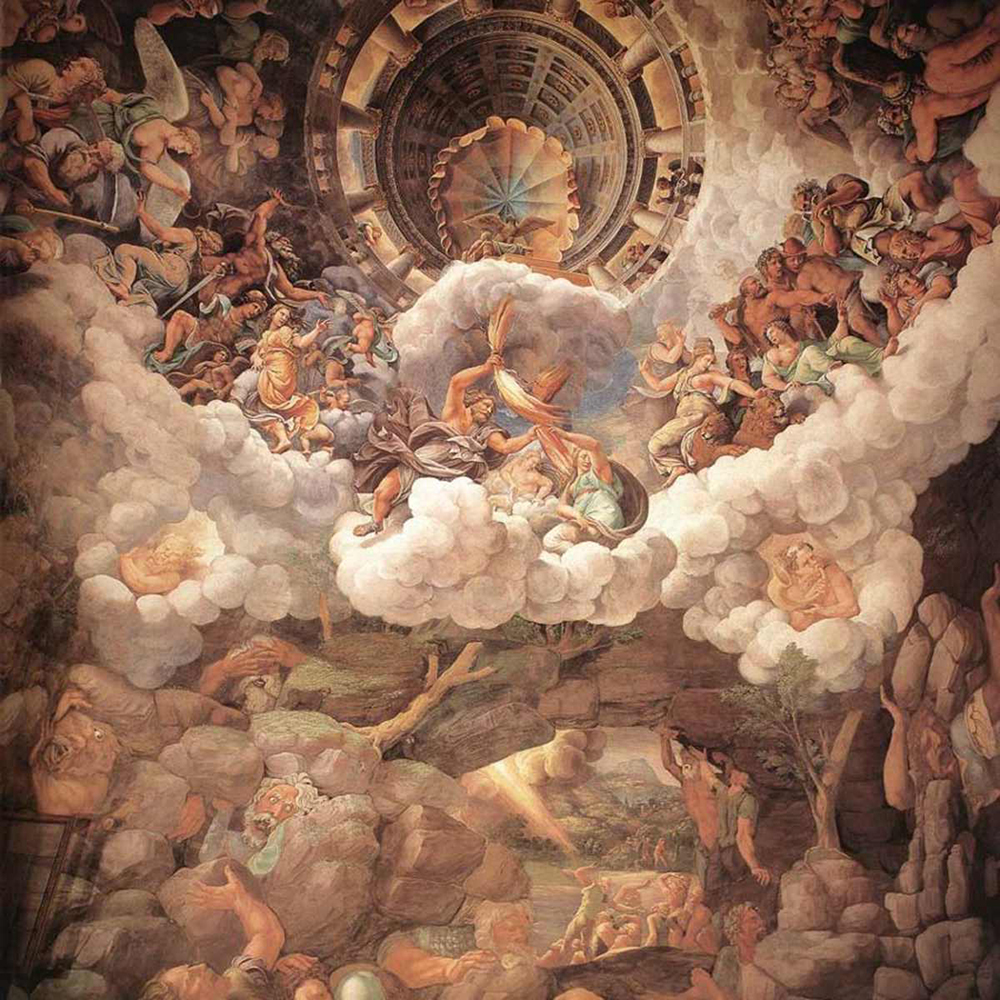
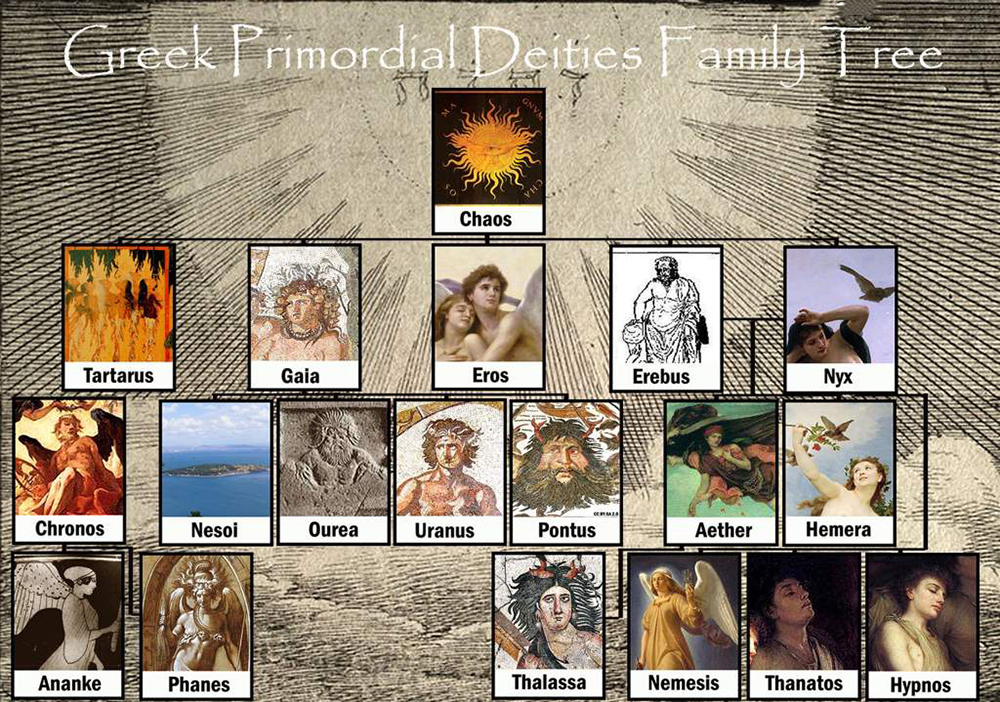
Primordial Deities represent the fundamental beings at the beginning of the universe in Greek mythology. Unlike the later Olympian gods, who have clearly defined figures and functions, they often directly correspond to natural or cosmic concepts such as earth, sky, night, and abyss.
Chaos
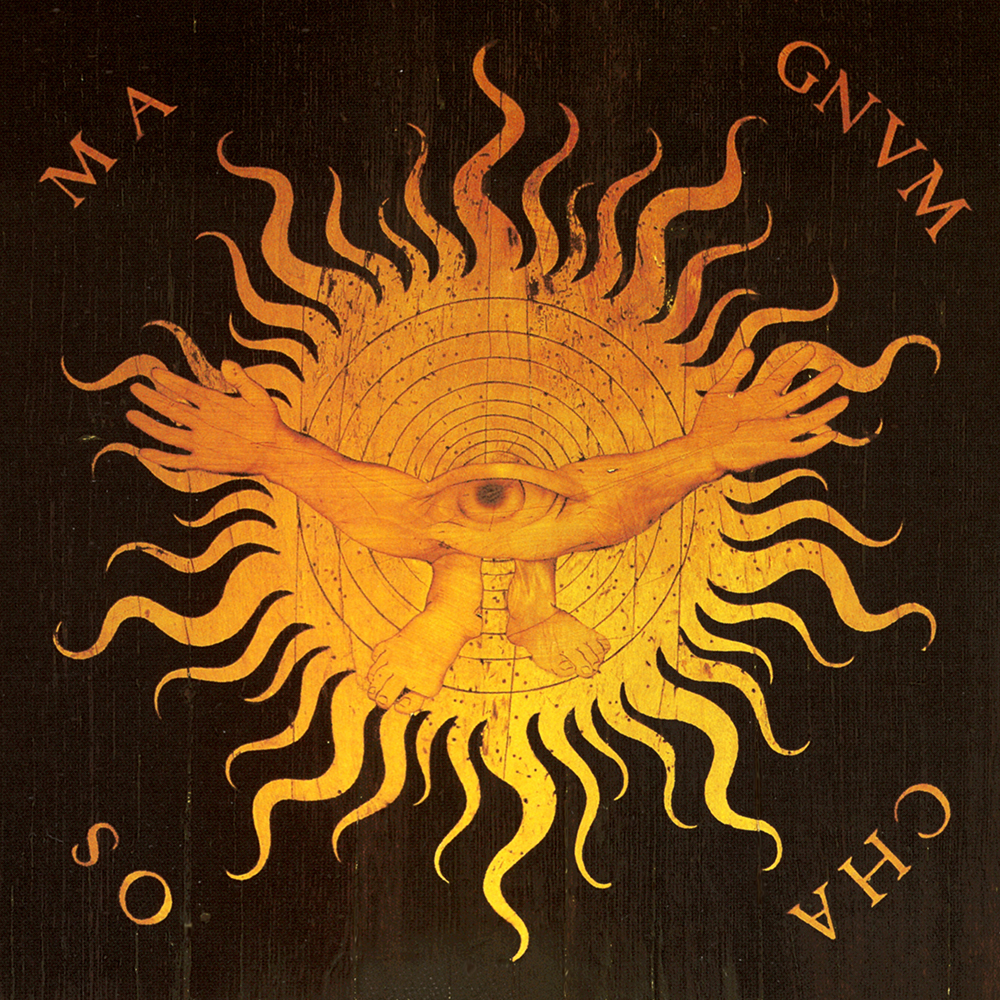
Chaos is the first entity to appear in Hesiod’s Theogony, and is generally understood as the primordial void or fissure before the formation of heaven and earth, rather than simply “chaos” in the modern sense. After Chaos, other primordial entities such as Gaia, Tartarus, and Eros appeared, thus unfolding the cosmological genealogy of Greek mythology.
Gaia
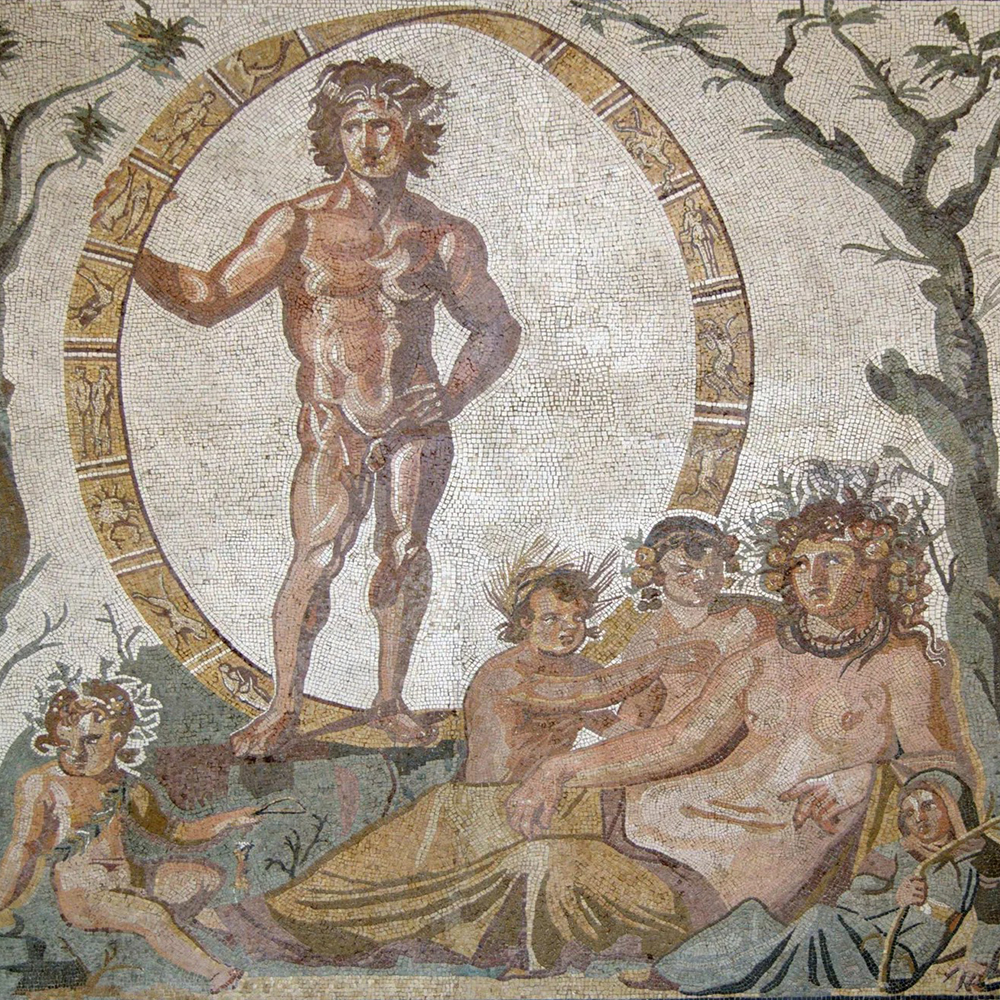
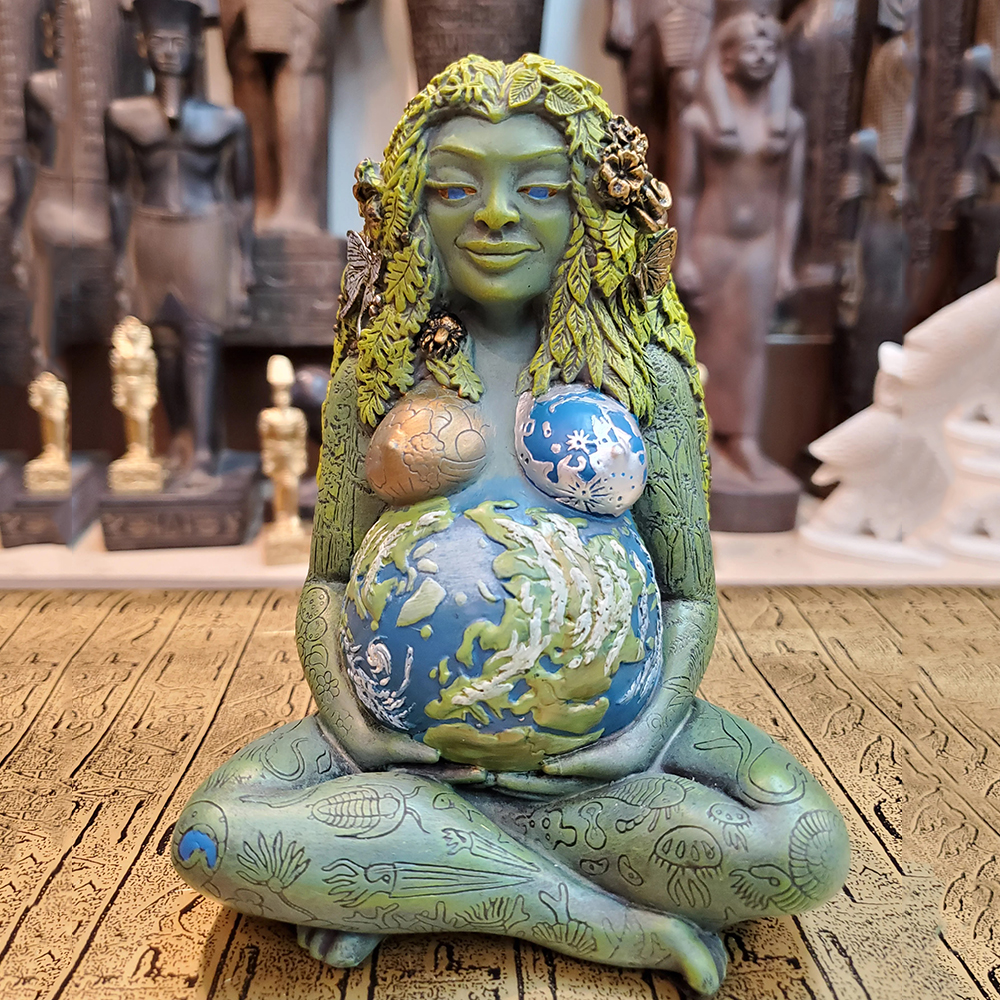
Gaia is the personification of the earth and one of the most important primordial gods in Greek mythology. She gave birth to Uranus (the sky), Pontus (the sea), and Ourea (the mountains), and with Uranus, she gave birth to the Titans, Cyclopes, and Hecatoncheires.
Uranus
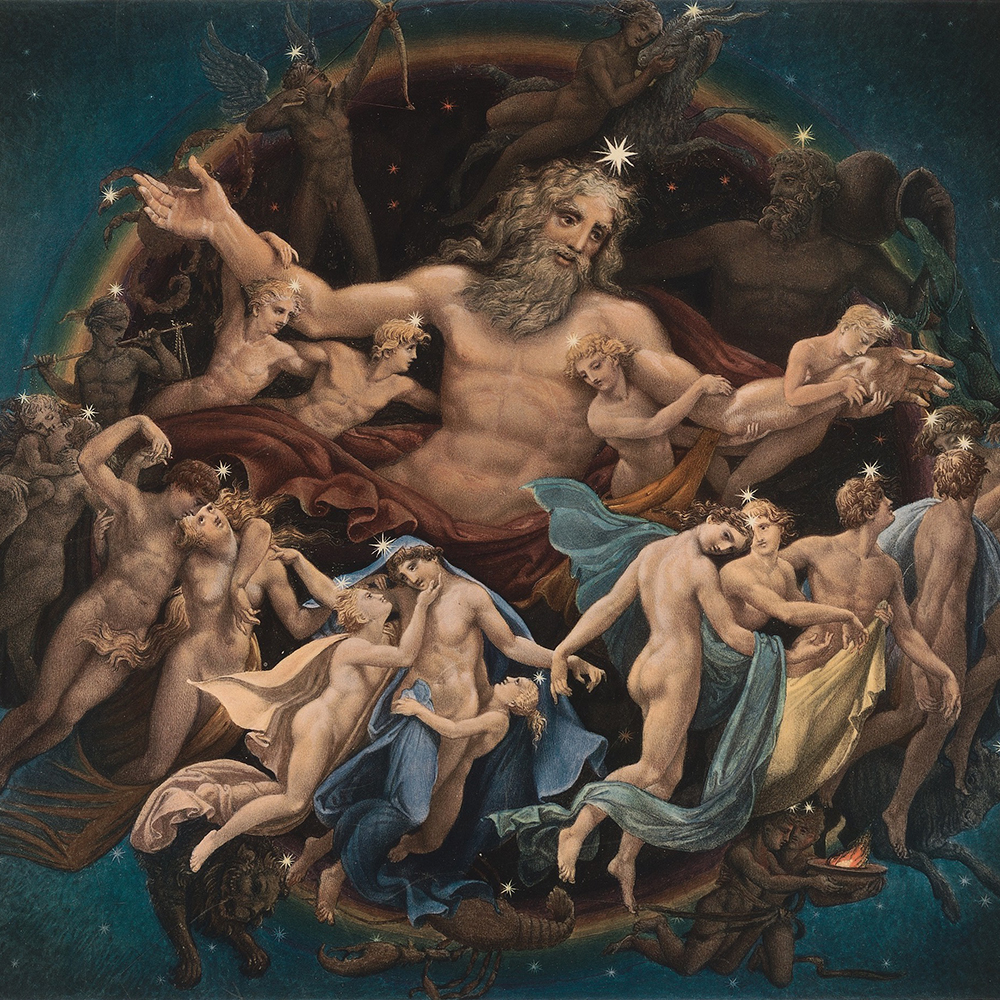
Uranus was the personification of the sky, born of Gaia and later becoming her consort. Together they fathered the Titans, including Cronus and Rhea. Uranus was later overthrown by Cronus for suppressing his children, marking the first significant change of divine authority in Greek mythology.
Tartarus
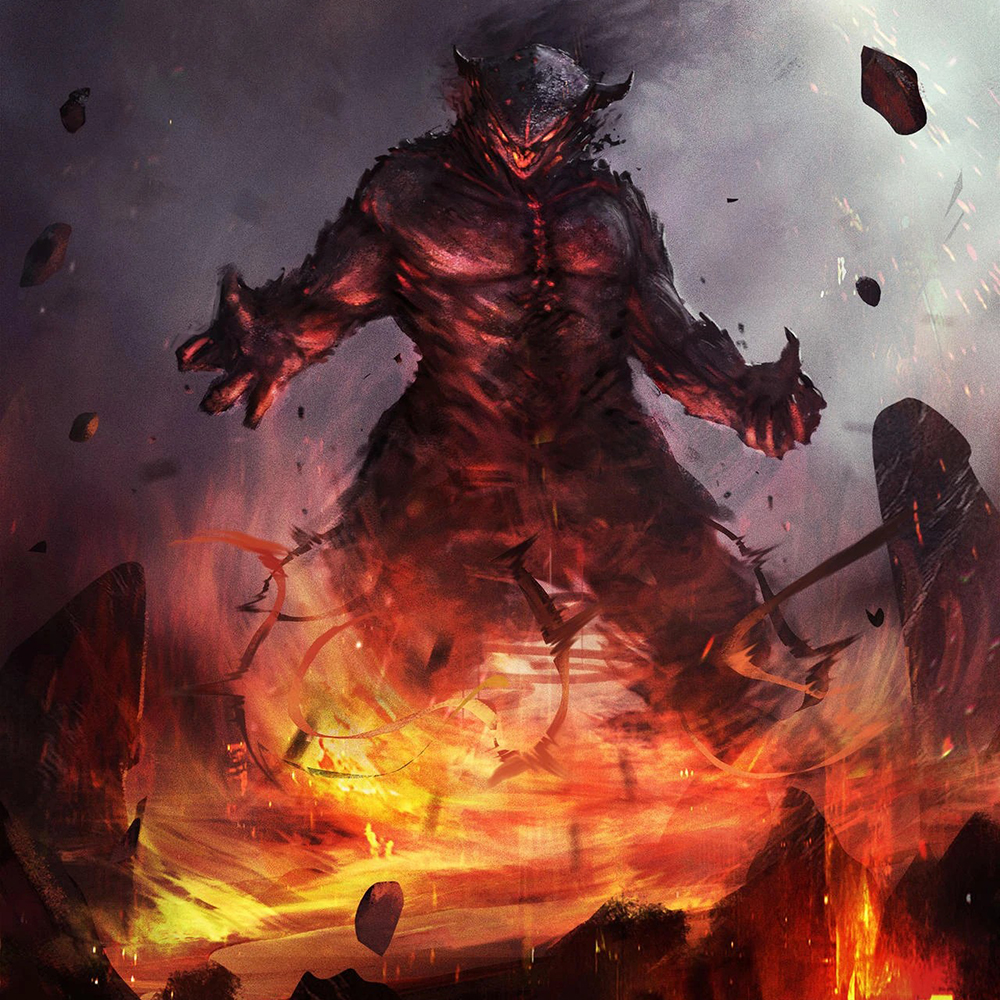
Tartarus is both one of the primordial entities that first appeared in the universe and the deepest abyss in Greek mythology, located in the underworld. Later myths often describe it as a place where Titans were imprisoned or where certain characters were punished.
Nyx
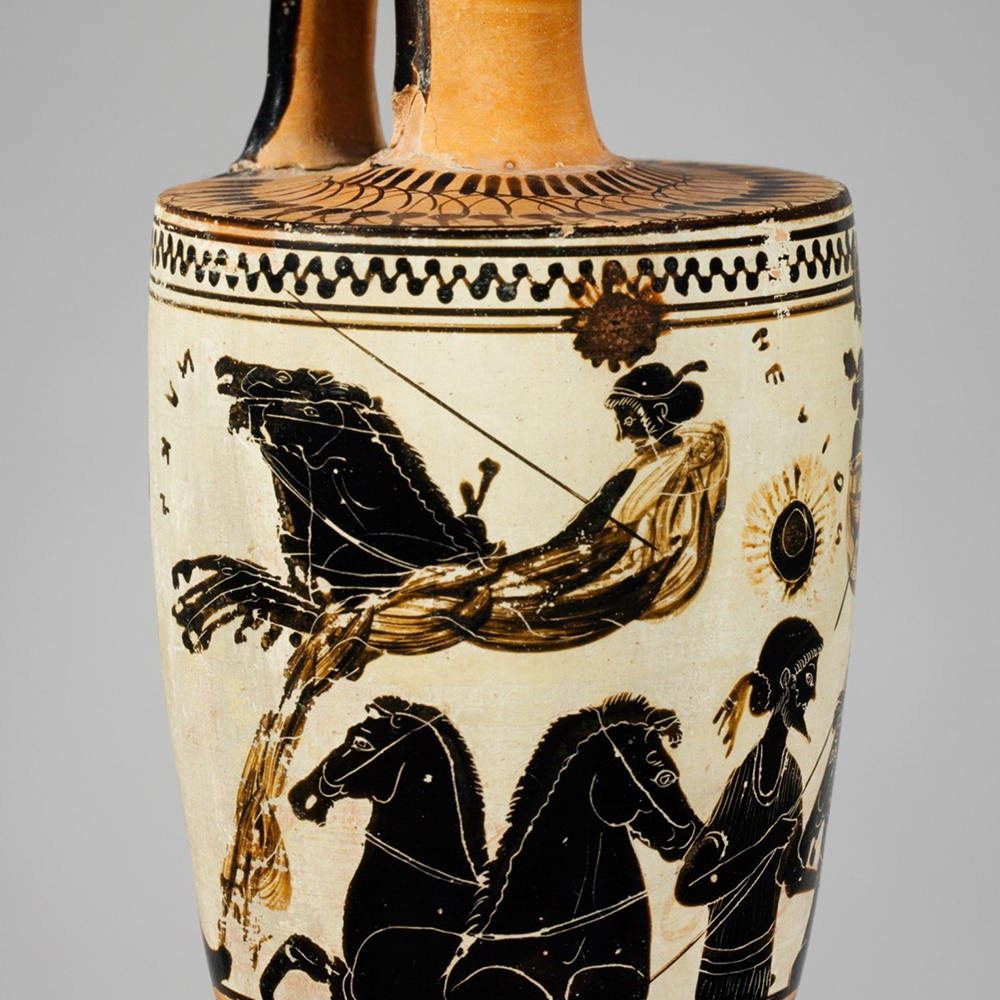
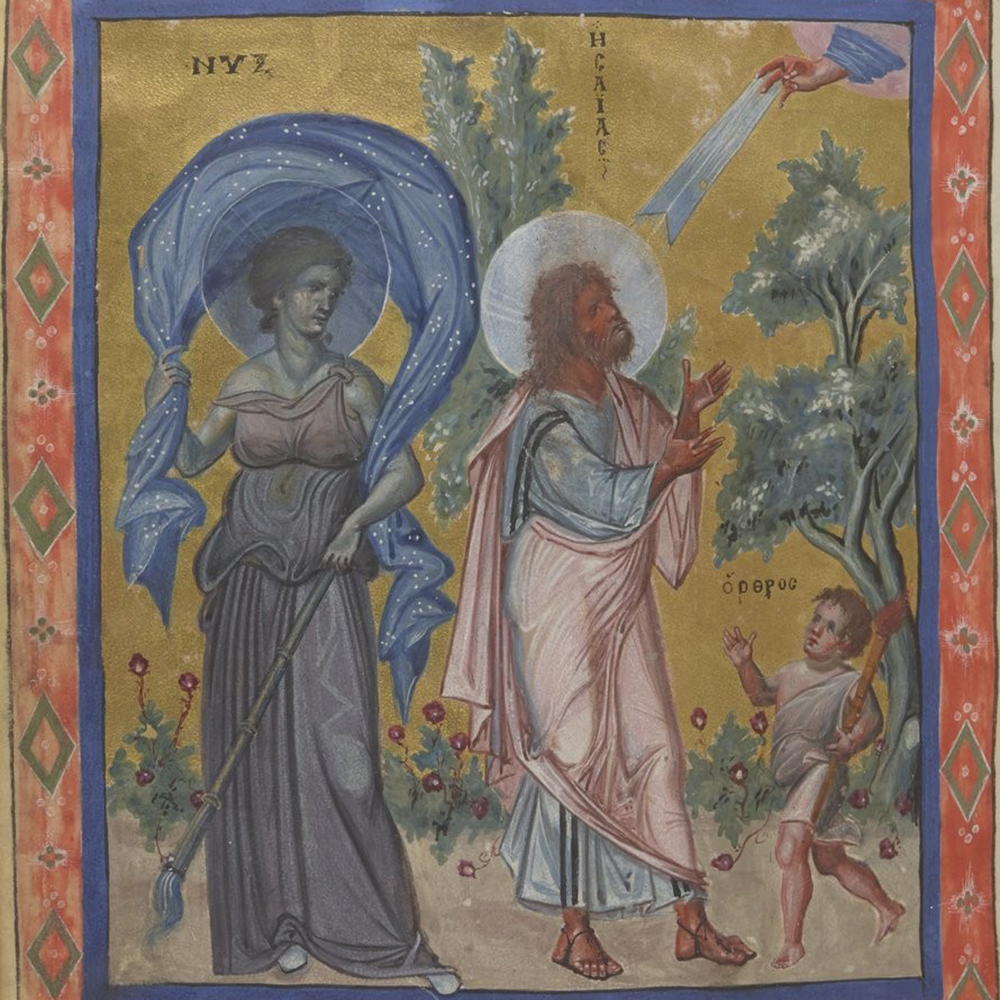
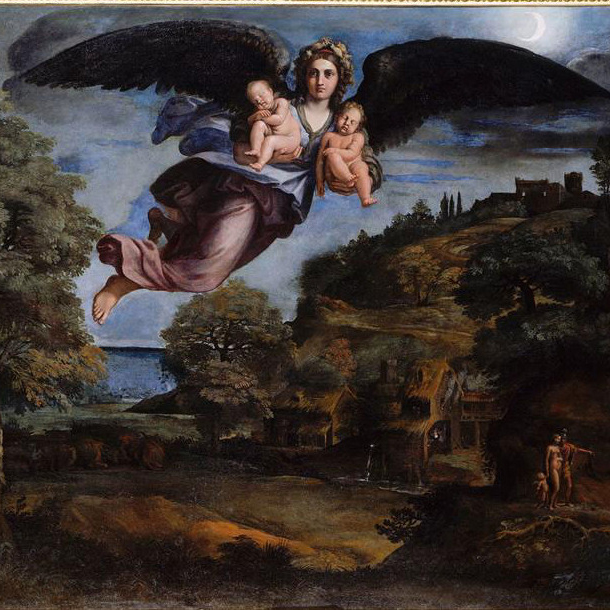
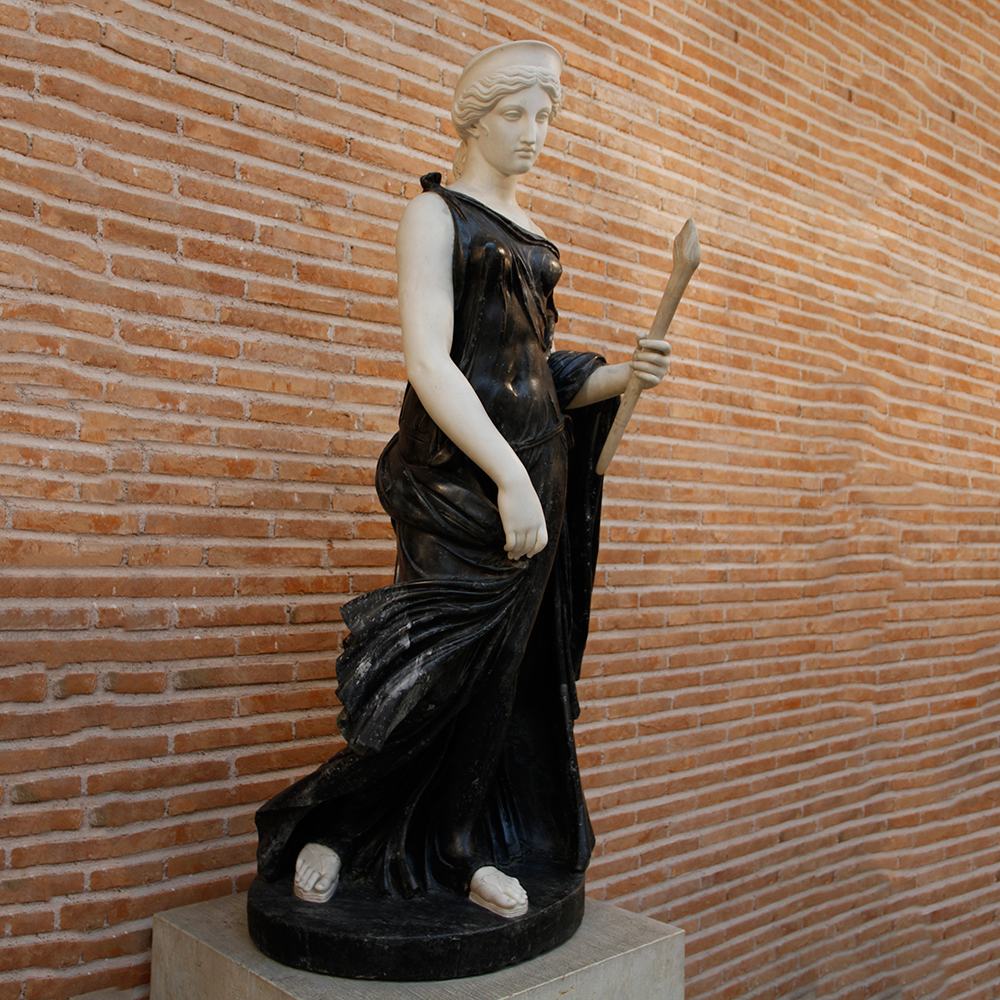
Nyx is the personification of the night. According to Hesiod, she is related to many deities associated with life states and fates, including Hypnos (sleep), Thanatos (death), and Nemesis (retribution).
Erebus
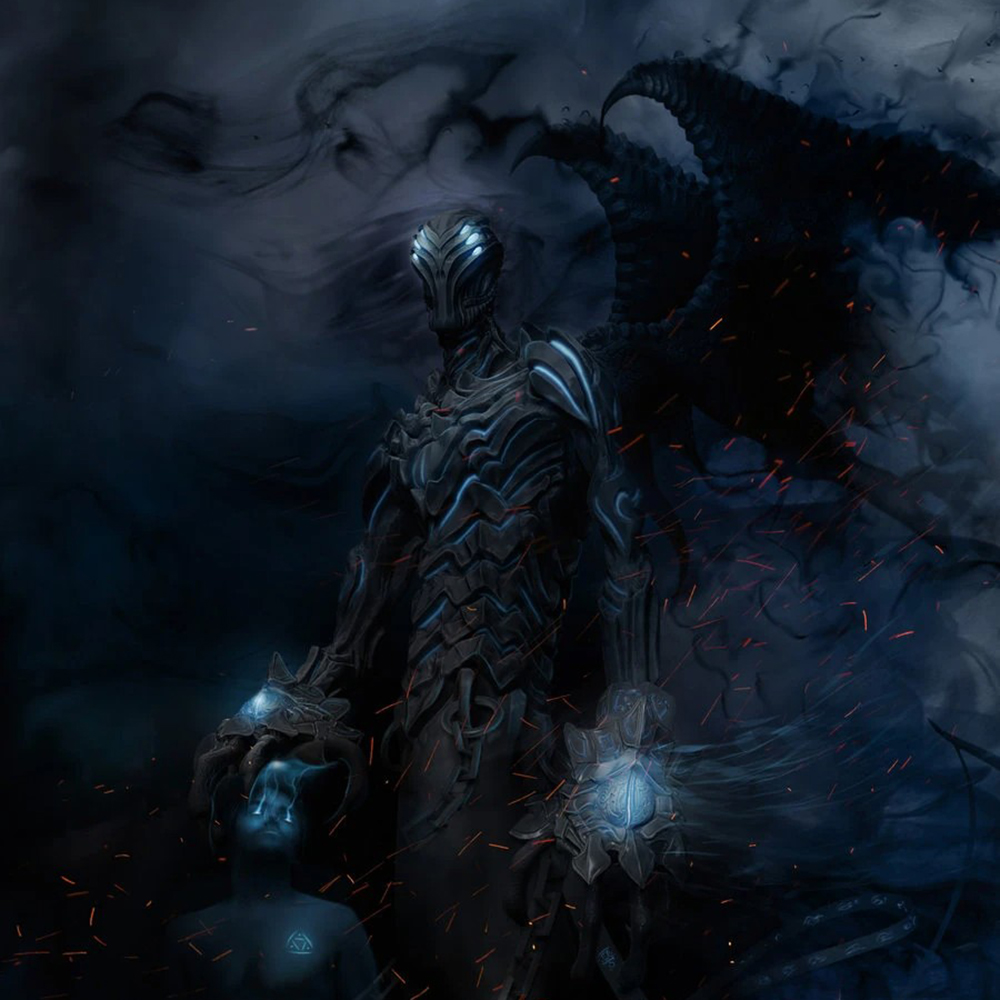
Erebus represents darkness, especially associated with the underground and lightless realms. He emerged from Chaos and, together with Nyx, gave birth to Aether and Hemera, associated with the bright upper atmosphere and daylight, respectively.
Eros
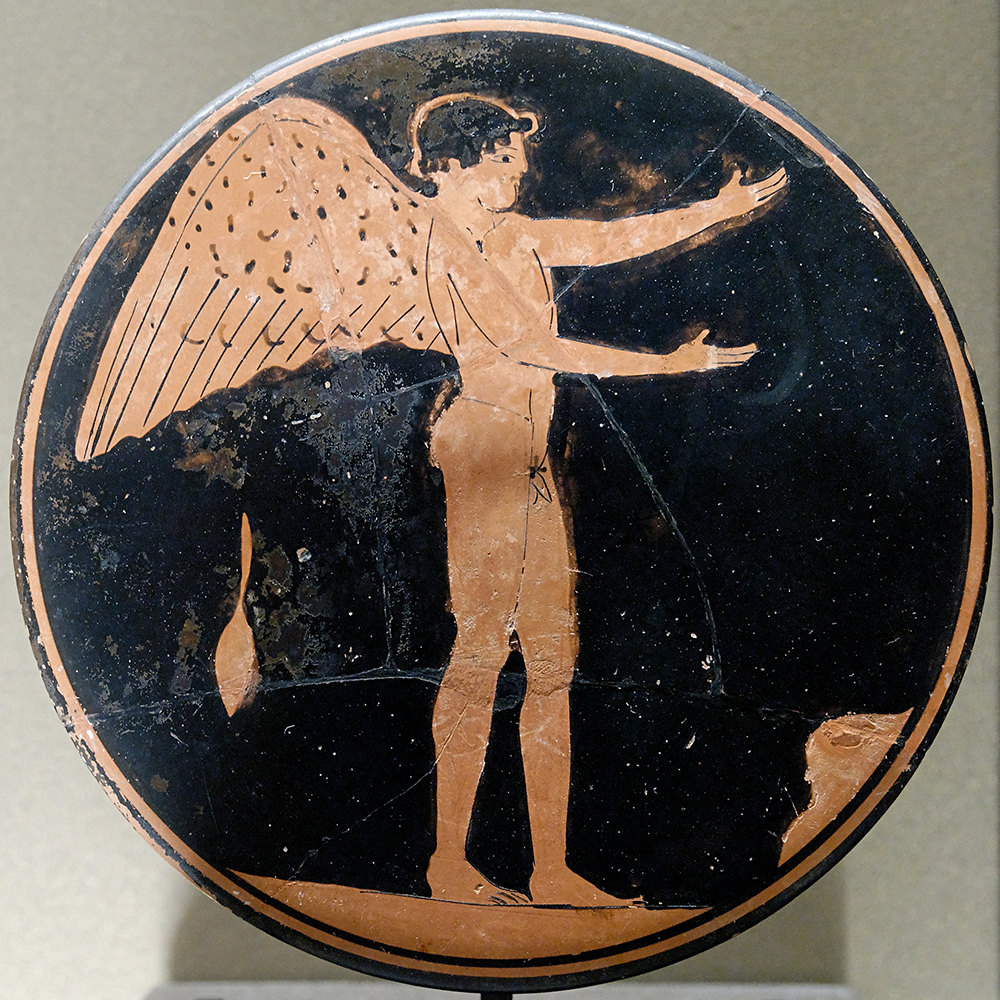
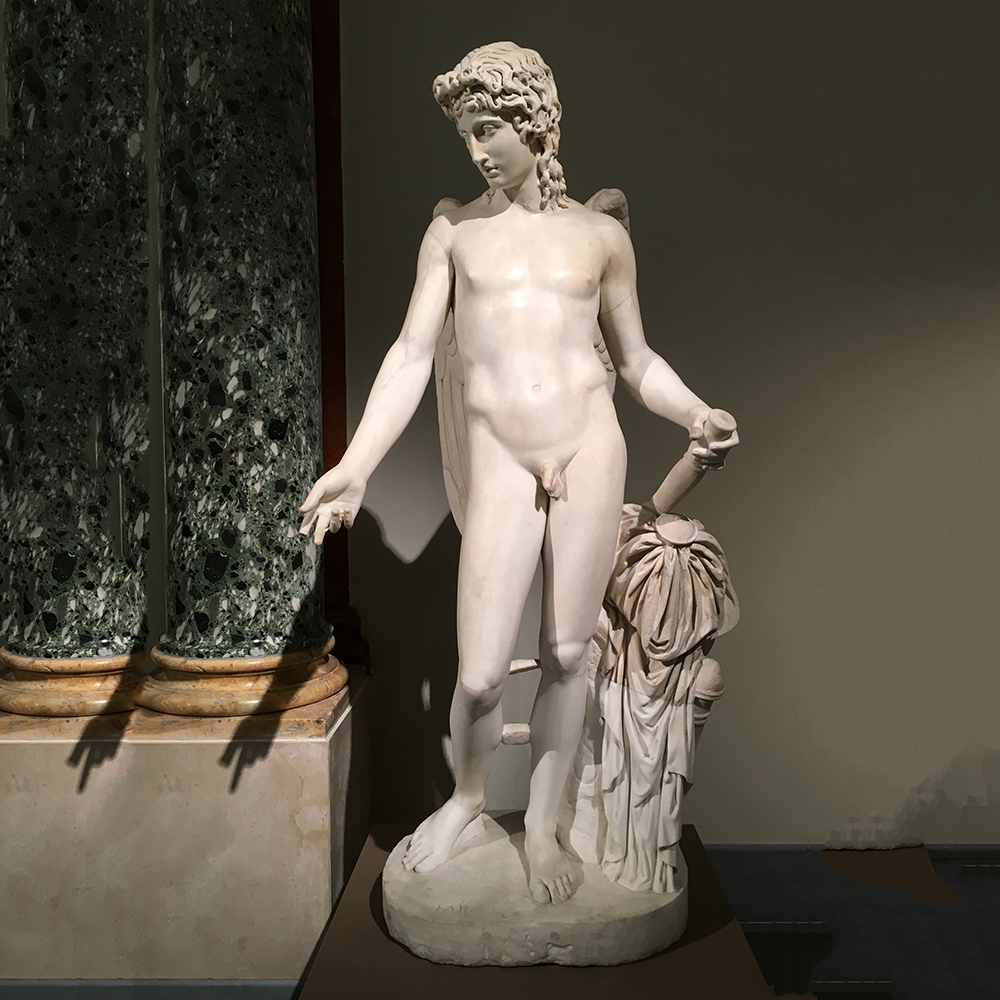
Eros is one of the earliest primordial beings to appear in Hesiod’s Theogony, representing the power of attraction, union, and procreation. This primordial Eros is not entirely the same as the younger Eros who later appears as the god of love.
These primordial beings form the earliest layer of the Greek pantheon of gods.
Titans: The Older Generation of Greek Gods
The Titans form an earlier generation within the Greek pantheon of gods, preceding the Olympian Gods. According to Hesiod’s Theogony, the first twelve Titans were the children of Gaia and Uranus. Cronus overthrew Uranus and became ruler, while Zeus later defeated Cronus and his supporters in the Titanomachy, thus establishing the Olympian gods as the new dominant generation.
Cronus
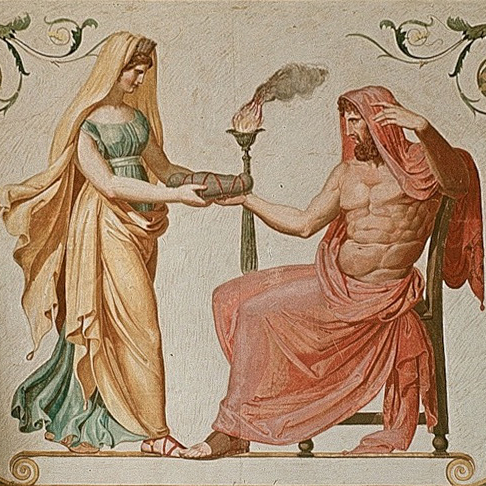
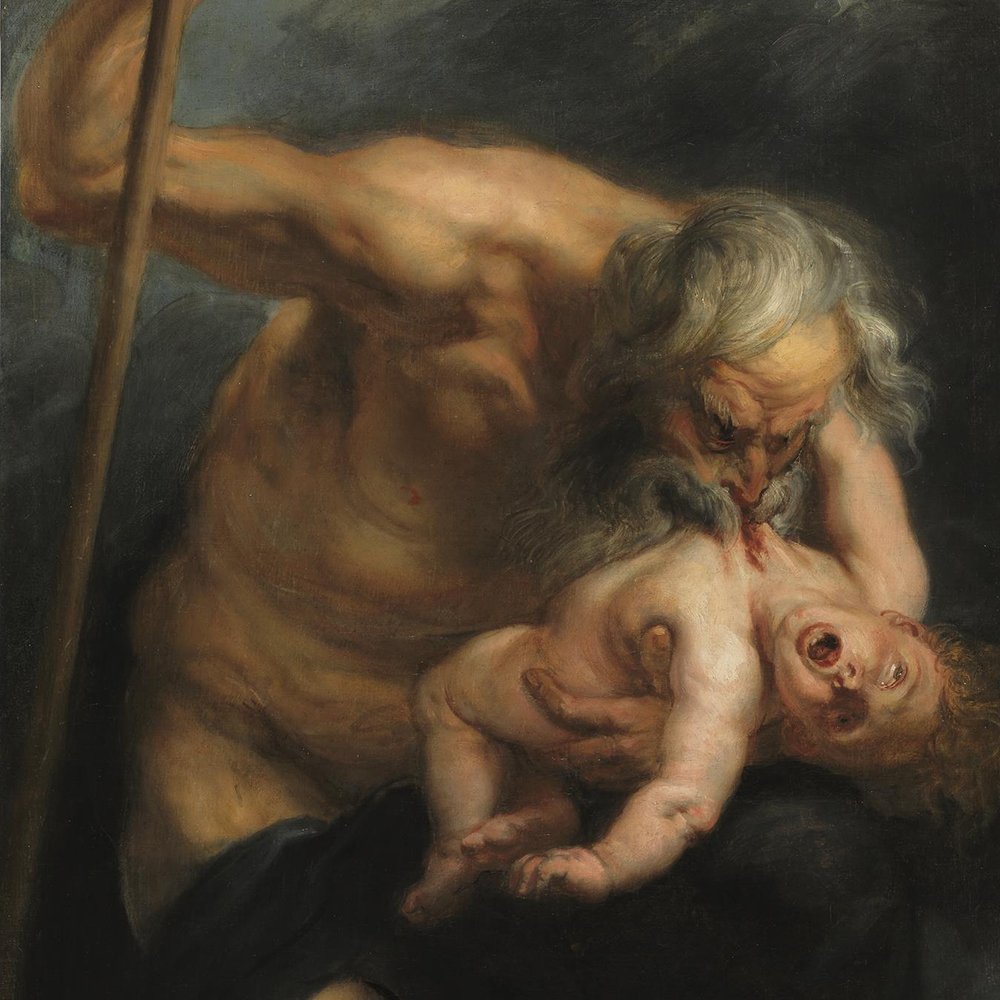
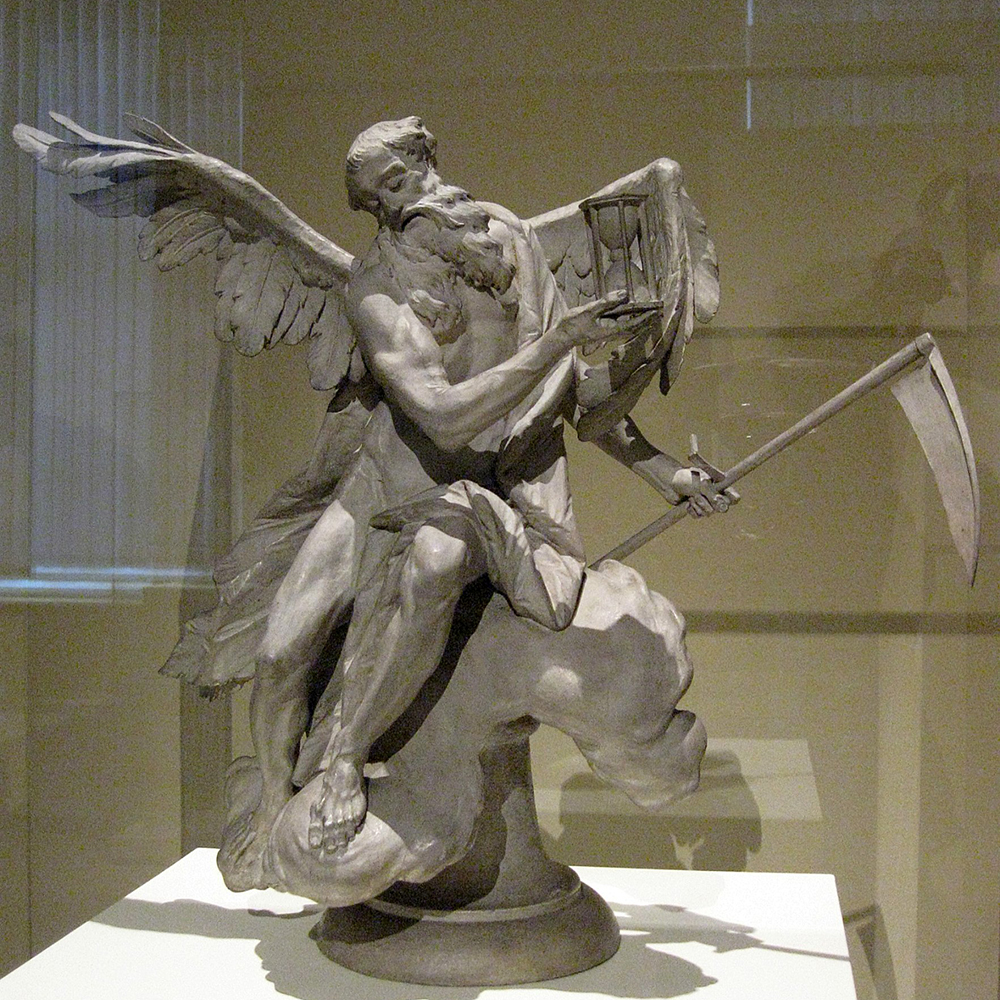
Cronus was one of the twelve Titans and a major ruler of the Titan era. He and Rhea fathered the first Olympian Gods, but fearing their overthrow, he swallowed them. Ultimately, the surviving Zeus grew up and overthrew him.
- Parents: Gaia, Uranus
- Consort: Rhea
- Children: Hestia, Demeter, Hera, Hades, Poseidon, Zeus
- Key Myth: Overthrew Uranus, but was later overthrown by Zeus.
Rhea
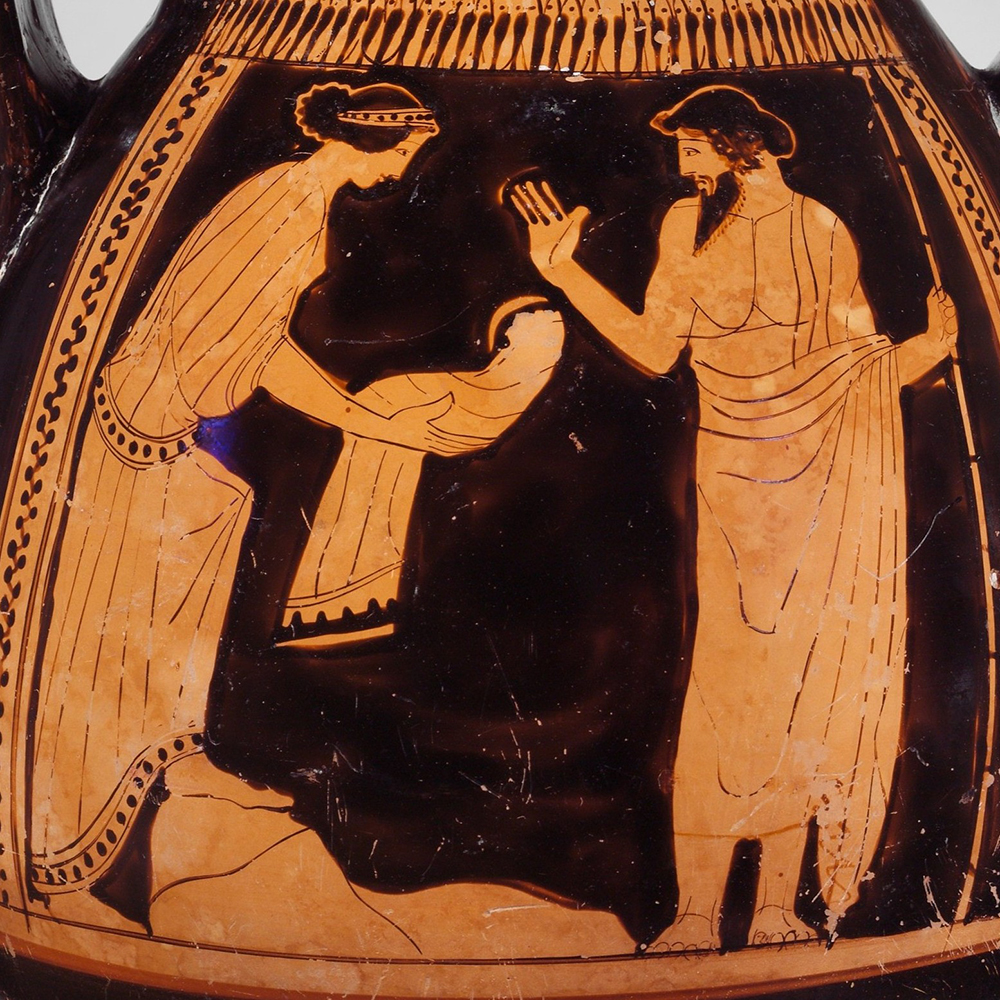
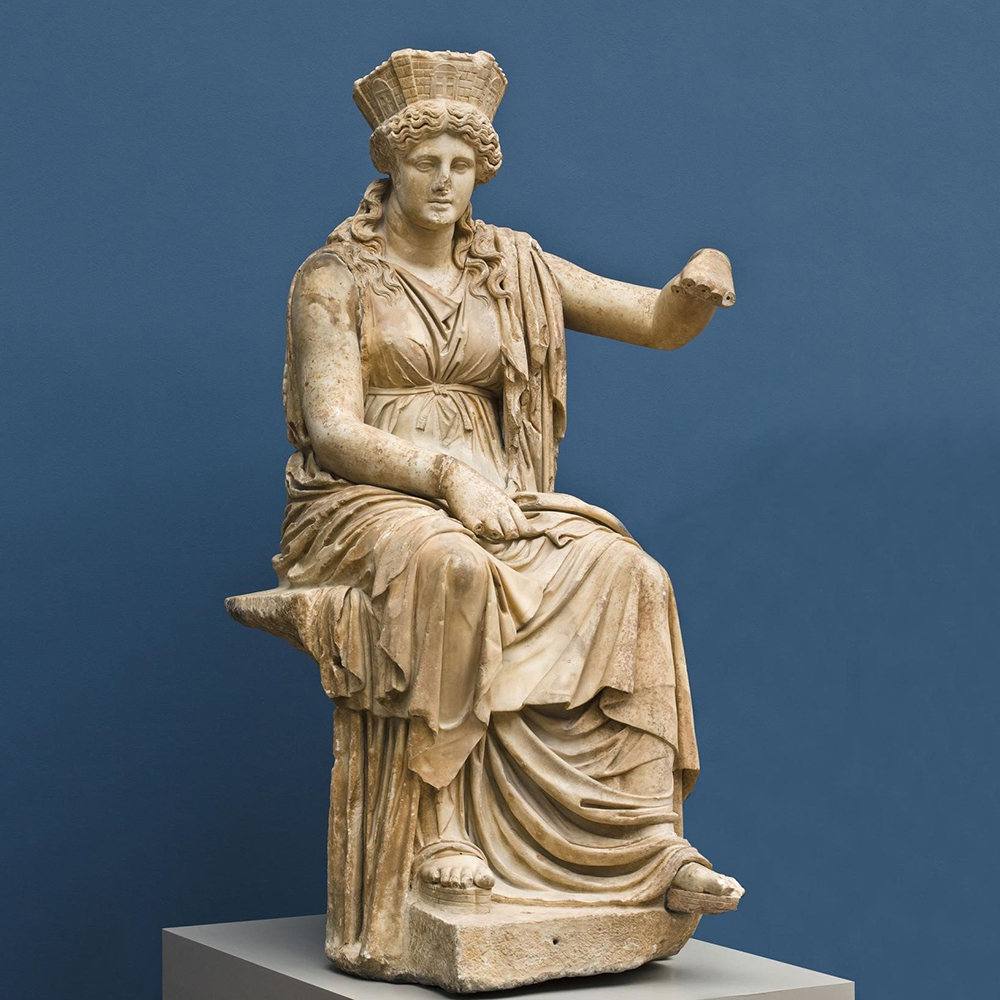
Rhea was one of the twelve Titans and the mother of six important gods, including Zeus. To protect Zeus, she wrapped a stone in swaddling clothes and gave it to Cronus to swallow, secretly hiding the real Zeus.
- Parents: Gaia、Uranus
- Consort: Cronus
- Children: Hestia、Demeter、Hera、Hades、Poseidon、Zeus
- Key Role: Protects Zeus, enabling the succession of divine authority to the next generation.
Oceanus
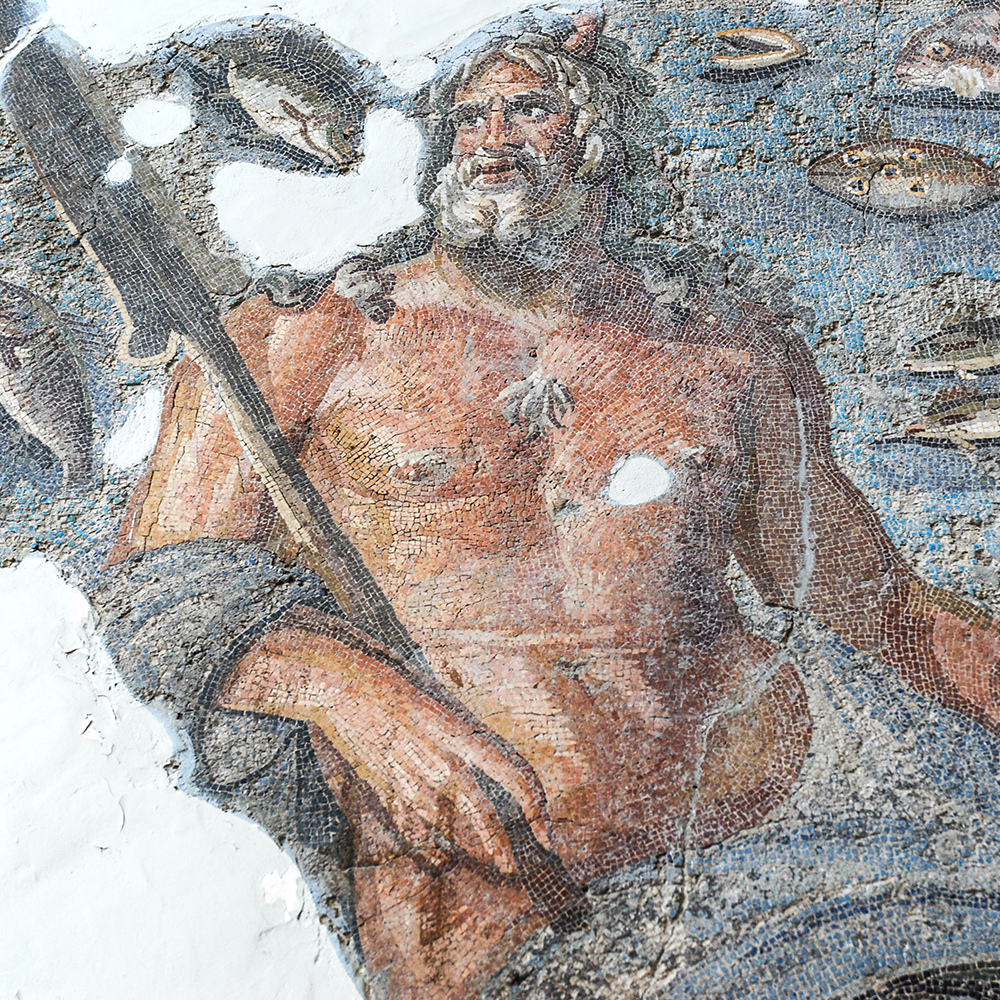
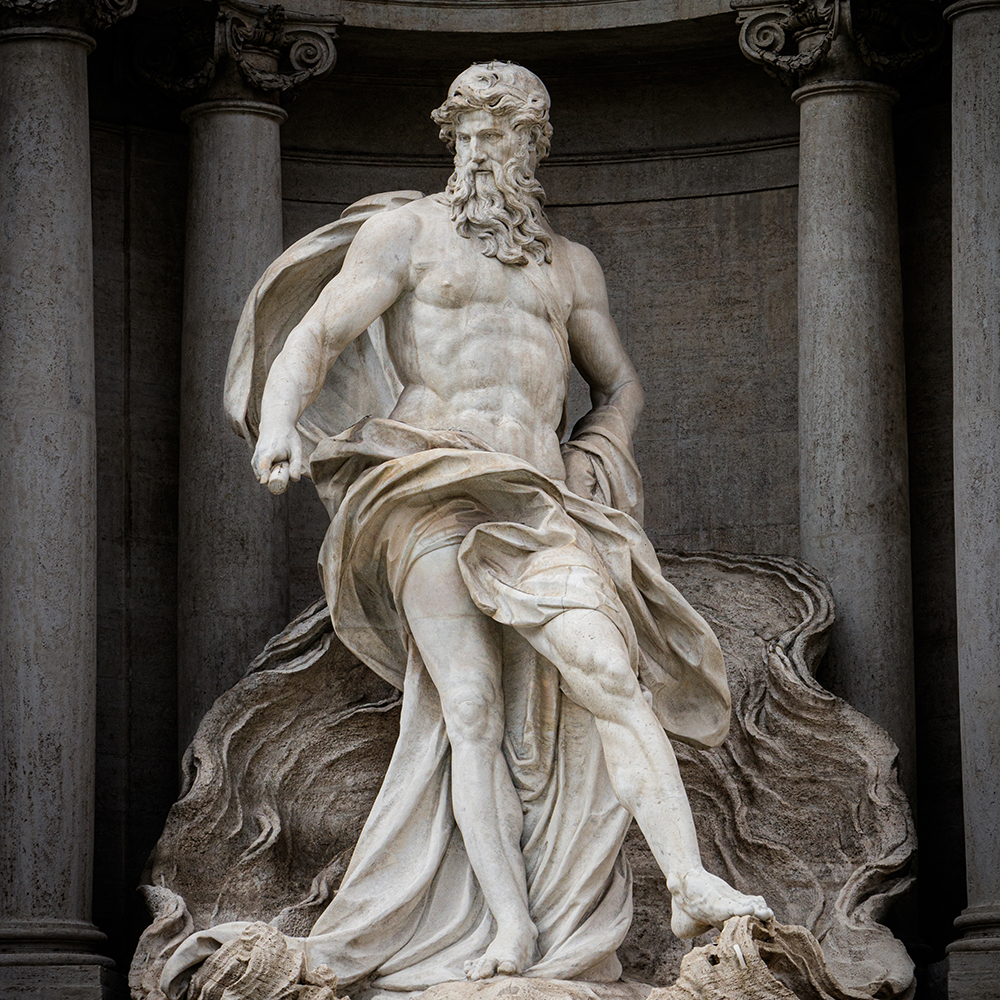
Oceanus represents the great river encircling the world as known to the ancient Greeks. He united with Tethys, becoming the ancestor of many river gods and Oceanids.
- Domain: World-encircling river
- Consort: Tethys
- Note: Oceanus is not the same god as Poseidon, who later ruled the sea.
Hyperion
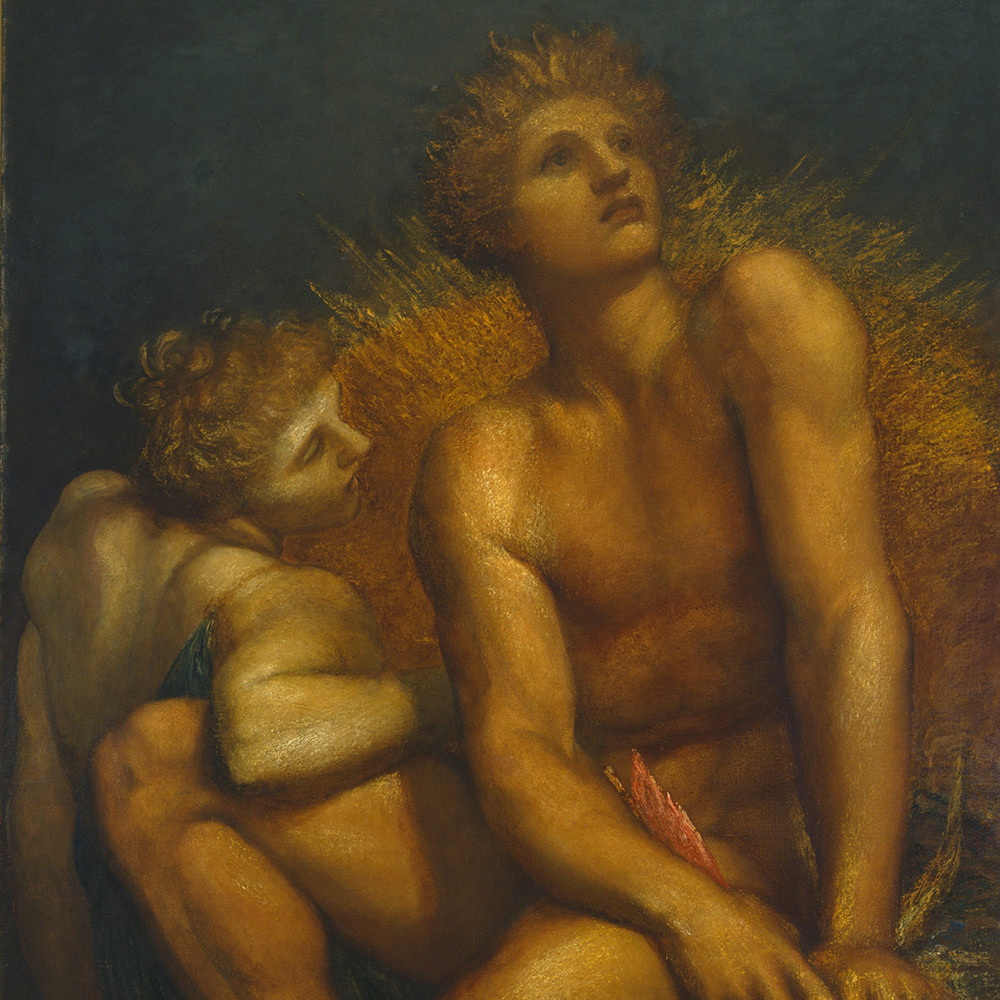
Hyperion is a Titan associated with celestial bodies and light. He and Theia fathered Helios, Selene, and Eos.
- Consort: Theia
- Children: Helios, Selene, Eos
- Association: Sun, Moon, and Dawn pantheon
Themis
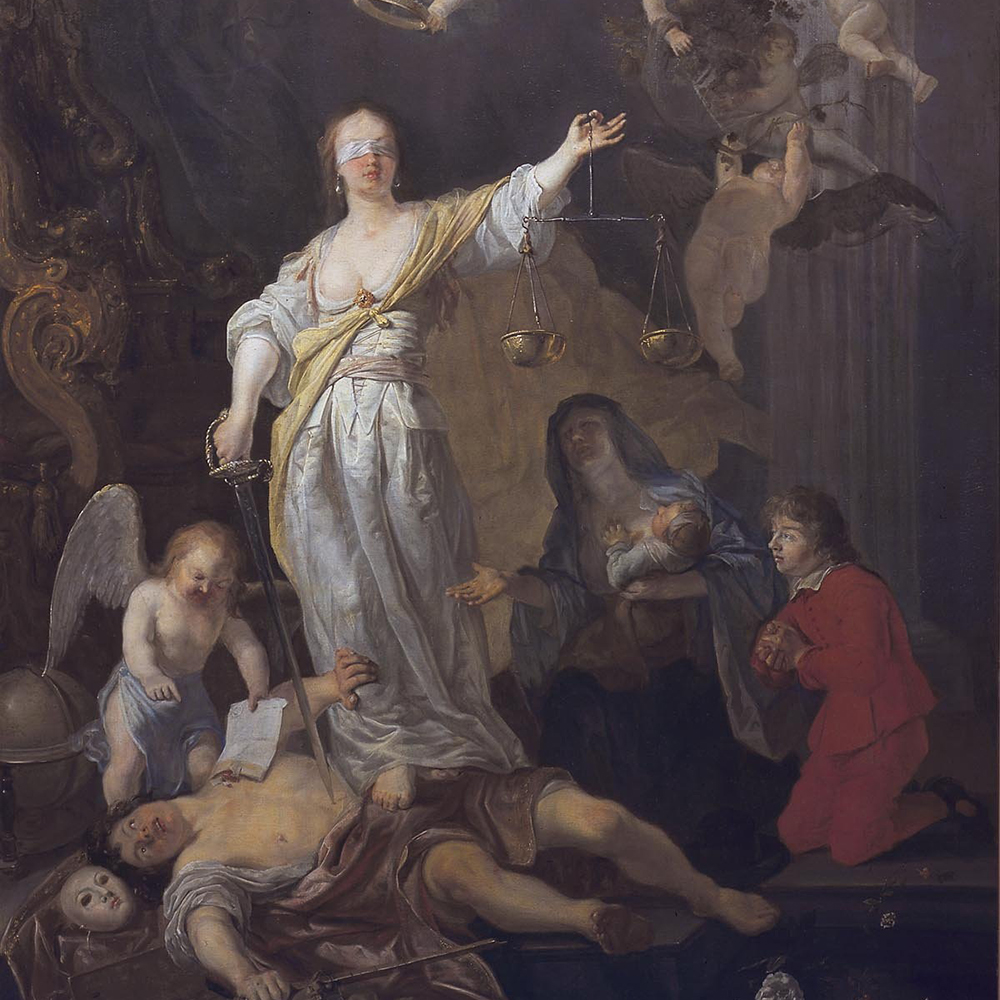

Themis is one of the twelve Titans, associated with divine order, law, and established rules. She later united with Zeus and is linked to the Horae and, in some traditions, the Moirai lineage.
- Domain: Divine law and order
- Consort: Zeus
- Characteristics: Belongs to the Titan race, but also possesses personified attributes of abstract concepts.
Mnemosyne
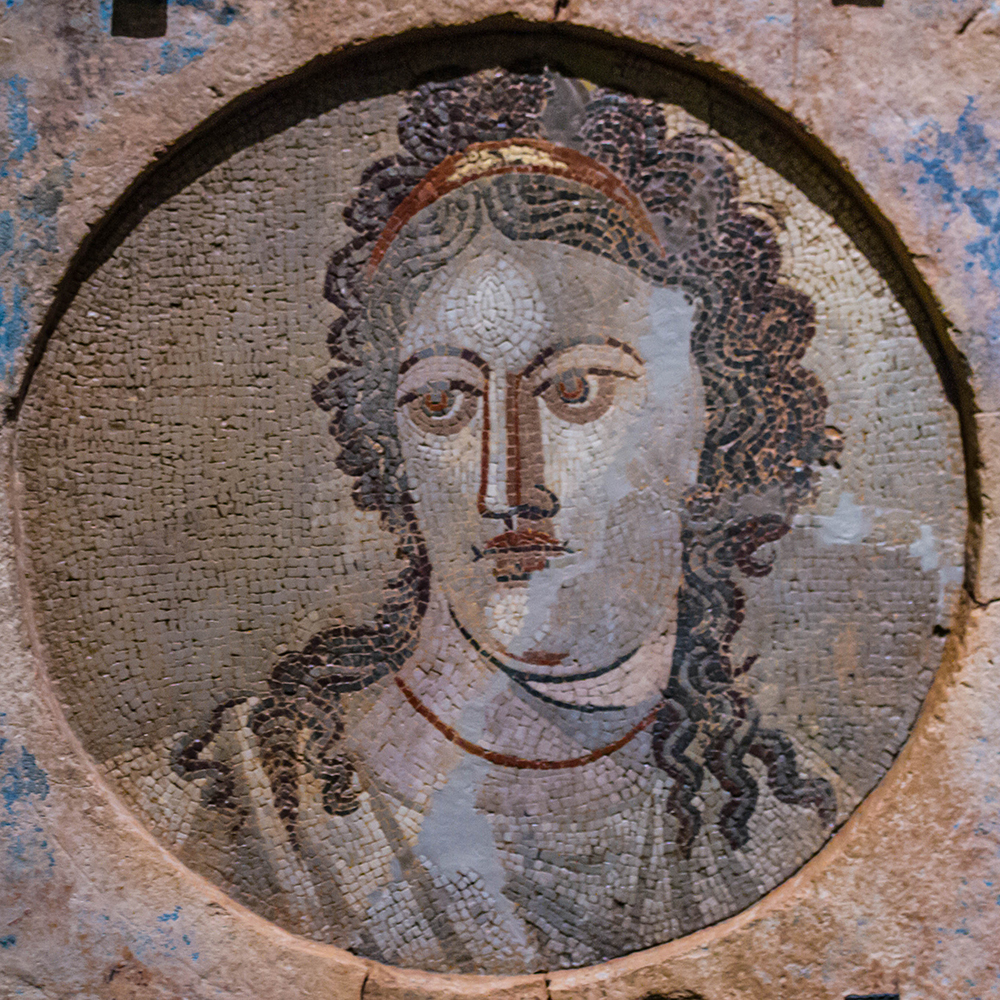
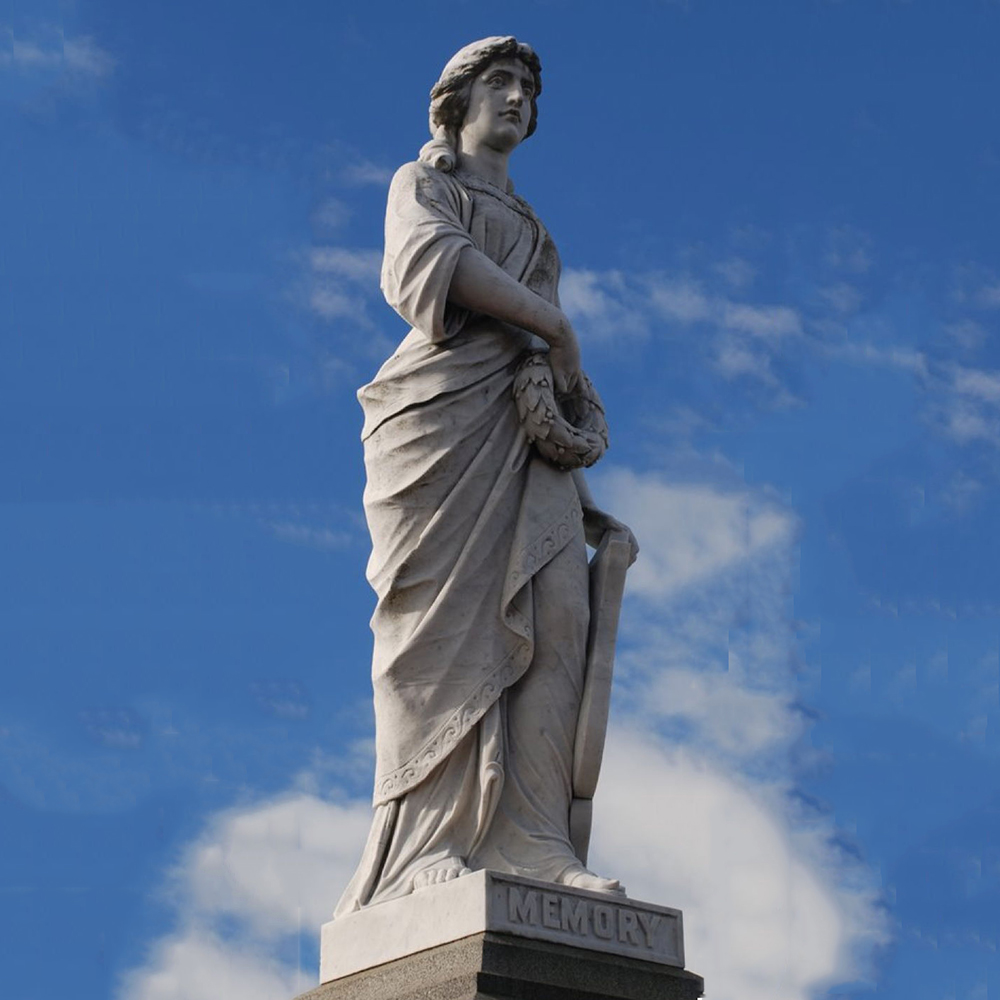
Mnemosyne is the goddess of memory and one of the twelve Titans. She and Zeus fathered the Nine Muses, connecting memory with the realms of art and knowledge, such as poetry, music, and history.
- Domain: Memory
- Consort: Zeus
- Children: Nine Muses
Besides the original Twelve Titans, some Titan descendants also became important figures in Greek mythology.
Atlas
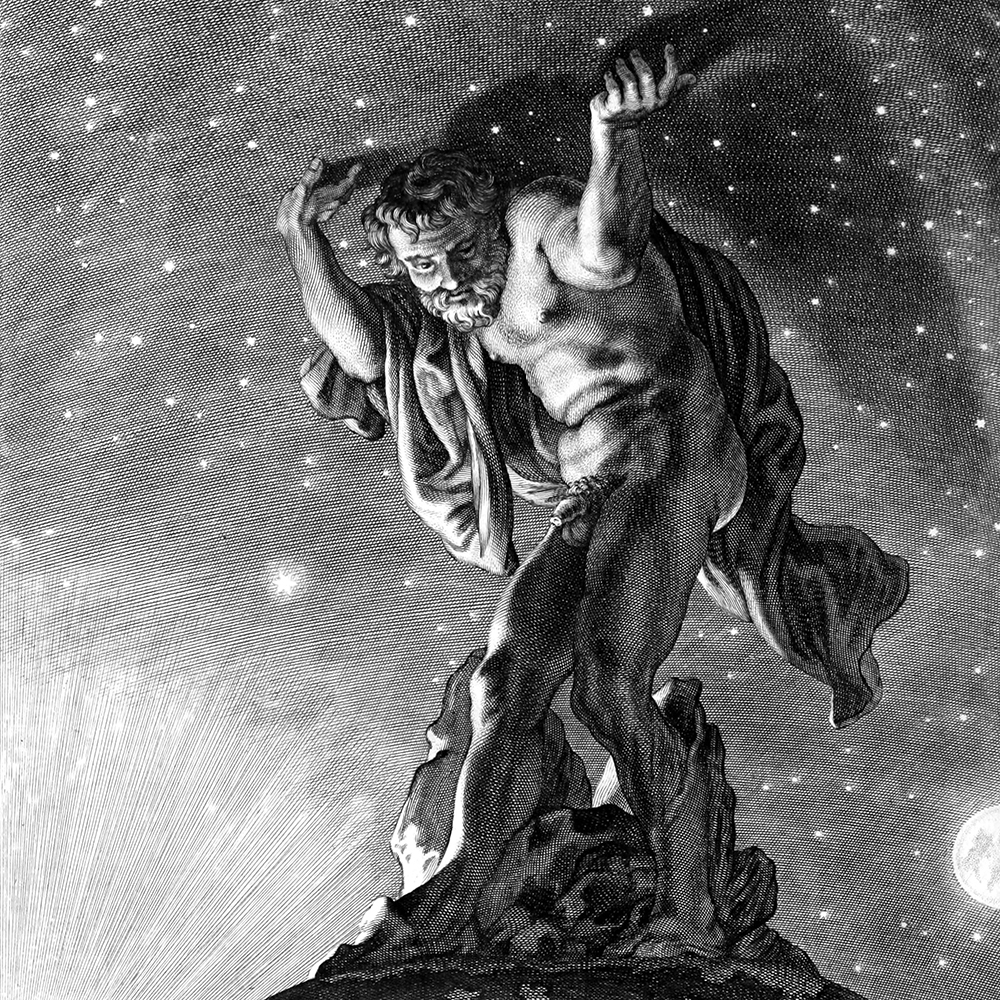
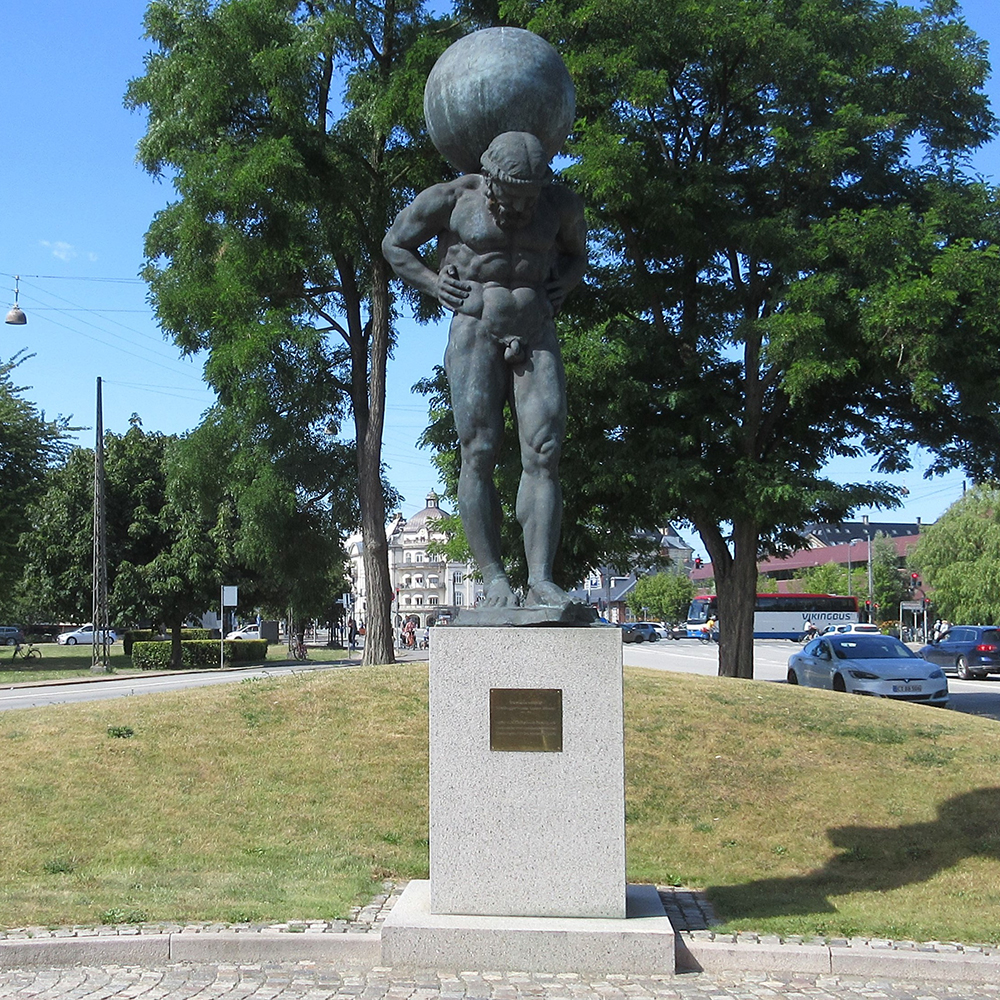
Atlas is the son of Titan Iapetus, but not one of the original twelve Titans. In the Titanomachy, he sided with the Titans, and after their defeat, was punished by Zeus and forced to support the sky. • Father: Iapetus
- Father: Iapetus
- Key Myth: Titanomachy
- Symbols / Attributes: Supporting the Sky
It’s important to note that in classical mythology, Atlas supports the sky, not the earth; his image of holding up a sphere gradually became common in later art.
Prometheus
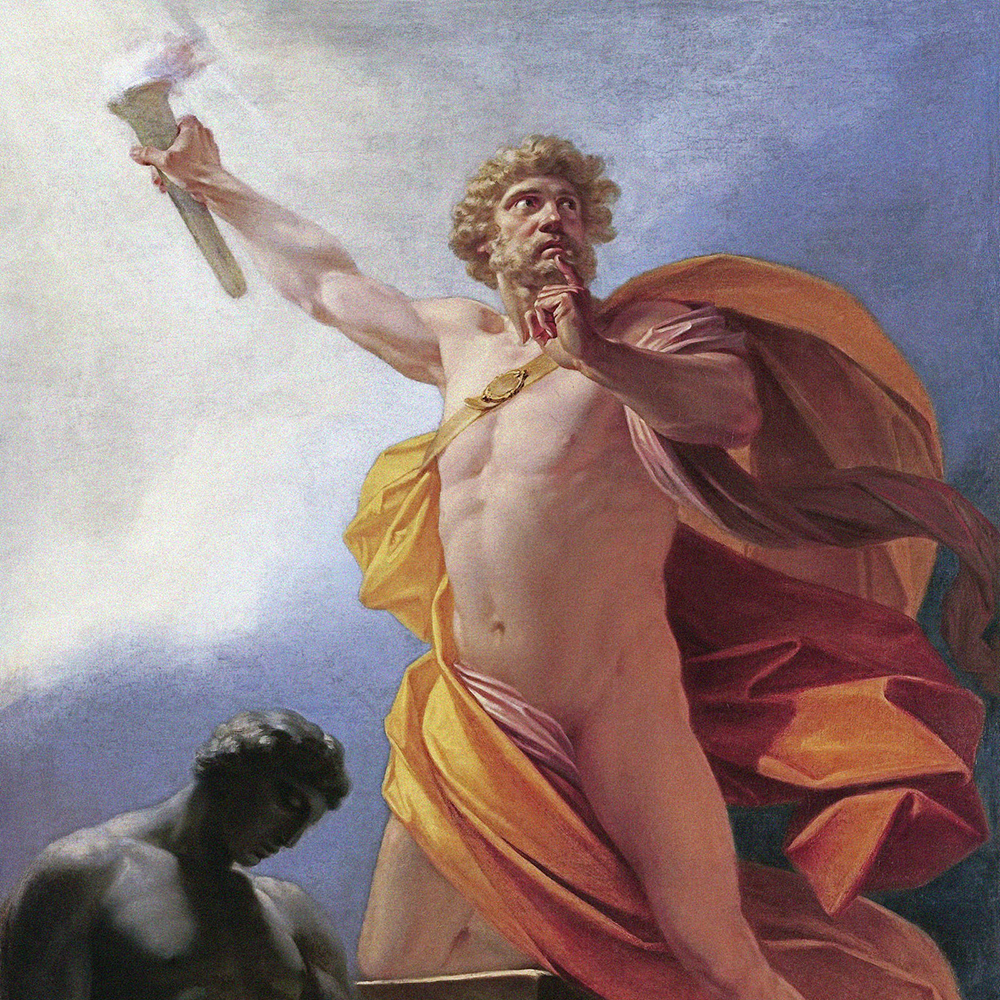
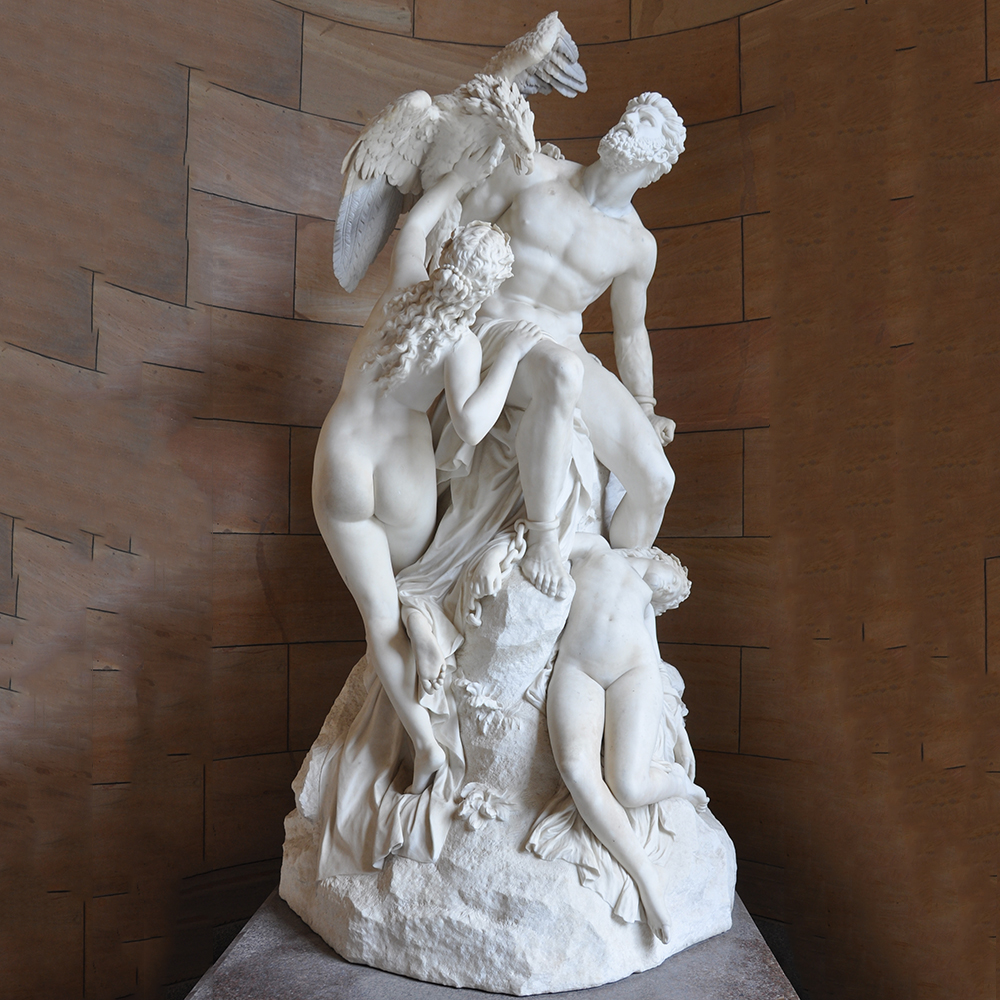
Prometheus is also the son of Iapetus and one of the most famous Titan descendants. He had a close relationship with humans, and his most famous story is bringing fire to mankind, thus angering Zeus and incurring punishment.
- Father: Iapetus
- Related: Fire, humanity, foresight
- Key Myth: Bringing fire to mankind
The Twelve Olympian Gods
The Twelve Olympian Gods are the most famous group of deities in Greek pantheon, with Mount Olympus as their primary sacred abode. They are associated with various fields, including the sky, the sea, agriculture, wisdom, war, love, and music.
It’s important to note that the ancient list of the Twelve Olympians was not entirely consistent, with the most common difference being between Hestia and Dionysus.
Zeus
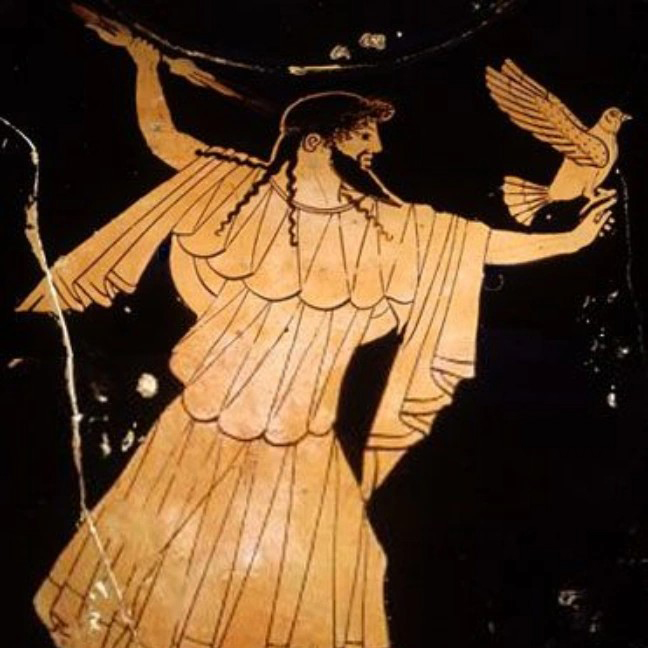
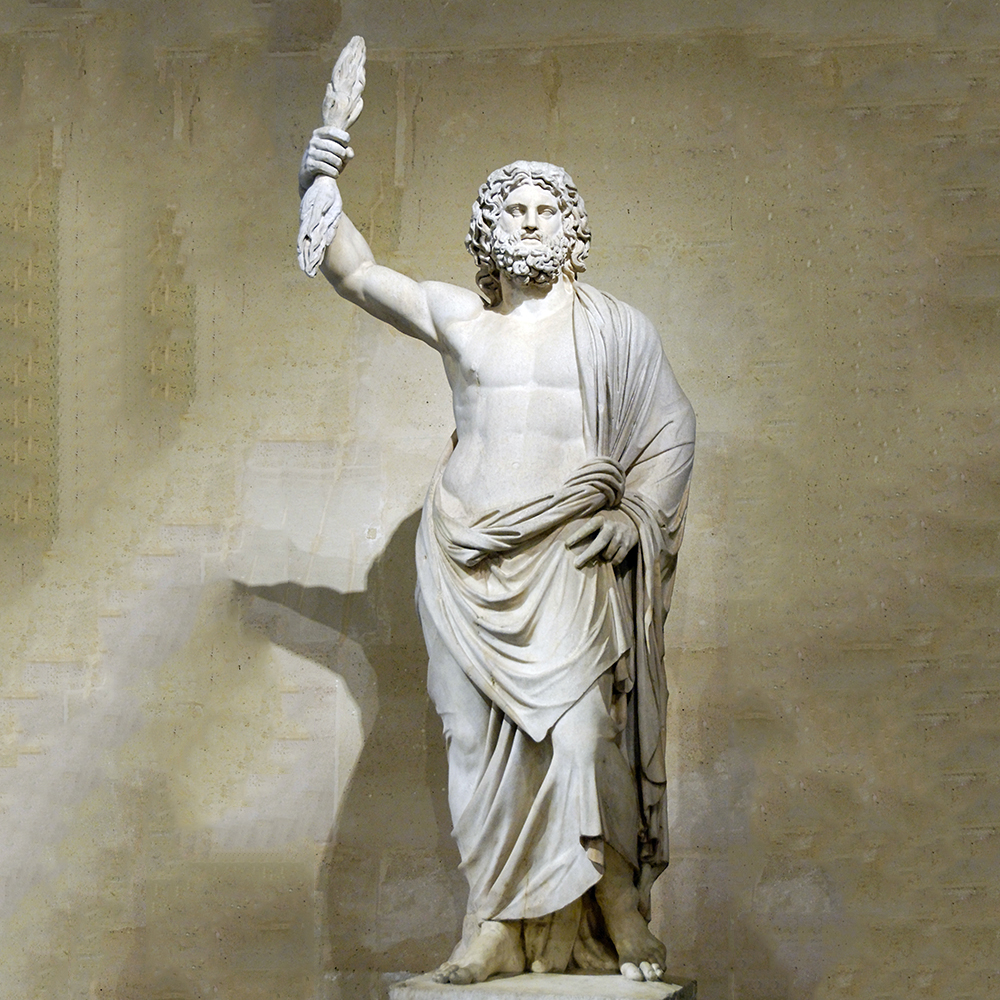
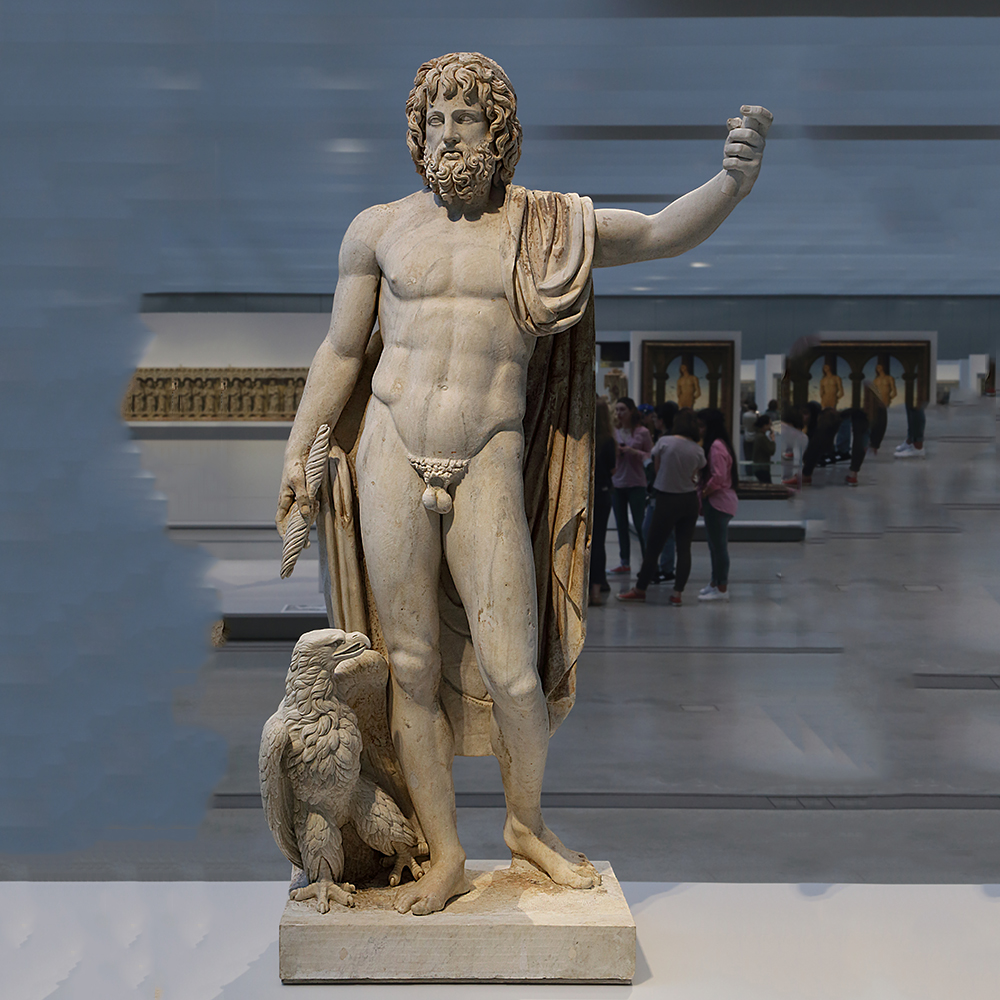
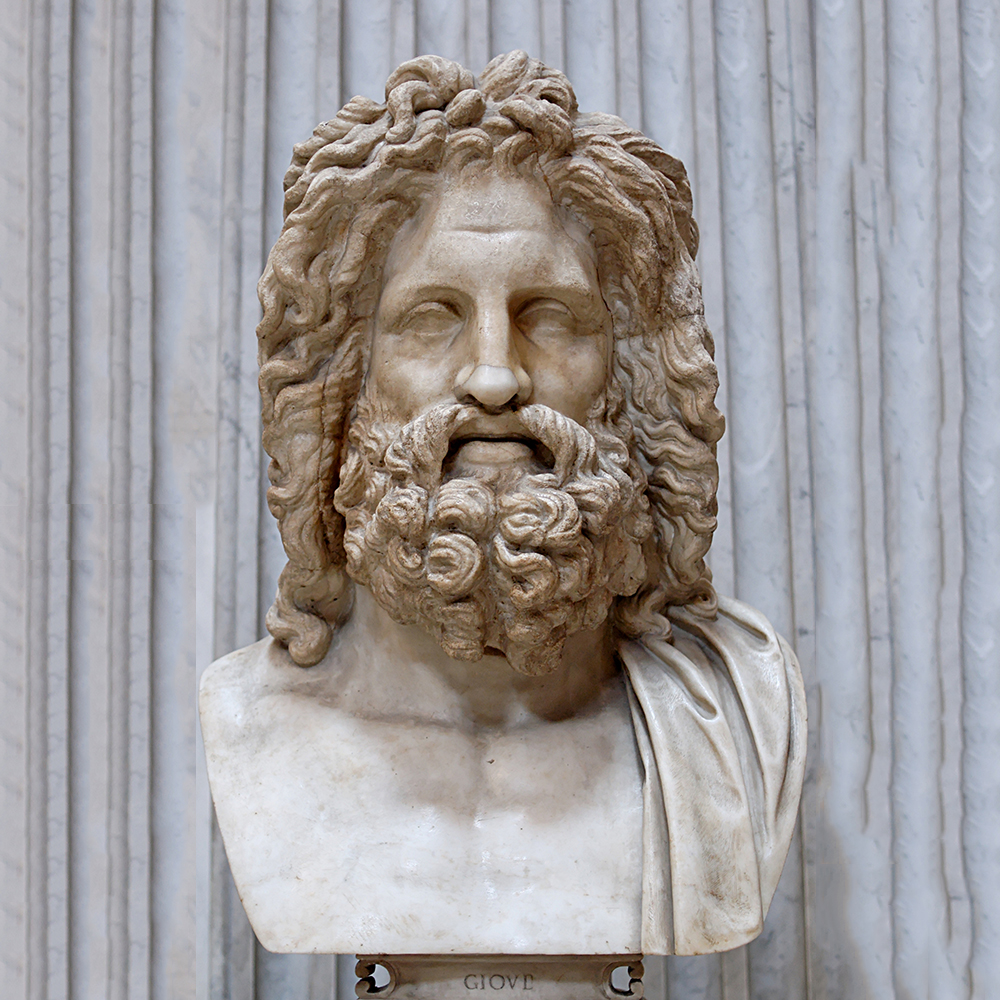
Zeus, son of Cronus and Rhea, was the principal ruler of the Olympian Gods. After the Titanomachy, he became the king of the gods, ruling over the sky, thunder, and divine royal power.
- Domain: Sky, thunder, kingship
- Parents: Cronus, Rhea
- Symbols: Thunderbolt, eagle, scepter
- Sculpture Attributes: Thunder, scepter, eagle; often depicted as a mature, bearded male.
Hera
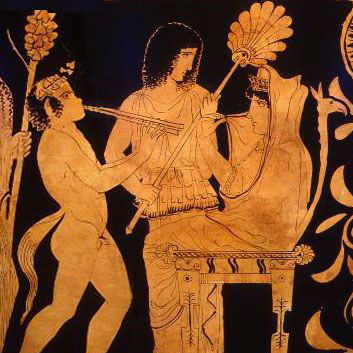
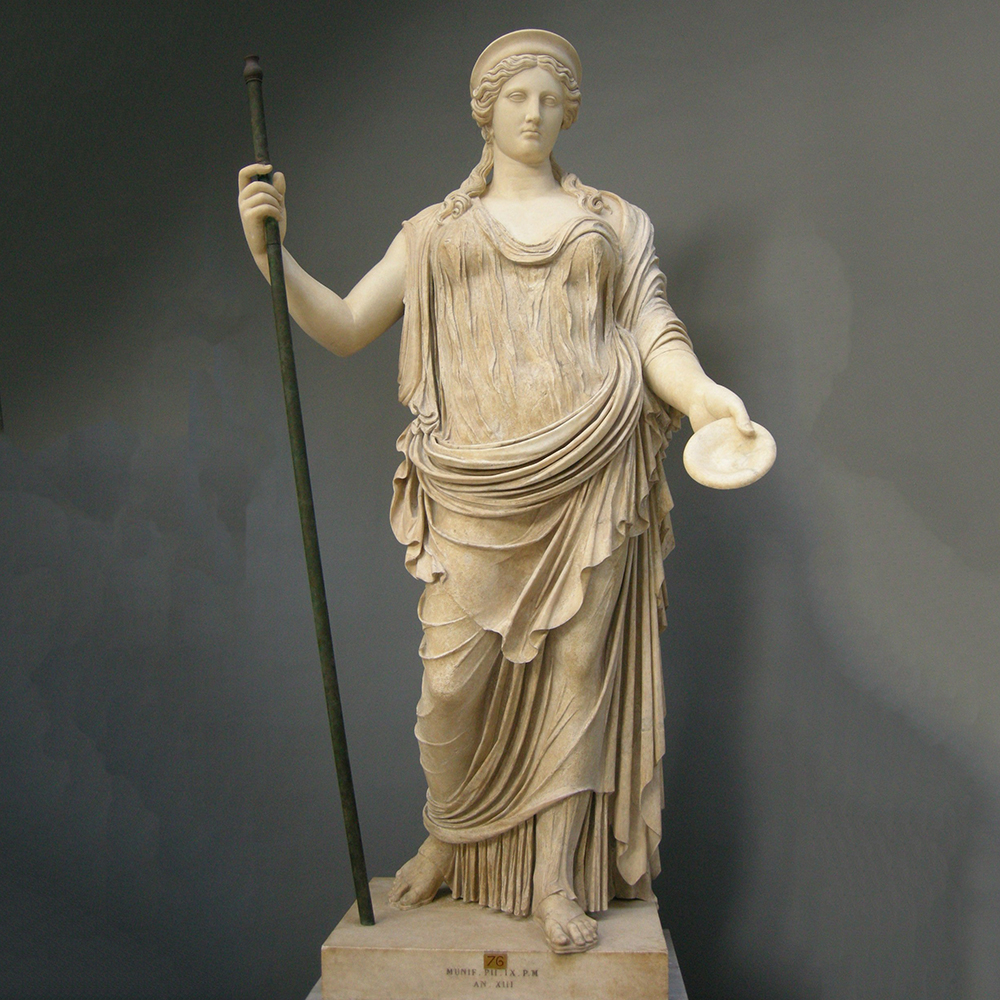
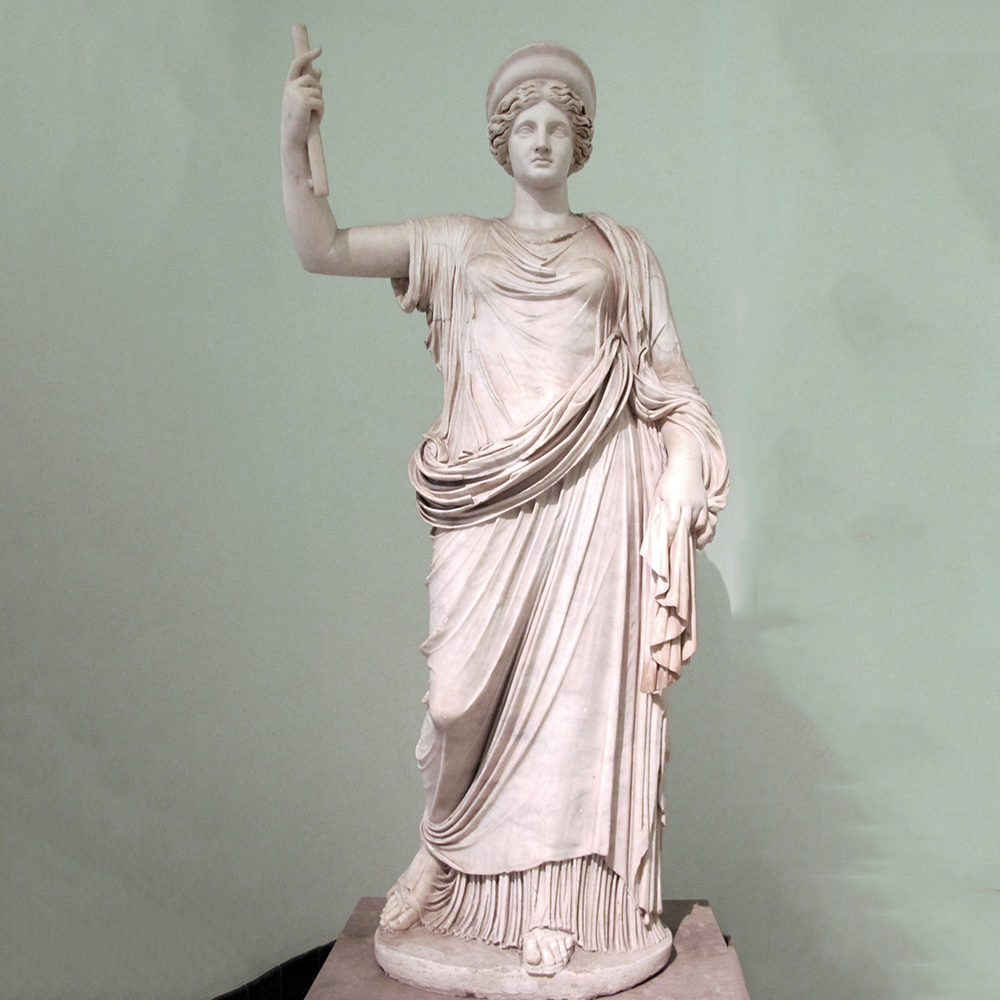
Hera is Zeus’s sister and wife, and the queen of the gods. She is primarily associated with marriage, family, and her queenly status.
- Domain: Marriage, family, queenship
- Parents: Cronus, Rhea
- Consort: Zeus
- Symbols: Peacock, crown, scepter
Poseidon
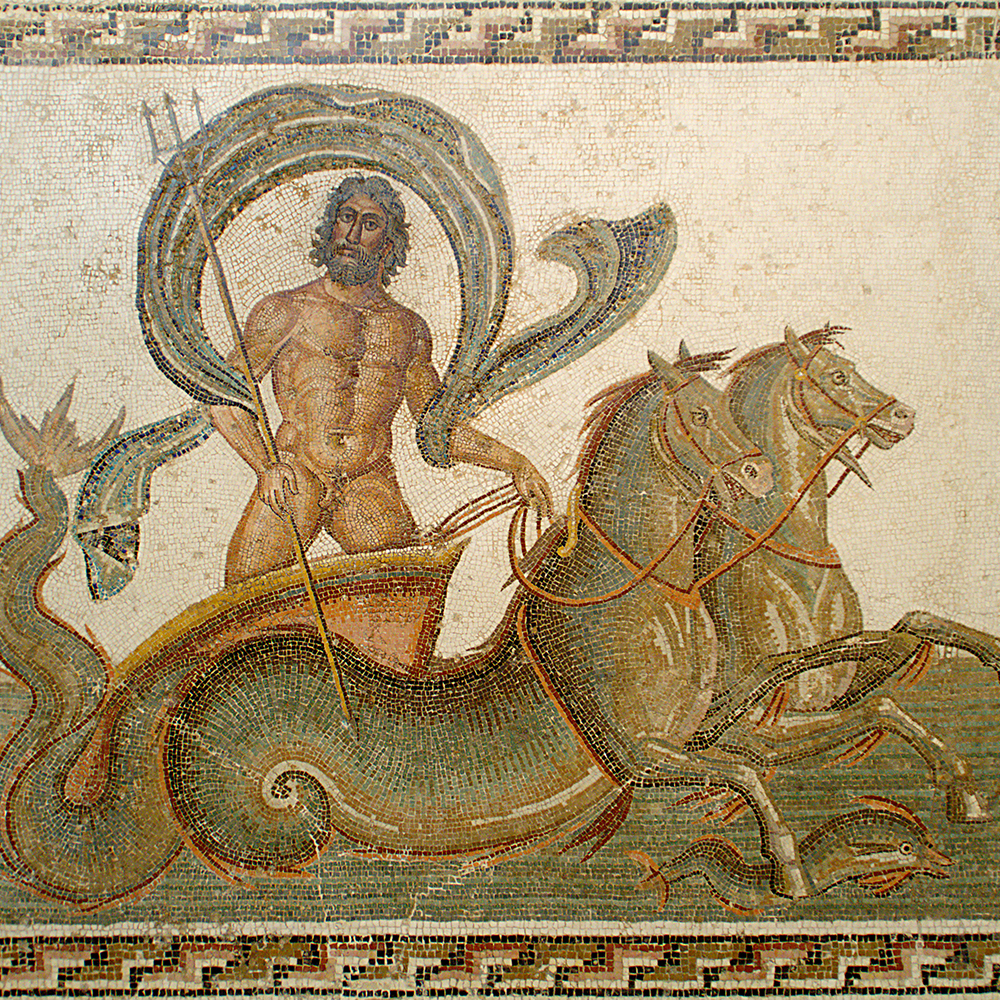
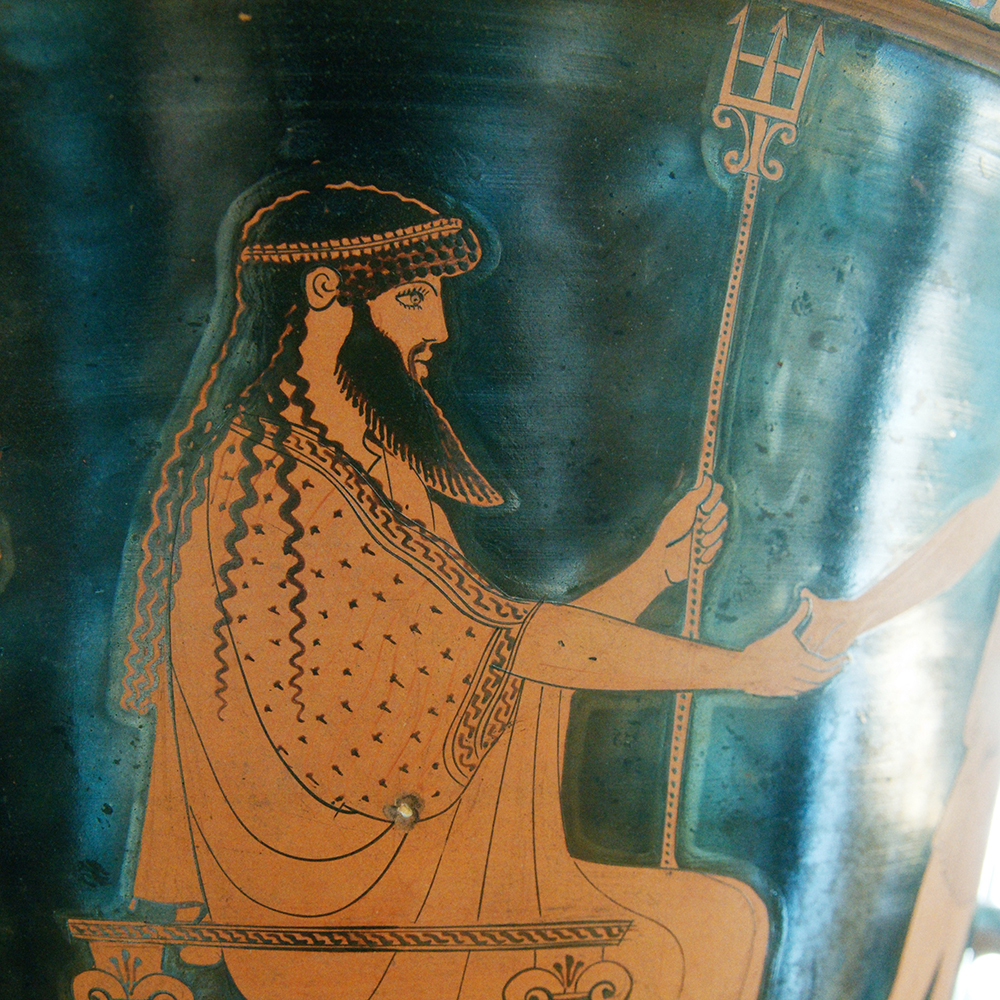
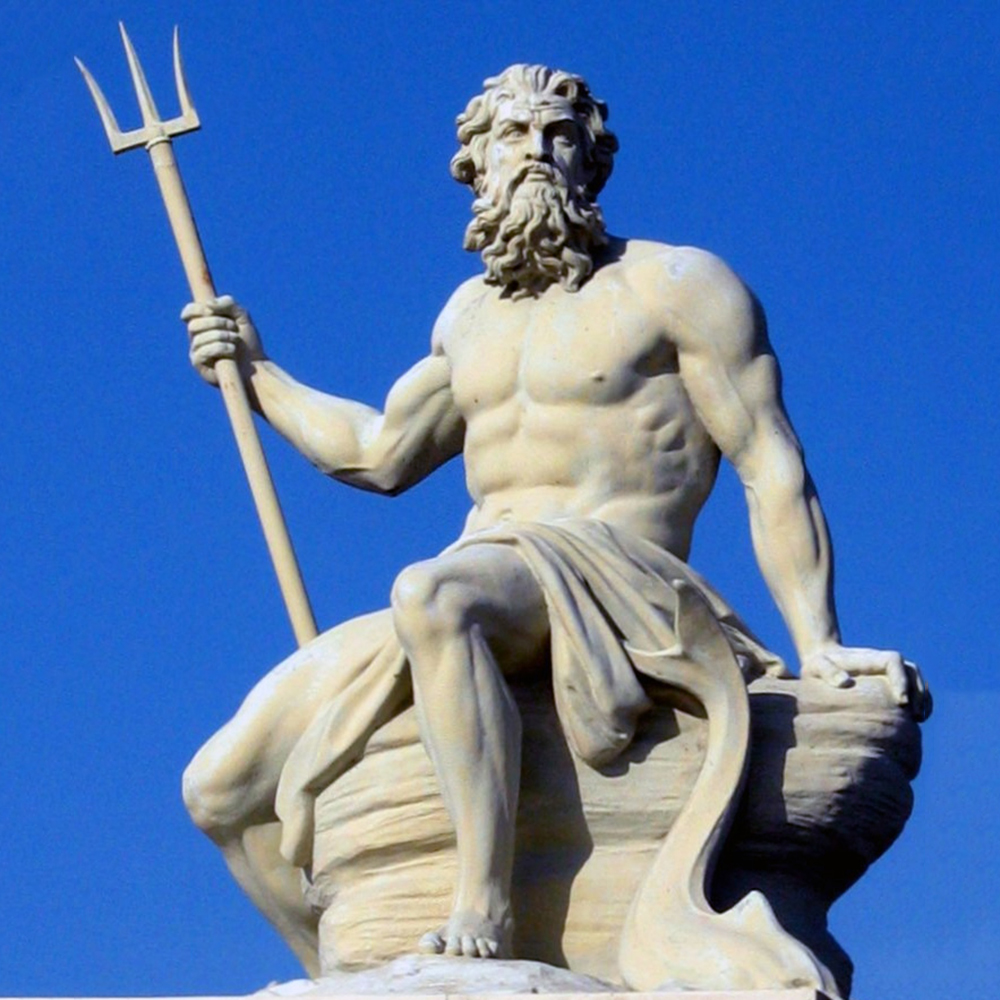
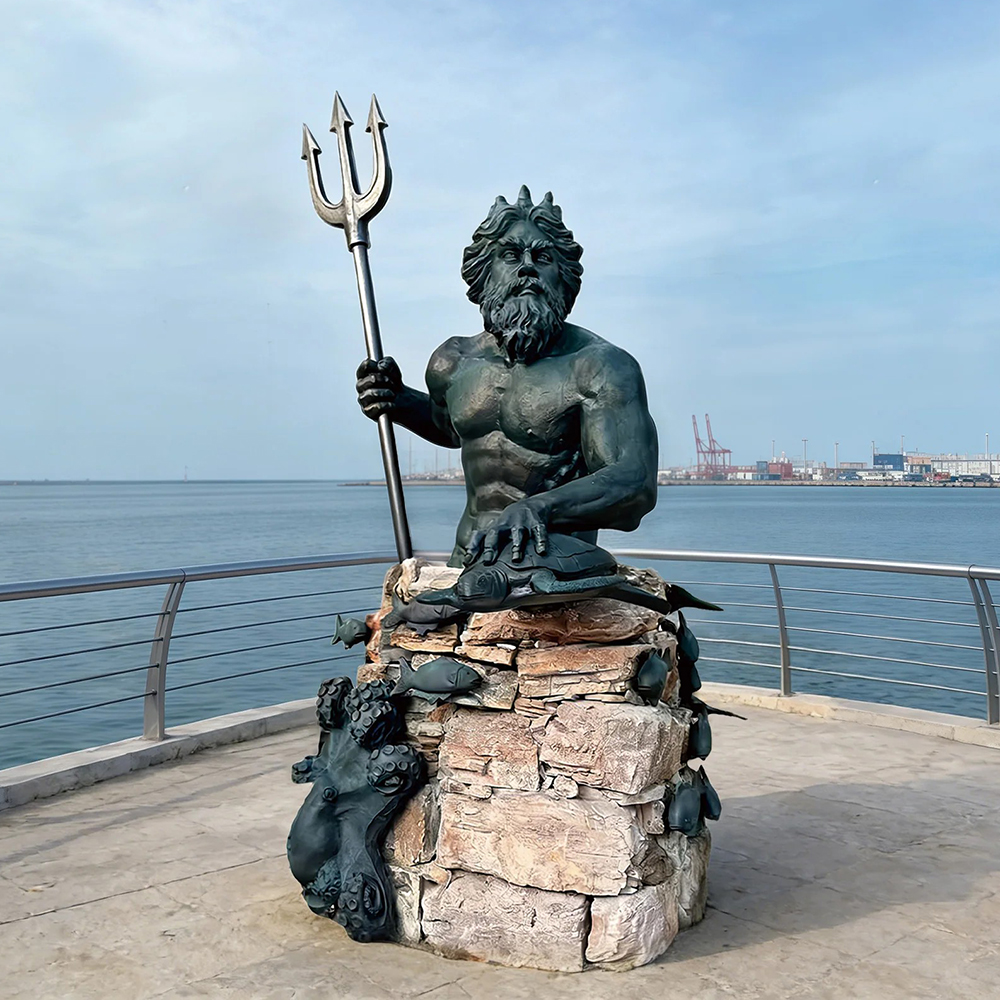
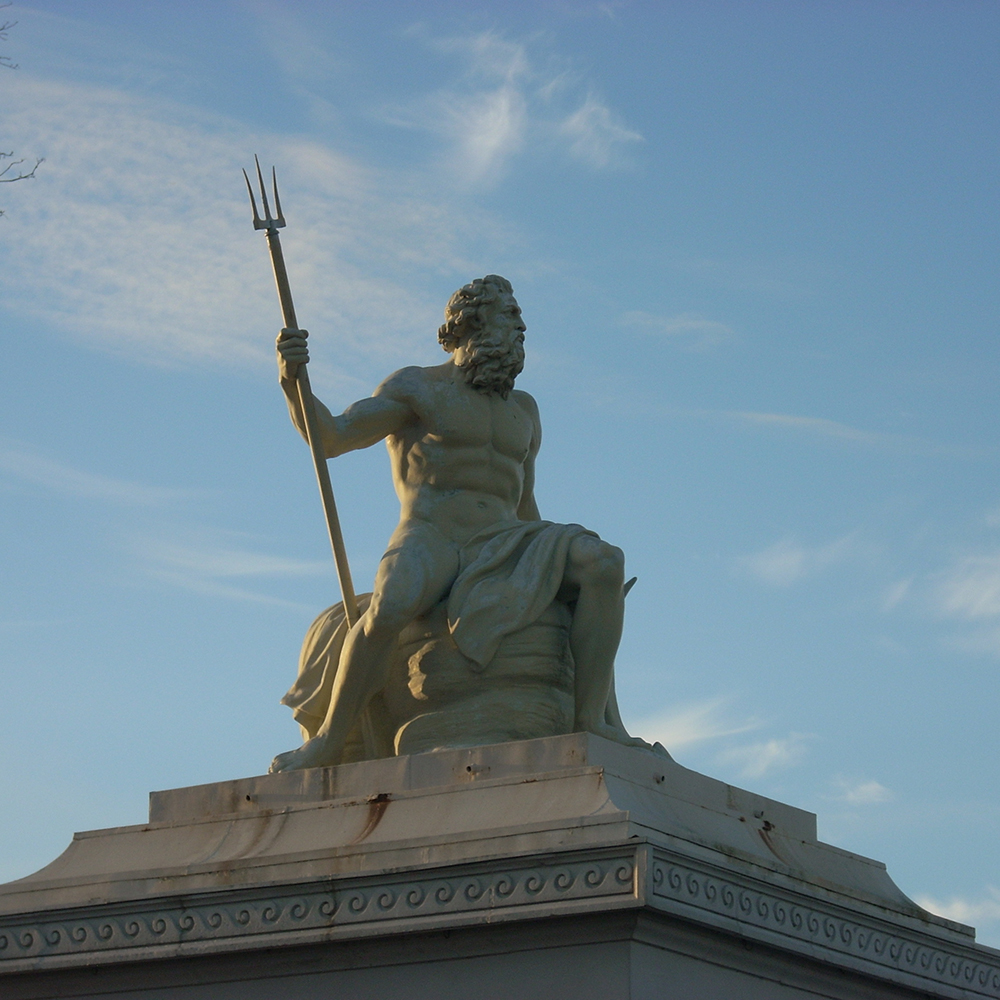
Poseidon is the brother of Zeus and Hades. After Cronus was overthrown, Poseidon gained dominion over the seas and is also associated with earthquakes and horses.
- Domain: Sea, earthquakes, horses
- Parents: Cronus, Rhea
- Symbols: Trident, horse, dolphin
- Sculpture Attributes: The trident is the most representative identifying feature.
Demeter
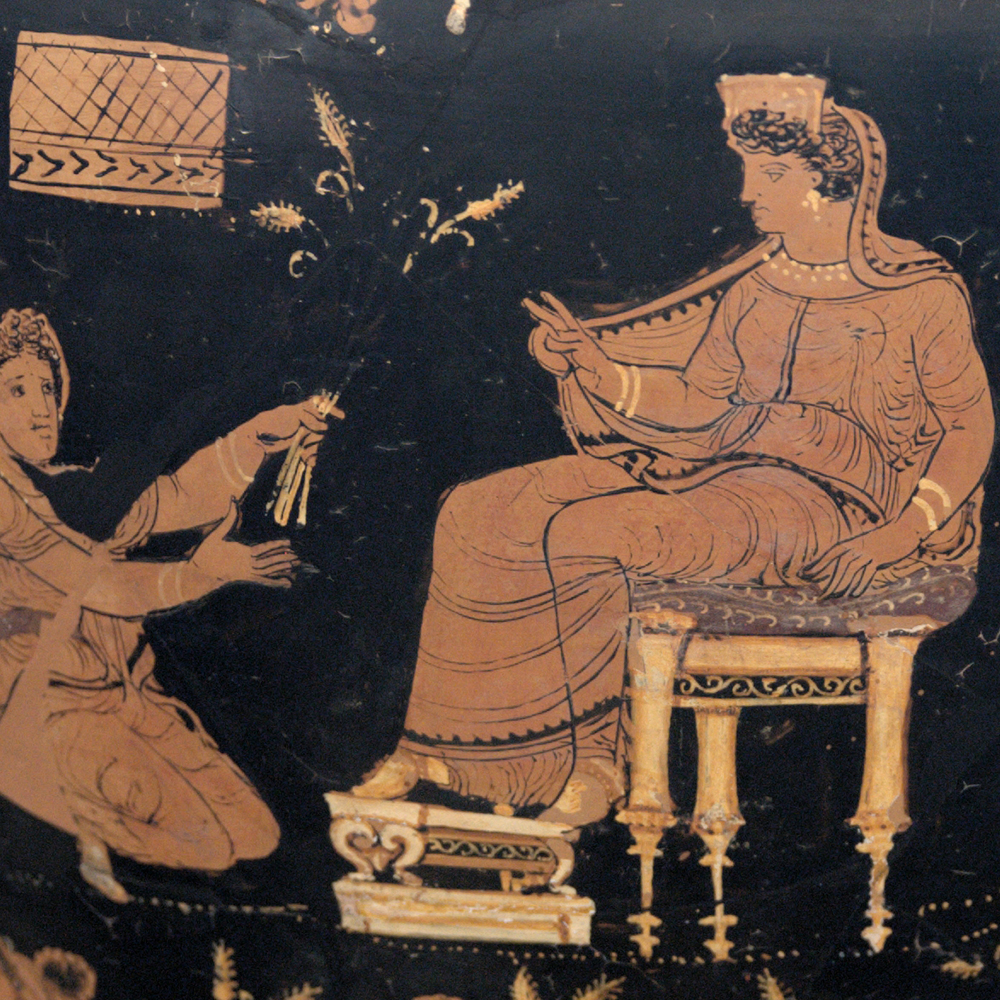
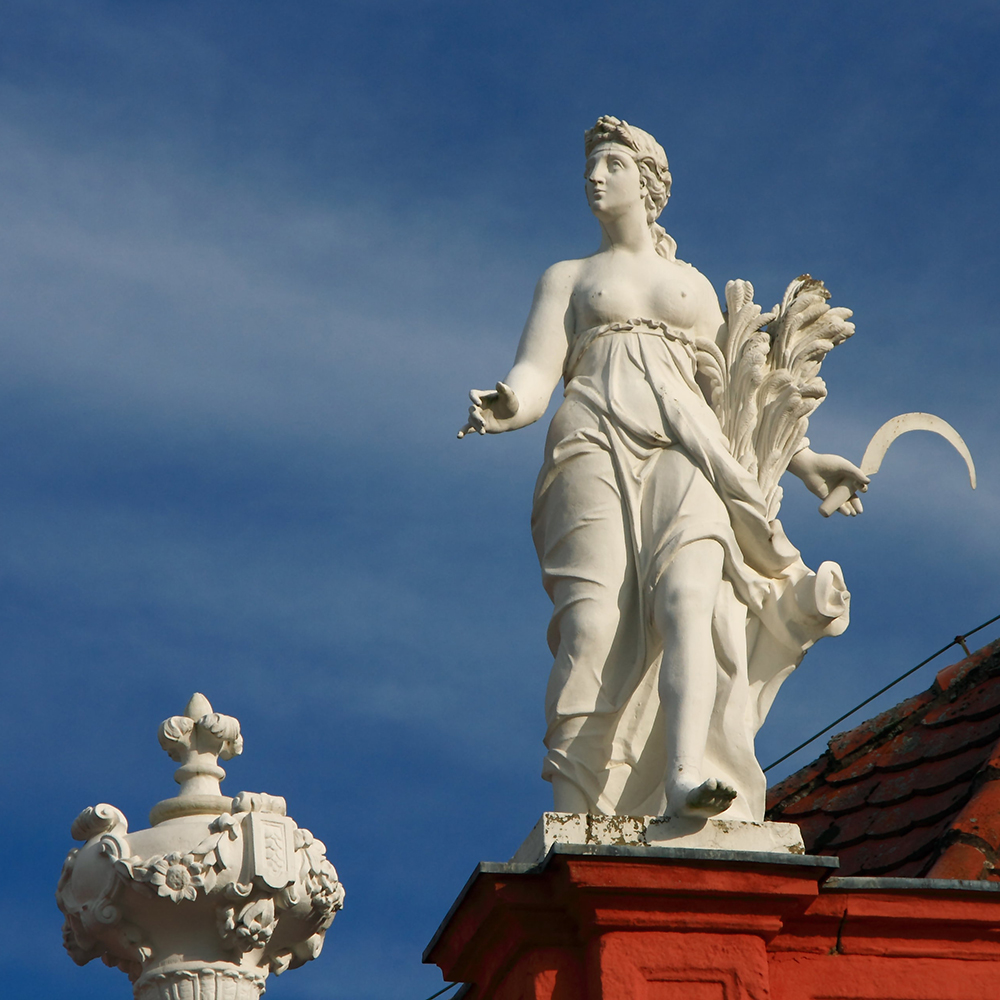
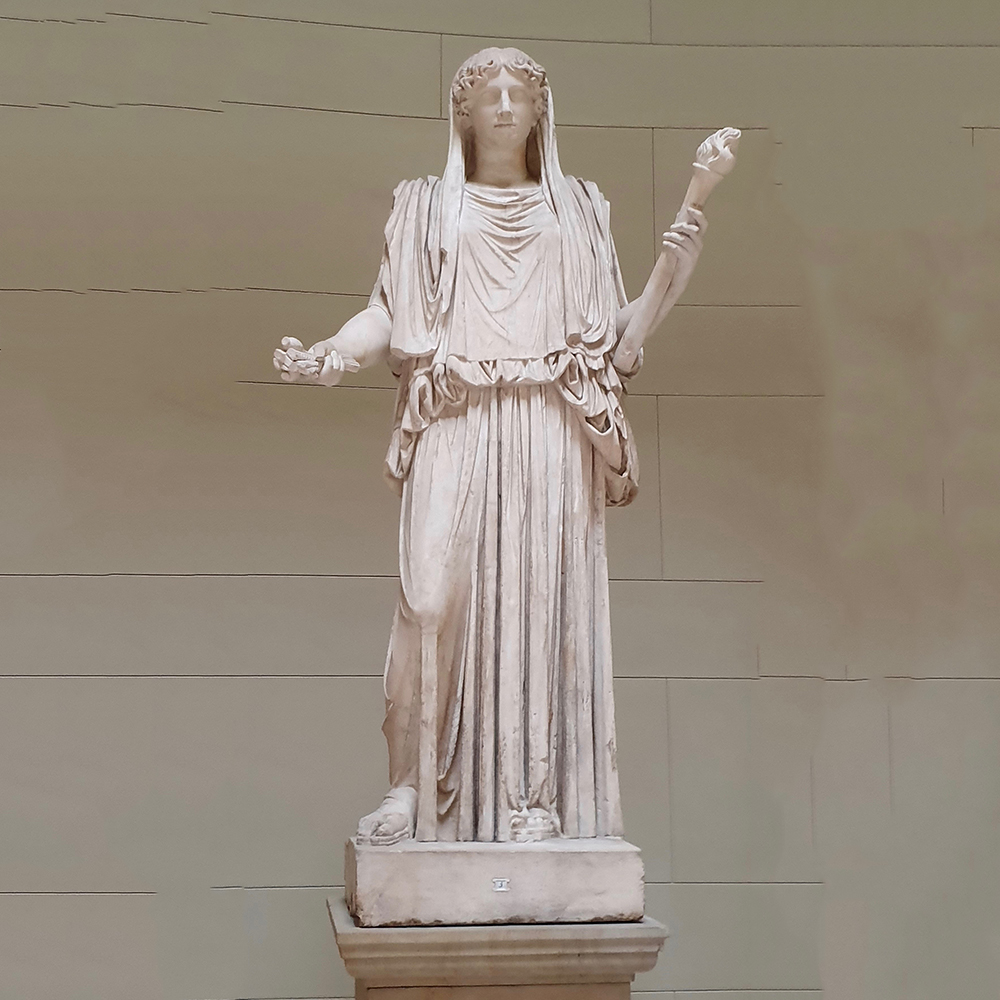
Demeter is the goddess of agriculture, grain, and harvest, and the mother of Persephone. Her myths with Persephone are important stories in ancient Greece about plant growth, decay, and the cycle of seasons.
- Domain: Agriculture, grain, harvest
- Parents: Cronus, Rhea
- Daughter: Persephone
- Symbols: Wheat, grain, torch
Athena
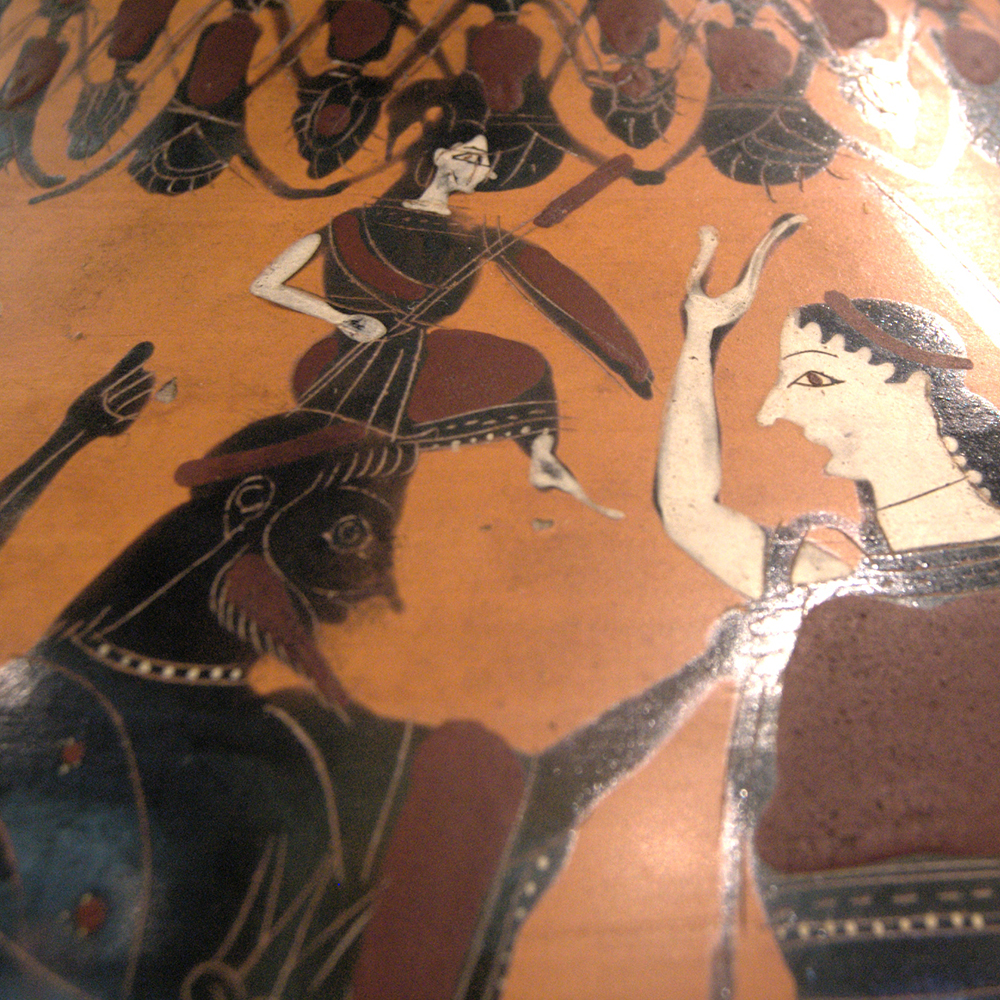
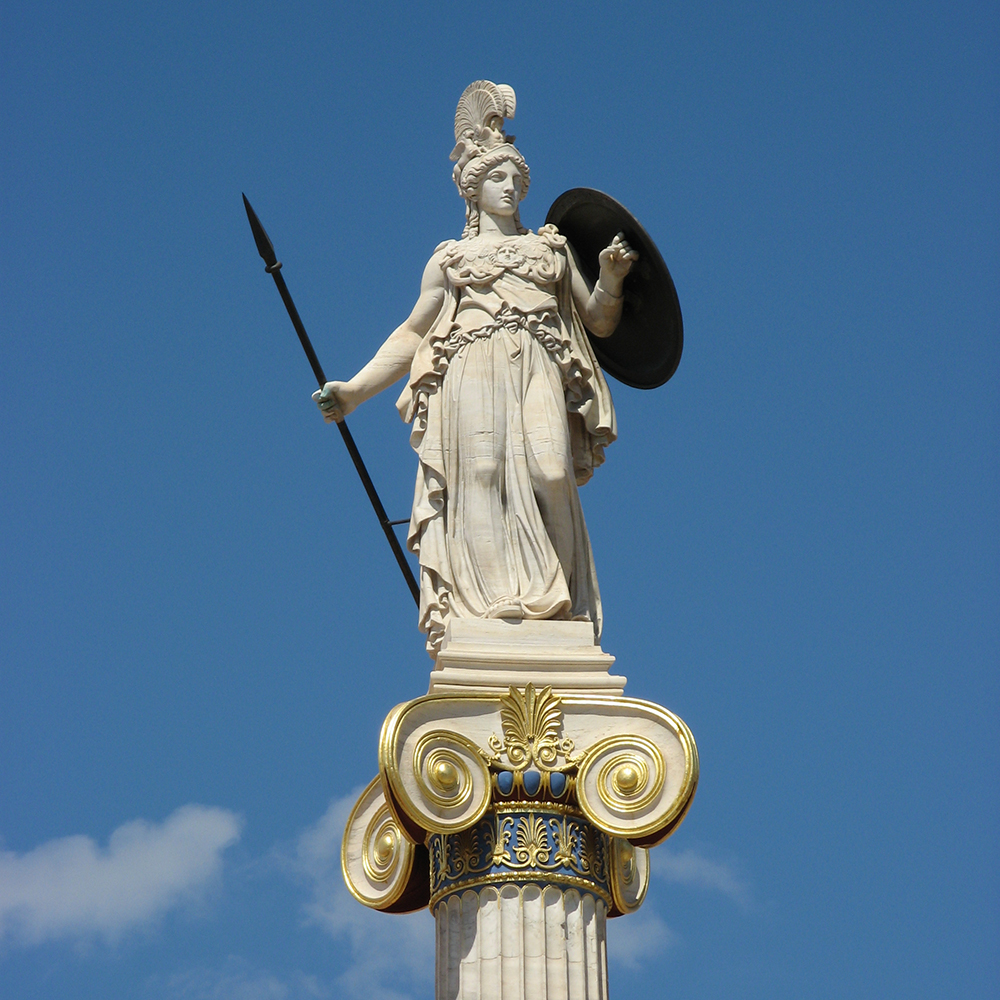
Athena is the goddess of wisdom, strategic warfare, and crafts, and the patron goddess of Athens. The most famous tradition holds that she was born fully armed from the head of Zeus. Compared to Ares, Athena emphasizes strategy, discipline, and reason.
- Domain: Wisdom, strategic warfare, crafts
- Father: Zeus
- Symbols: Helmet, spear, shield, owl, aegis
Apollo
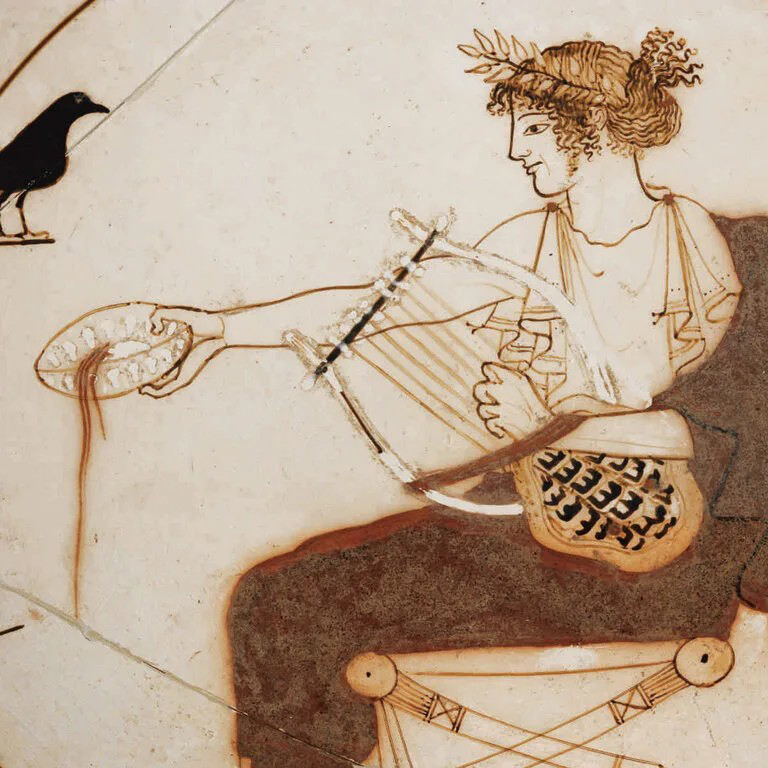
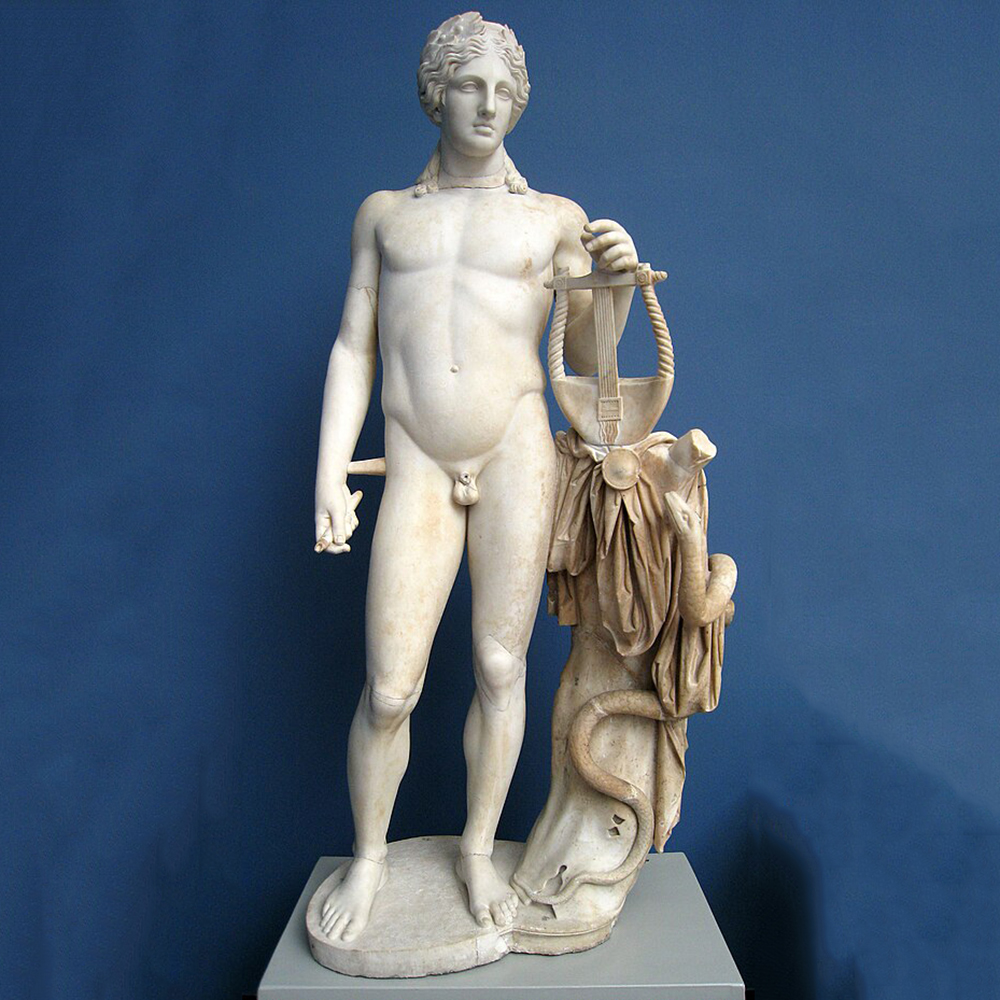
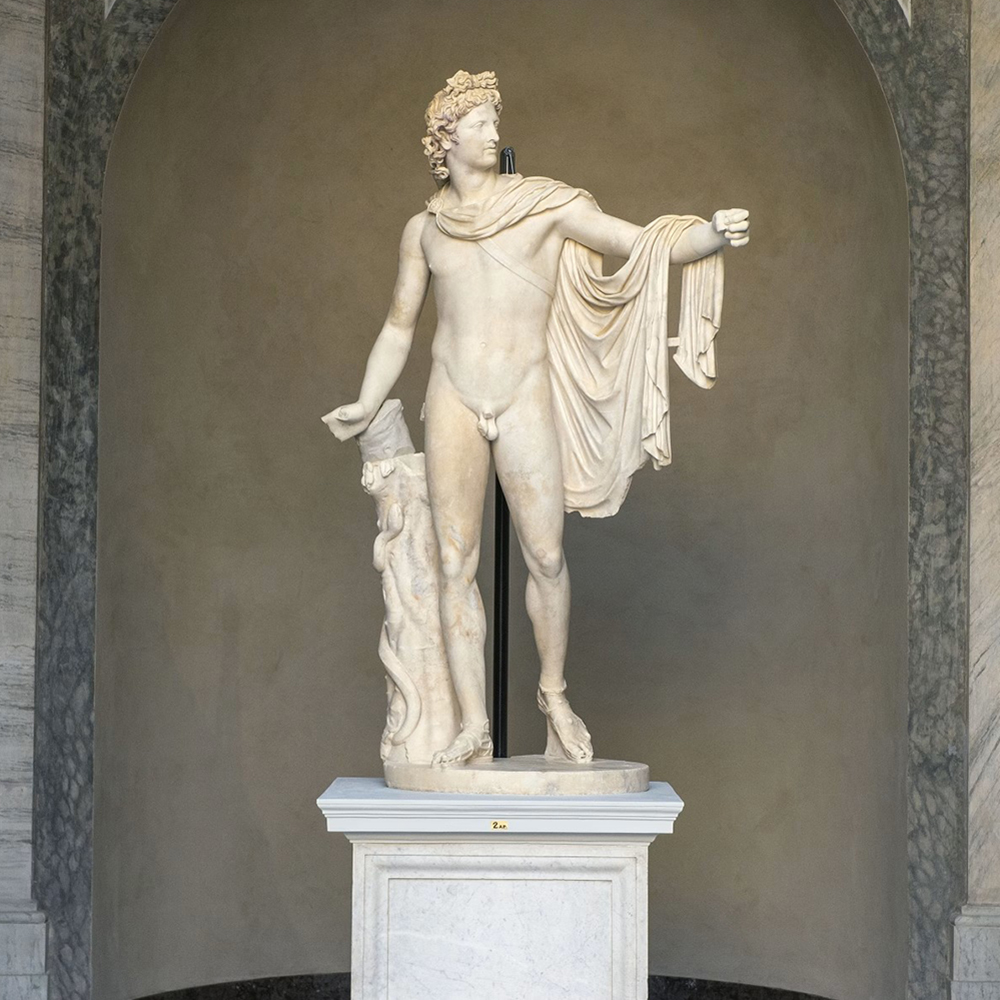
Apollo was the son of Zeus and Leto, and the twin brother of Artemis. He is associated with many fields, including music, prophecy, archery, healing, and disease.
- Domain: Music, prophecy, archery, healing
- Parents: Zeus, Leto
- Symbols: Lyre, laurel, bow
- Famous Sculpture: Apollo Belvedere
Apollo is often associated with the sun in later traditions, but the sun itself was deified as Helios in earlier Greek mythology.
Artemis
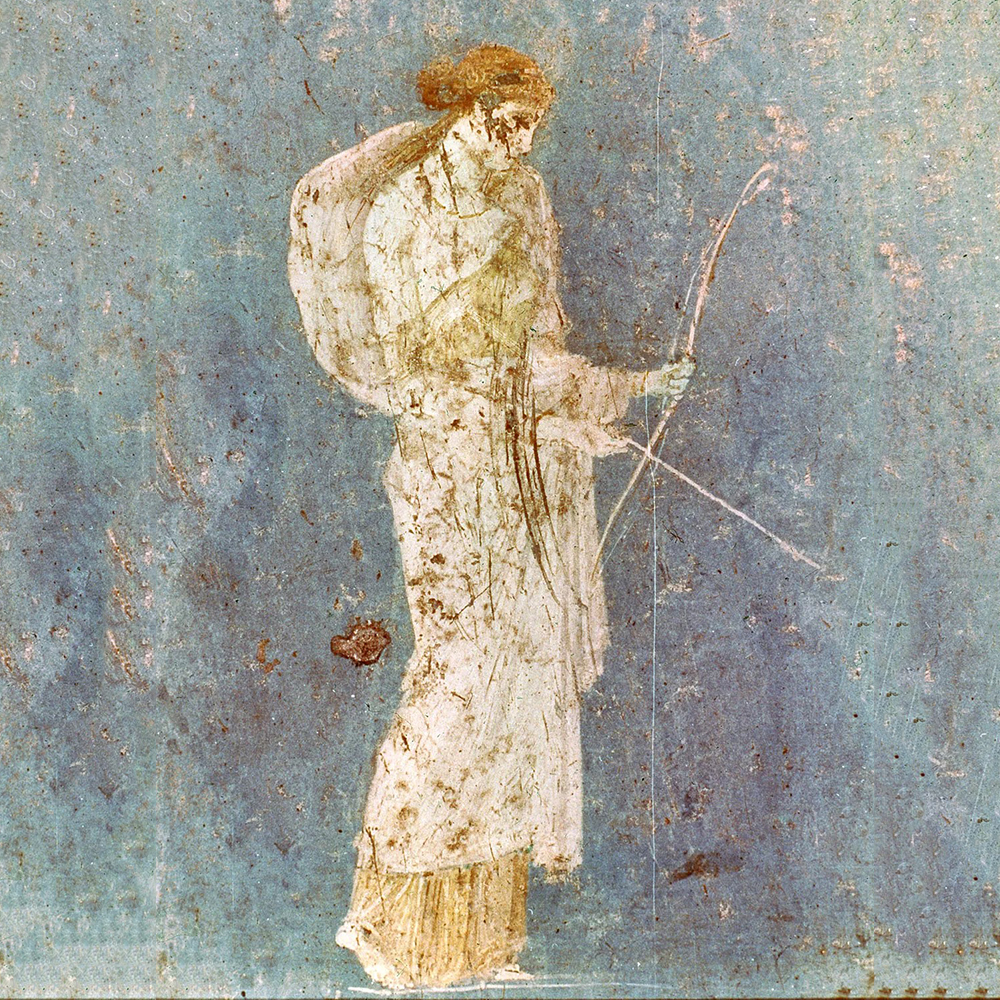
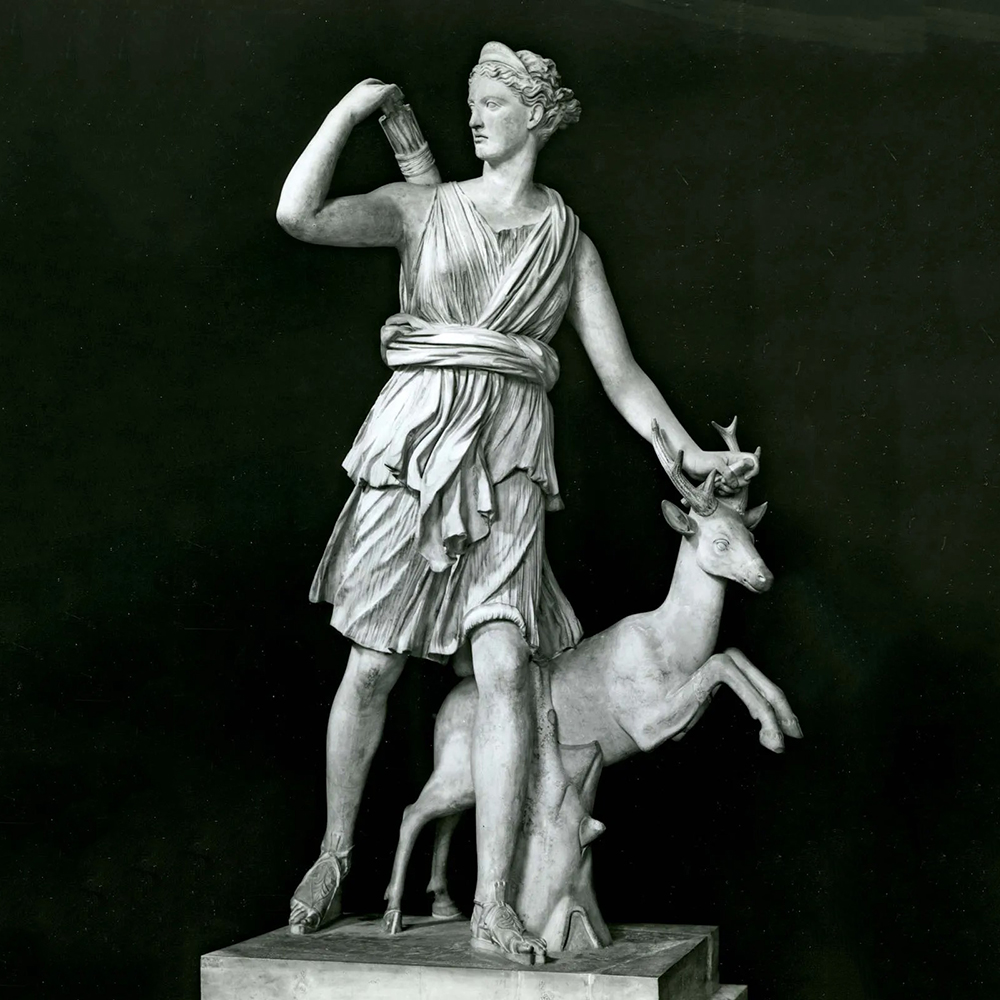
Artemis was the goddess of hunting, the wilderness, and young women, and the twin sister of Apollo.
- Domain: Hunt, wilderness
- Parents: Zeus, Leto
- Symbols: Bow, arrows, quiver, deer
- Sculpture Attributes: Bow and arrow, quiver, and deer are common identifying elements.
Ares
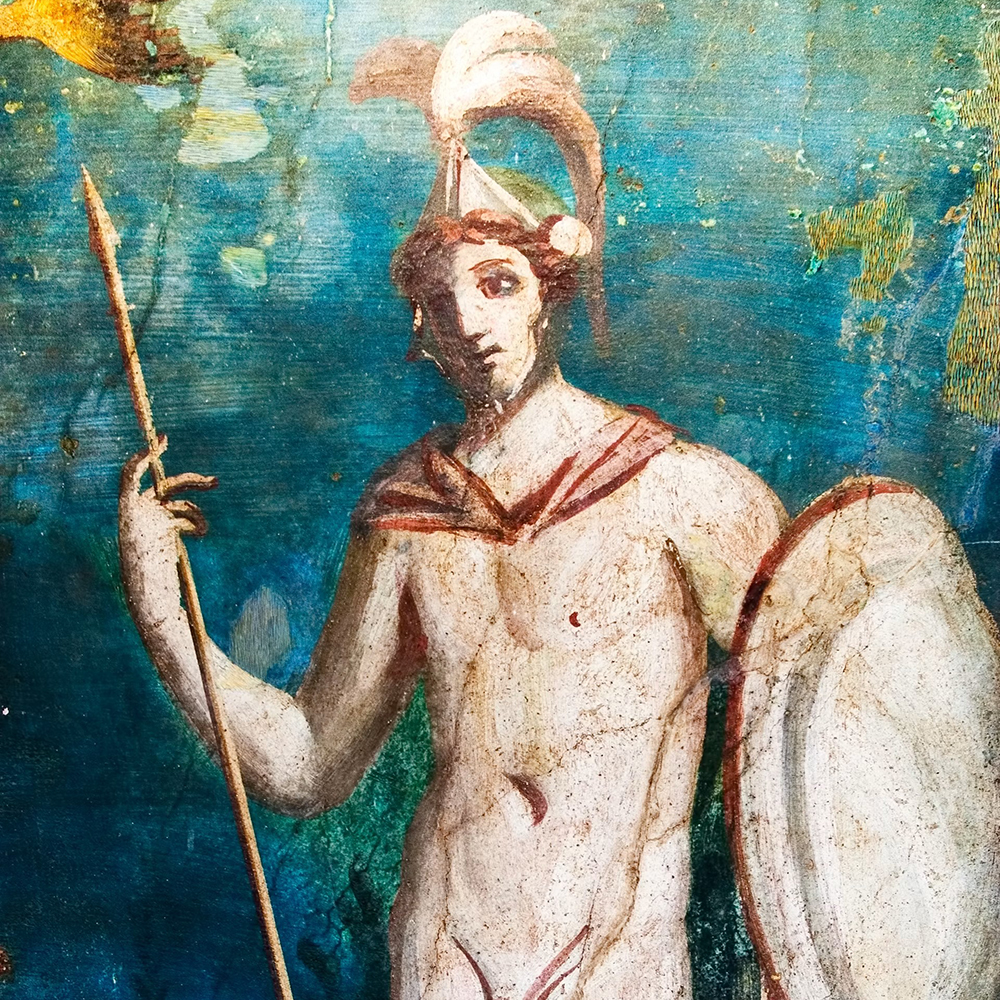
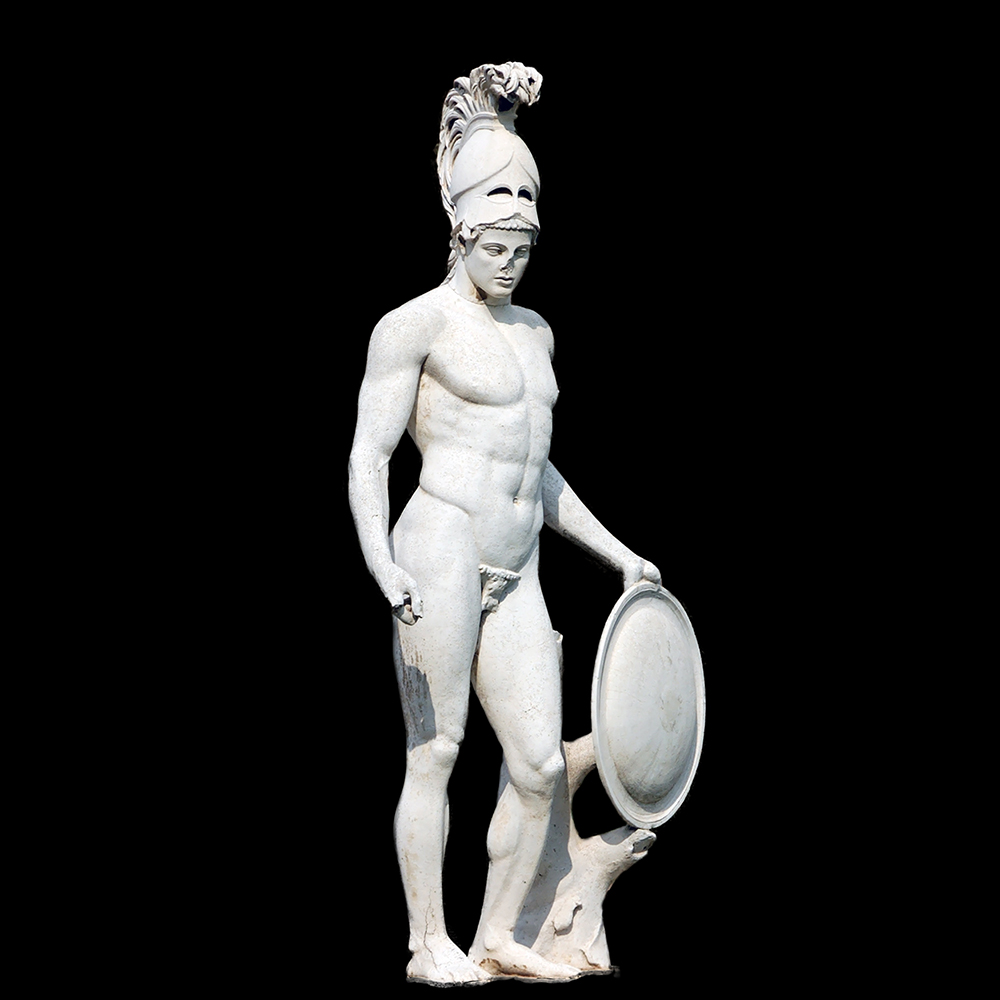
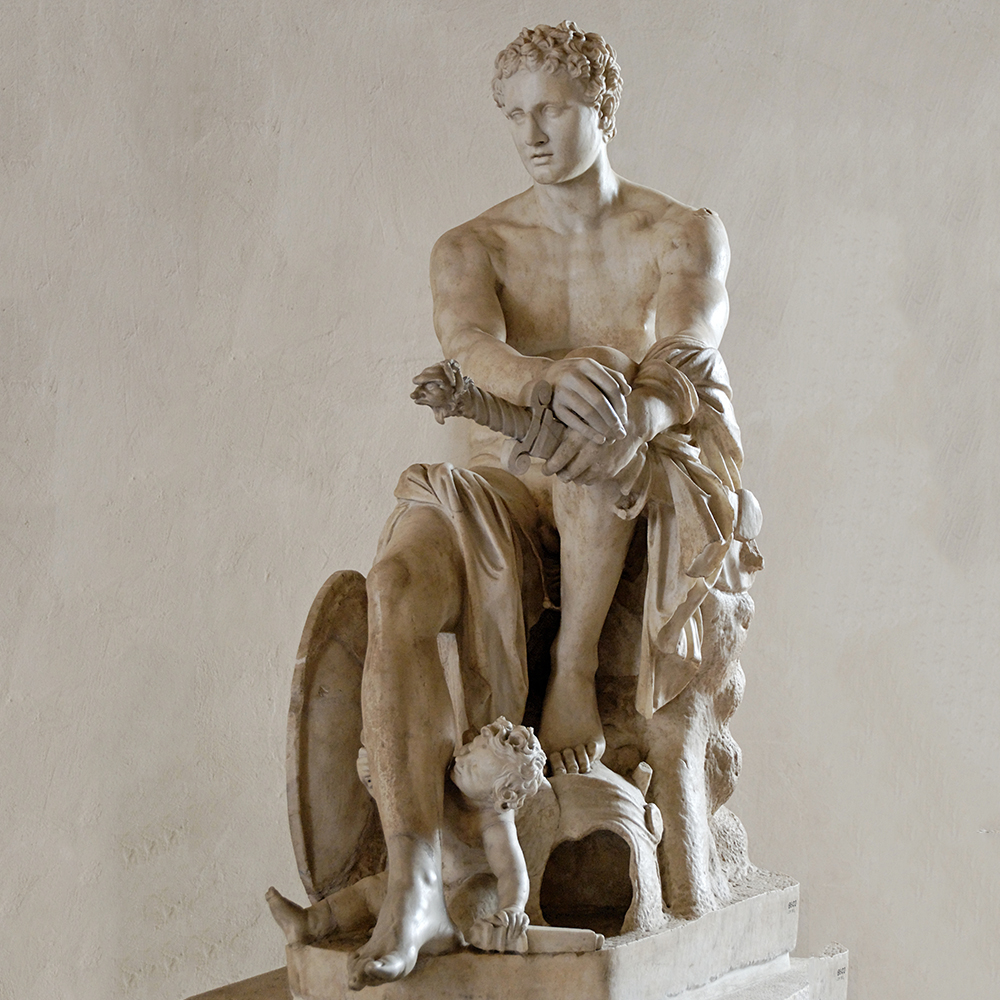
Ares is the son of Zeus and Hera, representing the direct and intense aspect of war.
- Domain: War, battle
- Parents: Zeus, Hera
- Symbols: Spear, helmet, shield
- Roman Equivalent: Mars
Both Athena and Ares are related to war, but Athena leans towards strategy and discipline, while Ares is closer to combat and the conflict of war itself.
Aphrodite
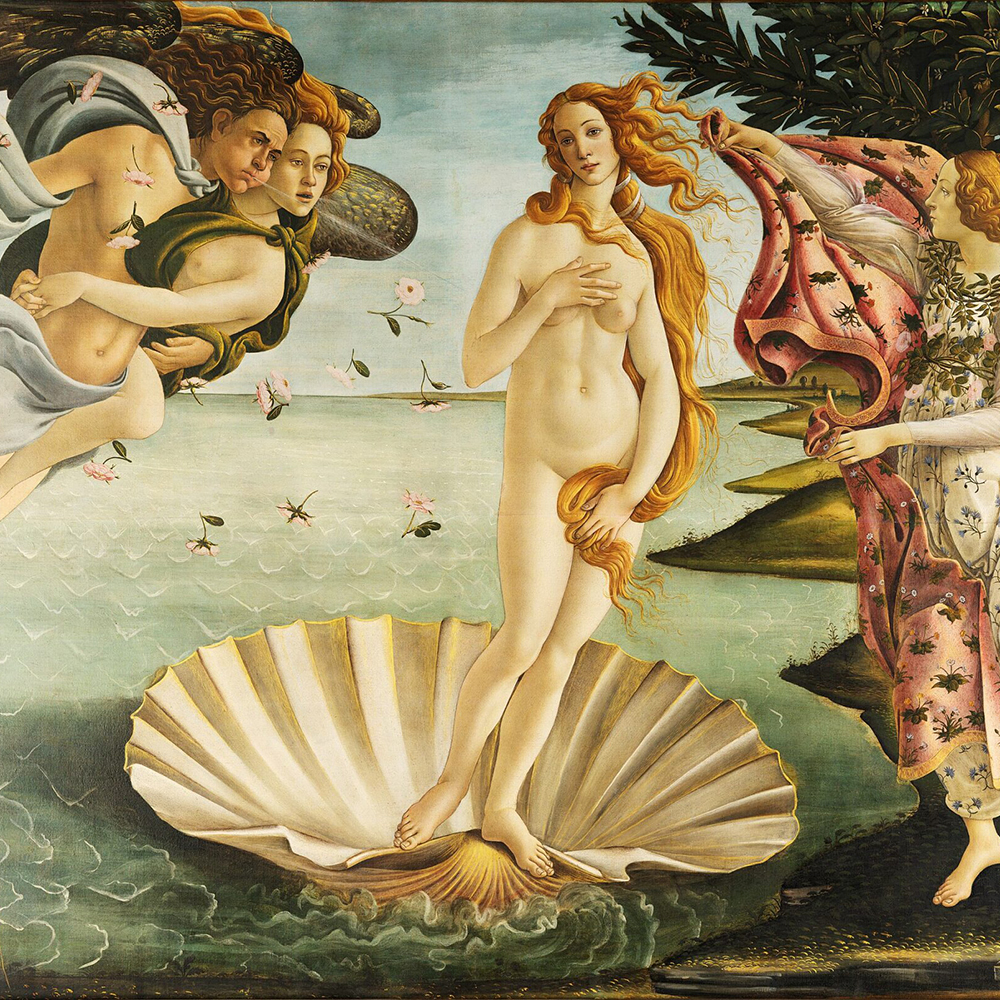
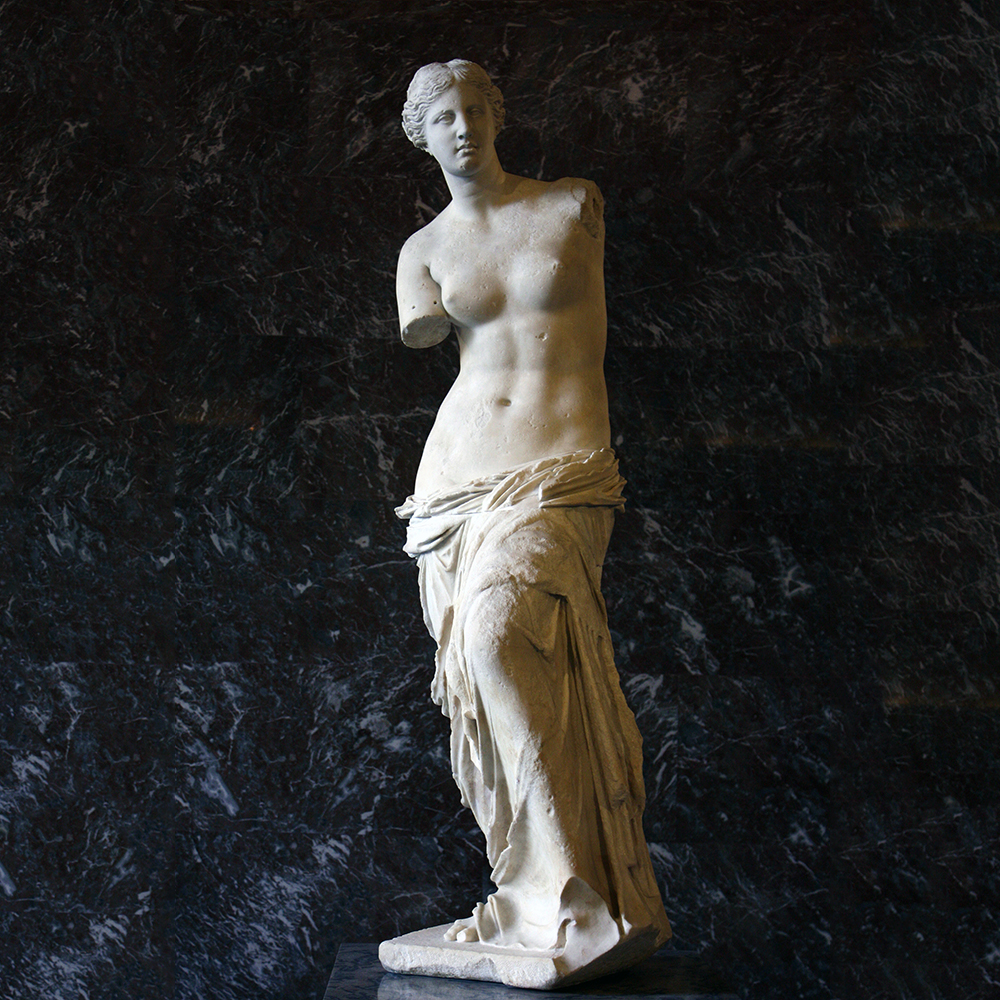
Aphrodite is the goddess of love, beauty, and desire. Different traditions exist regarding her origin: Hesiod linked her birth to sea foam, while the Homeric tradition states she was the daughter of Zeus and Dione.
- Domain: Love, beauty, desire
- Symbols: Dove, rose, shell
- Famous Sculptures: Aphrodite of Knidos, Venus de Milo
Hephaestus
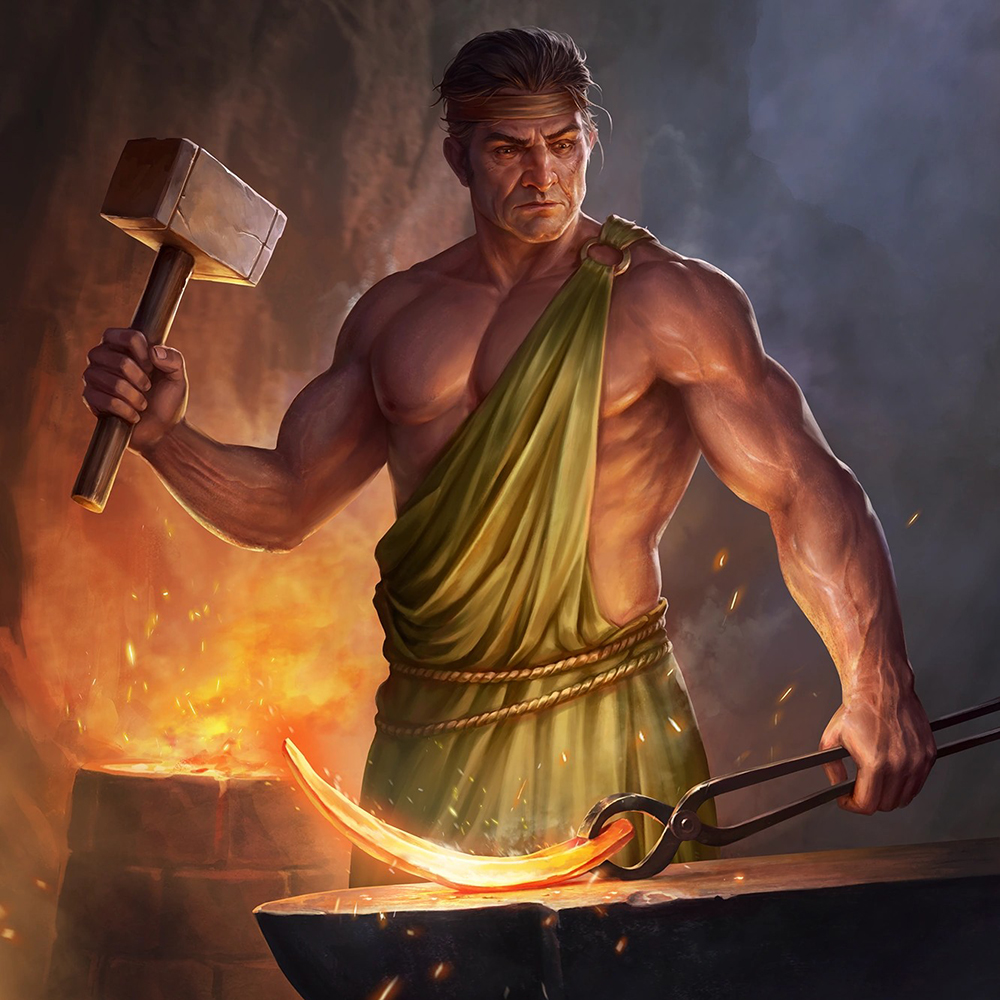
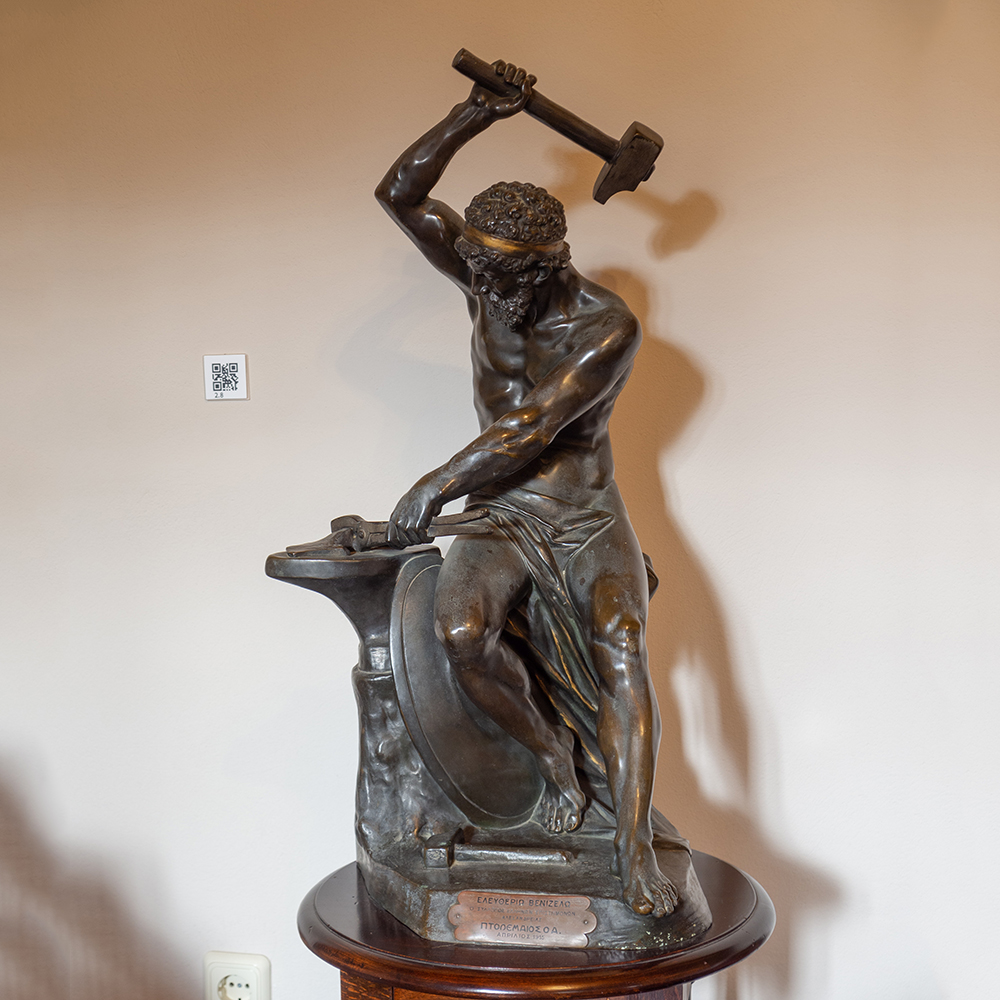
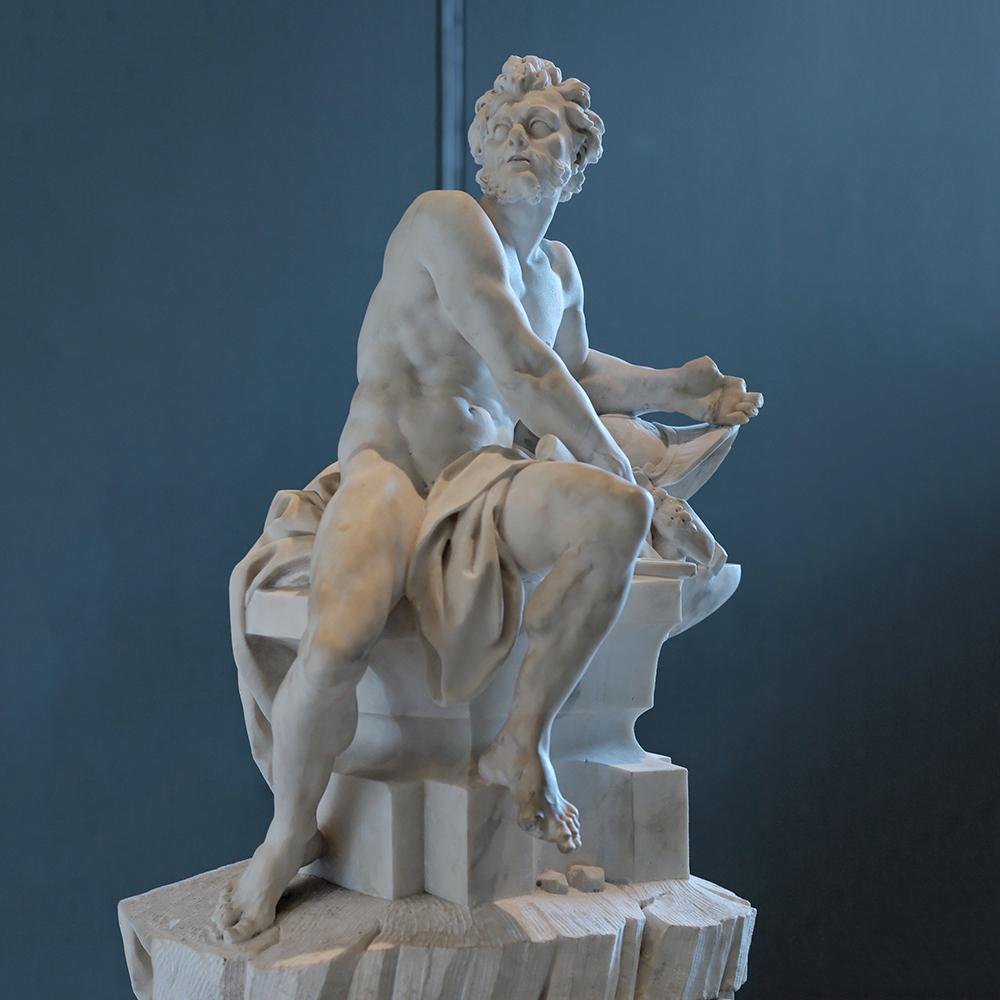
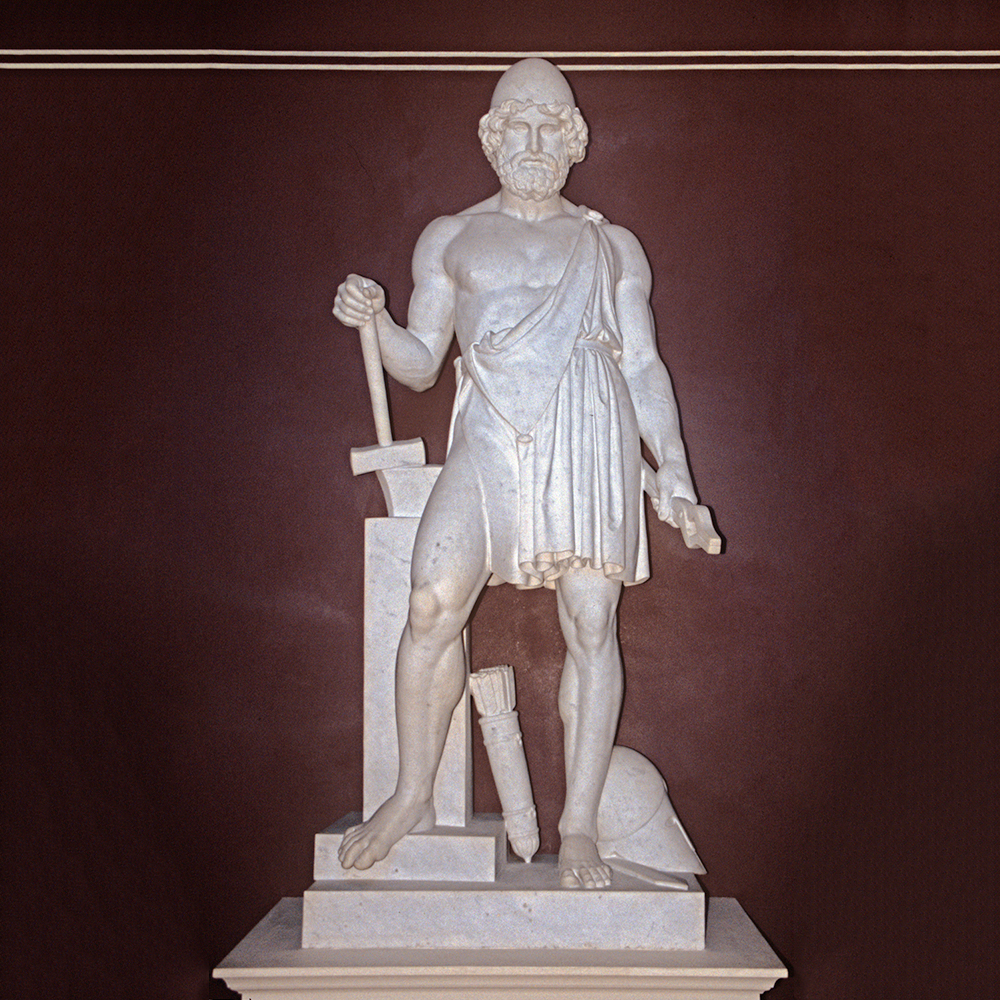
Hephaestus is the god of fire, metalworking, and craftsmanship, and is considered the master craftsman among the gods. He created numerous mythical weapons, armor, and artifacts.
- Domain: Fire, metalworking, craftsmanship
- Symbols: Hammer, anvil, tongs
- Related: Forging, metalworking, craftsmanship
Hermes
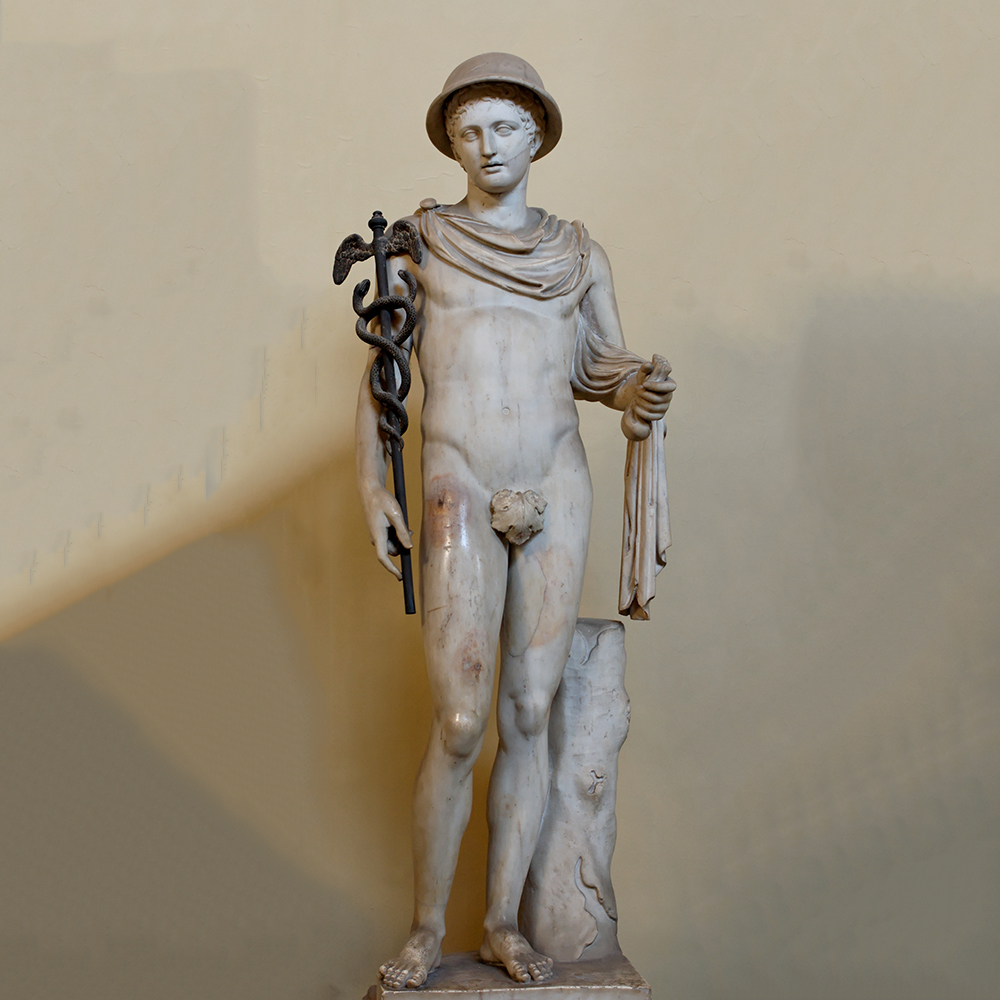
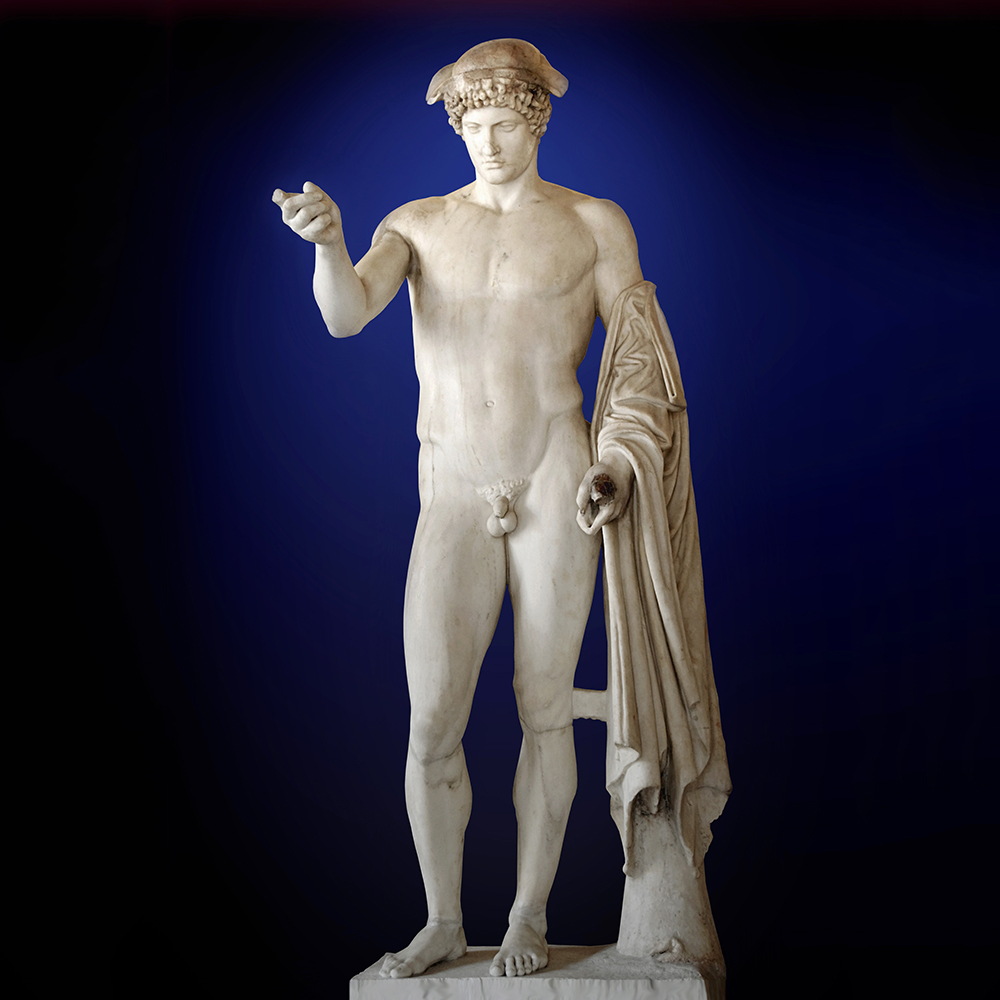
Hermes, son of Zeus and Maia, is the messenger of the gods. He is associated with travel, roads, commerce, and boundaries, and also guides the dead into the underworld.
- Domain: Travel, trade, communication, boundaries
- Parents: Zeus, Maia
- Symbols: Caduceus, winged sandals, petasos
Dionysus
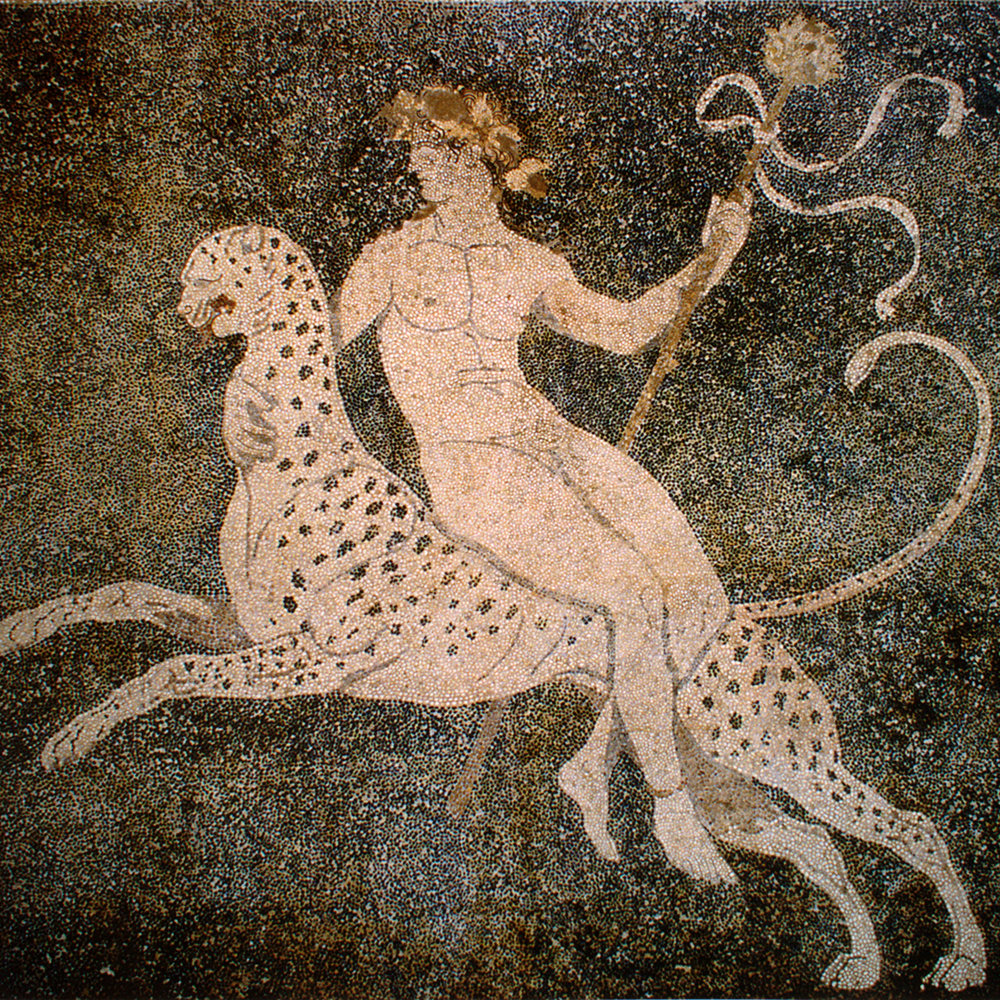
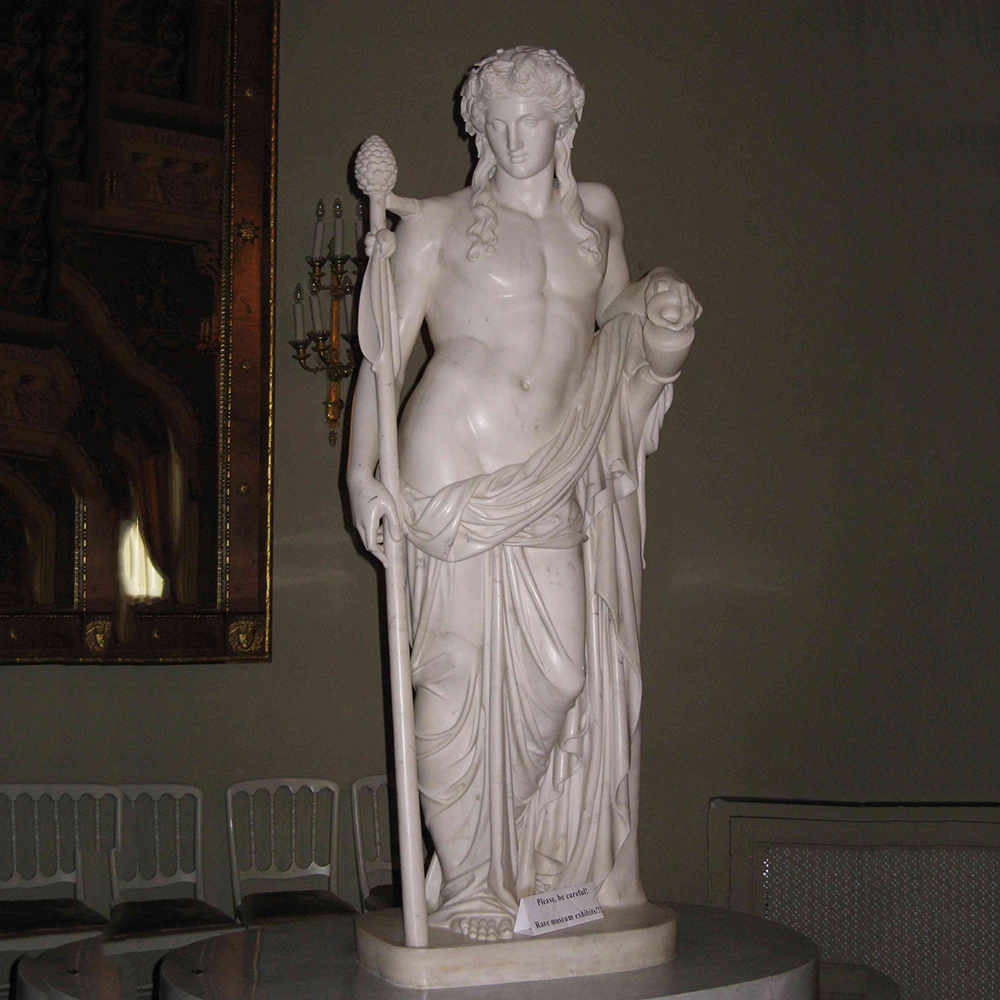
Dionysus, the god of wine, theater, revelry, and religious passion, is generally considered the son of Zeus and the mortal woman Semele.
- Domain: Wine, theater, ecstasy
- Parents: Zeus, Semele
- Symbols: Grapes, ivy, thyrsus, panther
- Companion Figures: Satyrs, Maenads
Hestia
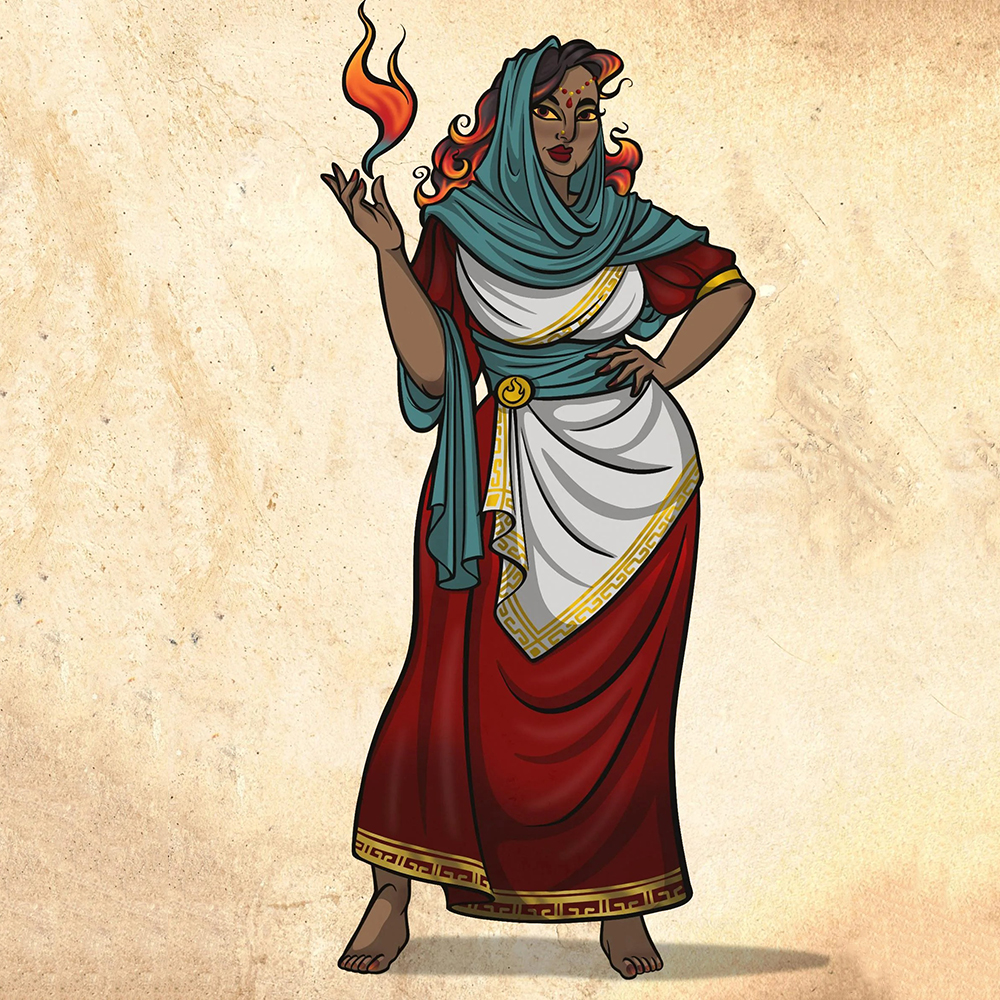
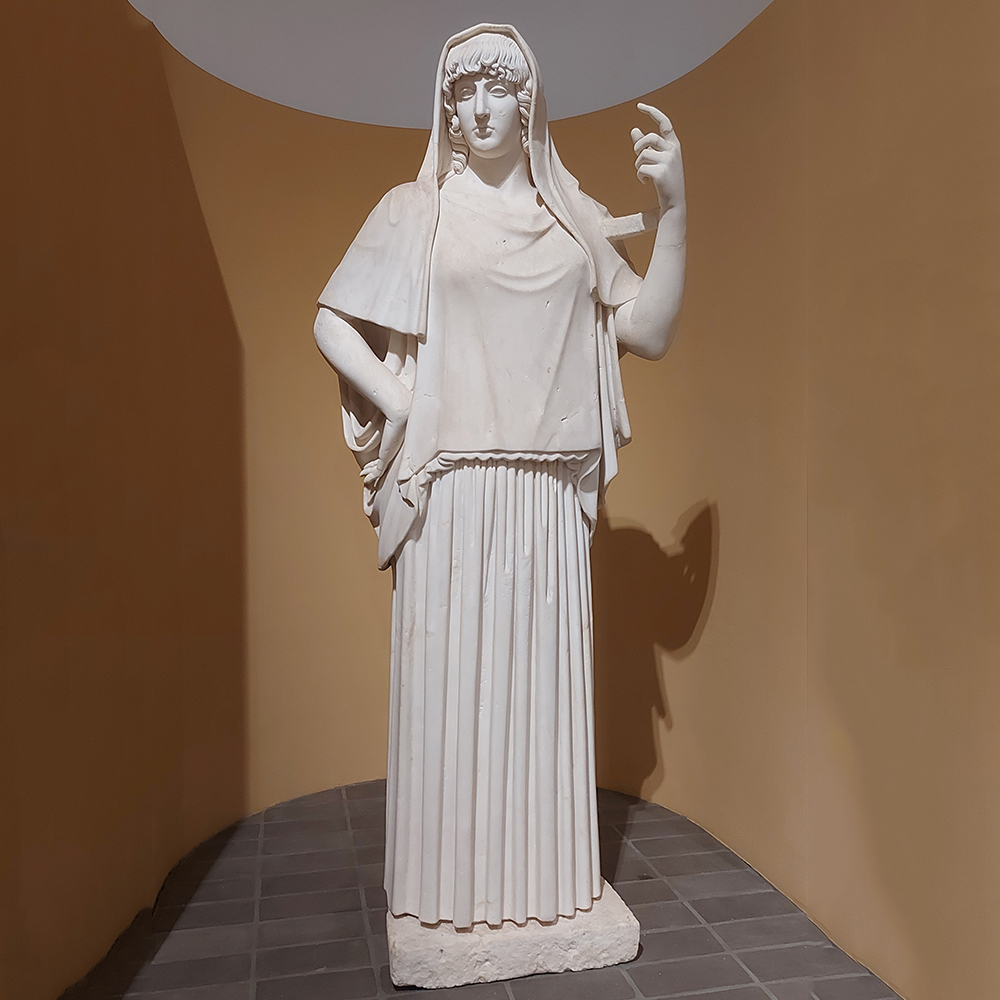
Hestia is the daughter of Cronus and Rhea, and the goddess of the hearth and household order. She holds an important place in family and public rituals, but there are relatively few myths associated with her.
- Domain: Hearth, home
- Parents: Cronus, Rhea
- Symbols: Hearth, flame Some
Twelve Olympian lists include Hestia, while other traditions substitute her with Dionysus.
Major Greek Deities Beyond the Twelve Olympians
The Greek pantheon of gods is not limited to the Twelve Olympians. It also includes many important deities associated with the underworld, magic, nature, medicine, and celestial bodies. This section introduces them according to their mythological status and functions; therefore, some of these figures are also descendants of earlier divine beings in the genealogy.
Hades
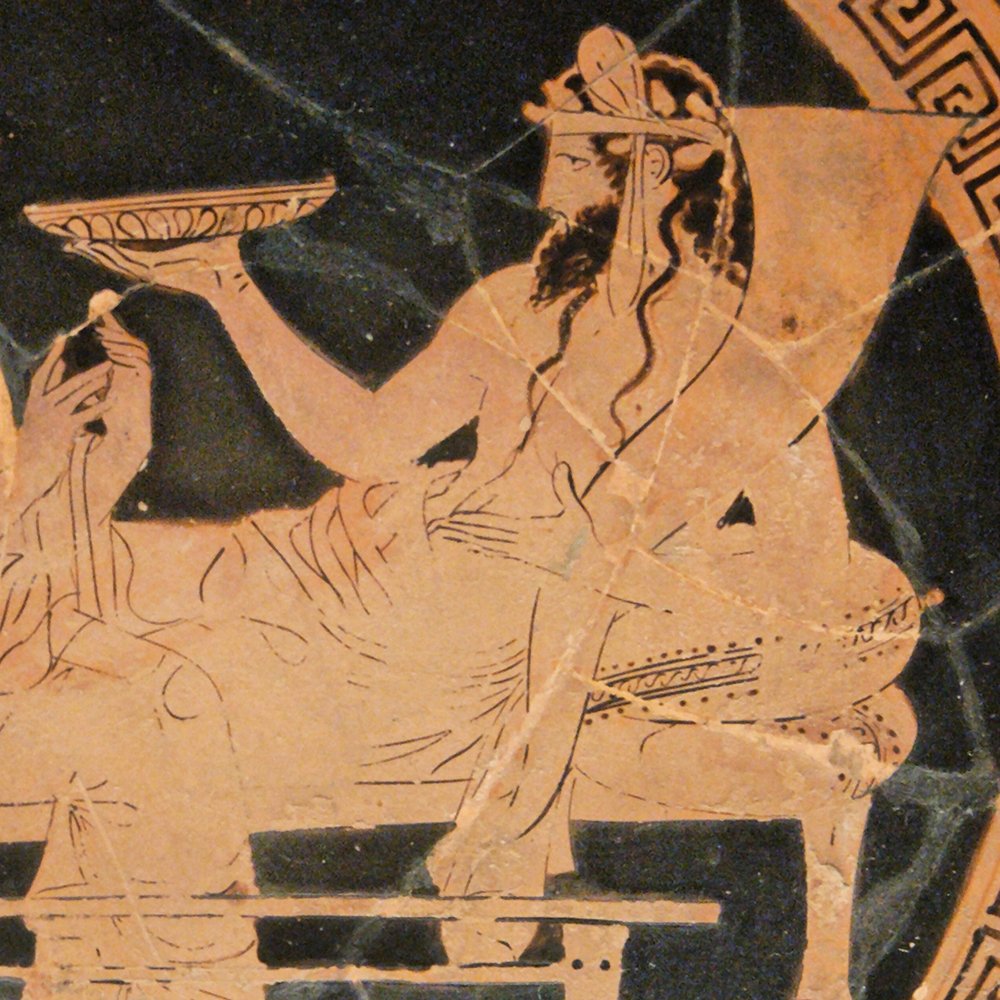
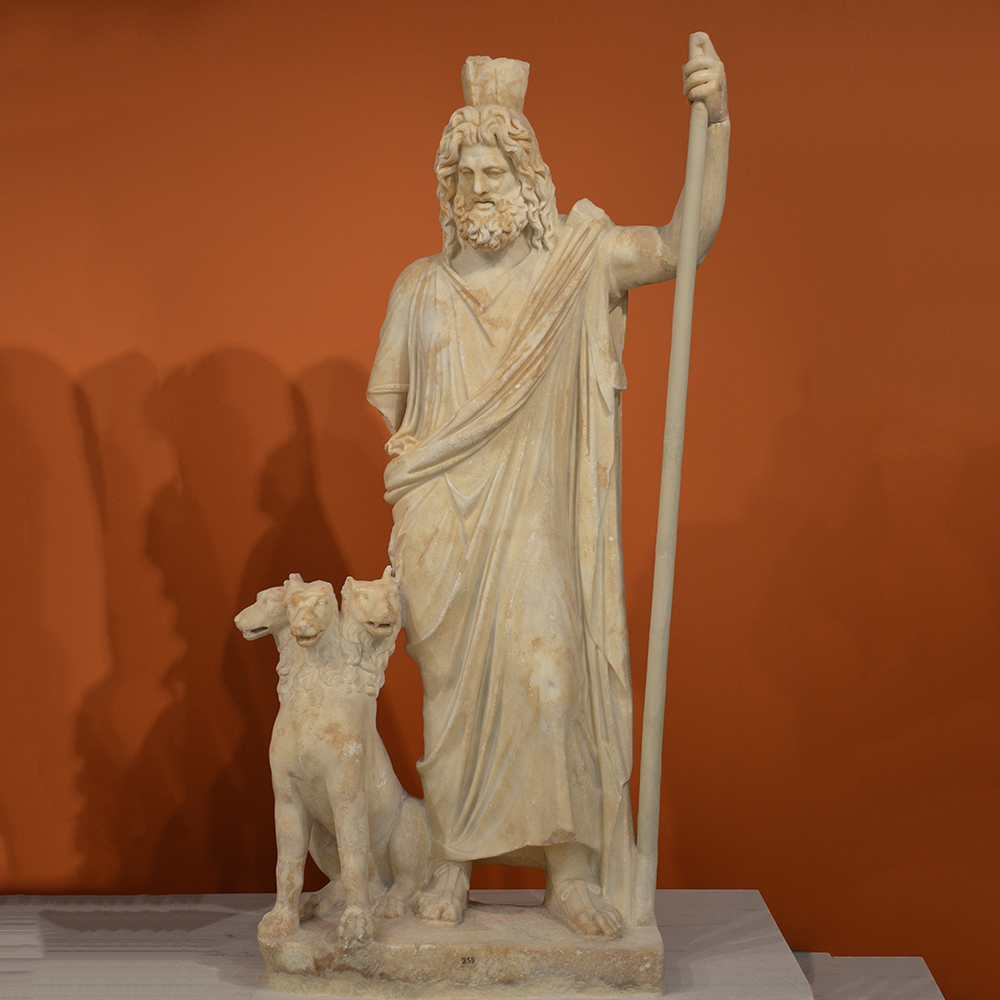
Hades is the son of Cronus and Rhea, and the brother of Zeus and Poseidon. After the three brothers overthrew Cronus, they each ruled over the sky, the sea, and the underworld, making Hades the ruler of the underworld and the dead.
- Domain: Underworld, the dead
- Parents: Cronus, Rhea
- Consort: Persephone
- Symbols: Cerberus, bident, Helm of Invisibility
Hades is an important deity in the Greek pantheon, but is not usually included among the Twelve Olympians because his primary domain is the Underworld, not Mount Olympus.
Persephone
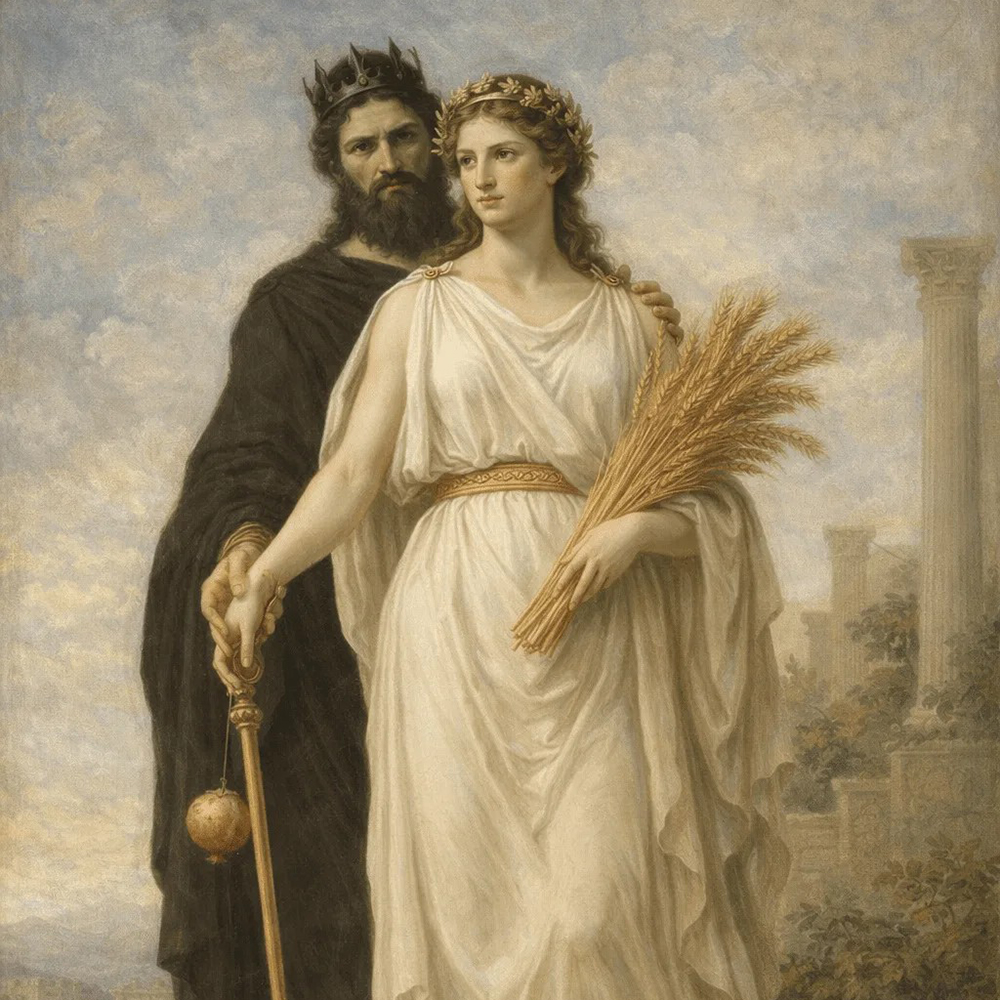
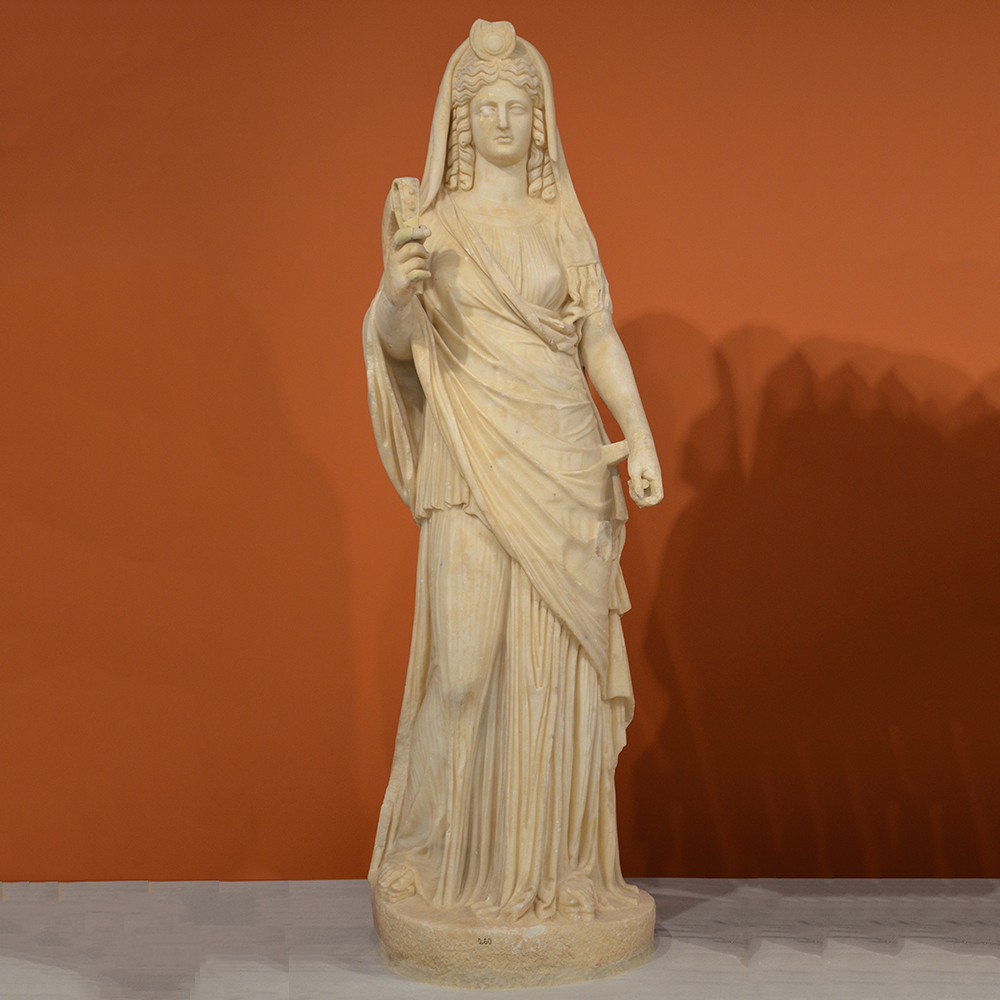
Persephone is the daughter of Zeus and Demeter, and the wife of Hades. Her story with her mother, Demeter, is closely intertwined with the cycle of plants, seasons, and the underworld.
- Domain: Underworld, vegetation cycle
- Parents: Zeus, Demeter
- Consort: Hades
- Symbols: Pomegranate, grain, torch
Hecate
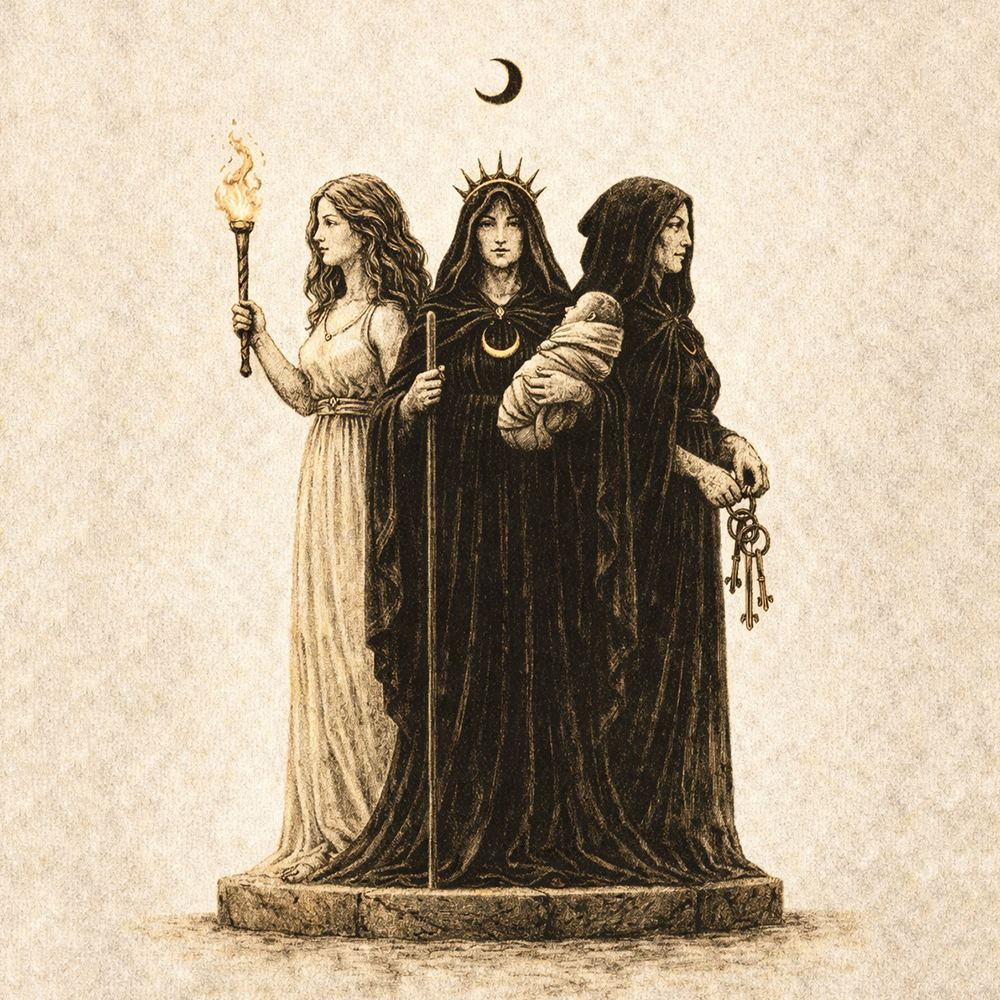
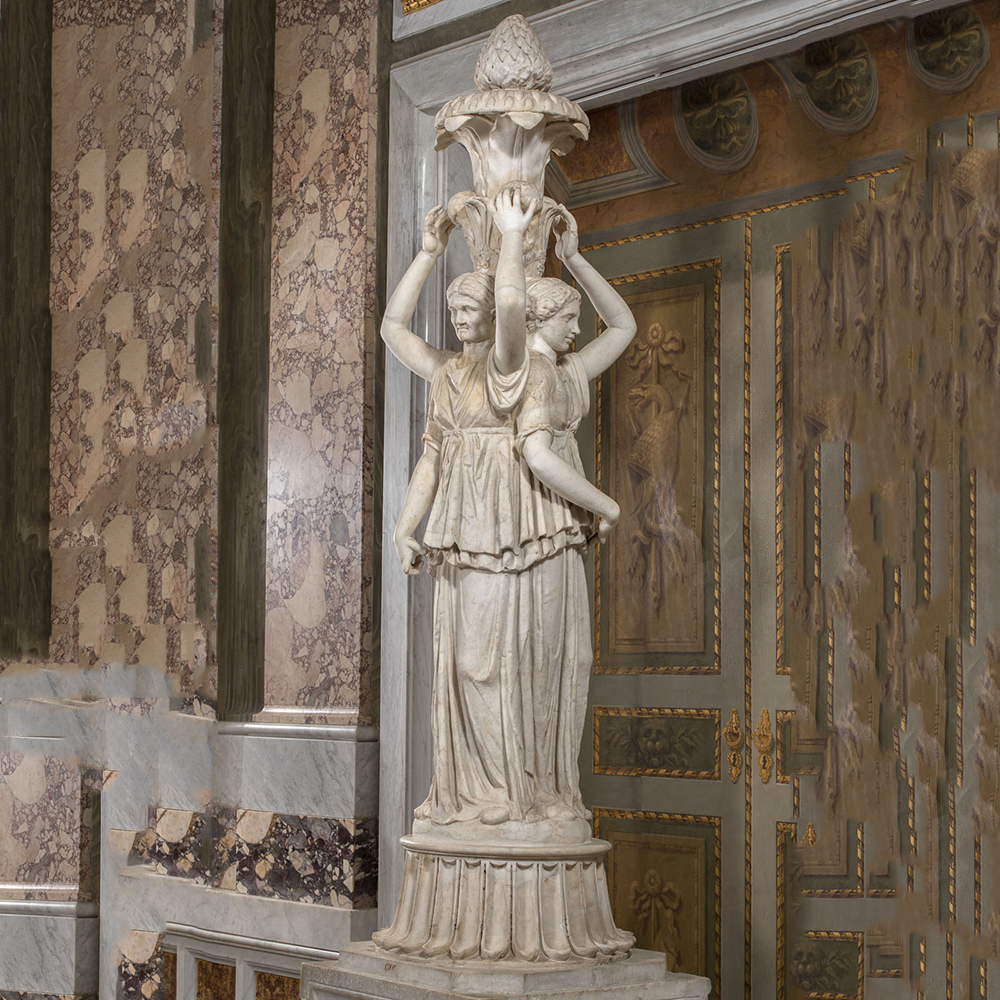
Hecate is a goddess associated with magic, night, crossroads, and ghosts, and is particularly important in later Greek and Roman traditions.
- Domain: Magic, crossroads, night
- Parents: Perses, Asteria
- Symbols: Torches, keys, dogs
- Sculpture Attributes: Commonly depicted with three or more facets
Pan
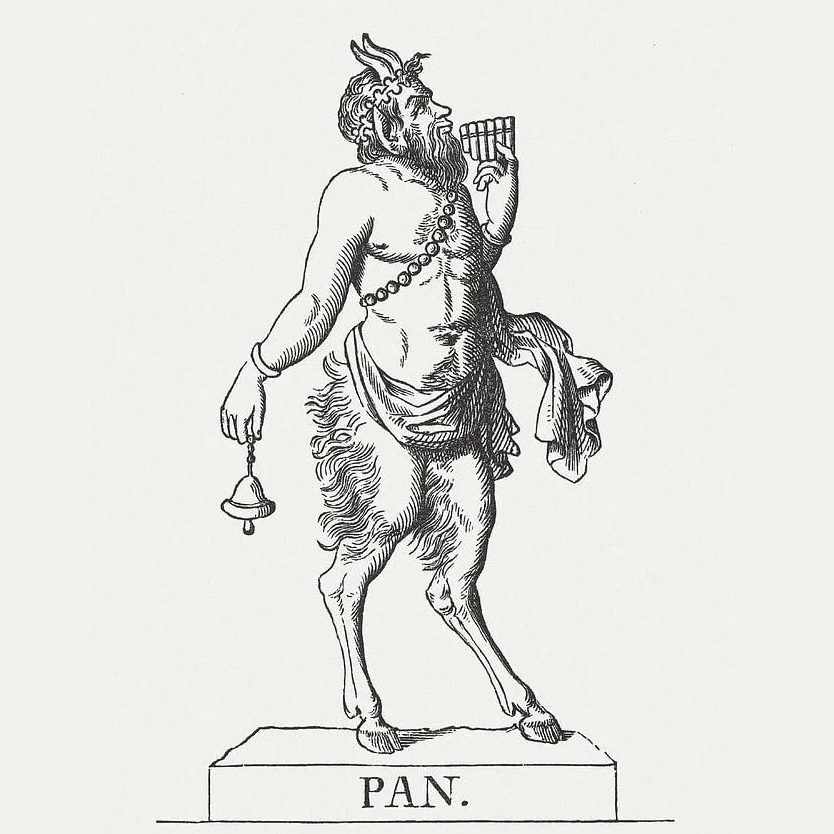
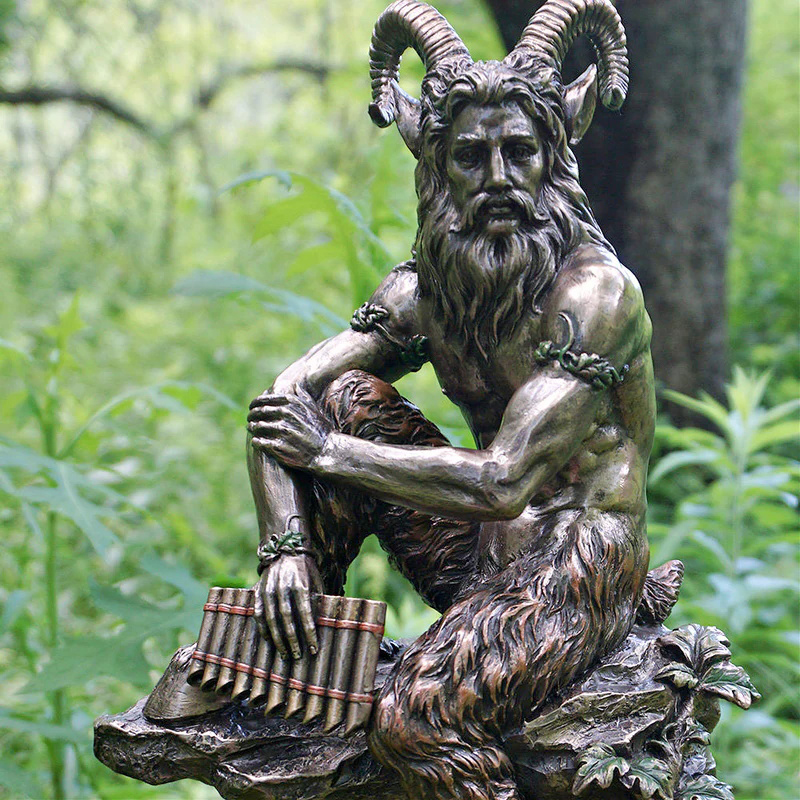
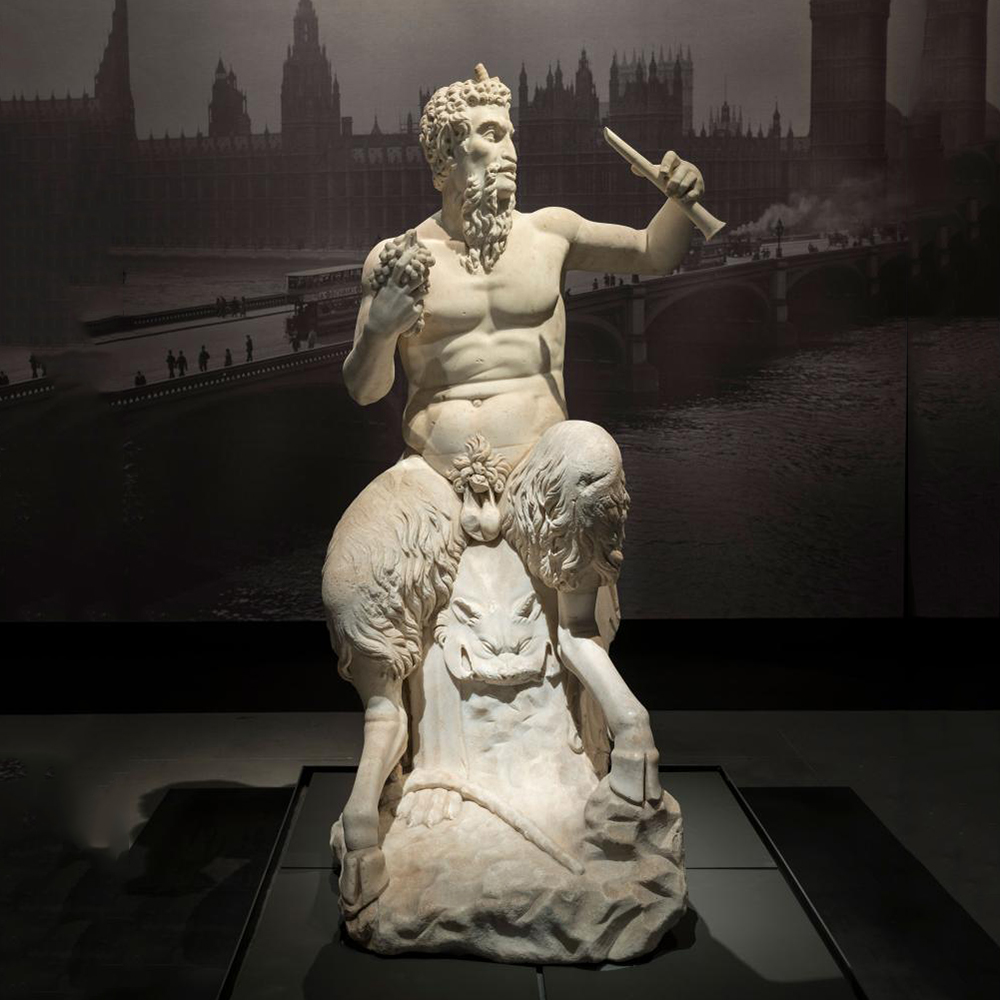
Pan is the god of shepherds, flocks, and the natural world, and is particularly associated with the Arcadia region. His mother’s identity varies across traditions; Hermes is often considered his father.
- Domain: Wild nature, shepherds, flocks
- Symbols: Pan pipes, shepherd’s crook
- Sculpture Attributes: Goat horns, goat legs, and panpipes
Asclepius
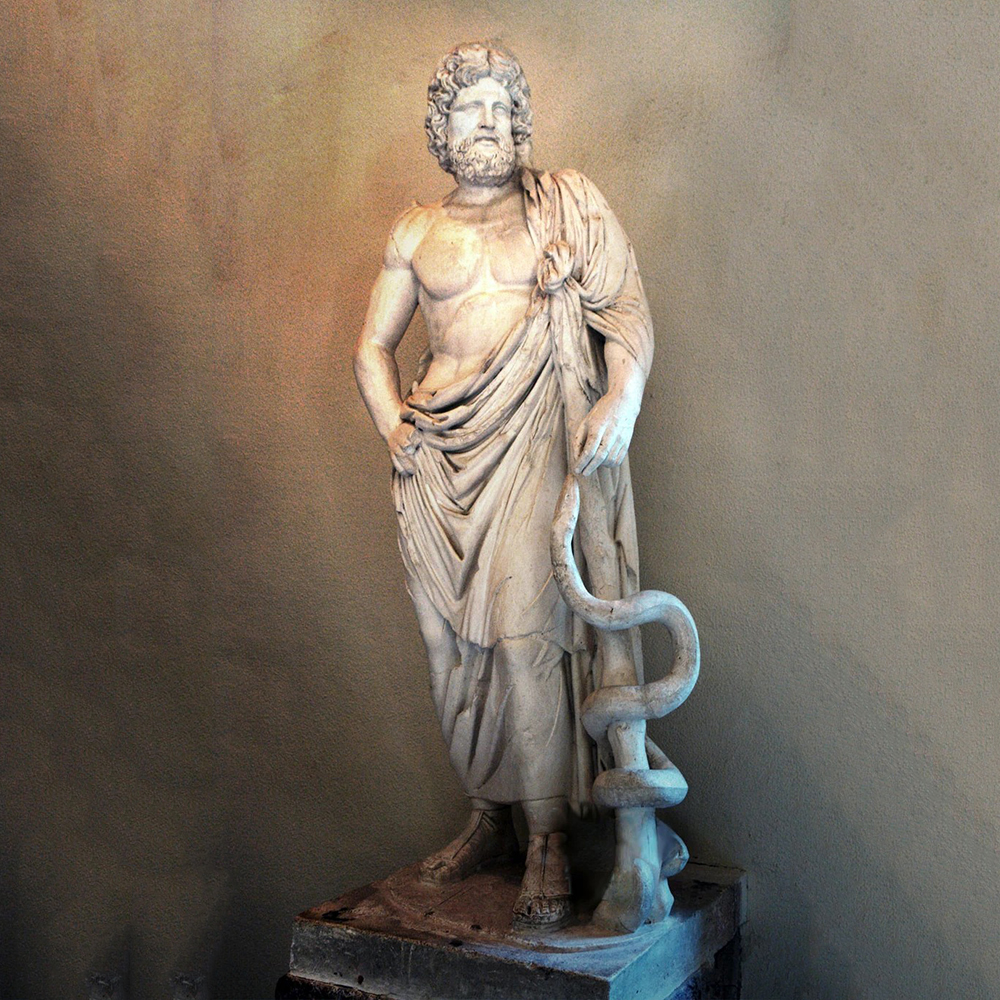
Asclepius, the god of medicine and healing, is generally considered the son of Apollo. His cult of healing held a significant place in the ancient Greek world.
- Domain: Medicine, healing
- Father: Apollo
- Symbols: Rod of Asclepius, snake
The Rod of Asclepius is a staff entwined with a snake and should not be confused with Hermes’ Caduceus (two snakes).
Helios
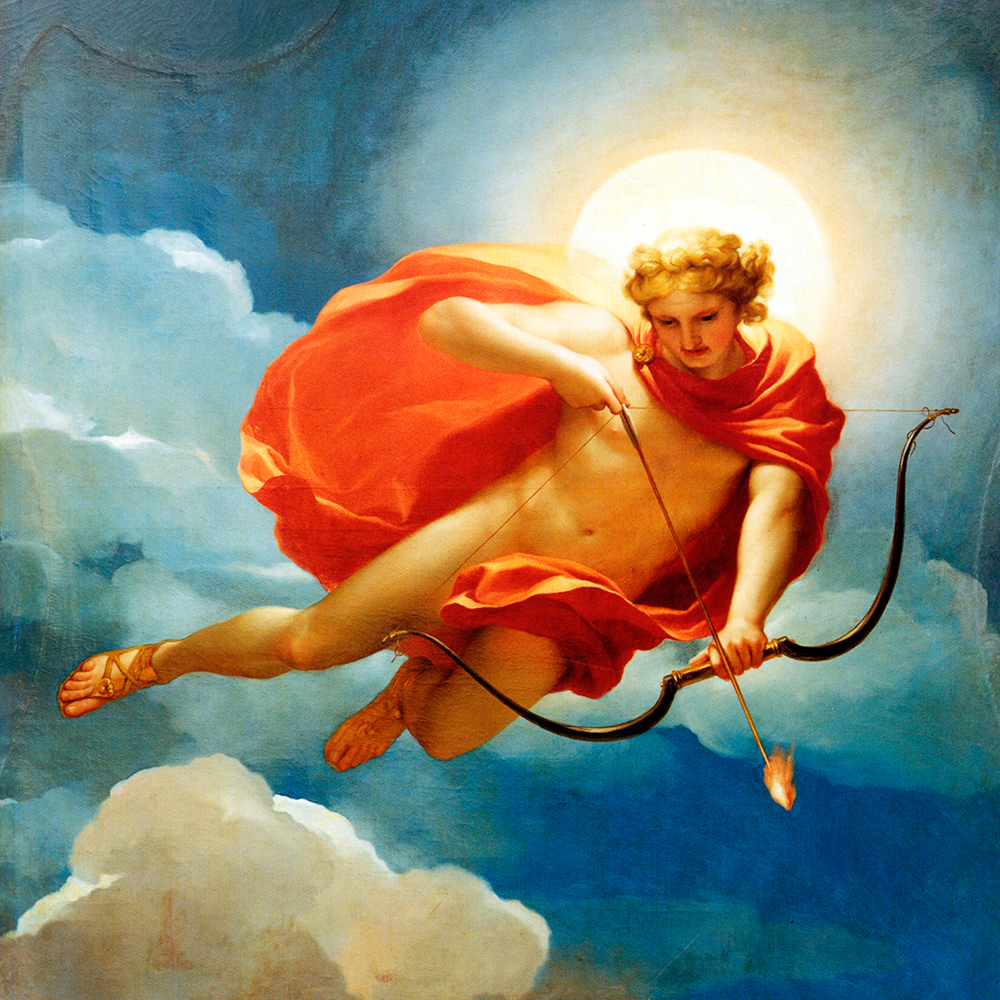
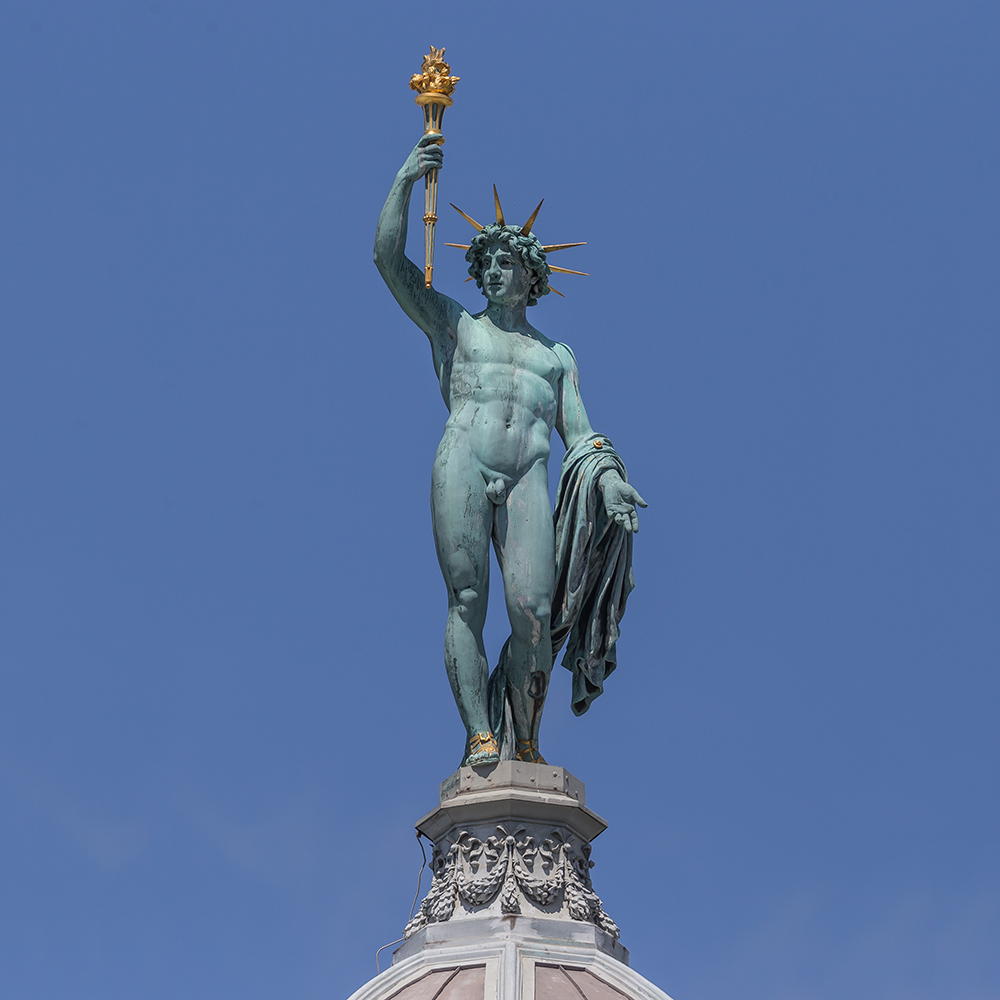
Helios is the deification of the sun, the son of Hyperion and Theia. He drives his solar chariot across the sky daily and is its most famous mythological figure.
- Domain: Sun
- Parents: Hyperion, Theia
- Siblings: Selene, Eos
- Symbols: Solar chariot, radiant crown
Selene
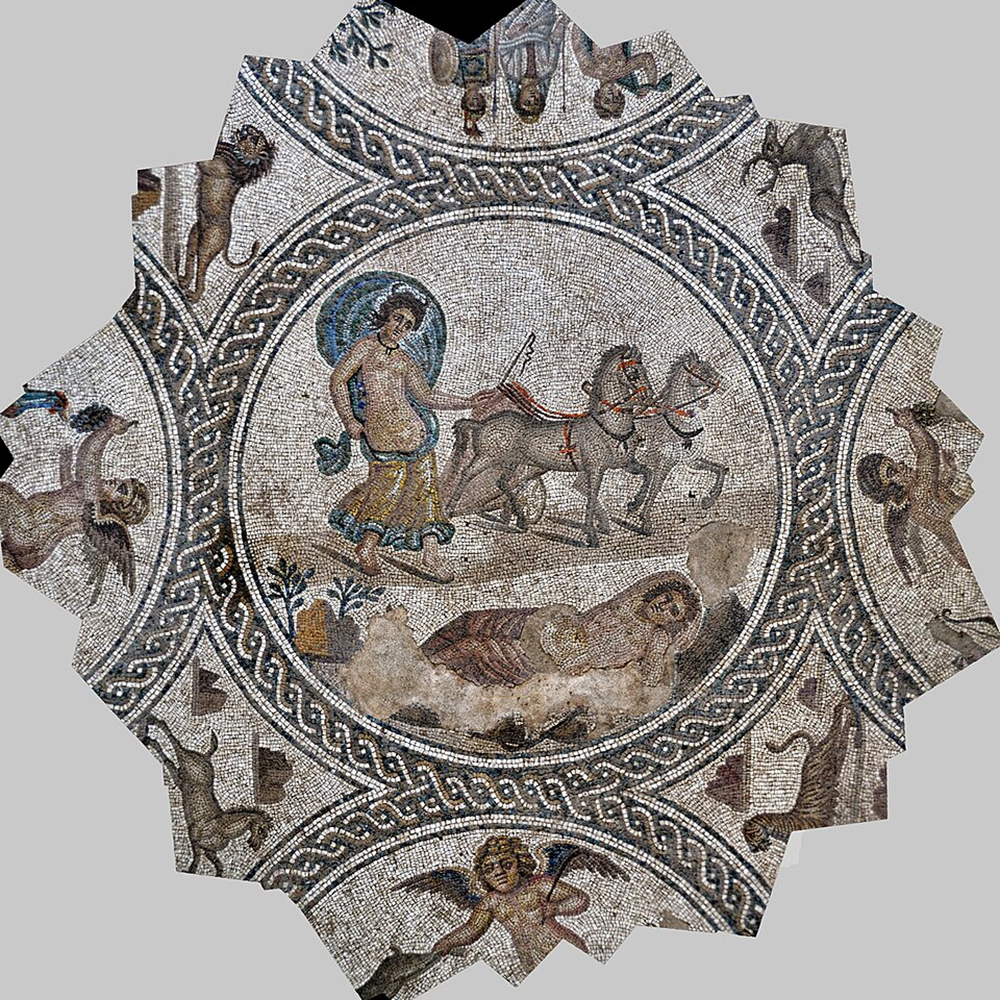
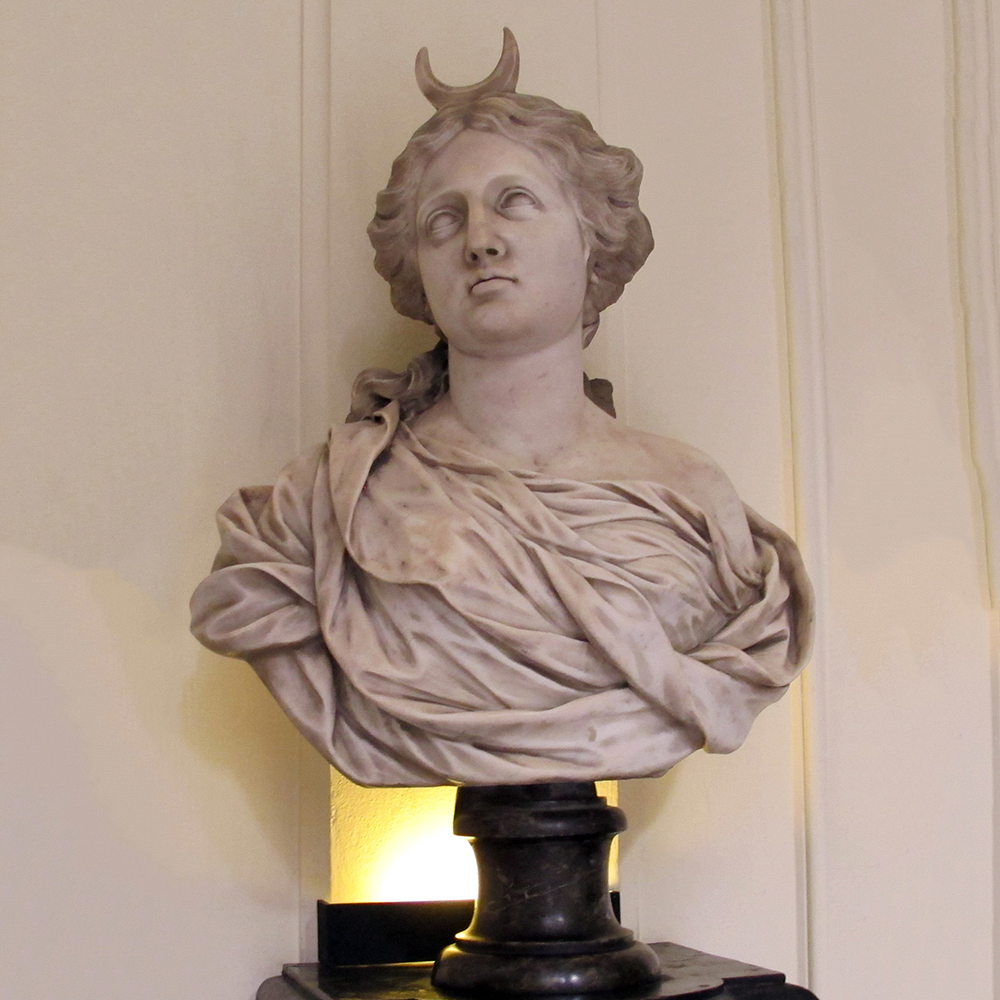
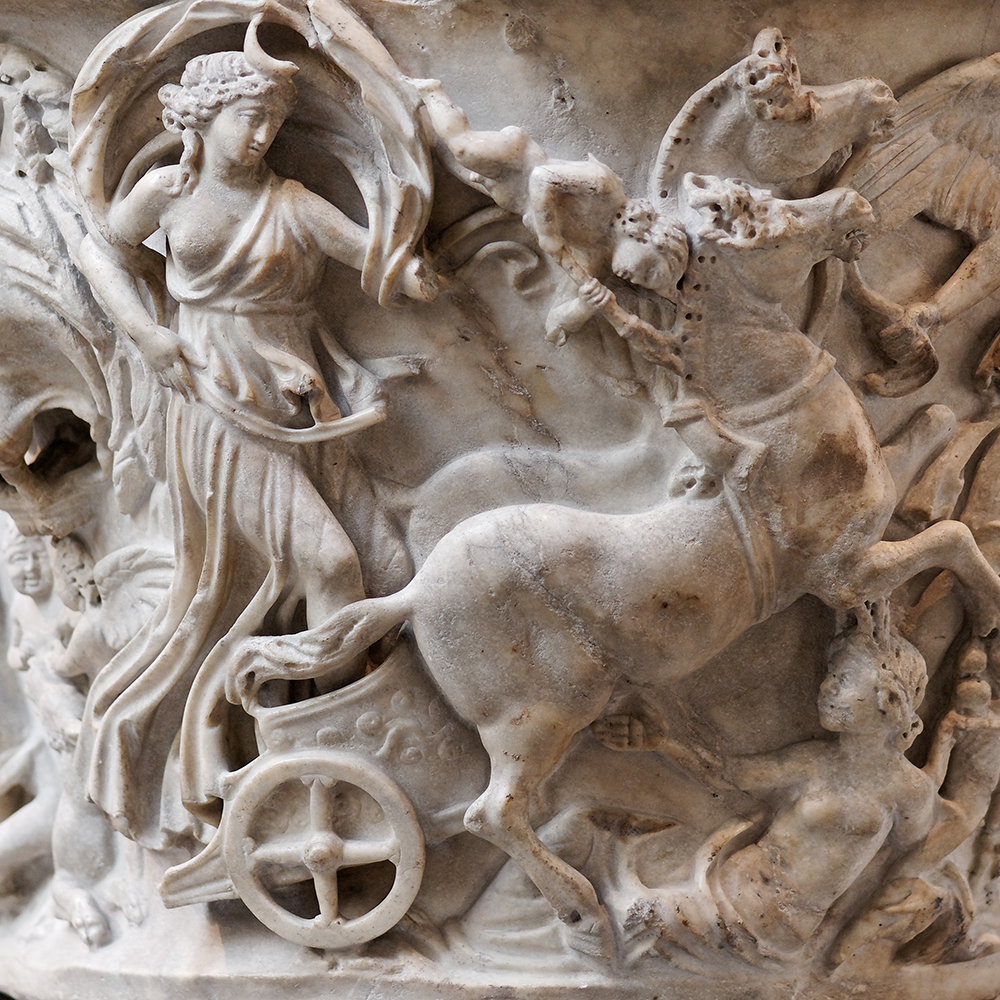
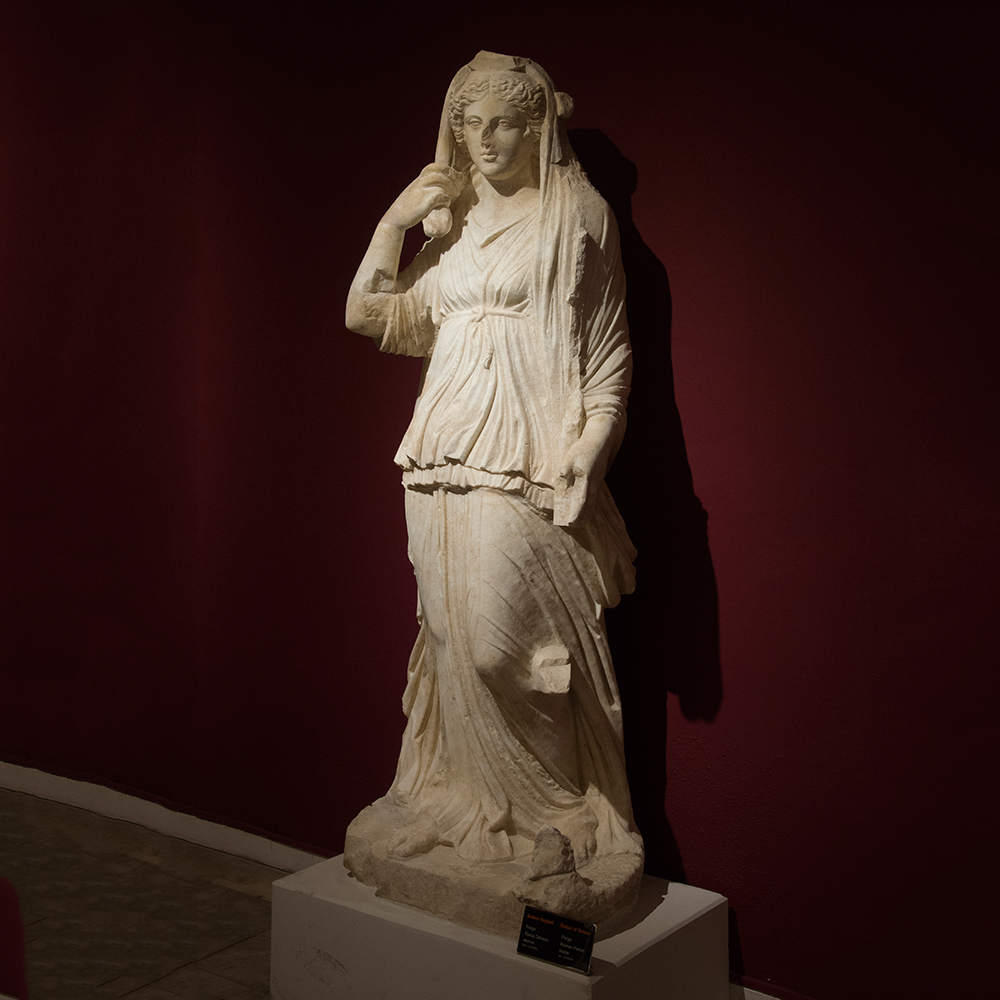
Selene is the personification of the moon and the sister of Helios. One of her most famous myths is her story with Endymion.
- Domain: Moon
- Parents: Hyperion, Theia
- Symbols: Crescent moon, moon chariot
Eos
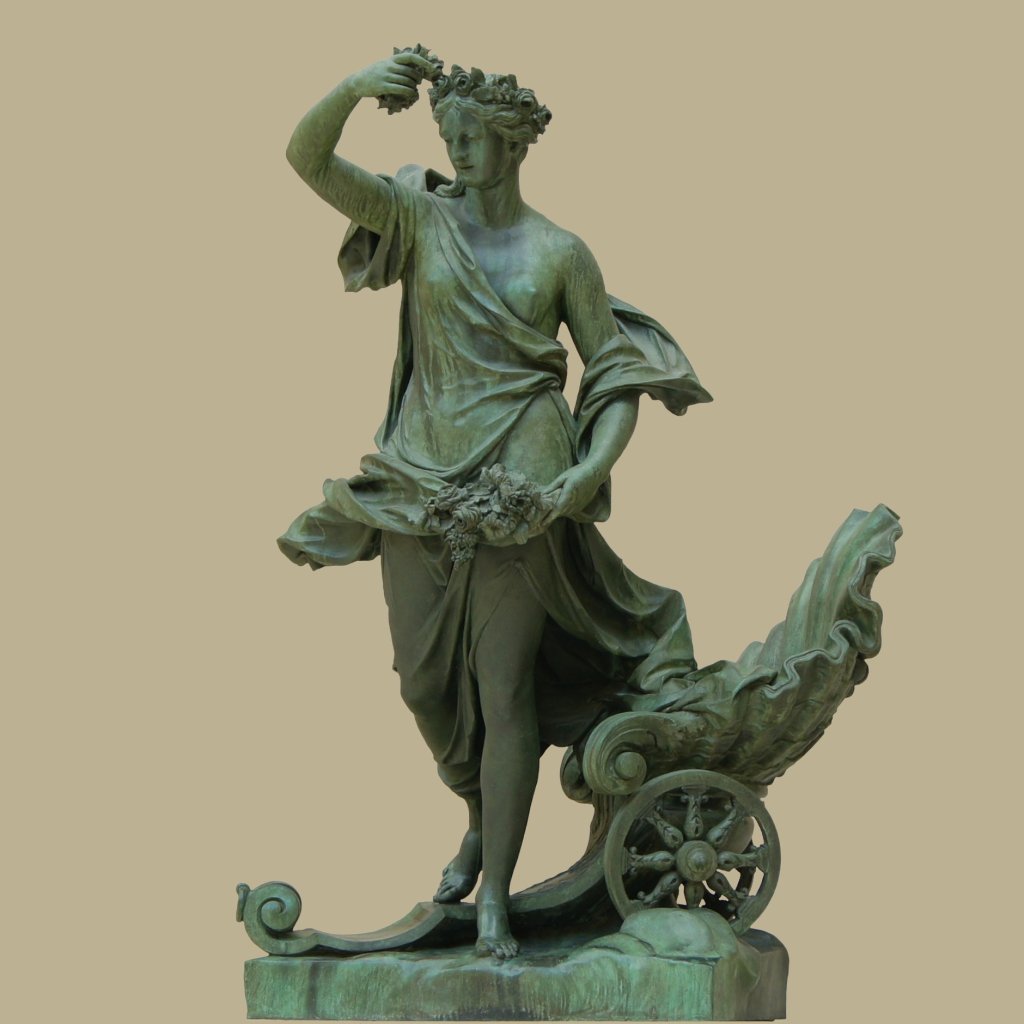
Eos is the deification of dawn, beginning each new day before sunrise.
- Domain: Dawn
- Parents: Hyperion, Theia
- Siblings: Helios, Selene
- Symbols: Chariot, wings, dawn
Divine Groups in Greek Mythology
Divine Groups refer to groups of gods or nature deities that frequently appear in fixed combinations in Greek mythology. They typically share similar duties, blood ties, or areas of activity.
The Nine Muses
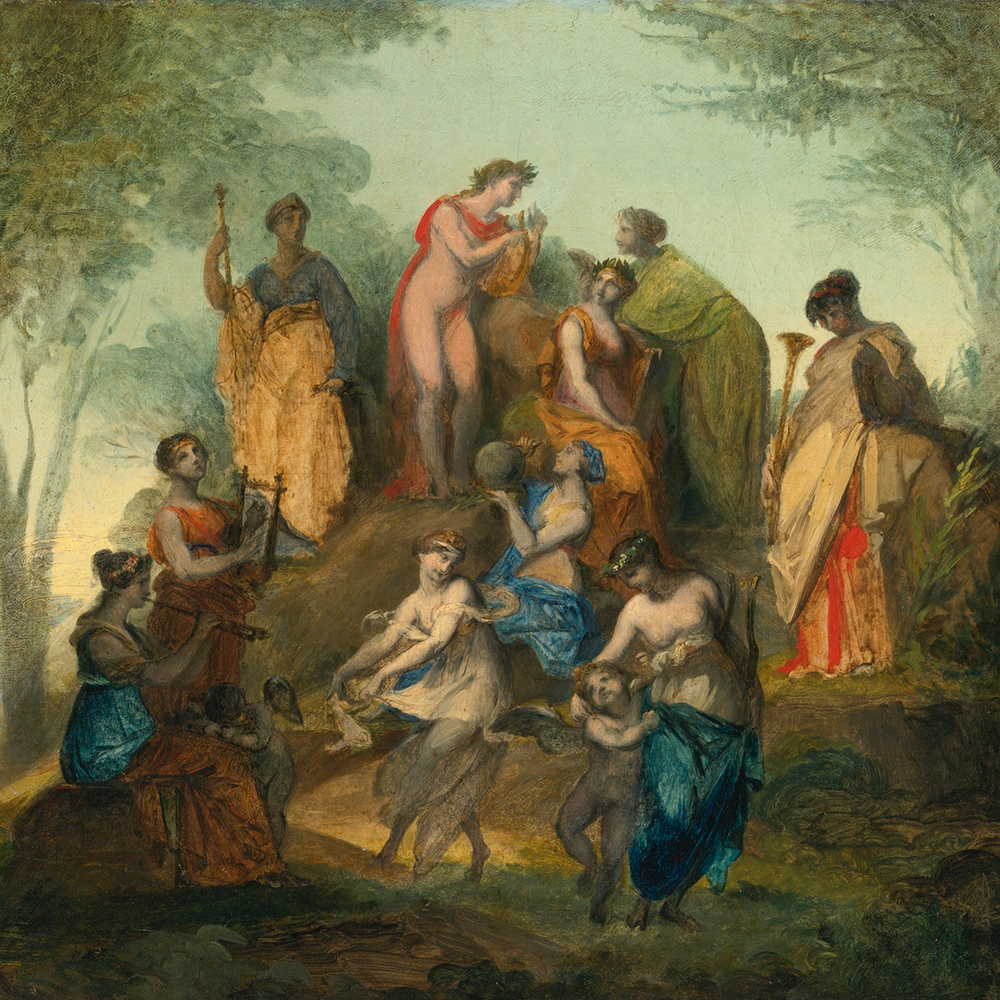
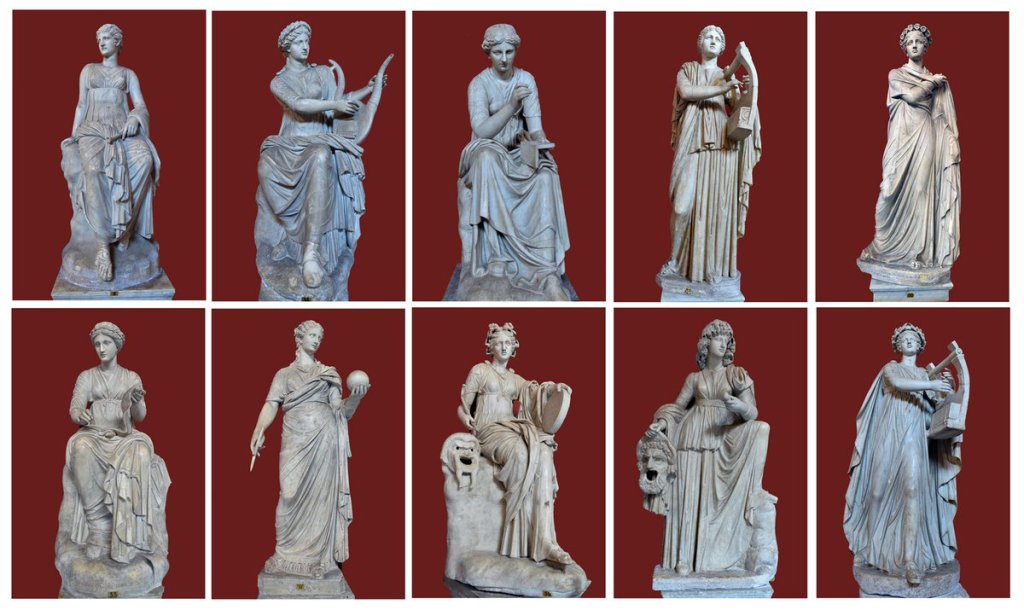
The Muses, daughters of Zeus and Mnemosyne, each presided over different realms of art and knowledge:
- Calliope: Epic poems
- Clio: History
- Erato: Love poems
- Euterpe: Music and lyric poetry
- Melpomene: Tragedy
- Polyhymnia: Hymns
- Terpsichore: Dance
- Thalia: Comedy
- Urania: Astronomy
The Nine Muses later became a common theme in literature, music, theater, libraries, and classical art.
The Three Graces / Charites
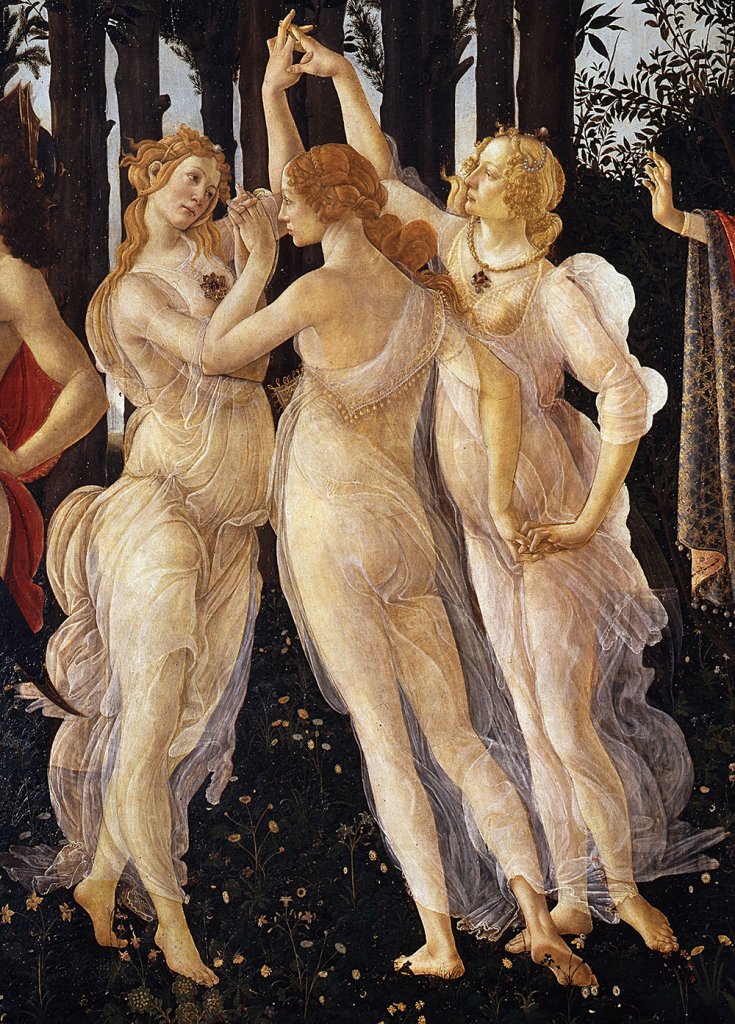
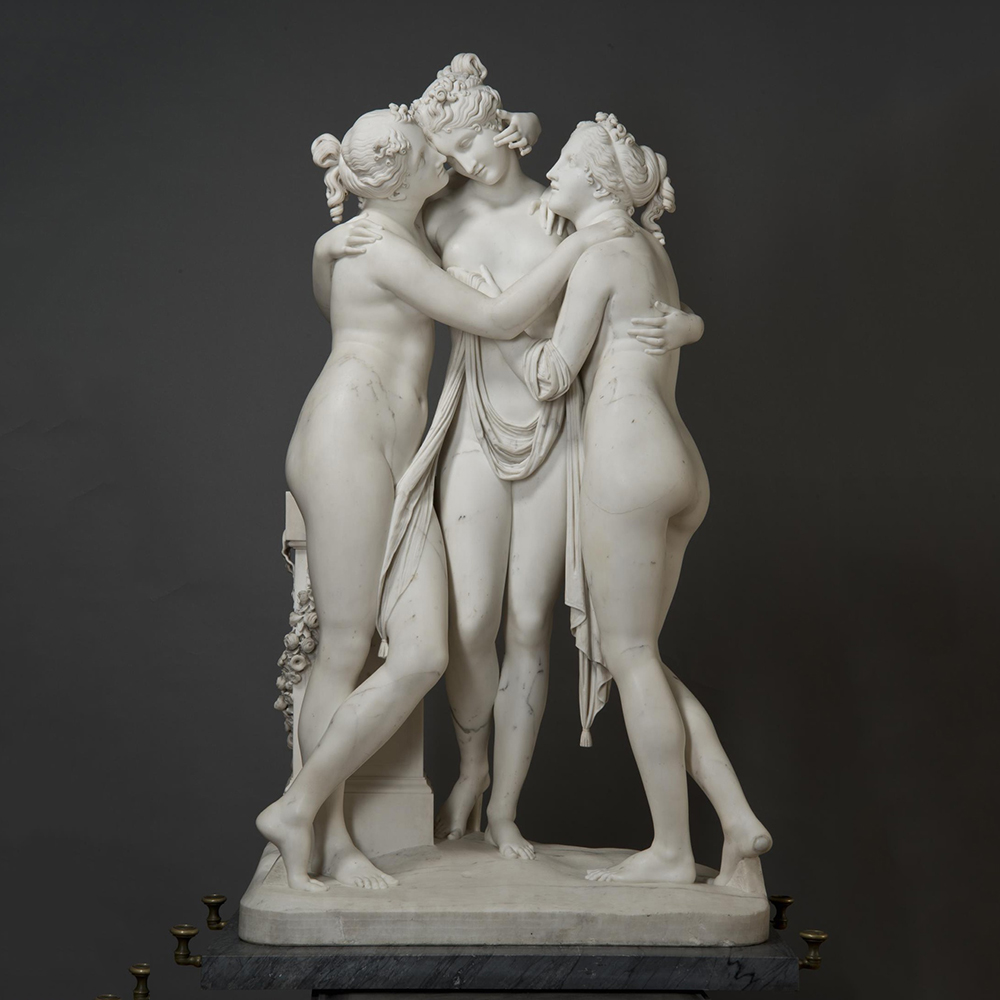
The Charites (the Three Graces) represent elegance, beauty, joy, and harmony. The most common members are:
- Aglaea: Splendor / Beauty
- Euphrosyne: Joy
- Thalia: Festivity / Abundance.
They later became a classic trio subject in European painting and sculpture.
The Moirai / Three Fates
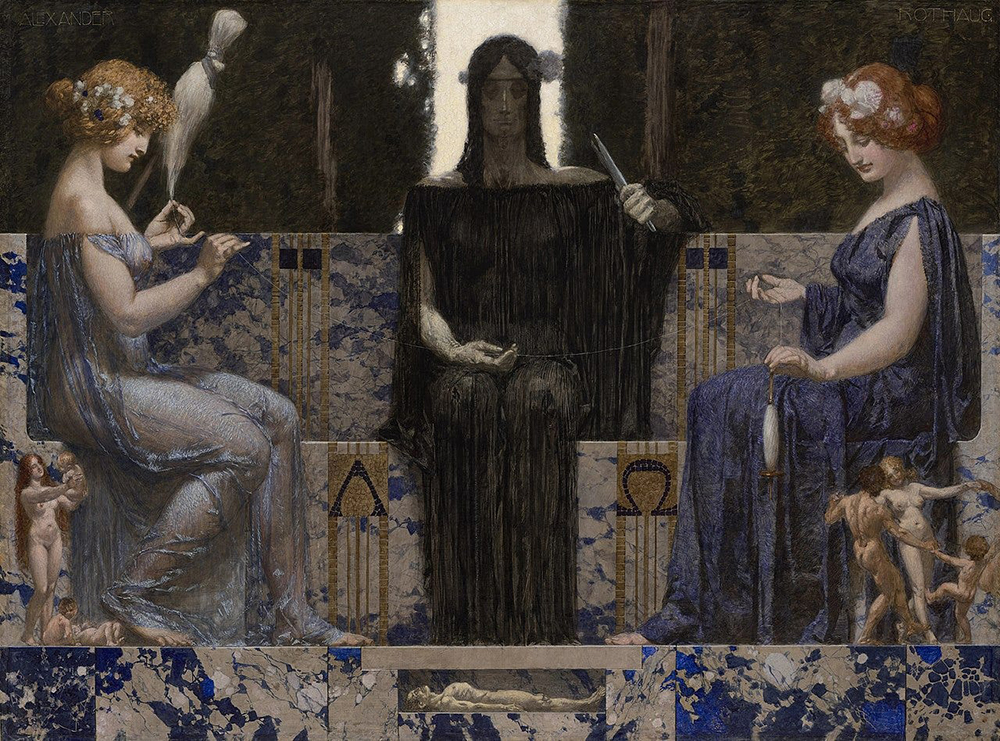
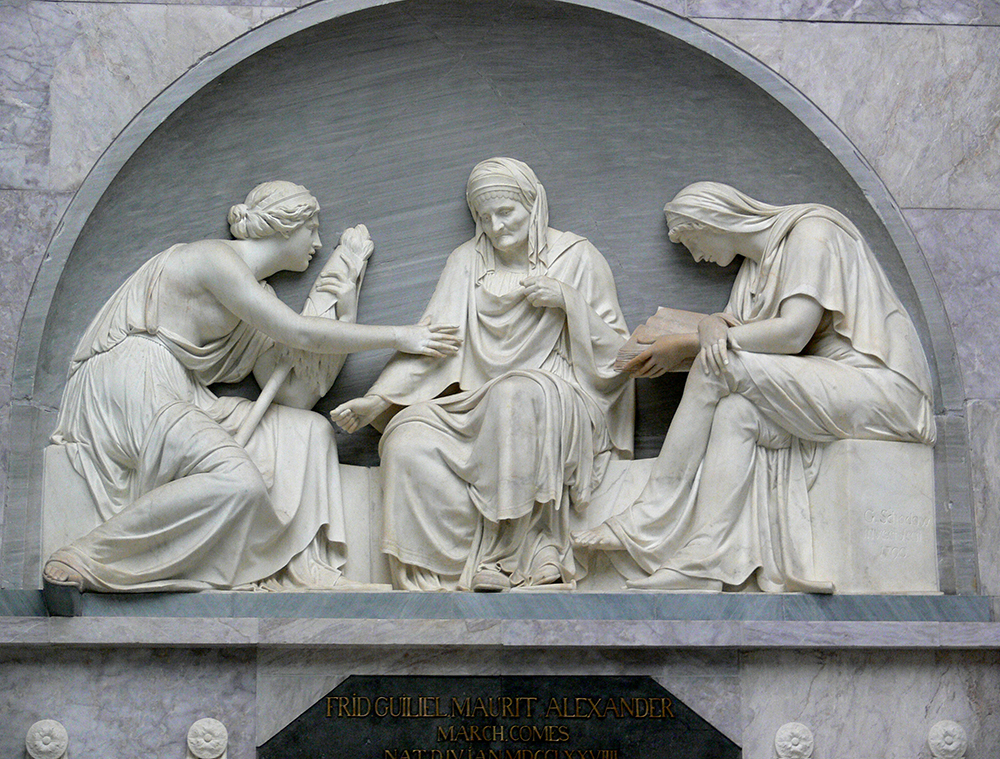
Moirai (the three Fates) govern human destiny and lifespan:
- Clotho: Spins the thread of life
- Lachesis: Determines the length of the thread of life
- Atropos: Cuts the thread of life
- Domain: Fate, destiny, lifespan
The Horae
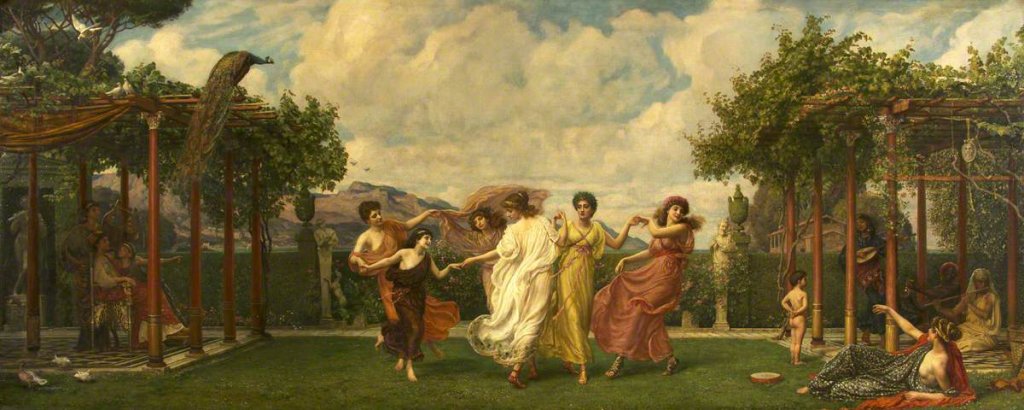
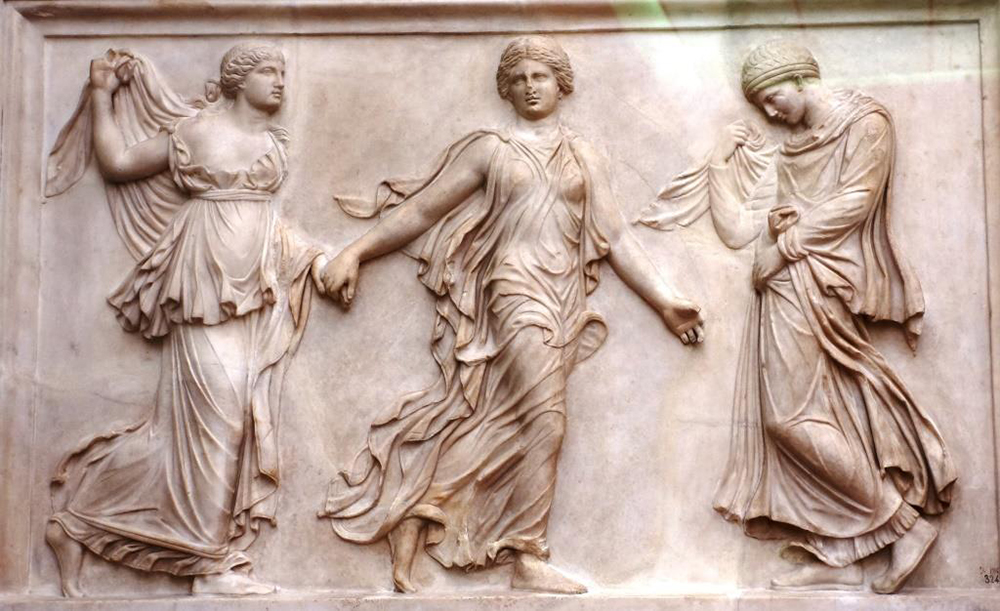
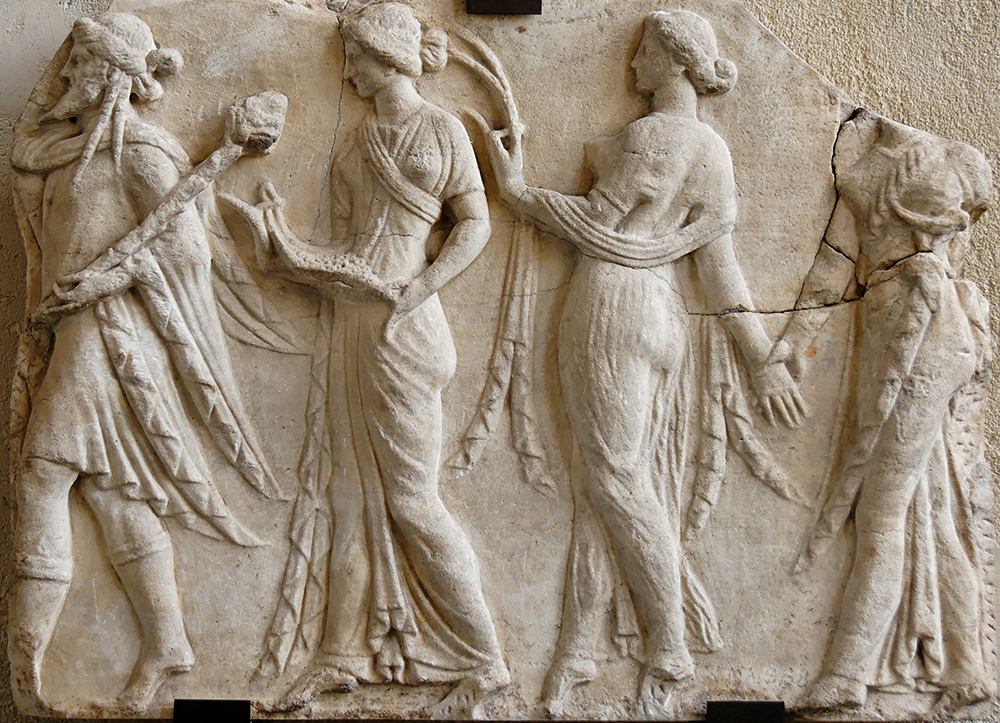
Horae (goddesses of the seasons) are associated with seasons, natural order, and social order. Common groups include:
- Eunomia: Good Order
- Dike: Justice
- Eirene: Peace
The Erinyes / Furies
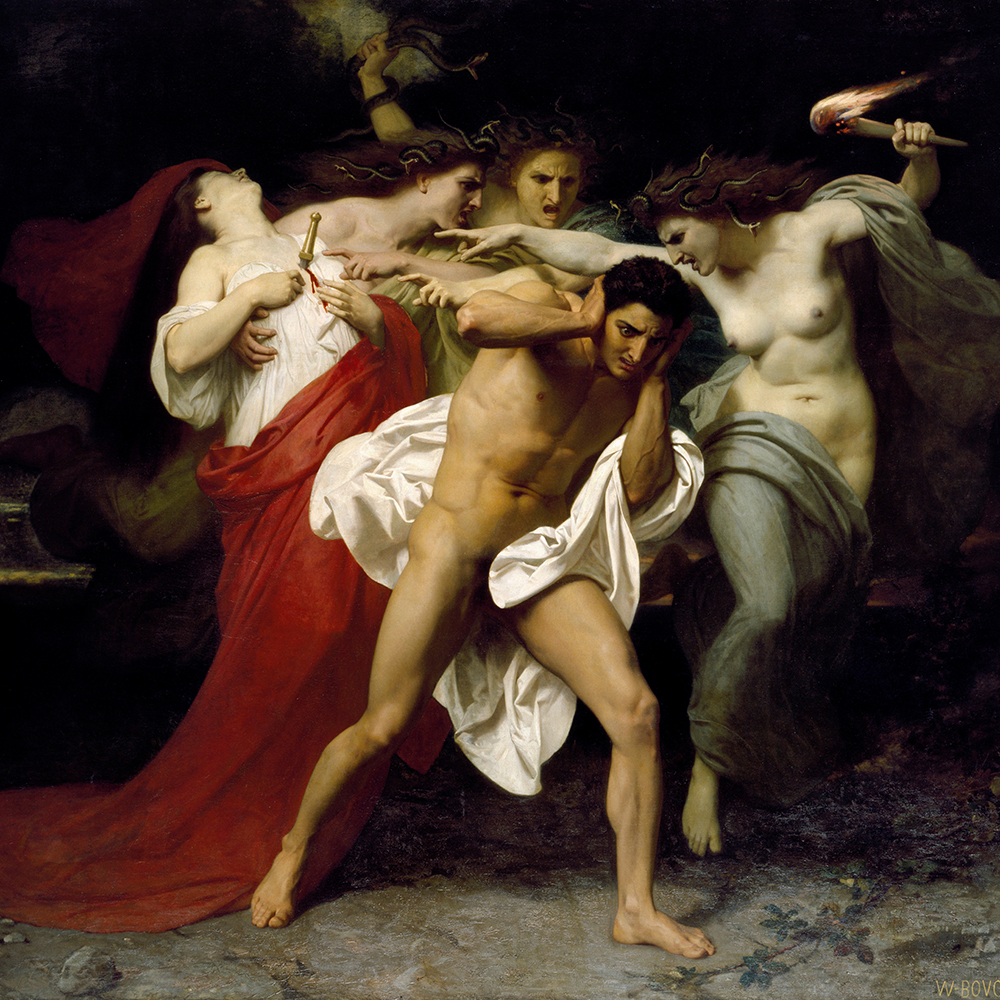
Erinyes are a group of goddesses responsible for revenge and punishment of serious crimes. Common members include:
- Alecto
- Megaera
- Tisiphone
They are particularly associated with crimes such as patricide and breaking oaths.
Nymphs
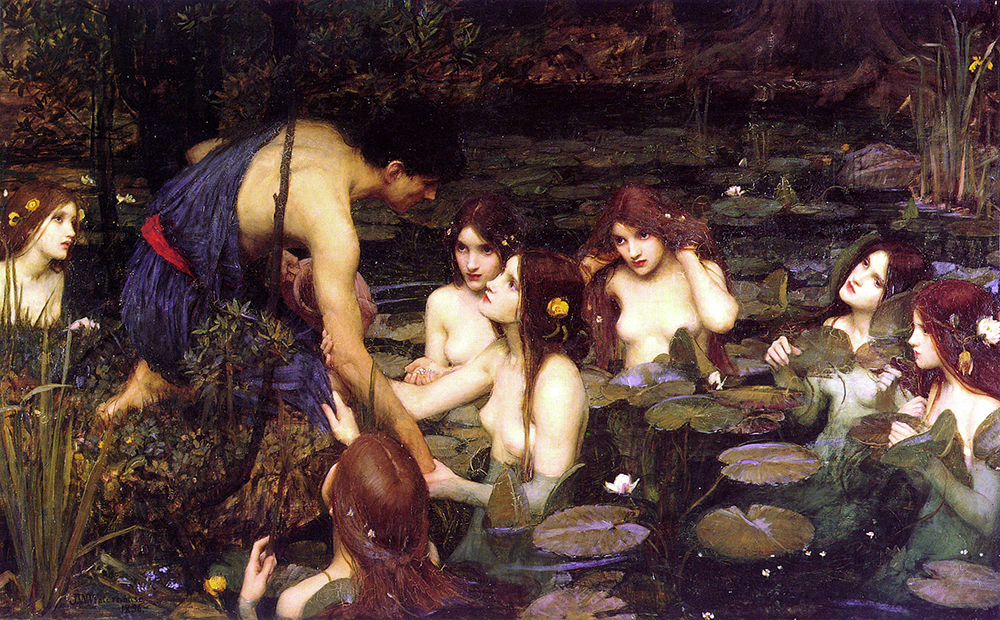
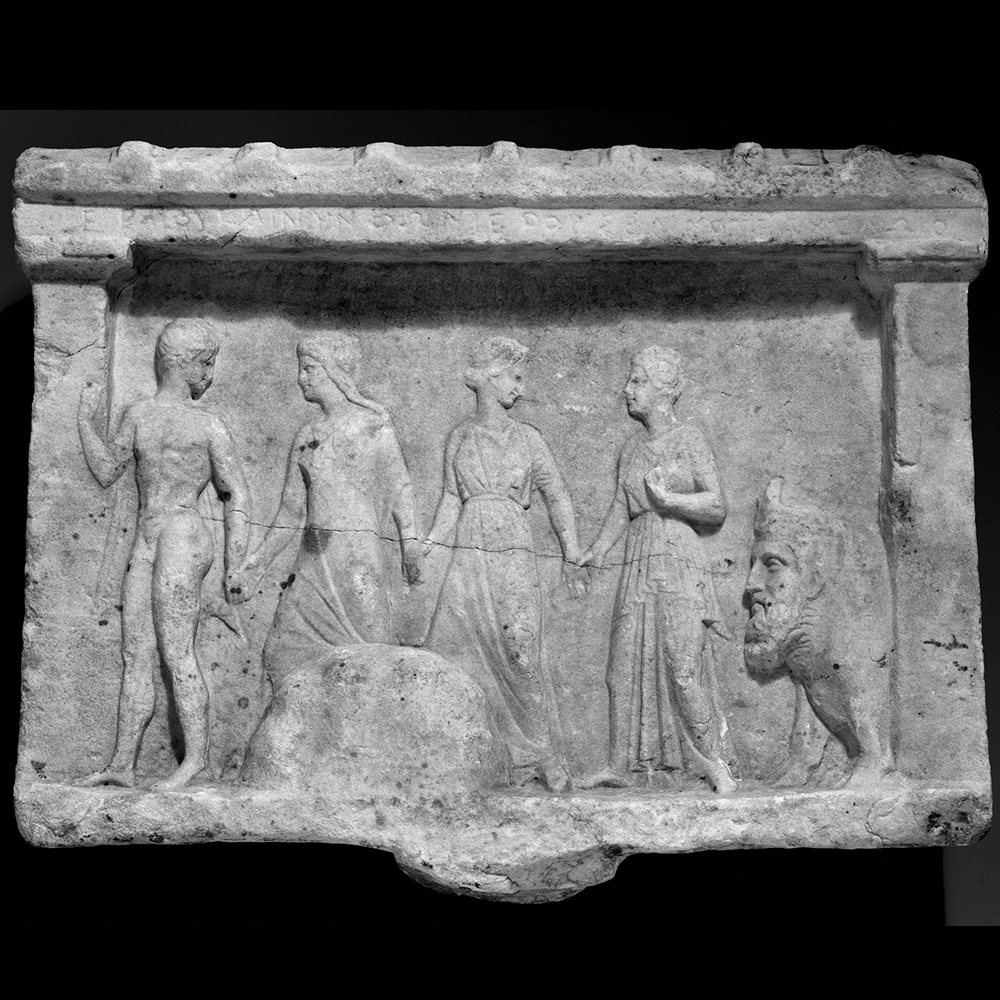
Nymphs are female deities associated with the natural environment, including:
- Dryads: trees and forests
- Naiads: springs, rivers, and other freshwater
- Oreads: mountains and caves
- Oceanids: goddesses associated with water
They often appear alongside deities such as Artemis, Dionysus, and Pan.
Nereids
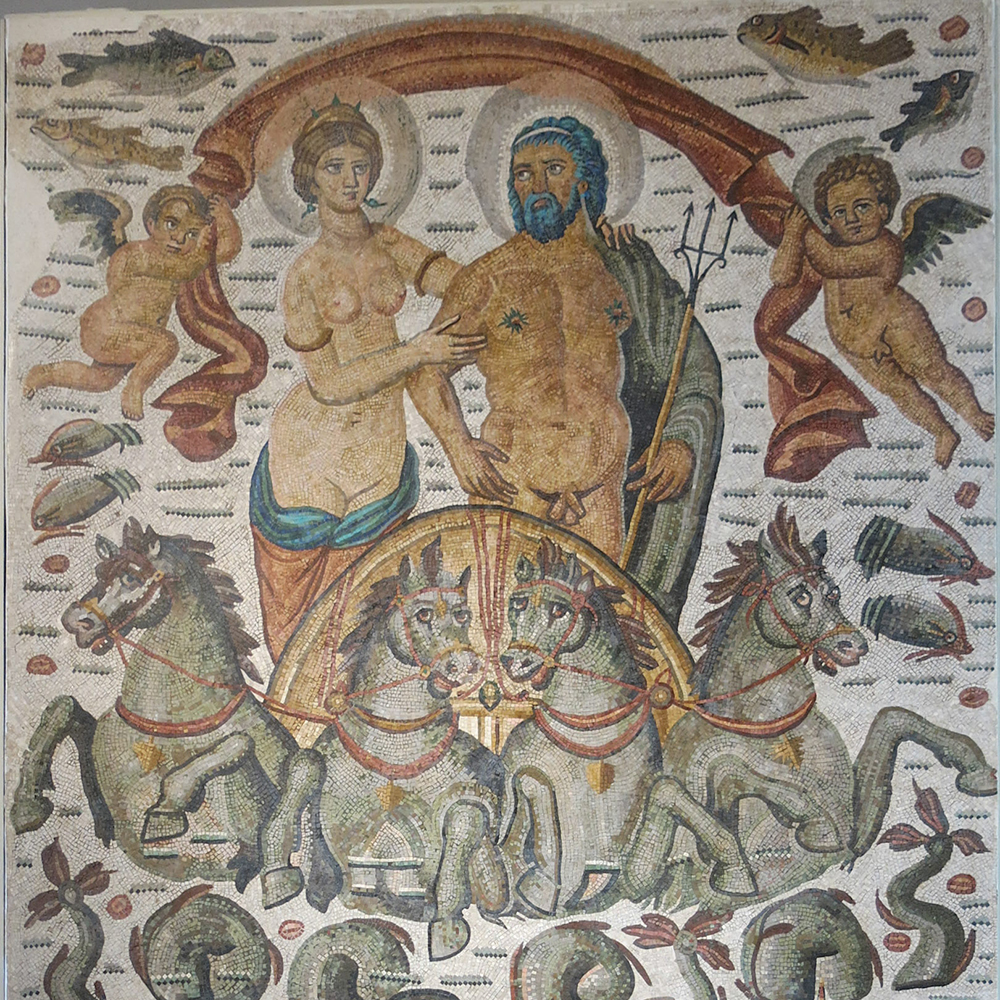
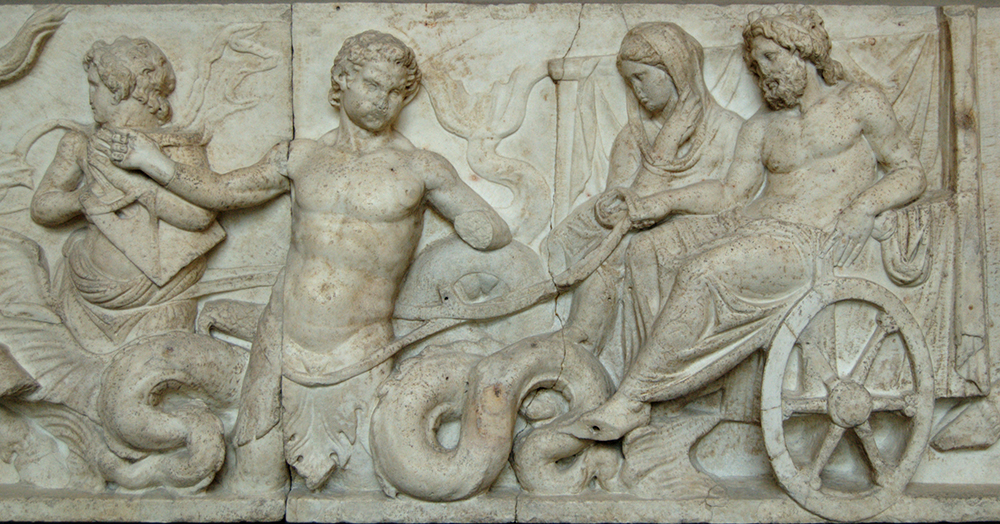
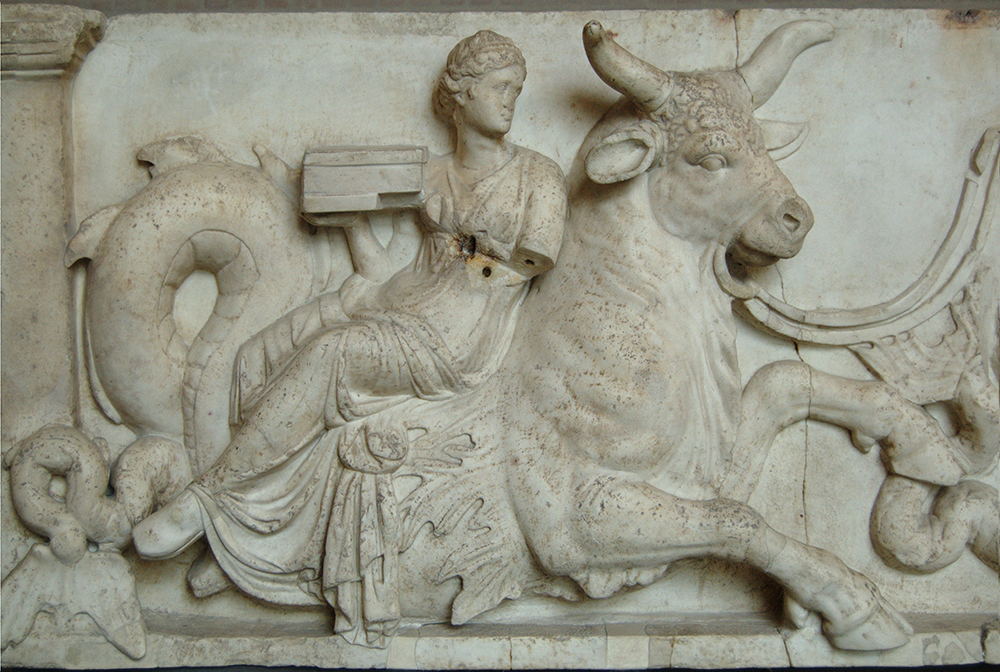
Nereids are the daughters of Nereus and Doris, and are a class of nymphs specifically associated with the sea. Traditionally, there are fifty nymphs, among whom the most famous include Thetis and Amphitrite.
- Identity: Sea nymphs
- Domain: Sea
- Notable members: Thetis, Amphitrite
Therefore, Nereids can be considered a specific marine group within the nymphs.
Personifications: When Abstract Ideas Became Deities
Personifications refer to the attribution of abstract concepts to deities and human figures. In Greek mythology, concepts such as Victory, Fortune, Peace, Sleep, and Death can all become independent divine figures.
Personification is not a separate generation of gods; therefore, some figures may also belong to other categories.
Nike
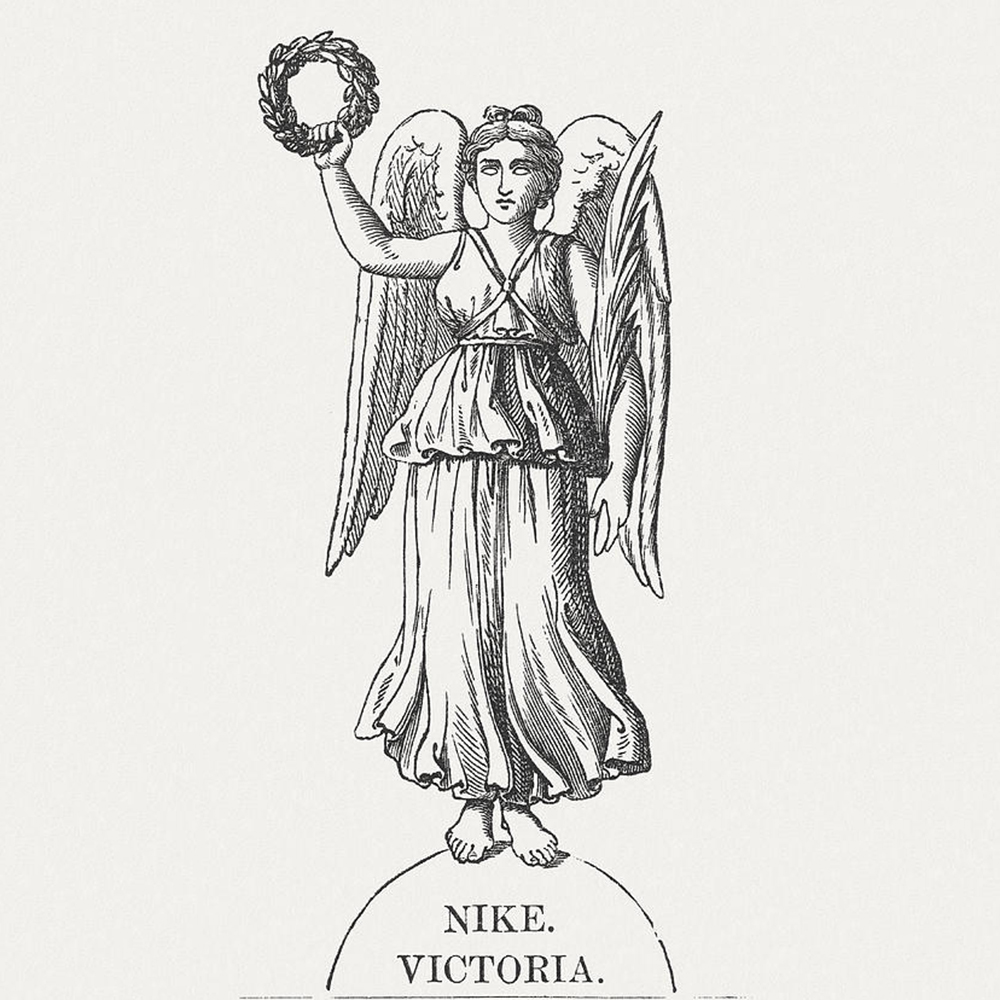
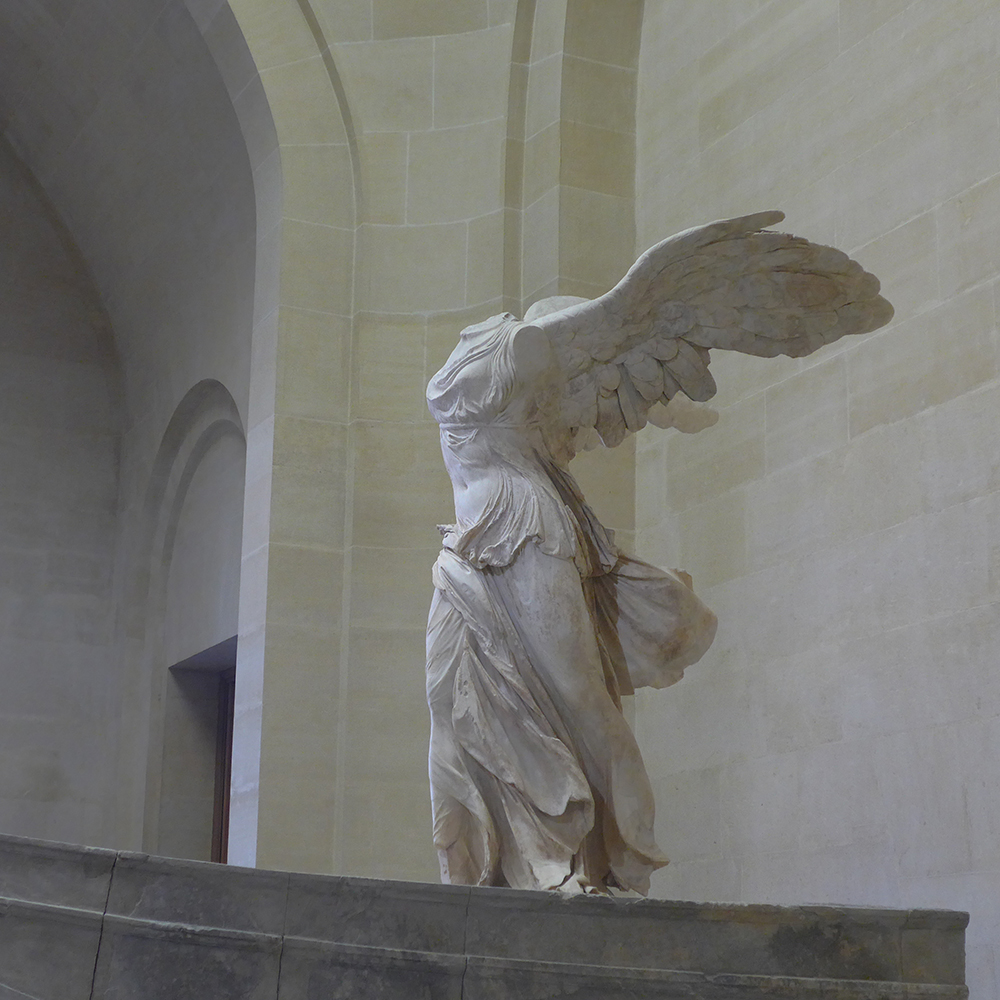
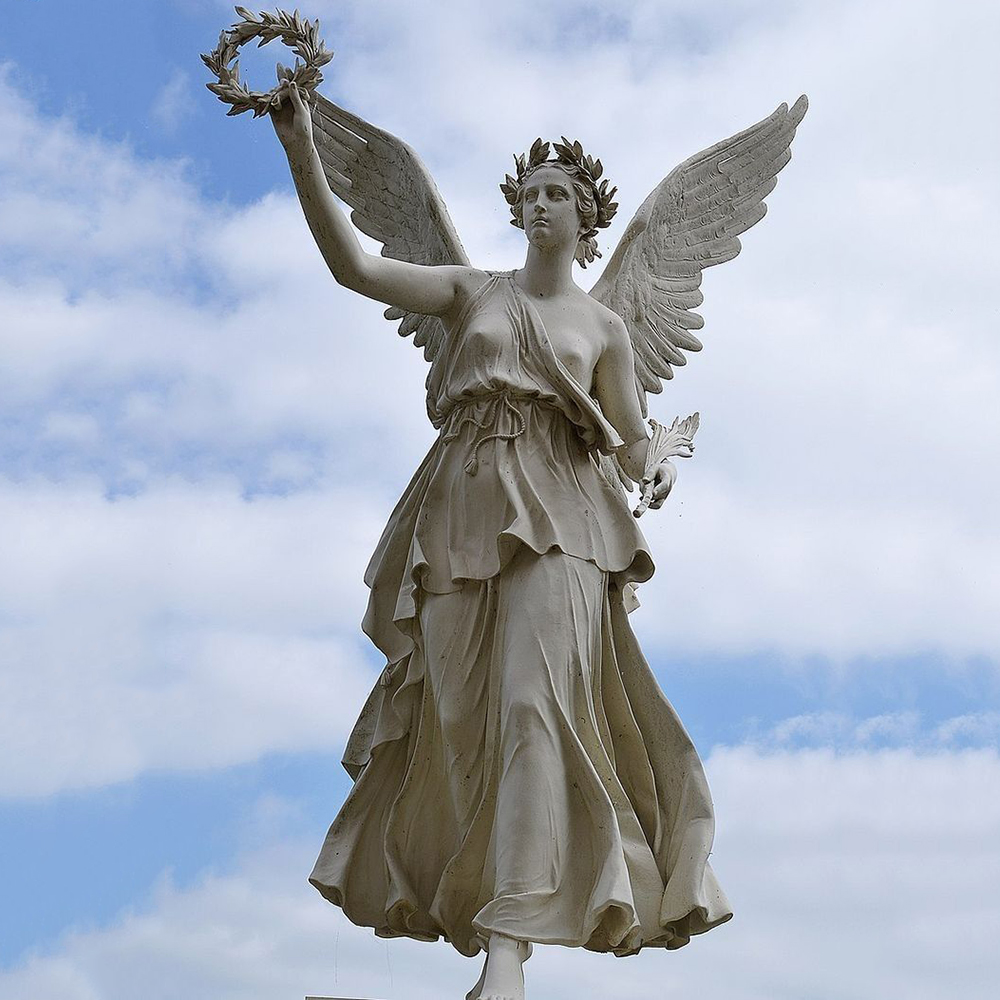
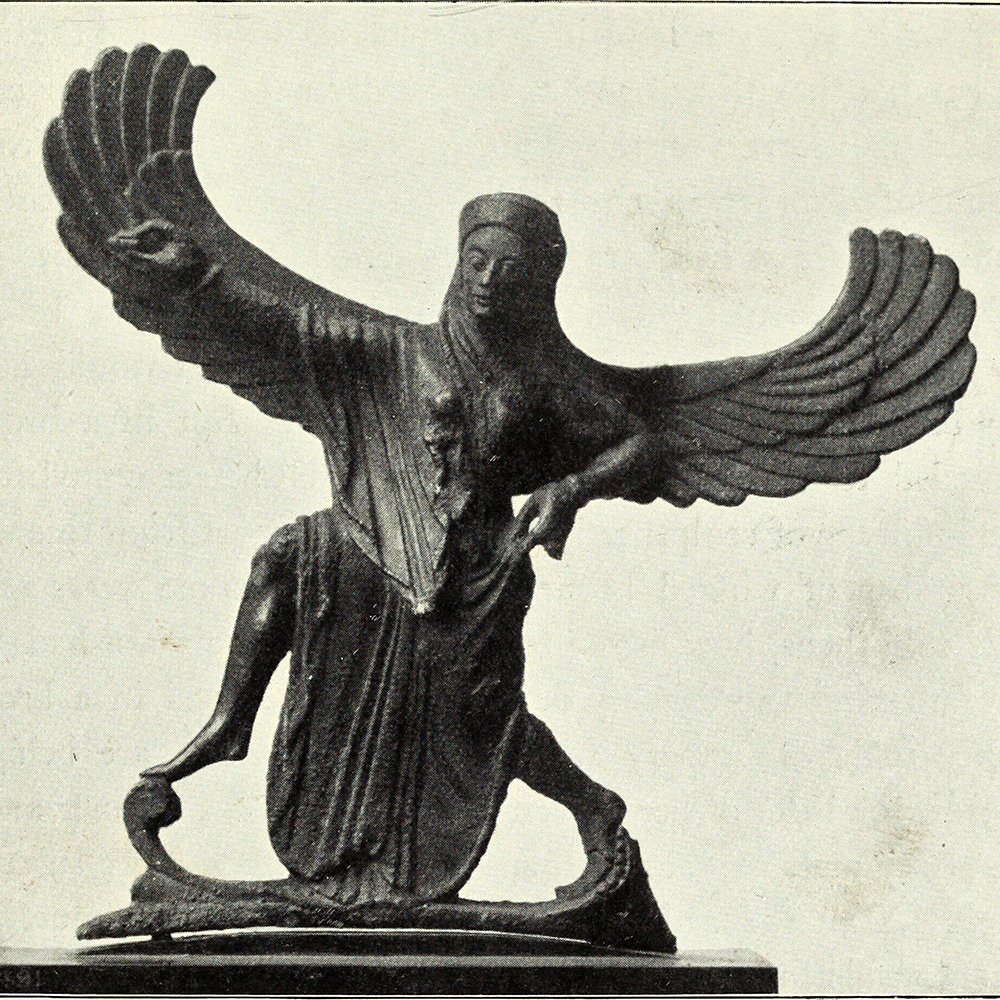
Nike is the personification of Victory, and one of the most famous personified deities in classical art.
- Domain: Victory
- Parents: Pallas, Styx
- Symbols: Wings, wreath, palm branch
- Famous Sculpture: Winged Victory of Samothrace
Nemesis
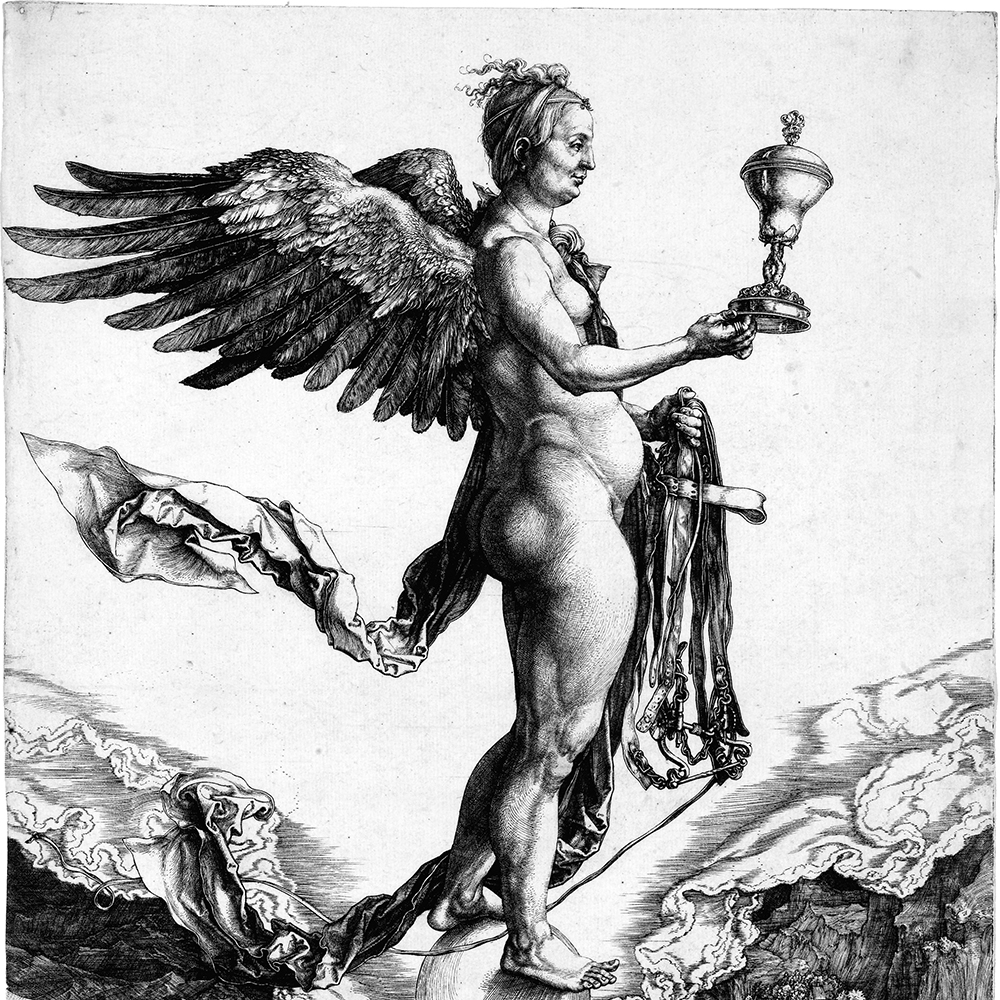
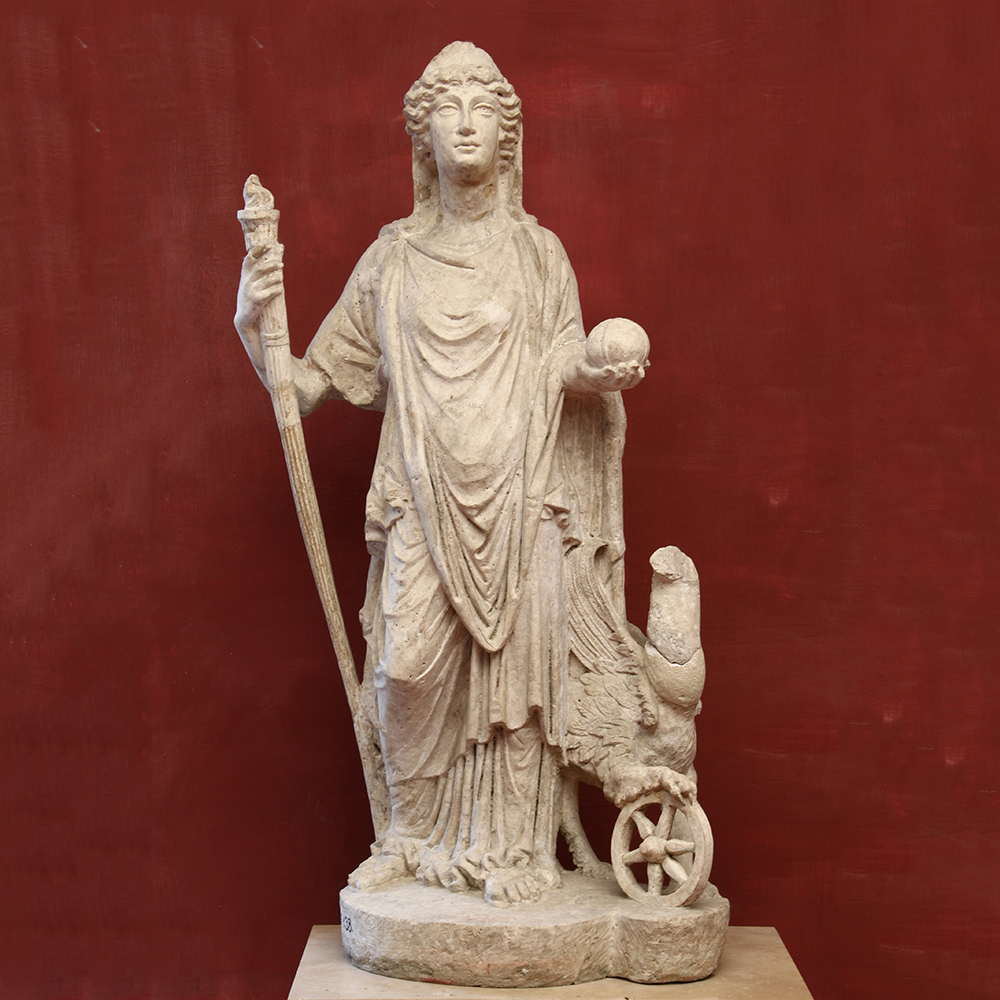
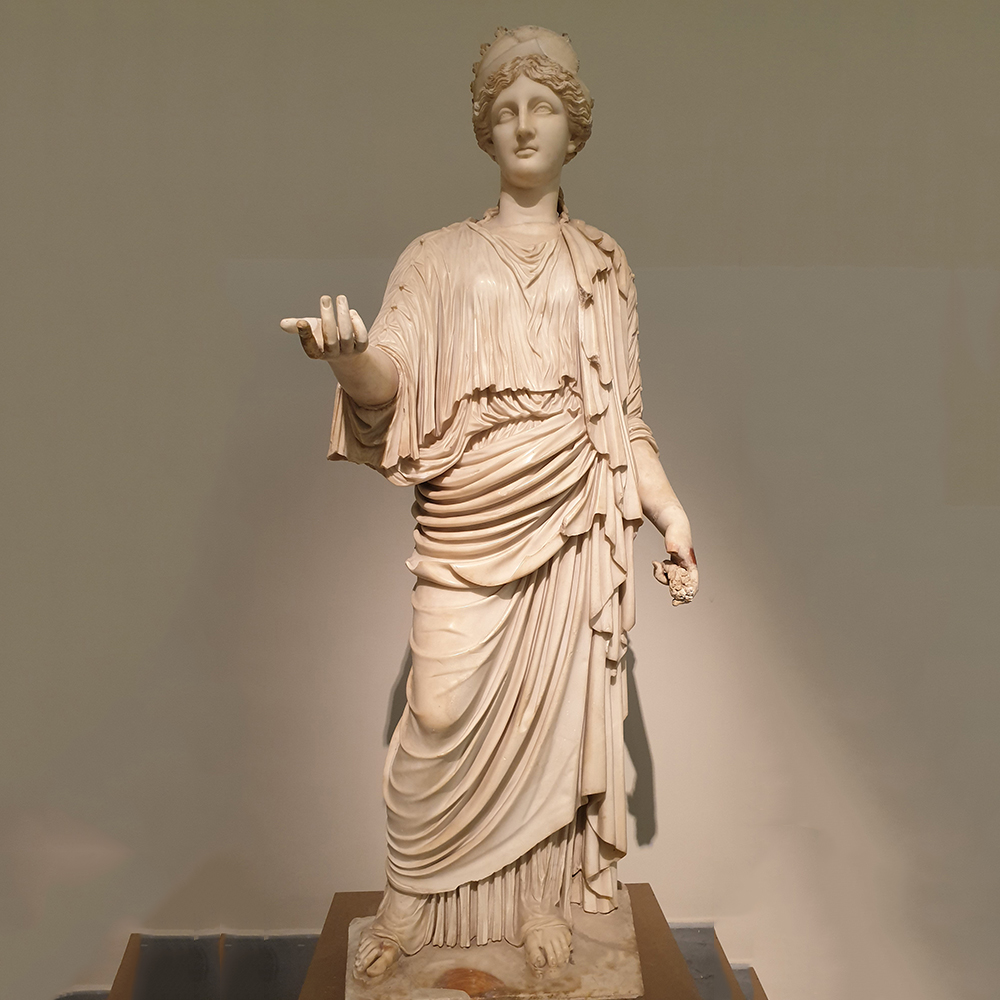
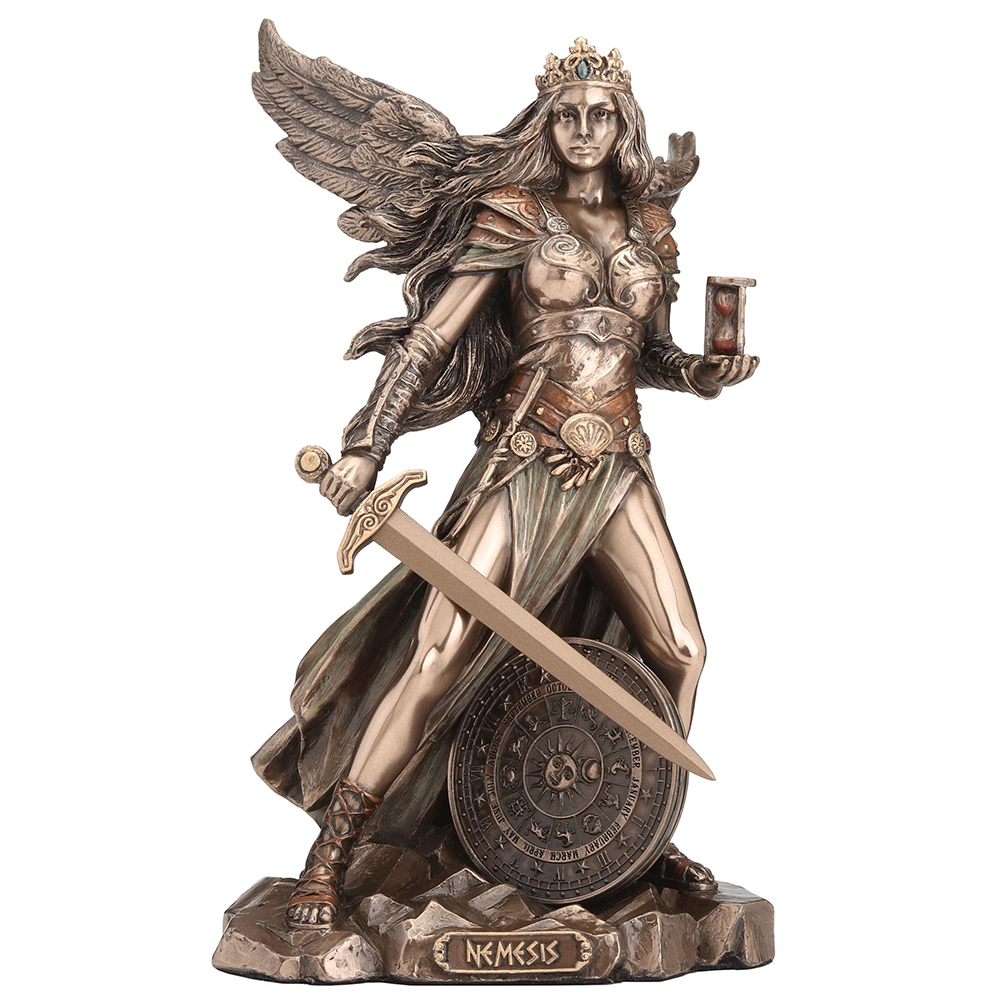
Nemesis represents Retribution and the correction of imbalances. It doesn’t merely signify “revenge” in the modern sense, but also involves the punishment of arrogance and transgression.
- Domain: Retribution, balance
- Symbols: Wheel, scales, and other attributes in later art
Tyche
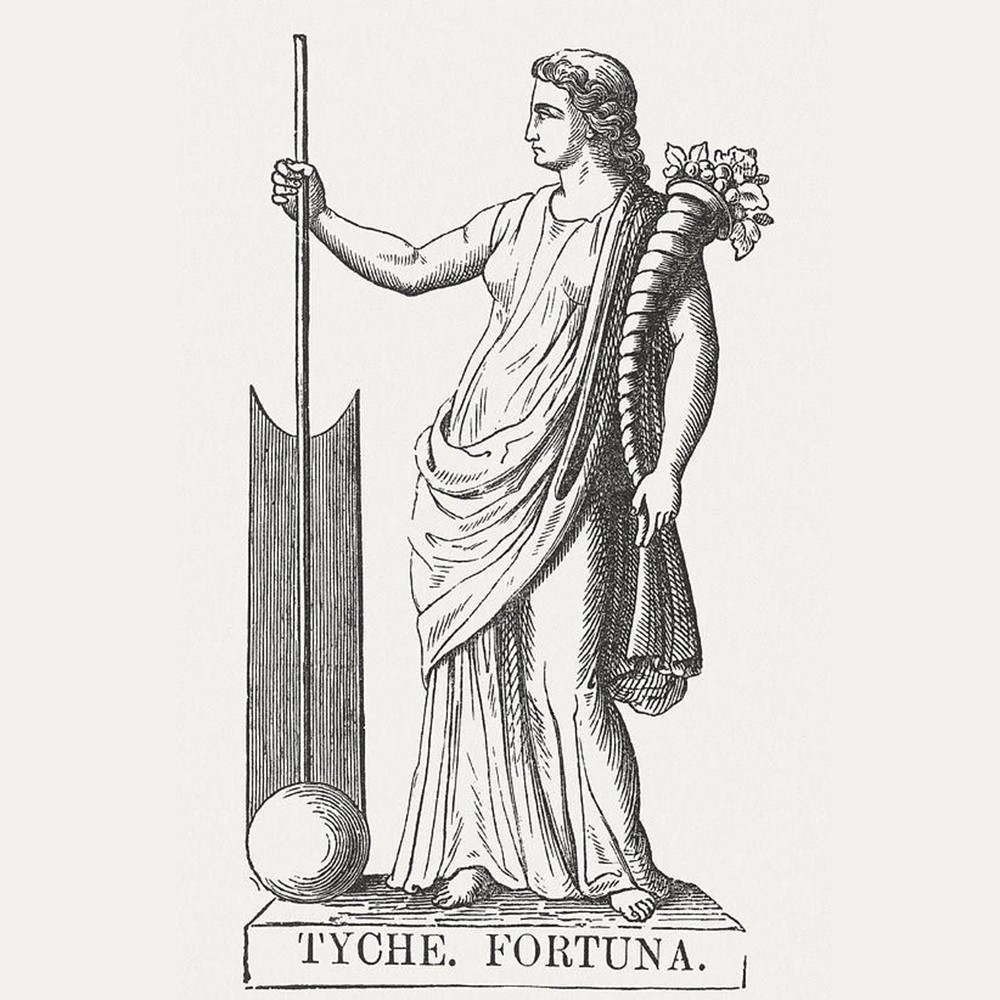
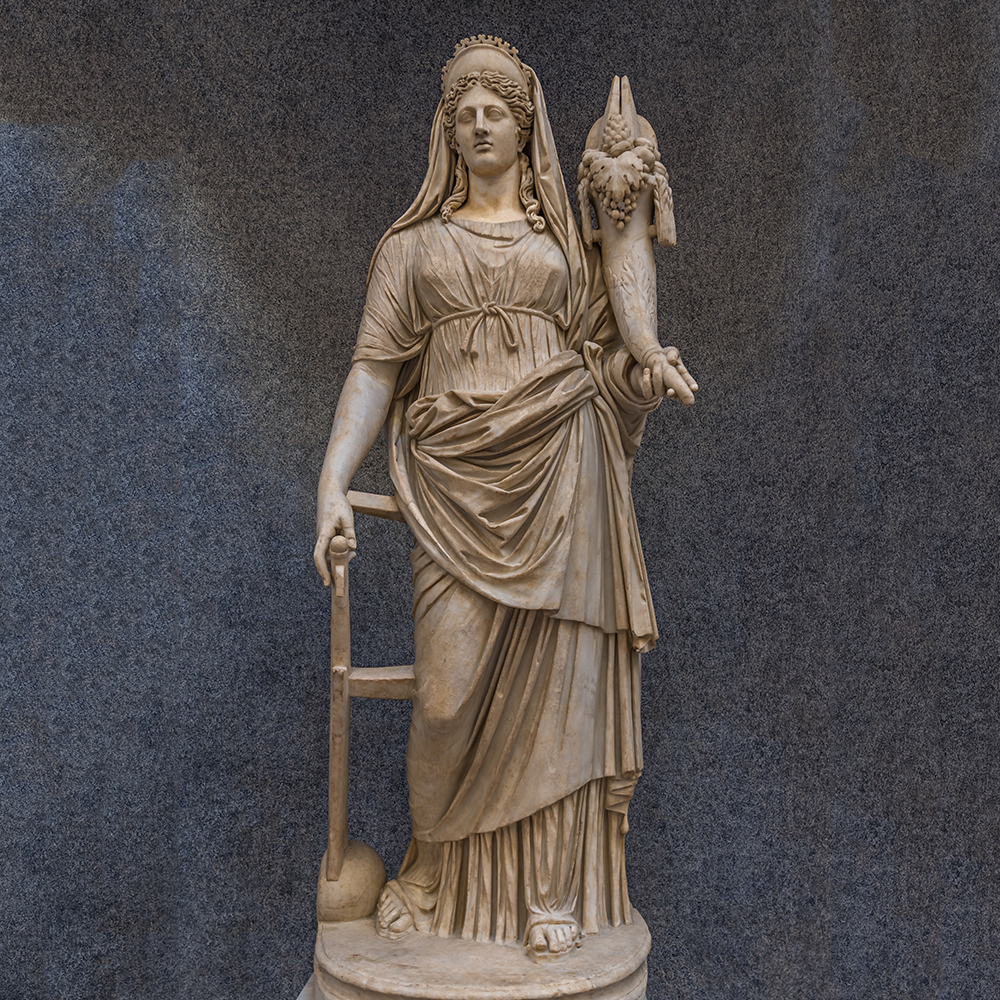
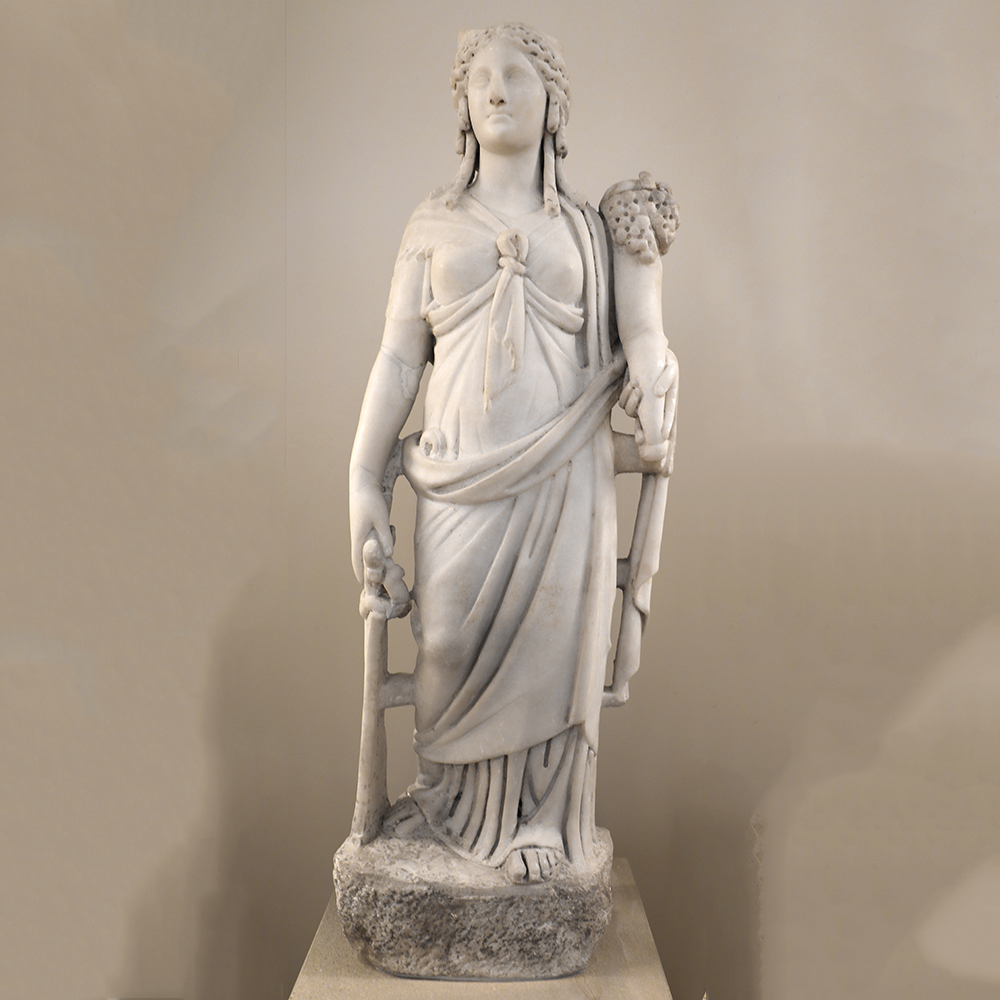
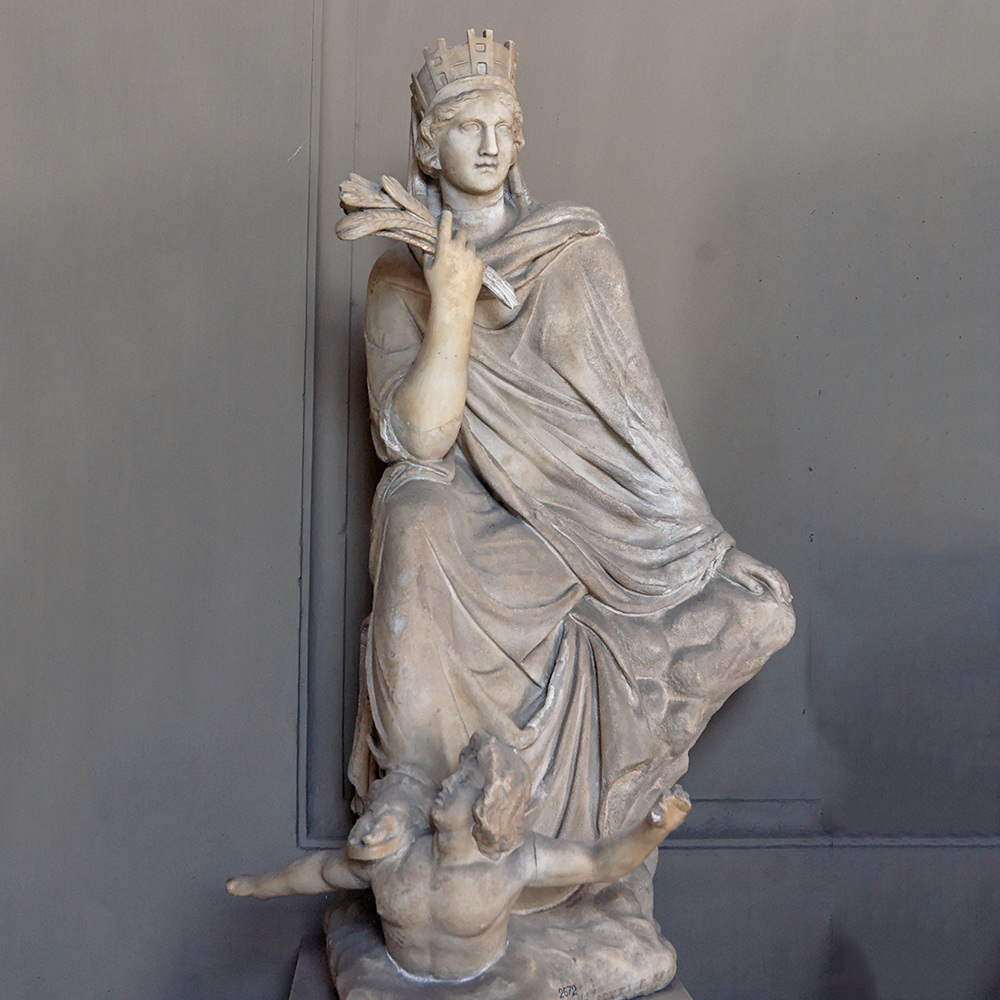
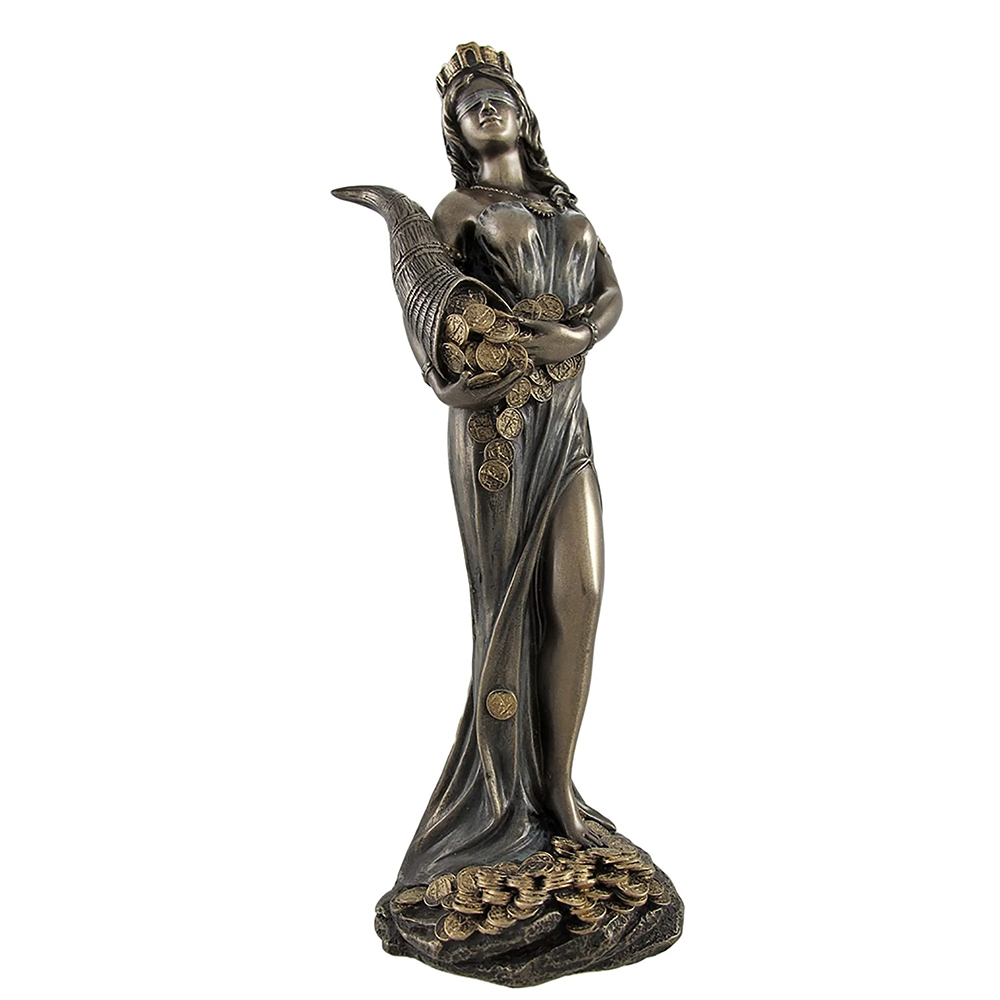
Tyche is the personification of fortune (luck, opportunity), and was especially associated with the fate and prosperity of cities during the Hellenistic period.
- Domain: Fortune, prosperity, fate of cities
- Symbols: Cornucopia, rudder, mural crown
Eirene
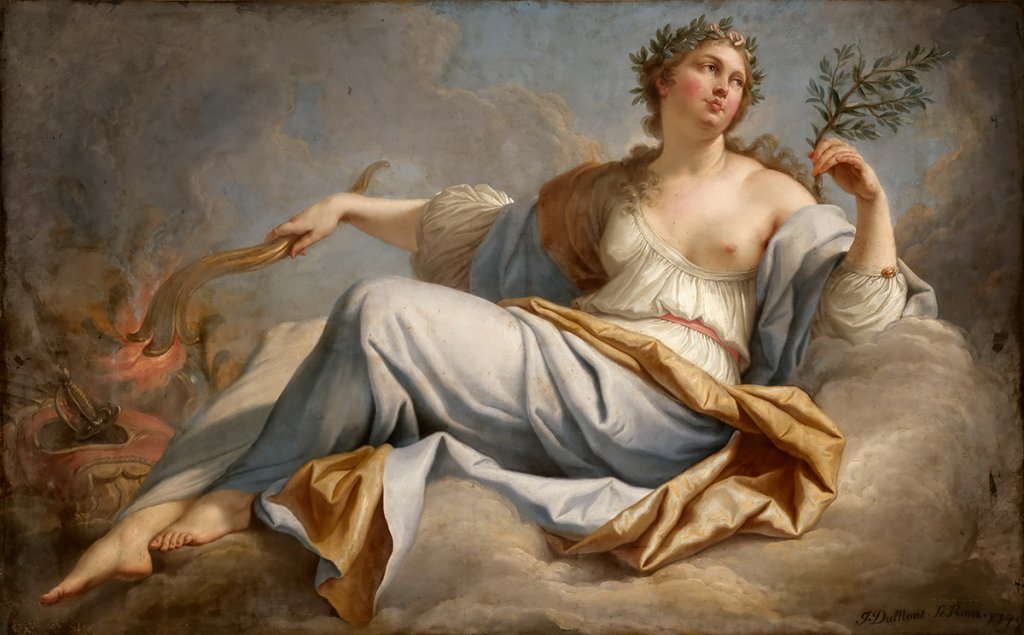
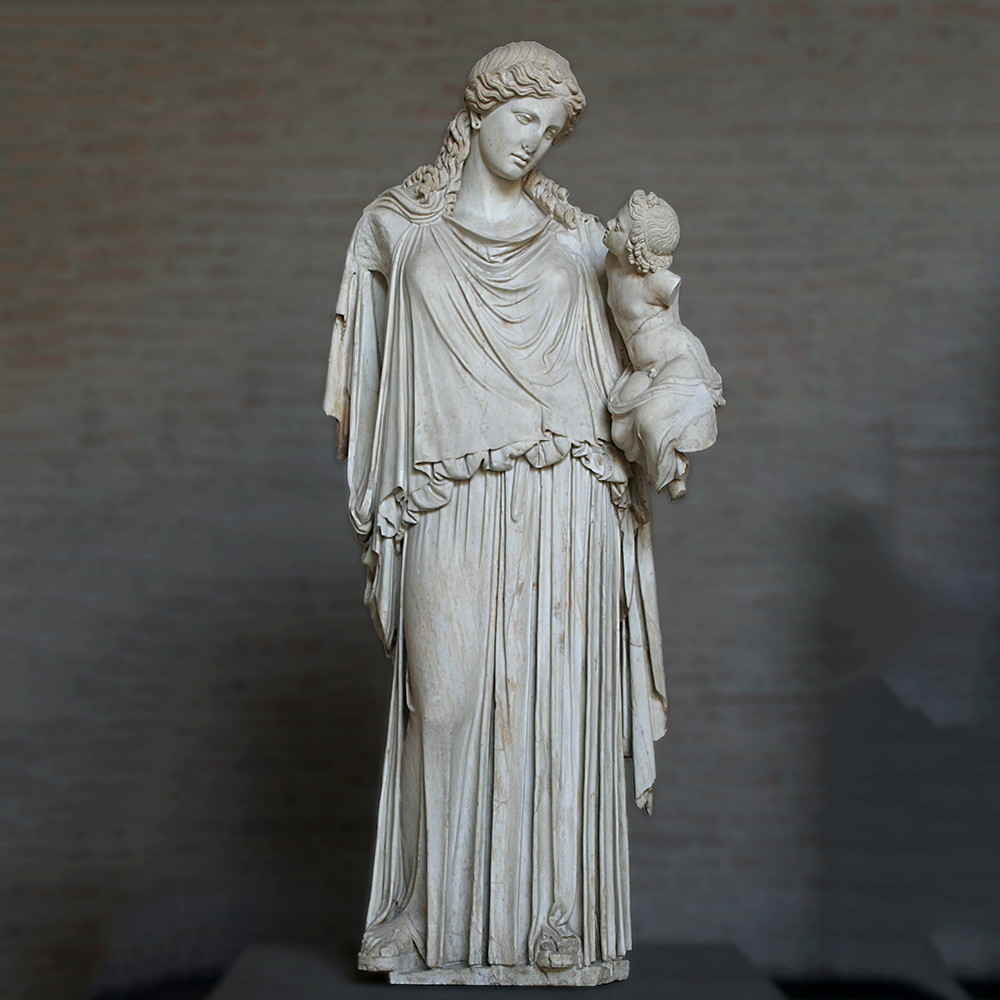
Eirene is the personification of Peace and is also one of the Horae.
- Domain: Peace
- Parents: Zeus, Themis
- Symbols: Cornucopia, olive-related imagery
- Famous Image: Eirene and Ploutos
Hypnos
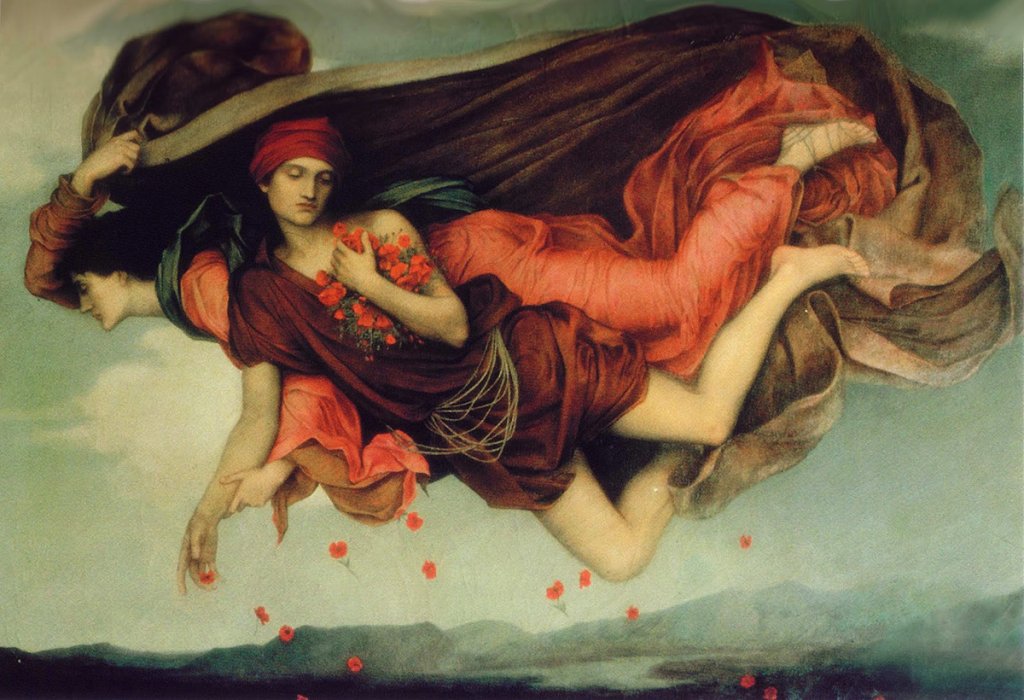
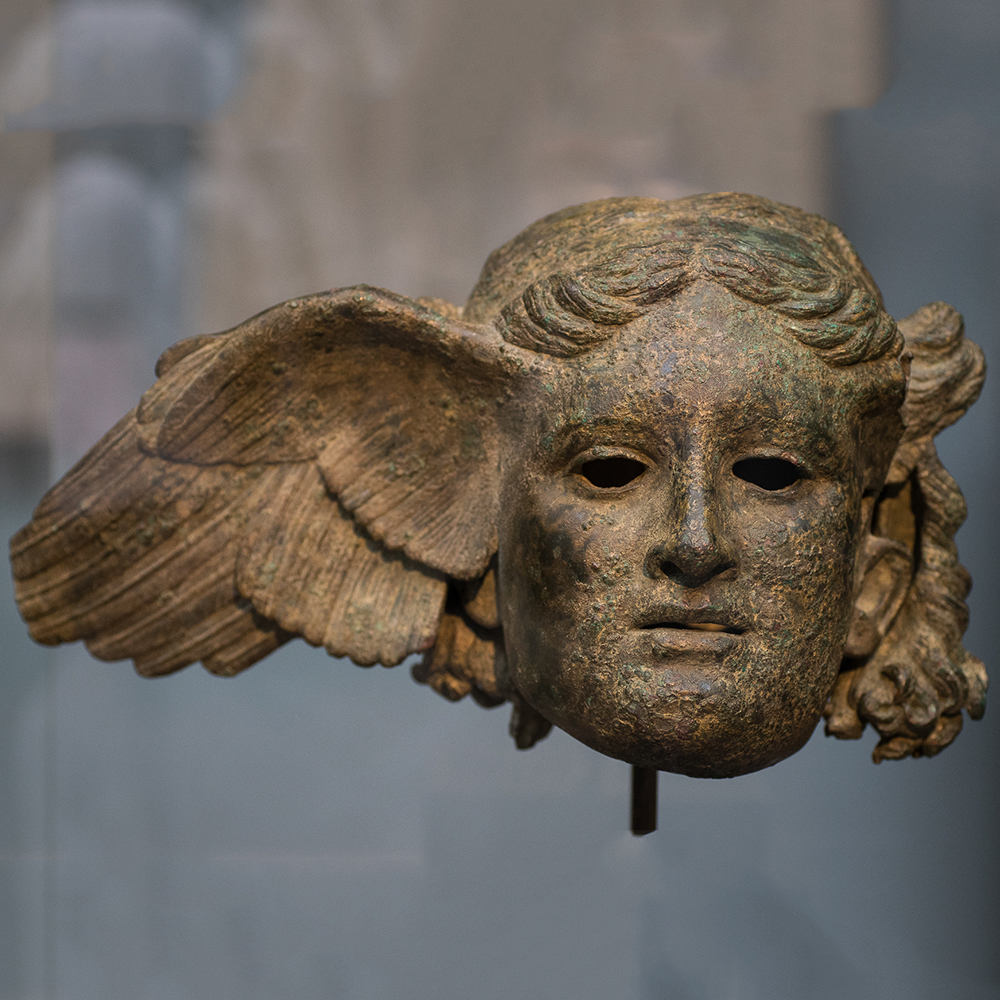
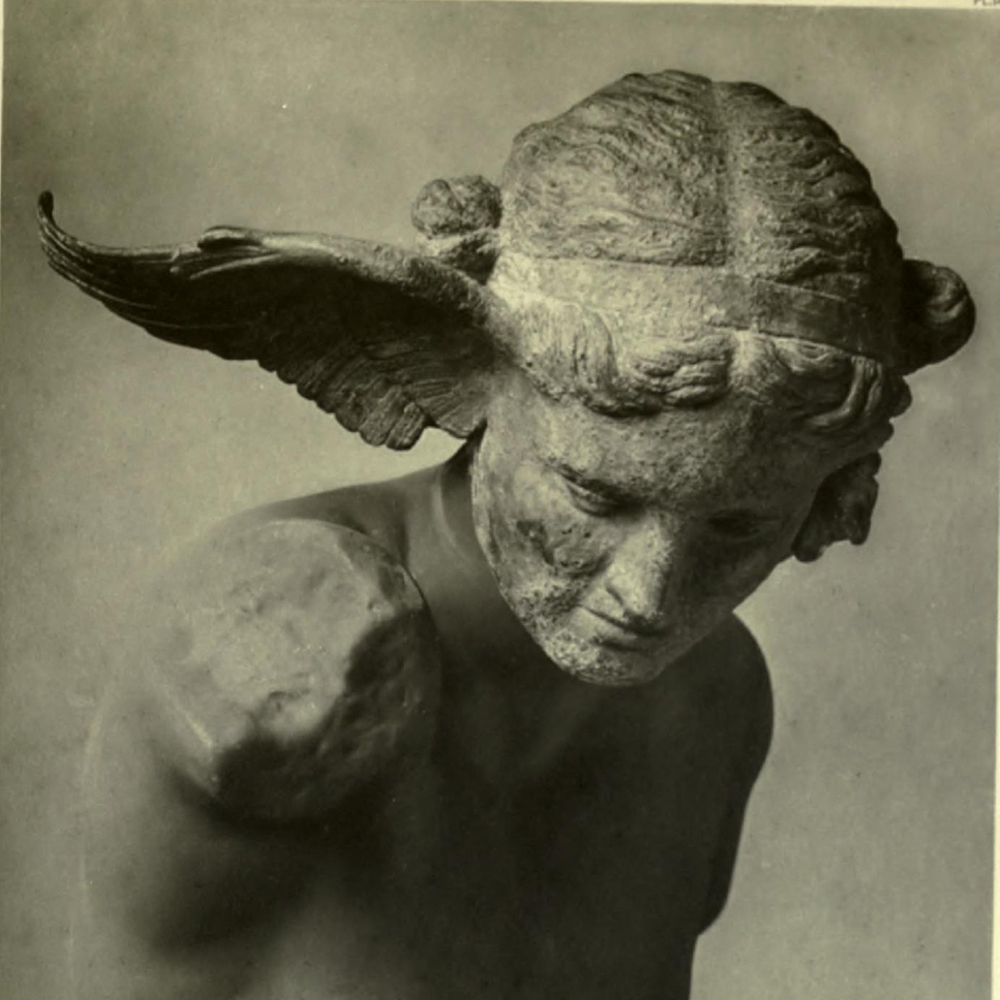
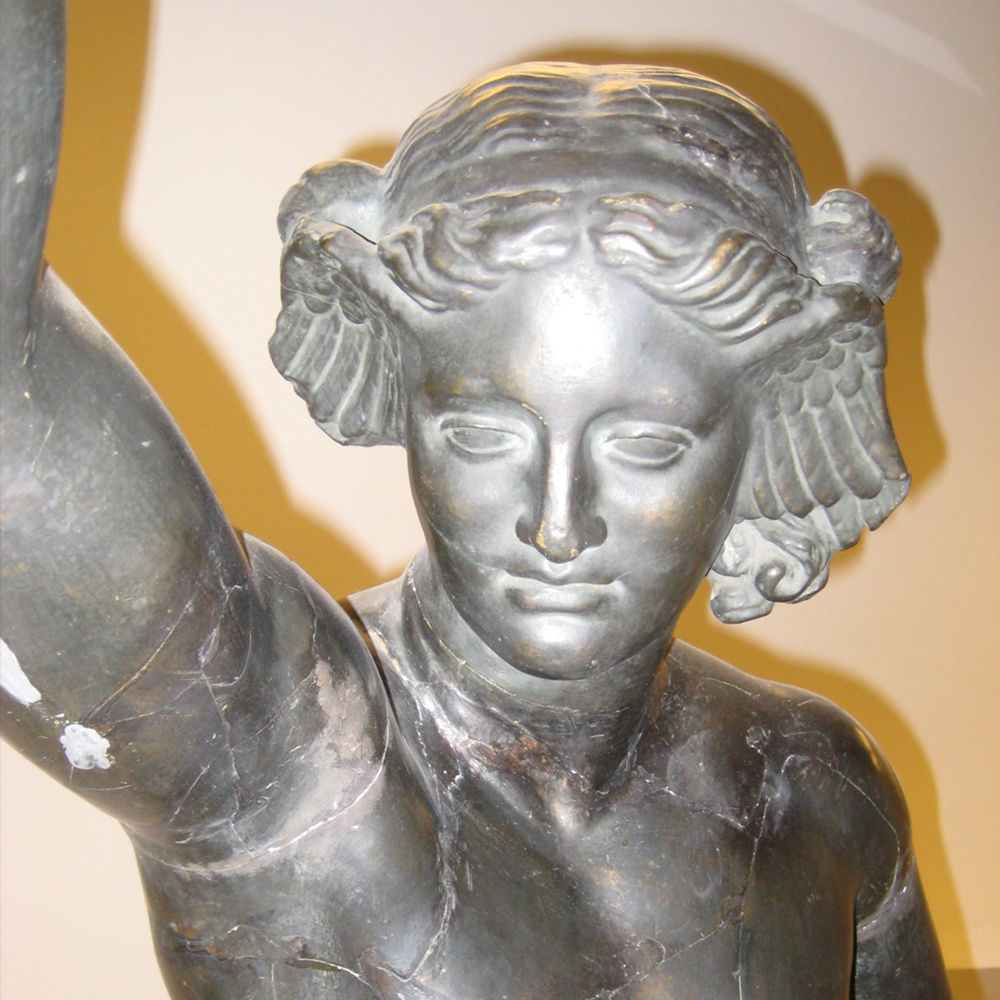
Hypnos is the personification of Sleep and the son of Nyx.
- Domain: Sleep
- Mother: Nyx
- Brother: Thanatos
- Symbols: Wings, poppy
Thanatos
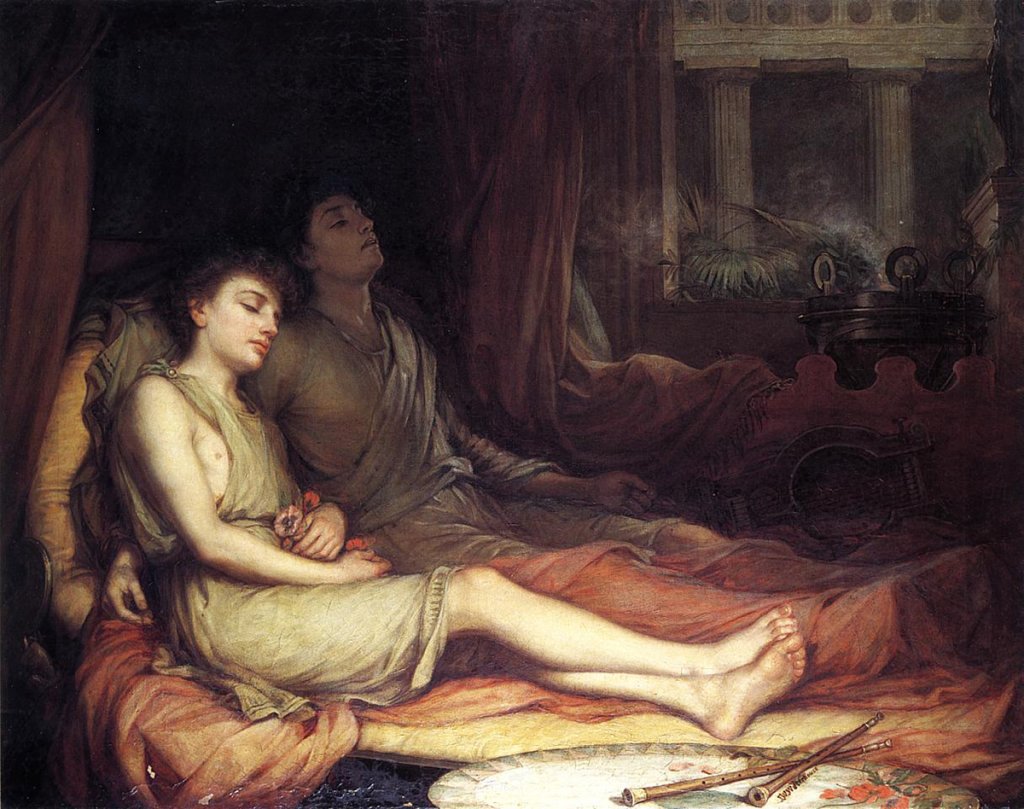
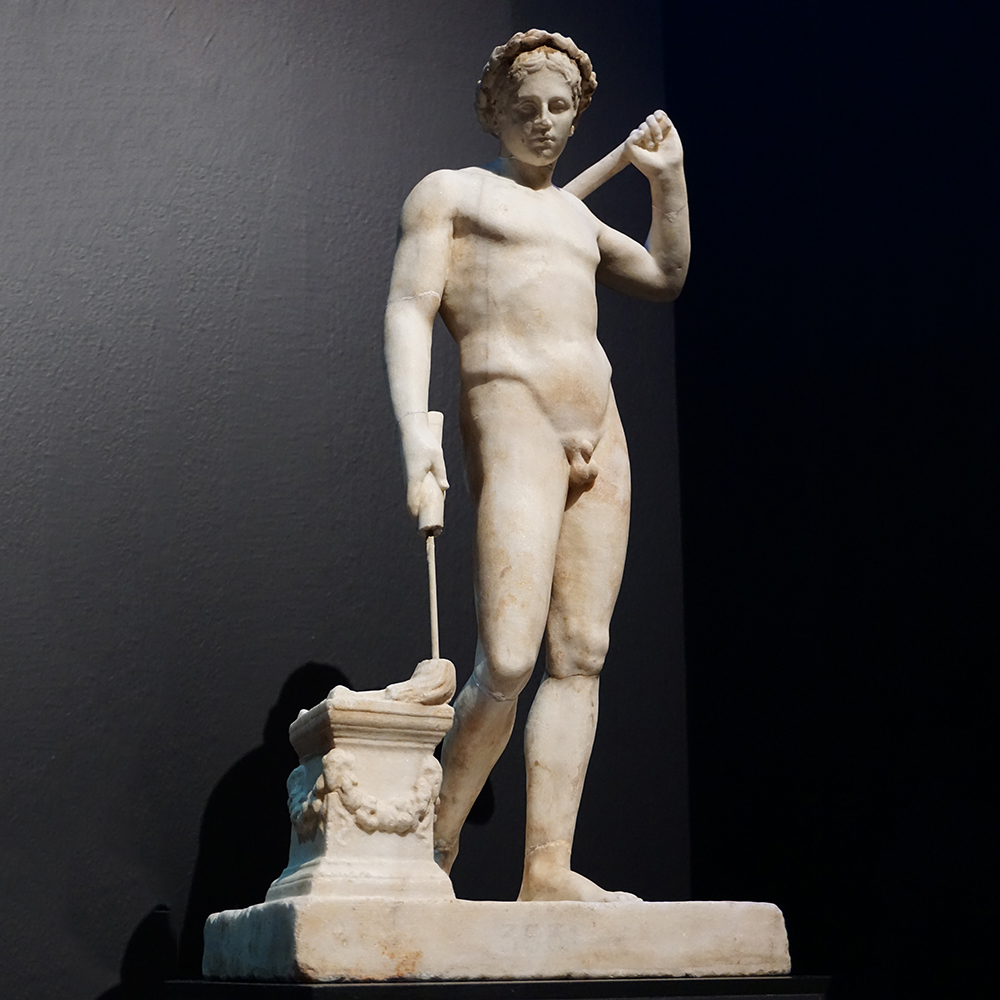
Thanatos is the personification of Death, and often appears alongside Hypnos as brothers.
- Domain: Death
- Mother: Nyx
- Brother: Hypnos
- Symbols: Wings, inverted torch in later art
Themis is also a typical cross-category figure: she belongs to both the Twelve Titans and the Divine Law and Order. This illustrates that the different categories within the Greek pantheon of gods are not entirely mutually exclusive.
Heroes and Demigods in Greek Mythology
Heroes and Demigods are not the same as Greek gods, but they are an important part of Greek mythology. Some heroes possessed both divine and mortal blood and were known for their wars, adventures, and trials.
Heracles
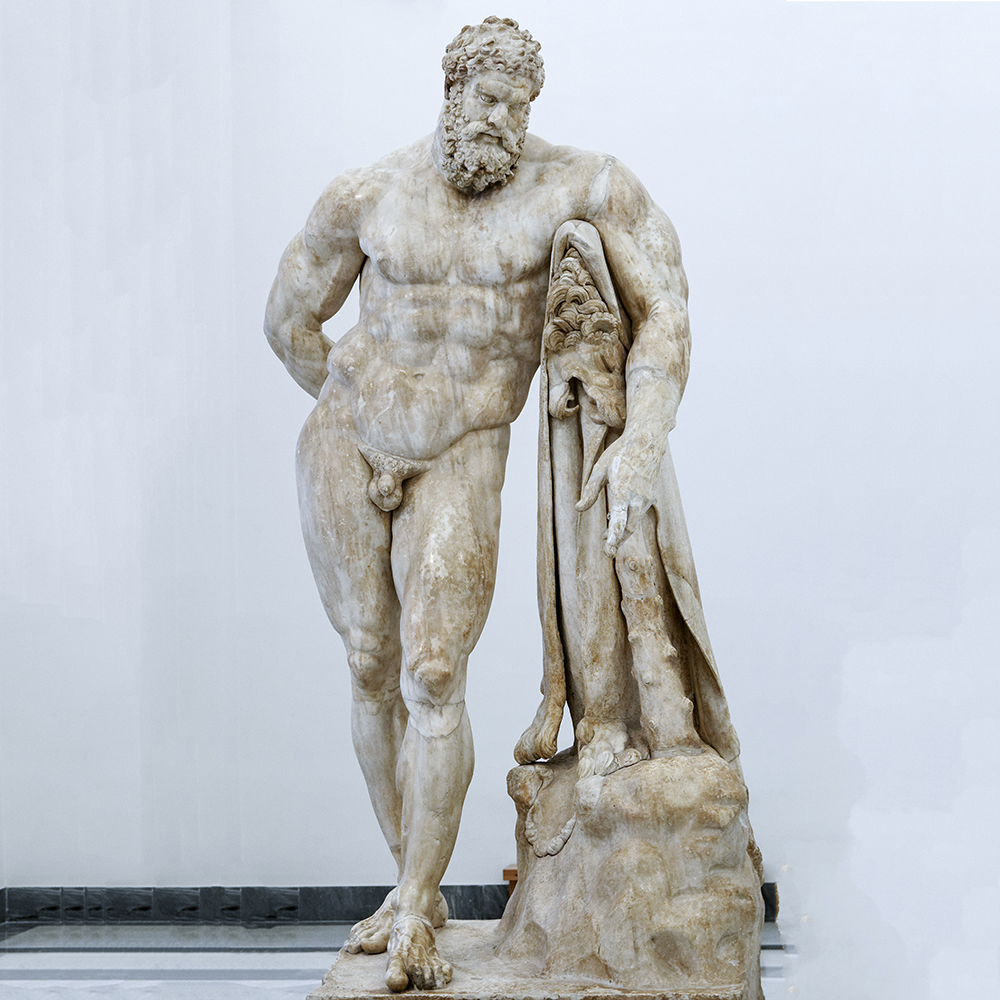
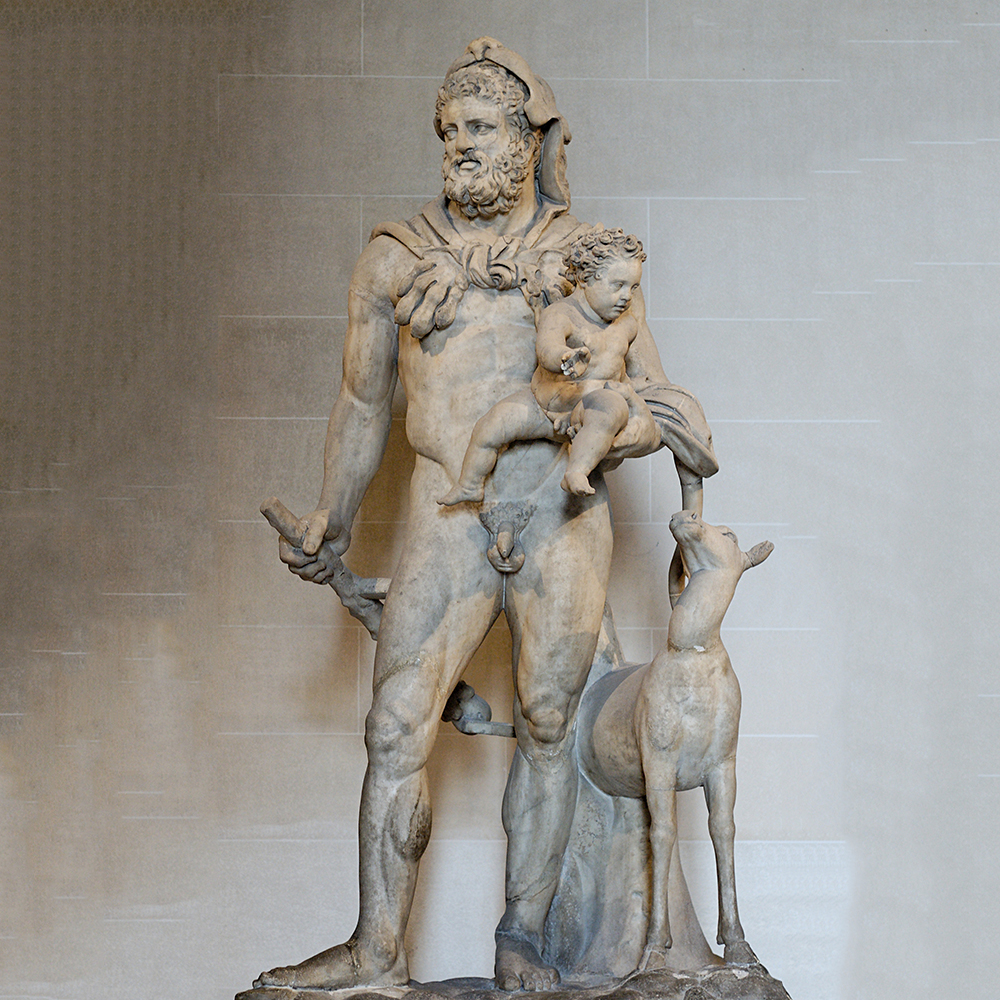
Heracles (Roman name Hercules), son of Zeus and the mortal Alcmene, is one of the most famous Greek heroes. He is renowned for completing the Twelve Labors and was posthumously granted divinity.
- Parents: Zeus, Alcmene
- Key Myth: Twelve Labors
- Symbols: Lion skin, club
Perseus
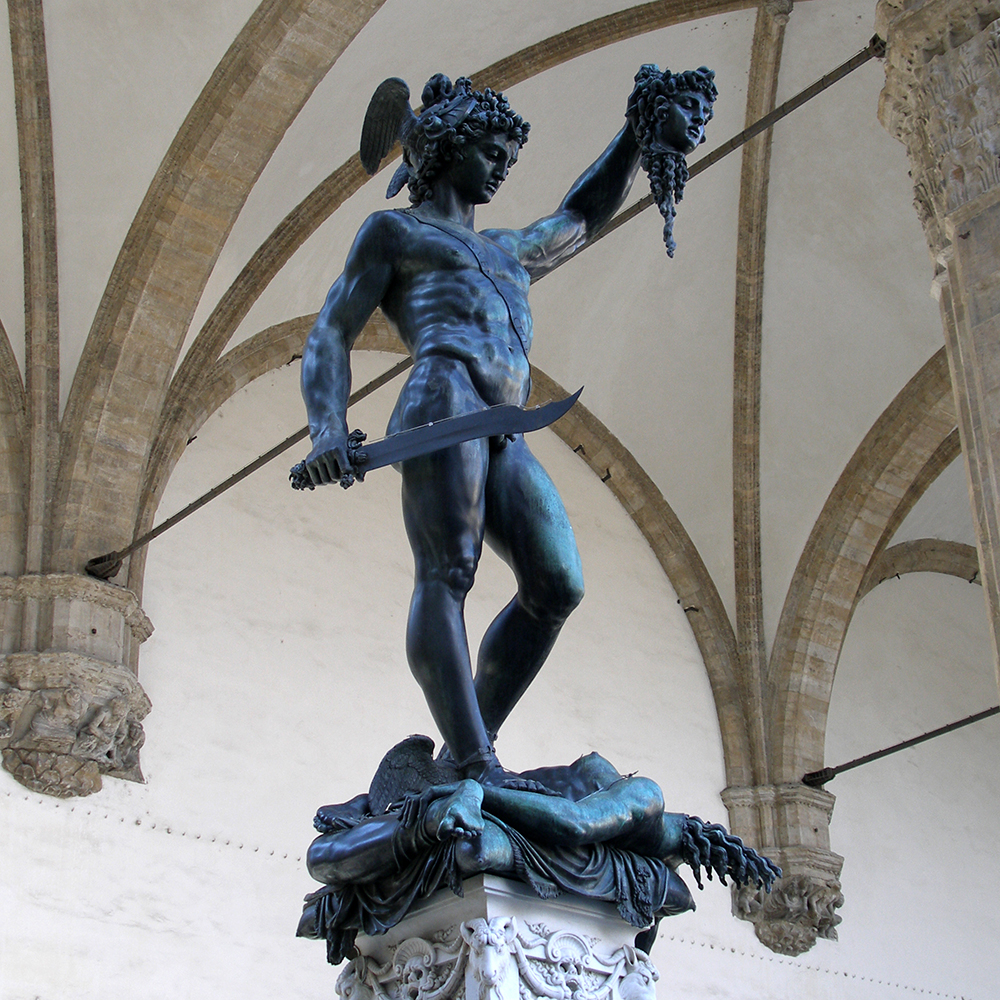
Perseus, son of Zeus and Danaë, is best known for slaying Medusa and later rescuing Andromeda.
- Parents: Zeus, Danaë
- Key Myth: Slaying of Medusa
- Symbols: Medusa’s head, sword
Achilles
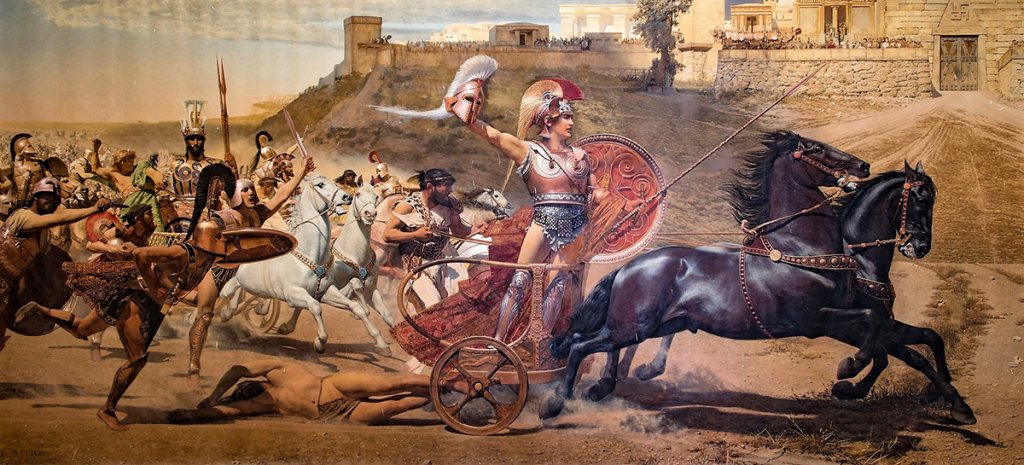
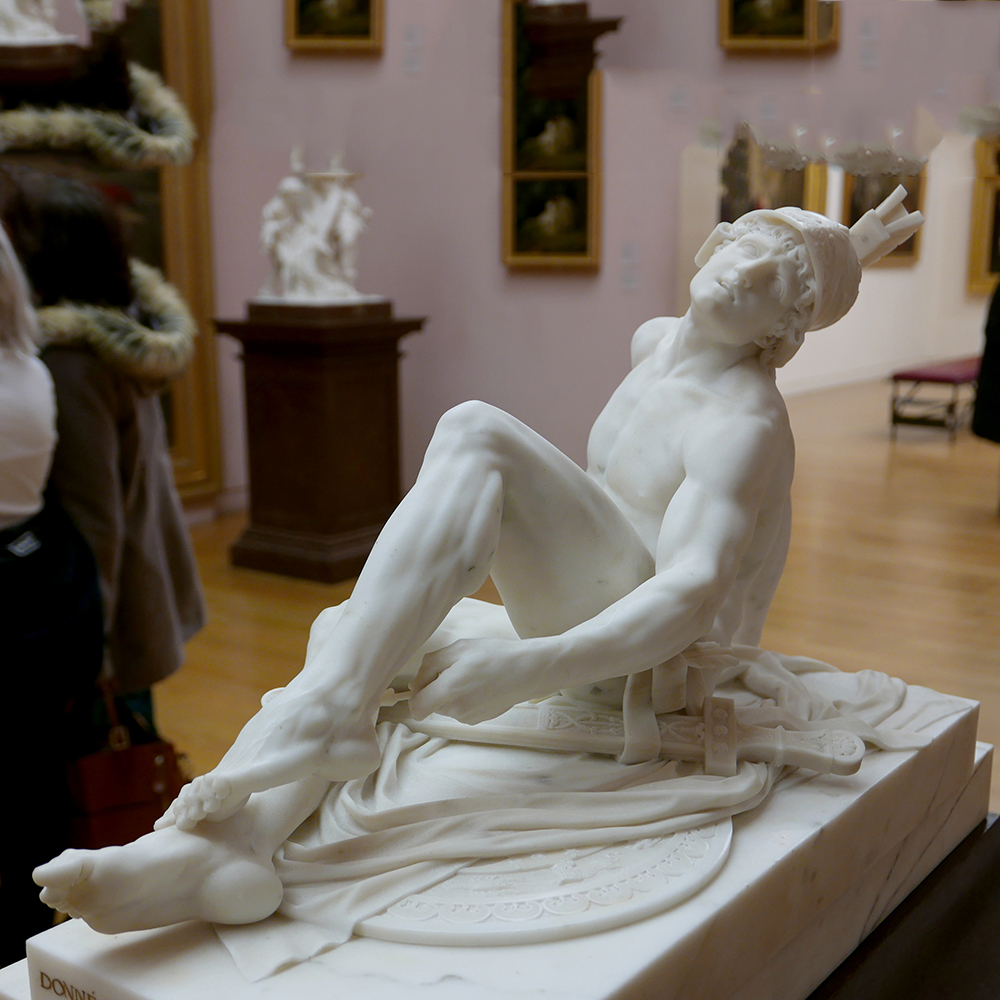
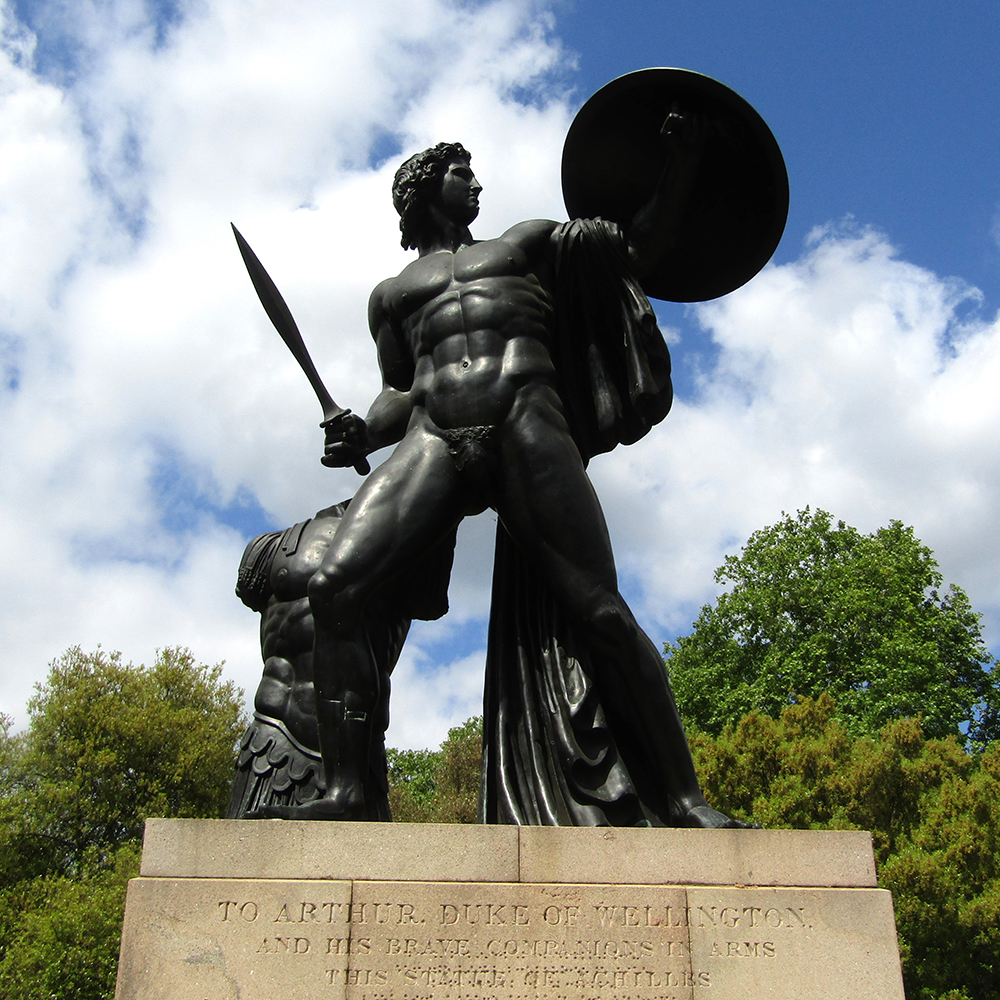
Achilles is a central hero in Iliad and one of the most famous Greek warriors of the Trojan War. He is the son of the mortal Peleus and the sea goddess Thetis.
- Parents: Peleus, Thetis
- Related: Trojan War
- Attributes: Armor, spear, shield
Theseus
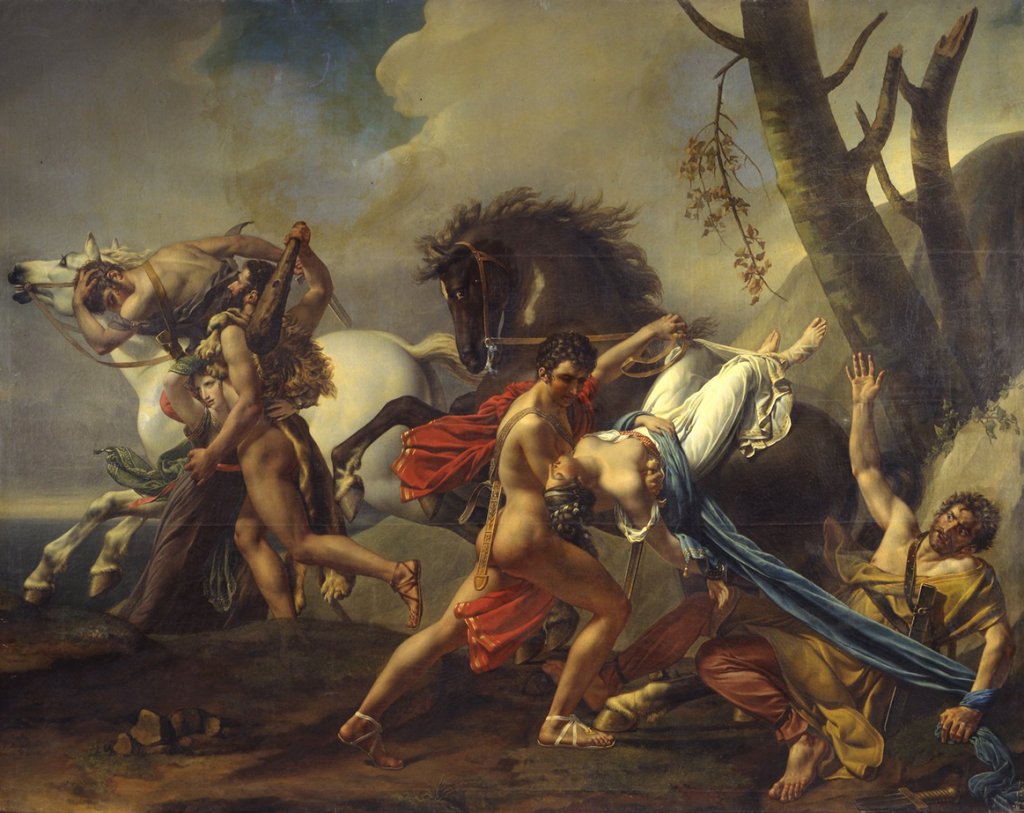
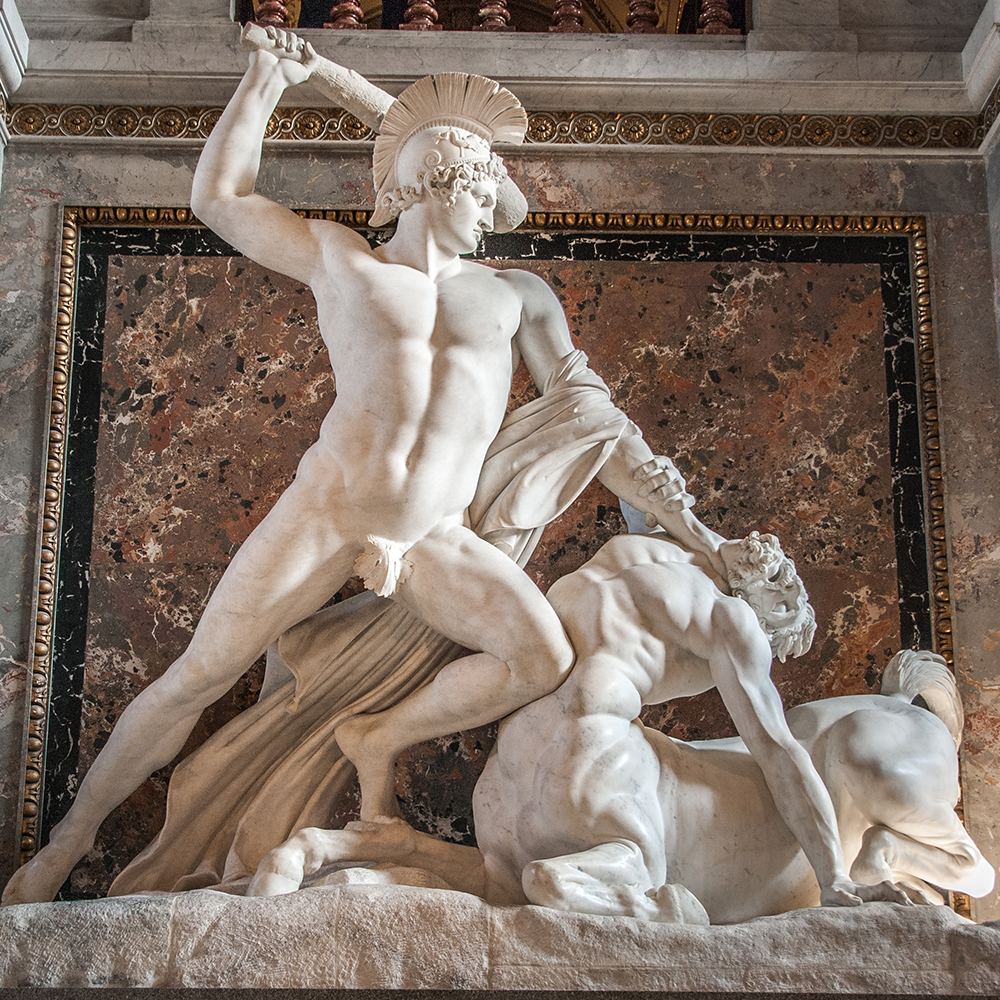
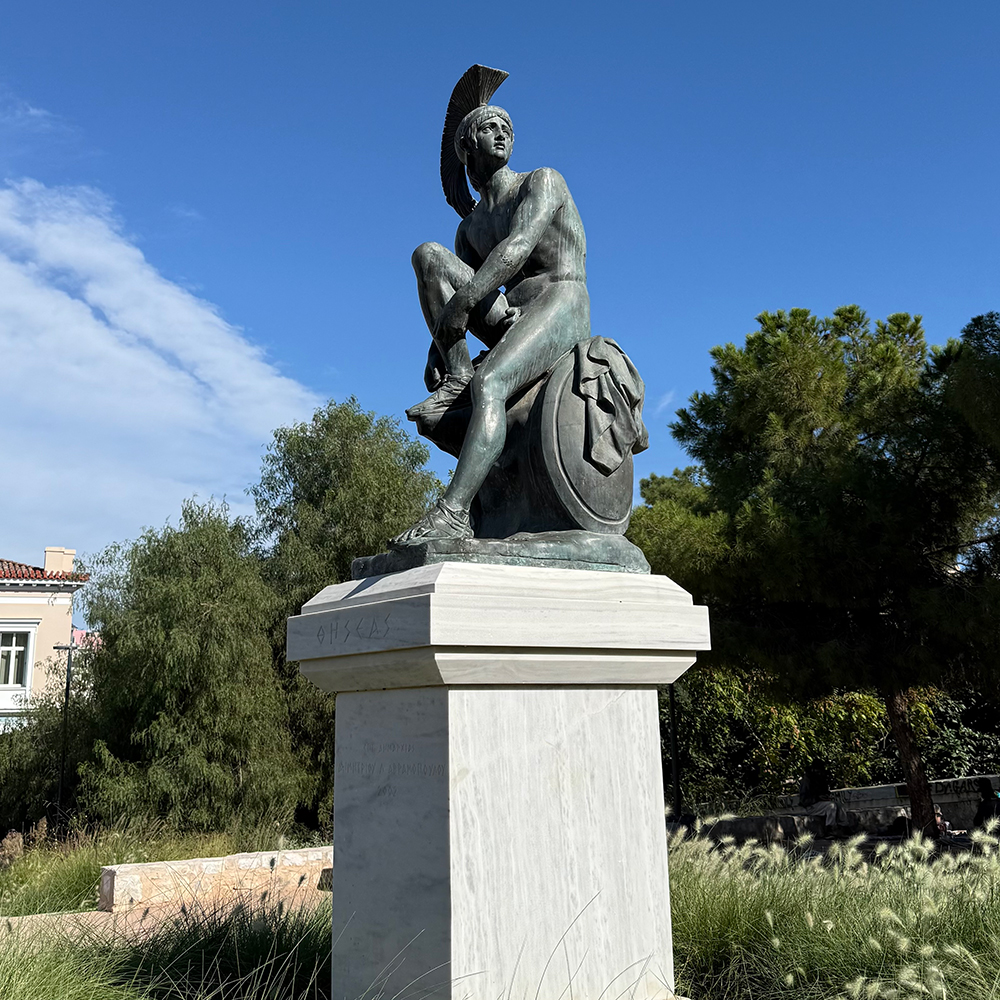
Theseus is an important hero closely associated with Athens, most famously known for entering the Labyrinth of Crete and slaying Minotaur.
- Father: Aegeus or Poseidon (different traditions)
- Key Myth: Slaying of the Minotaur
- Symbols: Sword, club
Odysseus
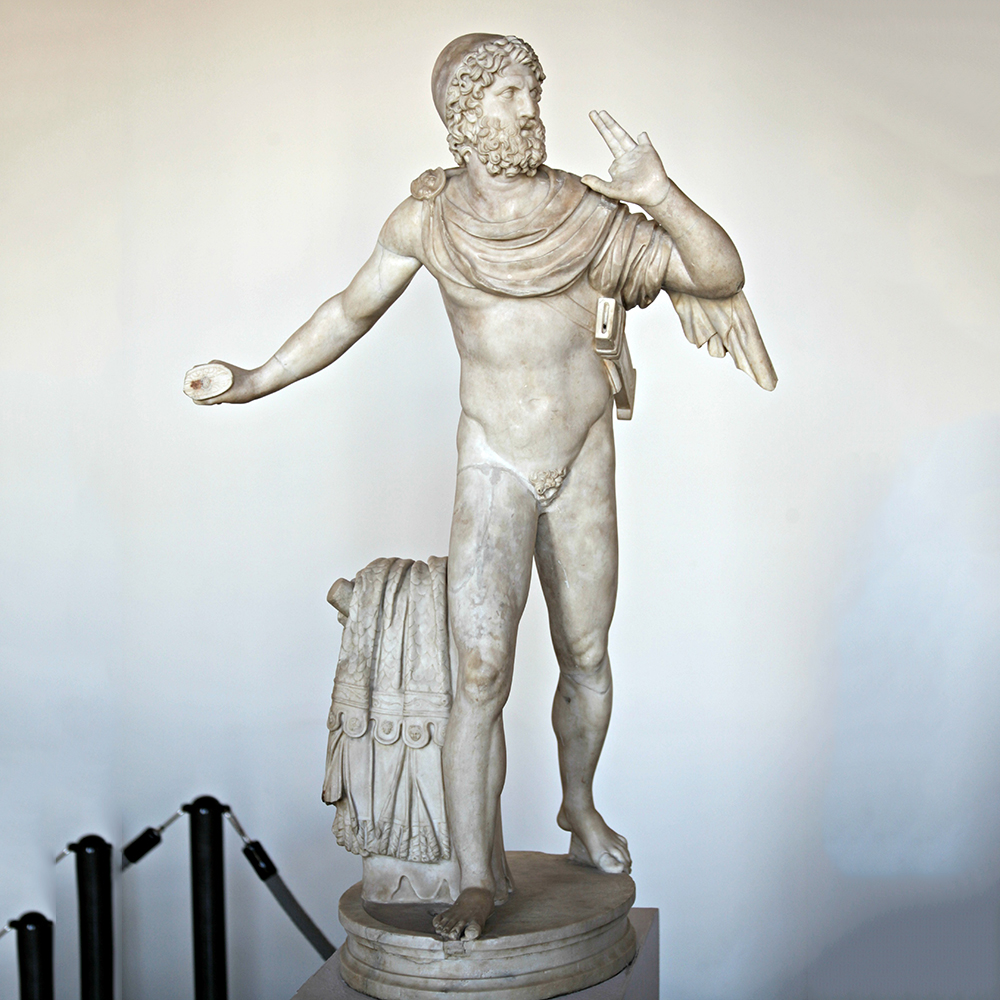
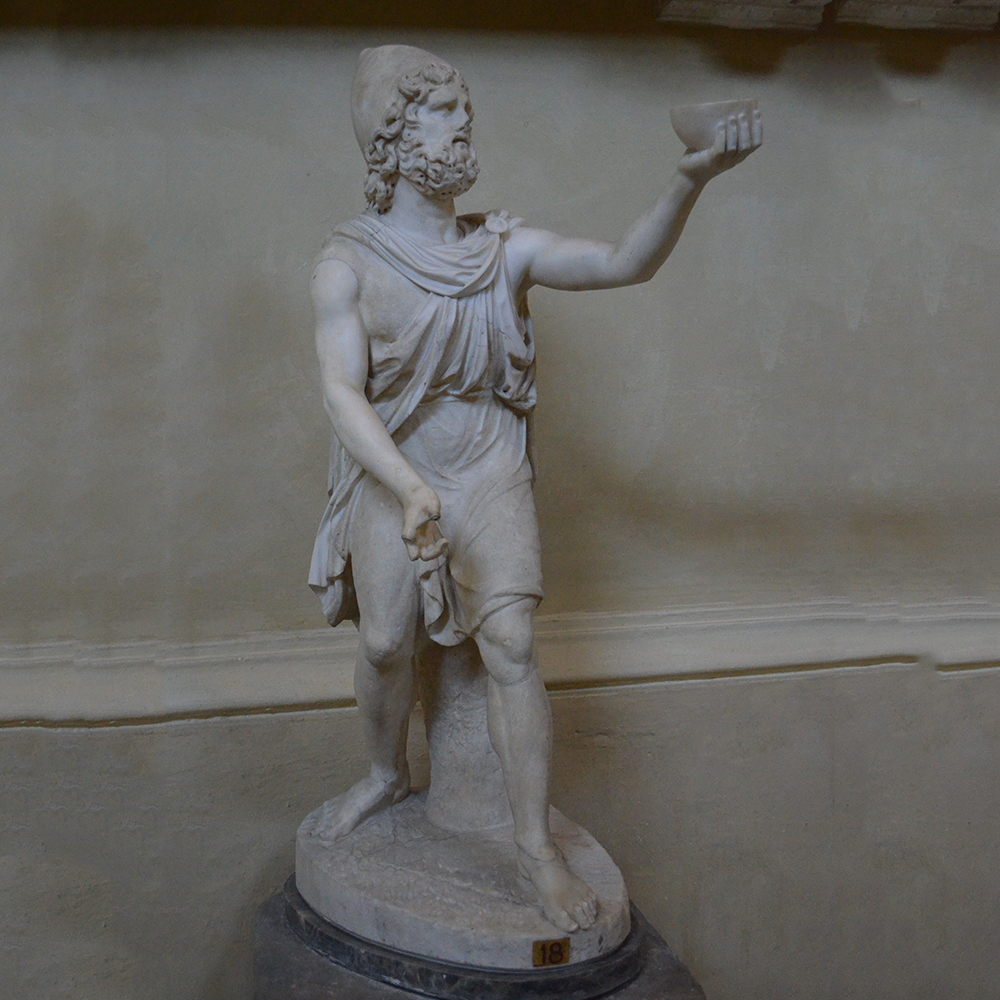
Odysseus was the king of Ithaca and the protagonist of The Odyssey. He participated in the Trojan War and is renowned for his wisdom, strategy, and long journey home.
- Parents: Laertes, Antilea
- Related: Trojan War, The Odyssey
- Characteristics: Wisdom, strategy, journey
Unlike the Olympian Gods, Heroes are typically not known for ruling over a particular natural or social realm, but rather for their personal achievements and legendary experiences. Heracles is a special case, as he was deified after death.
How to Identify Greek Pantheon of Gods in Sculpture
Greek deities in classical sculptures are often identified by symbols, attributes, animals, clothing, and accompanying figures. Here are some of the most common visual cues:
| Greek Deity | Key Symbols / Attributes | Common Sculpture Features |
|---|---|---|
| Zeus | Thunderbolt, eagle, scepter | Mature, bearded male figure, often holding a thunderbolt or scepter |
| Poseidon | Trident, dolphin, horse | Powerful bearded male figure, most easily identified by his trident |
| Athena | Helmet, spear, shield, aegis | Armored female figure wearing a helmet and often carrying a shield and spear |
| Apollo | Lyre, laurel, bow | Youthful, clean-shaven male figure with idealized features |
| Artemis | Bow, quiver, deer | Young female huntress, often depicted with a deer |
| Ares | Helmet, spear, shield | Armored male warrior, typically shown with weapons |
| Aphrodite | Dove, shell, Eros | Idealized female figure, often associated with love or marine imagery |
| Hermes | Caduceus, winged sandals | Youthful male figure, often shown with winged sandals or a caduceus |
| Dionysus | Grapes, thyrsus, ivy | Often accompanied by grapes, wine vessels, ivy, or Satyrs |
| Hades | Cerberus, bident | Mature male figure, often identified by the presence of Cerberus |
| Nike | Wings, wreath | Winged female figure, often carrying a victory wreath |
| Pan | Pan pipes, goat features | Male figure with goat horns and goat-like legs |
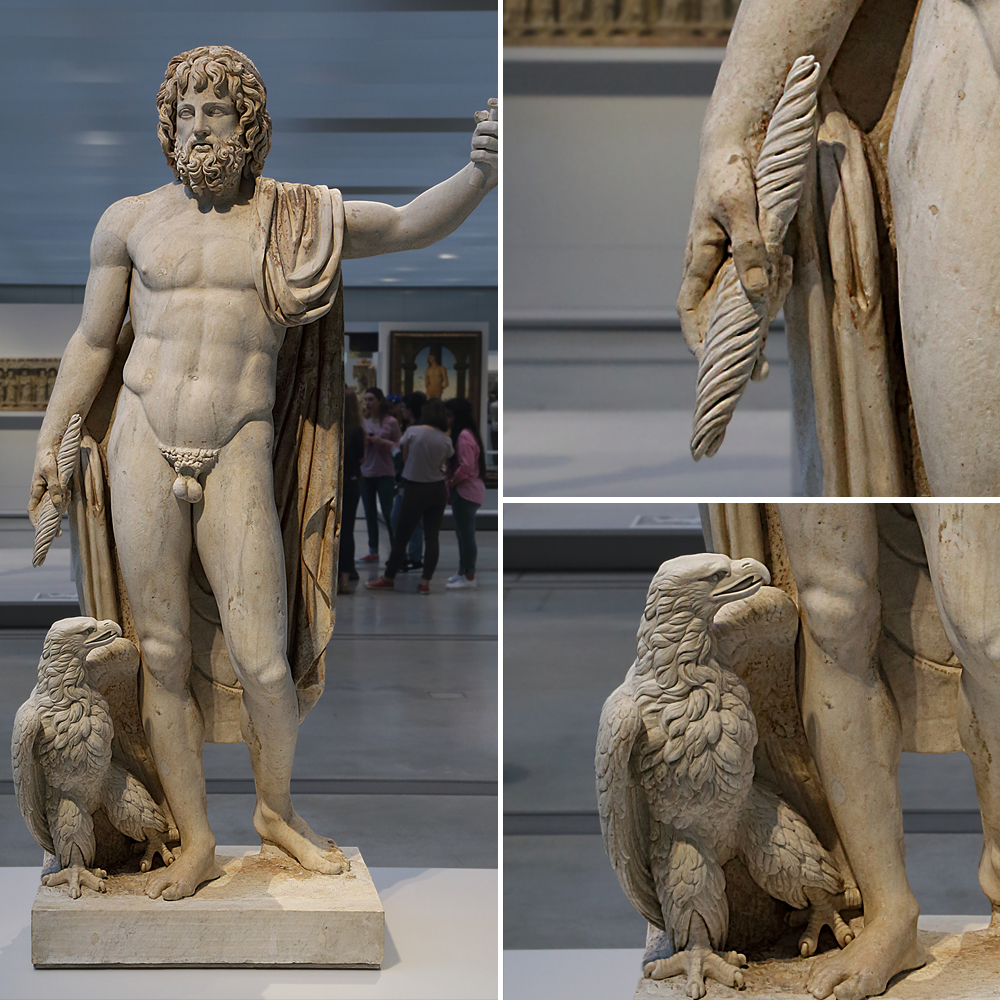
A single symbol cannot always definitively identify a character. For example, Zeus, Poseidon, and Hades may all appear as mature, bearded men, so it is usually necessary to combine the weapon, animal, and accompanying figures to make a judgment.
Greek Gods or Roman Gods? Why the Same Statue May Have Two Names
Many deities in Greek and Roman mythology share similar functions and stories. As Roman culture absorbed and reinterpreted Greek religious traditions, many greek pantheon of gods established correspondences with Roman gods. Therefore, sculptures of the same type of deity may use both Greek and Roman names today.
It is important to note that these correspondences do not mean that the deities in the two religions are identical in all aspects.
| Greek Name | Roman Name | Main Domain |
|---|---|---|
| Zeus | Jupiter | Sky, thunder |
| Hera | Juno | Marriage, queenship |
| Poseidon | Neptune | Sea |
| Athena | Minerva | Wisdom, crafts |
| Aphrodite | Venus | Love, beauty |
| Ares | Mars | War |
| Hermes | Mercury | Commerce, travel, messengers |
| Artemis | Diana | Hunting, wilderness |
| Hephaestus | Vulcan | Fire, metalworking |
| Demeter | Ceres | Agriculture |
| Dionysus | Bacchus | Wine, theater |
Custom Greek Mythology Sculptures
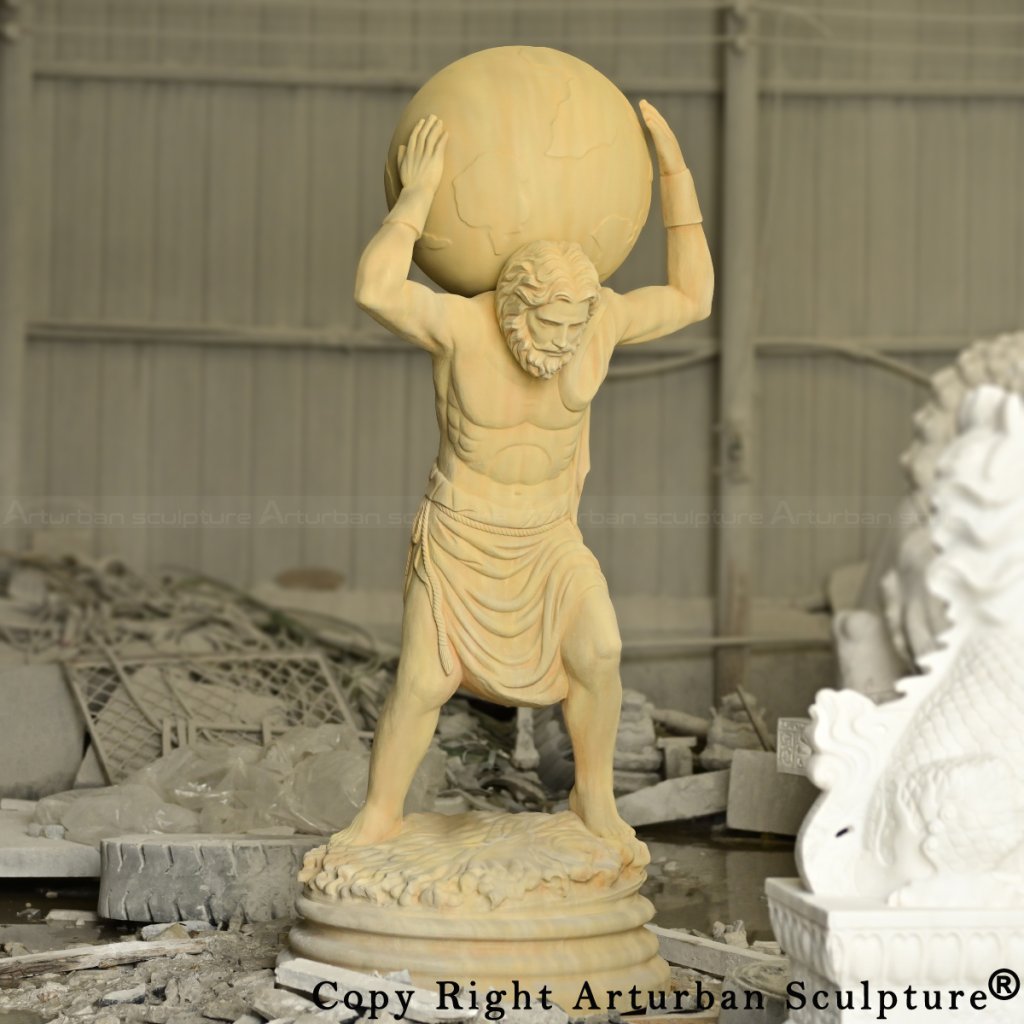
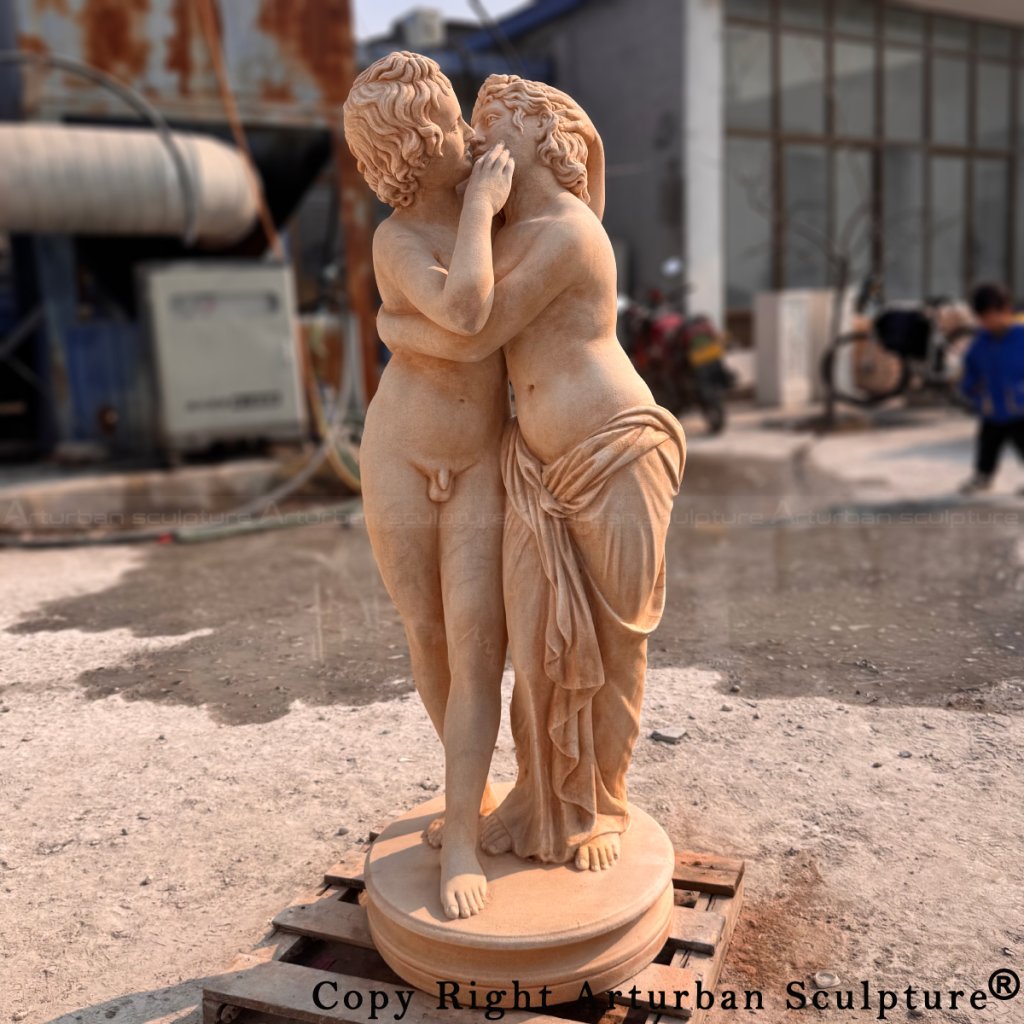

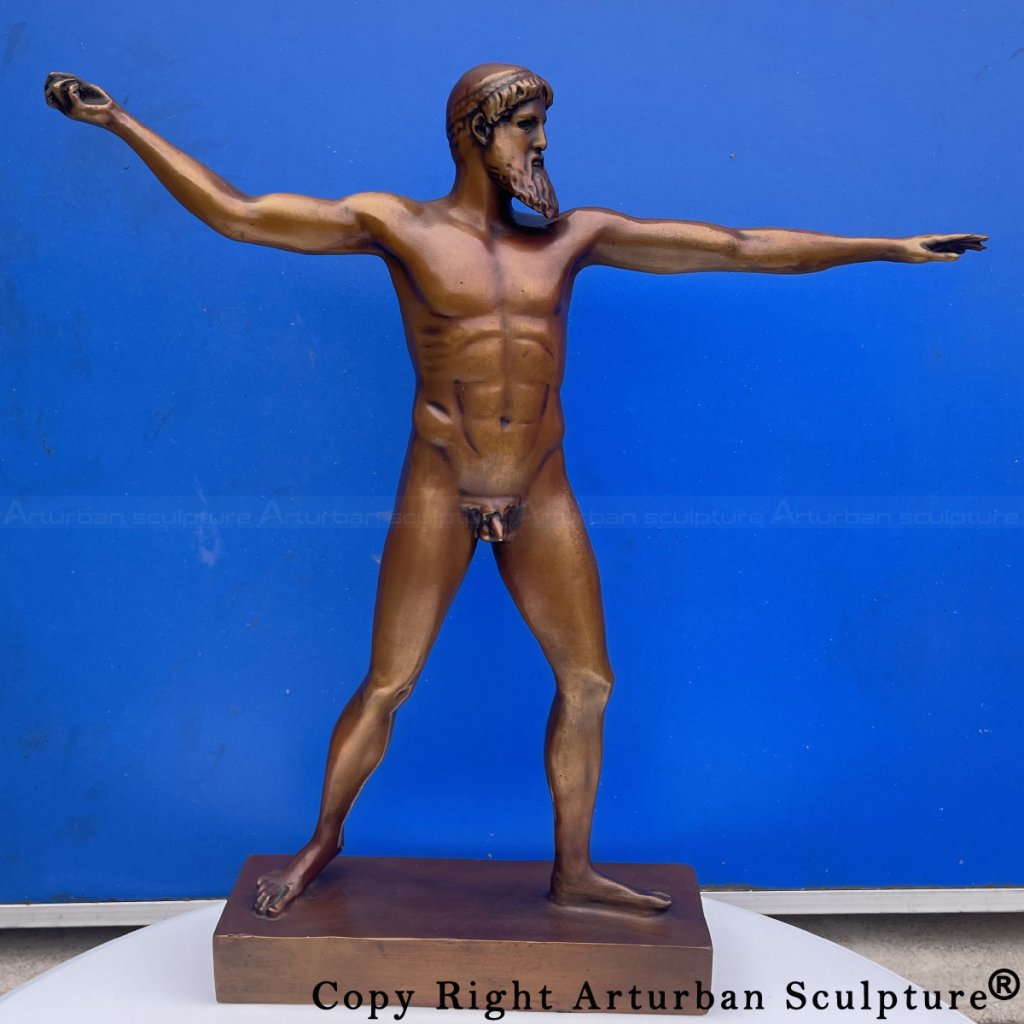
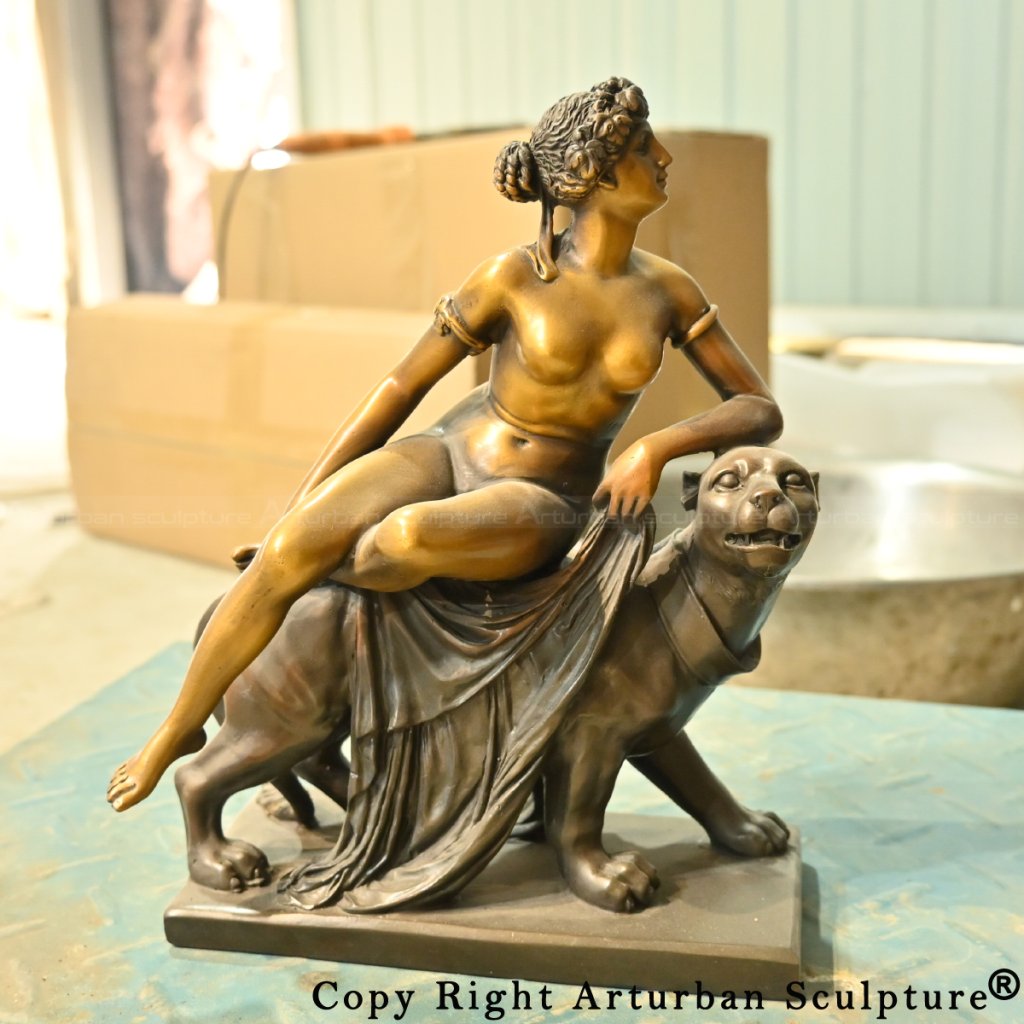
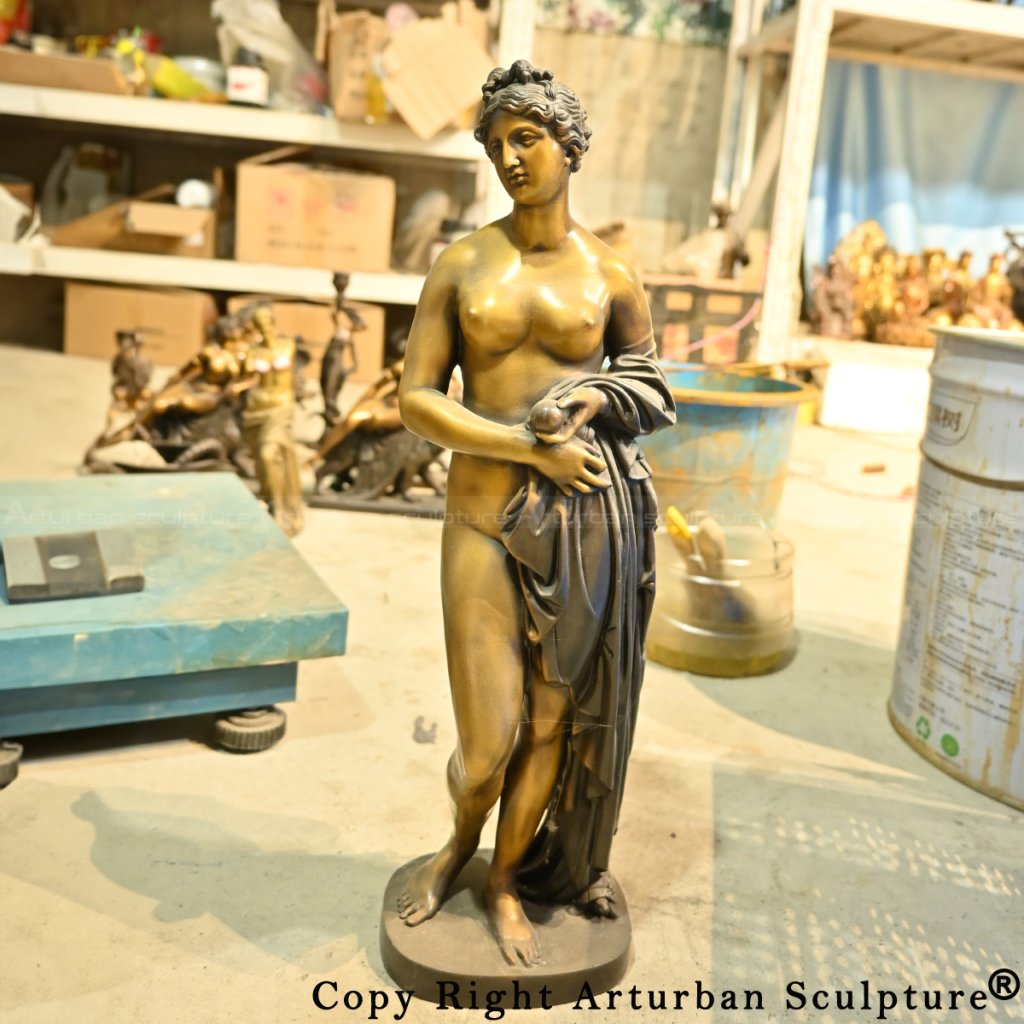
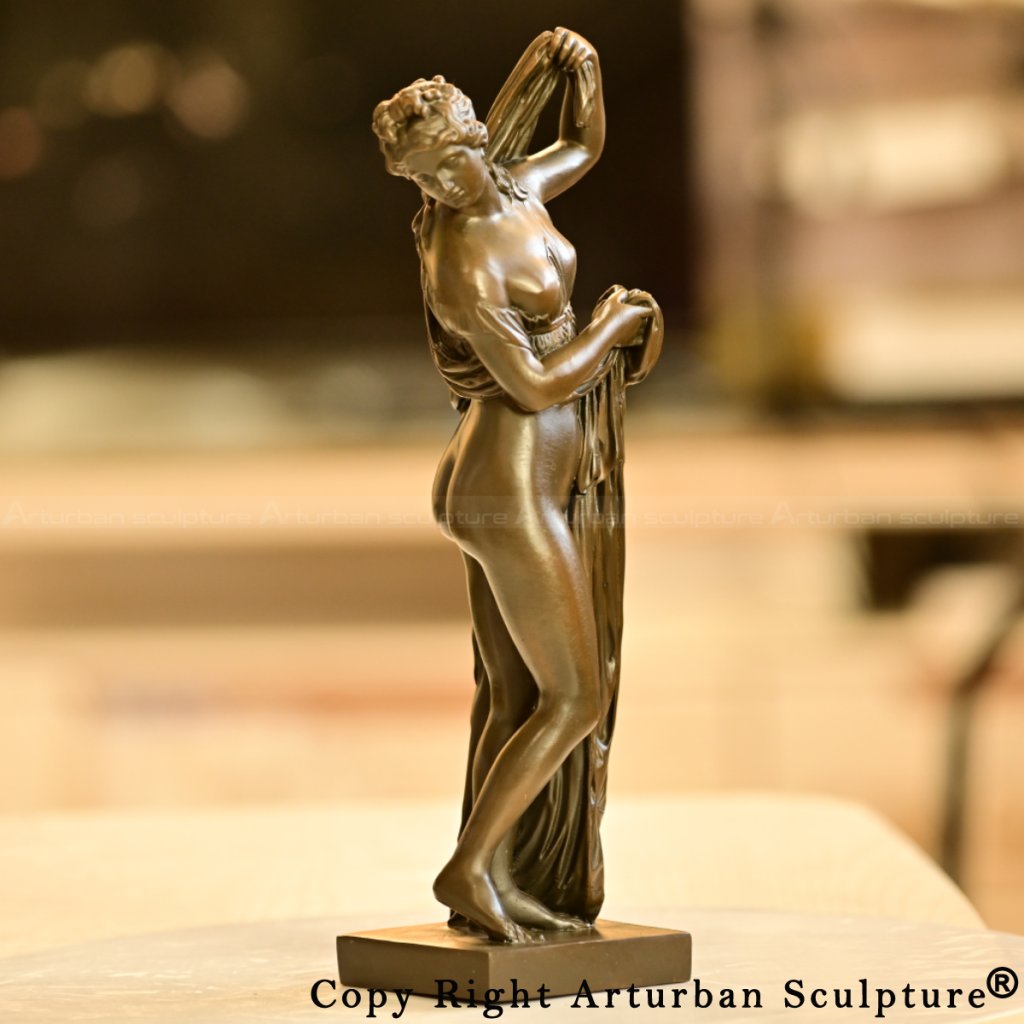
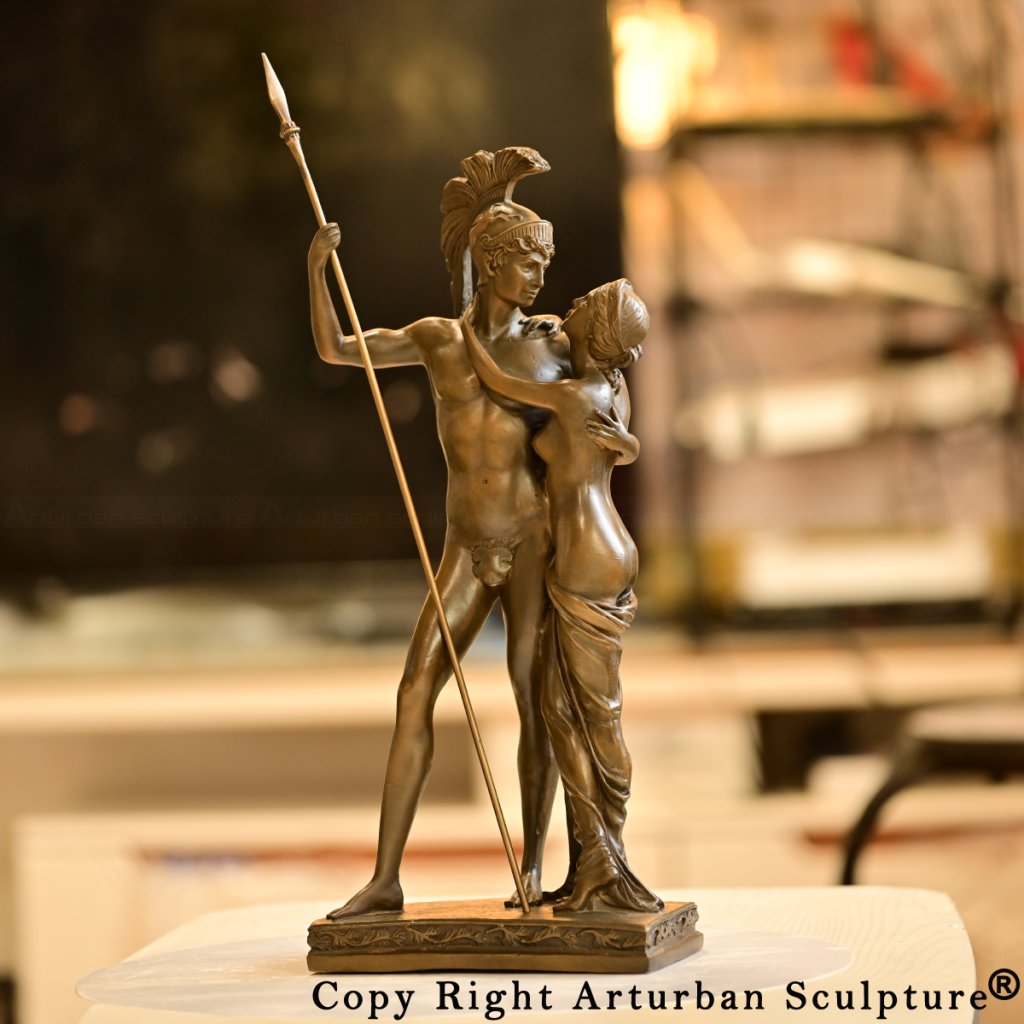
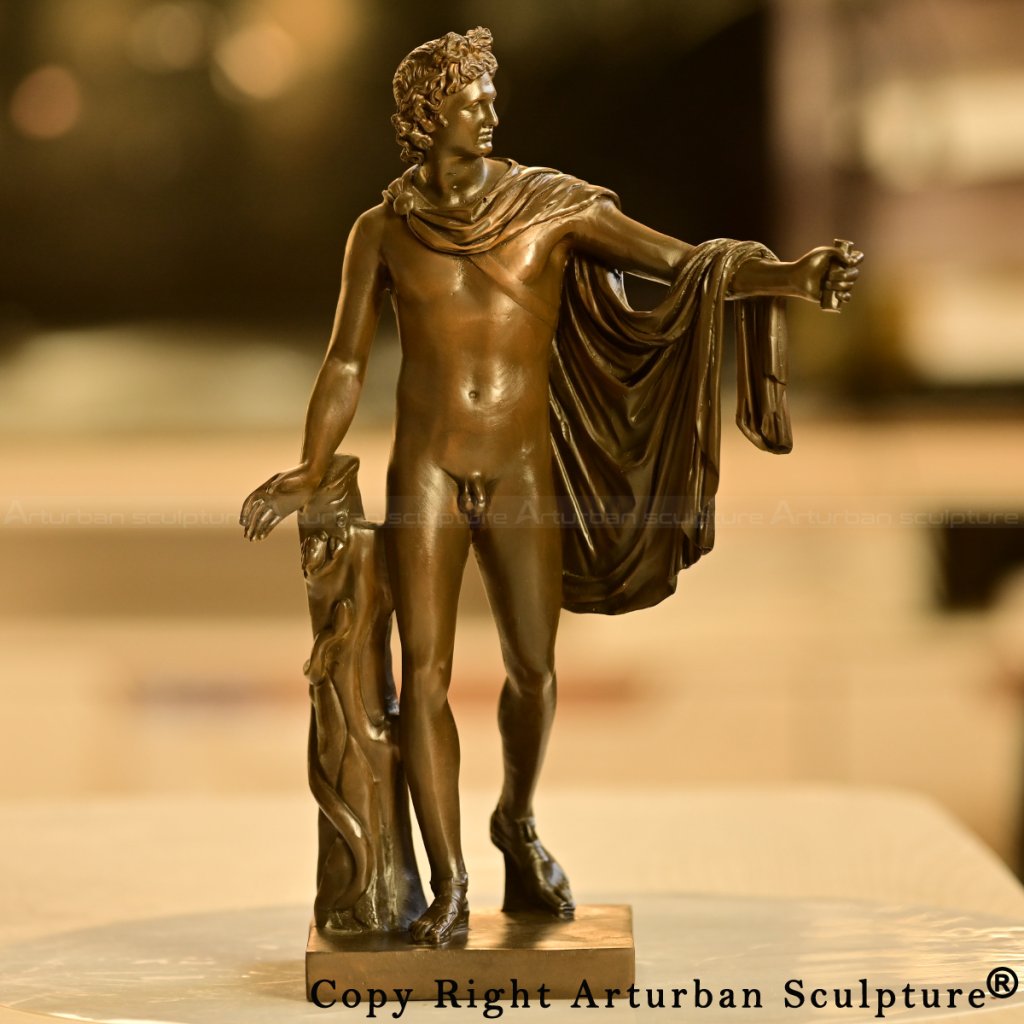
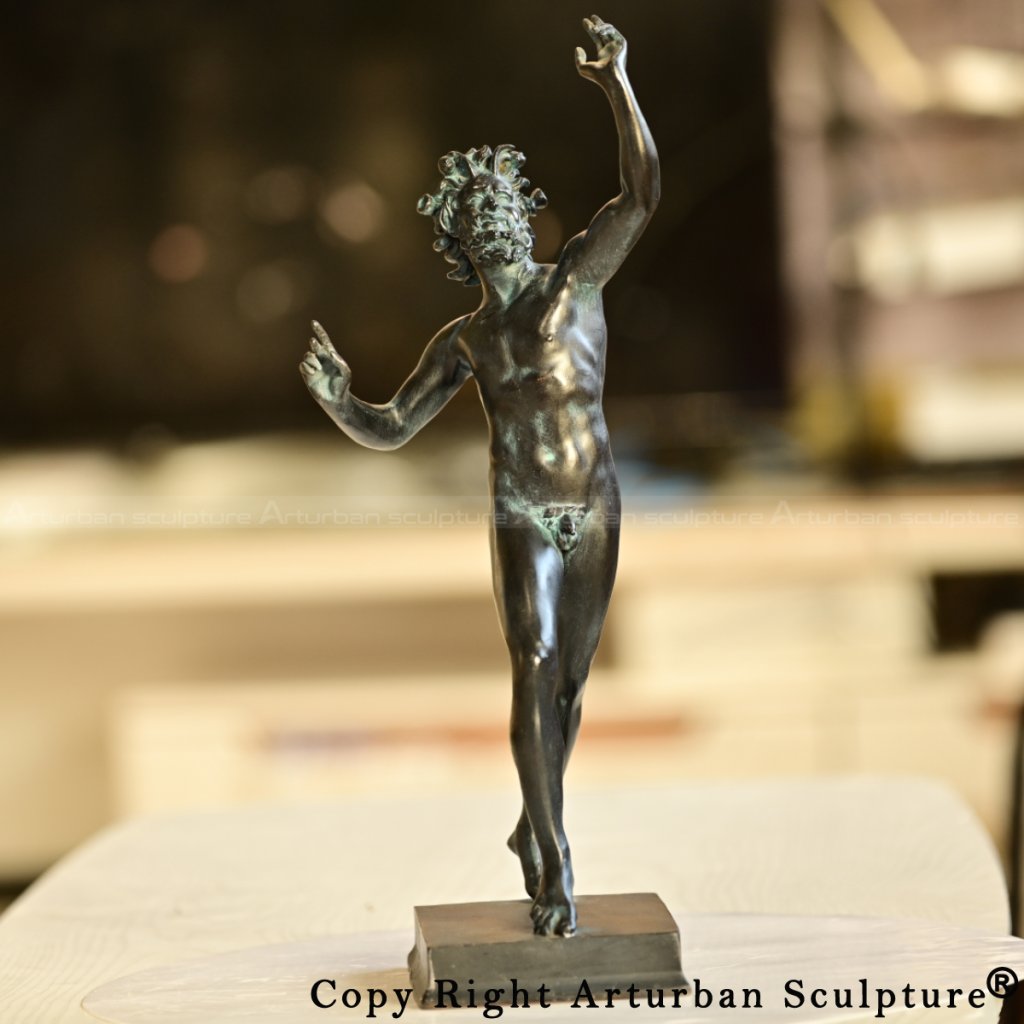
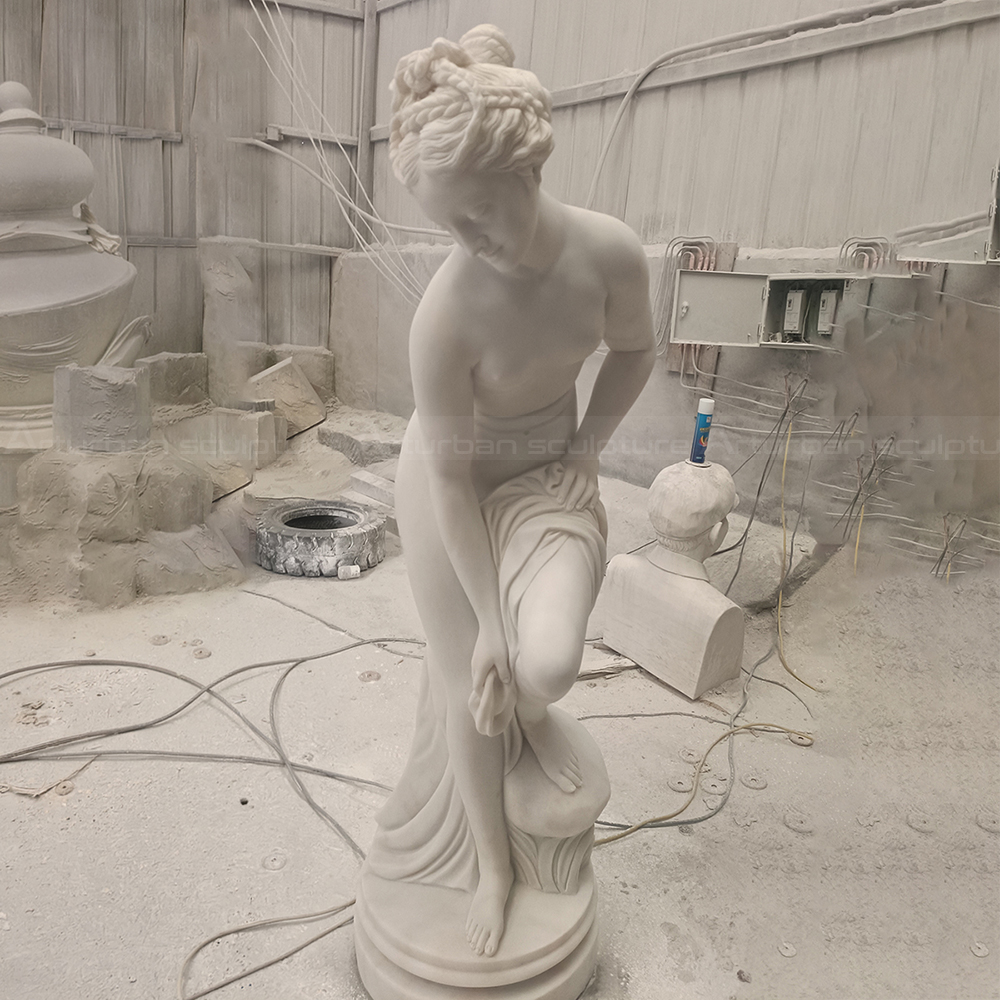
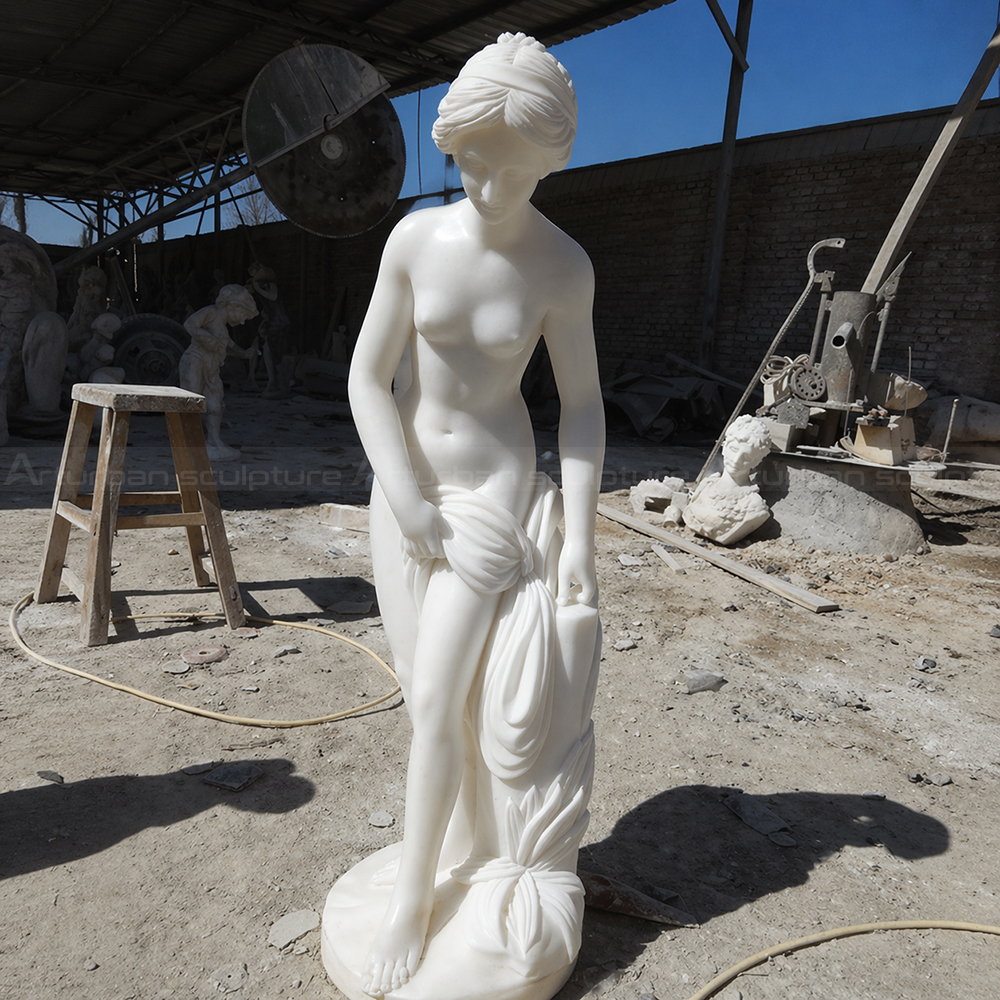
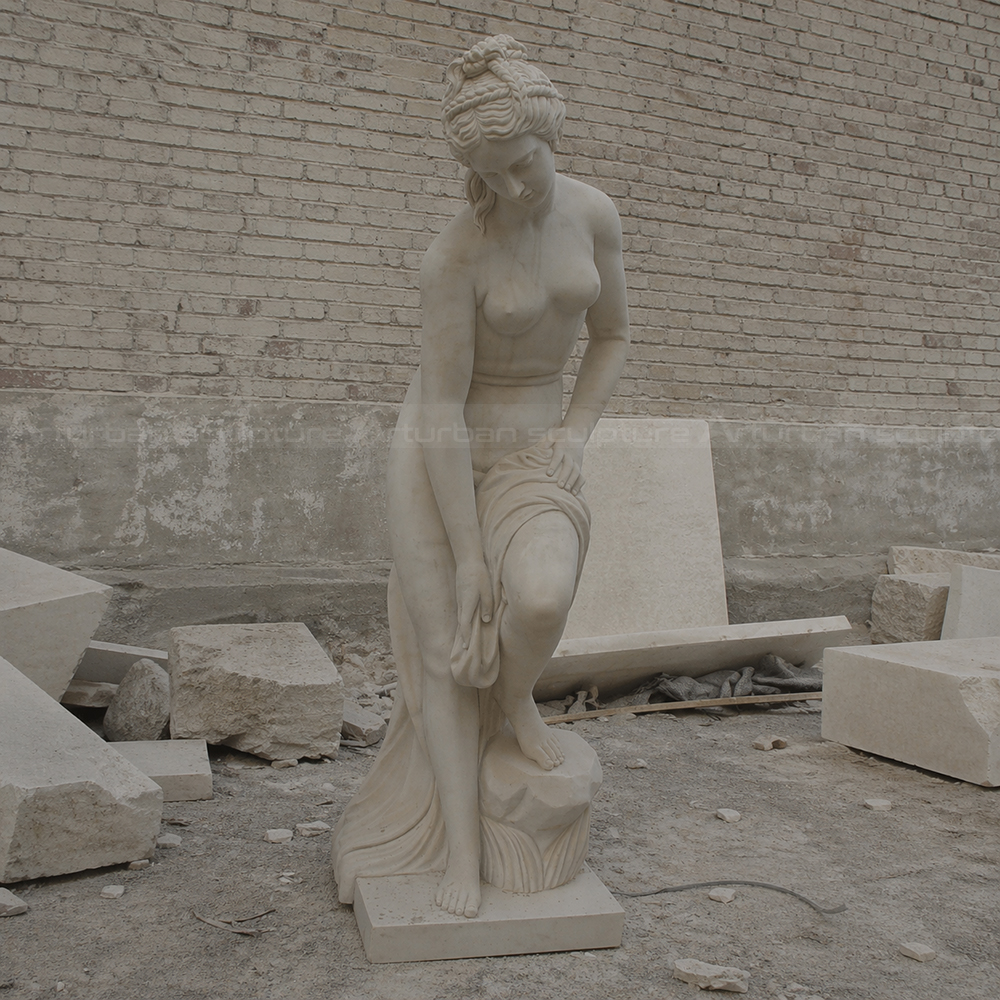
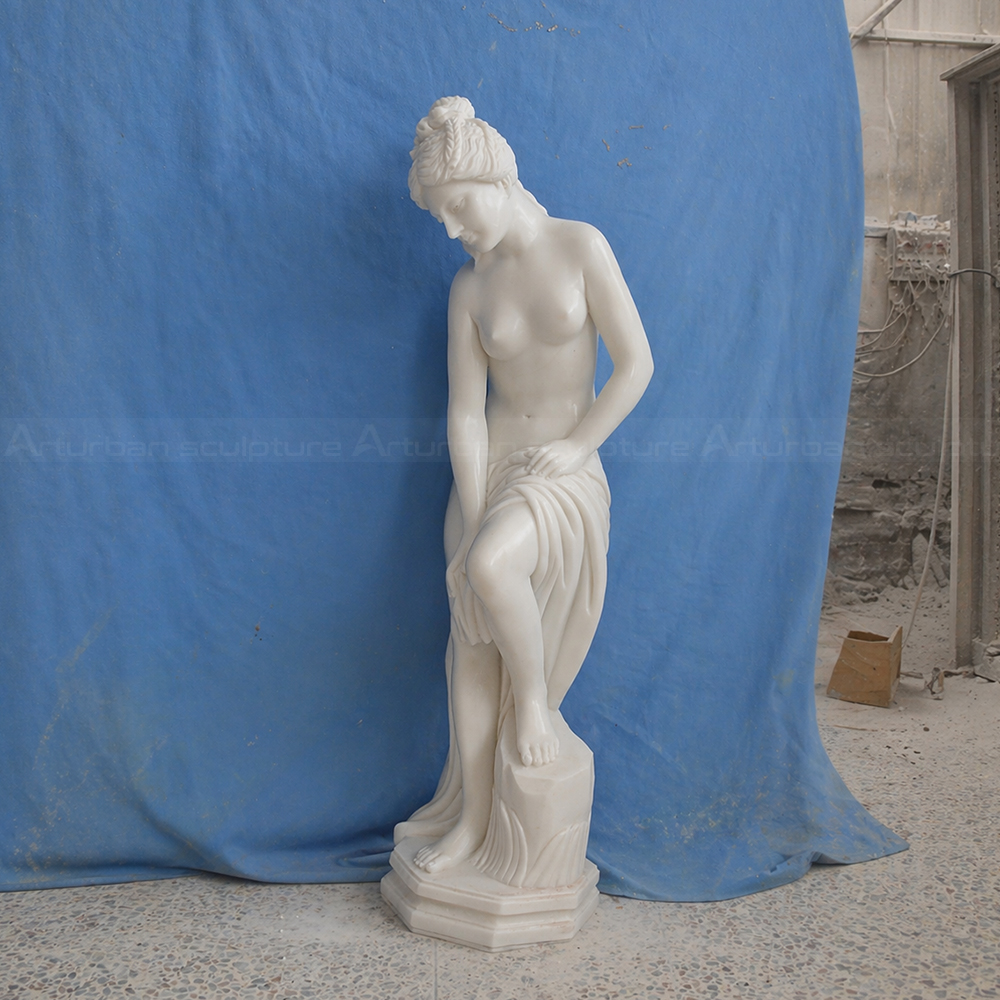
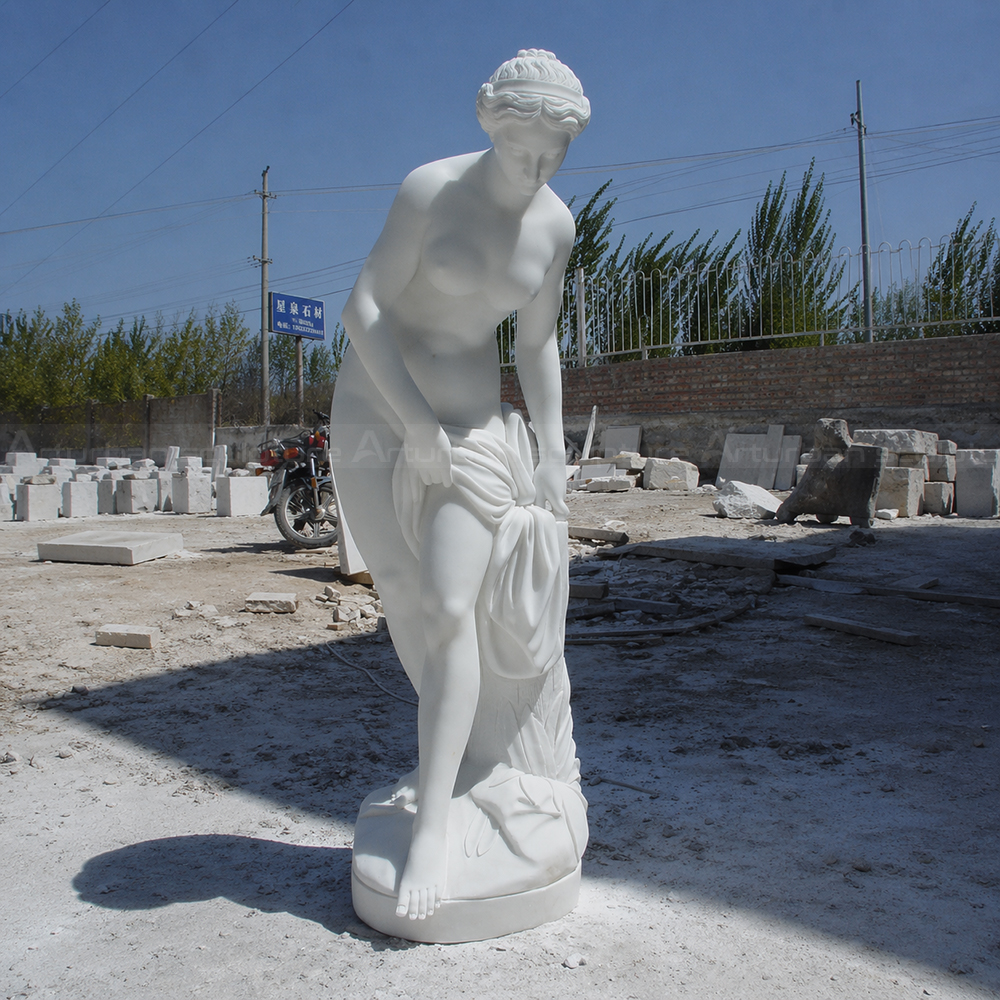
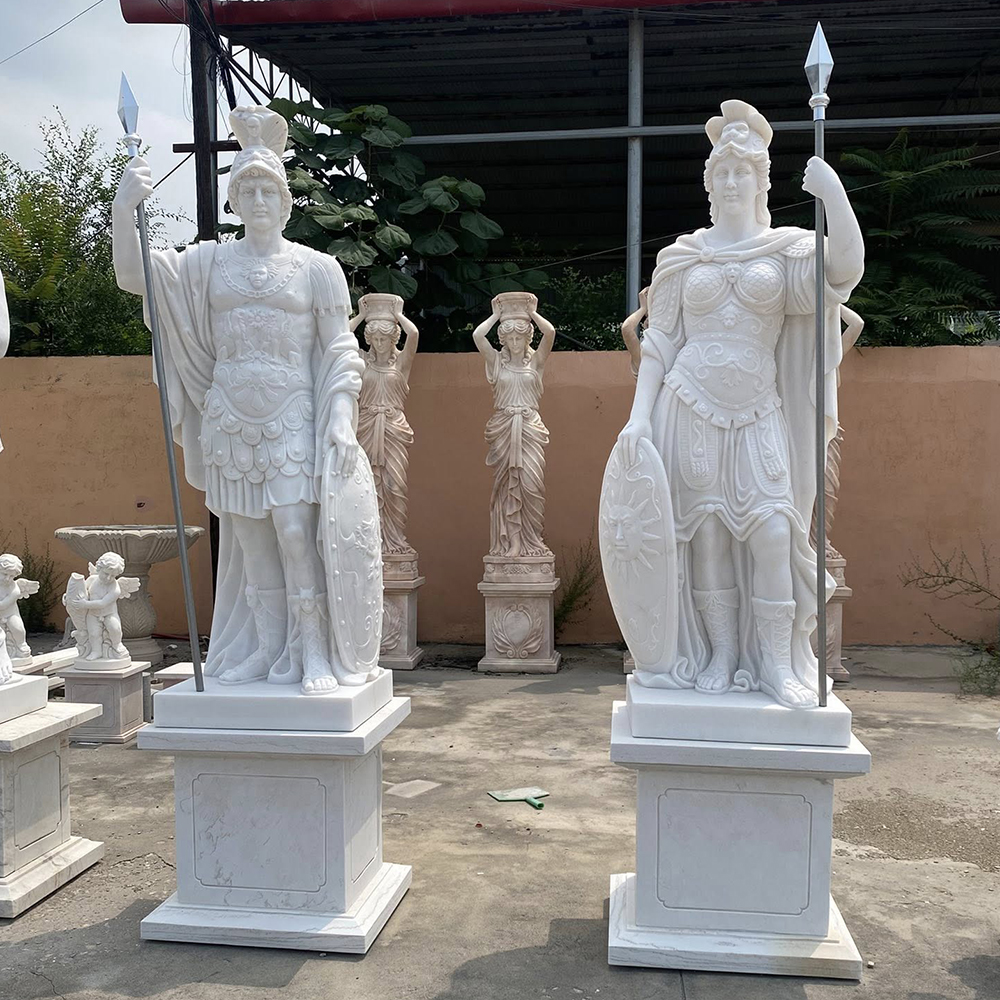
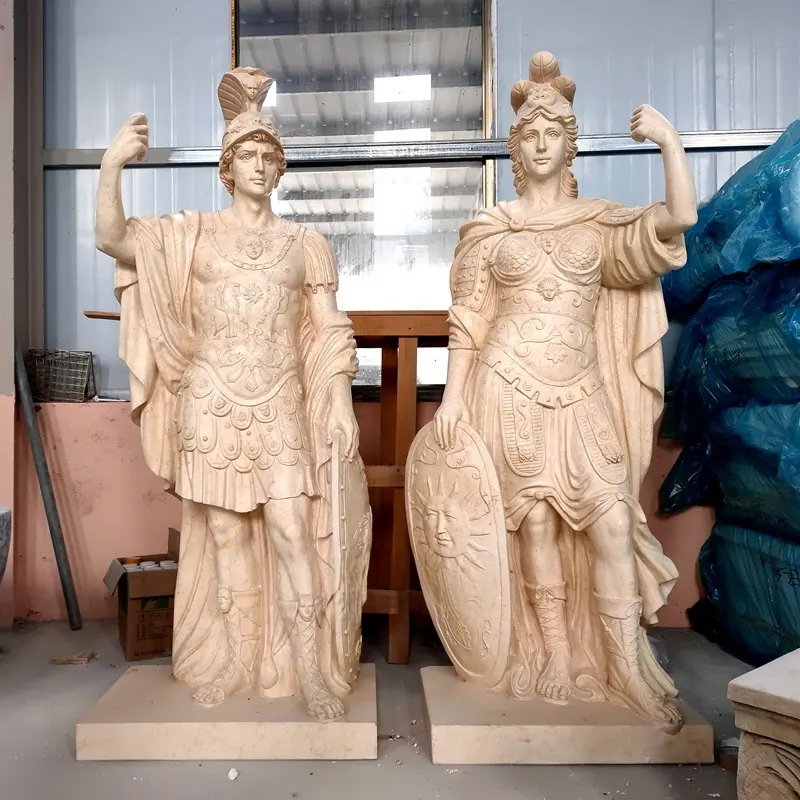
Arturban Sculpture has its own sculpture factory and can create custom sculptures based on references to Greek gods, Titans, mythological heroes, or classic artworks. Clients can provide images, drawings, or 3D files, and we can adjust the proportions and details of the sculptures according to the required size, placement environment, and visual effect.
We can produce Greek and roman statues in various materials such as marble, bronze, fiberglass, and stainless steel, and provide a full range of production services from model confirmation, sculpting or casting, surface treatment to packaging and shipping. Whether the subject matter is Zeus, Athena, Poseidon, Apollo, or Atlas, Prometheus, or the Three Graces, the size and details can be customized according to the project requirements.
FAQ About the Greek Pantheon of Gods
Who are the 12 main gods in the Greek pantheon?
The most common Twelve Olympians include Zeus, Hera, Poseidon, Demeter, Athena, Apollo, Artemis, Ares, Aphrodite, Hephaestus, Hermes, and Dionysus. Some traditions use Hestia instead of Dionysus, so the list is not entirely consistent.
Who came before the Olympian gods?
Before the Olympian gods, there were Primordial Deities such as Chaos, Gaia, and Uranus, followed by the Titans. After Zeus defeated the previous generation of gods led by Cronus, the Olympian gods became the main deities.
Is Hades one of the Twelve Olympians?
Usually not. Hades, brother of Zeus and Poseidon, is an important deity in Greek pantheon, but because he primarily rules the Underworld rather than residing on Mount Olympus, he is generally not included among the Twelve Olympians.
What is the difference between Titans and Olympians?
Titans are an earlier generation of gods, represented by Cronus and Rhea; Olympians are a later generation led by Zeus. The most important conflict between the two generations is the Titanomachy, or the Titan Wars.
Who is the oldest Greek deity?
According to Hesiod’s cosmogony, Chaos is one of the earliest beings to appear. Gaia, Tartarus, Eros, and other primordial beings appeared later; therefore, Zeus cannot be simply considered the oldest Greek god.
Why do Greek gods have different symbols?
The symbols of different gods are related to their functions and mythology; for example, Zeus’s thunderbolt, Poseidon’s trident, and Athena’s helmet and shield. These elements also help people identify figures in sculpture and other classical art.
Are Greek and Roman gods the same?
They are not entirely the same, but Roman religion absorbed a great deal of Greek mythological tradition, thus many gods form correspondences, such as Zeus corresponding to Jupiter, Aphrodite to Venus, and Poseidon to Neptune.
Are heroes like Heracles and Achilles Greek gods?
Generally not. Heracles, Achilles, Perseus, etc., mainly belong to the Heroes or Demigods. Heracles are special; in mythological tradition, they acquired divinity after death and were therefore later worshipped as gods.
What are personifications in Greek mythology?
Personifications are the attribution of abstract concepts to gods and human figures. For example, Nike represents Victory, Tyche represents Fortune, and Thanatos represents Death. These deities are also an important part of Greek pantheon.
How can you identify greek pantheon of gods in sculpture?
They can usually be identified by the objects they hold, animals they carry, clothing, and accompanying figures. For example, a trident often represents Poseidon, lightning often represents Zeus, a helmet and aegis often represent Athena, and wings are one of Nike’s most distinctive features.
Send us your requirements now, we will reply to your email within 24 hours