Tag Archives: Marble Aphrodite Statue

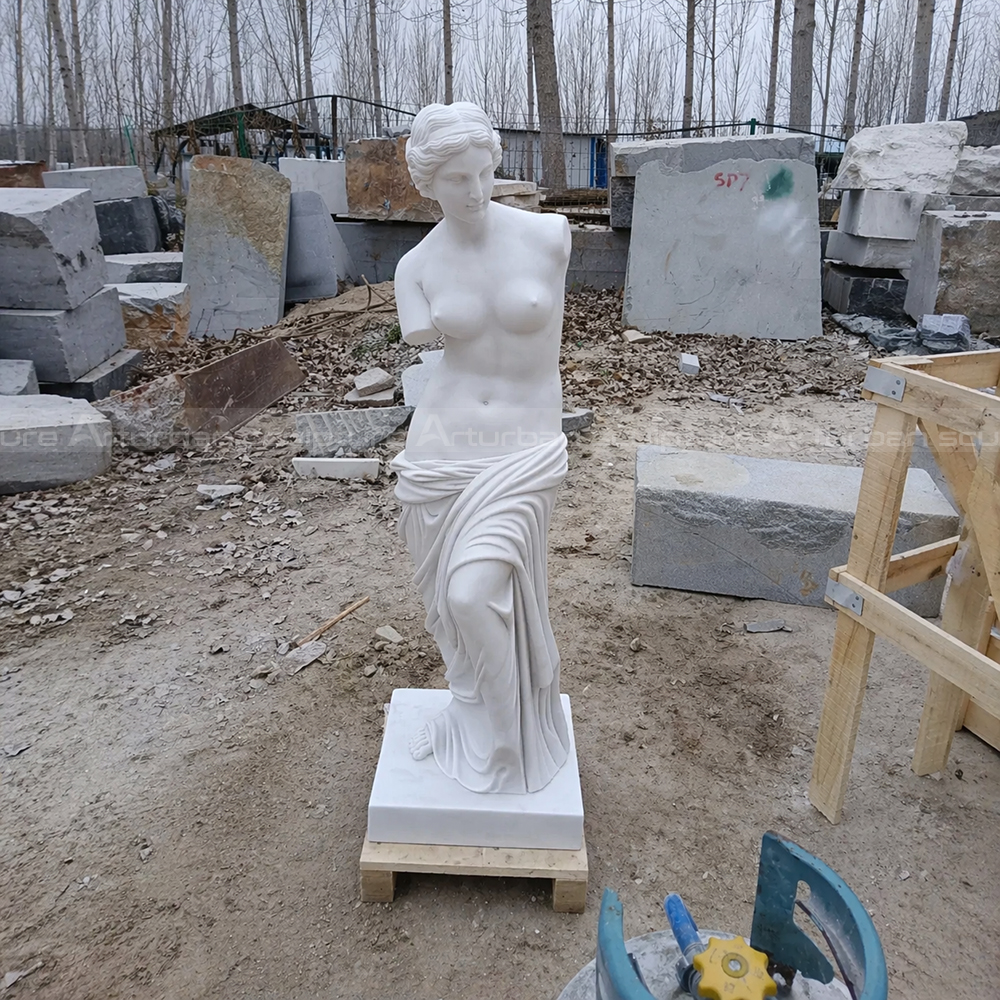
outdoor marble Venus Armless Statue

1. Introduction of Venus Armless Statue The Venus de Milo is one of the most famous sculptures of the late ancient Greece, generally believed to have been created in the 2nd century BC, possibly by the sculptor Alexandros. Discovered on the island of Milos in the Aegean Sea in 1820, it was subsequently taken to […]

View More...
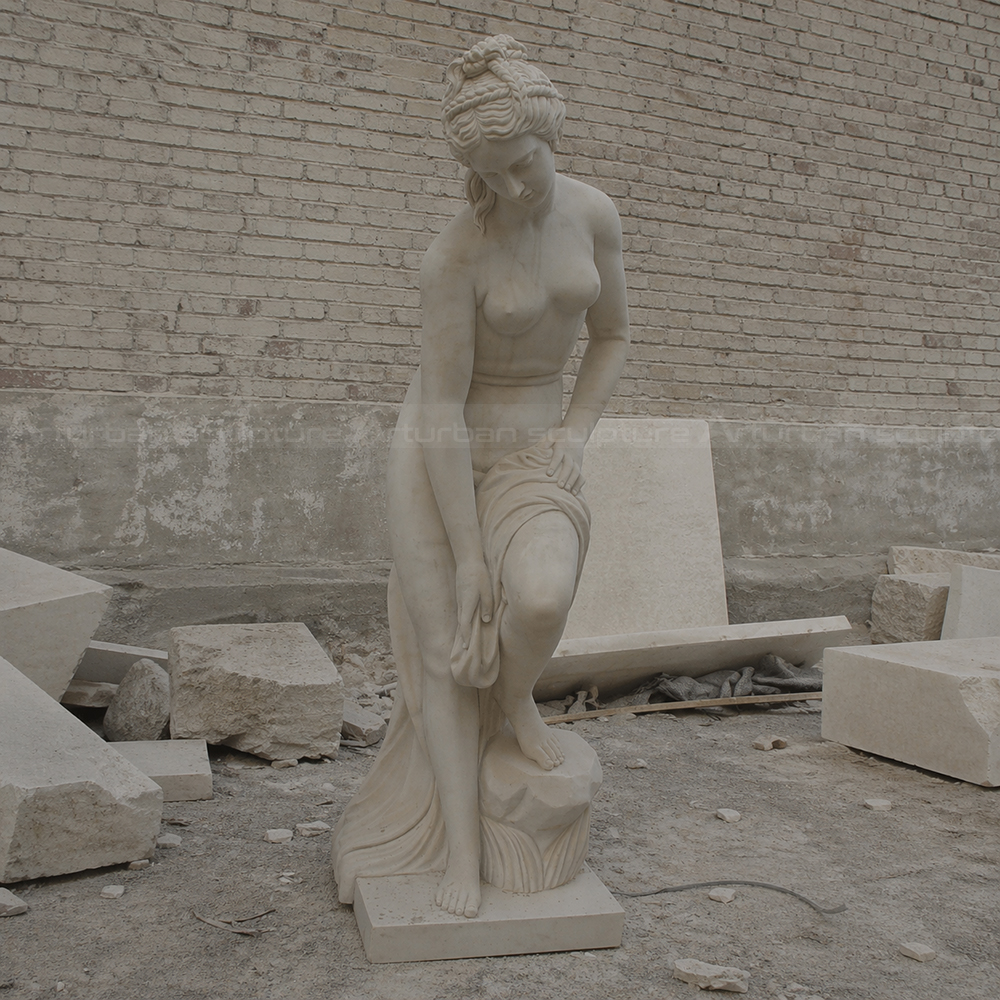
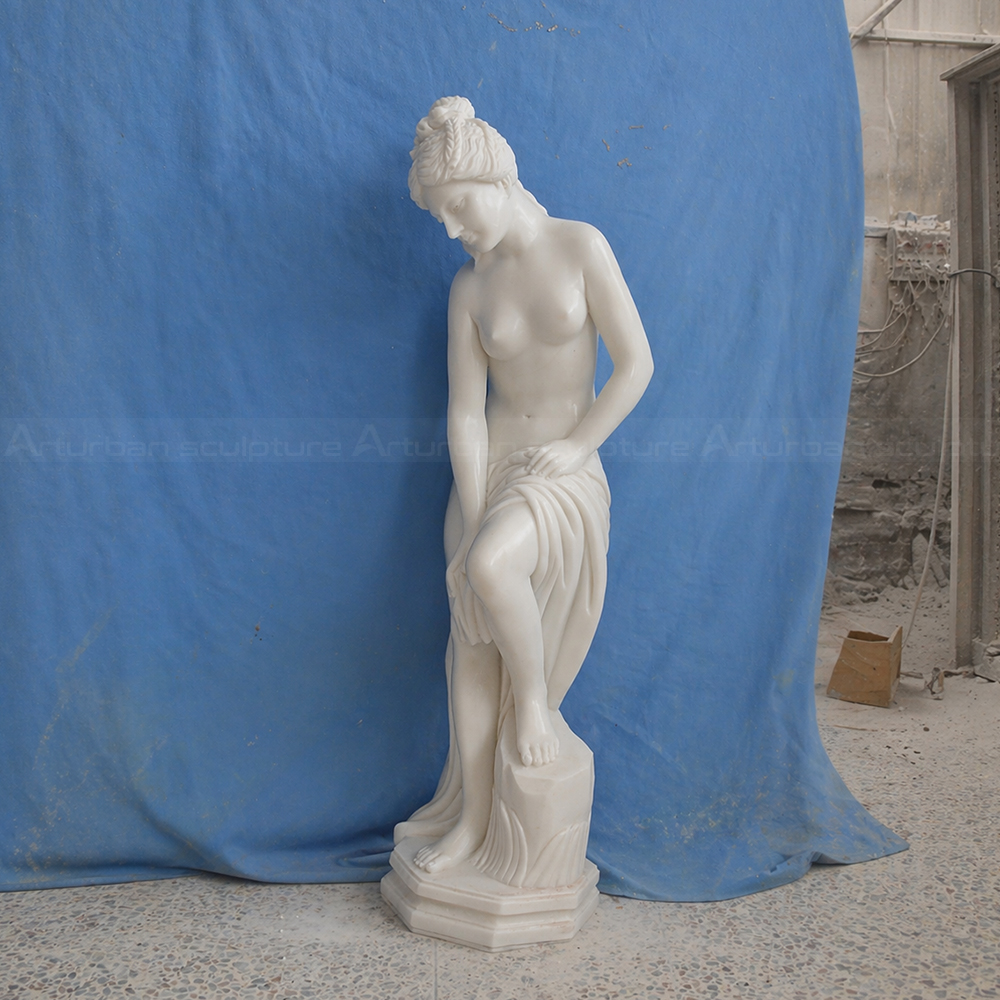
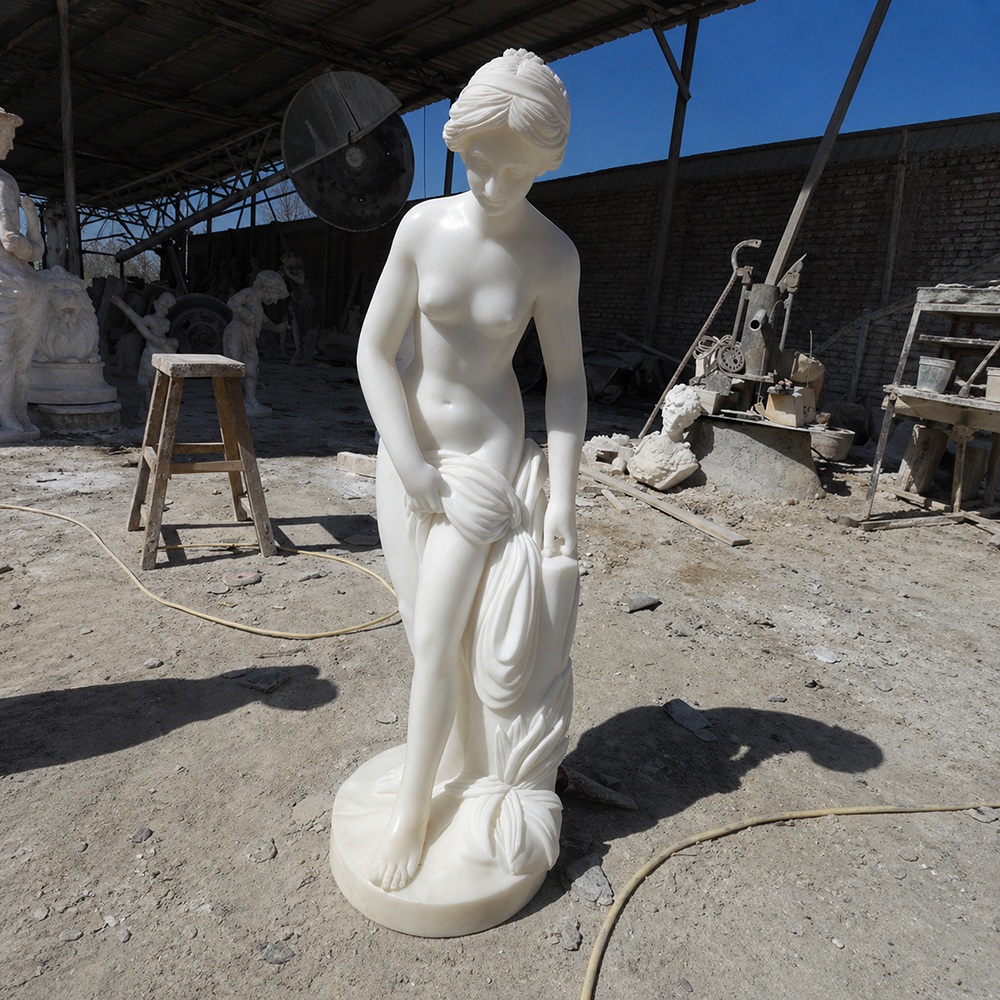
white marble Aphrodite bathing Nude Statue

1. Introduction of Aphrodite Nude Statue Aphrodite, the Greek goddess of love and beauty, symbolizes attraction, desire, and the continuation of life. The most widely accepted story of her birth is that she rose from sea foam, representing pure and primal beauty. In the “Judgment of Paris,” she won the golden apple in exchange for […]

View More...
marble aphrodite one leg upbathing statue slender elegant pose

1. Introduction of Aphrodite Statue Leg up In ancient Greek mythology, Aphrodite is not only a symbol of love and beauty but also closely associated with the sea, marriage, and feminine charm. Besides the legend of her birth from the sea, she is also considered a deity who maintains the balance between emotions and desires. […]

View More...
white marble Roman Statue Venus bathing

1. Introduction of Roman Statue Venus Venus is the Roman goddess of love and beauty, corresponding to Aphrodite in Greek mythology. She symbolizes not only love and desire but also fertility, prosperity, and the vitality of nature. In Roman culture, Venus was considered one of the nation’s patron goddesses, especially revered as “Venus Genetrix,” regarded […]

View More...
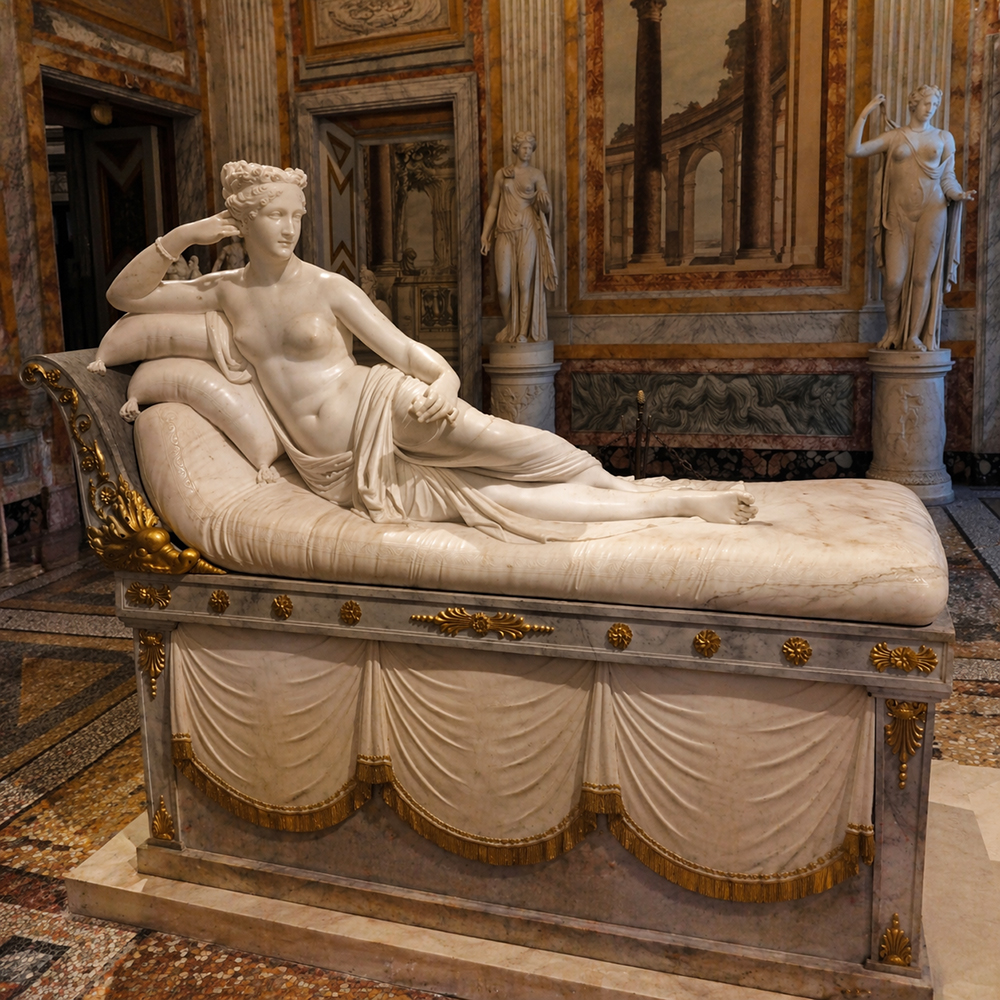
marble Reclining Venus Victrix Antonio Canova sculpture

1. Introduction of Venus Victrix Antonio Canova Sculpture This sculpture, Venus Victrix (Venus in Victory), created by the Neoclassical master Antonio Canova between 1805 and 1808, is based on Napoleon’s sister, Pauline Bonaparte, and is a representative work combining classical mythology with a real-life figure. In the Venus Victrix Antonio Canova sculpture, the figure reclines […]

View More...
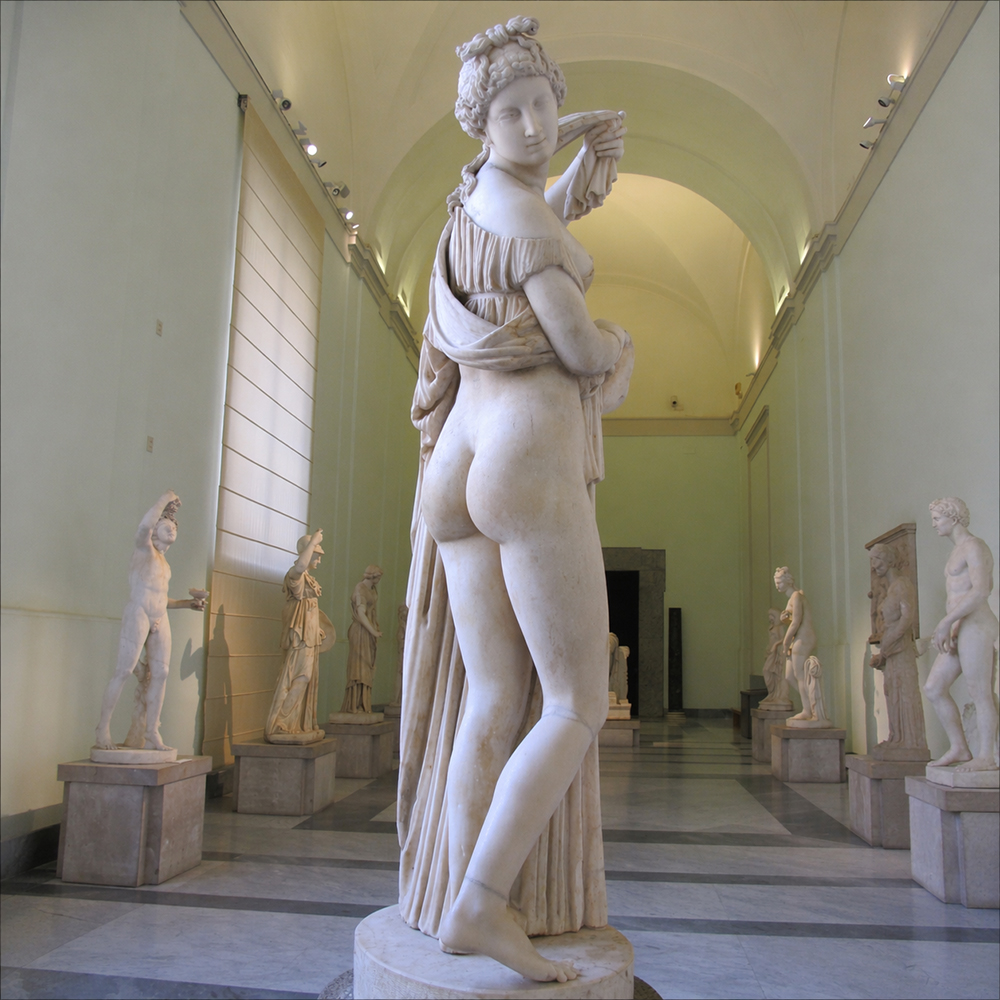
Callipygian Venus marble Aphrodite sculpture museum rear view

1. Introduction of Callipygian Venus Sculpture This sculpture is the famous Venus Callipyge (Venus of the Beautiful Hips), a marble replica from the Roman period (circa 1st-2nd century AD), with the original bronze sculpture dating back to the Hellenistic period. Currently housed in the National Archaeological Museum of Naples, Italy, Callipygian Venus Sculpture is one […]

View More...
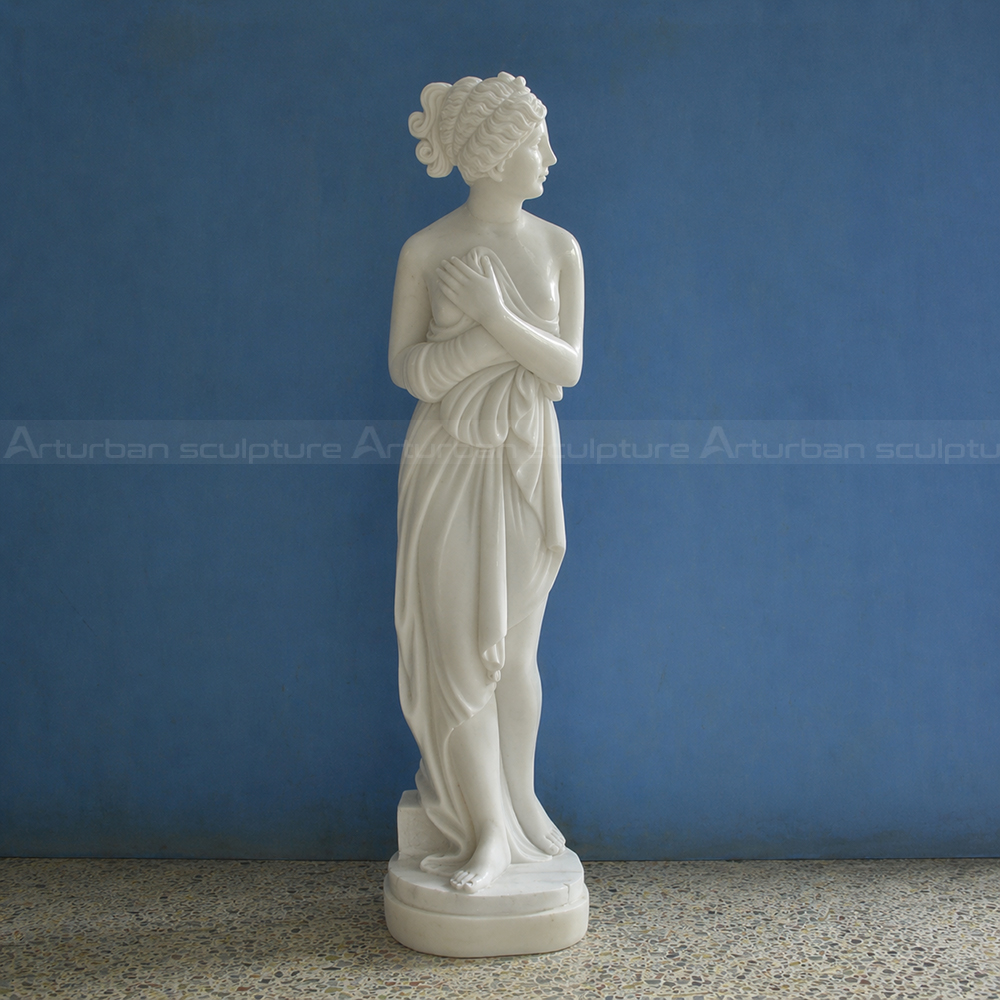
Venus Italica Statue marble pudica pose

1. Introduction of Venus Italica Statue This sculpture, modeled after Venus Italica, is a continuation and reimagining of the ancient Greek “covered Venus” tradition during the Neoclassical period. Created by Italian sculptor Antonio Canova, the figure emphasizes rationality, restraint, and elegance. The figure in the Venus Italica Statue replica stands upright, slightly tilted to one […]

View More...
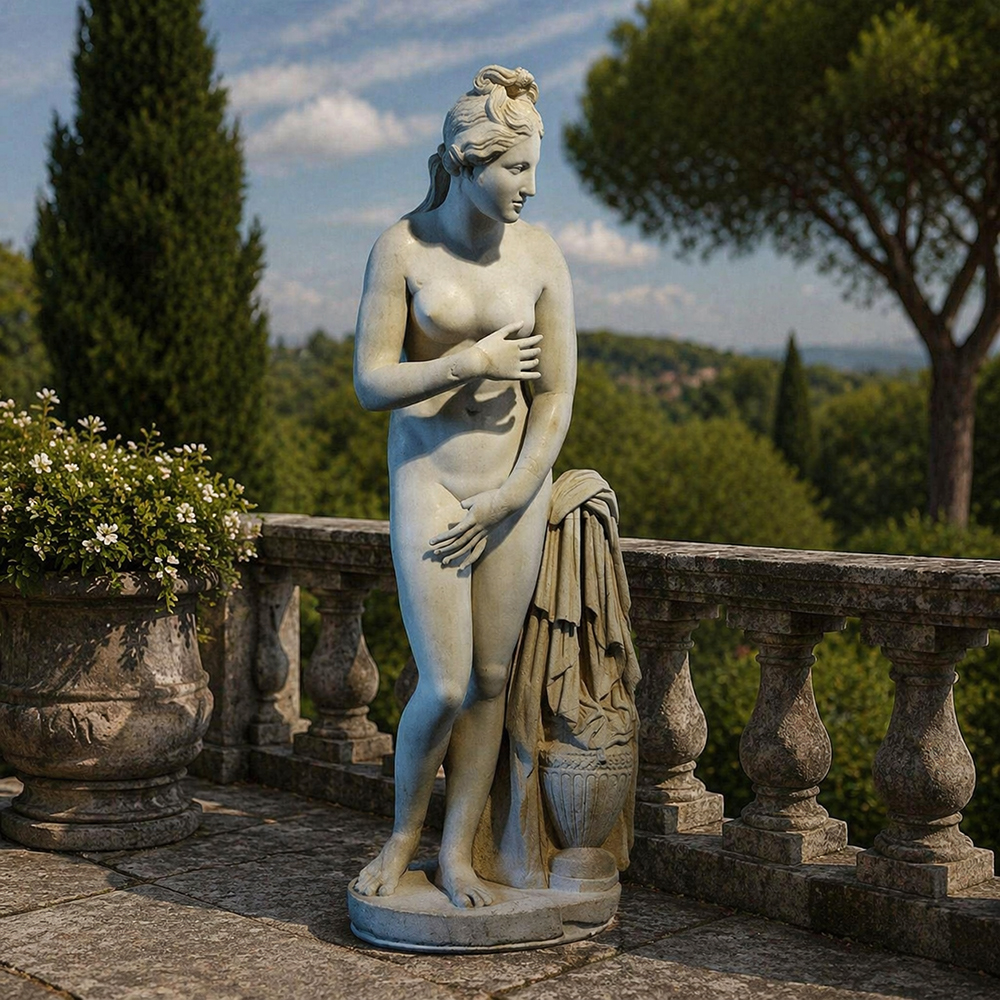
outdoor marble Capitoline Venus Statue

1. Introduction of Capitoline Venus Statue This sculpture belongs to the classic “Capitoline Venus” type, a reinterpretation of the image of Aphrodite, the Greek goddess of love, during the ancient Roman period. This type is characterized by the “Venus Pudica” pose, where the figure gently covers key parts of her body with both hands, embodying […]

View More...
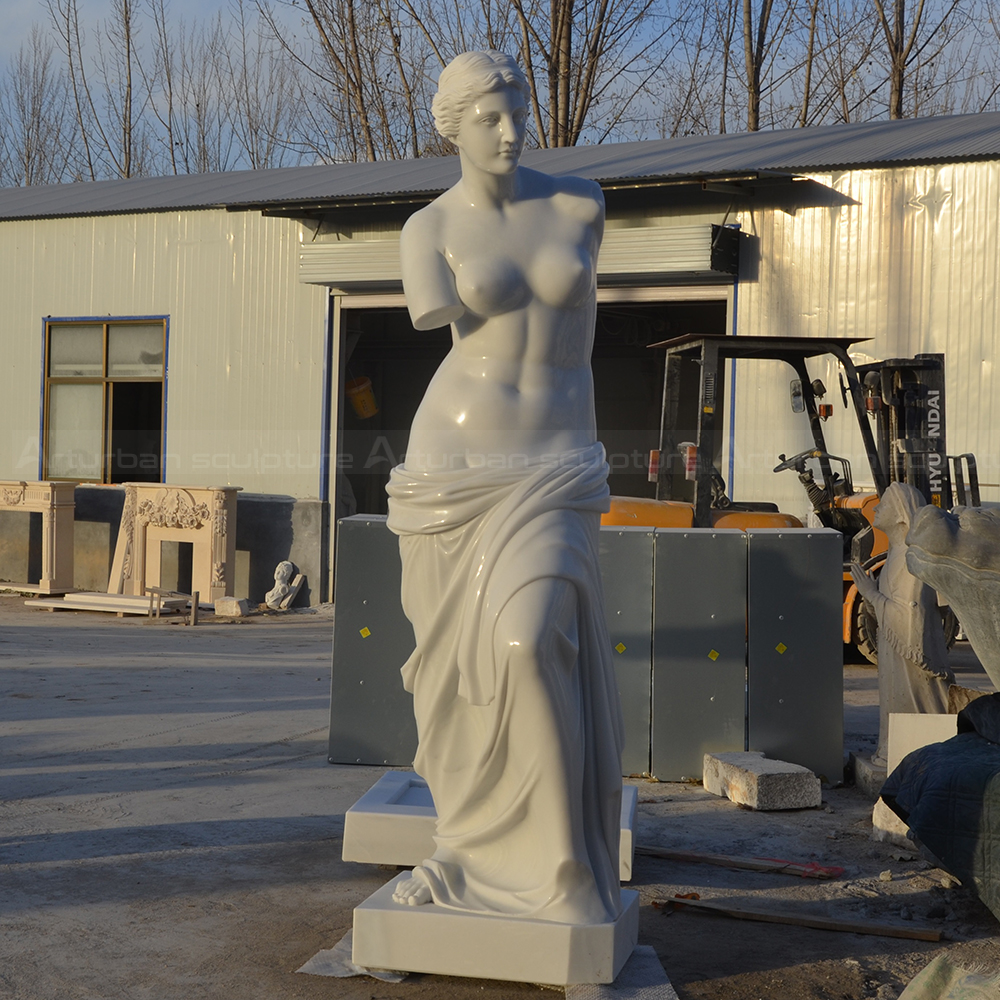
marble life size Armless Venus Statue

1. Introduction of Armless Venus Statue Venus (Aphrodite in Greek mythology) is the goddess of love and beauty, symbolizing attraction, desire, and the origin of life. There are two versions of her origin: one says she was born from sea foam (the most famous version), and the other says she was the daughter of Zeus […]

View More...
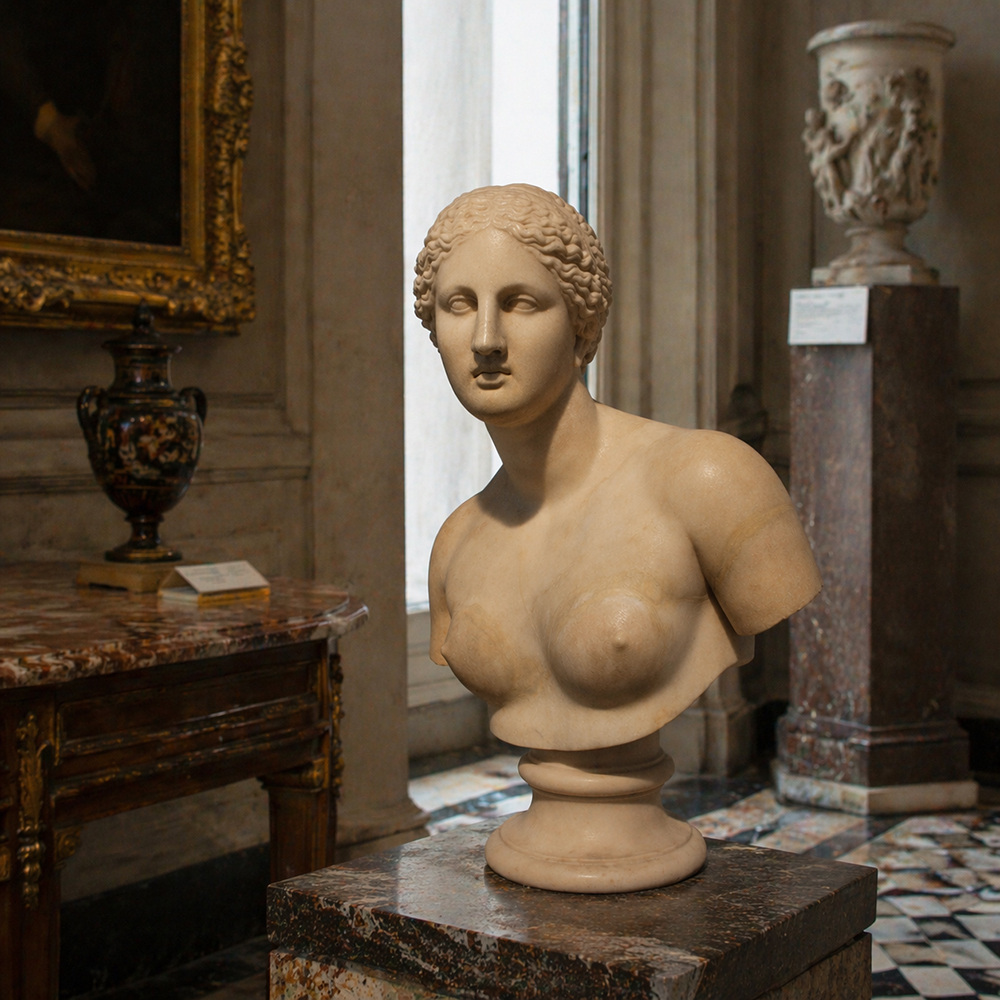
classical marble Aphrodite Statue Bust

1. Introduction of Aphrodite Statue Bust Aphrodite, the Greek goddess of love and beauty, symbolizes love, desire, and feminine beauty. She is one of the most frequently depicted figures in art history, with the Aphrodite of Knidos being one of the most landmark representations. This work, created by the ancient Greek sculptor Praxiteles, is considered […]

View More...