Tag Archives: Egyptian Pharaoh

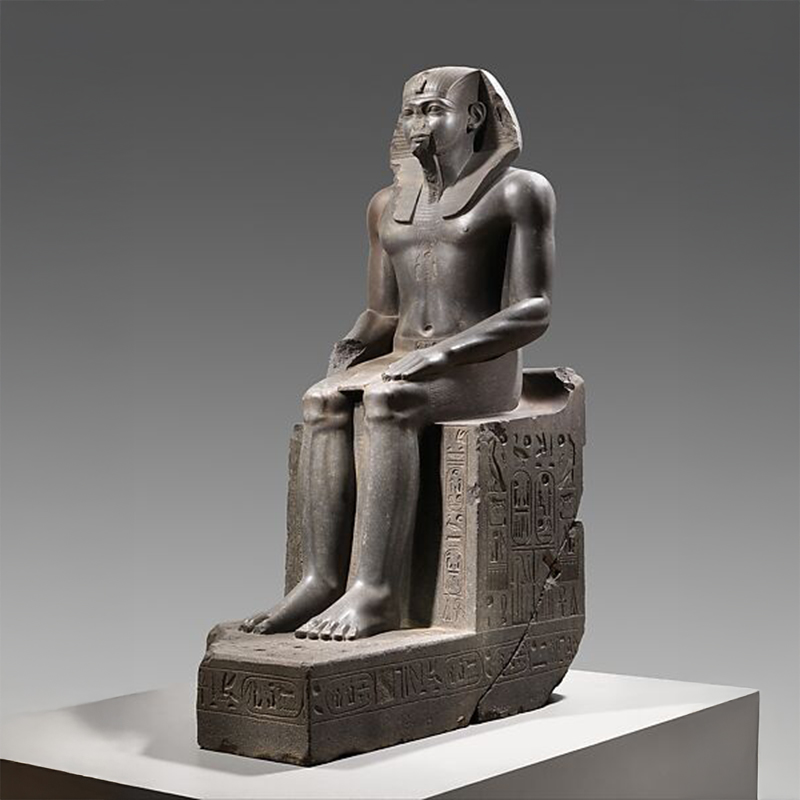
Profile view of Seated Pharaoh Statue

1. Introduction of Seated Pharaoh Statue This massive Pharaoh Statue dates from the 12th Dynasty of the Middle Kingdom of Ancient Egypt, dating from approximately 1919 to 1878 BC. Scholars speculate that it may represent either Amenemhat II or Senusert II. The Seated Pharaoh Statue is carved from granodiorite, a hard, dense stone that imbues […]

View More...
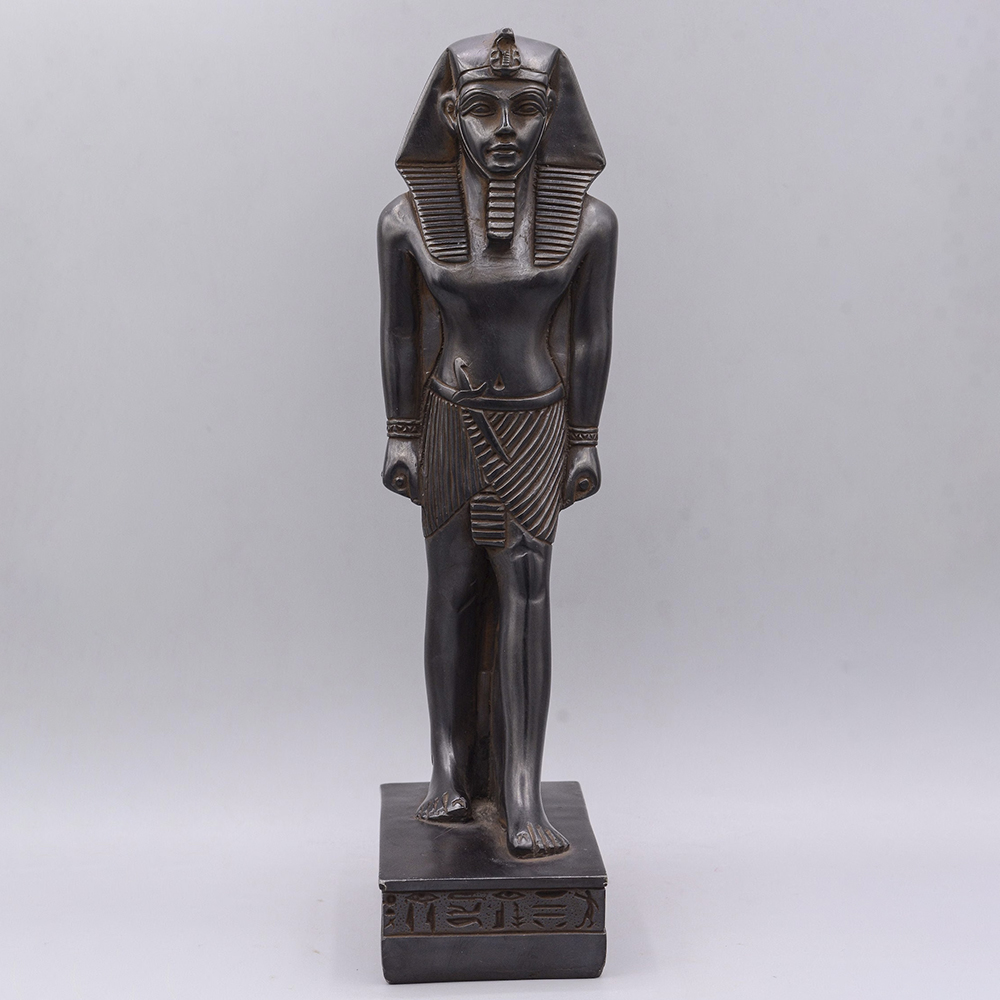
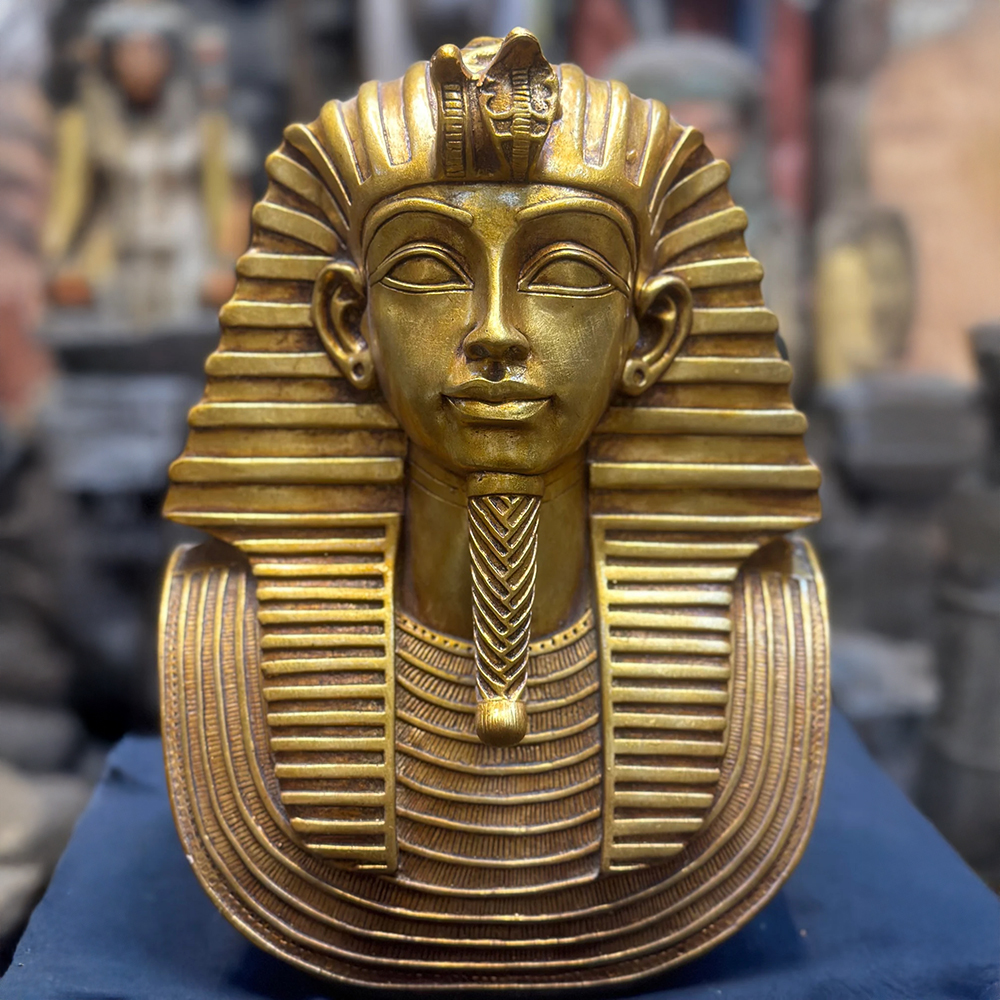
Bronze Statue of King Khafre front view

1. Introduction of Statue of King Khafre King Khafre was a pharaoh of the Fourth Dynasty of Ancient Egypt, reigning from approximately 2558 to 2532 BC. He was the son of the renowned Khufu, renowned for building the second pyramid at Giza and often considered the master of the Great Sphinx. Khafre symbolized the stability […]

View More...
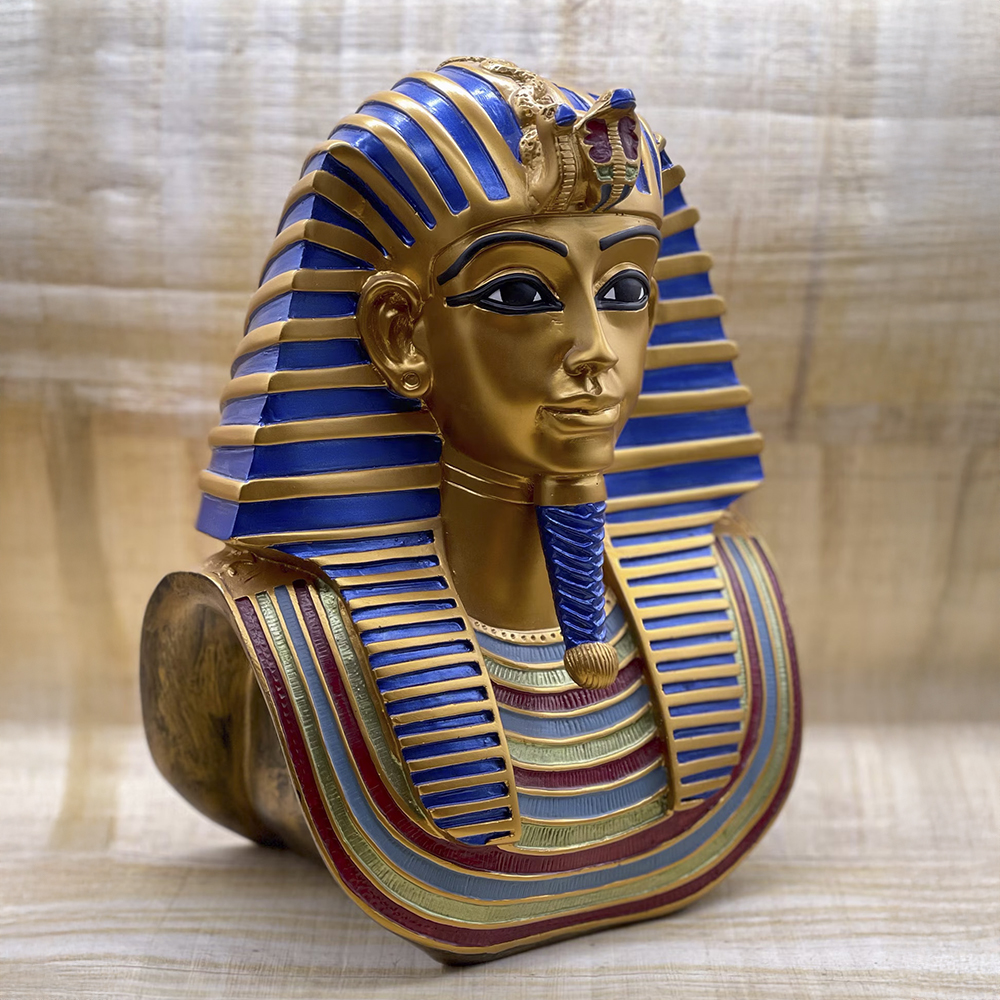
Full front view of Pharaoh Bust Sculpture

1. Introduction of Pharaoh Bust Sculpture Tutankhamun (c. 1341–1323 BC) was a young pharaoh of the 18th Dynasty of ancient Egypt. He is renowned for the nearly complete excavation of his tomb in 1922. Although his reign was brief and his achievements limited, the burial objects found in his tomb, particularly the golden mask and […]

View More...
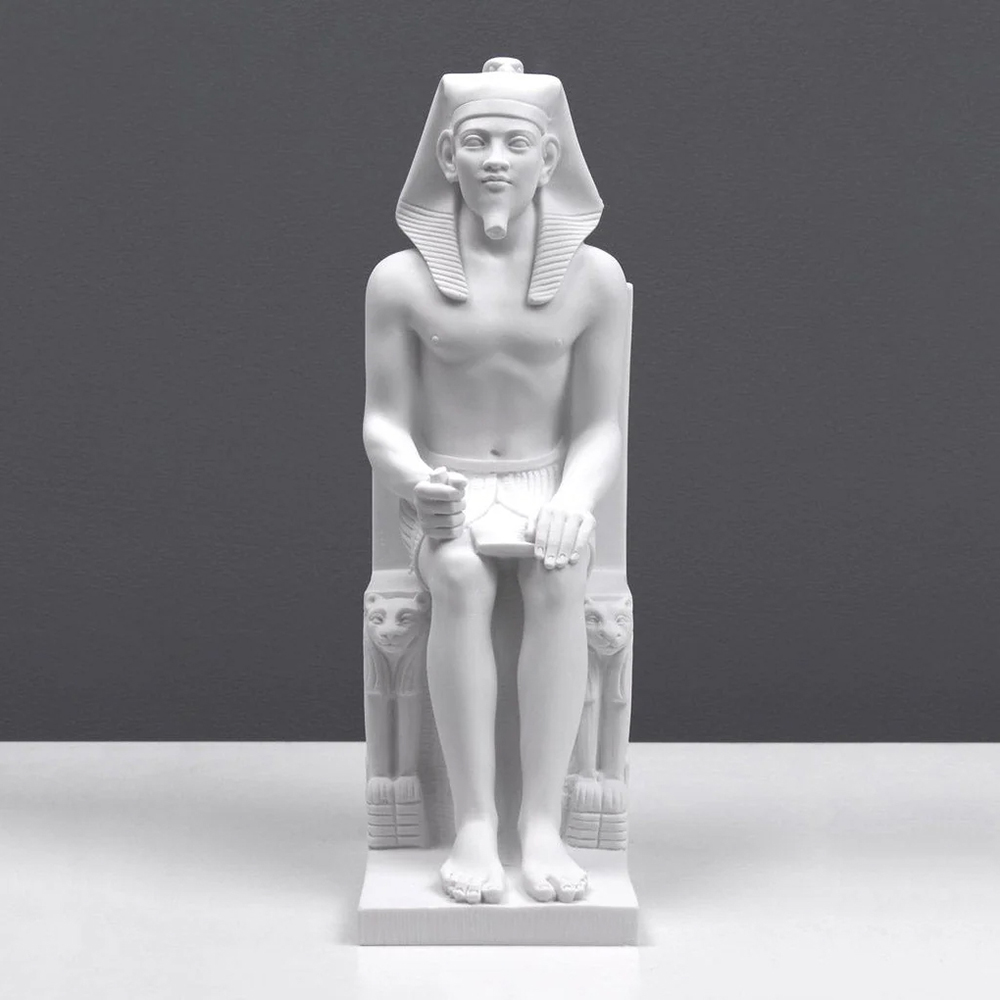
Pharaoh Khafre marble Statue sitting on decorated chair

1. Introduction of Pharaoh Khafre Statue Khafre was a pharaoh of the Fourth Dynasty of Ancient Egypt, reigning from approximately 2558 to 2532 BC. He was the son of the renowned Khufu and the ruler who built the second pyramid of Giza. Khafre’s reign is considered a glorious continuation of Ancient Egypt’s “Pyramid Age.” He […]

View More...
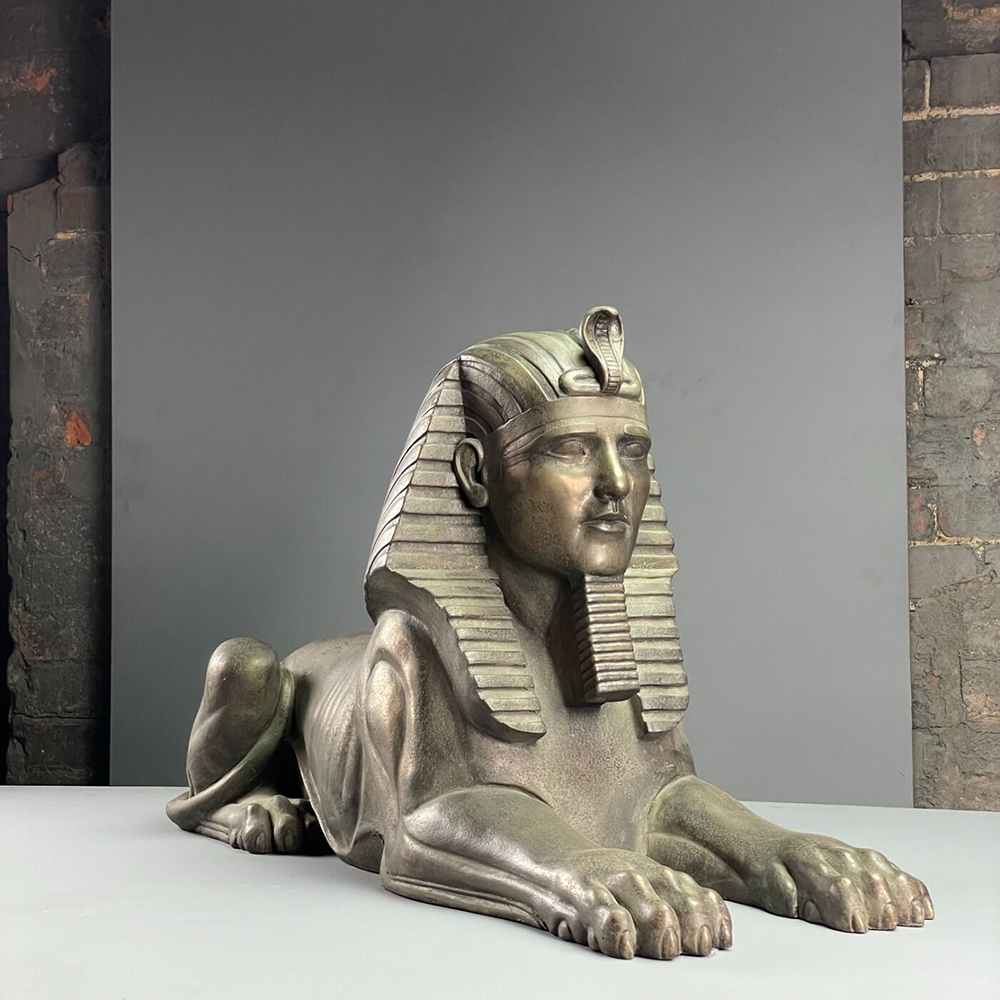
Bronze Sphinx Statue showing muscular lion body

1. Introduction of Bronze Sphinx Statue The sphinx is one of ancient Egypt’s most iconic sculptural figures, combining the power of a lion with the wisdom of a human. It symbolizes royal power, protection, and divine majesty. The most famous example is the Great Sphinx of Giza, which sits majestically beside the pyramids, guarding the […]

View More...
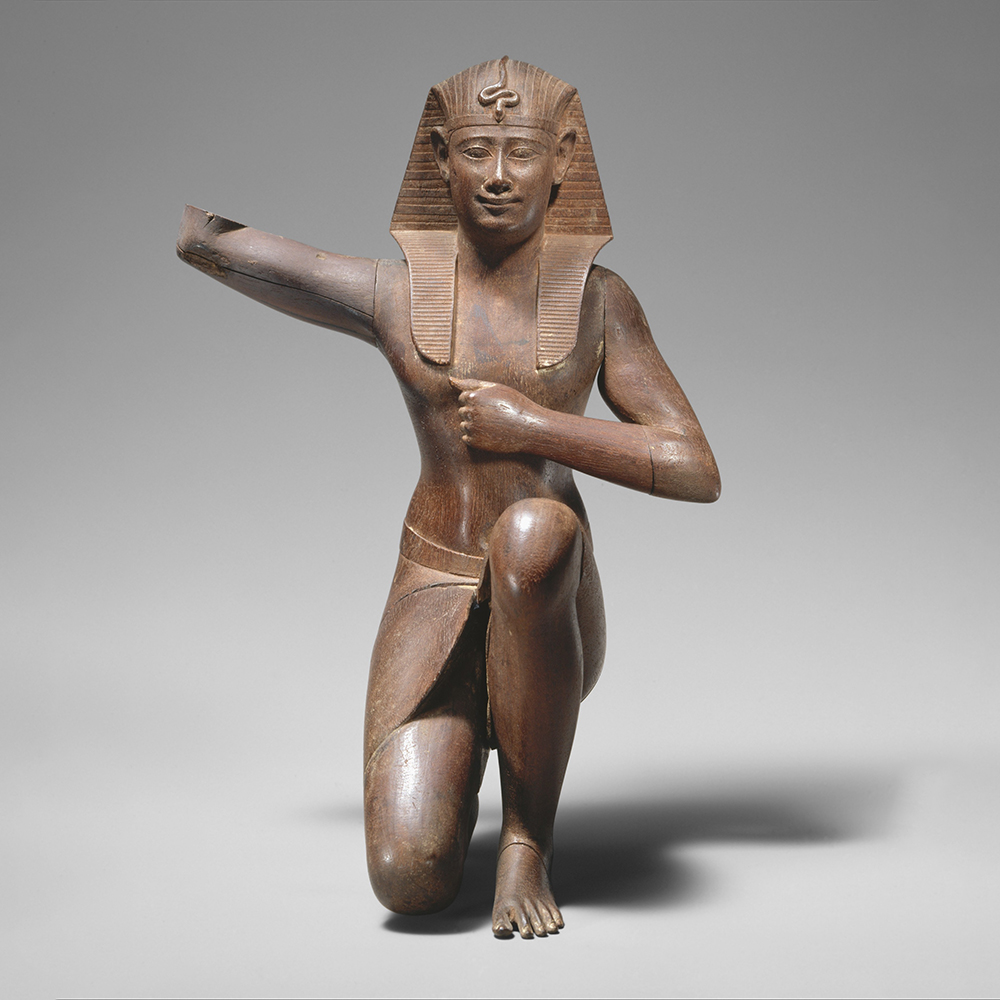
Egyptian King Statue with Nemes headdress and Uraeus

1. Introduction of Egyptian King Statue This statuette, “An Ancestral King,” dates from the Late to Early Ptolemaic period (390–246 BCE), dating to the 30th Dynasty or later. This period marked the end of indigenous Egyptian rule, but religious traditions and ancestor worship persisted. The term “Ancestral King” was not a specific pharaoh, but rather […]

View More...

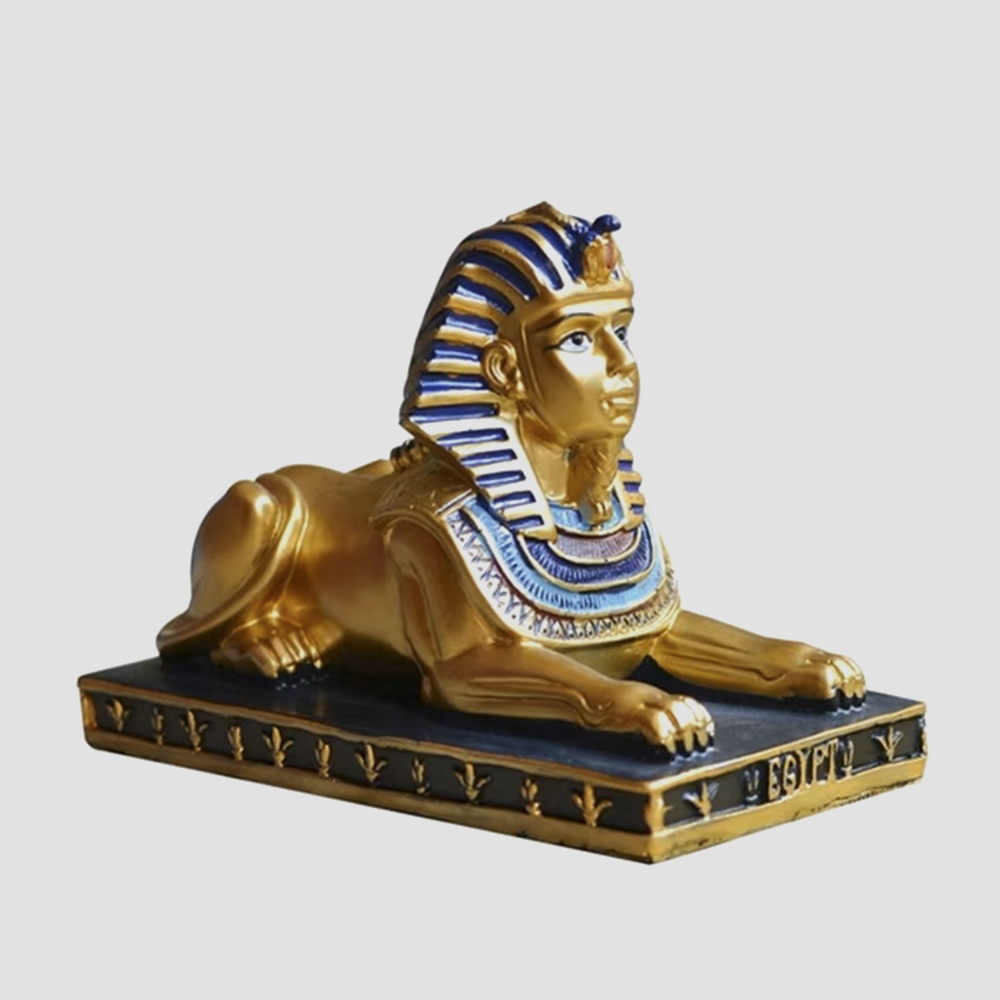
1. Introduction of Sphinx Figurine The Egyptian sphinx, originating during the Old Kingdom, is one of the most iconic symbols of ancient Egyptian civilization. Typically depicted with a lion’s body and a human head, it embodies the power of the lion and the wisdom of the pharaoh, symbolizing royal power, protection, and the blessing of […]

View More...
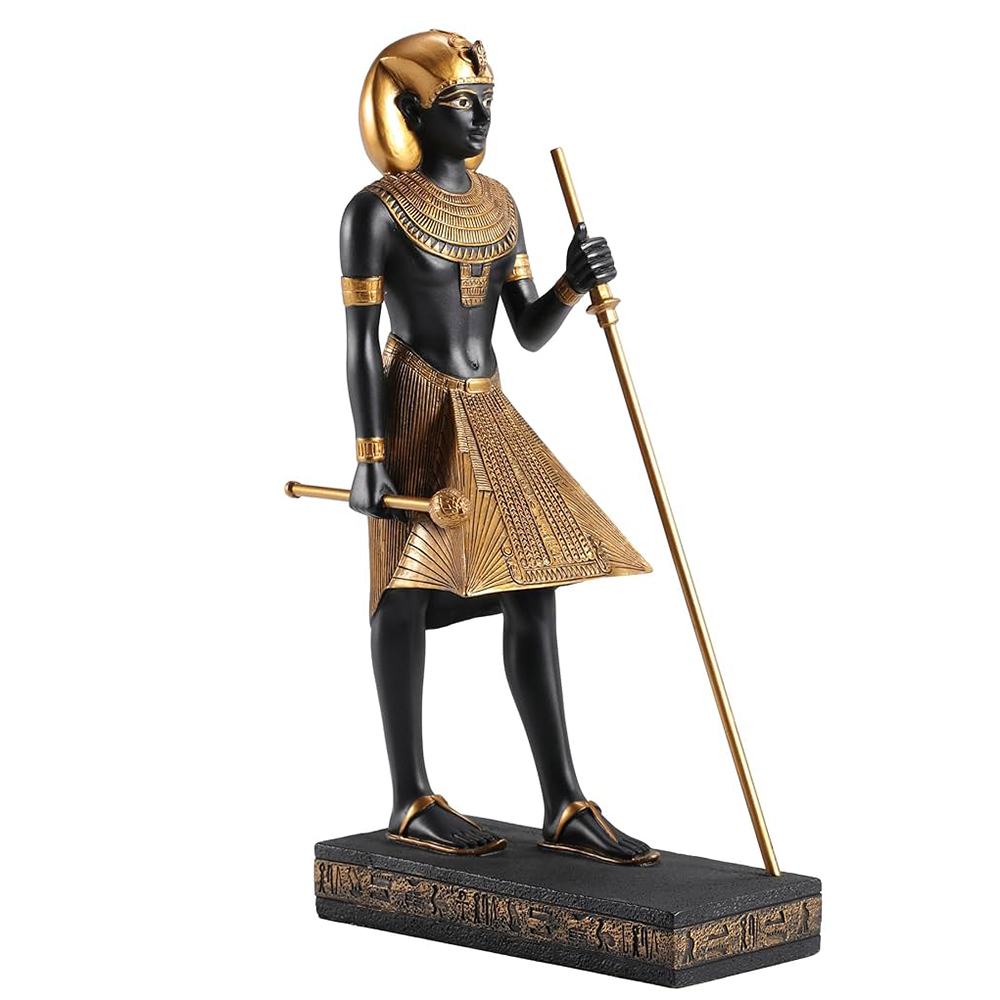
King Tut Guardian Statue holding staff and scepter

1. Introduction of King Tut Guardian Statue King Tutankhamun is one of the most celebrated pharaohs of the New Kingdom of Ancient Egypt, renowned for the wealth of exquisite funerary objects found in his tomb. Although his reign was brief, his image as a “young pharaoh” symbolized rebirth, protection, and divine power. In ancient Egyptian […]

View More...
King Tut Head fiberglass Statue

1. Introduction of King Tut Head Statue Tutankhamun (King Tut) was a teenage pharaoh of the 18th Dynasty of ancient Egypt. He ascended the throne at approximately nine years old and died young at nineteen. Although his reign was brief, he gained international fame thanks to the nearly complete discovery of his tomb in 1922. […]

View More...
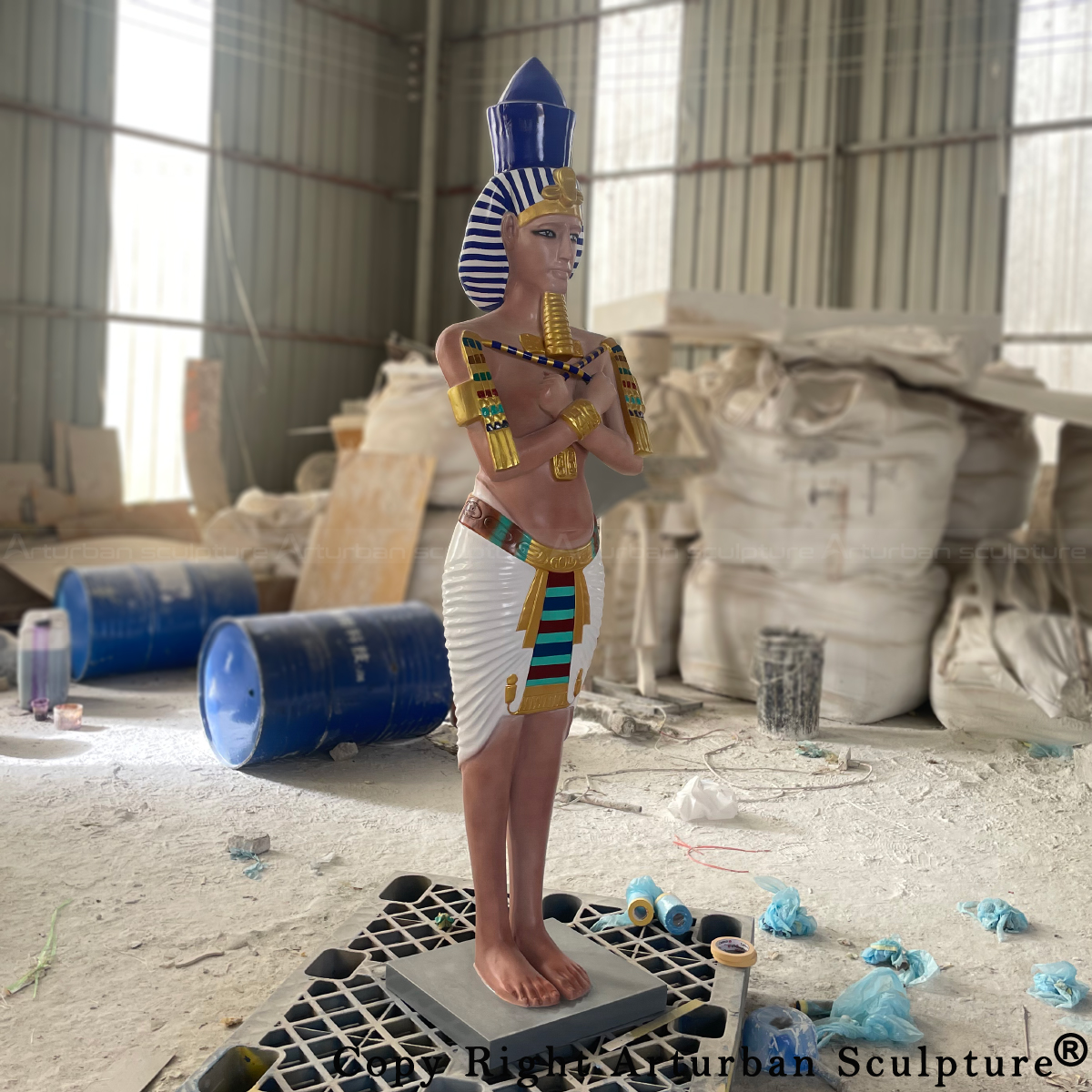
life size fiberglass pharaoh sculpture holding two flails across the chest

This sculpture restores the typical image of the ancient Egyptian pharaoh, and shows the ancient Egyptians’ understanding of power, identity and order through details such as headdress, false beard and whip. The Pharaoh Sculpture helps the audience to intuitively understand the ruling symbols and clothing characteristics of ancient Egypt, and is suitable for historical and […]

View More...
  • 1
  • 2