
Does your yard always feel like something is missing?
You might have meticulously trimmed your lawn, planted your favorite flowers and shrubs, and even laid out neat pathways. However, every time you step into your yard, you still feel something is missing—a finishing touch. It’s like a painting with colors but lacking a focal point—beautiful, but incomplete. In fact, this “missing element” often isn’t about the lack of plants or furniture, but rather the absence of a visual focal point that draws the eye and evokes emotion. in outdoor design, a carefully selected Deer Statue for Yard can instantly break the monotony and make your yard more story-telling and artistic. For example, whether it’s a majestic stag welcoming guests at the entrance or a graceful doe quietly grazing in a corner of the garden, it infuses the space with nature and vitality.
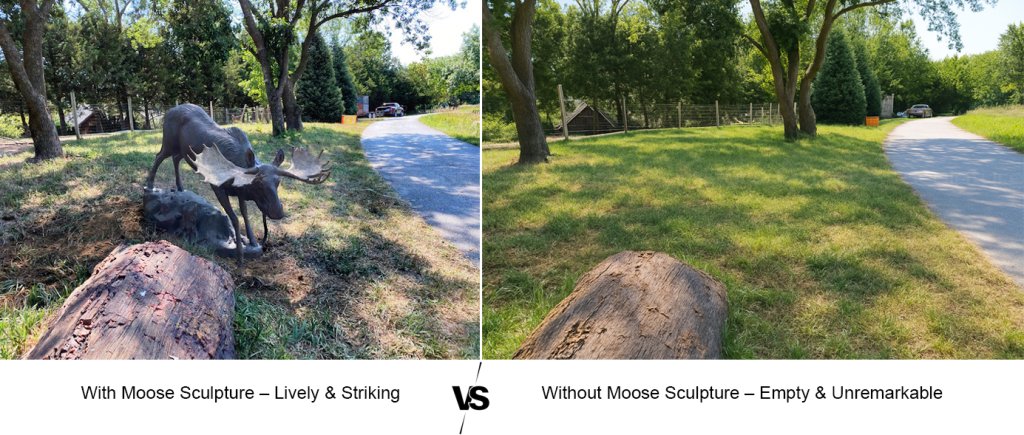
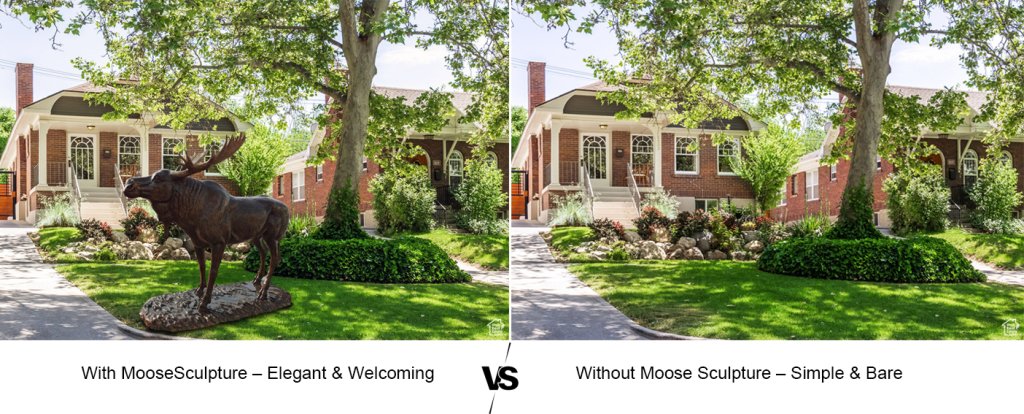
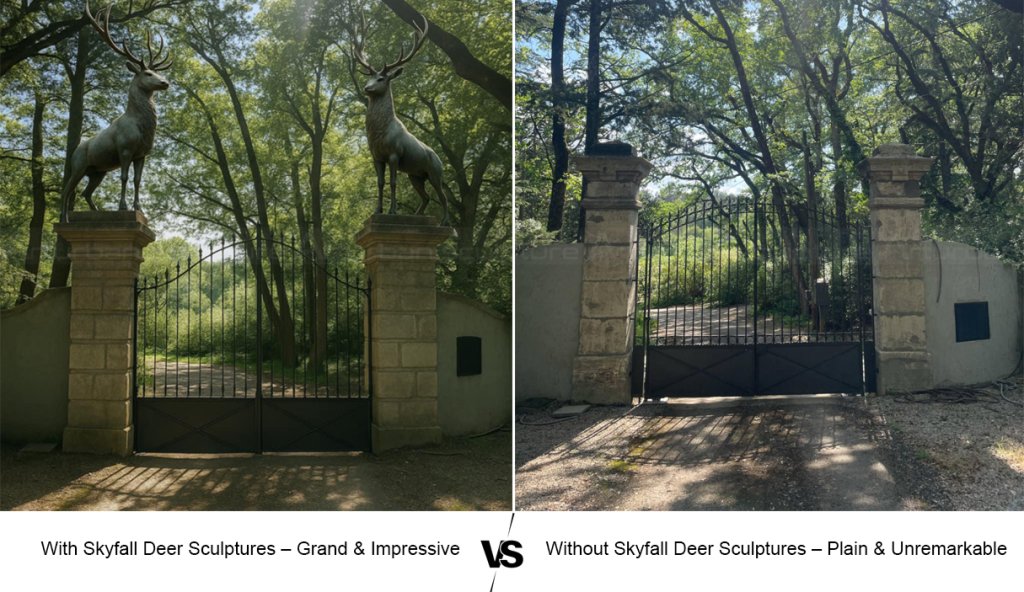
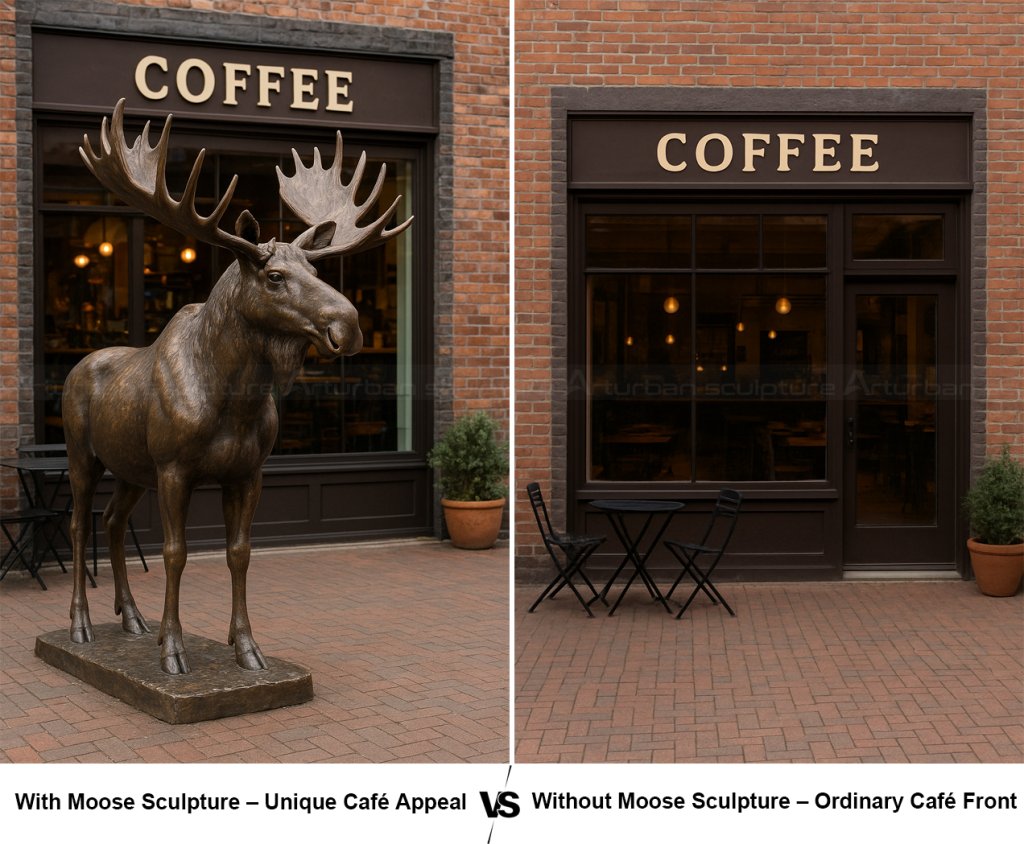
Next, we’ll show you several before-and-after photos of yards, some with and some without a deer statue, to visually demonstrate the difference it makes to the space and atmosphere.
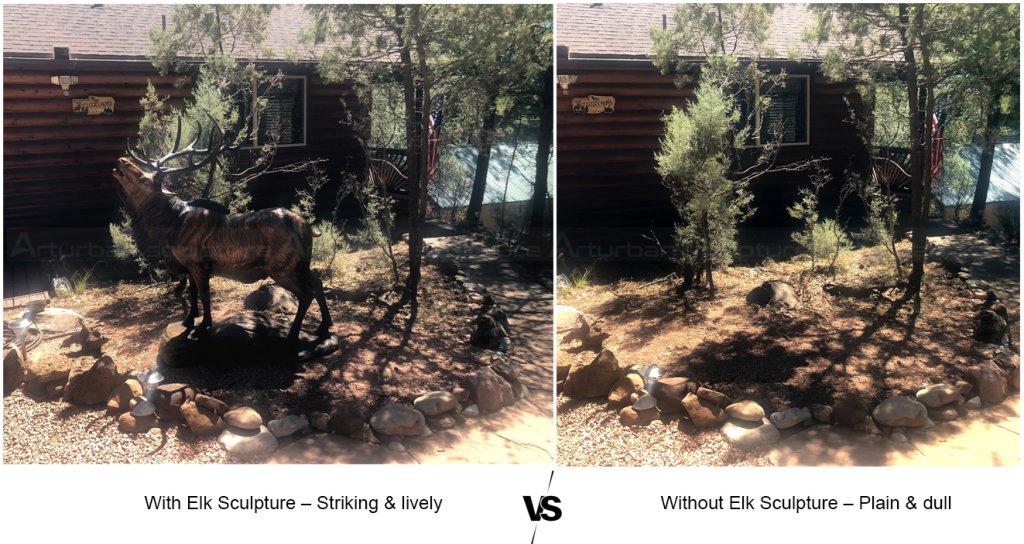
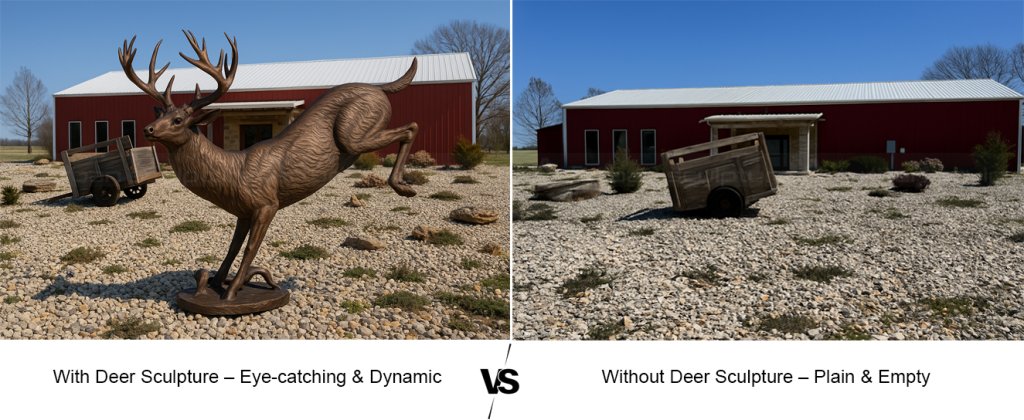
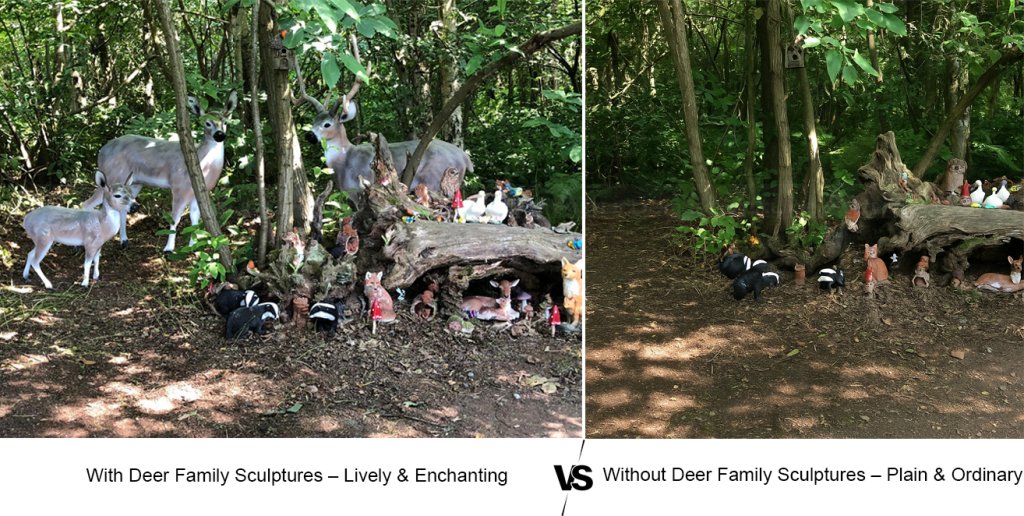
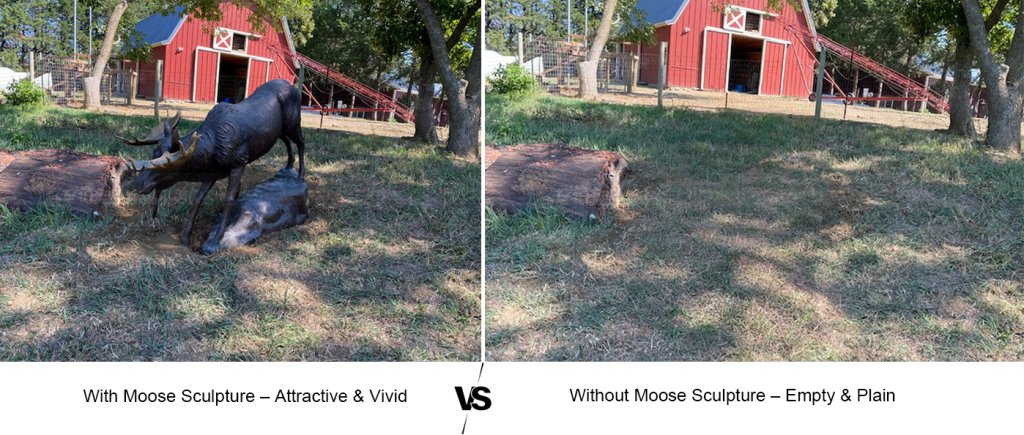
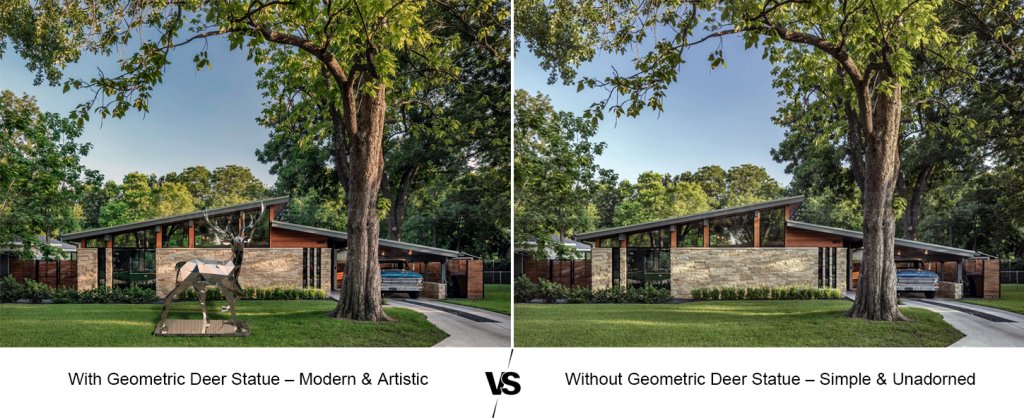
Why do people place deer statues in their yards? Are they just decorative, or is there more to it?
In the United States, especially in places like New Jersey where natural landscapes are abundant, many families enjoy displaying deer statues in their yards. Moreover, these Deer Statues are more than just decorative; they also carry deeper meaning and emotion.
Connection with Nature
Deer are symbols of forests and grasslands, representing the wildness and tranquility of nature. In urban life, many people yearn for a connection with nature, and deer statues have become a way for people to experience the spirit of nature in their own yards.
Symbolism of Tradition and Culture
In some cultures, deer are seen as symbols of good luck, prosperity, and protection. For example, in Chinese culture, the word “deer” is homophonic with “lu” (official position), symbolizing a successful career. In the West, deer are often associated with Christmas legends, symbolizing festive joy and blessings.
Pursuit of Art and Aesthetics with a Deer Statue for Yard
Deer Statues come in a variety of designs, ranging from realistic to abstract, from simple to complex, catering to the aesthetic needs of every family. They can serve as focal points in a yard, adding a sense of depth and artistic flair.
Expressing Personal Emotions
Some may have seen a beautiful deer statue while traveling and been deeply impressed. Others may have had a close encounter with a deer at a special moment, forming an emotional connection. Placing a deer statue in the yard is a way to cherish fond memories and express their love for nature.
How do you choose the right Deer Statue for Yard—realistic, minimalist, or abstract—to match your design?
When choosing a Deer Statue for your Yard, consider not only its aesthetic appearance but also its harmony with the overall environment, creating a unified visual and emotional atmosphere. You can consider three aspects: the deer breed, the sculpture’s style, and the material used.
Choose the Deer Species
Different deer breeds have distinct physiques, temperaments, and antler forms, which directly impact the sculpture’s impression.
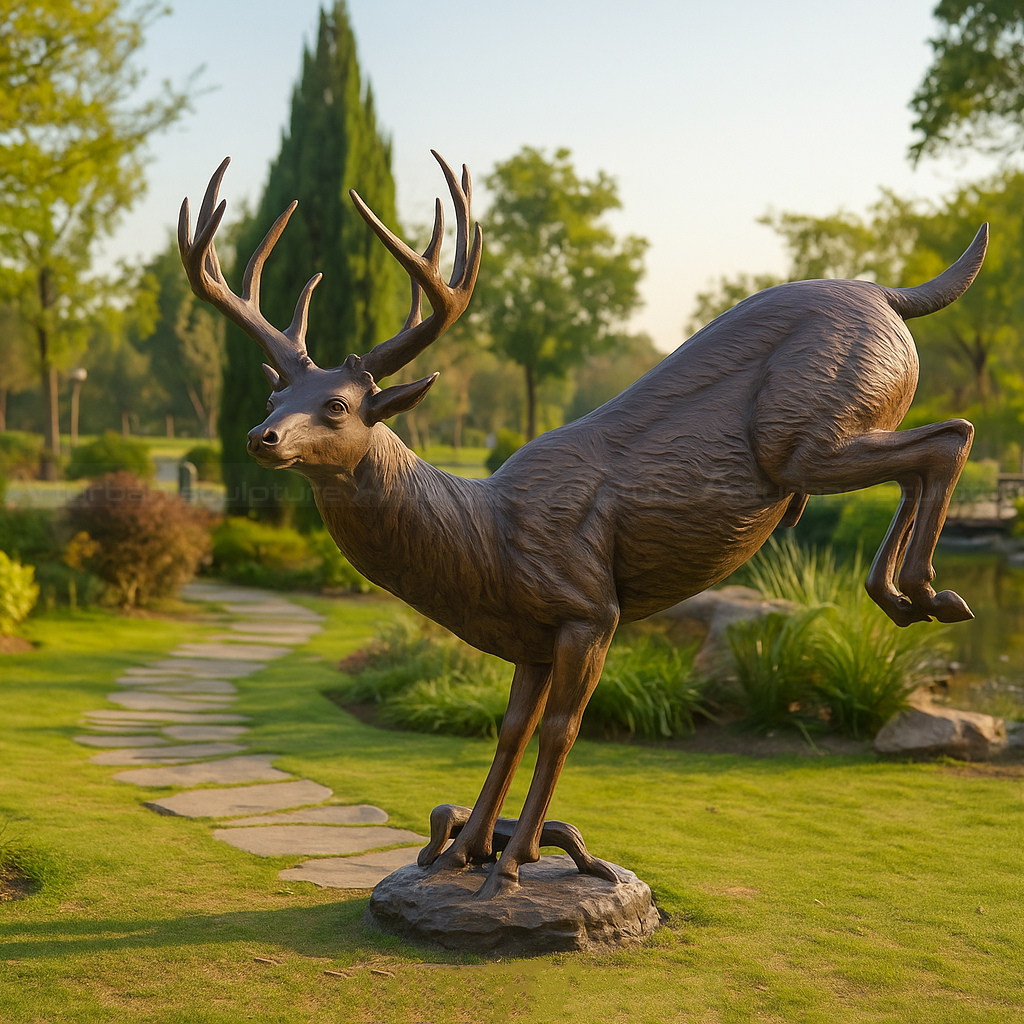
White-tailed Deer
With its elegant form and graceful demeanor, it’s well-suited for a warm, natural-themed yard. It’s suitable for warm and natural settings, forest trails, or courtyard gardens.
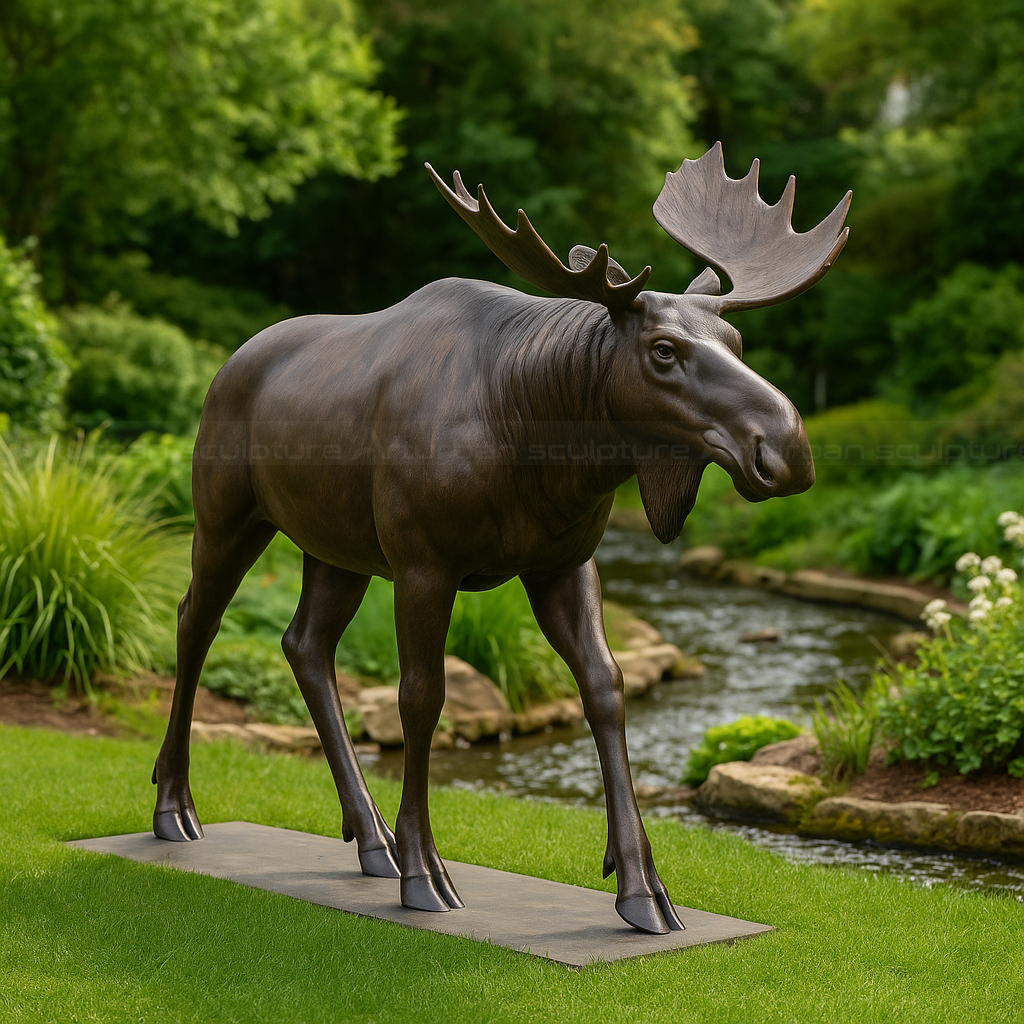
Moose
With its tall stature and broad antlers, it exudes an imposing presence, making it ideal for rustic, wilderness, or woodland-style yards, creating a more striking visual impact.
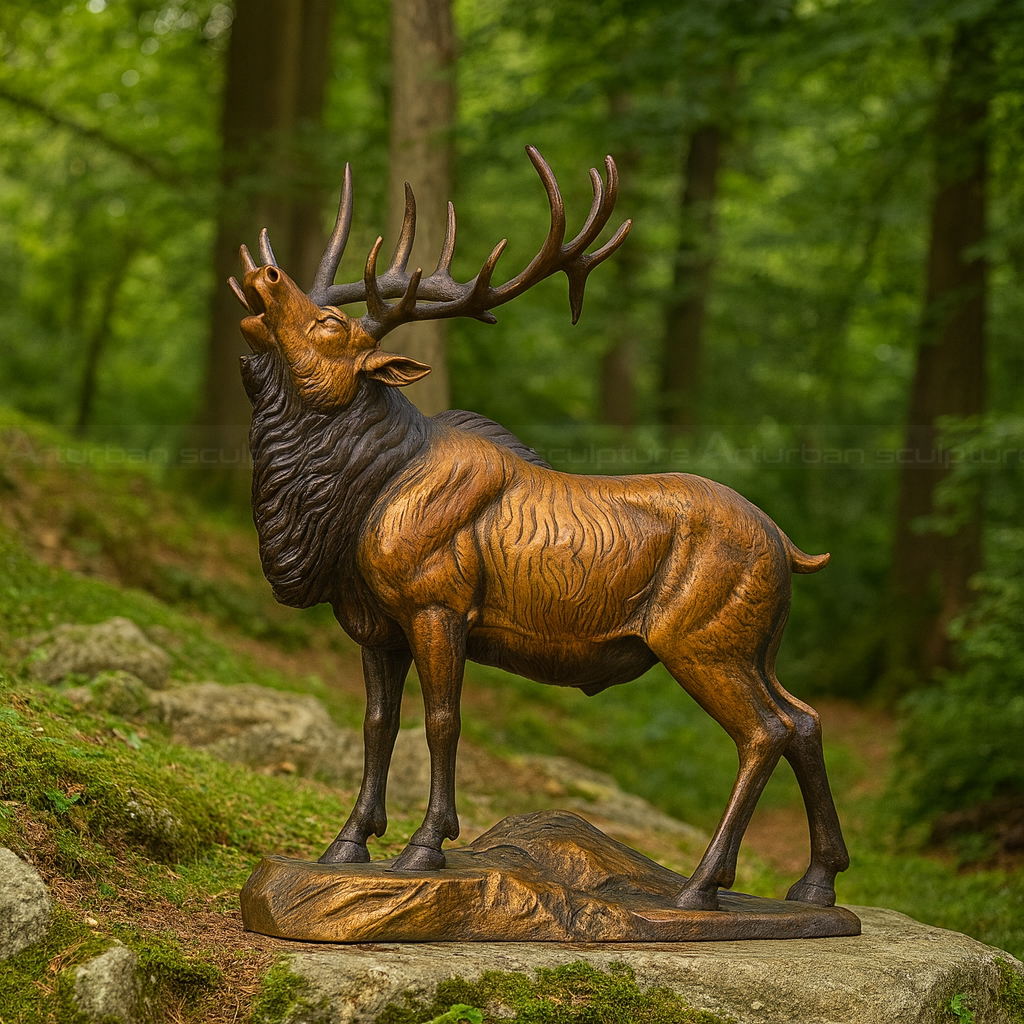
Elk
With its slender body and multi-branched, curved antlers, it strikes a balance between elegance and strength. It symbolizes wildness and freedom, making it ideal for spacious lawns or gardens with natural landscapes. It pairs particularly well with mountain or forest edge settings to create a rich North American wilderness atmosphere.
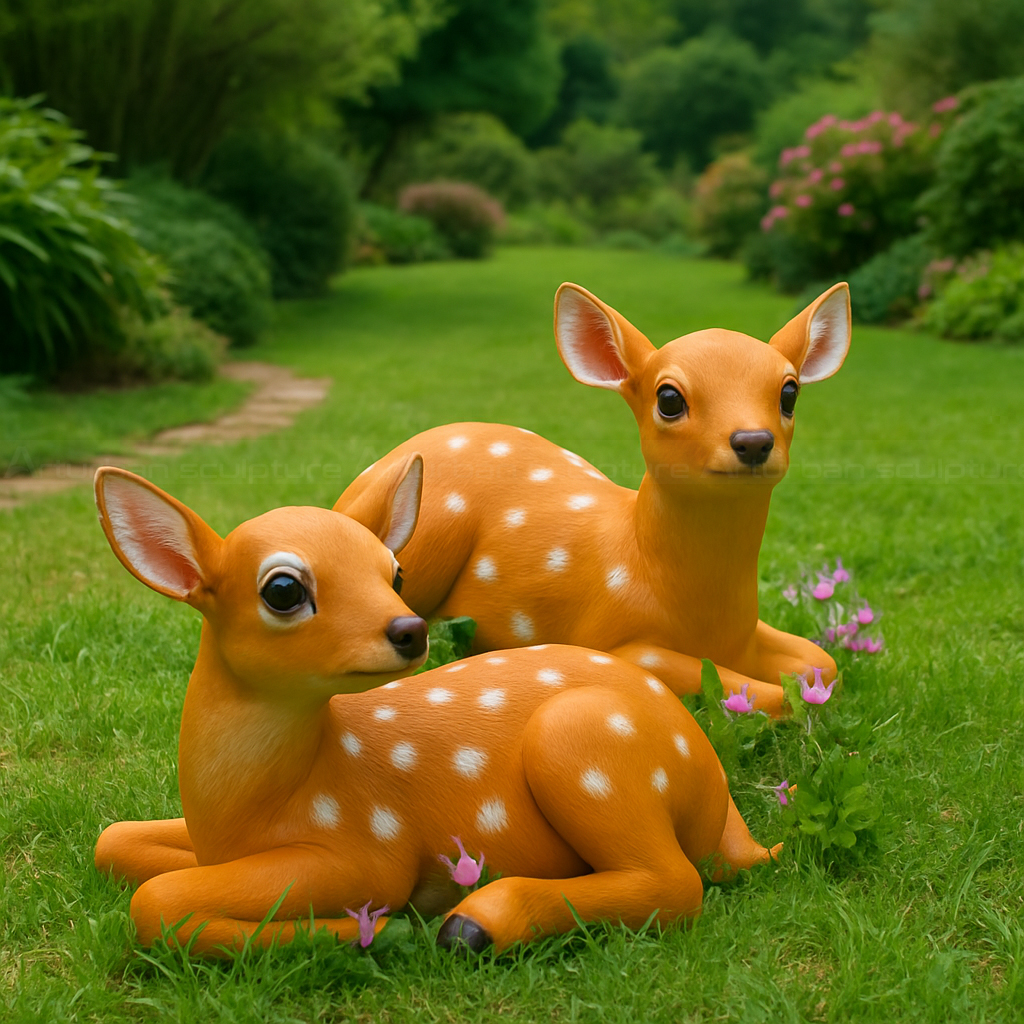
Sika Deer
The distinctive spotted pattern on its body creates a lively and refreshing feel, making it particularly well-suited to gardens with Japanese or Chinese garden elements.
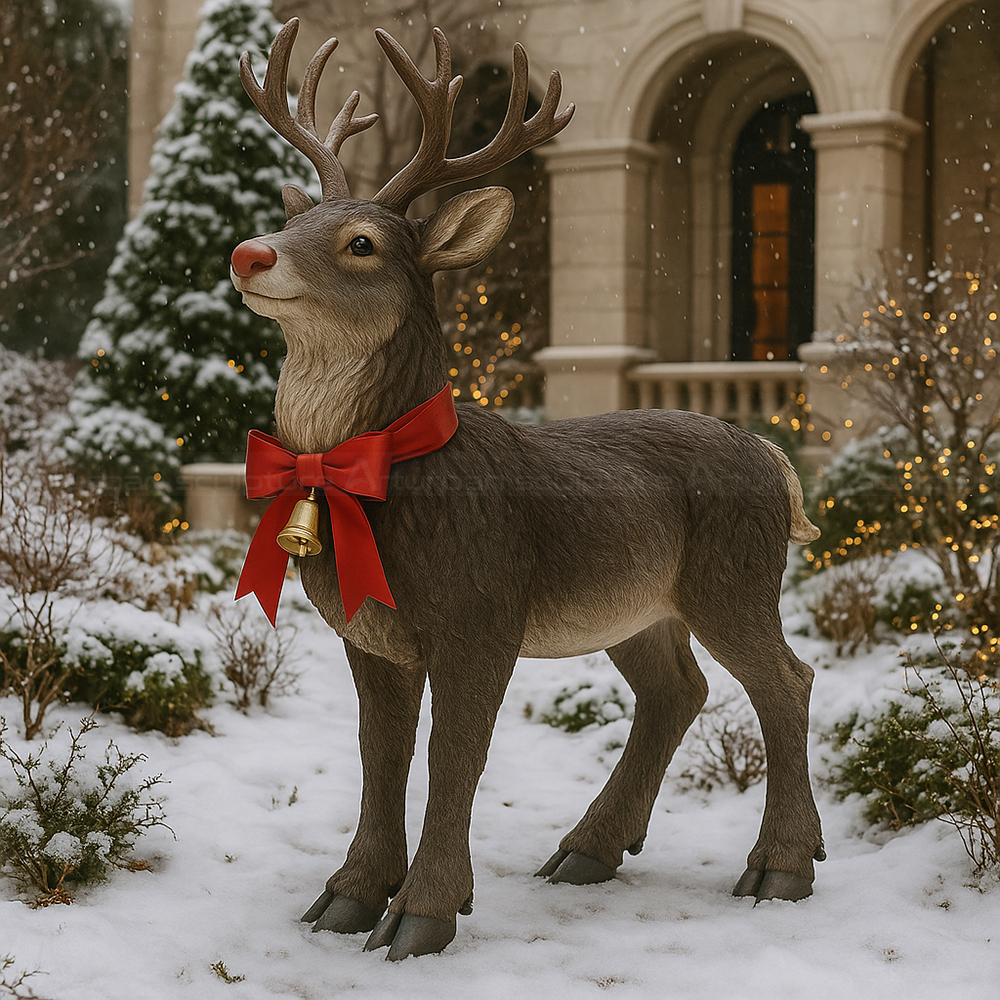
Reindeer
Exuding a Nordic and festive atmosphere, it is suitable for winter-themed or festive gardens.
Choosing the Sculpture Style
The design of a Deer Statue for Yard directly influences the atmosphere of the garden.
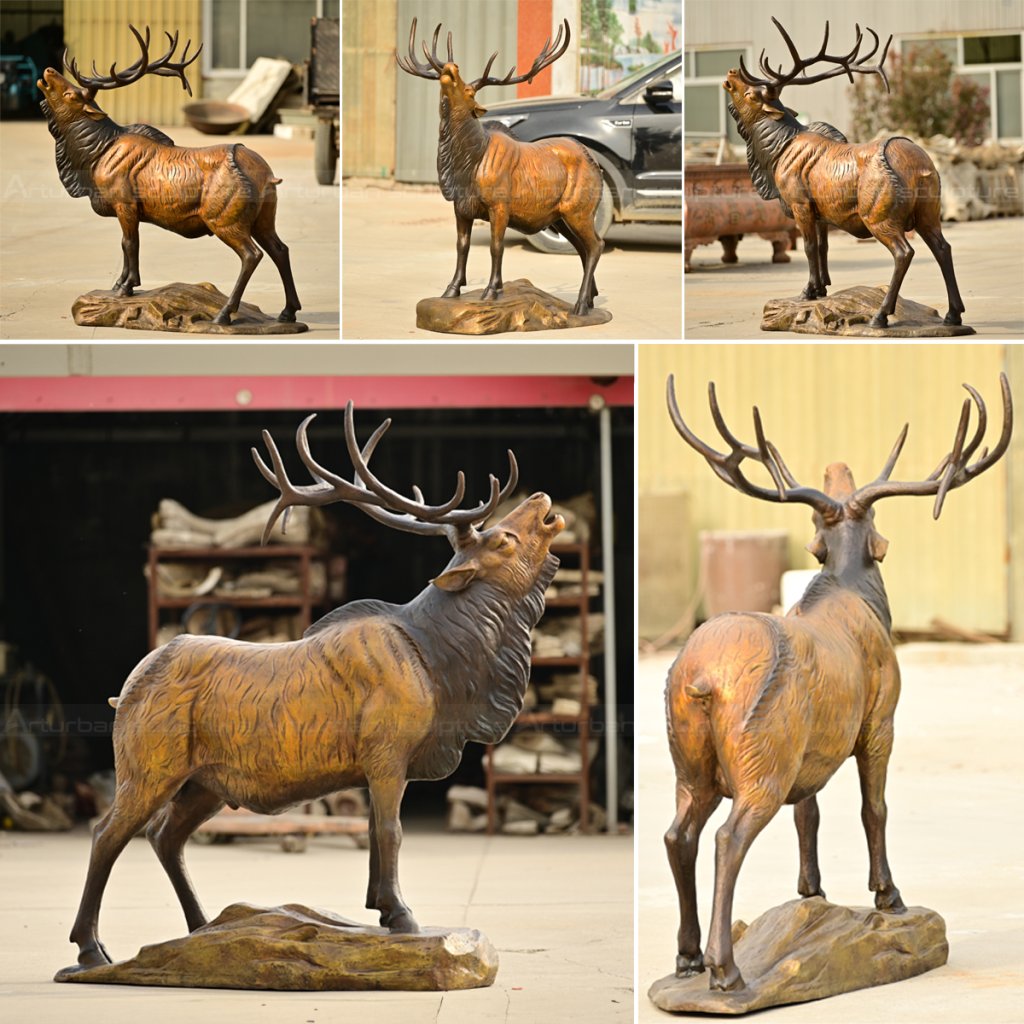
Realistic Deer Statue Style
Highly reproducing the deer’s true proportions, fur texture, and movements, it blends naturally into the garden landscape, creating the illusion of a real wild deer. This style is suitable for gardens with natural, forest-themed, or rustic themes.
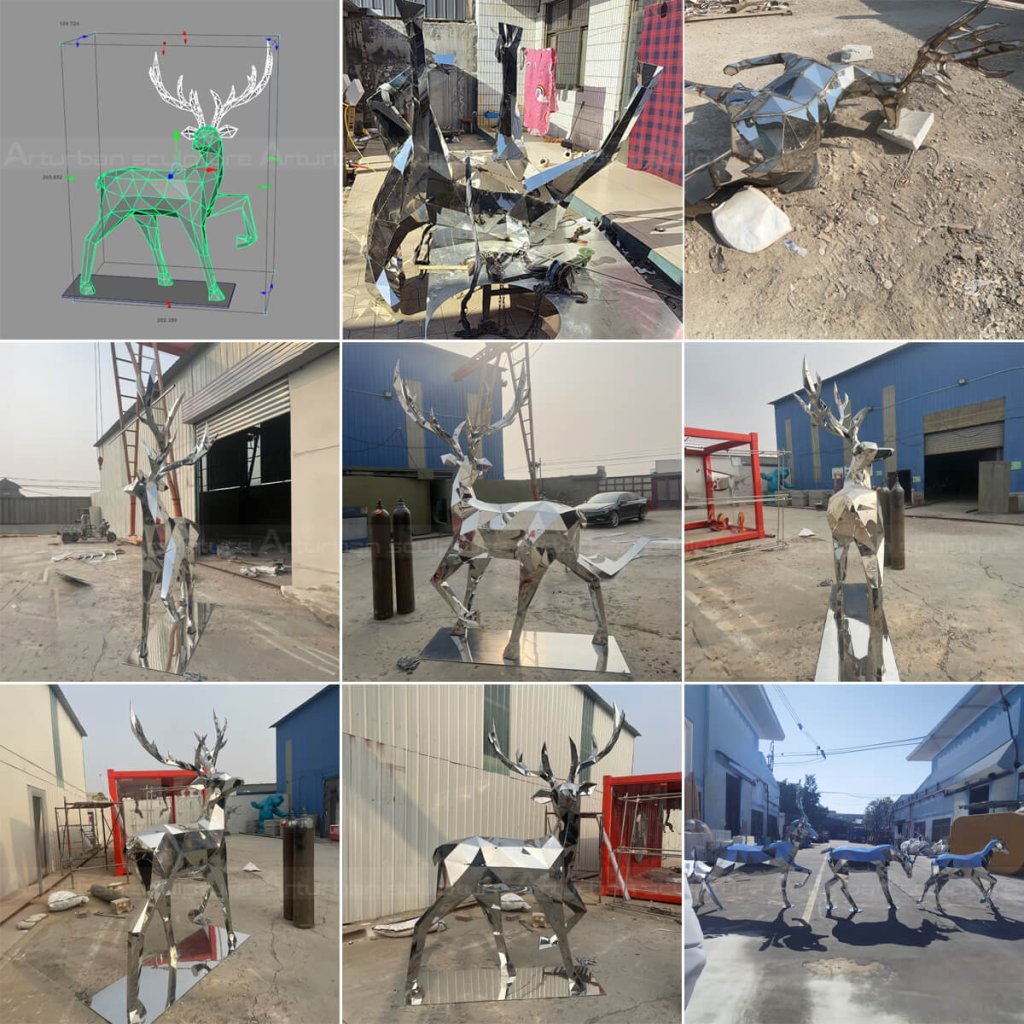
Minimalist Deer Statue Design
Using clean lines and geometric shapes to depict the deer’s posture without overwhelming the subject. This style is particularly suitable for gardens with a modern, minimalist, or contemporary aesthetic.
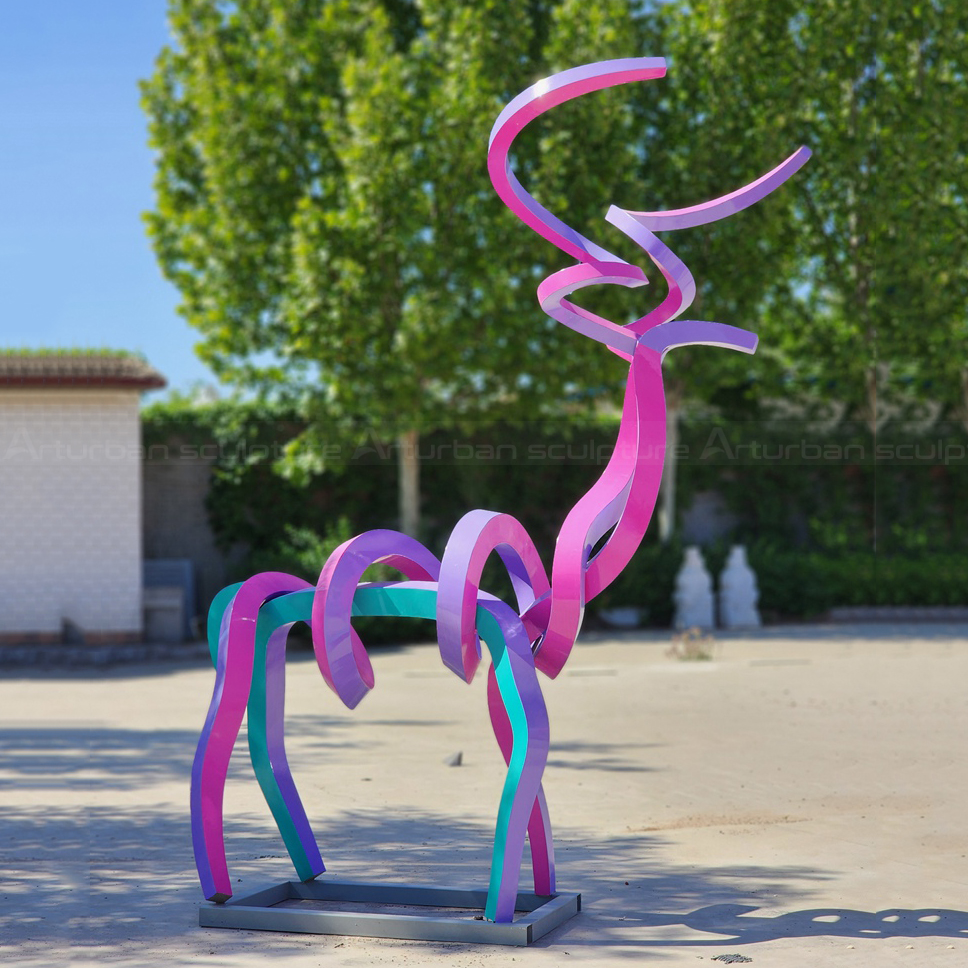
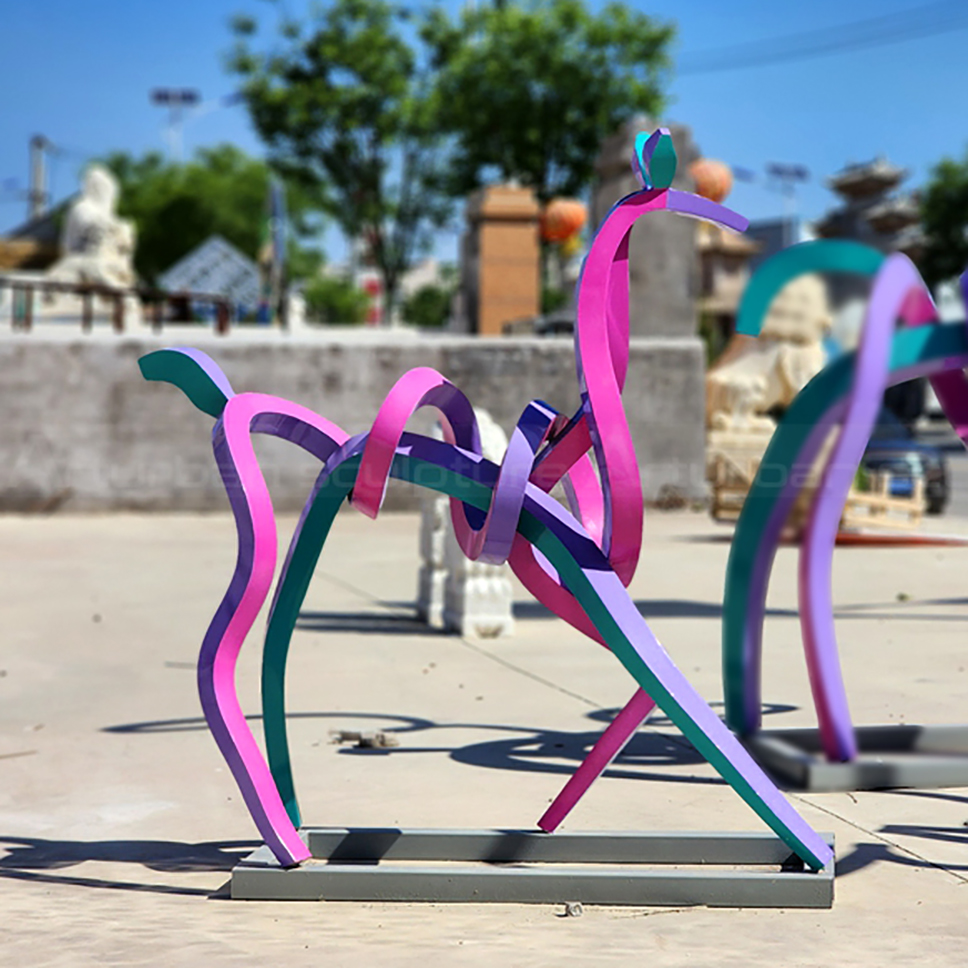
Abstract Deer Sculpture Style
Breaking conventional proportions, using exaggerated shapes or deconstructed designs creates a unique artistic experience. Suitable for personalized, artistic courtyards with sculpture as the visual centerpiece.
Material Selection for Deer Statue for Yard
The material of a Deer Statue for Yard not only affects the visual effect but also its durability and maintenance.
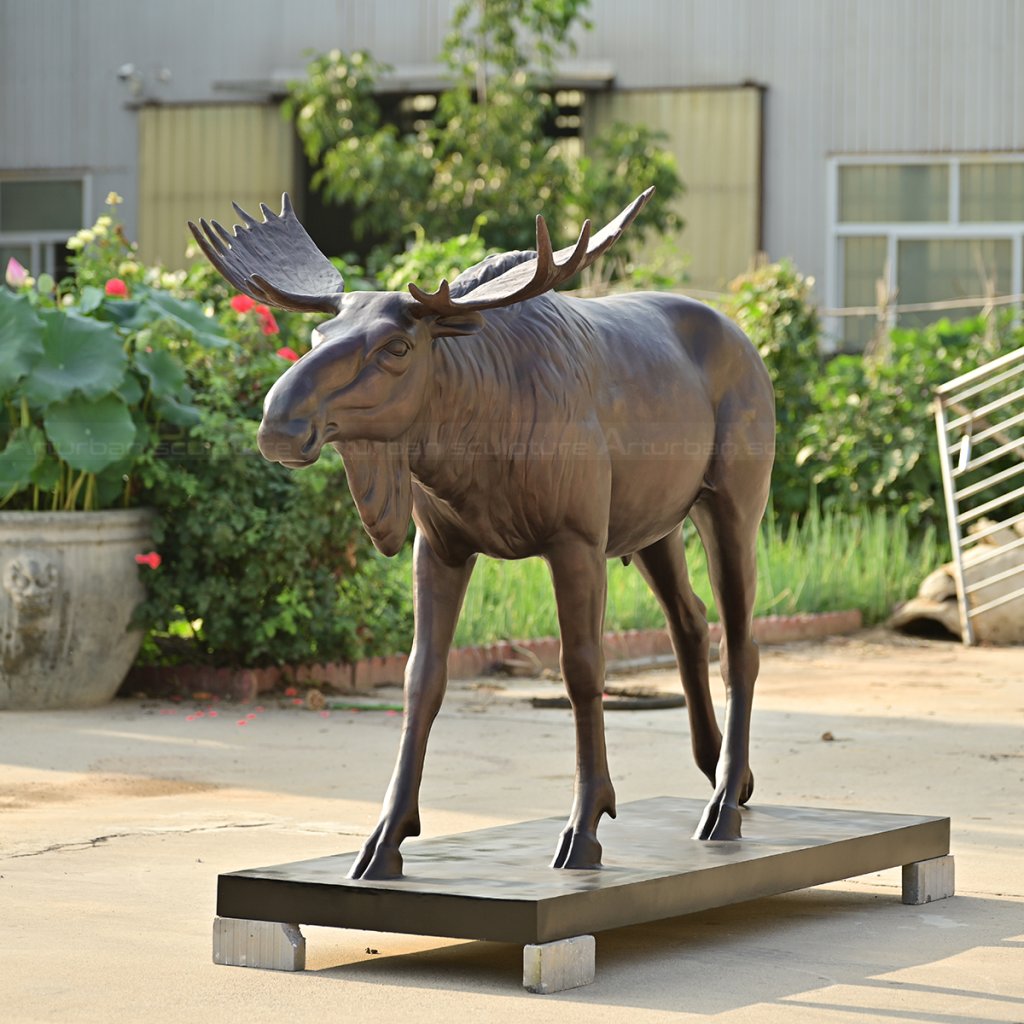
Bronze Deer Statue
Its rich texture is durable and will develop a rustic patina over time, adding a sense of history and artistic flair. Suitable for retro, European, or traditional style courtyards.
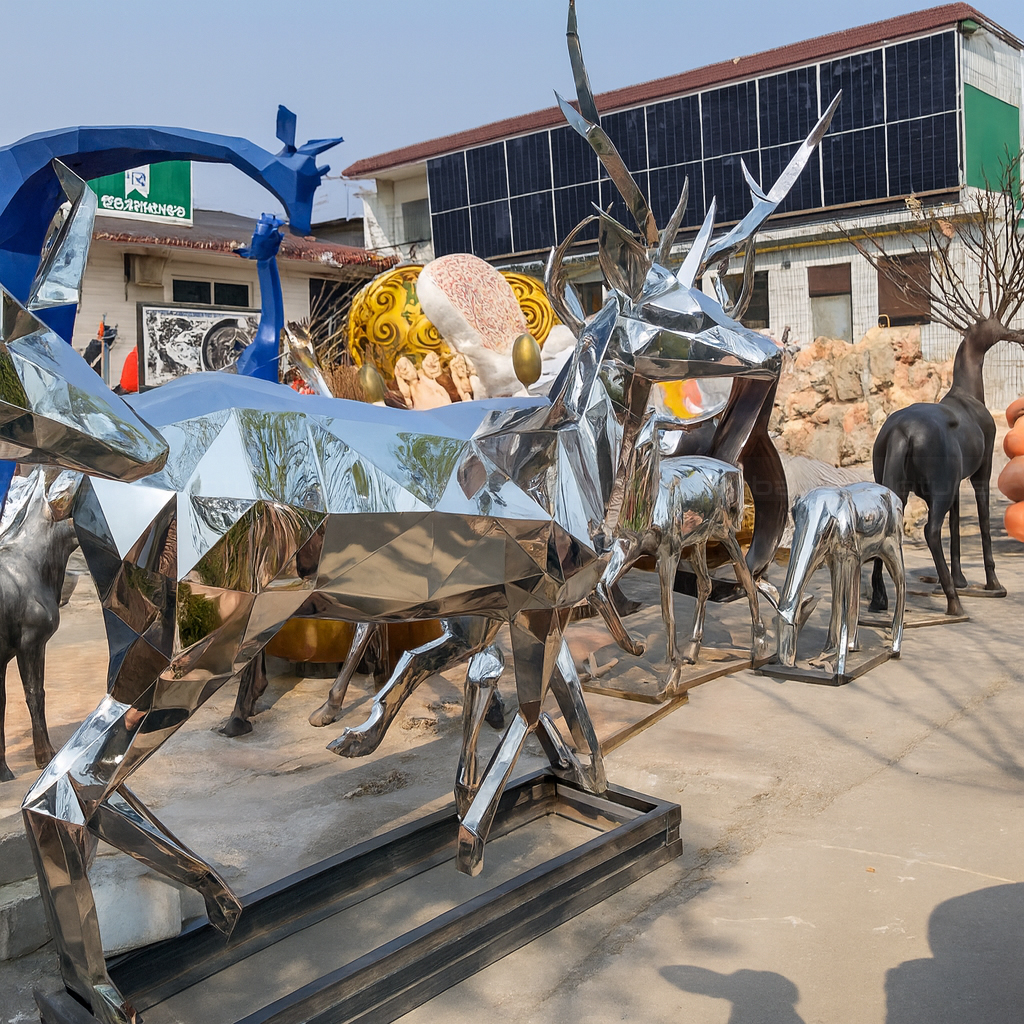
Stainless Steel Deer Sculpture
Its high gloss, corrosion resistance, and modern aesthetic are particularly well-suited for modern, minimalist, or industrial style courtyards. Available in mirrored or brushed finishes.
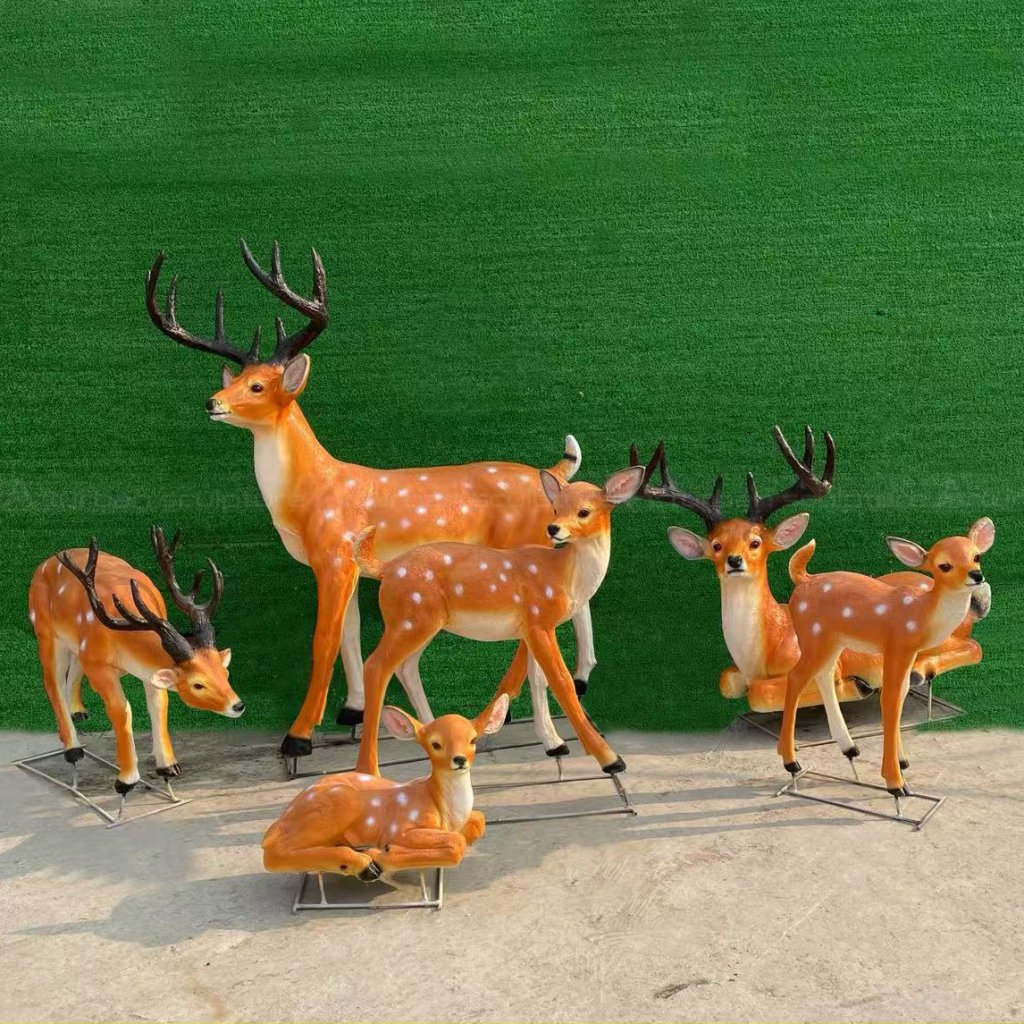
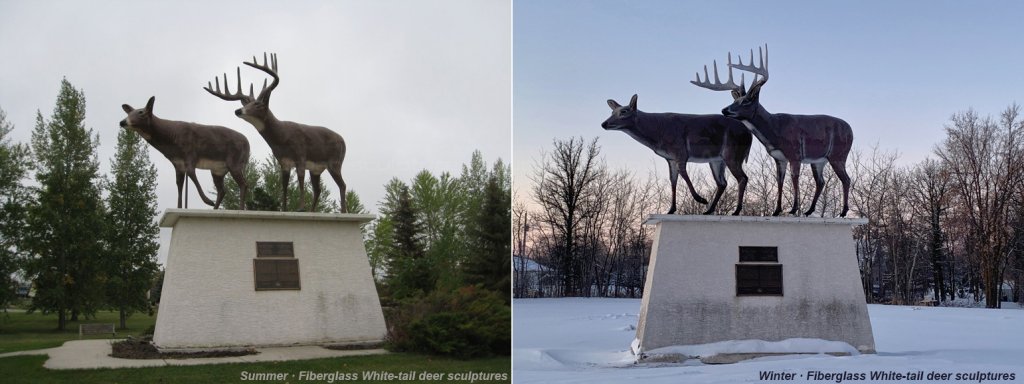
Fiberglass Deer Statue
Its lightweight, highly malleable, and can be painted in a variety of colors, offering a high-quality and cost-effective design. It is ideal for colorful art decorations, festive themes, or temporary outdoor displays.
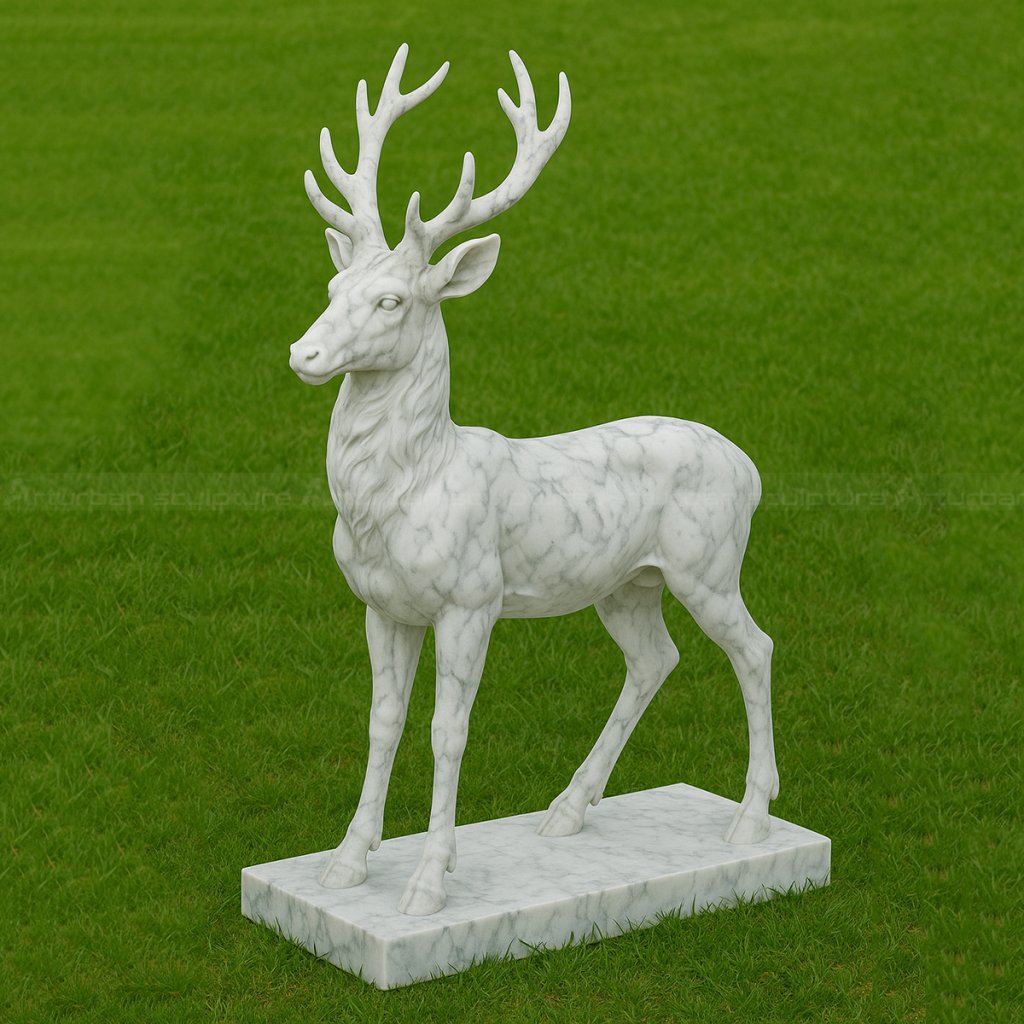
Marble Deer Statue
Its fine texture and unique natural veining create a high-end visual experience with the quality of artistic sculpture. Suitable for European and Chinese gardens, as well as luxurious villa courtyards.
Summary and Recommendations
1. Define the atmosphere of your garden: for example, natural and wild, modern and simple, festive, artistic, etc.
2. Choose a deer species: White-tailed deer are suitable for a warm and natural feel; Elk sculptures are suitable for a spacious lawn; Moose are suitable for the countryside; Sika deer are suitable for a Chinese style; Reindeer are suitable for festive occasions;
3. Choose a style: Realism is the most natural, Minimalist is the most modern, and Abstract is the most artistic;
4. Choose the material: Copper is classic; Stainless steel is modern; Fiberglass is flexible; Marble is high-end.
For example: If you’re pursuing a natural and wild atmosphere, you could choose a realistic bronze white-tailed deer sculpture; if you’re going for a simple and modern feel, you could choose a minimalist stainless steel deer sculpture; and if you’re designing an artistic garden, you could try an abstract marble or stainless steel Deer Statue for Yard.
How Large Should a Deer Statue for Yard Be? Are 4–6 Foot Life-Size Designs Appropriate?
When choosing a deer sculpture, a common question many people ask is, “What size should a deer sculpture be?” In reality, there’s no fixed standard for the size of a Deer Statue for Yard; it depends on factors such as the size of the yard and its placement.
Translate Size into Intuitive Perception
Numbers are often abstract, so we can use everyday reference points to understand:
4 feet: Approximately the height from an adult’s waist to chest.
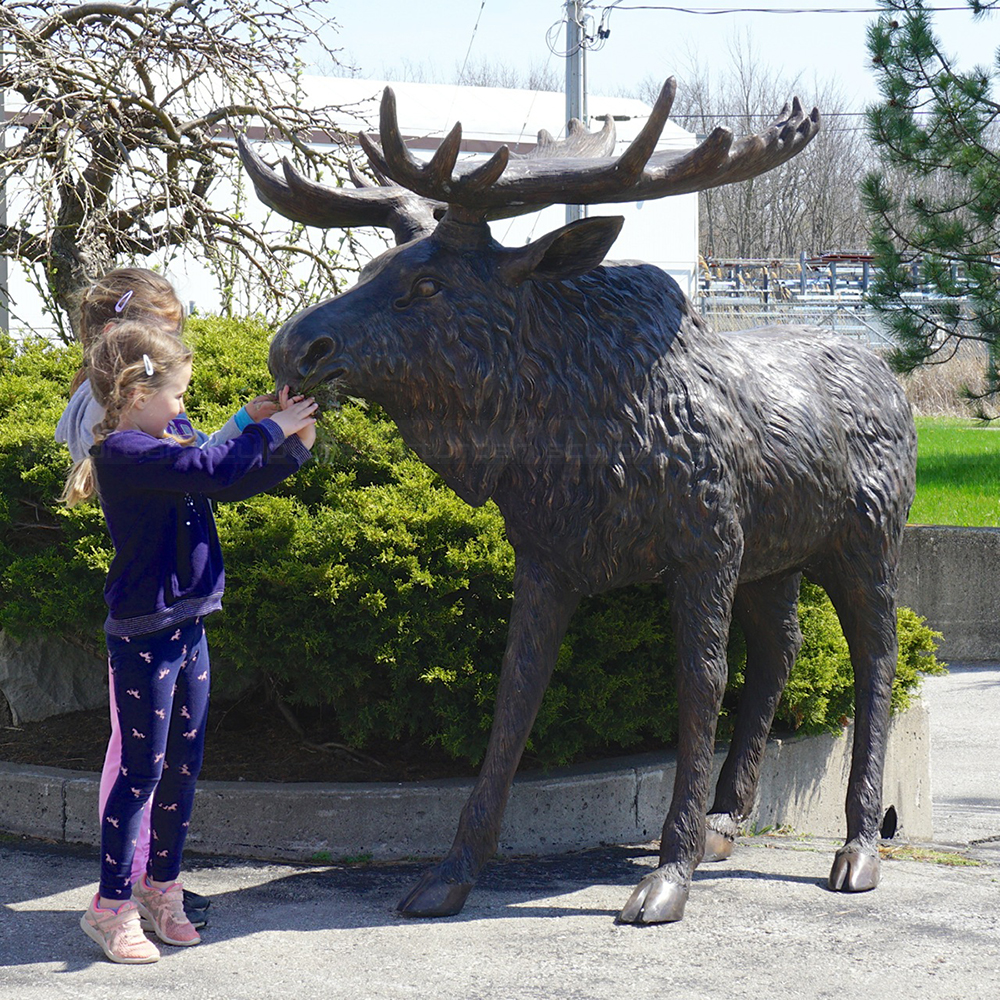
6 feet: Almost equivalent to the height of an adult man.
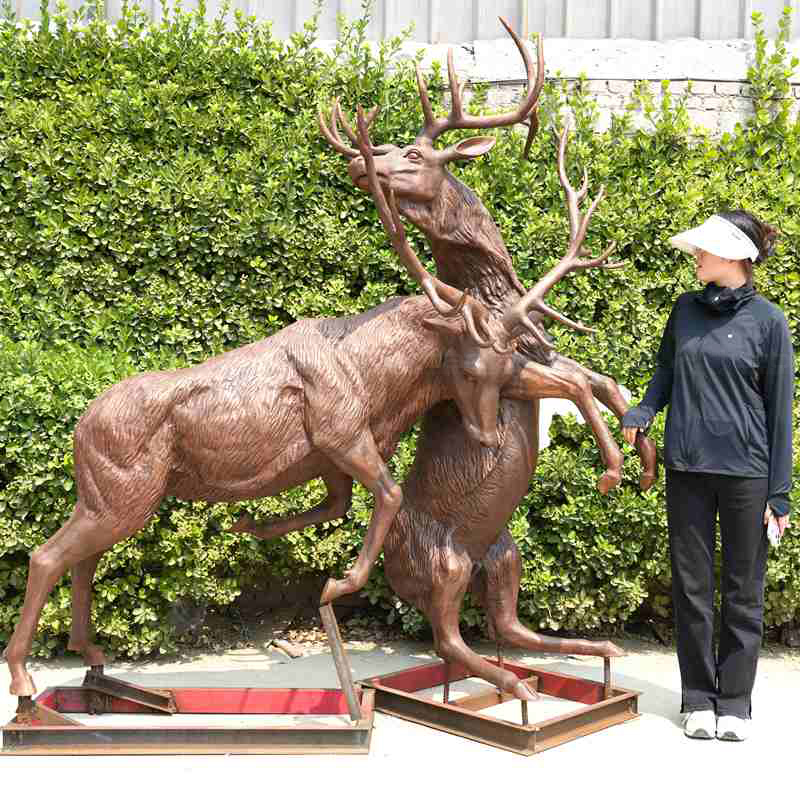
In other words, a 4- to 6-foot deer sculpture will stand out in your yard, resembling a “real deer.”
Different Sizes Suitable for Different Yards
1.Small Yards (approximately 10-20 square meters): If your yard is compact and there’s a flower bed or walkway in front of your house, a 2- to 3-foot Deer Statue for Yard will create a warm and lively atmosphere without appearing too crowded.
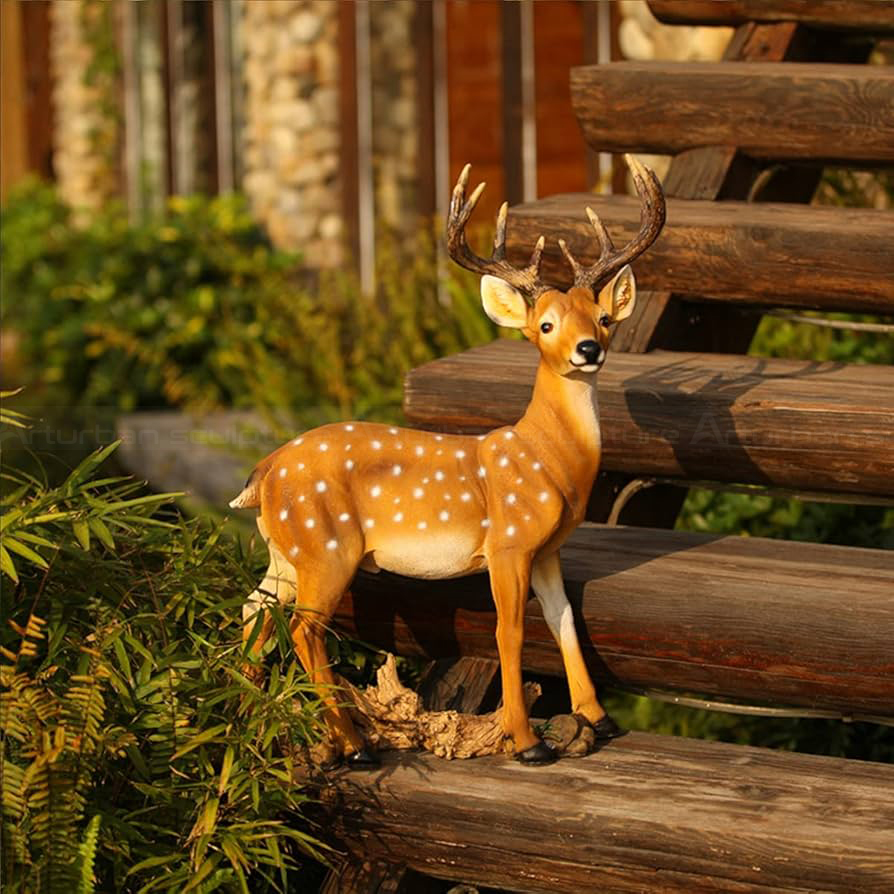
2. Medium Yards (20-50 square meters): A 4- to 6-foot deer sculpture is most suitable; it won’t overwhelm the surroundings or appear too intrusive.
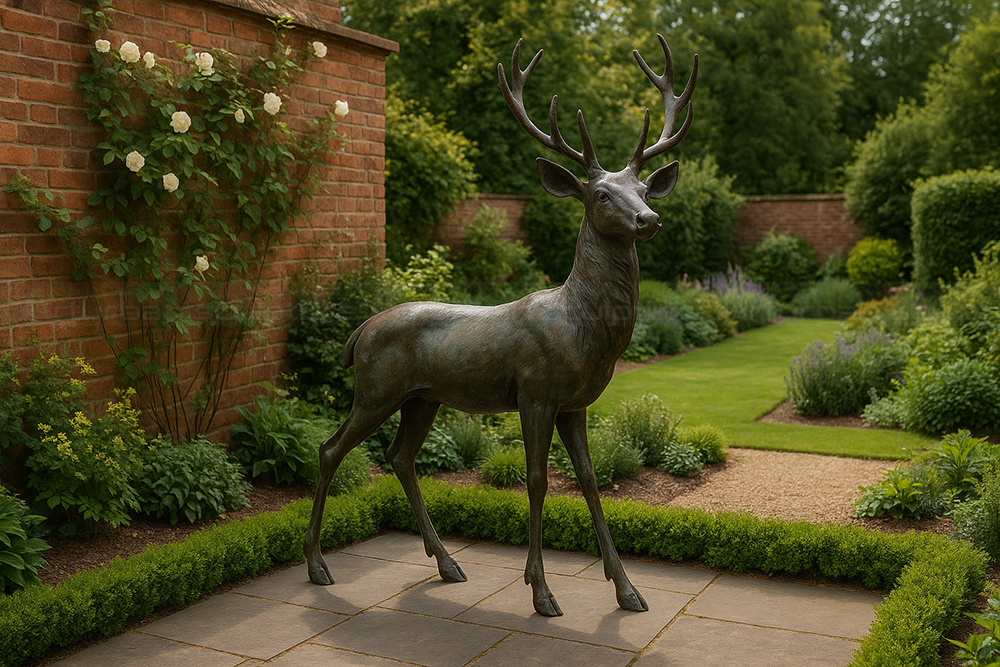
3. Large courtyards (over 50 square meters): Feel free to choose a life-size or even larger sculpture to create a focal point.
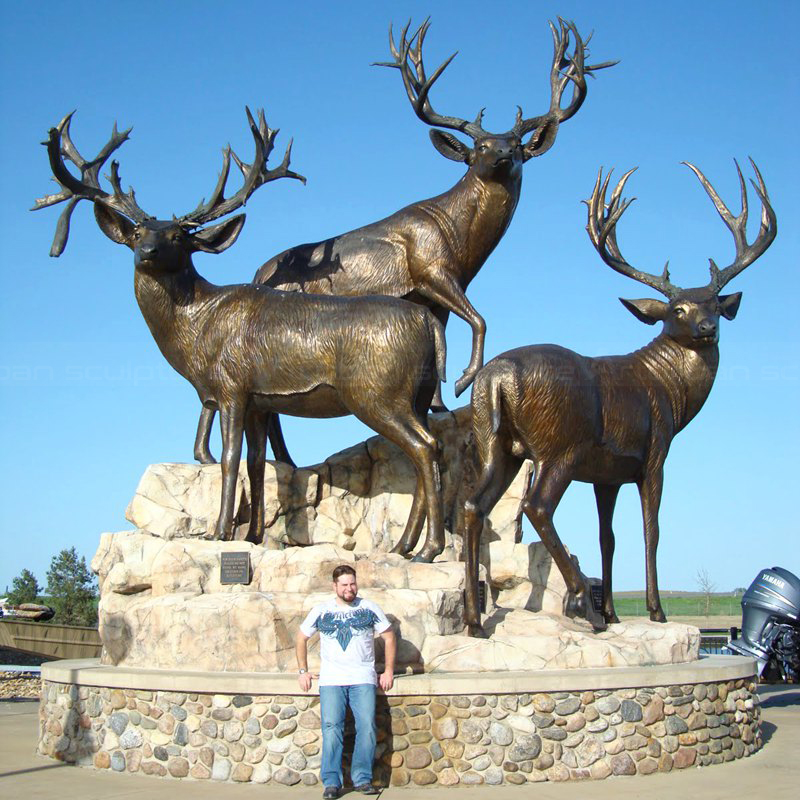
Placement of a Deer Statue for Yard: Visual Focus vs. Warm Accent
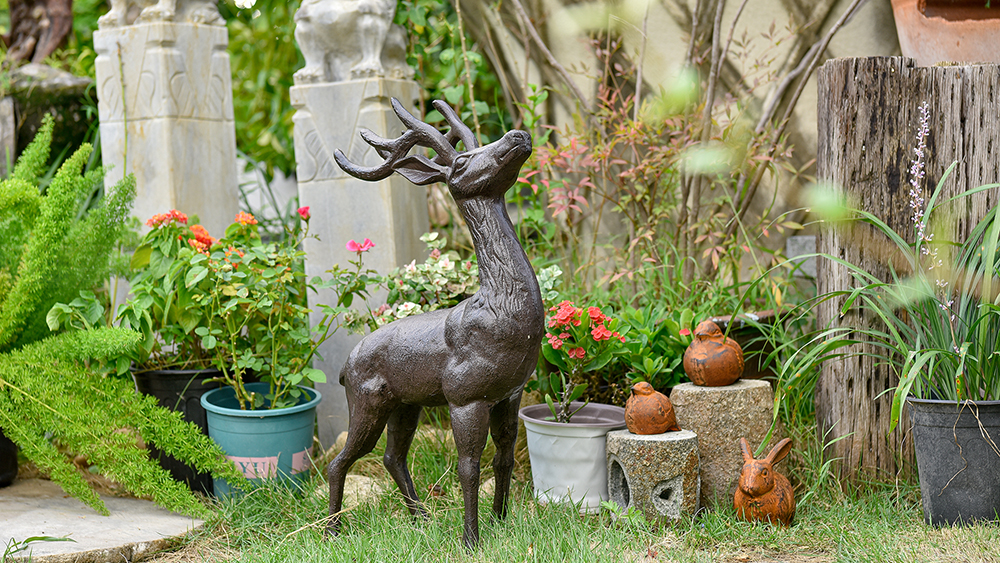
Placement determines the focal point. If you want visitors to be drawn to the courtyard upon entering, a life-size deer sculpture, 4–6 feet in height, placed in a prominent location such as the entrance, in the center of the lawn, or near a water feature is an excellent choice. It’s both appropriately sized and striking.
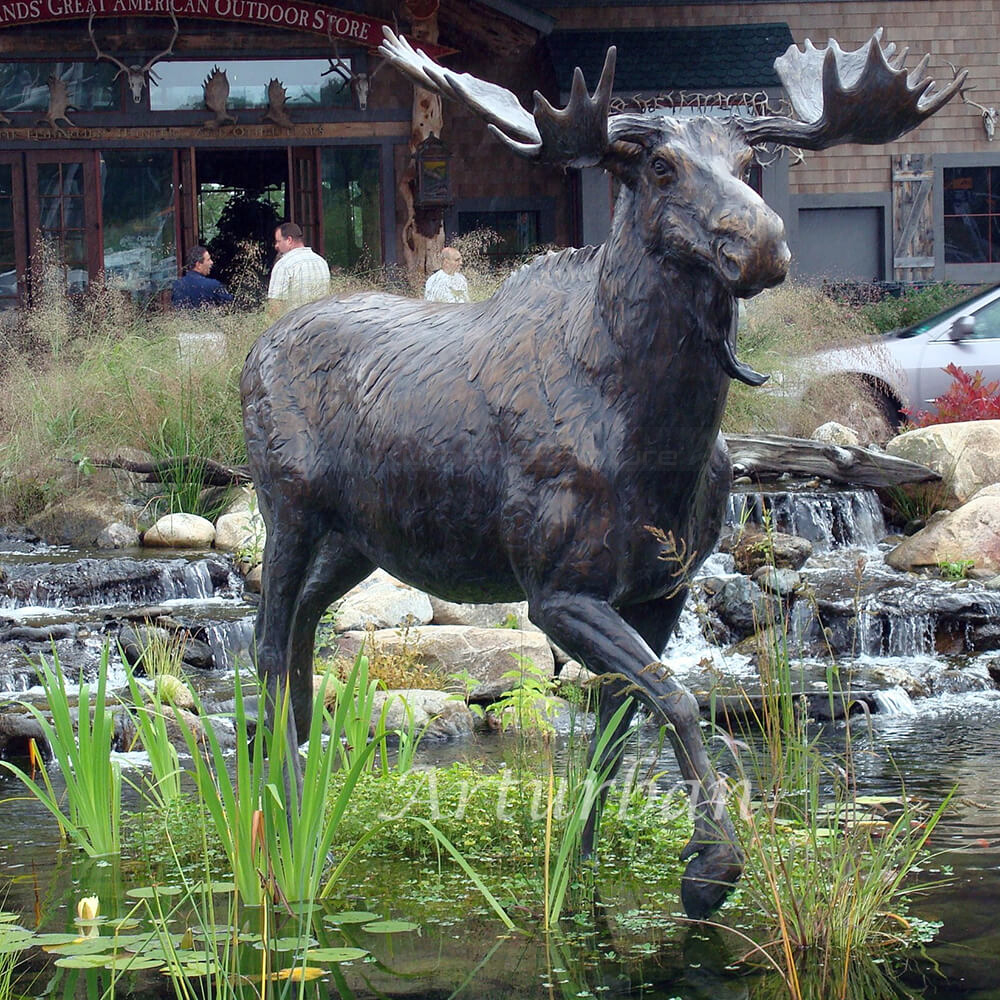
If you prefer a more subtle and cozy look, a smaller deer sculpture is more suitable. Small deer sculptures placed in corners, along flower beds, or along walkways offer a gentle and natural feel, like a “quietly discovered exquisite surprise.”
Tips: How to Measure the Sculpture Before Placing It in the Garden
1. Determine the Placement
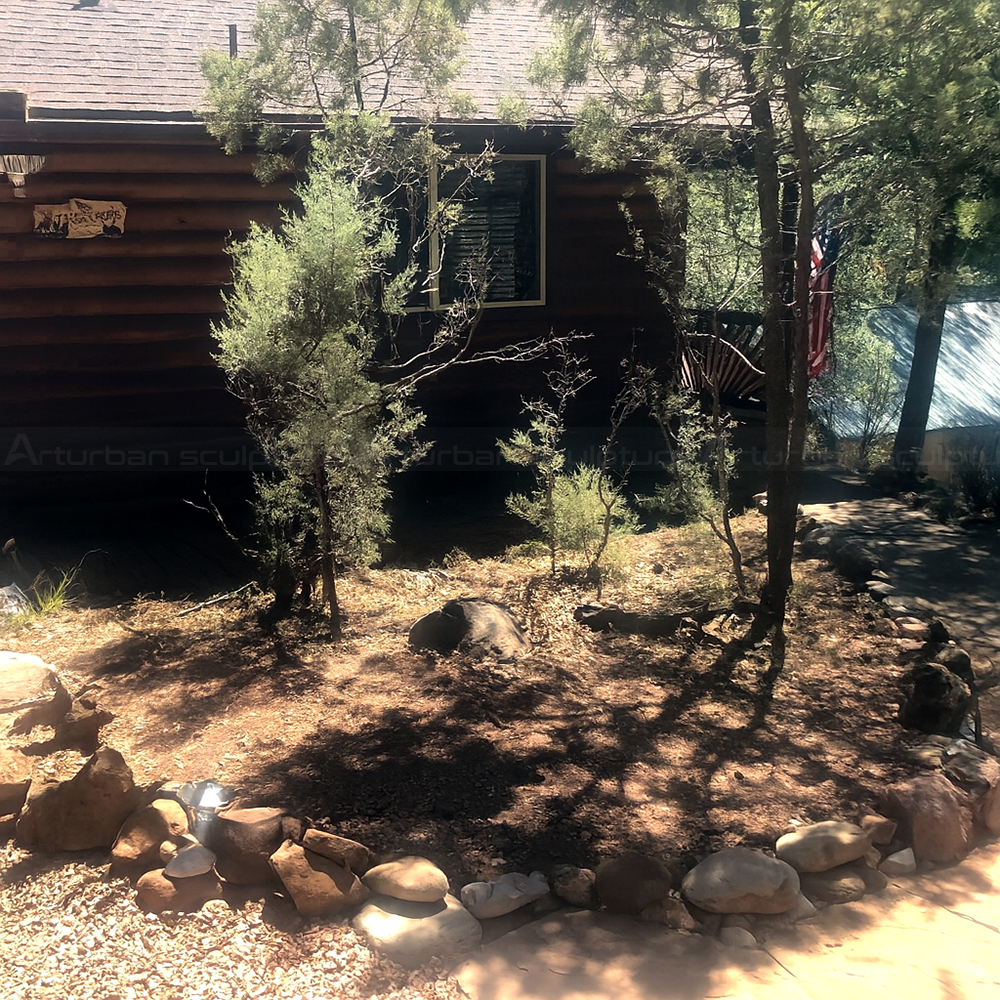
Determine where you plan to place the deer sculpture, such as in the center of the lawn, at the edge of a flower bed, or at the entrance.
It’s best to leave 2–3 feet (60–90 cm) of space around the sculpture to protect it from obstruction by flowers and plants and to facilitate cleaning and maintenance.
2. Measure the Width and Height
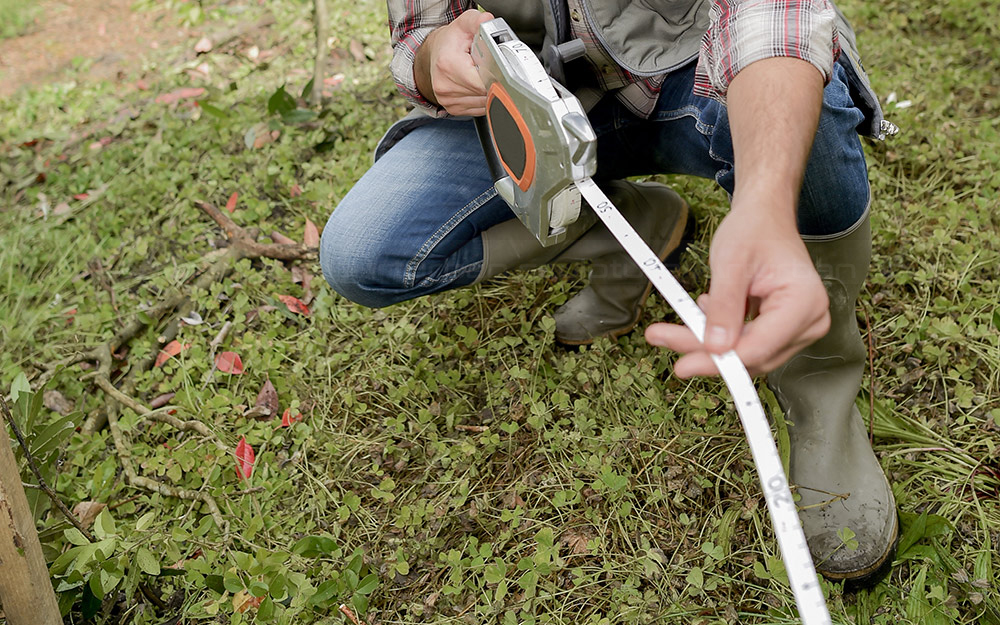
Use a tape measure to determine the width and depth of the area, ensuring the sculpture doesn’t obstruct walking or sightlines.
Measure the height and compare it to the size of the sculpture. For example, a 4-foot deer would be roughly chest-high for an adult; a 6-foot deer would be roughly human-sized.
3. Simulate the Sculpture’s Presence
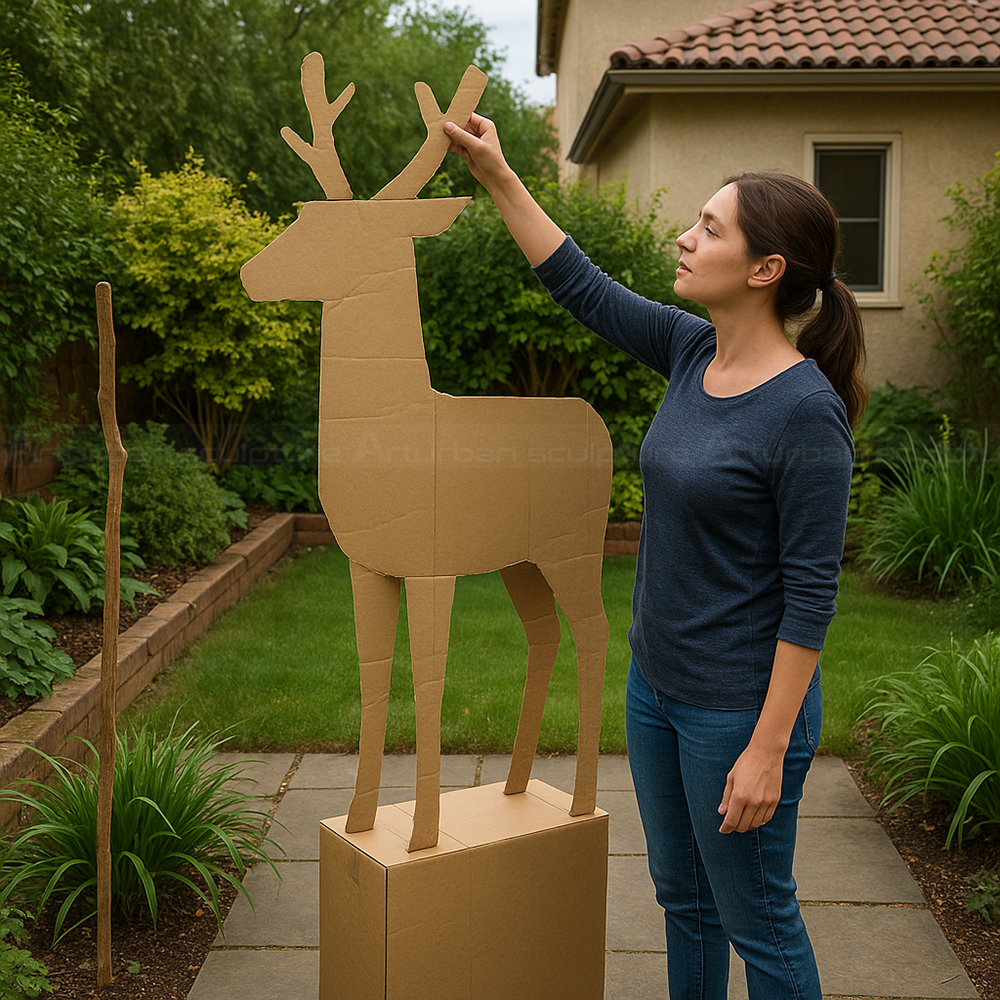
Use cardboard, a large cardboard box, or sticks to create a temporary “outline” of the same height and place it in the intended location to visually assess the scale.
Alternatively, have family or friends stand in that area and raise their hands to indicate the corresponding height. This way, they can immediately determine whether the sculpture will fit.
Summary
There’s no single standard size for a deer sculpture; the key is whether it complements the space and overall atmosphere of the garden. For most medium-sized and larger gardens, a life-size deer sculpture of 4–6 feet is often a suitable choice—it feels natural, realistic, and has just the right amount of presence. If you prefer a lighter touch, a smaller deer statue for yard can also create a unique effect.
Can you keep a deer statue outdoors? What materials actually stand up to the weather?
When choosing a deer sculpture, many customers ask, “Can this sculpture be placed outdoors? Will it be damaged by rain or direct sunlight?” This is a very practical question. After all, we all want sculptures that can both decorate the environment and withstand the elements.
In fact, most professionally crafted deer sculptures can be placed outdoors, but choosing a weather-resistant material is key. For example:
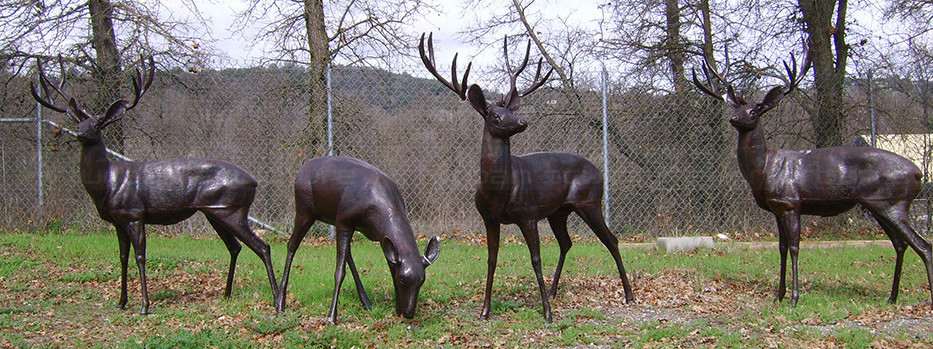
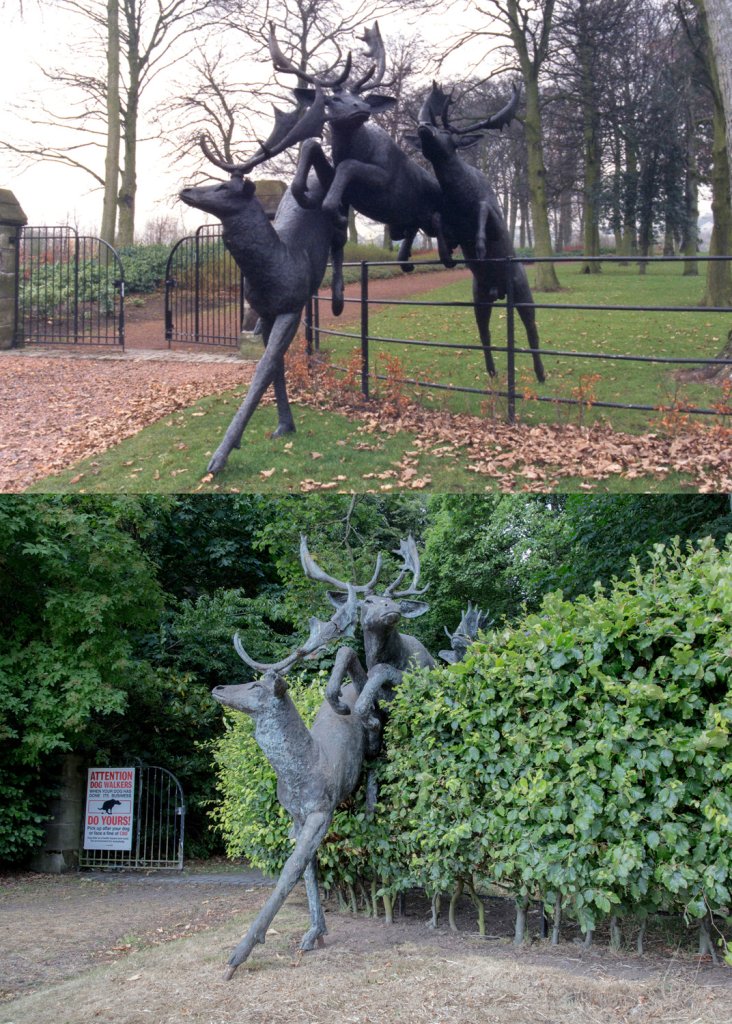
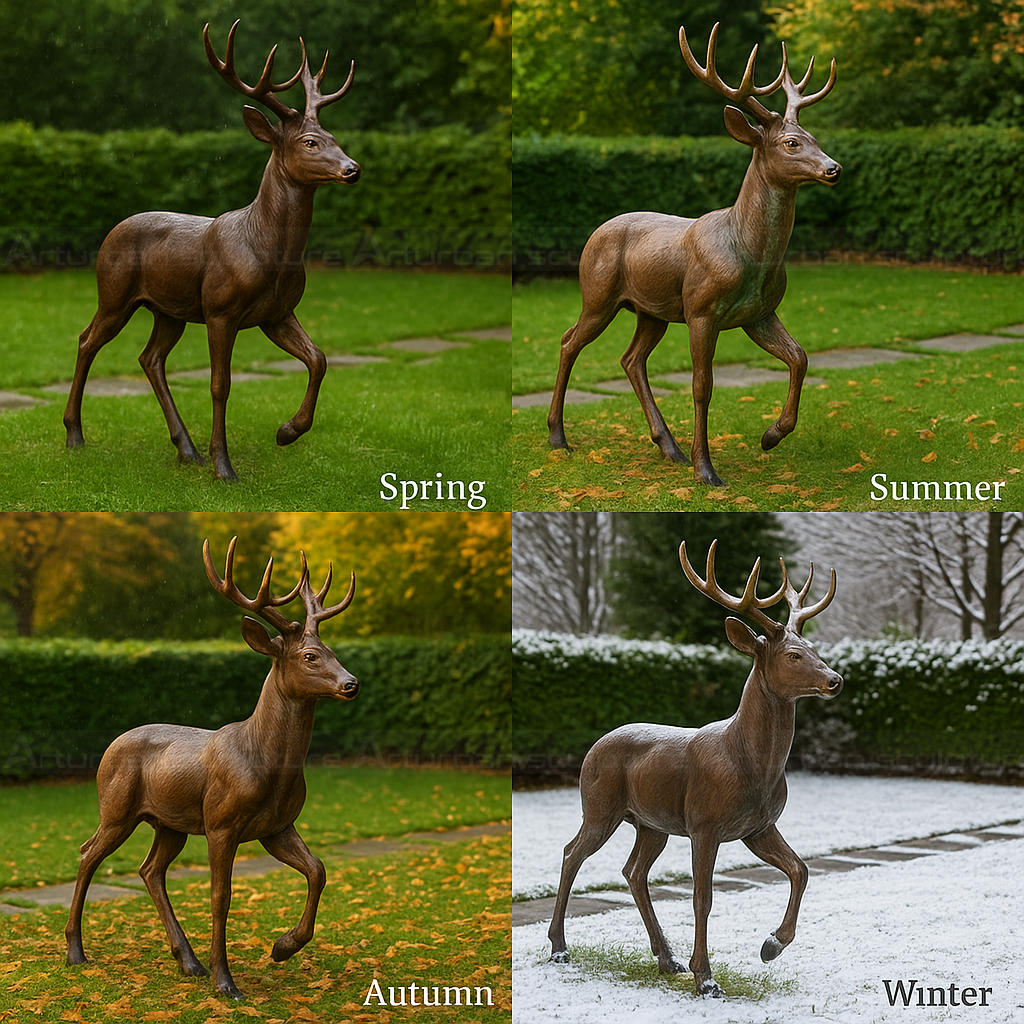
1. Cast bronze: Ideal for outdoor display, it’s not only weather-resistant but also develops a natural patina over time, adding a touch of artistic flair.
2. Stainless steel: Modern, shiny, and corrosion-resistant, it’s particularly well-suited for modern gardens and villas.
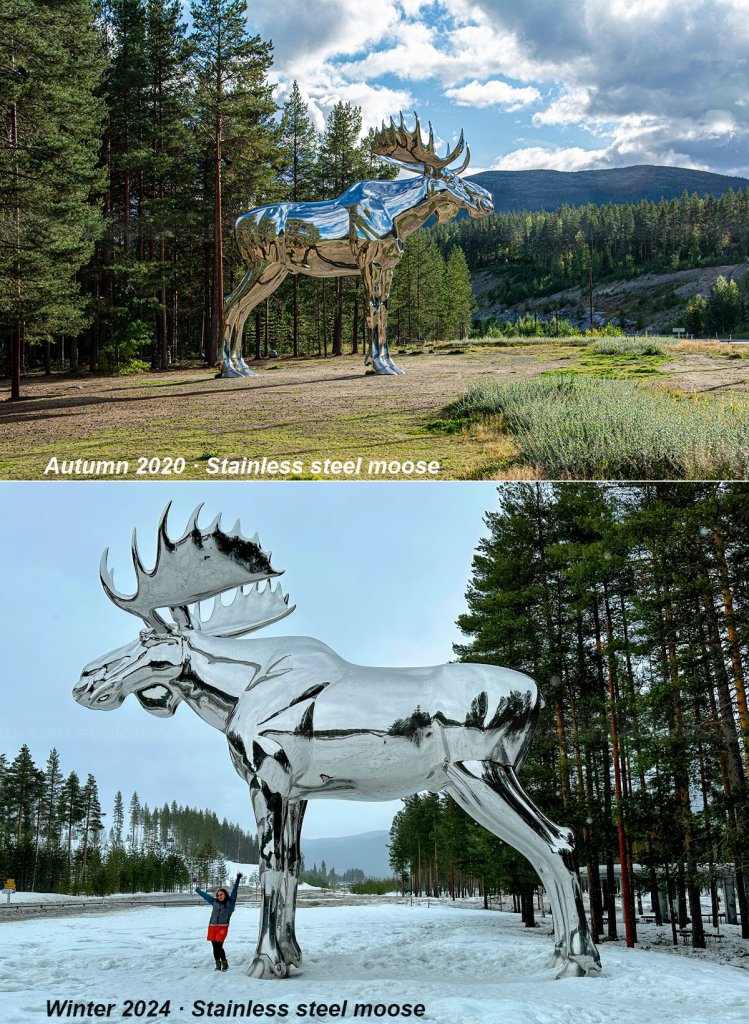
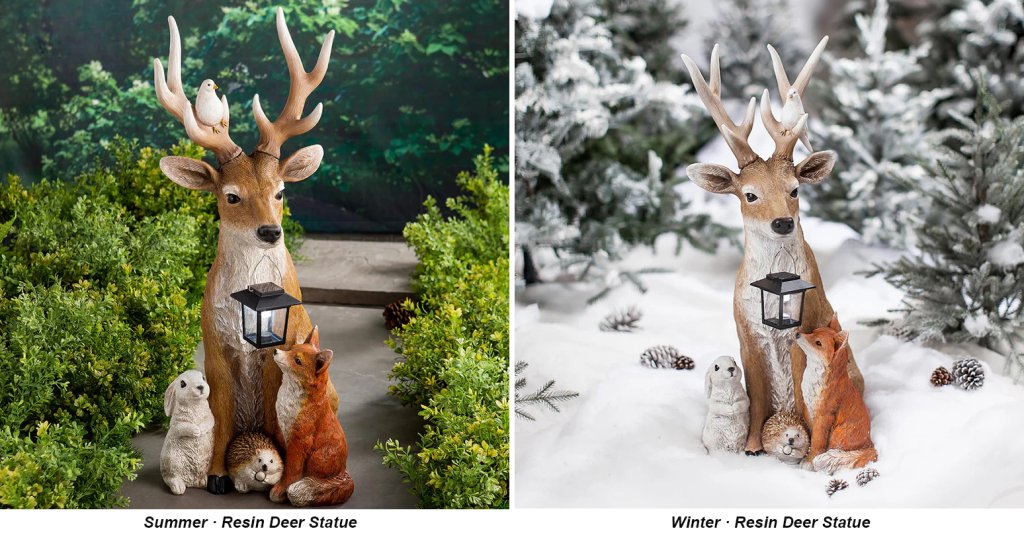
3. Fiberglass or resin: Cost-effective, lightweight, and suitable for portable placement. However, be sure to choose a sculpture that’s waterproofed and has a well-polished finish to ensure long-lasting outdoor durability.
4. Marble: If you prefer a more natural and elegant look, marble is a highly recommended option. Natural stone resists direct sunlight and has a smooth, hard surface. Not only does it look luxurious when placed outdoors, but each sculpture also features unique textures and a beautiful aesthetic.
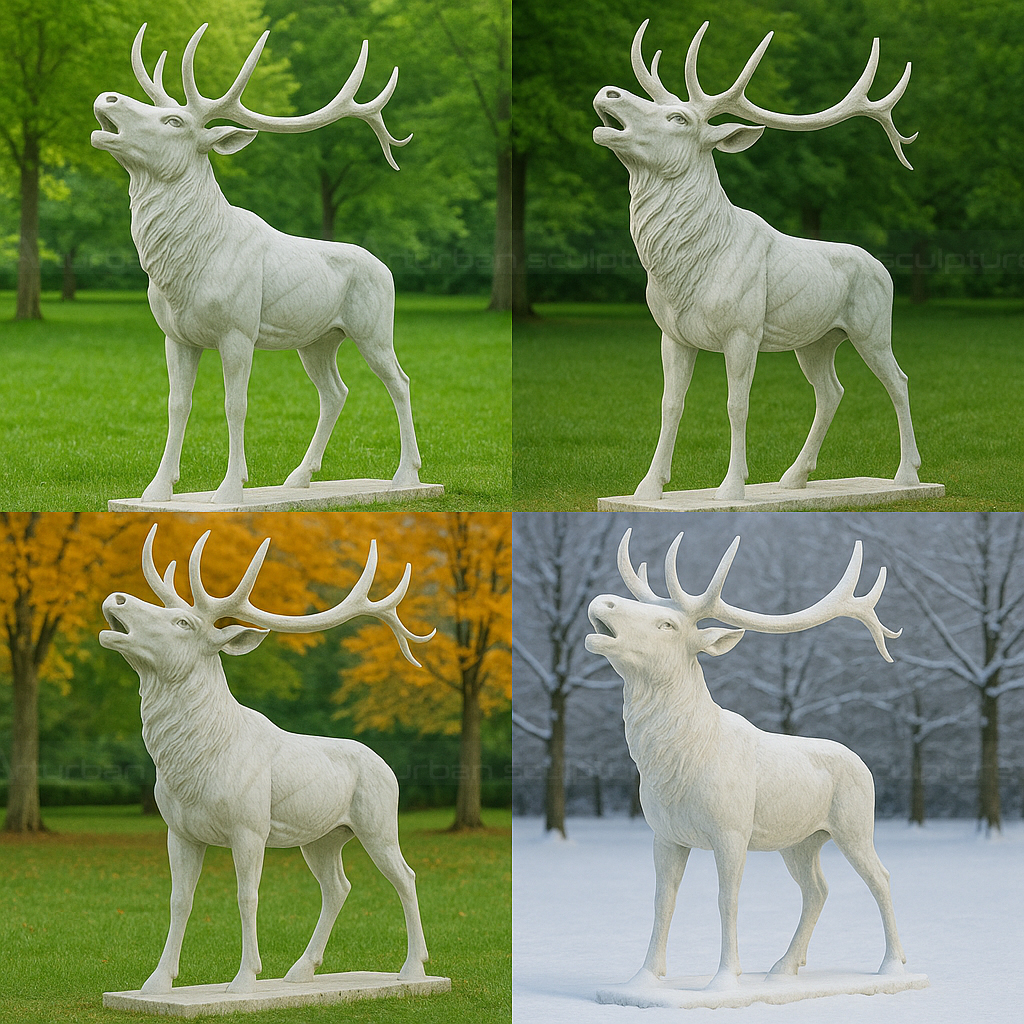
In short, as long as you choose the right material and use the correct maintenance method, a deer sculpture can stand in your yard for many years, fearless of wind and rain, and become more charming as time goes by.
What is the best material for a deer statue for your yard? – Fiberglass, Bronze, or Other Materials?
Deer Statue Materials Comparison
| Material | Weight | Weather Resistance | Lifespan | Aesthetics | Cost | Maintenance |
|---|---|---|---|---|---|---|
| Fiberglass | Lightweight, easy to move | Durable; does not fade | Outdoor 10–30 years, requires UV protection | Strong plasticity, diverse shapes, vivid colors, modern look | Low–Medium | Low maintenance |
| Bronze | Medium–heavy | Excellent; surface forms patina, suitable for long-term outdoor use | Hundreds of years | Heavy and elegant; develops patina over time, strong classical artistic presence | High | Requires waxing and anti-oxidation |
| Stainless Steel | Medium, easy to install | Best; corrosion- and rust-resistant | Hundreds of years | Various finishes; can be mirror, brushed, or painted; sleek and modern | Medium–High | Almost maintenance-free |
| Marble | Very heavy, hard to transport | Good durability | Decades to over 100 years | Unique natural veining; elegant and luxurious, shows beauty of nature | High | Clean regularly with a soft brush |
Material Selection Considerations
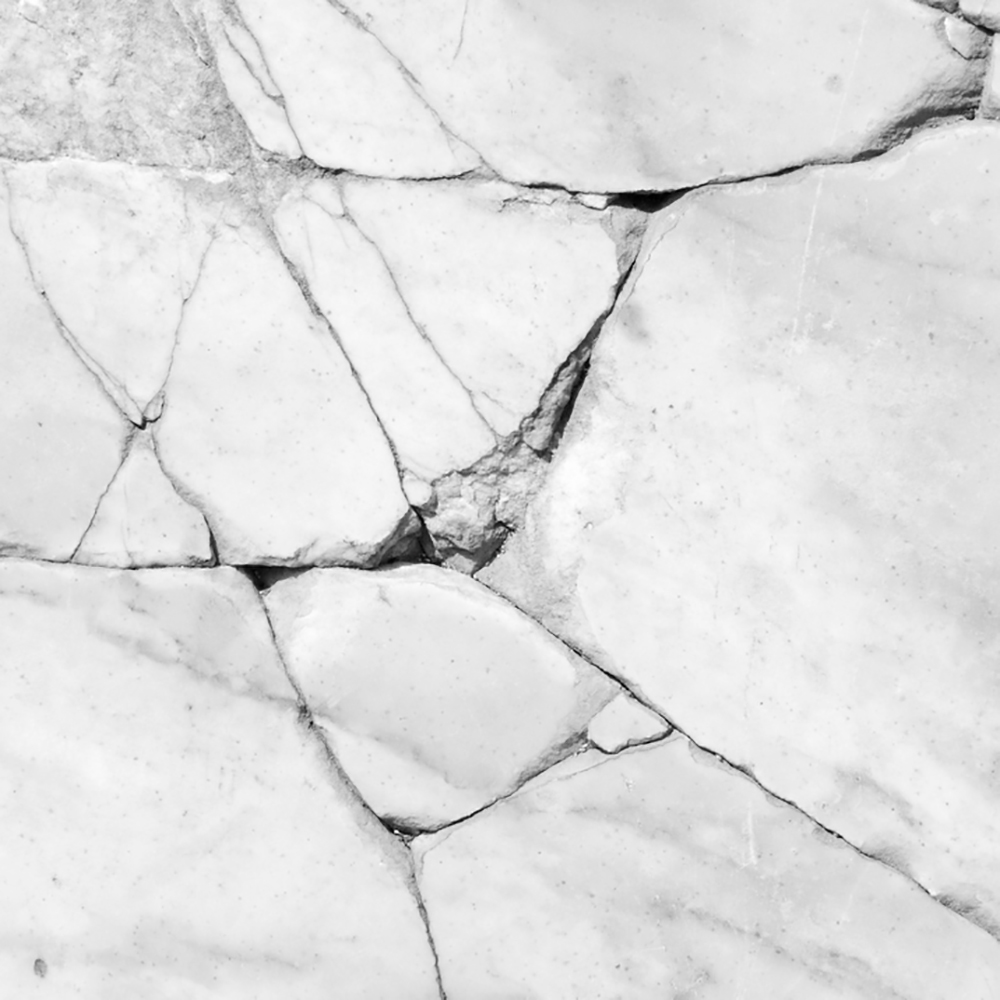
Marble: Low-density marble is prone to brittle cracking during transportation and use, and has poor durability. We recommend high-density marble for stability and long-term use.
Stainless Steel: In the humid, salty coastal environment, spot-welded sculptures are prone to rust due to water intrusion through the gaps. Full-weld welding is recommended, although slightly more expensive, but it offers greater durability and requires less maintenance.
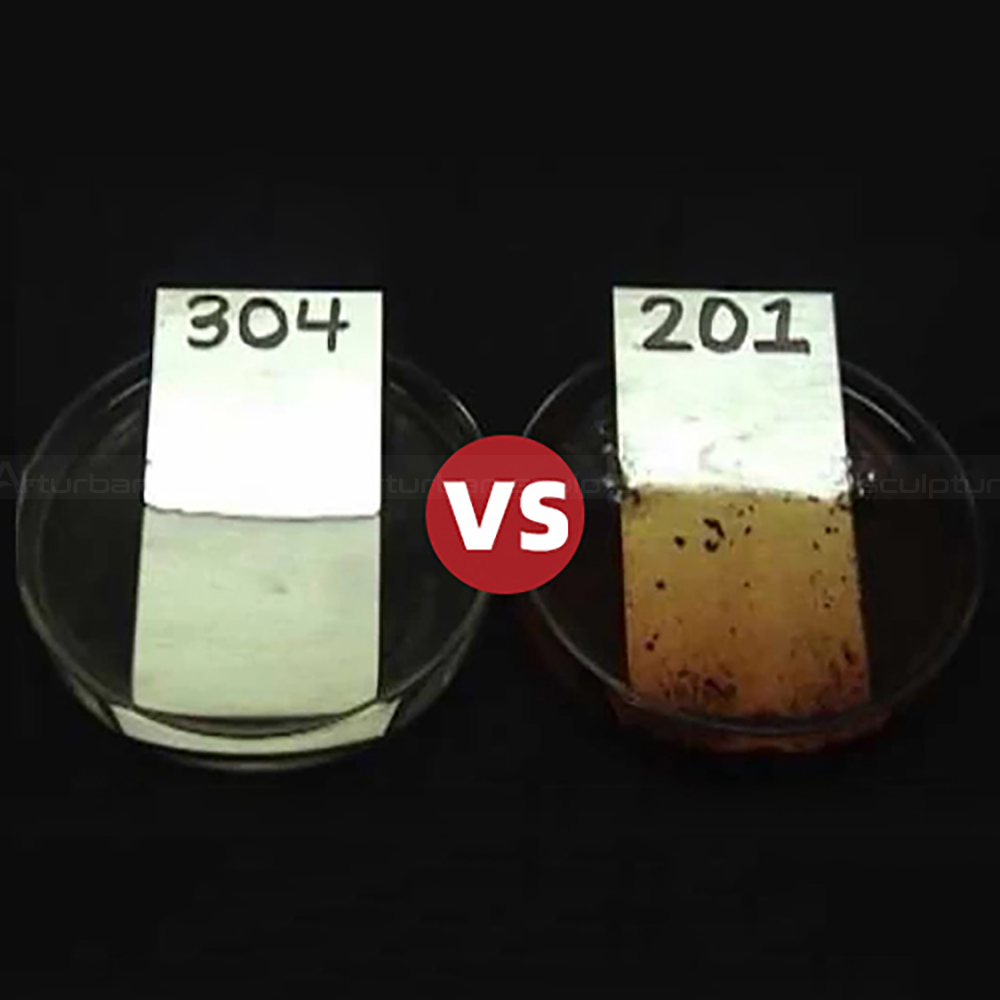
Material grade is also crucial: 304 or 316 stainless steel is preferred, with 316 performing best in high-salt environments and boasting a lifespan of over a century. Avoid using low-end stainless steel like 201. While inexpensive, it offers poor corrosion resistance and will quickly rust with prolonged outdoor use, significantly shortening its lifespan.
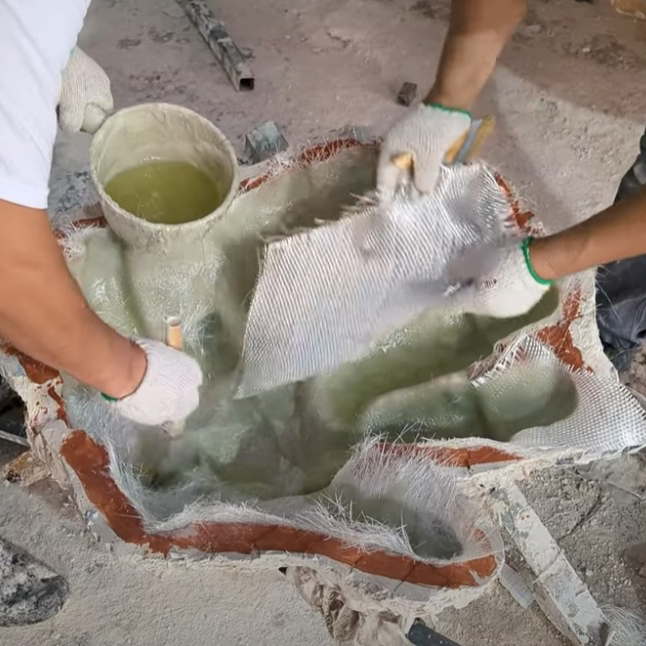
Fiberglass: We recommend choosing a thicker, more resilient material. Our fiberglass sculptures utilize three layers of fiberglass cloth (compared to the two-layer standard on the market). This material is more durable, resilient, and less prone to deformation, making it more suitable for long-term outdoor use.
Do Deer Statue for Yard require maintenance? What is the best way to clean and protect them?
The answer is yes. Even if an outdoor deer sculpture appears pristine initially, prolonged exposure to sunlight, rain, dust, and biofouling (such as moss and bird droppings) will gradually cause the surface to age, discolor, or crack.
The frequency and method of maintenance for sculptures made of different materials vary, and climate conditions and the craftsmanship of the material are key factors in determining the length of the maintenance cycle.
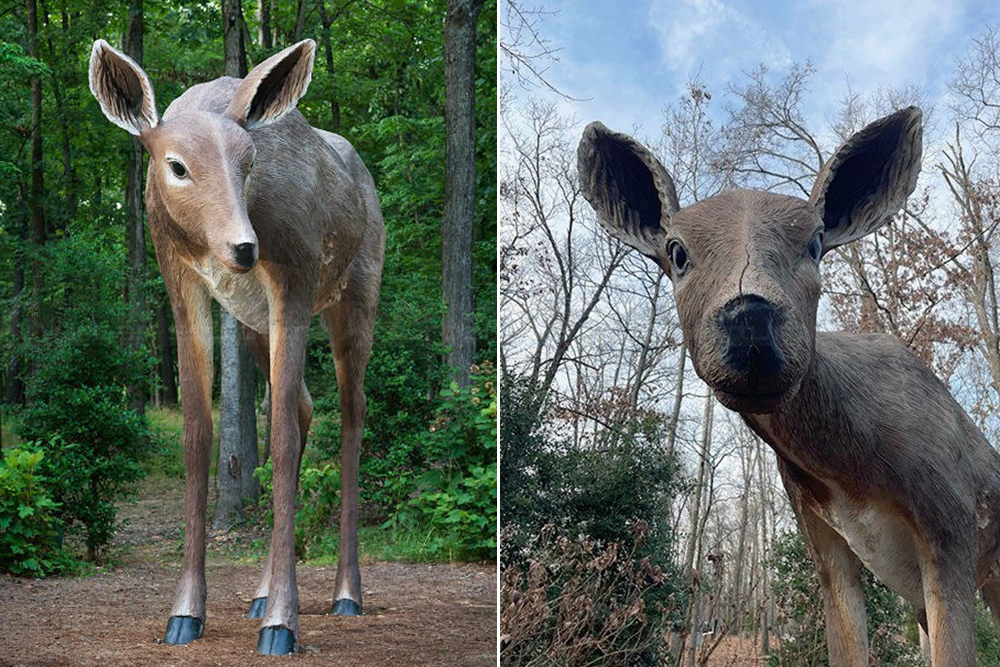
Fiberglass
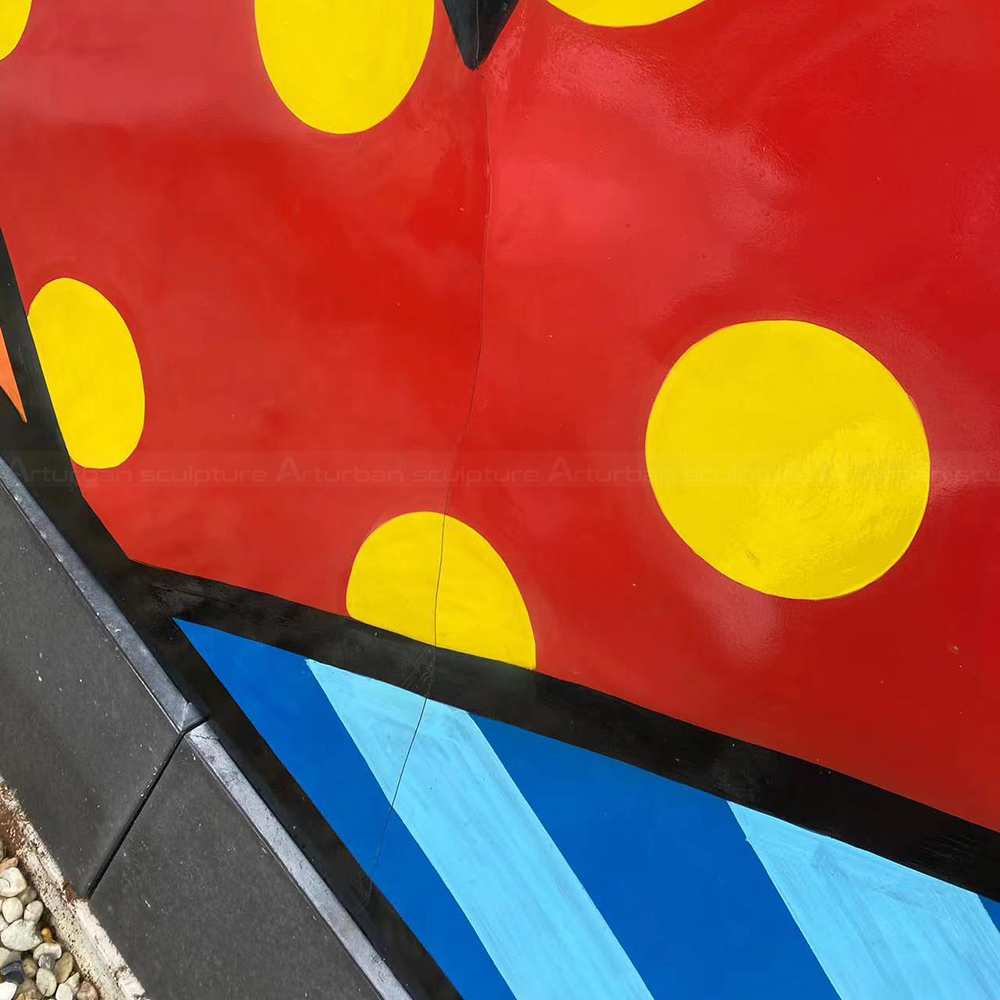
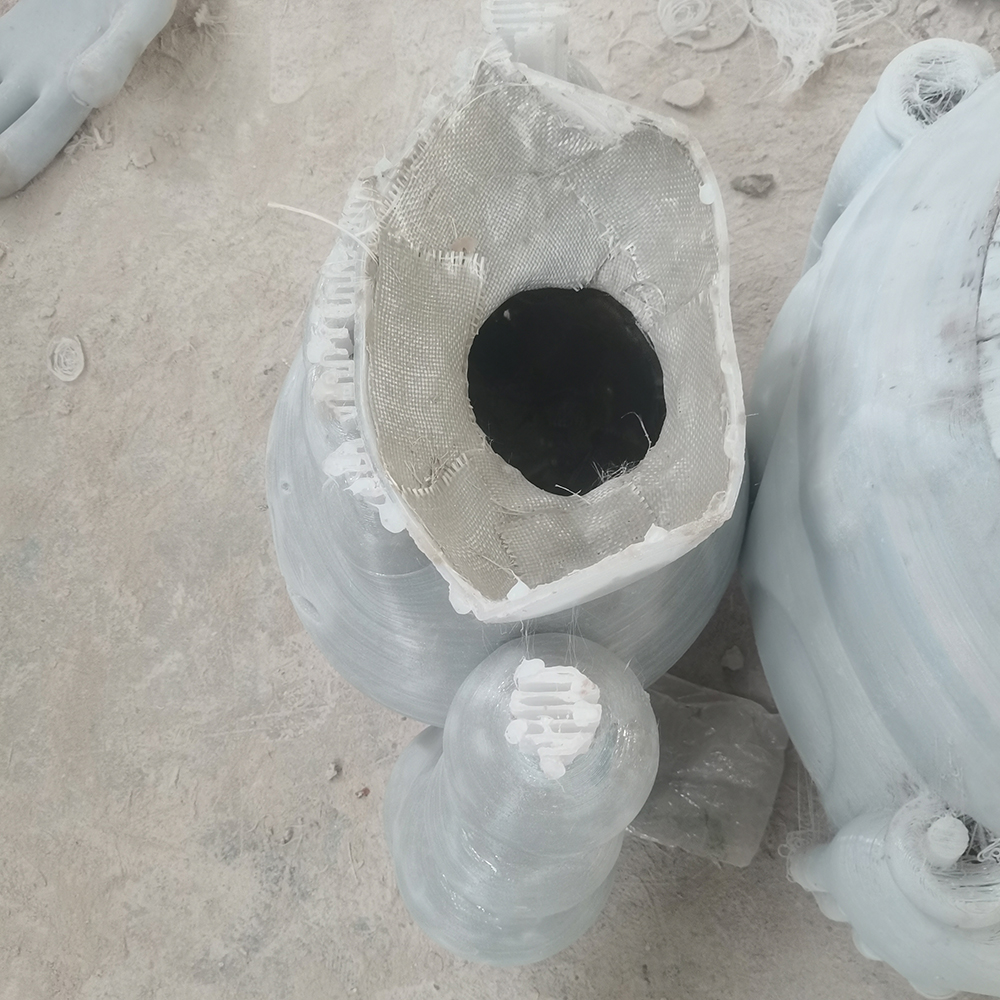
After about seven years of use, fiberglass sculptures generally begin to crack. Why do they crack?
- The resin layer is too thin: Applying only two layers of fiberglass cloth will not provide sufficient strength, making it more susceptible to cracking due to thermal expansion and contraction.
- Temperature fluctuations/exposure: High outdoor temperatures and large temperature swings at night can cause the surface coating and the fiberglass base to shrink at different rates, leading to cracks.
During the construction phase, we recommend using bottom ventilation to avoid completely enclosing the sculpture. This allows for internal air circulation and reduces heat and moisture buildup. We also recommend using a three-layer fiberglass fabric (thicker and stronger than the more common two-layer process) and regularly spraying it with UV-resistant protective paint to reduce the risk of cracking due to sun aging, significantly extending the sculpture’s lifespan.
Bronze
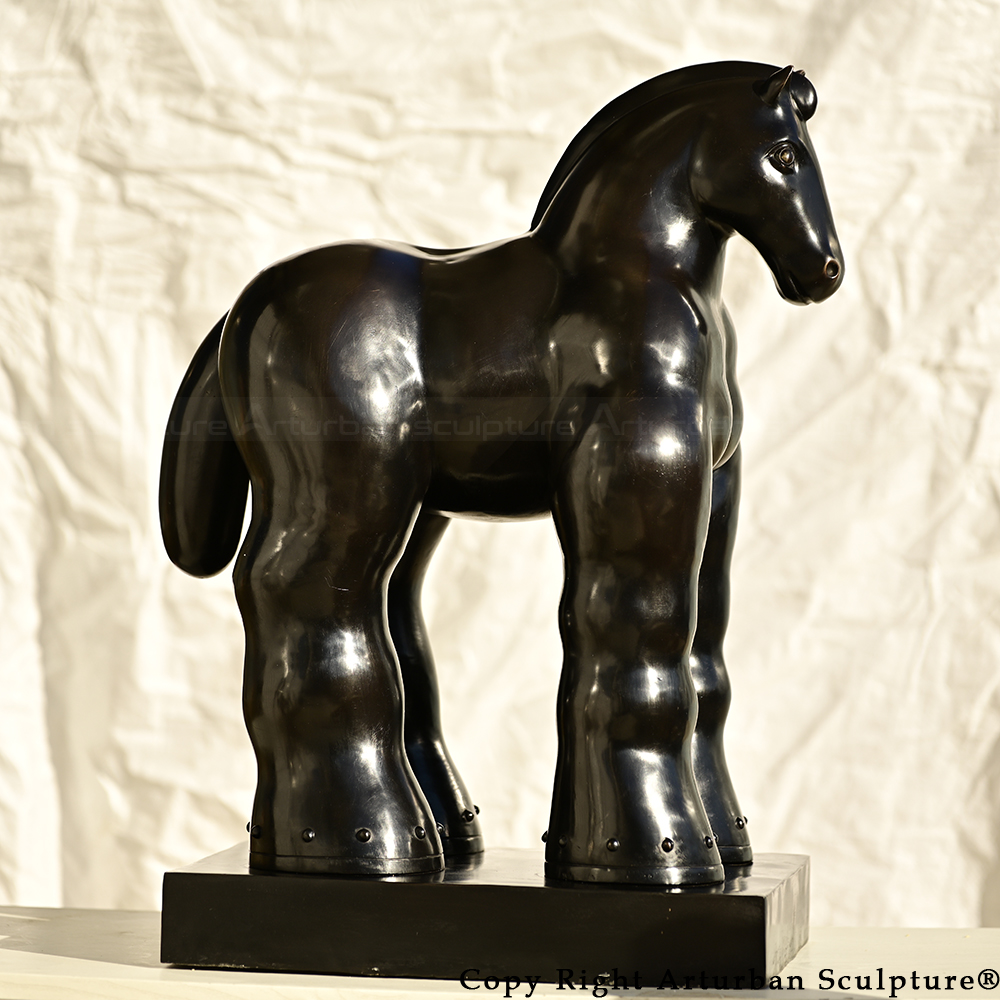
Bronze deer sculptures are suitable for all climates. Although they may oxidize and discolor in humid or rainy environments, they gradually develop a patina that acts as a protective layer and enhances their unique aesthetic appeal.
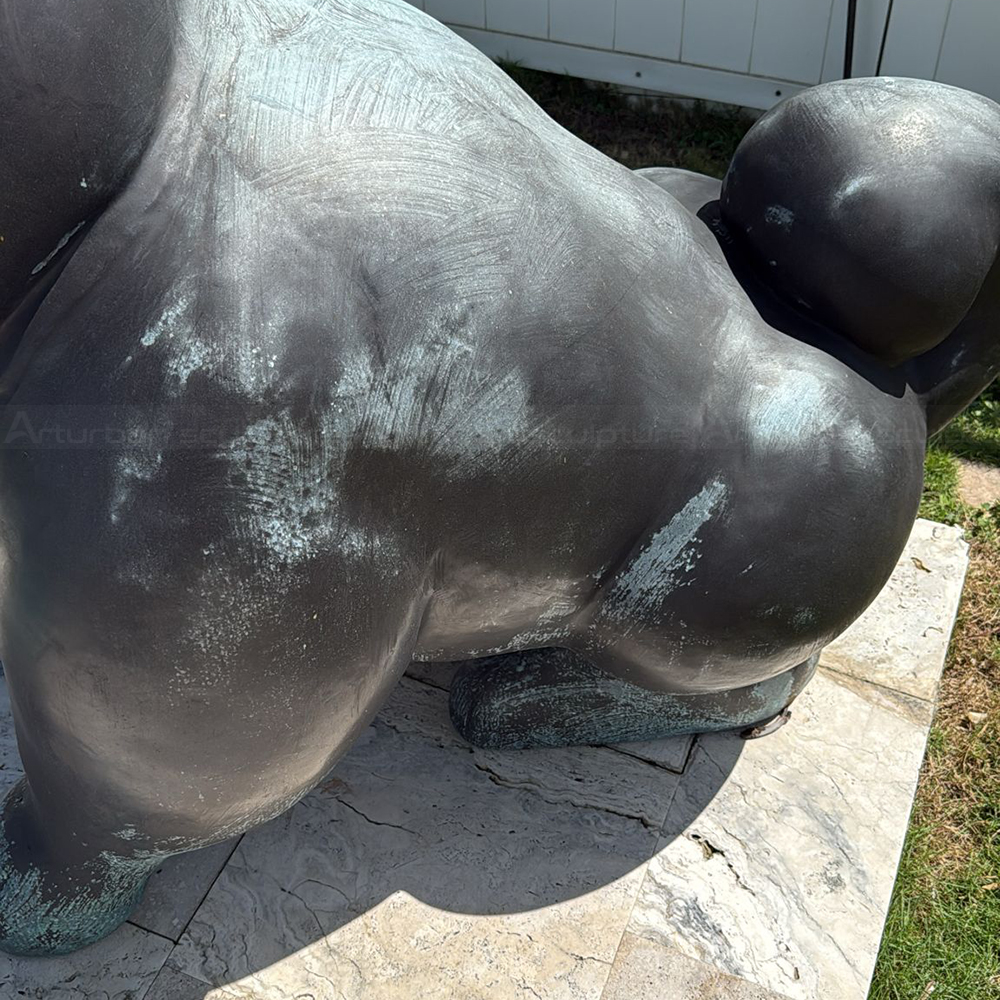
Influences on Sculpture Quality:
- Wall Thickness: The thicker the wall thickness of a bronze sculpture, the greater its corrosion resistance and longer lifespan.
- Polish: The smoother the surface, the more even and secure the wax seal, providing better protection and extending the maintenance cycle.
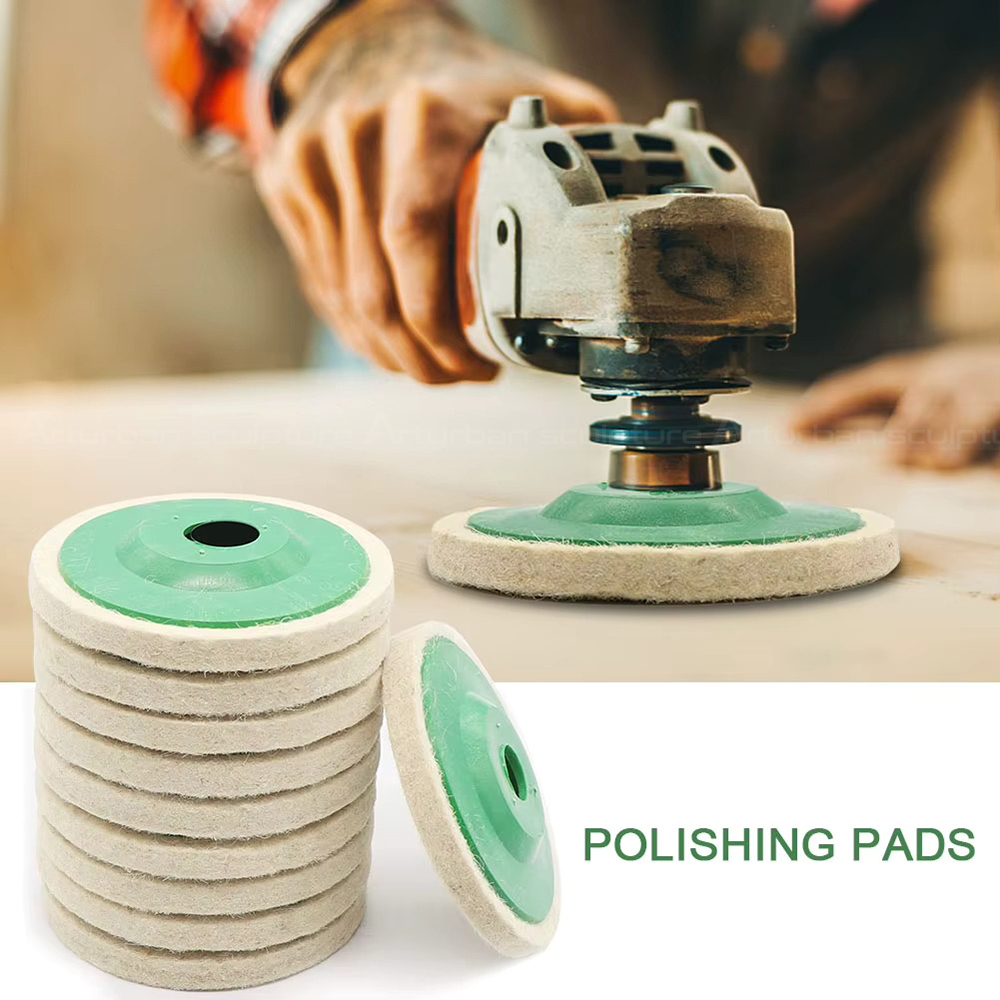
Maintenance:
- Light Polishing: Use a low-speed angle grinder with a wool pad to gently remove harmful rust.
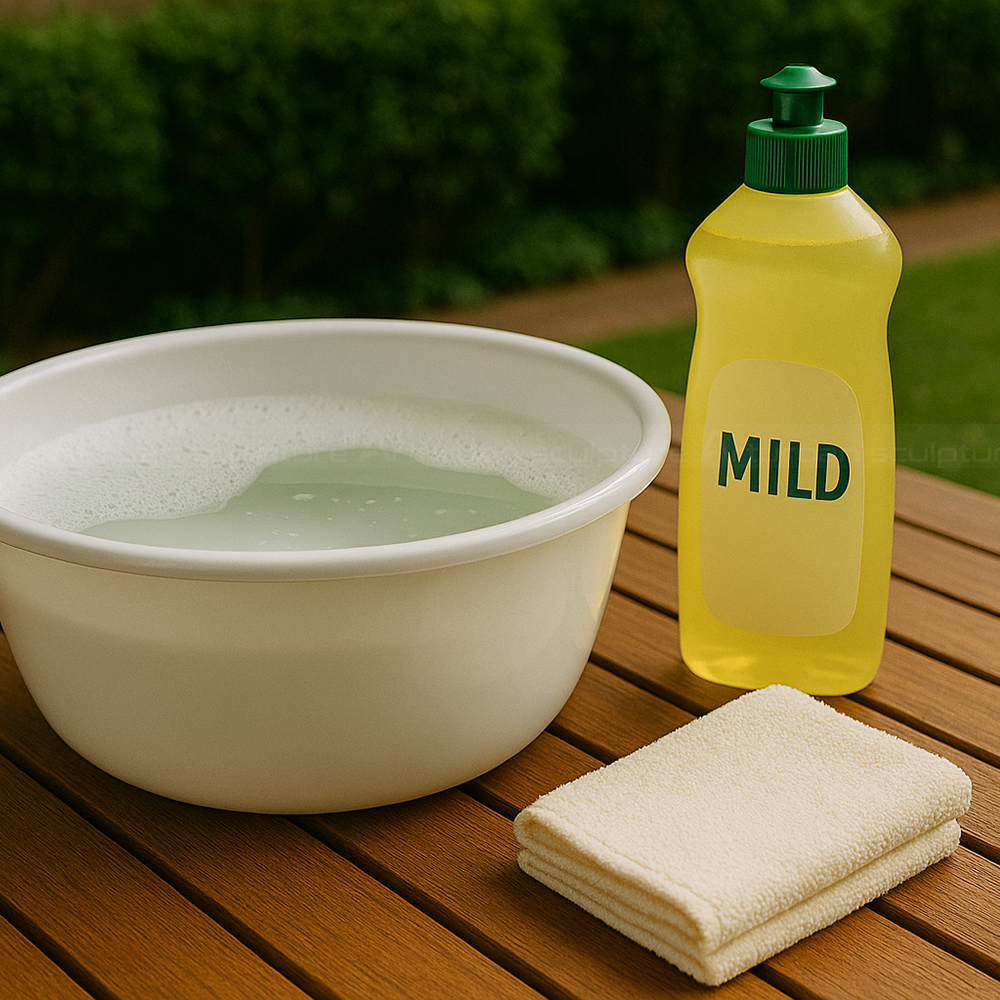
- Clean and Dry: Wipe with a soft cloth to avoid residual moisture.
- Waxing: Apply a thin layer of microcrystalline wax or specialized bronze wax and buff evenly with a soft cloth.
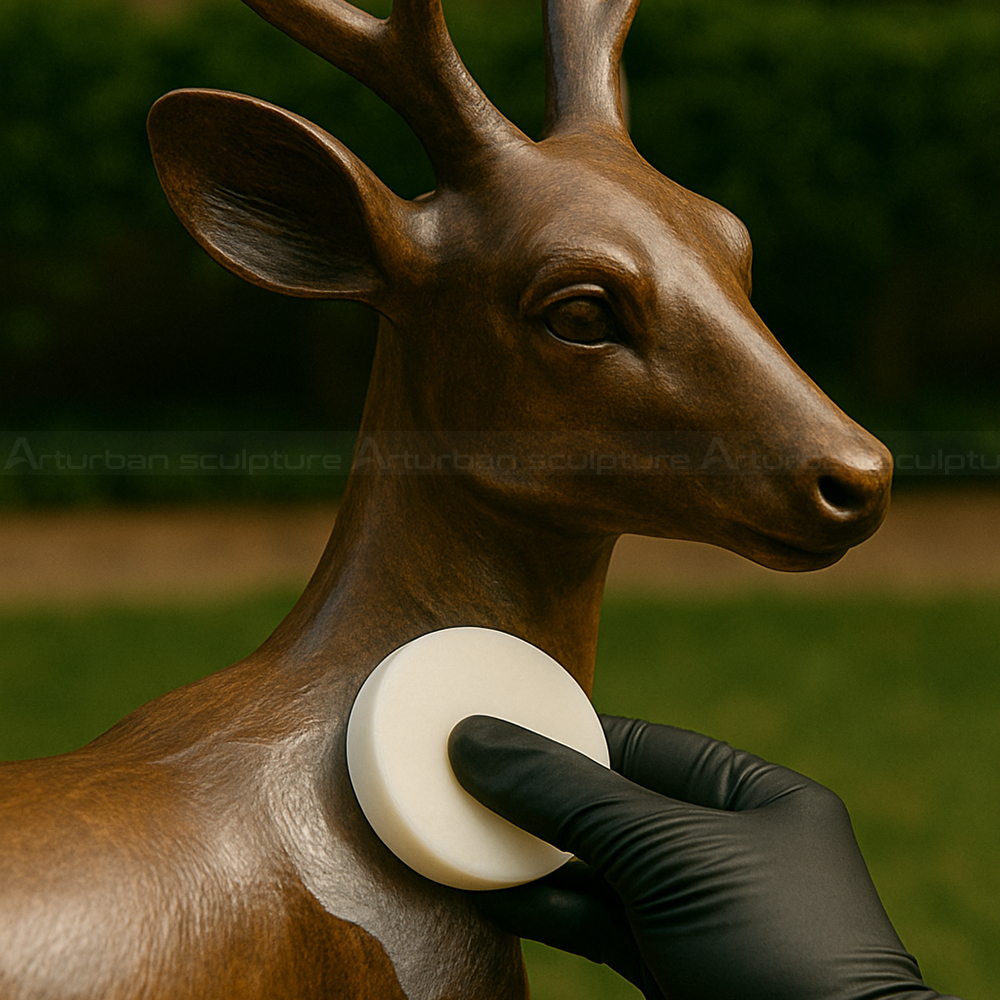
Maintenance Frequency: Generally, every 1–2 years is sufficient.
Stainless Steel
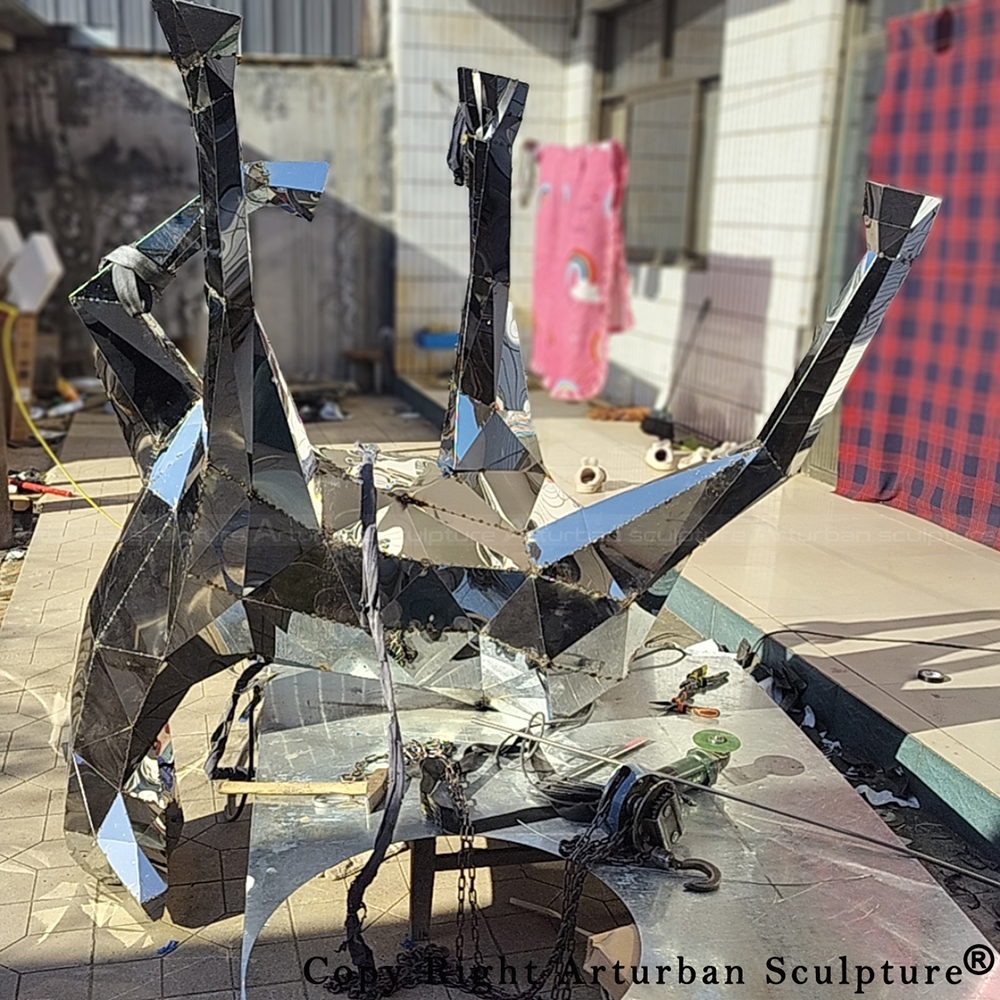
Excellent overall weather resistance, requiring virtually no maintenance. In coastal salt spray environments, the cracks in spot-welded sculptures are susceptible to water intrusion and corrosion. We recommend using a full-weld process. While this method is slightly more expensive, it offers greater durability and reduces maintenance. Regular cleaning is all that’s required.
Marble
Due to its high hardness and low porosity, marble offers stable durability and good wear resistance at room temperature. However, if exposed to acid rain, pollutants, or extreme temperature fluctuations, inadequate surface care can lead to loss of gloss and erosion of details. Therefore, for outdoor use, high-quality, high-density marble is recommended. Regular cleaning with a soft brush or damp cloth is recommended to remove bird droppings, leaf marks, and water stains to prevent stains from penetrating the pores. Sealing the pores every 2–3 years effectively prevents water seepage, frost cracking, and contamination, extending the lifespan.
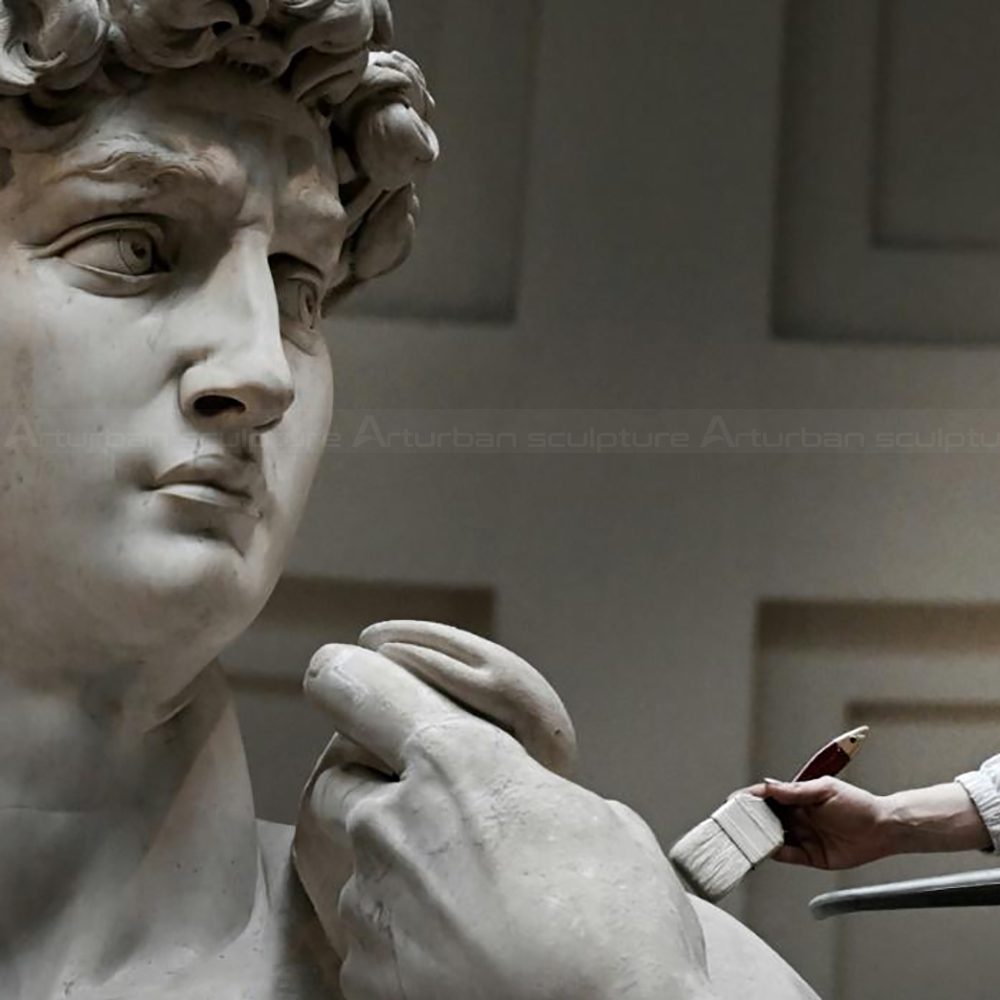
Marble Pore Sealing:Marble has fine pores. Sealing involves applying a stone protectant that penetrates the pores to form an invisible protective layer.
Steps:
- Clean the surface and allow it to dry.
- Apply the protectant evenly.
- Allow it to soak in and wipe off any excess.
- Allow it to air dry for 24 hours.
Sculpture Material Maintenance Summary
| Material | Common Issues | Climate Impact | Quality Notes | Maintenance | Frequency |
|---|---|---|---|---|---|
| Fiberglass | Cracks after ~7 yrs | Sun & temperature changes | 3-layer fiberglass is stronger | Anti-UV coating | Every few years |
| Bronze | Oxidation, discolor | Humid & rainy areas | Thicker walls, smoother polish last longer | Clean + wax | Every 1–2 yrs |
| Stainless Steel | Weld seams may corrode | Coastal salt air | Full welding is more durable | Regular cleaning | Low |
| Marble | Low density may crack | Cold weather, acid rain, and seaside humidity have a significant impact | High-density stone lasts longer | Sealing treatment | Every 2–3 yrs |
How do you secure a deer statue for stability? What installation tips should you know?
After choosing their favorite Deer Statue for Yard, many customers worry about whether it will be unstable in their yard or blown over by the wind. In fact, with a few simple tips, you can ensure your deer sculpture stands firmly in your yard.
Choose the Right Placement
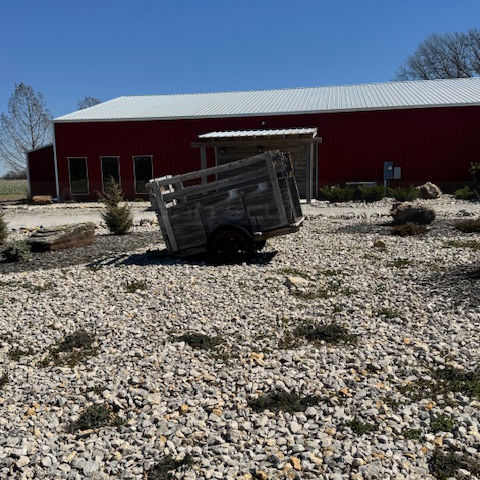
First, consider the surface. Ideally, a flat and solid surface is preferred, such as concrete, flagstone, or hardened turf. In contrast, when the soil is soft, it’s better to first build a small foundation, such as a concrete slab. As a result, the sculpture’s stability will be greatly enhanced, ensuring it remains secure over time.
Use Anchor Bolts or Ground Spikes
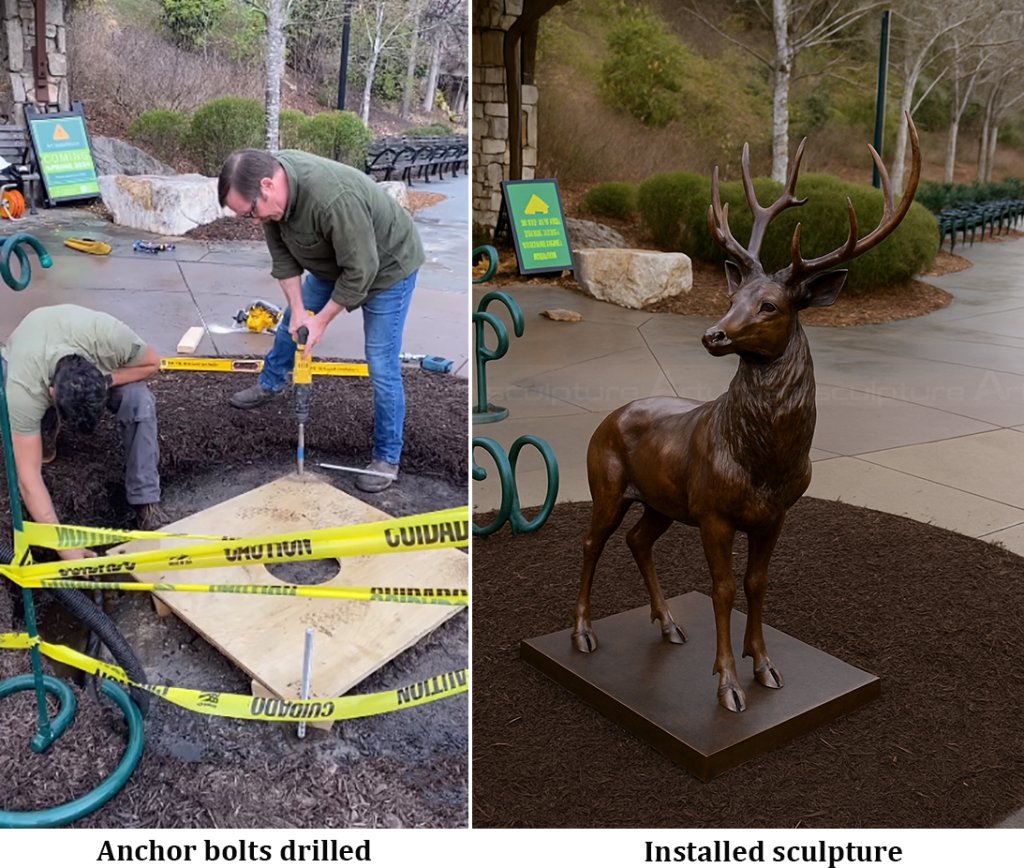
For deer sculptures that require compatibility with hard surfaces (such as paving or tile), expansion bolts can be used to connect the base to the ground for added stability. This is suitable for heavy, regularly shaped metal sculptures.
Embedded Installation
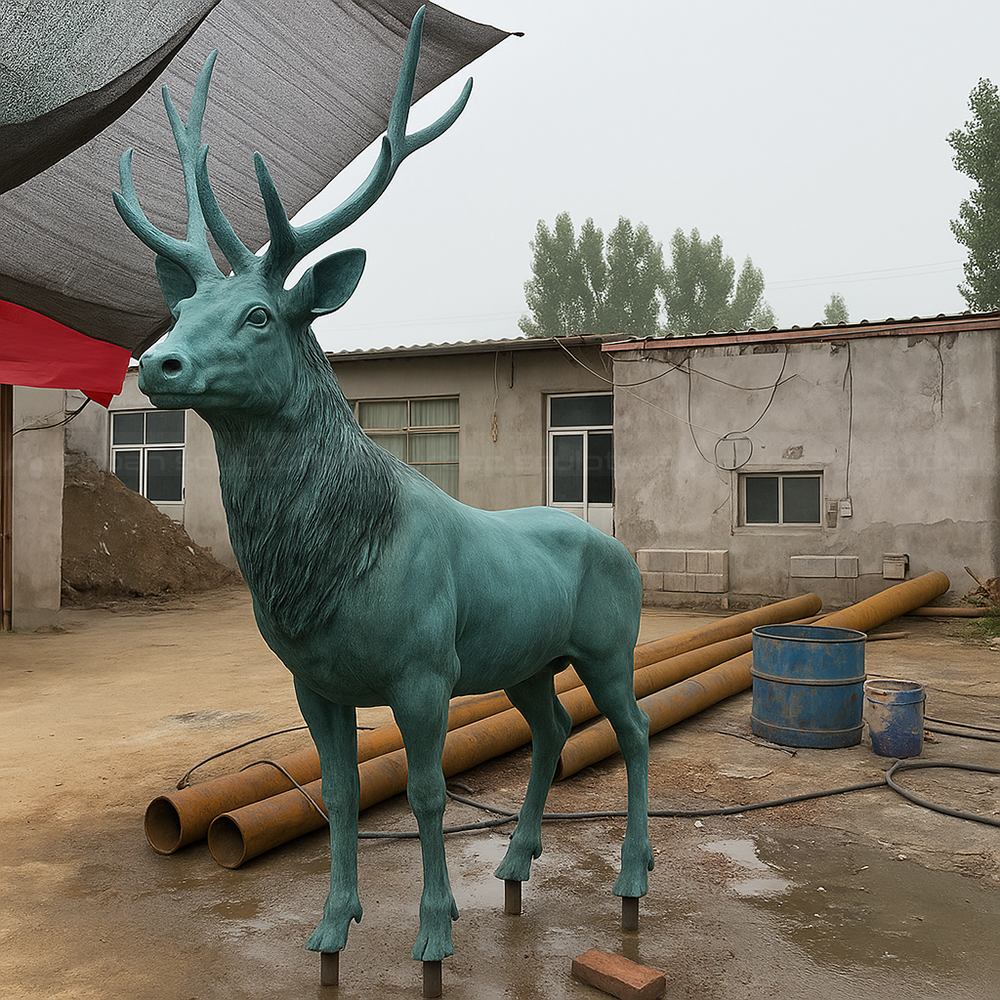
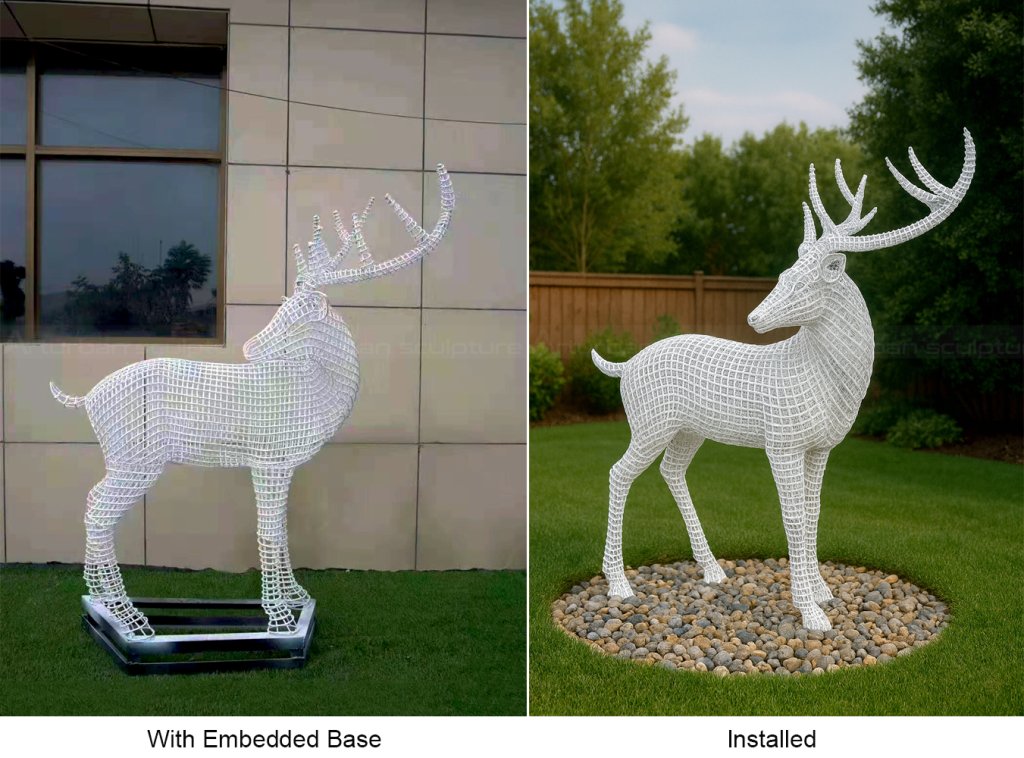
For a more permanent installation, dig a small hole in the ground, insert the sculpture’s base or support rods, and lock them in with concrete. This approach provides lasting stability and prevents the statue from moving over time.
Consider Safety and Aesthetics
When installing, remember to pay attention to the sculpture’s orientation and overall layout. For example, a Deer Statue for Yard should be posed facing an open space, so it blends more naturally with the surroundings. Once it is fixed in place, you can also add small stones or flowers around the base to cover the installation traces and, as a result, help the sculpture integrate better into the courtyard environment.
Send us your requirements now, we will reply to your email within 24 hours