
As a symbol of wisdom and innovation, Albert Einstein’s image is widely popular in public spaces, campuses, science parks, and private art collections worldwide. This article introduces the types, materials, sizes, and customization options for Einstein statues, and shares the latest case studies from Arturban Sculpture to help you choose the most suitable Einstein sculpture.
Why are Einstein Statues So Popular?
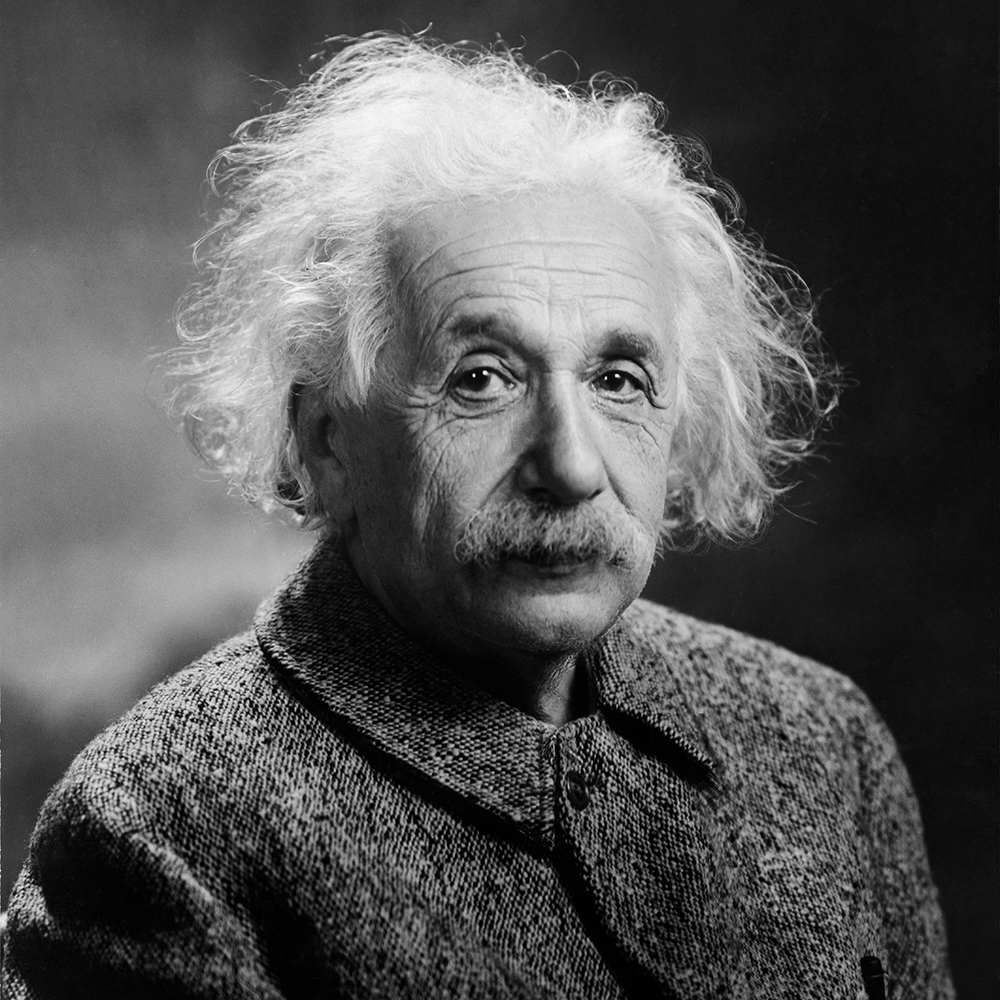
Albert Einstein (1879-1955) was one of the most influential scientists of the 20th century. His groundbreaking theories, such as relativity and the photoelectric effect, profoundly changed humanity’s understanding of the universe, making him a symbol of wisdom, imagination, and innovation.
Beyond his scientific achievements, his gentle and humorous personality, approachable public image, and iconic tousled white hair make him one of the most familiar and recognizable scientific figures.
This is why Einstein’s image transcends time, permeating culture, education, and public art. Einstein statues are therefore widely popular, frequently used in campuses, science parks, museums, and urban art landscapes to symbolize wisdom, inspiration, and enlightenment. Furthermore, these sculptures are often used in private gardens, villas, and offices as symbols of cultural refinement.
Therefore, Einstein statues possess cultural significance, artistic value, and decorative function, making them a highly sought-after type of themed sculpture.
Popular Types of Einstein Statues
Einstein statues can be broadly categorized as follows:
Standing Einstein Statue

The classic standing pose typically portrays Einstein’s gentle and intelligent nature, suitable as a landmark statue at the entrance of campuses or science institutions.
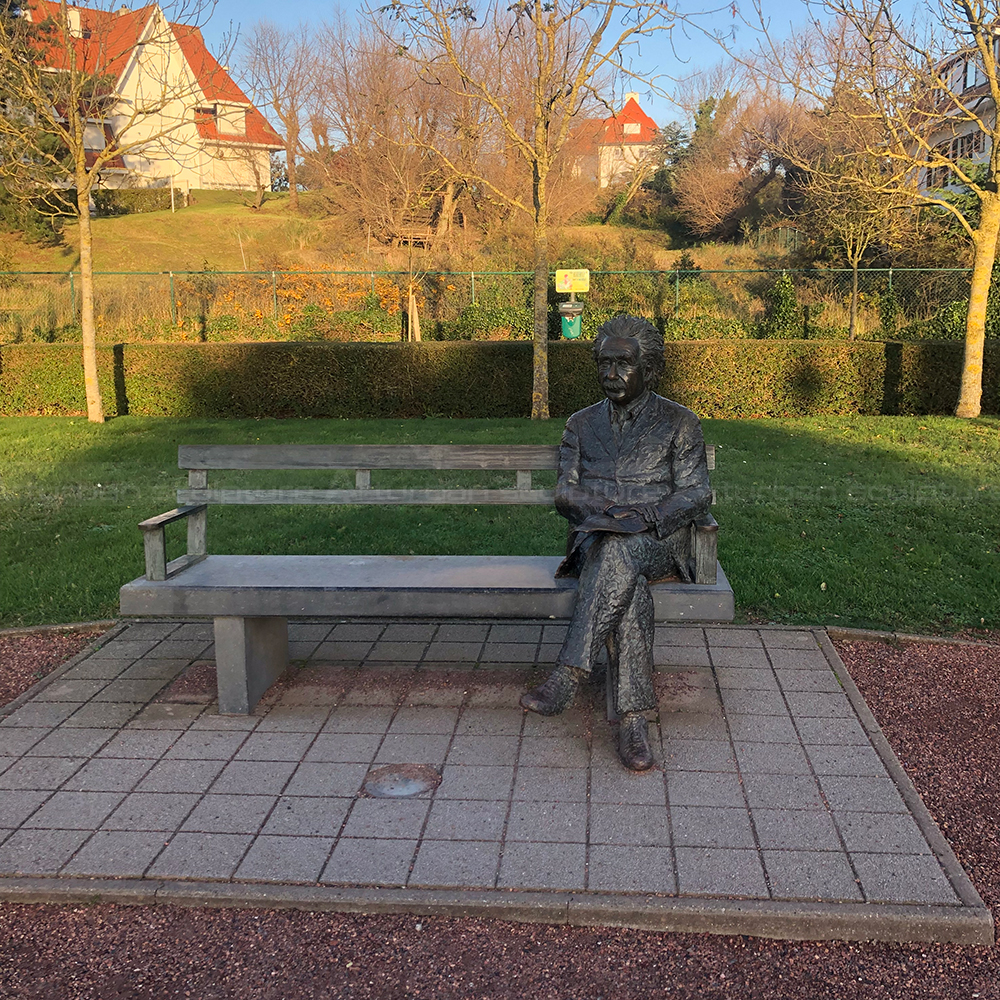
Sitting Einstein Sculpture
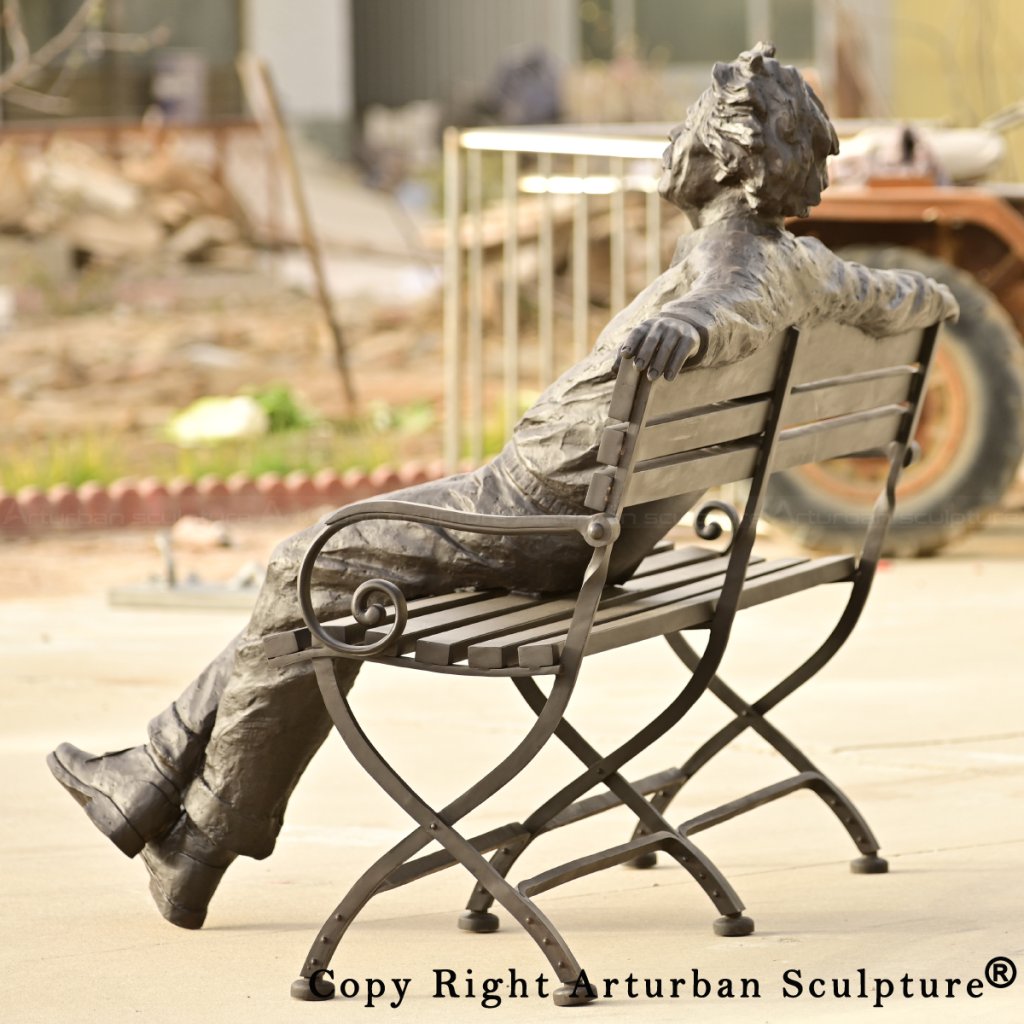
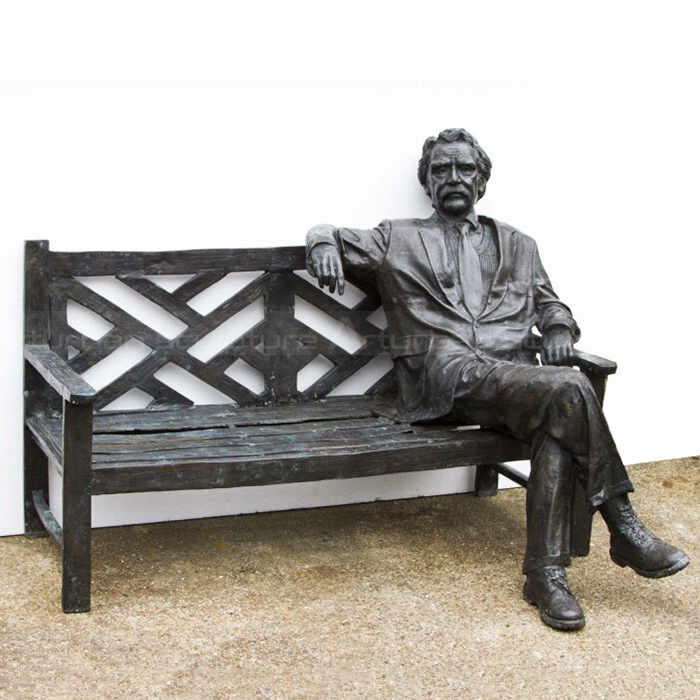
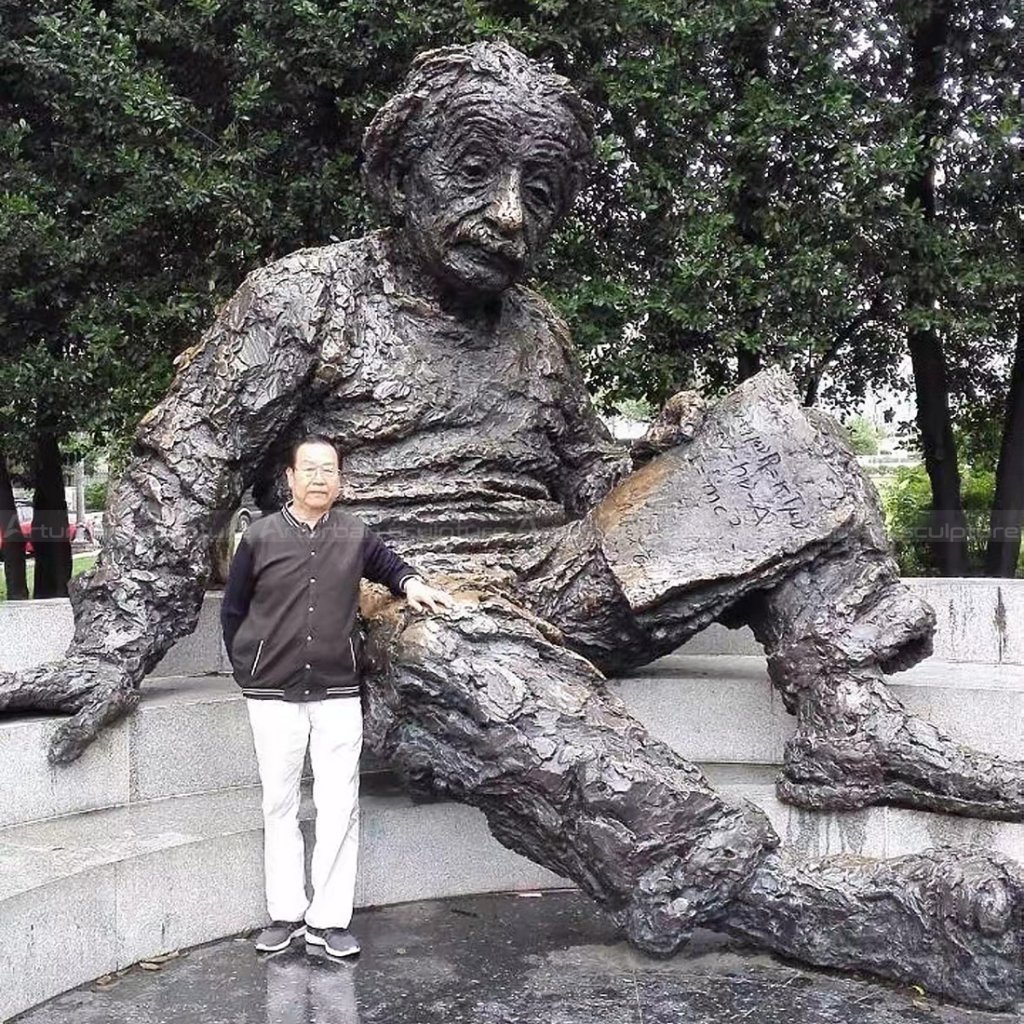
Statues are often designed to depict Einstein sitting on a bench or chair, allowing viewers to sit side-by-side for photos, making it a popular form of public art in parks, universities, and museums.
Thinker Style Einstein Statue
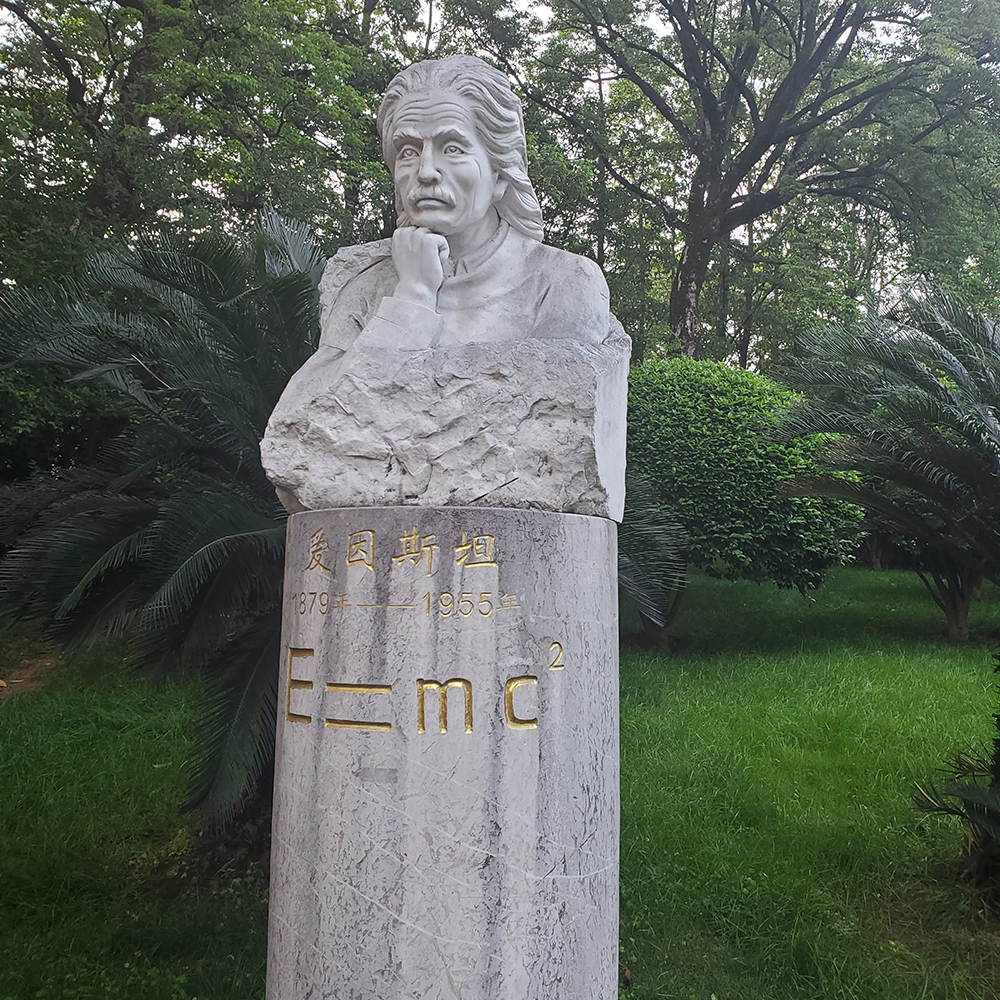
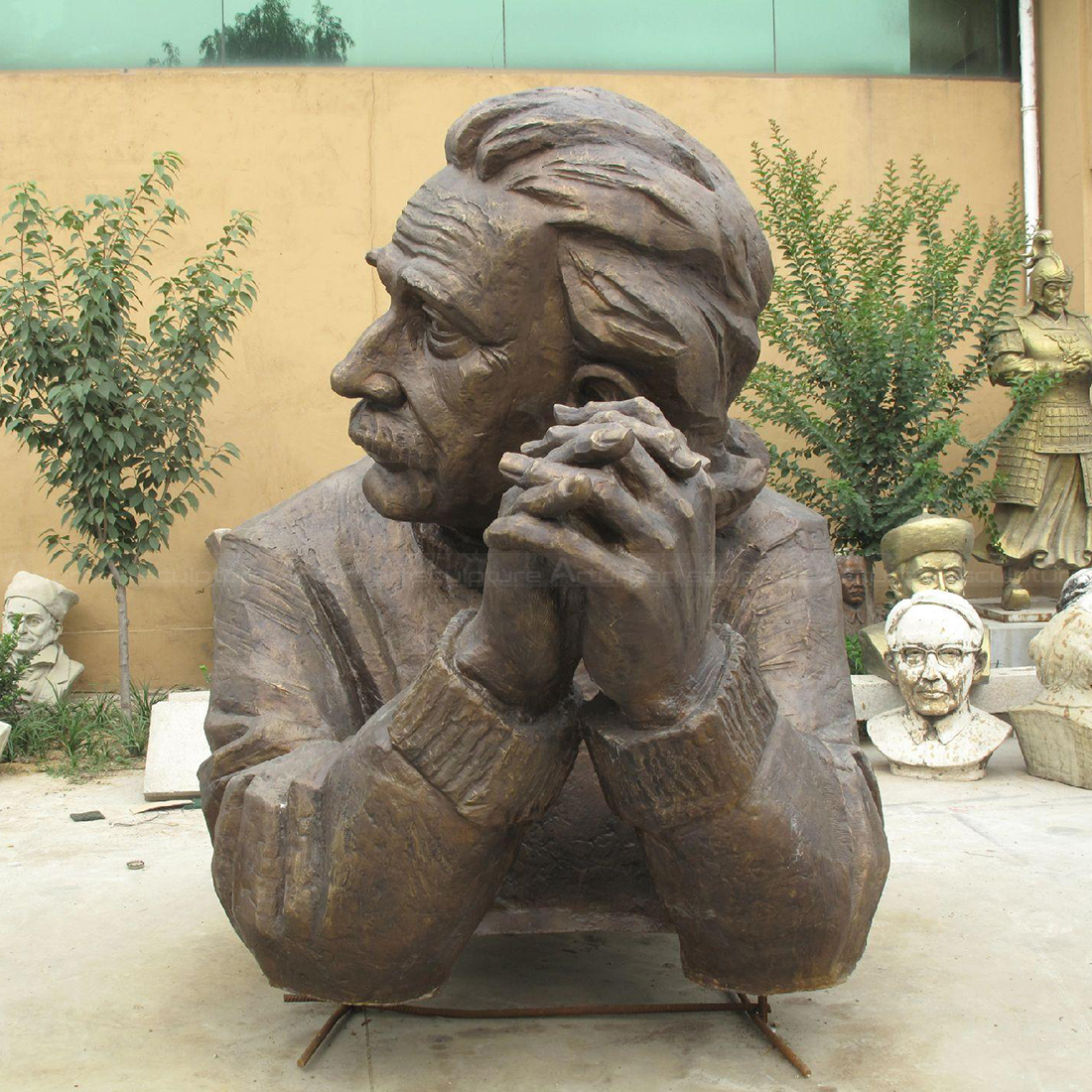
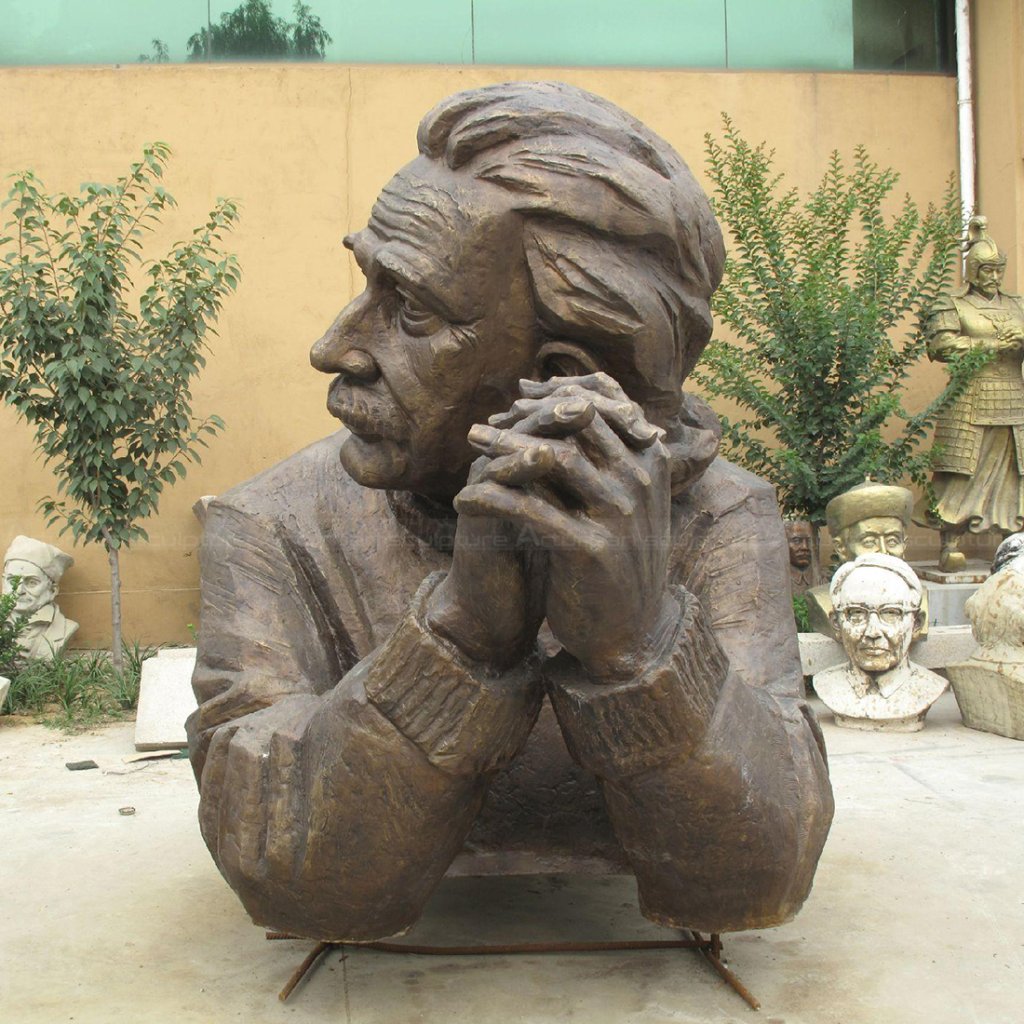
Centered on philosophical themes, these statues typically depict Einstein resting his chin on his hand, looking up in contemplation, or gazing into the distance. They symbolize Einstein’s profound thoughts and spirit of exploration, making them ideal for research centers or academic environments.
Reading Pose
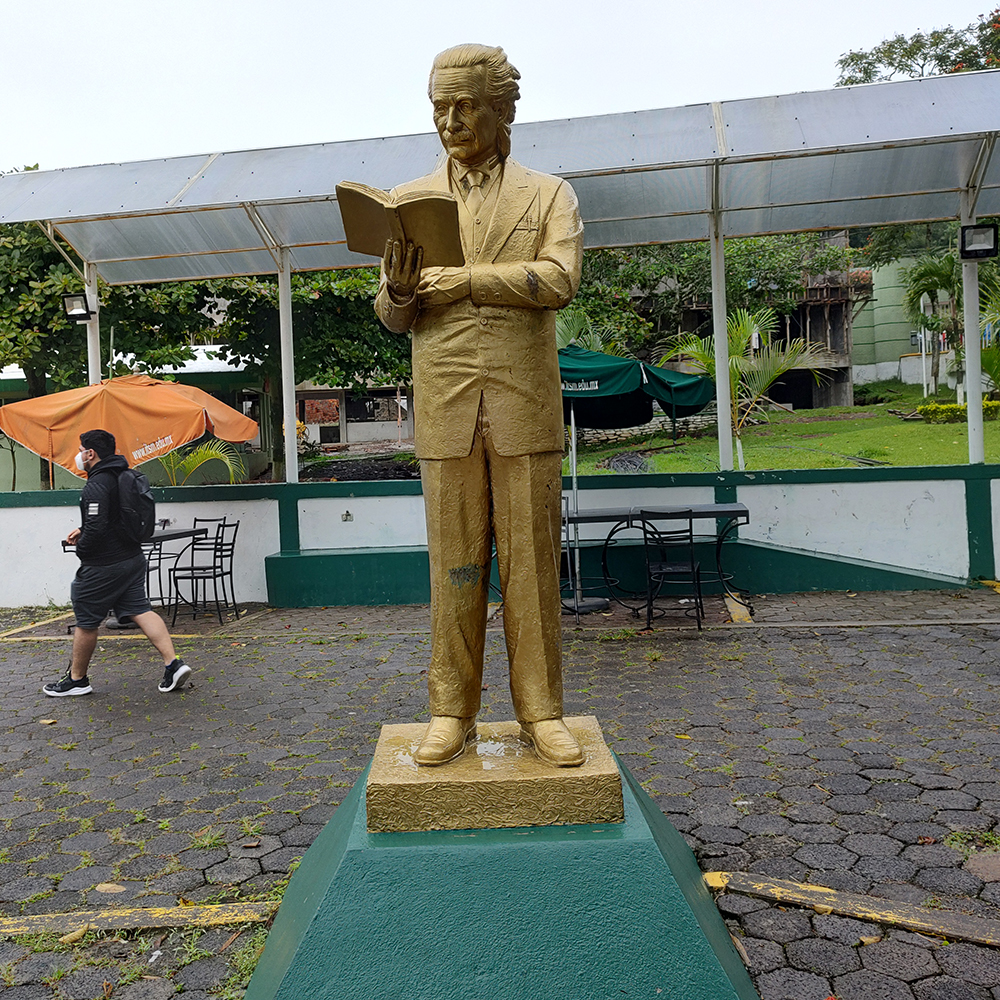
These Einstein Statues capture moments of Einstein reading, studying, or concentrating, emphasizing his scholarly identity and thirst for knowledge. Suitable for cultural spaces such as libraries and educational institutions.
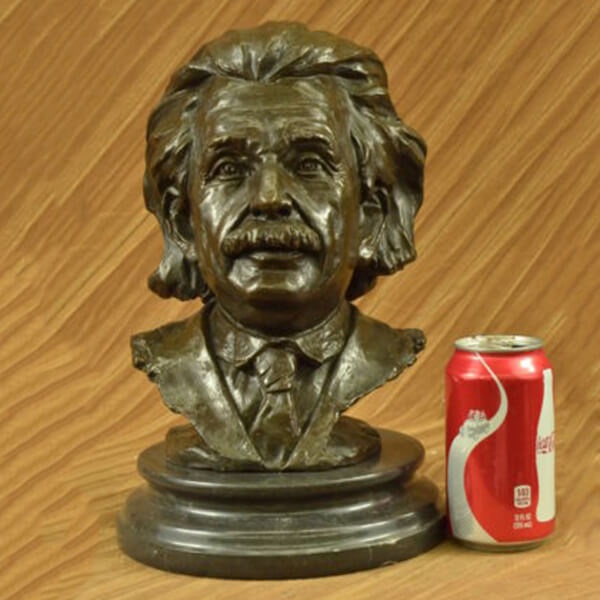
Einstein Bust
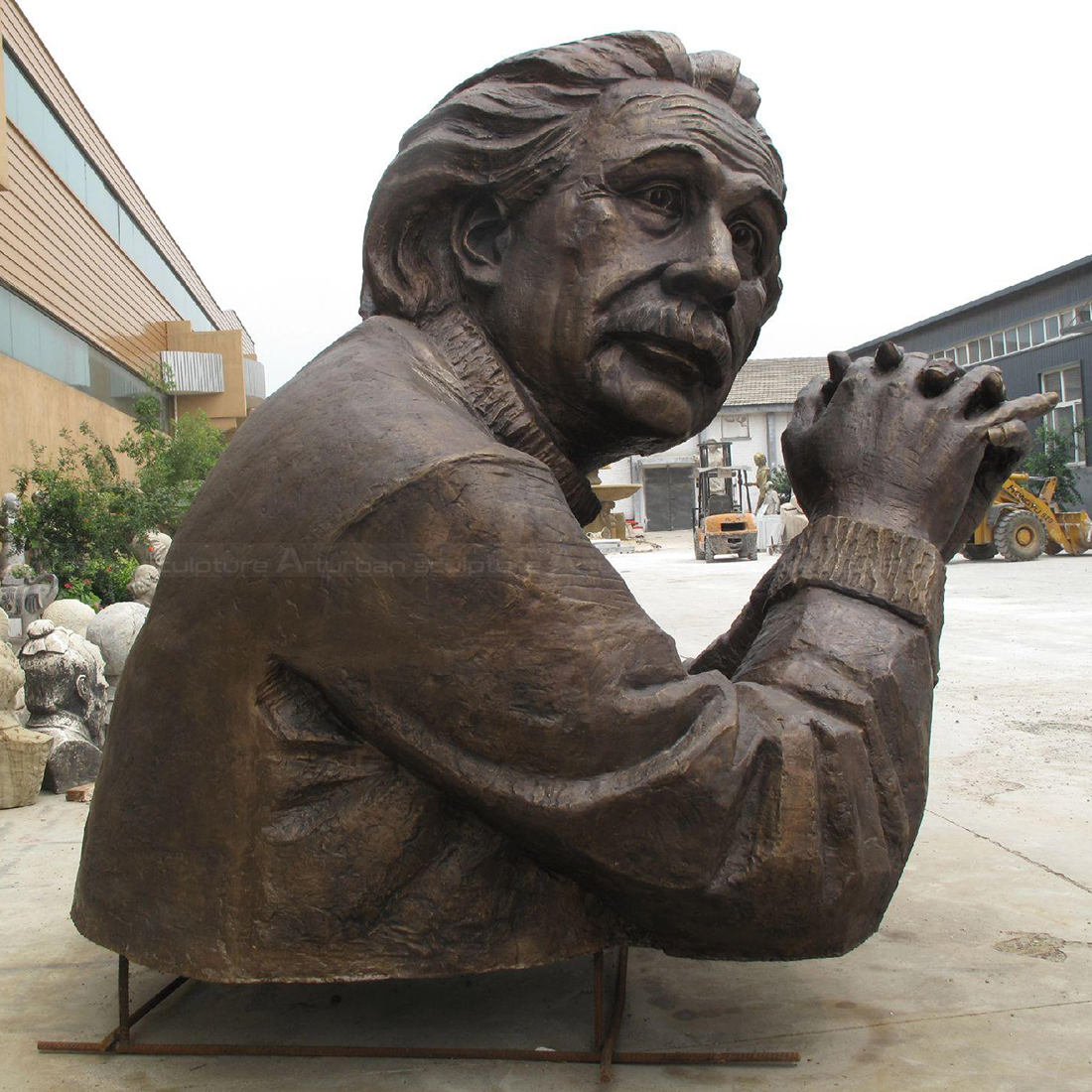
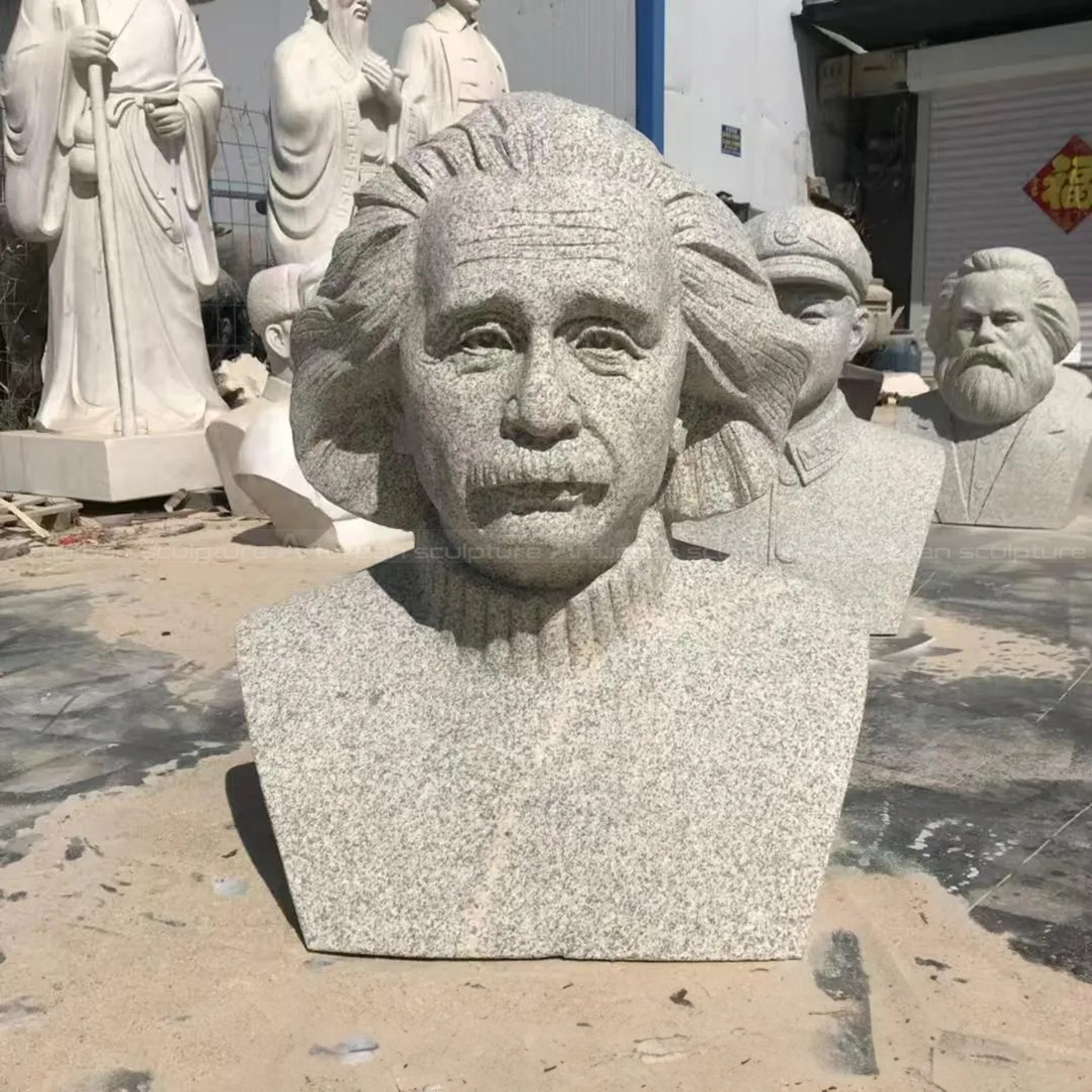
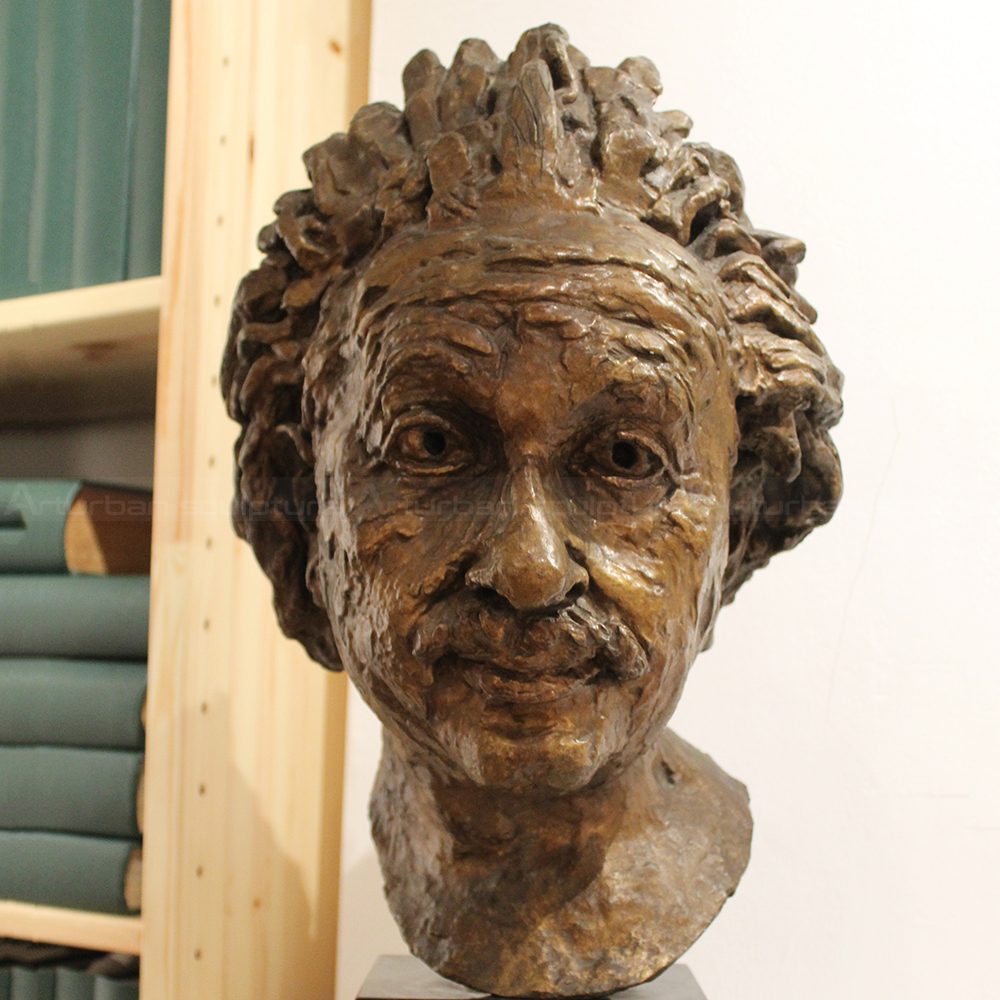
Bust sculptures focus more on facial features and spiritual expression. Available in realistic or modern styles, they are common art installations in offices, studies, and museums.
Humorous Einstein Statues
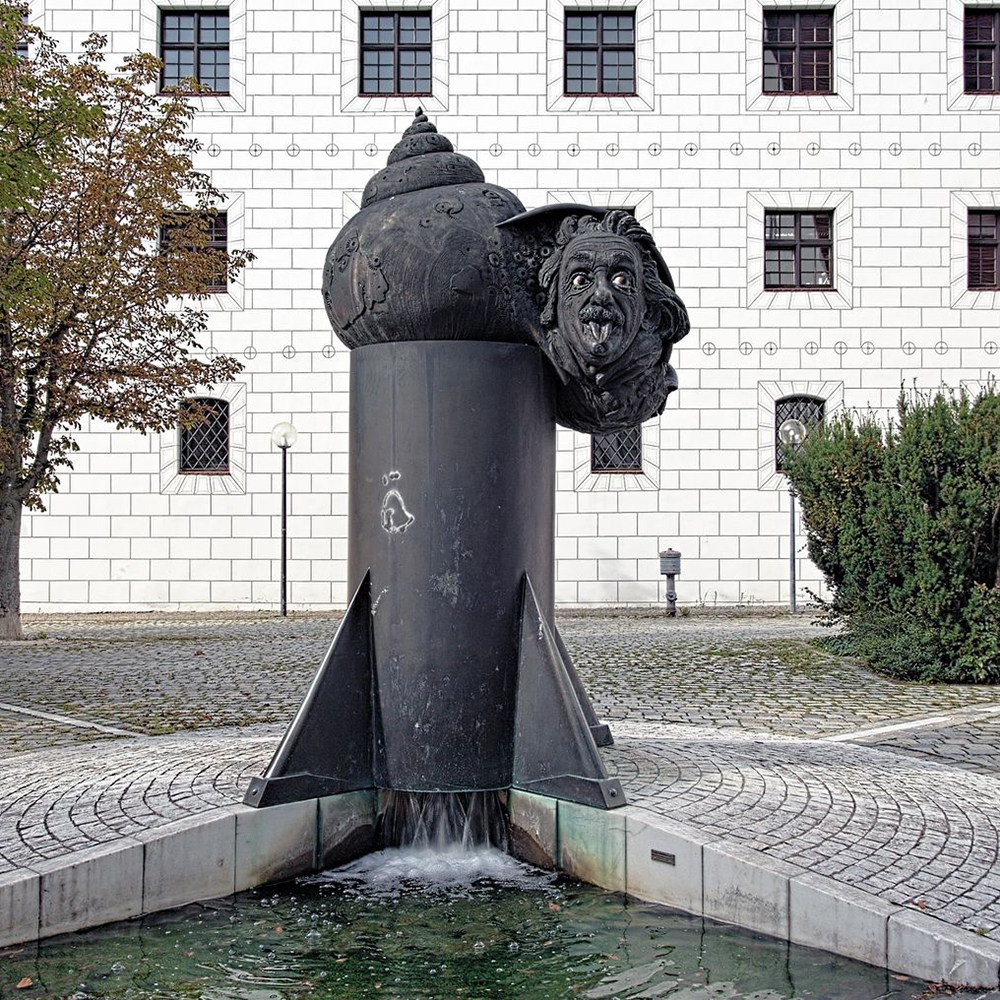
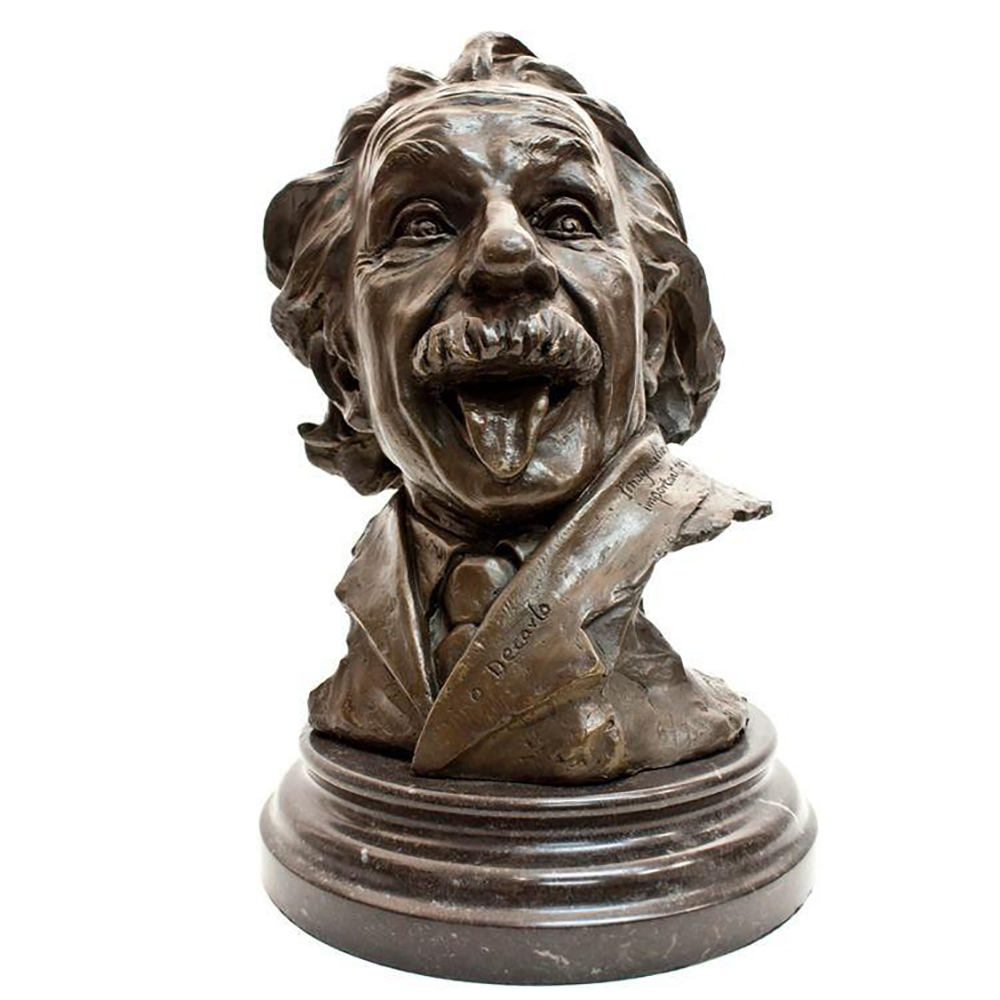
Humorous Einstein statues often feature him sticking out his tongue, smiling easily, or in a casual pose. The famous “tongue-out” photograph, taken on his 72nd birthday, shows him playfully sticking out his tongue in front of flashing cameras, and this image has become the most iconic representation of Einstein.
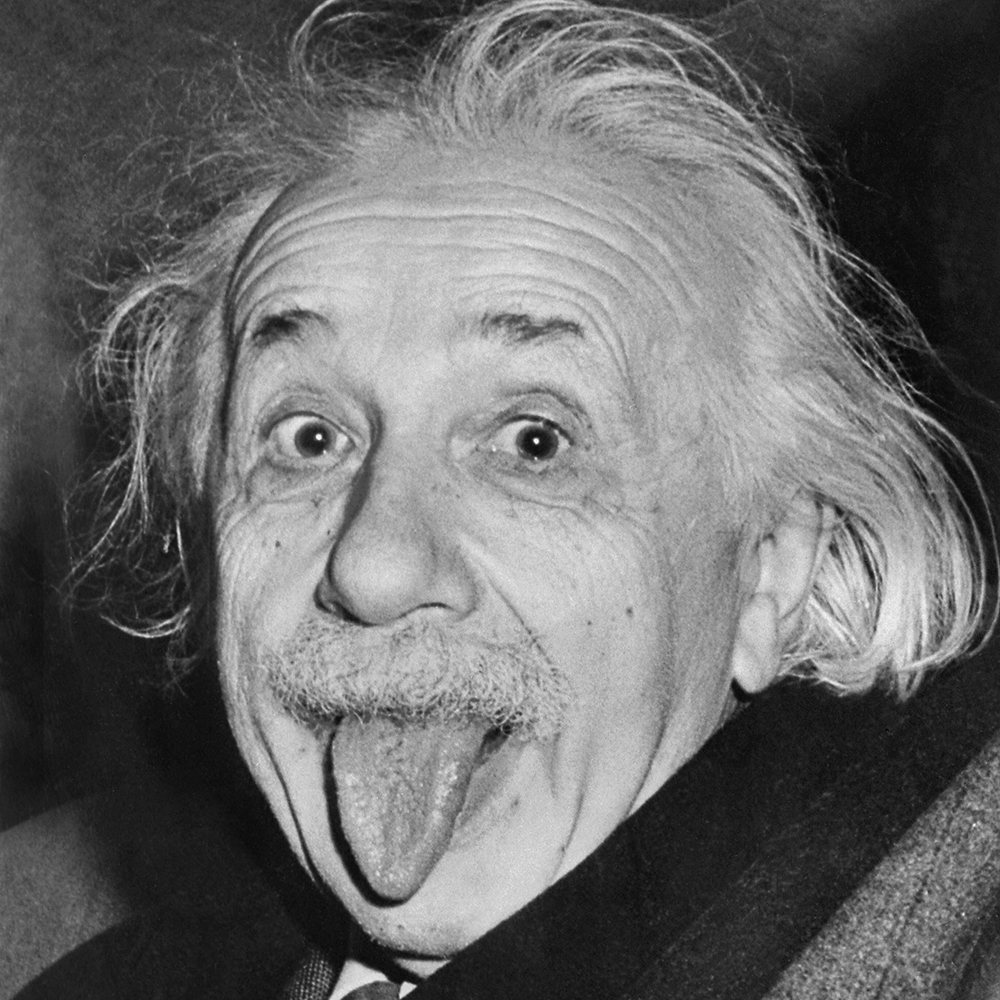
Therefore, humorous sculptures are more approachable and lively, attracting visitors to interact and take photos, making them especially suitable for parks, campuses, and public art districts.
Materials and Craftsmanship of Einstein Statues
Einstein sculptures can be made from different materials depending on the display environment, budget, and aesthetic needs. Each material not only presents a different effect but also has its own unique craftsmanship.
Bronze
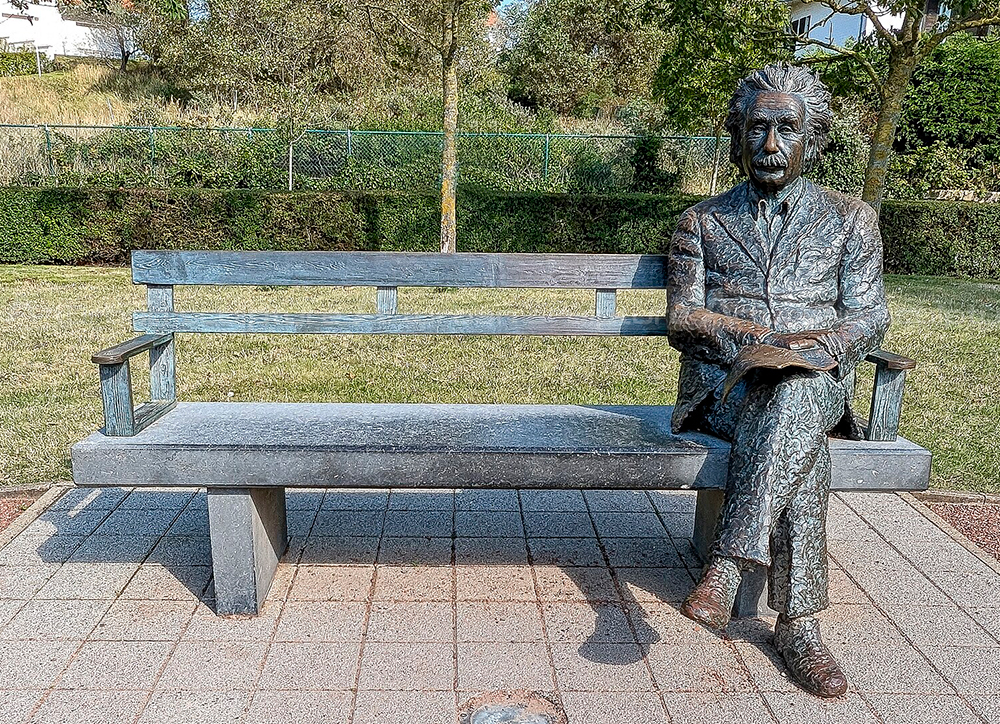
Bronze is the most classic and popular material, possessing advantages such as stability, weather resistance, and a heavy texture, making it ideal for long-term outdoor displays.
Craftsmanship Features: Utilizes the lost-wax casting method for fine casting; the surface can be finished with artistic effects such as antique bronze, dark bronze, and green patina.
Fiberglass
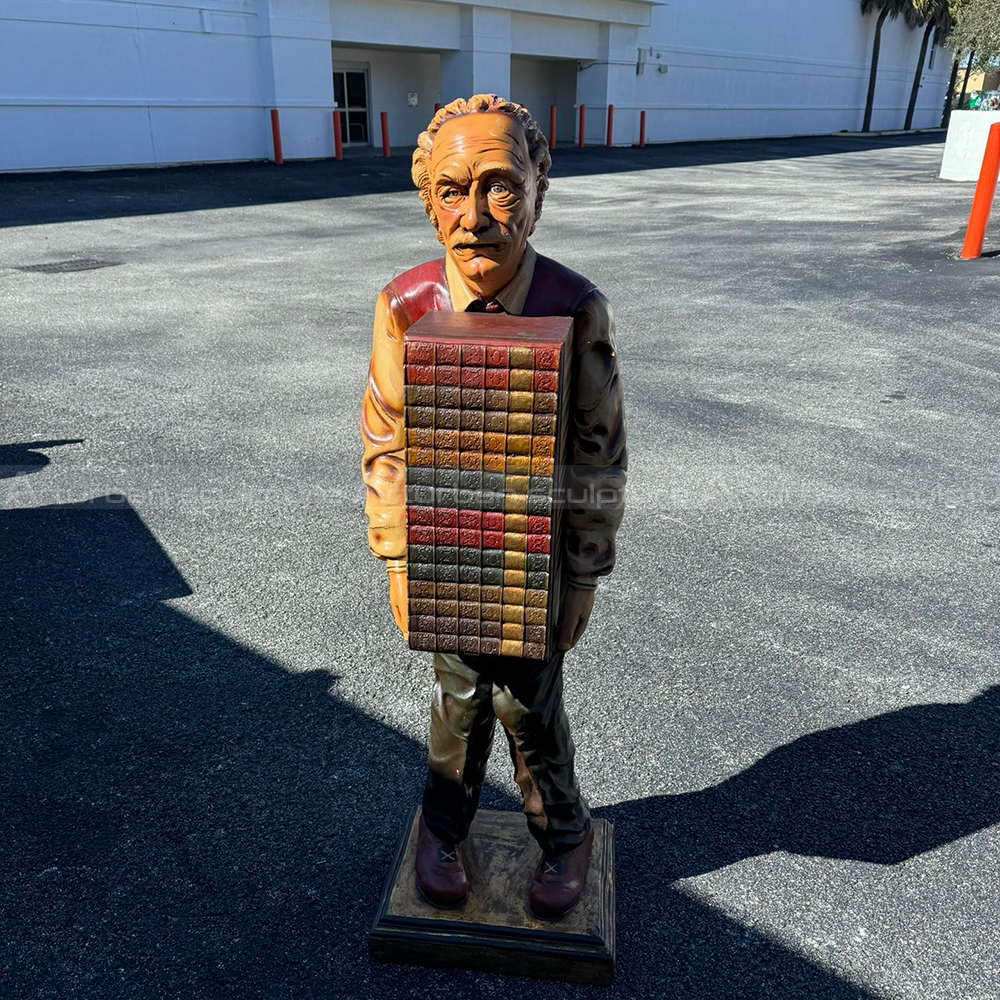
Lightweight and reasonably priced, it can be painted, making it suitable for interior decoration or projects with limited budgets.
Craftsmanship Features:
High-precision painting and texturing are possible.
Surface finishes include matte, glossy, and metallic paint.
Lightweight structure for easy transport and installation.
Marble
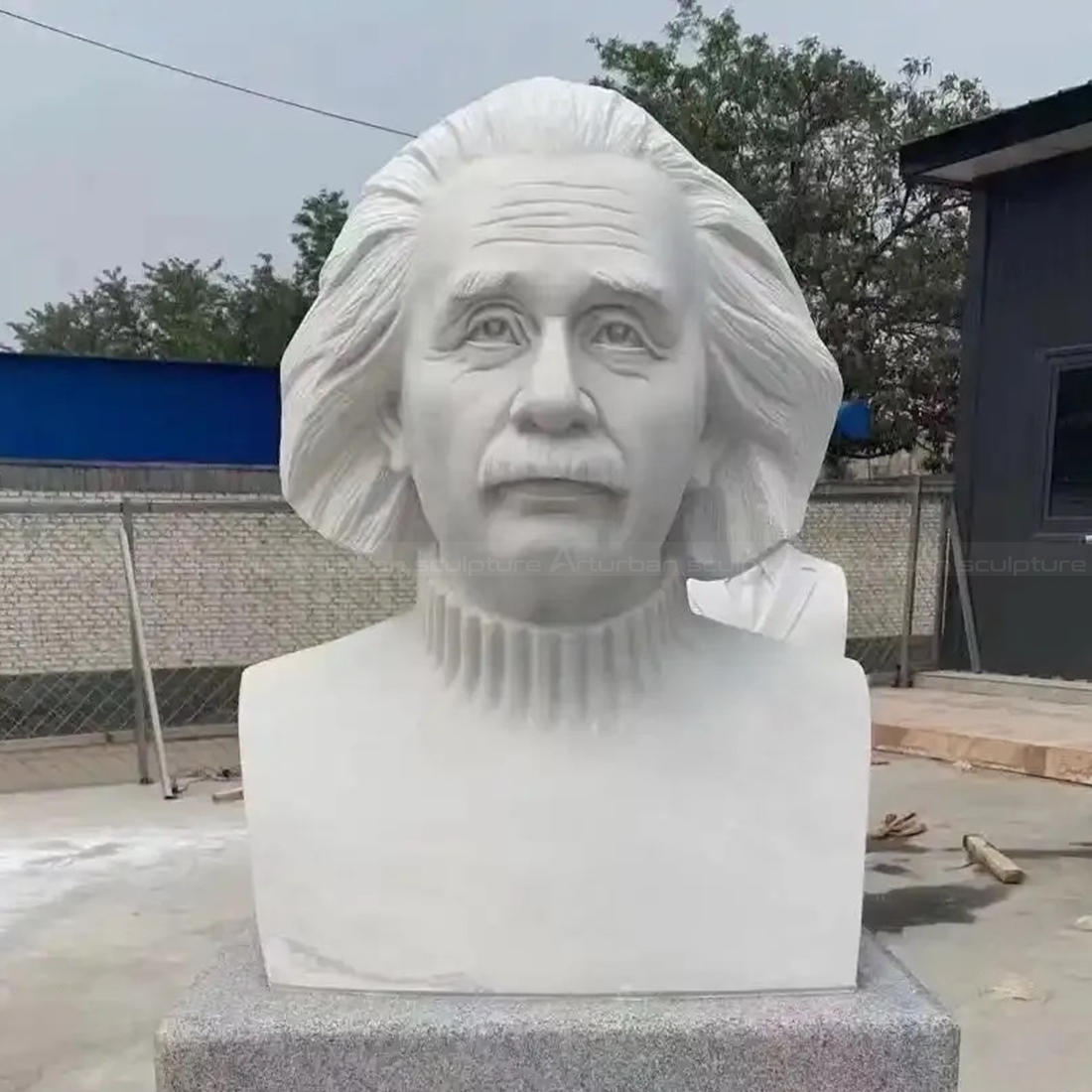
Carved from natural stone, dignified and elegant, suitable for commemorative spaces or high-end art collections.
Craftsmanship: Hand-carving combined with machine roughing emphasizes facial expressions and the depth of clothing folds, with a finely polished surface.
Stainless Steel
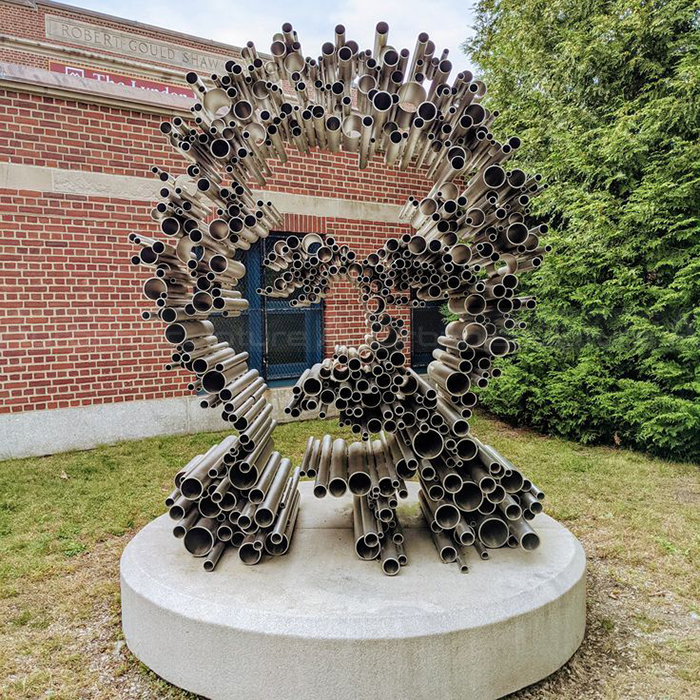
Modern in feel, with smooth lines, and can be finished with mirror or brushed effects. Commonly used in science parks, modern art districts, etc.
Production Process of bronze Einstein Statues.
Bronze Einstein statues are generally cast using the traditional lost-wax casting method, which can highly reproduce the figure’s expressions, movements, and details. The following is the standard production process for Arturban Sculpture:
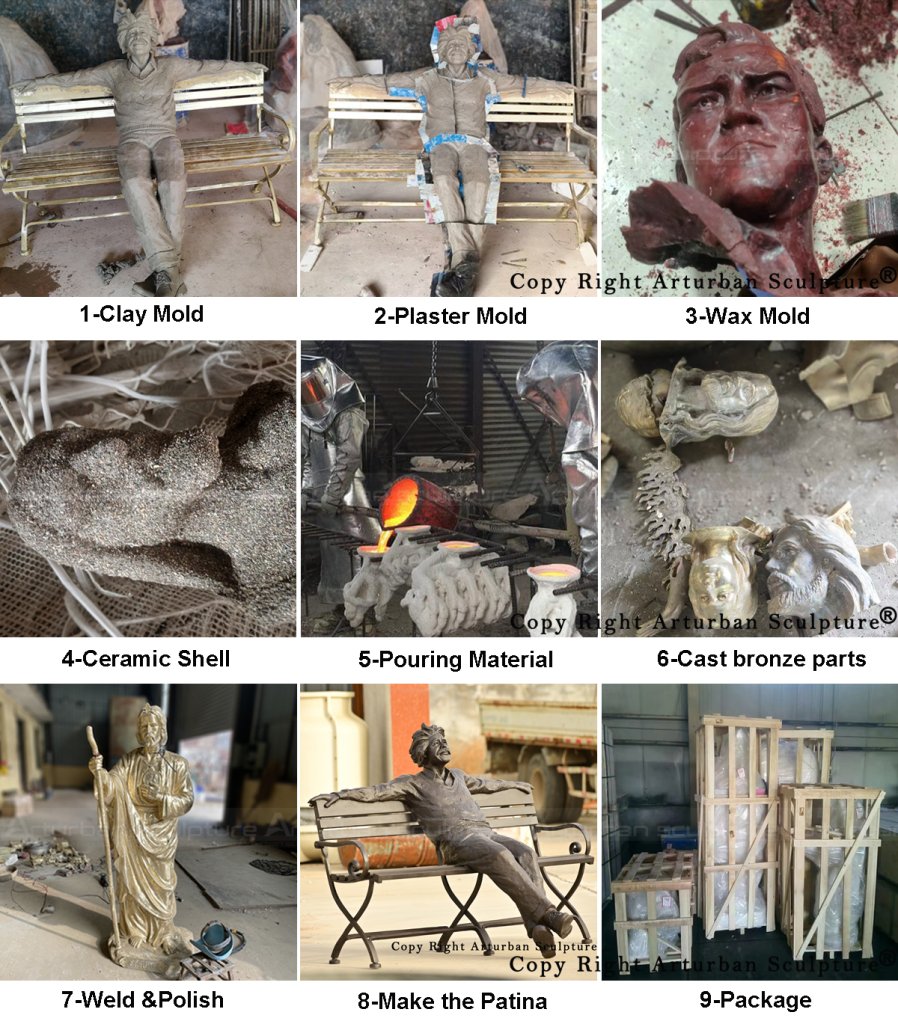
- Clay Modeling: A professional sculptor hand-crafts a clay model based on the design sketch, determining Einstein’s proportions, expression, and overall posture.
- Mold Making: Plaster Mold + Silicone Mold Making
The overall structure is cast using a plaster mold for stability; detailed areas such as the face and hands are made using a silicone mold to better preserve texture. - Wax Pattern Casting: Molten wax is poured into the mold to create a wax pattern identical to the original clay model, which is then refined.
- Shell Making & Bronze Casting: The wax pattern is repeatedly wrapped in refractory material to form a shell, baked to allow the wax to flow out, and then molten copper is poured into the shell.
- Demolding, Welding & Grinding: After cooling, break the shell to remove the copper parts, then weld, level, and finely grind to create a more natural surface texture.
- Patina Coloring: Use methods such as baking, chemical treatments, and hand brushing to give the sculpture an antique bronze, dark bronze, or green patina effect.
- Final Inspection & Packing: Inspect the structural strength, surface finish, and overall completion. Finally, use reinforced wooden crates for export packaging to ensure safe transport.
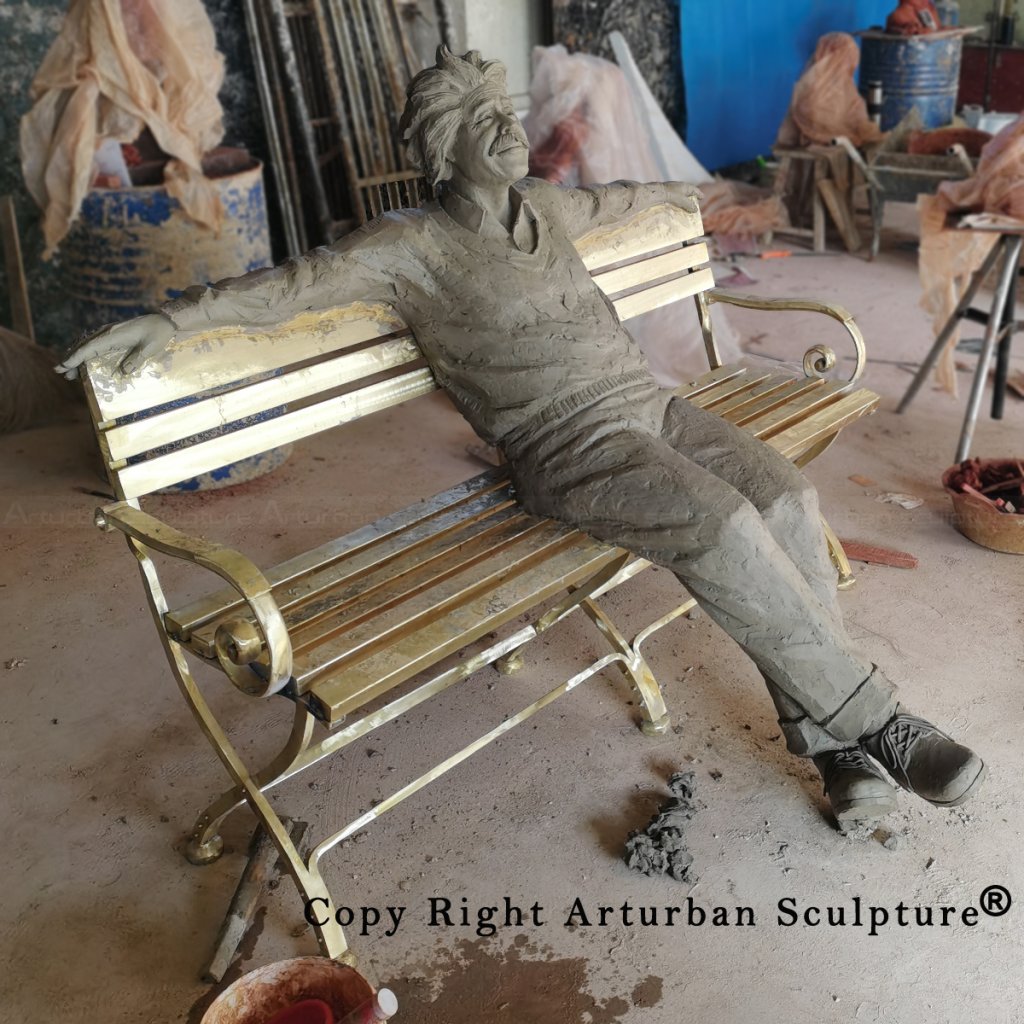
clay mold

Common Sizes and Suitable Installation Sites
- Small Sculptures: 15–60 cm high. Suitable as gifts, office desk decorations, and interior decorations.
- Life-size Sculptures: Approximately 170–180 cm. Most popular, suitable for campuses, science centers, cultural centers, libraries, etc.
- Slightly larger than life-size: 2–3 m. This creates a stronger visual impact and is suitable for plazas, park entrances, and urban public spaces.
- Custom sizes available upon request. Arturban Sculpture can create Einstein sculptures of any size to meet the diverse needs of art galleries, commercial centers, government projects, and private collections.
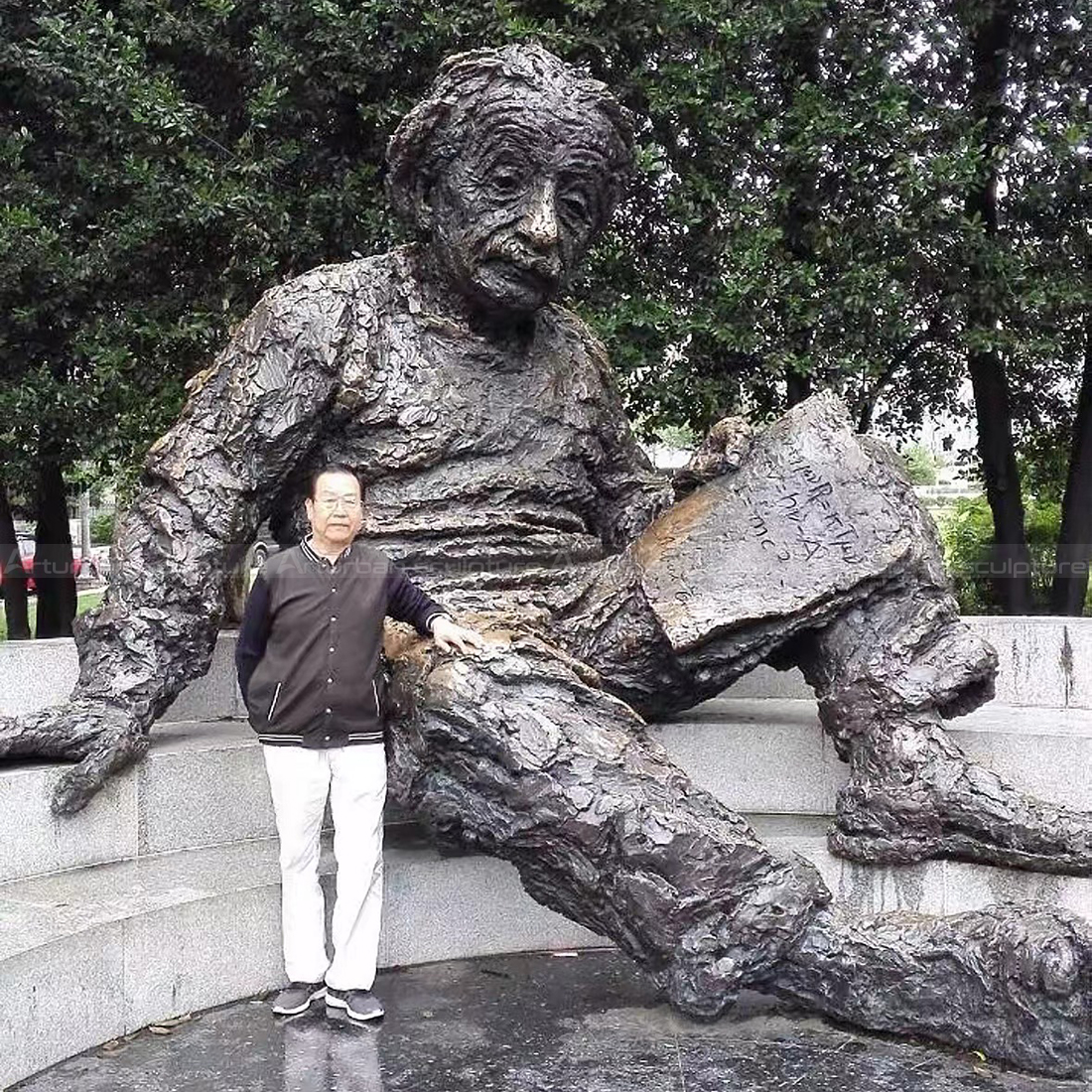
Project Case: Our New Einstein Sitting on Bench Statue

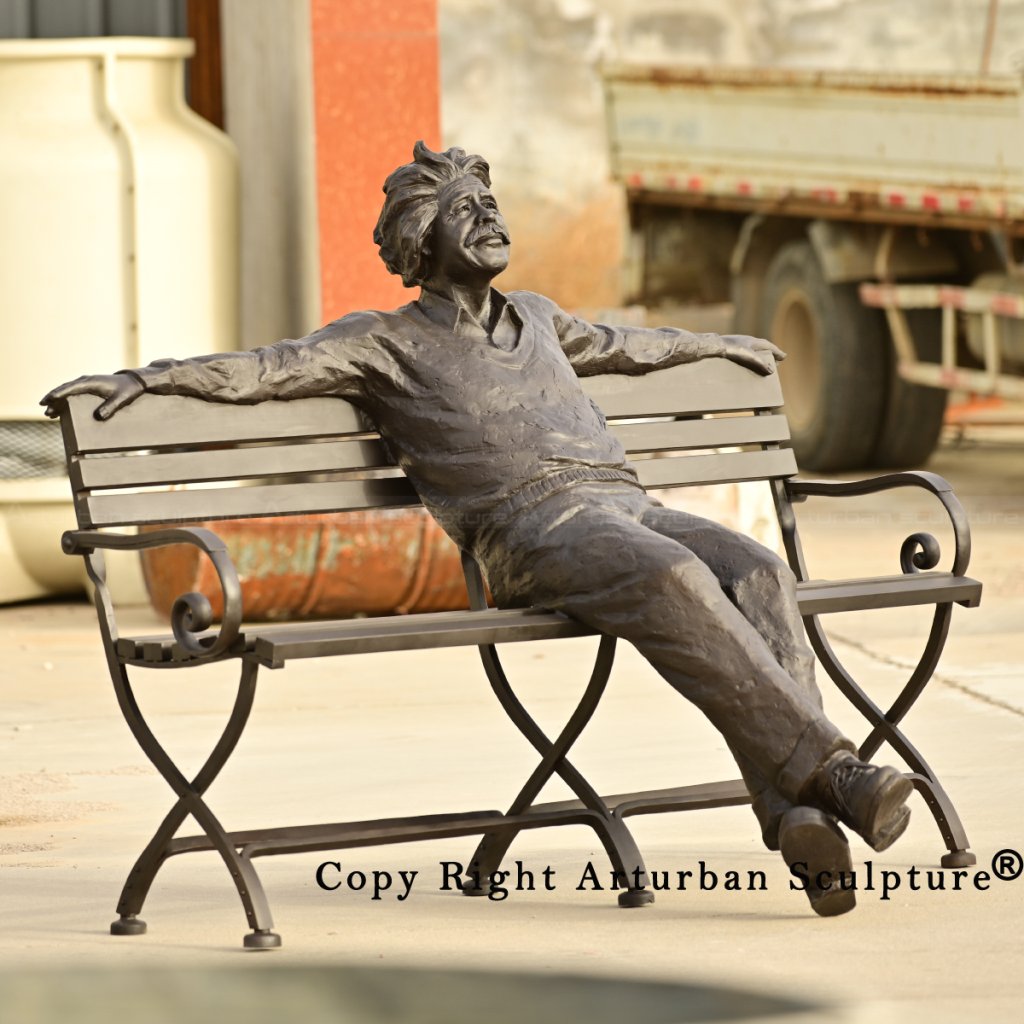
This Einstein bench sculpture, custom-made by Arturban Sculpture for one of our customer, is a classic figure sculpture that combines artistic expression with an interactive atmosphere. The sculpture depicts Einstein in a relaxed, smiling pose, sitting leisurely on a bench with his arms naturally resting on the back, presenting a friendly, humorous, and charming image.
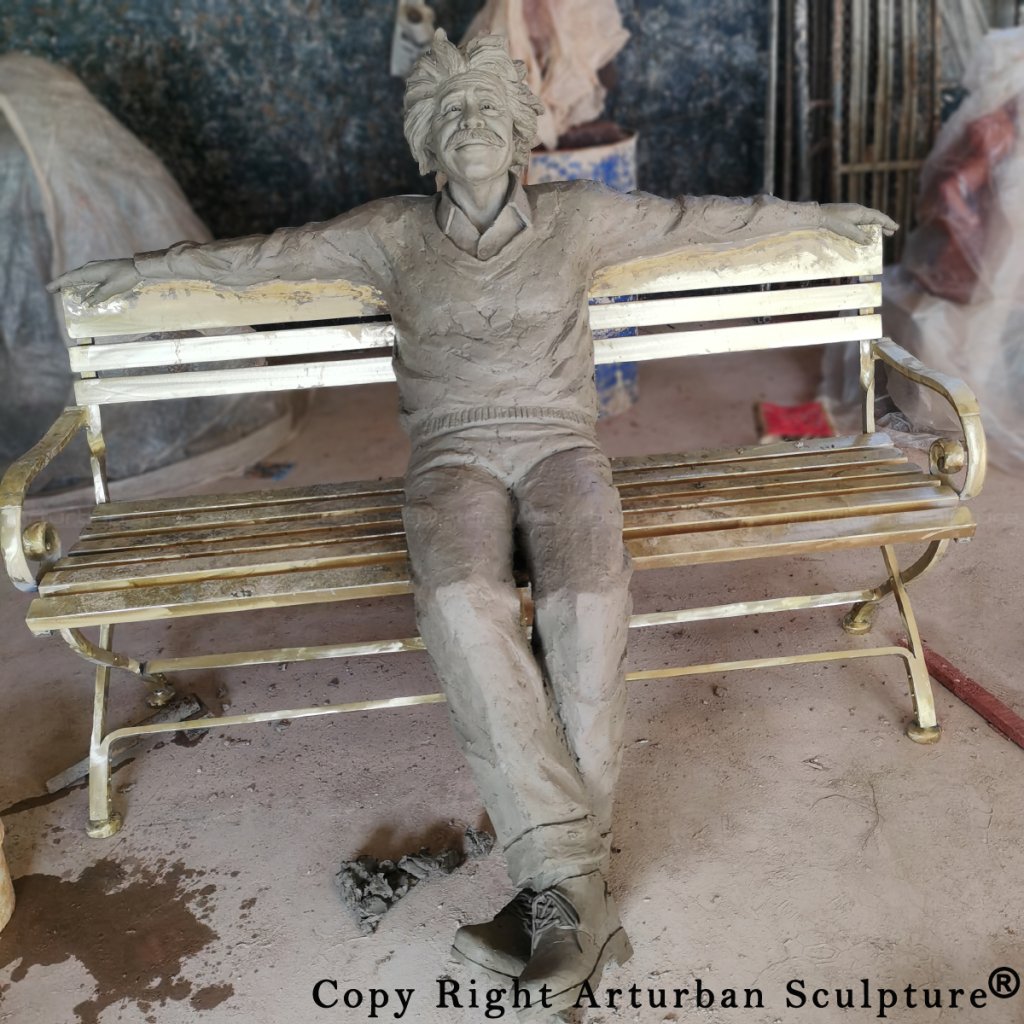
Made of high-quality bronze, the sculpture features delicate facial expressions, natural and flowing clothing folds, and particularly vivid depictions of the hair’s dynamic movement. The bench structure is sturdy, allowing visitors to sit and take photos, making it a highly interactive and experiential public art installation. This type of sculpture is ideal for university campuses, science parks, city parks, museum entrances, and art districts, infusing the spaces with cultural atmosphere and scientific spirit while increasing the activity and dwell time of visitors.
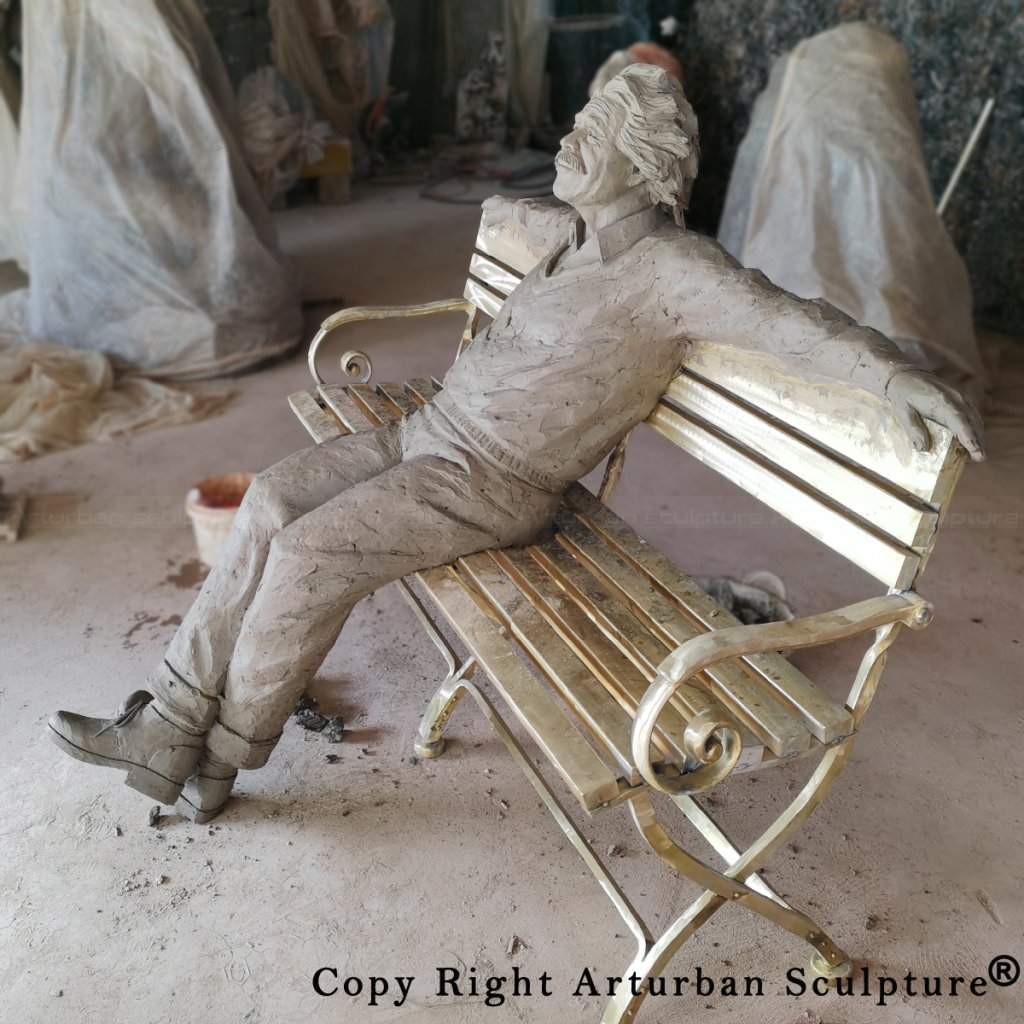
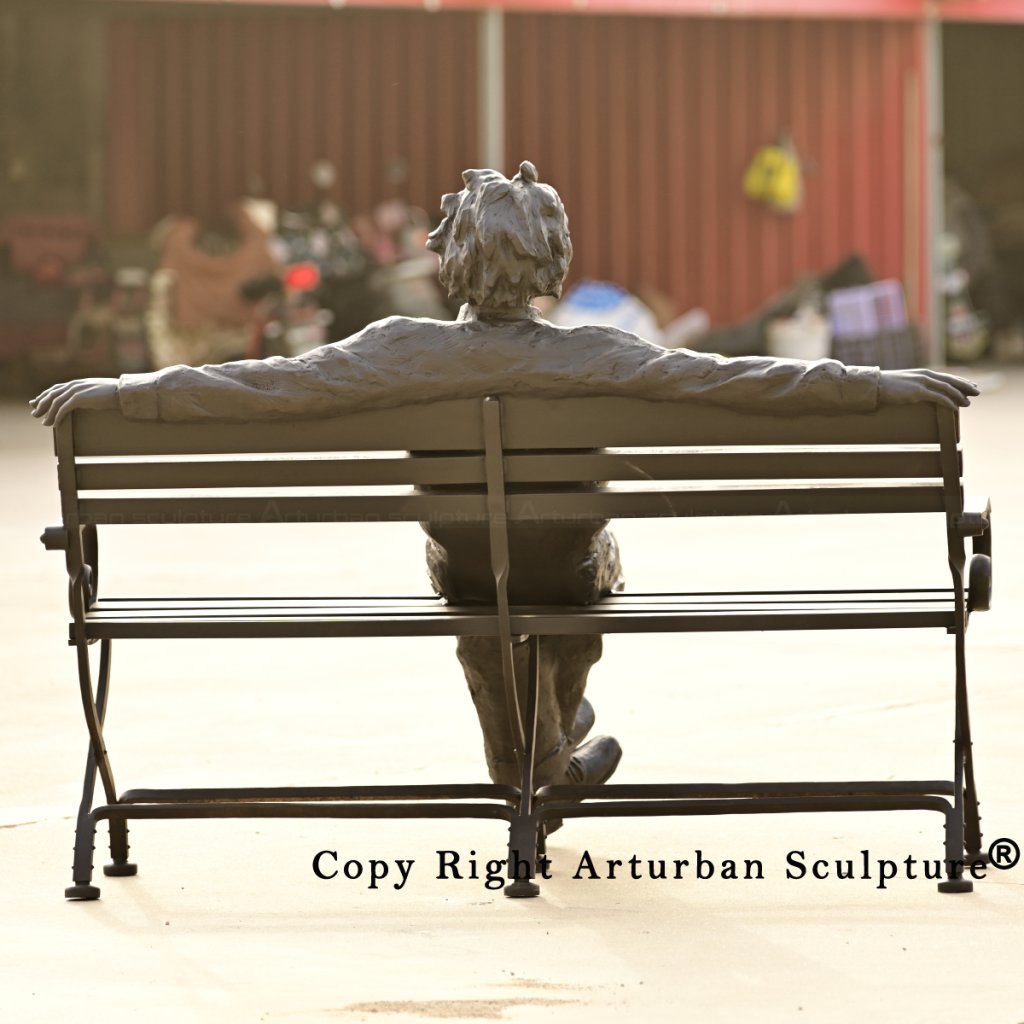
Arturban Sculpture boasts an experienced production team that can customize poses, sizes, materials, and surface finishes to create unique Einstein-themed sculptures tailored to client needs.
How to Choose the Right Einstein Statues?
Define the Usage Scenarios
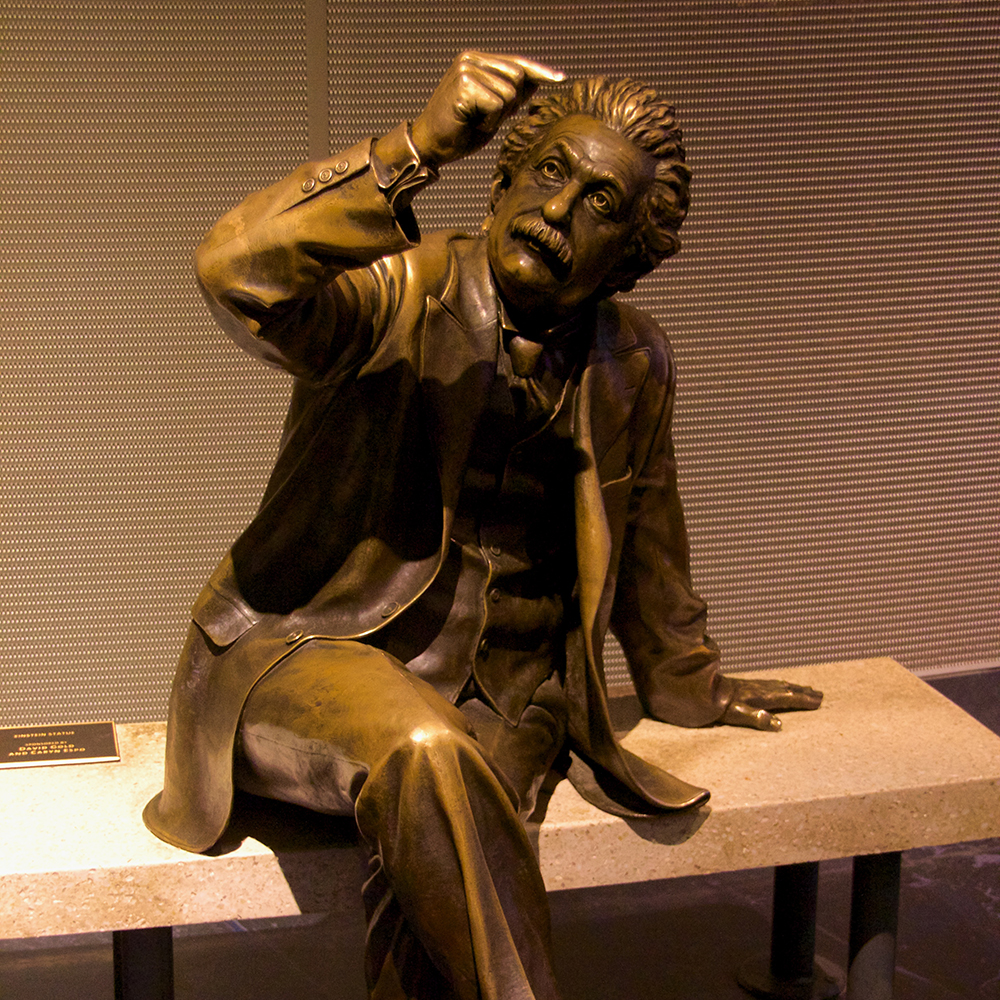

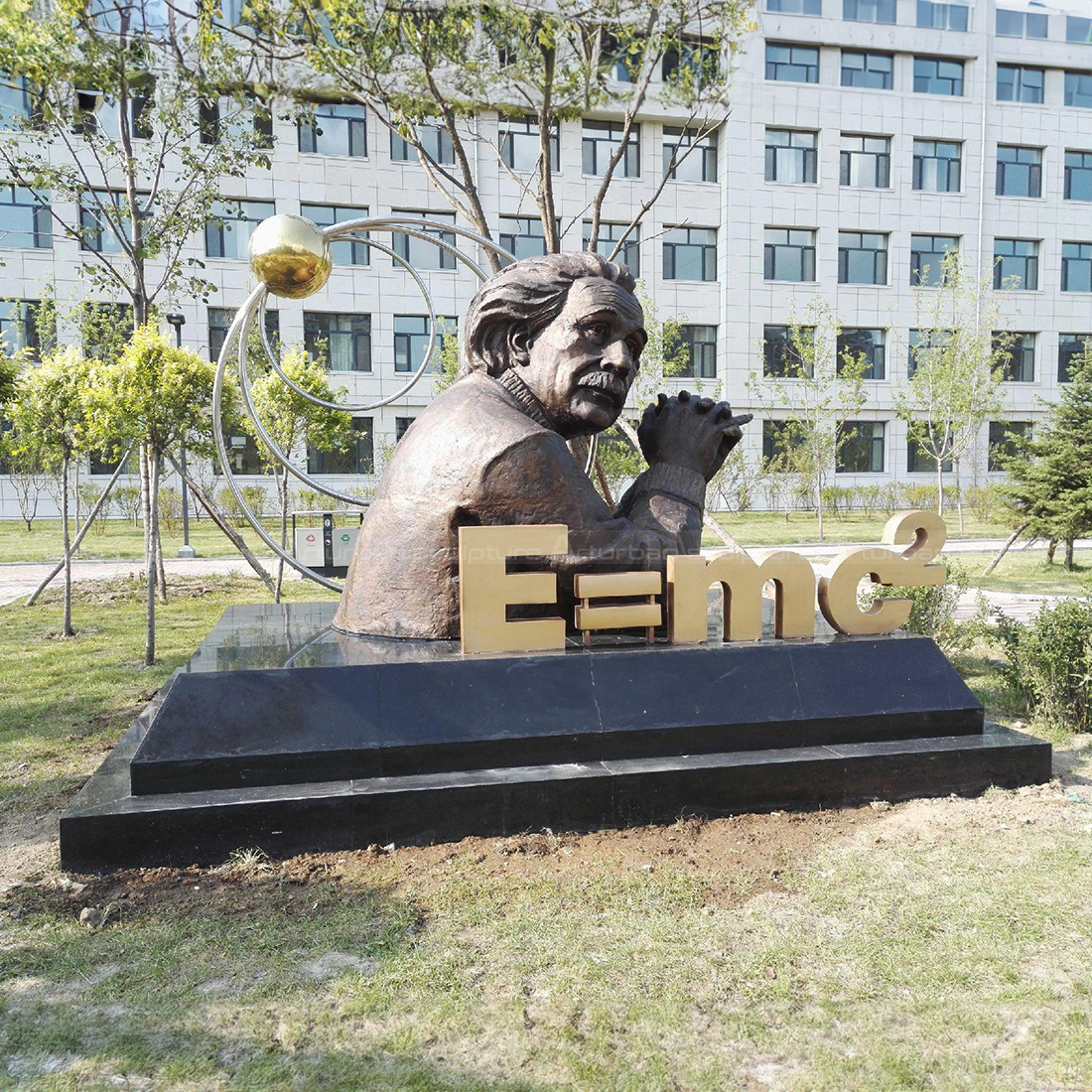
Different scenarios require different designs:
- Campuses & Science Parks: Life-size or slightly larger realistic sculptures, interactive bench sculptures
- Museums & Cultural Centers: Elegant, detailed realistic bronze sculptures
- Parks & Public Spaces: Interactive seated or humorous sculptures
- Indoor Offices & Private Collections: Smaller sizes are an option
Choose Materials Based on Budget
- High-end, Weather-resistant: Bronze
- Modern: Stainless Steel
- Lightweight & Cost-effective: Fiberglass (FRP)
- Commemorative Occasions: Marble
The higher the material and the more complex the craftsmanship, the higher the budget.
Determine the Appropriate Size
- Small: Suitable for indoor displays
- Life-size: Most commonly used in public settings
- Extra-large: Suitable for landmark installations
Arturban Sculpture can customize any height to fit your space.
Choose a style that matches the environment
- Realistic style: Emphasizes the spirit and temperament of the figure
- Humorous style: Friendly and interactive, such as a “tongue-out” pose or a bench design
- Abstract style: Suitable for modern architecture or art spaces. The style must match the atmosphere of the site.
Pay attention to the details and craftsmanship of the Einstein Statues.
Facial expressions, clothing folds, hair movement, and the naturalness of the posture are all important criteria for judging the quality of the work.
Is a custom order necessary?
If the standard model does not meet your needs, customization is available.
Custom Options: Pose, Material, Size, Surface Finish
Arturban Sculpture supports full customization:
- Pose and Expression: Standing, sitting, thinking, reading, interactive poses on a bench; smiling, contemplative, classic tongue-out pose
- Material: Bronze, stainless steel, fiberglass, marble
- Size: Any size from 15 cm to 5 m+
- Surface Finish: Bronze, antique, gold, painted, etc.
- Pedestal & Plaque: Can be engraved with quotes, logos, donor information, etc.
Professional Advantages: High-Level Clay Sculpting Team
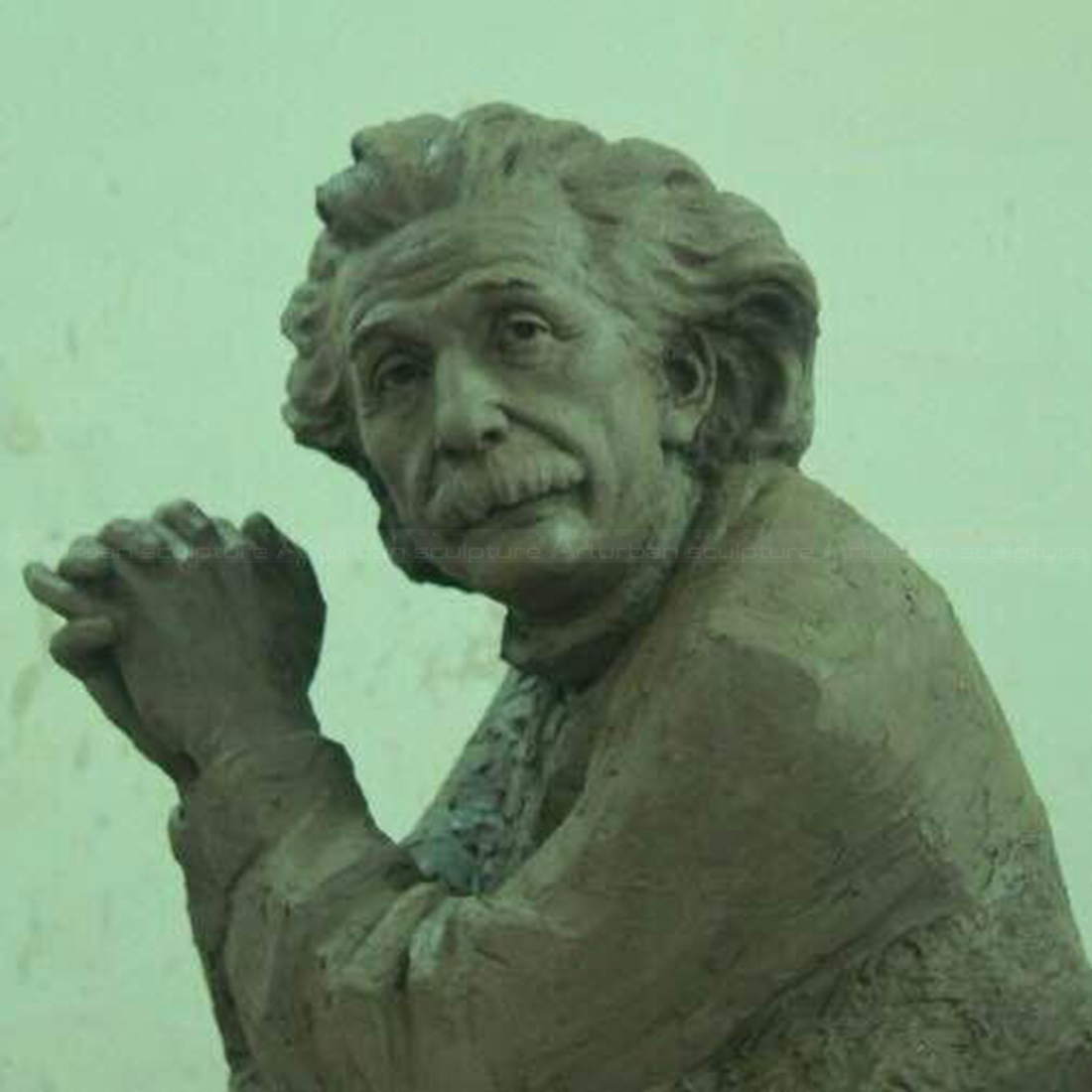
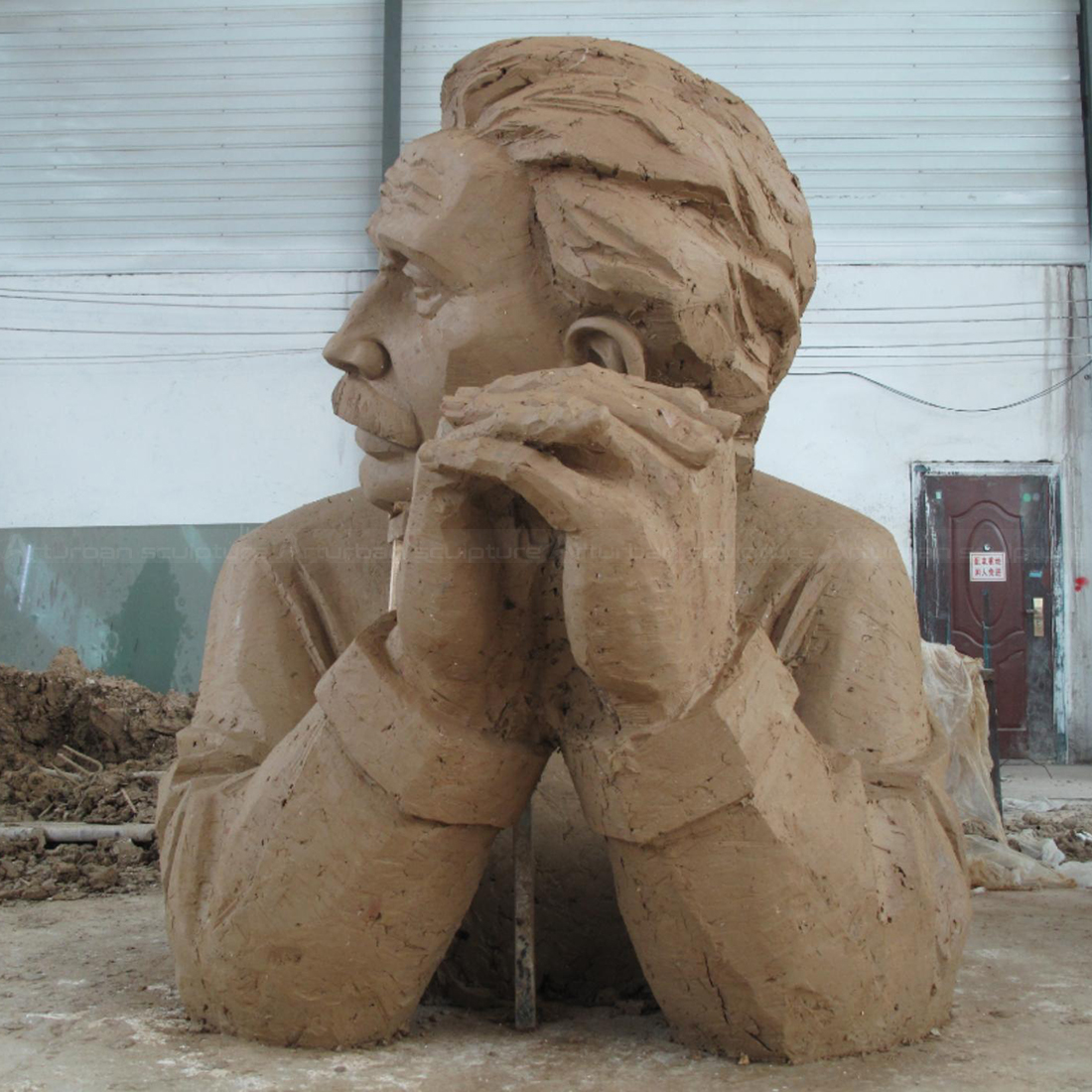
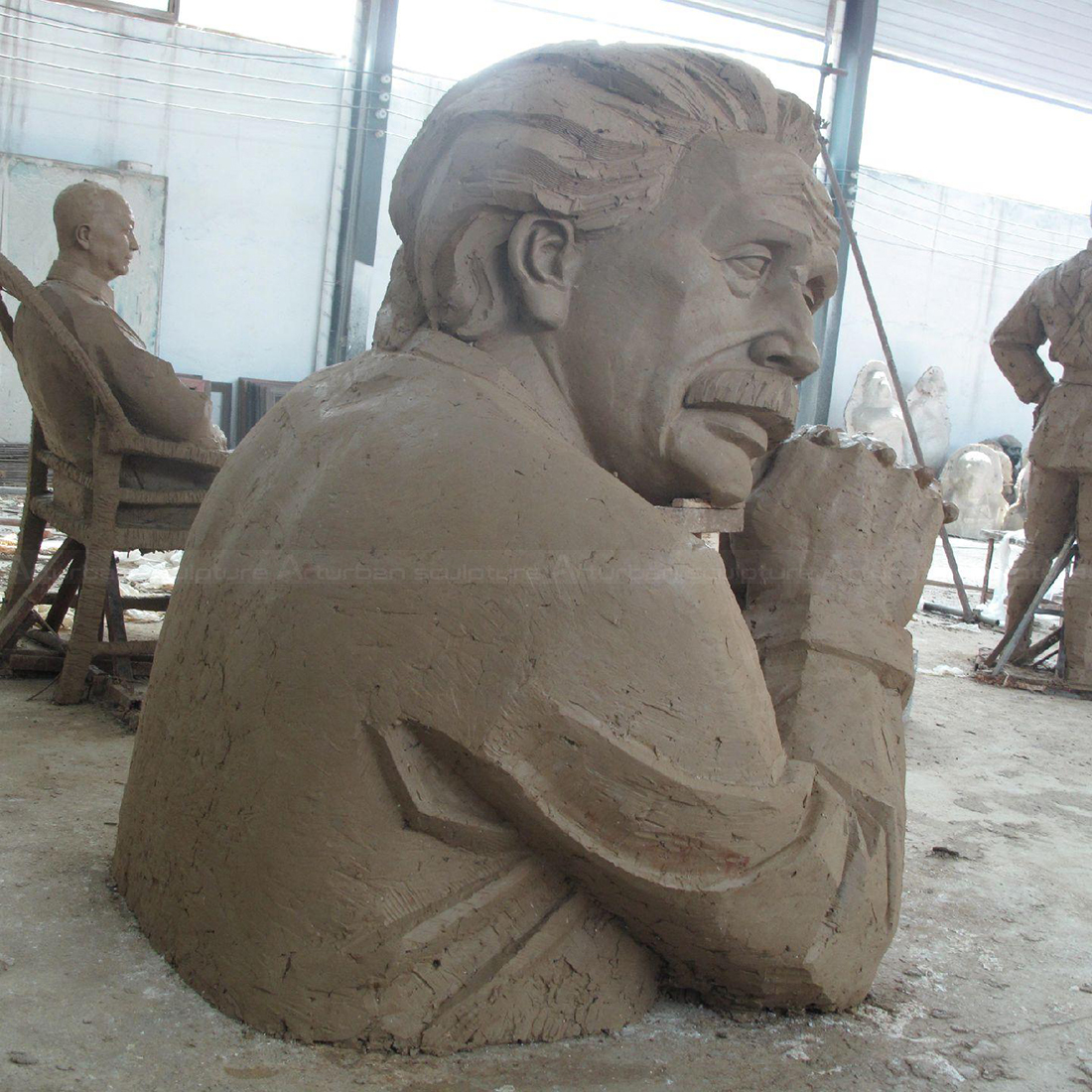
Arturban Sculpture boasts a team of highly skilled clay sculptors in the industry, capable of accurately shaping Einstein’s expression, proportions, and details during the clay modeling stage.
The clay model determines the quality of the finished product, and our clay sculpting ability is a key advantage in ensuring the artistic quality and realism of the sculpture.
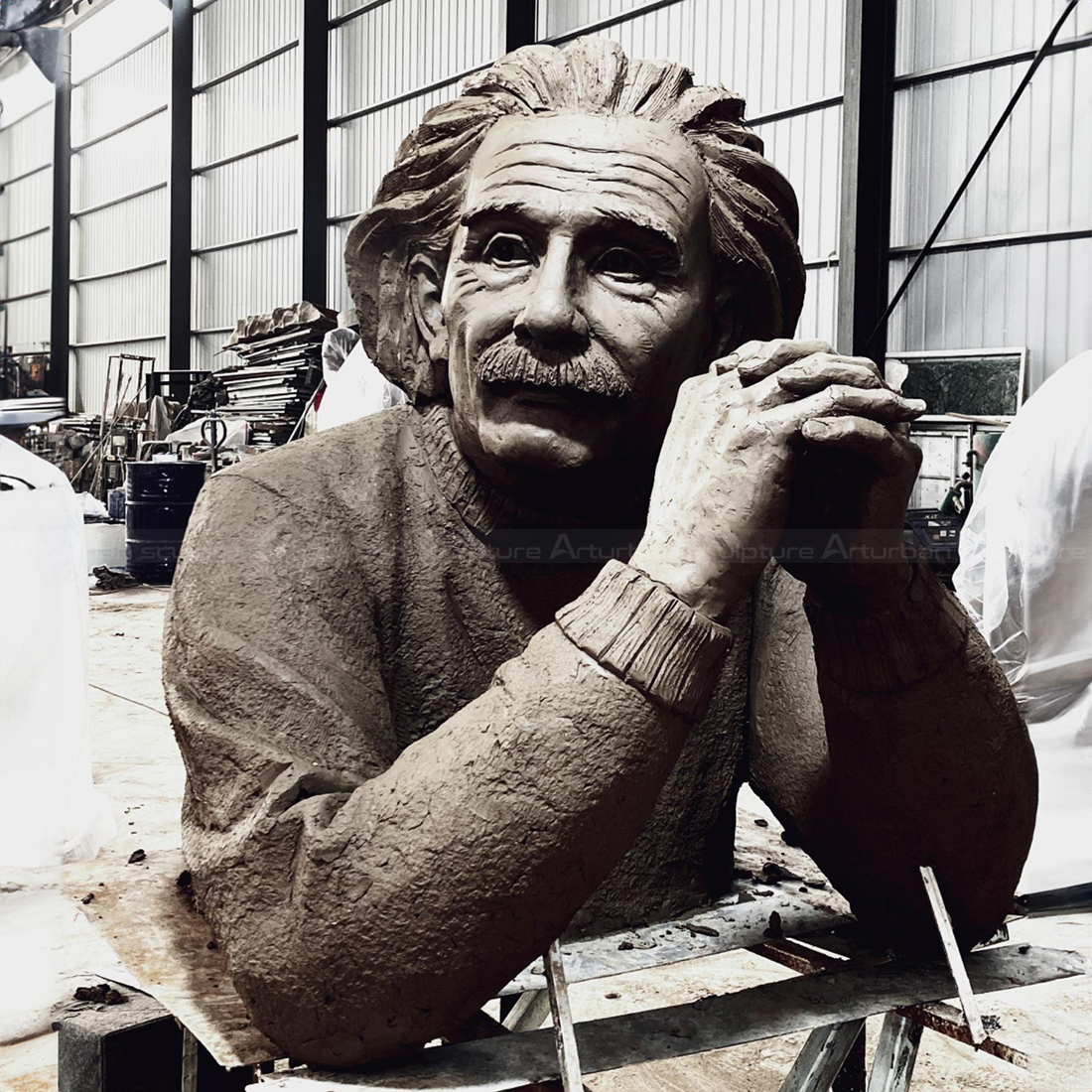
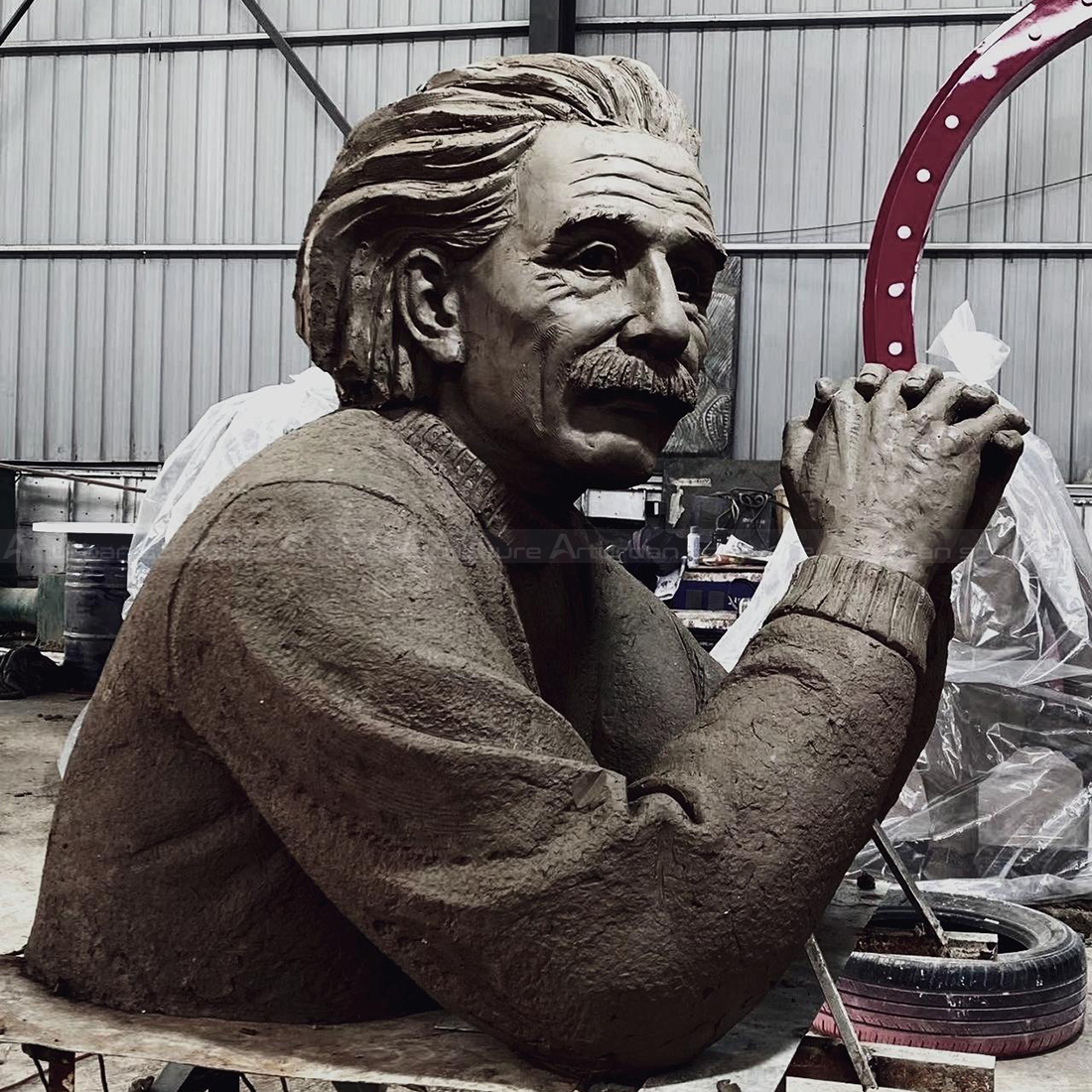
FAQ About Einstein Statues
1. Can Einstein statues be displayed outdoors?
Yes. Most Einstein statues are suitable for long-term outdoor display. Bronze, marble, and stainless steel are inherently very weather-resistant, making them ideal for outdoor spaces such as schools, science parks, and parks. If you choose fiberglass, Arturban Sculpture reinforces it with three layers of resin fiber cloth and applies a UV-resistant protective coating, ensuring stability and durability outdoors.
2. Can I customize the pose of an Einstein statue?
Yes. Whether it’s a standing pose, a thinking pose, a reading pose, an interactive benchtop design, or Einstein’s classic “tongue-out” pose, we can customize it to your needs. You can also provide photos or design ideas, and our artists can perfectly recreate them.
3. What sizes do Einstein statues come in?
Sizes range from small sculptures of 15–60 cm to life-size sculptures (approximately 1.7–1.8 m) and large outdoor sculptures of 2–5 m. Arturban Sculpture can also customize any size to fit the space.
4. What materials are commonly used for Einstein statues?
Common materials include:
Bronze: Classic and durable, suitable for outdoor use.
Fiberglass (FRP): Lightweight and cost-effective, can be painted.
Marble: Solemn and elegant, suitable for commemorative sites.
Stainless Steel: Modern and suitable for contemporary architecture or technology parks.
The choice of material depends on your budget, style, and placement.
5. Do Einstein statues require maintenance?
Bronze and stainless steel statues require almost no additional maintenance; simply wipe away dust regularly.
Fiberglass sculptures are recommended to have a protective coating applied every 2–3 years.
Marble sculptures can be cleaned regularly to maintain their shine.
6. Can the statue include a pedestal or inscription?
Yes. We can customize pedestals, plaques, or inscriptions for statues, including quotes, logos, or commemorative information, suitable for schools, institutions, and public projects.
7. How long is the production and delivery time?
The typical production cycle is 25–45 days, depending on the material and size. All Einstein statues are packaged in export-grade wooden crates and can be shipped worldwide.
8. Can you design an Einstein statue if I don’t have a concept?
Yes. Simply tell us your desired pose, size, and display environment, and Arturban Sculpture can provide 3D design and professional advice to help you create the most suitable piece.
9. Fun Fact: Why Are There So Many Albert Einstein Memes?
Einstein is one of the most common meme figures online primarily because of his highly recognizable image: his bushy white hair, friendly smile, and the famous “tongue out” photo make his image perfect for conveying humor, inspiration, or contrast. At the same time, he symbolizes wisdom and creativity, allowing various Albert Einstein memes to easily convey meanings such as “intelligent,” “a flash of inspiration,” or “out-of-the-box thinking.” Therefore, his image has remained popular across generations in both academic circles and popular culture, making related Einstein statues more modern and approachable.
Send us your requirements now, we will reply to your email within 24 hours