
Buddha head sculptures often convey a sense of meditation, introspection, and tranquility through their serene expressions, downcast eyes, and simple facial features. With the incorporation of Buddhist elements into contemporary art, multifaceted Buddha heads have gradually become a recognizable form of modern sculpture. Ma Tse Lin’s Five-Faced Buddha is one of the more representative works. This article will use a completed bronze 5 Faced Buddha Head as a case study to introduce its design features, manufacturing process, material selection, applicable scenarios, and customization process.
What Is the History Behind Buddha Head Sculptures?
The development of Buddha head sculpture is closely related to the history of Buddhist iconography. Early Buddhist art typically did not directly depict the Buddha himself, but rather represented him through symbols such as the Dharma wheel, the Bodhi tree, footprints, and an empty seat. Around the 1st century AD, more sophisticated human-shaped Buddha statues gradually appeared in regions like Gandhara and Mathura, and the Buddha’s facial features, ushnisha (cranial protuberance), urna (white hair above the chin), and long ears gradually became fixed.
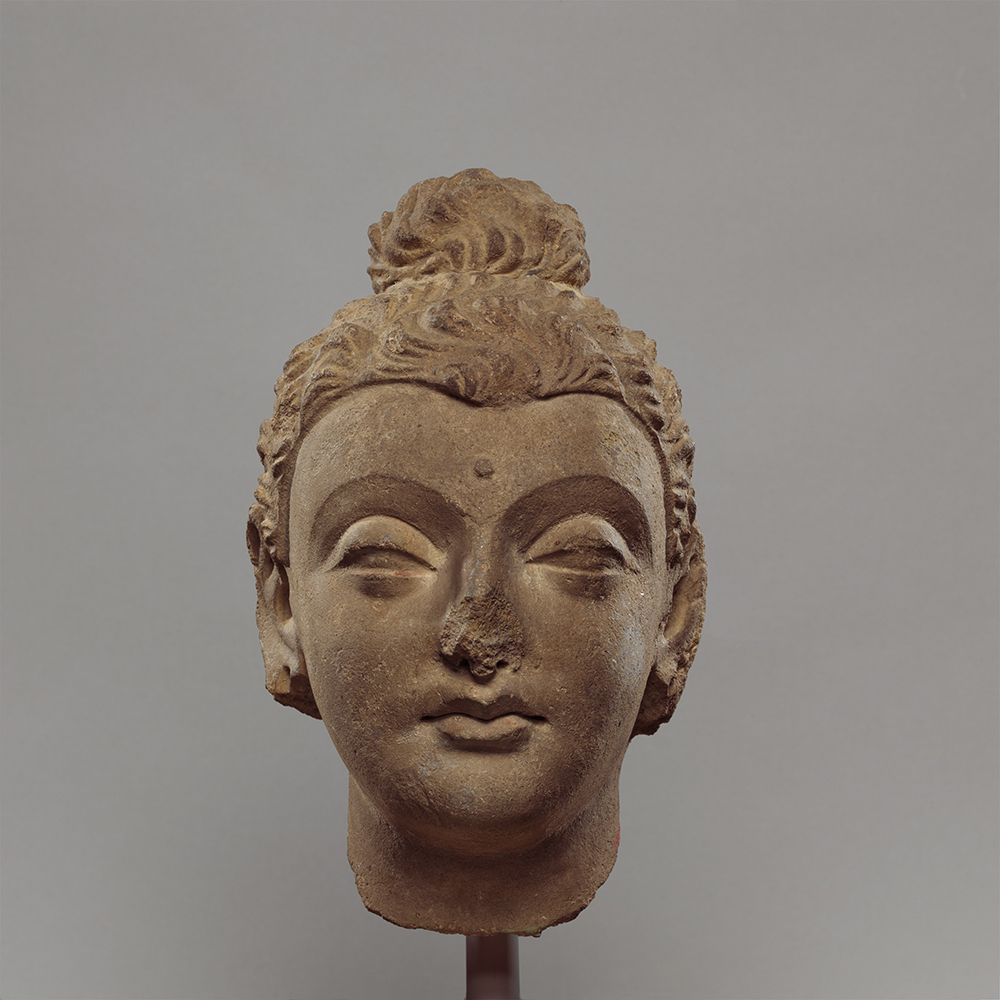
Gandharan Buddha Head 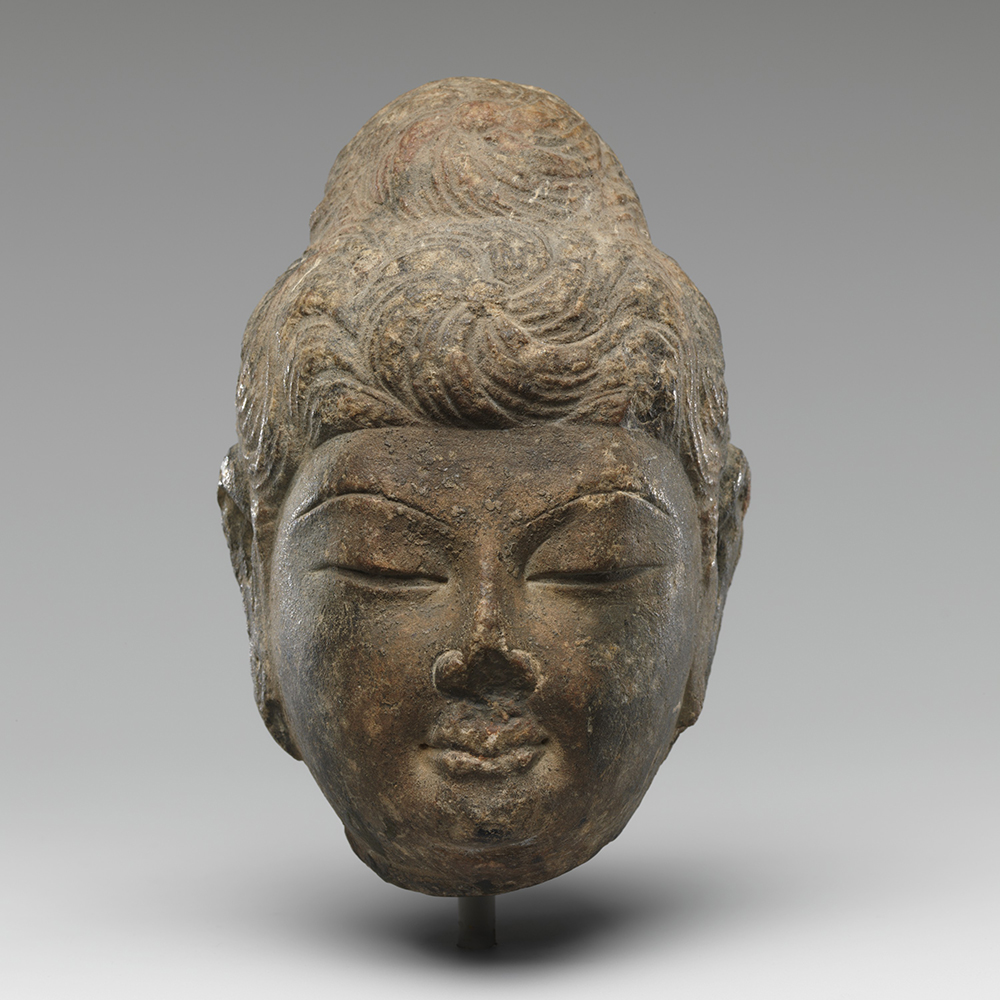
Tang Dynasty Buddha Head 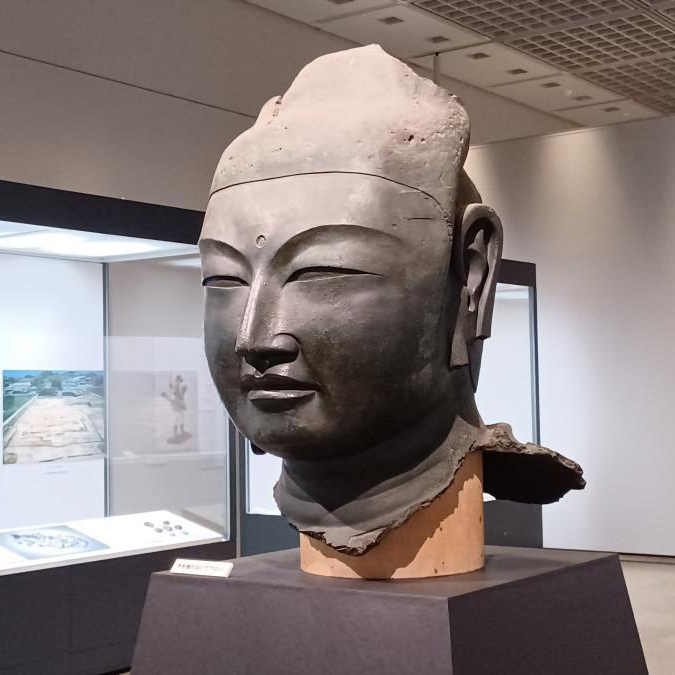
Japanese Buddha Head 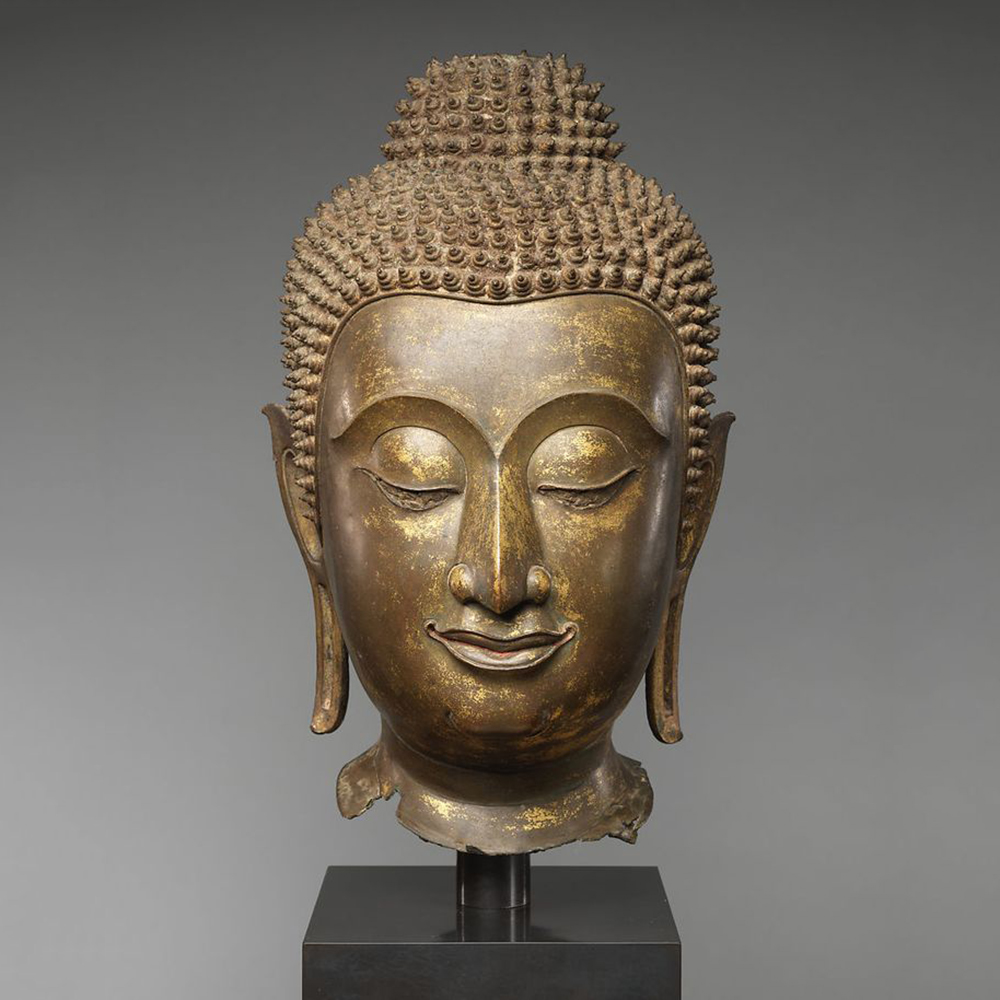
Thai Buddha Head
As Buddhism spread to Central Asia, China, Japan, and Southeast Asia, different regions gradually developed their own styles of Buddha head sculpture. For example, Gandharan Buddha statues often feature wavy hair and three-dimensional facial features, Chinese Buddha statues gradually developed more rounded and softer faces, and Thai Buddha statues often feature long faces, arched eyebrows, and a more prominent ushnisha. These regional differences have resulted in a rich variety of styles in Buddha head sculpture.
What Is the Meaning of a Buddha Head?
The Buddha head primarily embodies visual features associated with wisdom, enlightenment, and inner peace in Buddhist iconography. Common elements include the ushnisha (cranial protuberance), urna (white urna), drooping eyes, and long earlobes; these features have gradually developed into relatively stable expressions in Buddhist art across different regions.
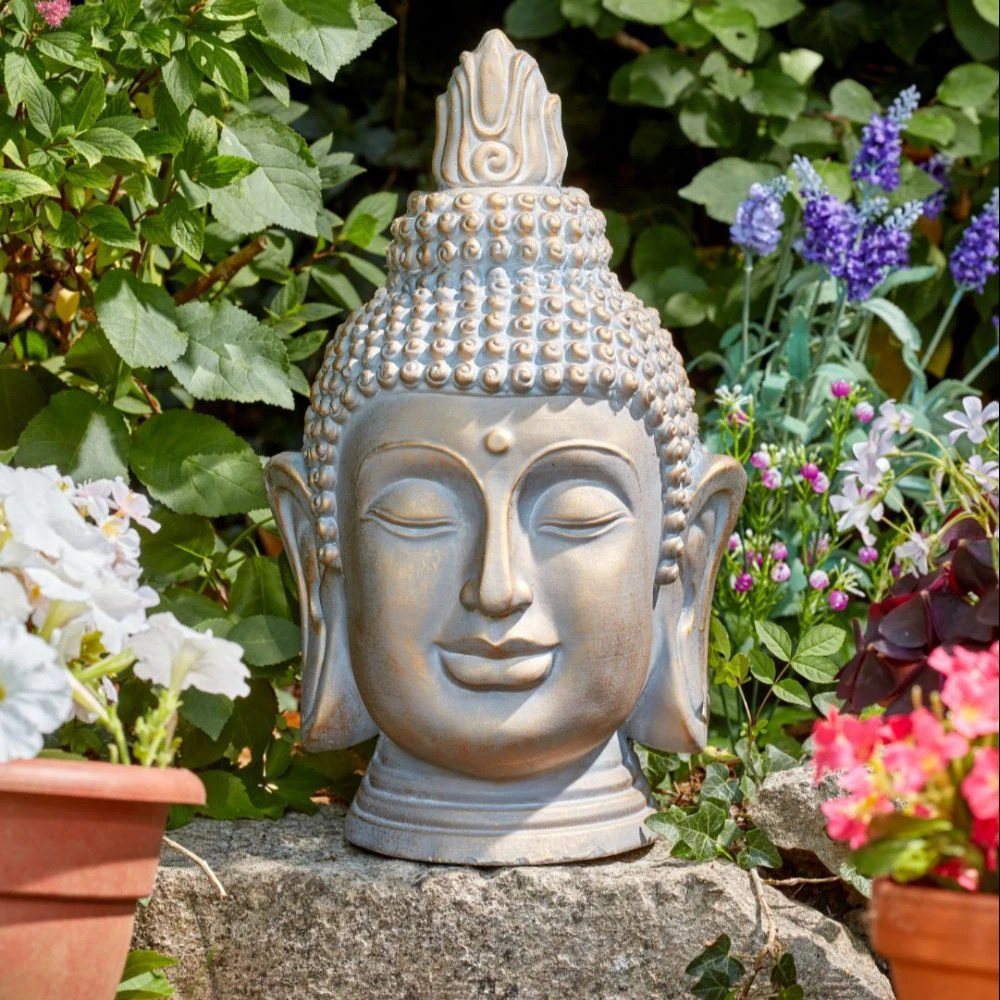
In modern sculpture, the Buddha head is also frequently used to express meditation, tranquility, and introspection. However, the specific meaning of different works is influenced by the artist’s creative approach. For example, multifaceted Buddha heads emphasize multi-directional viewing and three-dimensional composition and do not necessarily correspond to a specific Buddhist doctrine.
Ma Tse Lin and His Multi-Faced Buddha Art.
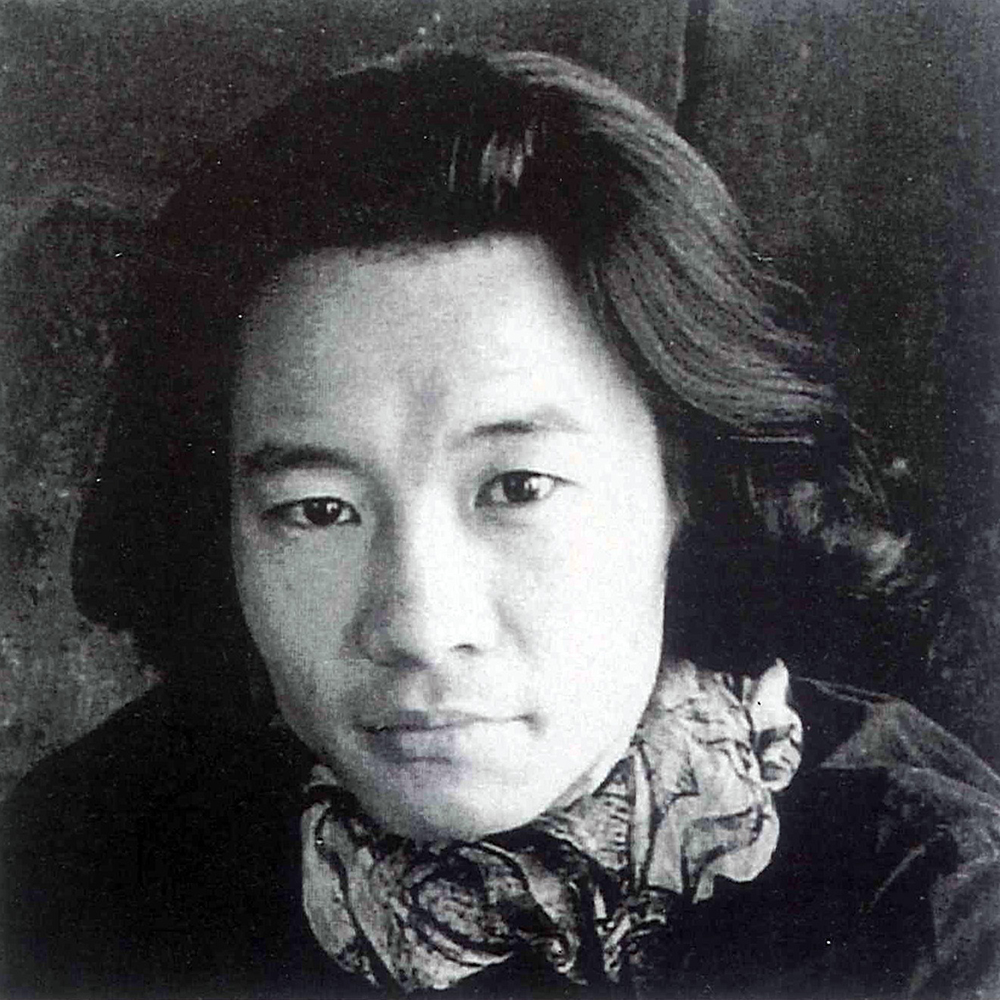
Ma Tse Lin is a contemporary Chinese artist residing in France. Born in Guangdong in 1960, he went to Paris to study in 1985. Since around 1999, “Buddha” has gradually become an important theme in his work, encompassing painting, sculpture, photography, and installation, and he attempts to reinterpret traditional Buddhist statues using modern art language.
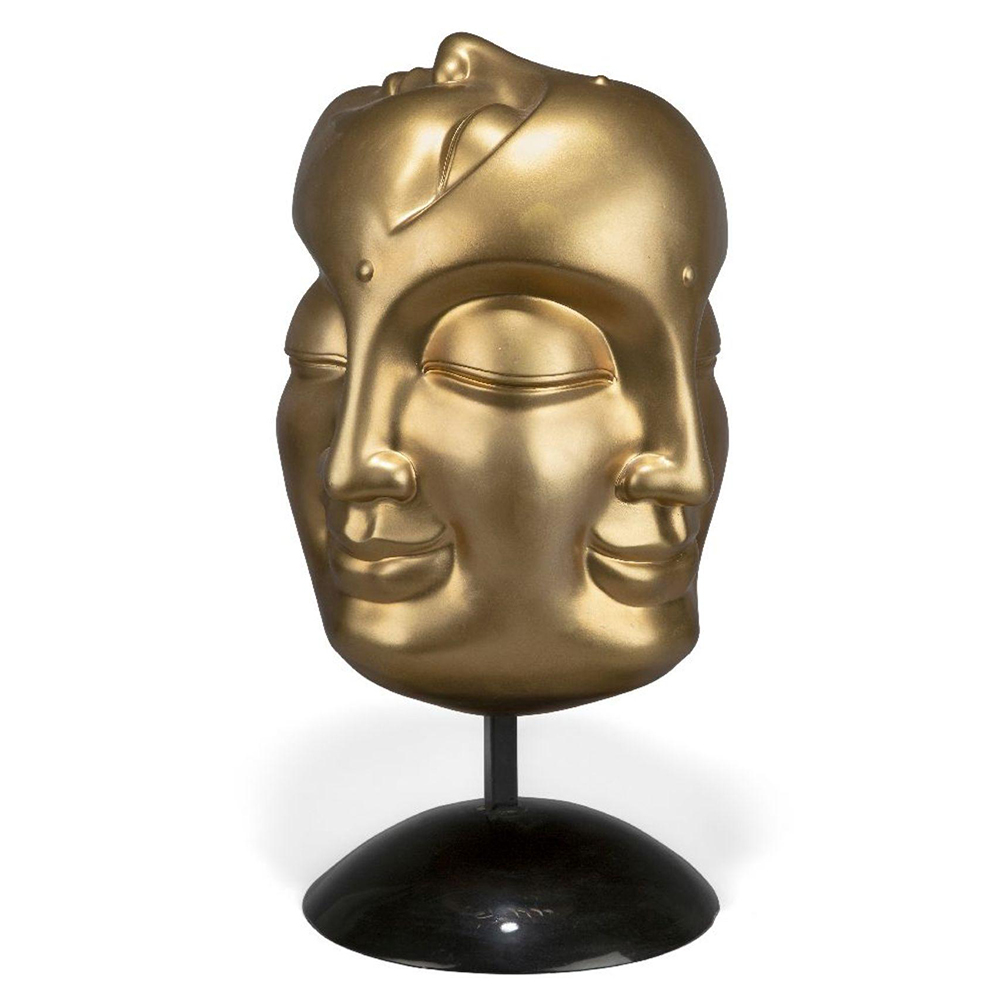
His multi-faceted Buddha works are highly recognizable: multiple Buddha faces unfold around the same head, forming new three-dimensional structures through repetition, fusion, and multi-directional arrangement. In his 2015 solo exhibition in Paris, “Five-Faced Buddha” was listed by the media as one of his representative works, and a large “Five-Faced Buddha” was acquired on the opening day.
Therefore, Ma Tse Lin’s Five-Faced Buddha is more appropriately understood as a contemporary form of Buddhist art, rather than a fixed “five-faced Buddha” in traditional Buddhism.
Our Bronze 5 Faced Buddha Head Factory Project
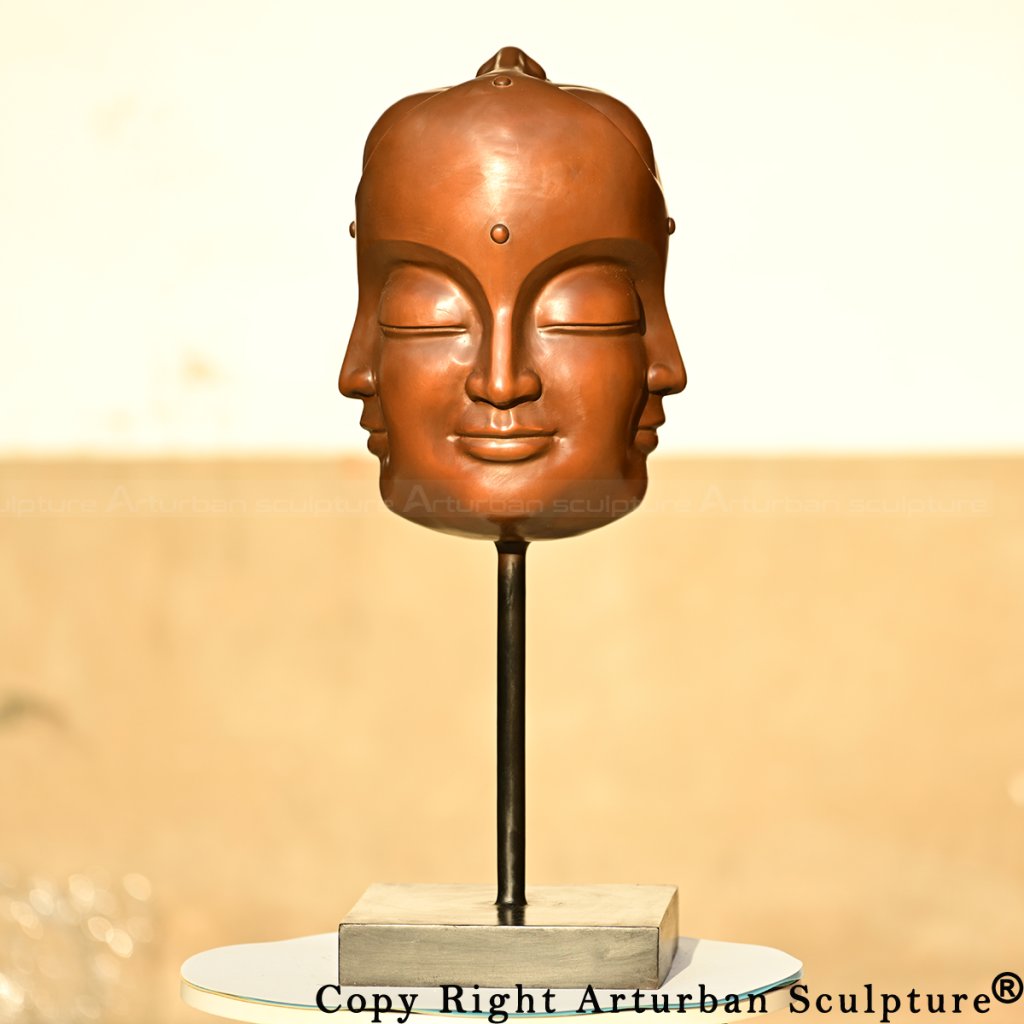
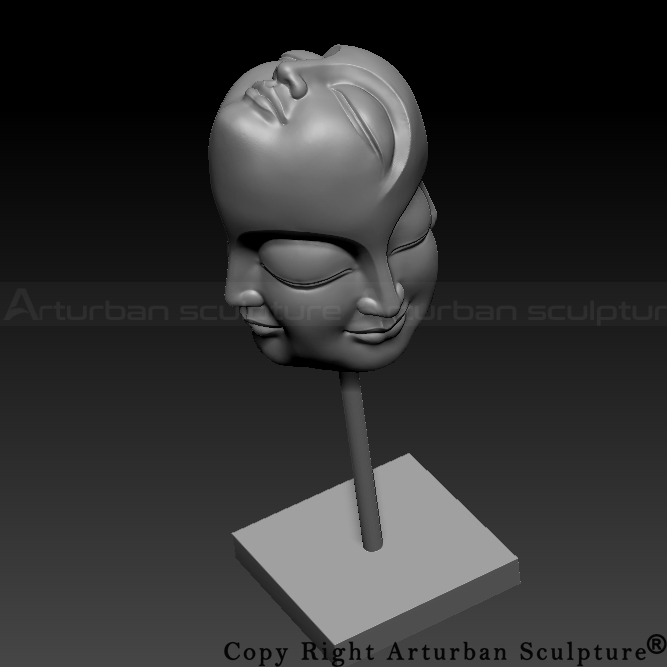
This is a custom bronze 5-faced Buddha head project we completed for an overseas client. The client desired a piece with distinct contemporary Buddhist art characteristics. Therefore, the design referenced the multifaceted Buddha head of Ma Tse Lin’s Five-Faced Buddha, and the dimensions, support structure, and base design were adjusted to suit specific display needs, ultimately resulting in a bronze sculpture.
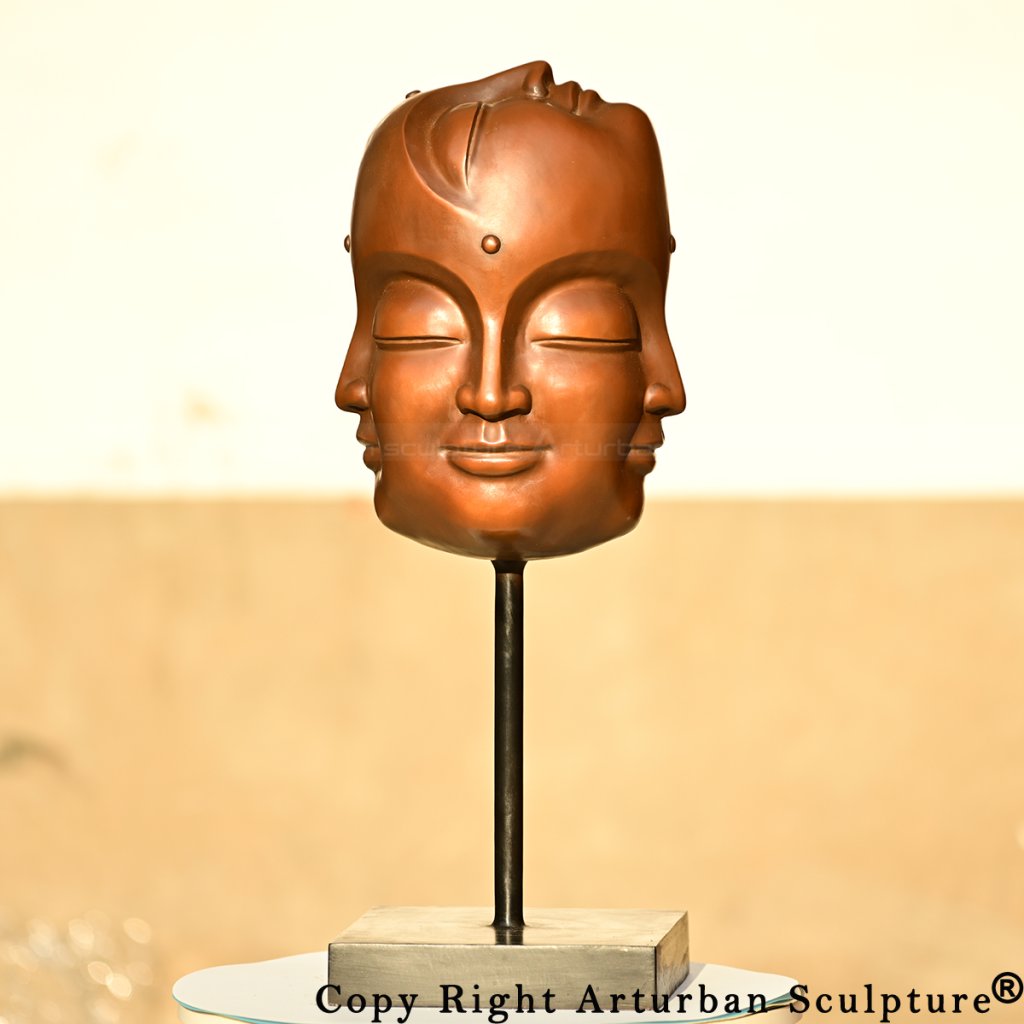
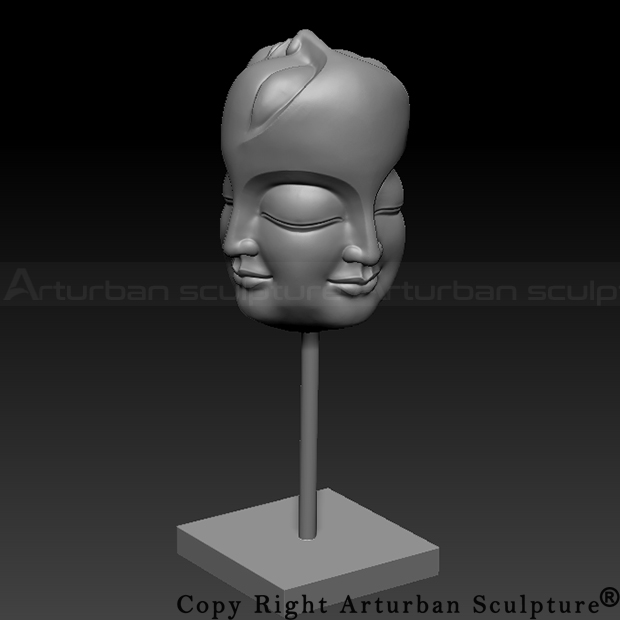
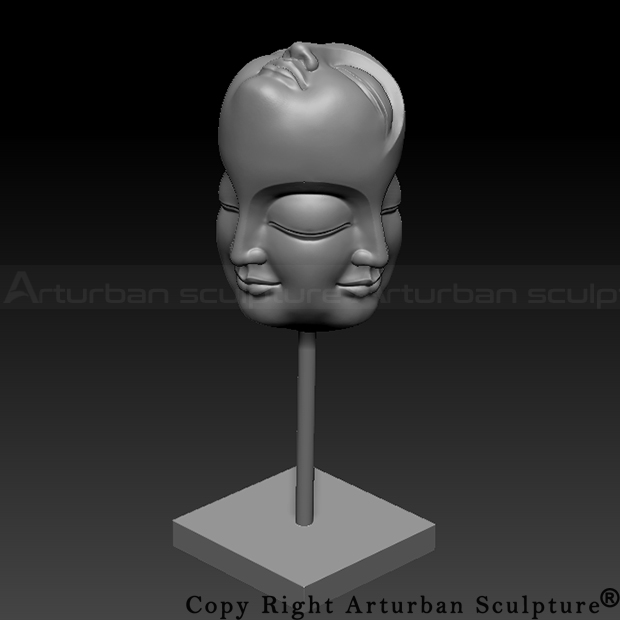
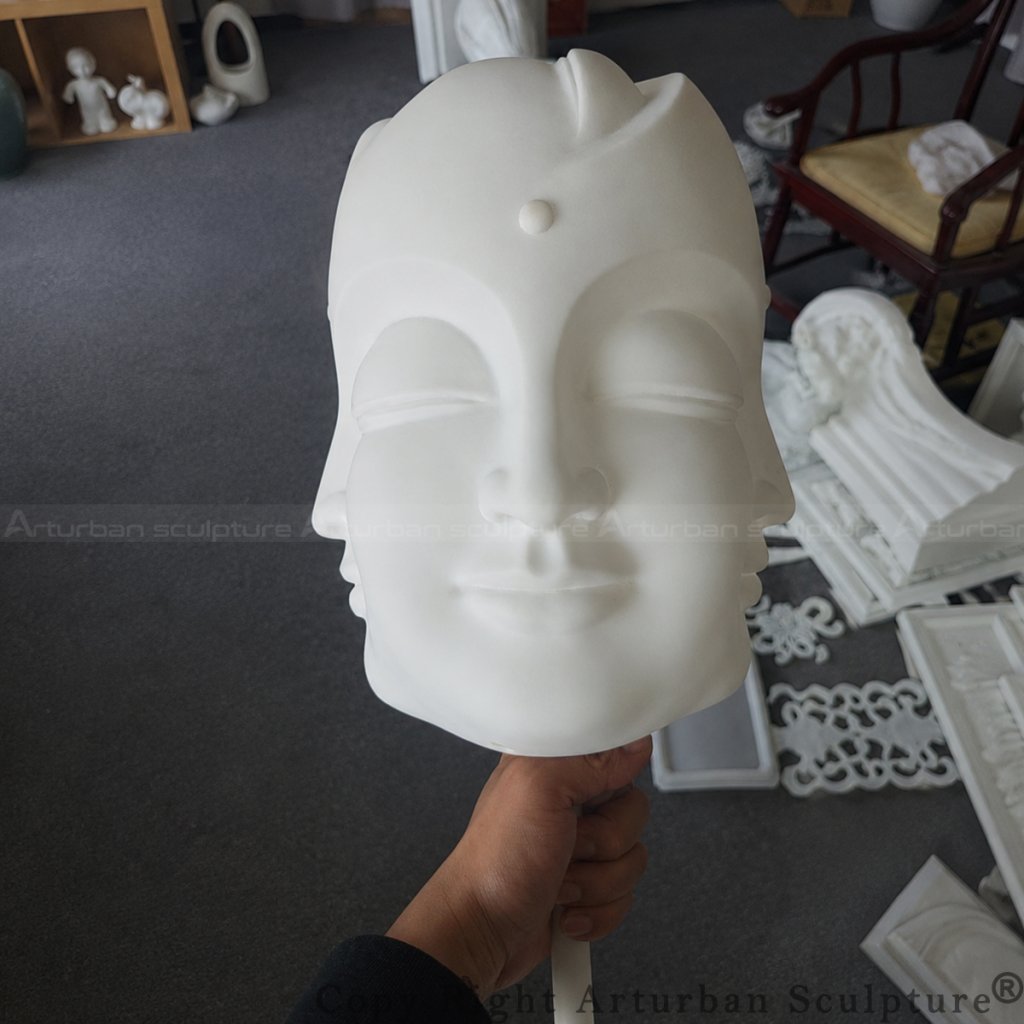
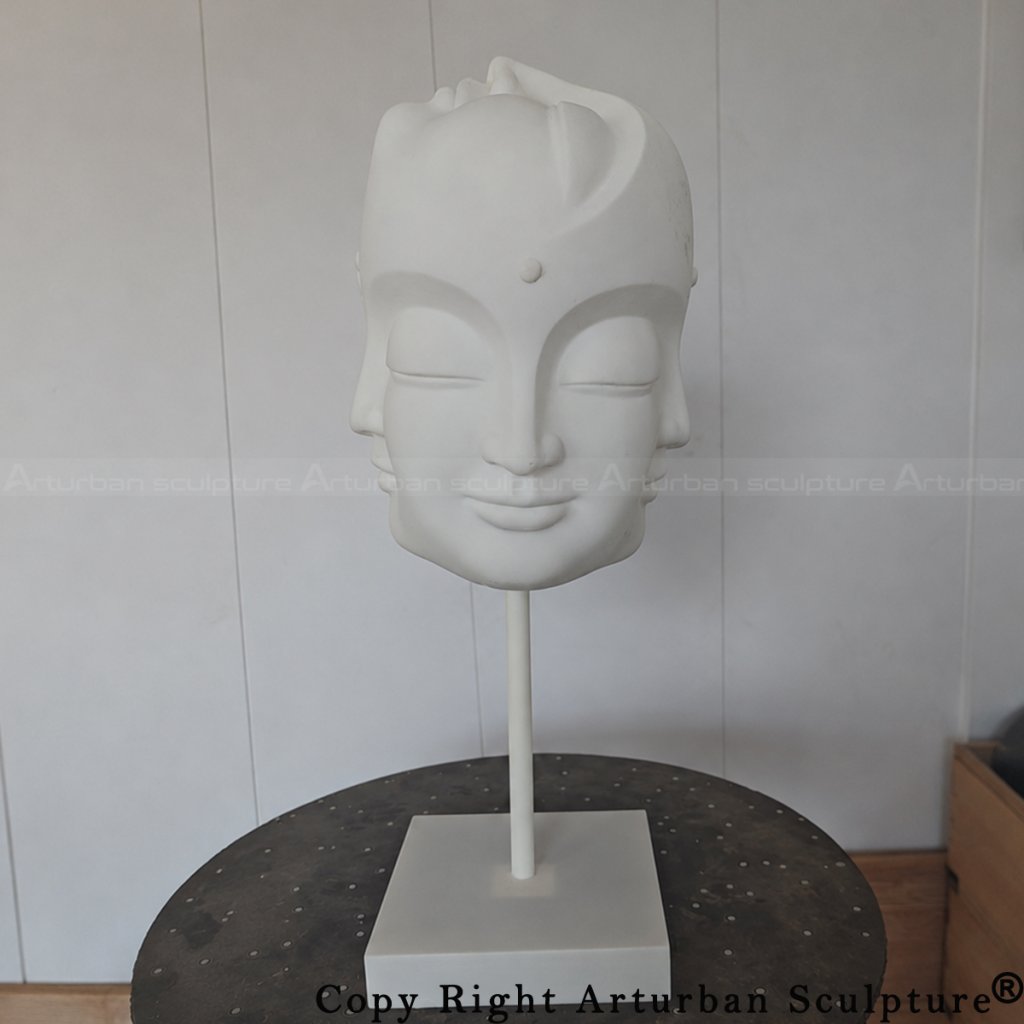
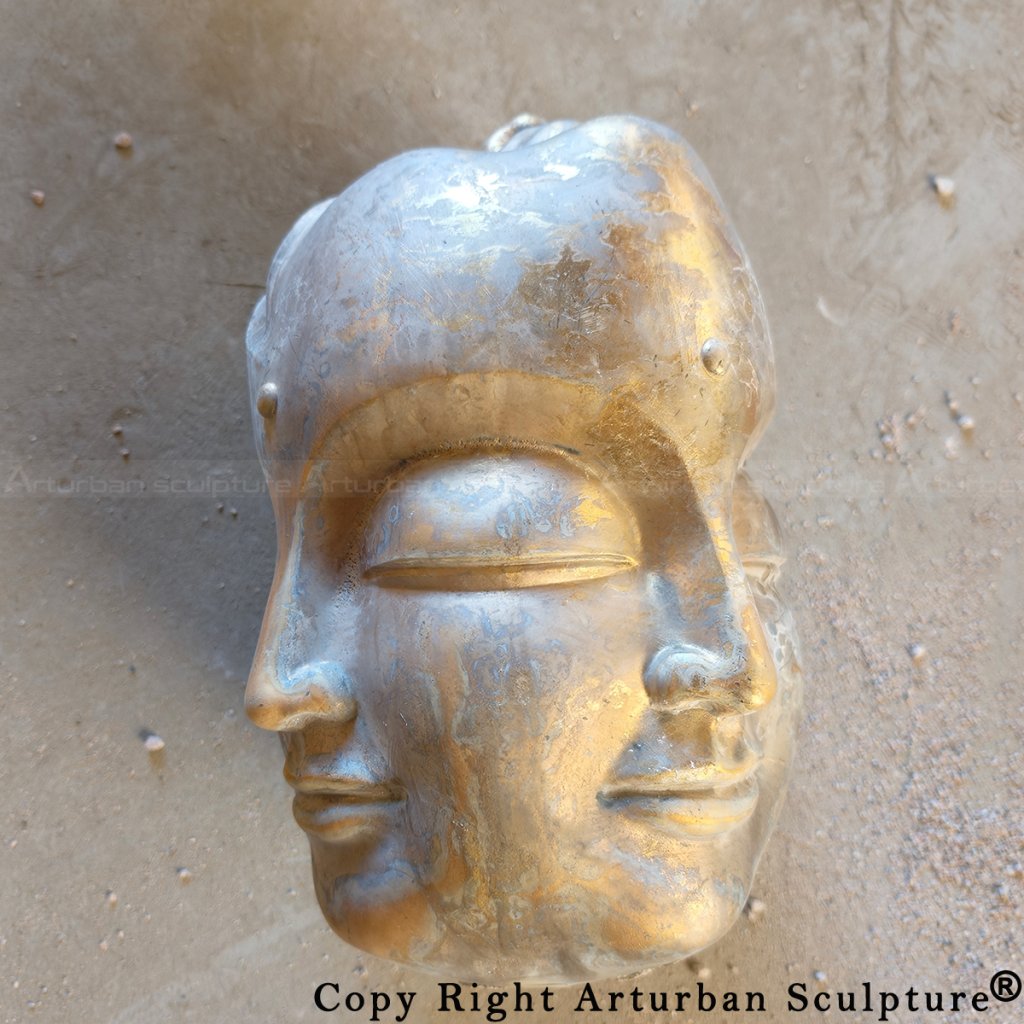
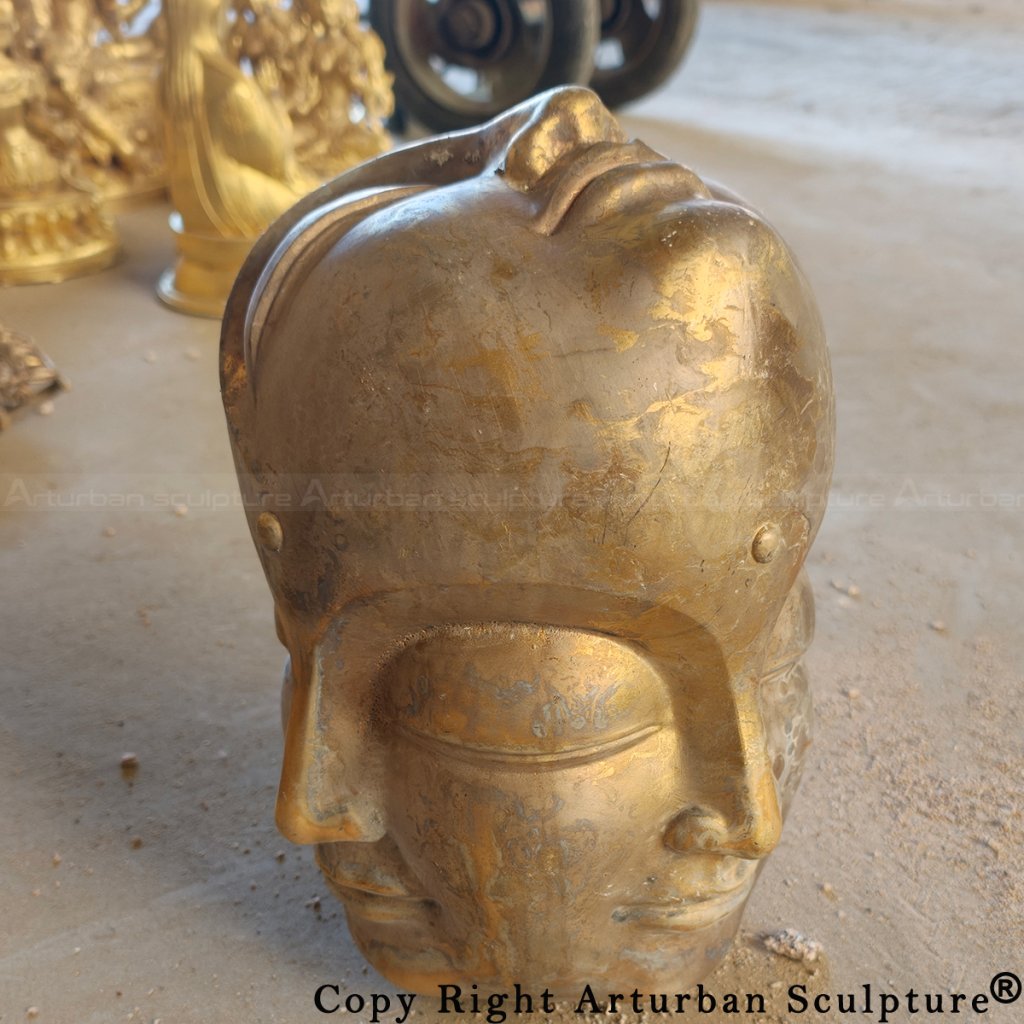
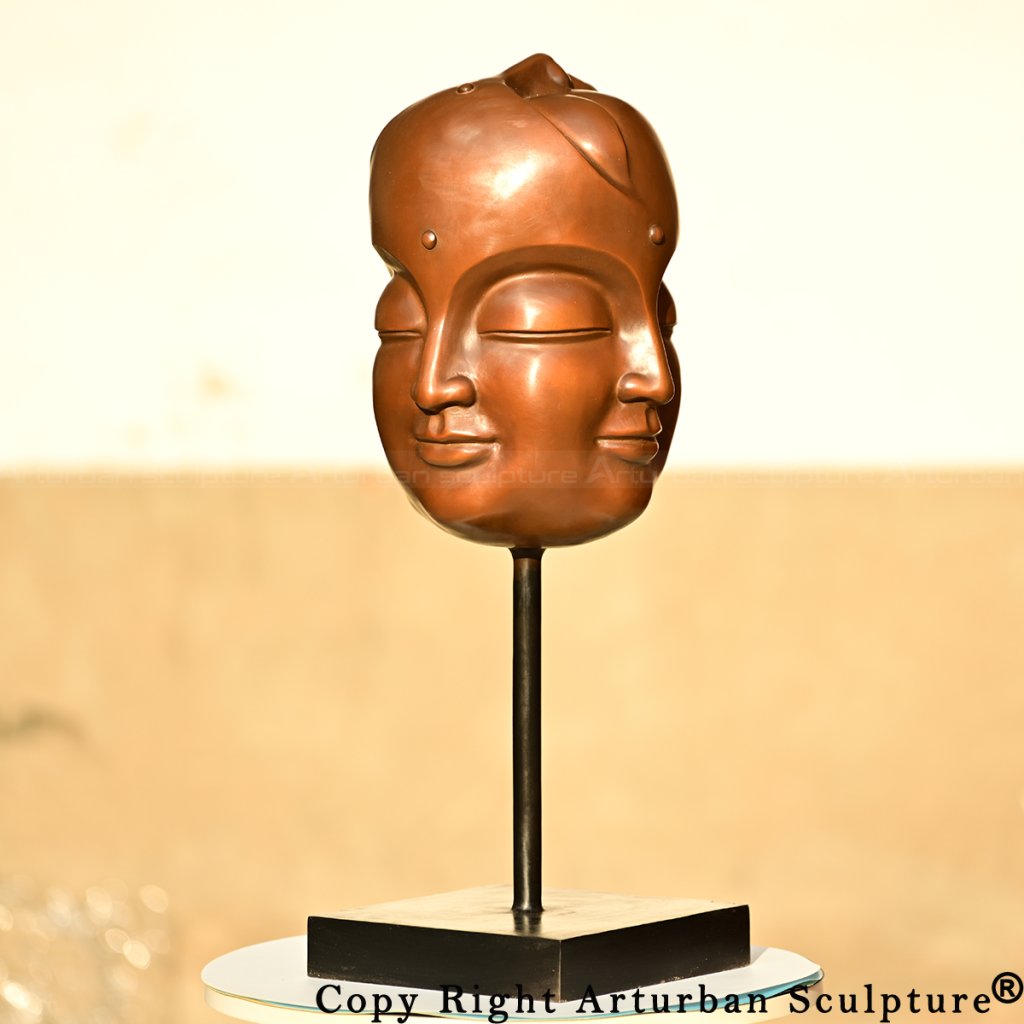
This sculpture consists of five Buddha faces arranged continuously around a single head, each facing a different direction, forming a three-dimensional structure that can be viewed from all angles. All faces feature closed eyes, broad brows, long noses, slightly upturned corners of the mouth, and a circular urna (white hair ornament) at the center of the forehead, conveying an overall serene expression. The five faces are not independently pieced together but are interconnected using the curved surfaces of the forehead, cheeks, and top of the head, allowing the complete or overlapping outlines of the Buddha faces to be seen from different angles. The 5 Faced Buddha Head is cast in bronze with a warm brown bronze finish. A slender, dark metal support rod is attached to the bottom of the Buddha’s head and fixed to a simple square base, making the head appear to be suspended in the air and highlighting the 360-degree viewing characteristics of the five-sided design.
Is the Five Faced Buddha the Same as the Five Dhyani Buddhas?
No. The term “Five-Faced Buddha” typically refers to a Buddha head with multiple faces pointing in different directions. It’s more common in modern Buddhist sculptures and contemporary art design, such as Ma Zelin’s multifaceted Buddha works. It emphasizes multifaceted composition and a 360-degree viewing effect, and doesn’t necessarily correspond to the five specific Buddhas in Buddhism.
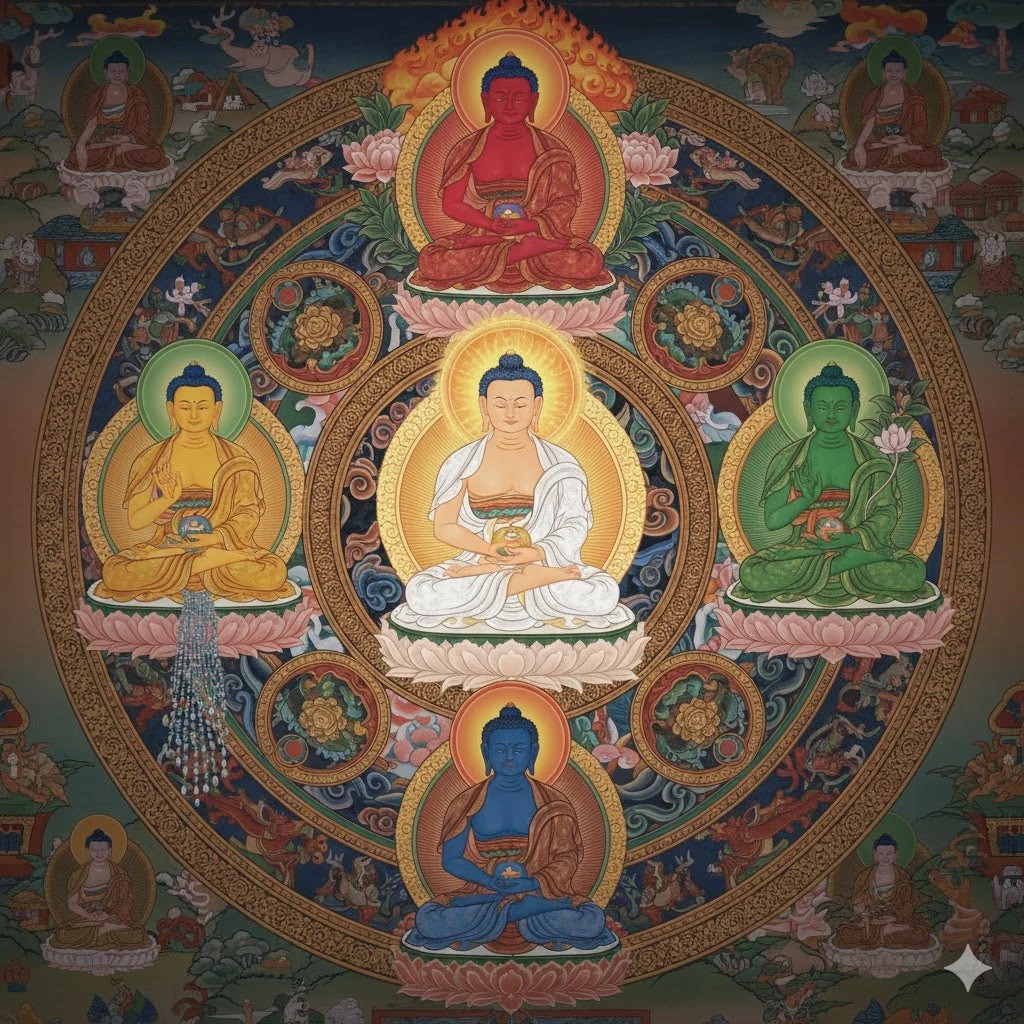
The term “Five Dhyani Buddhas,” also known as “Five Wisdom Buddhas,” refers to the five Buddhas in the Vajrayana Buddhist system. They typically include Vairocana, Akshobhya, Ratnasambhava, Amitabha, and Amoghasiddhi, each corresponding to different directions and wisdom.
How We Made This Bronze 5 Faced Buddha Head
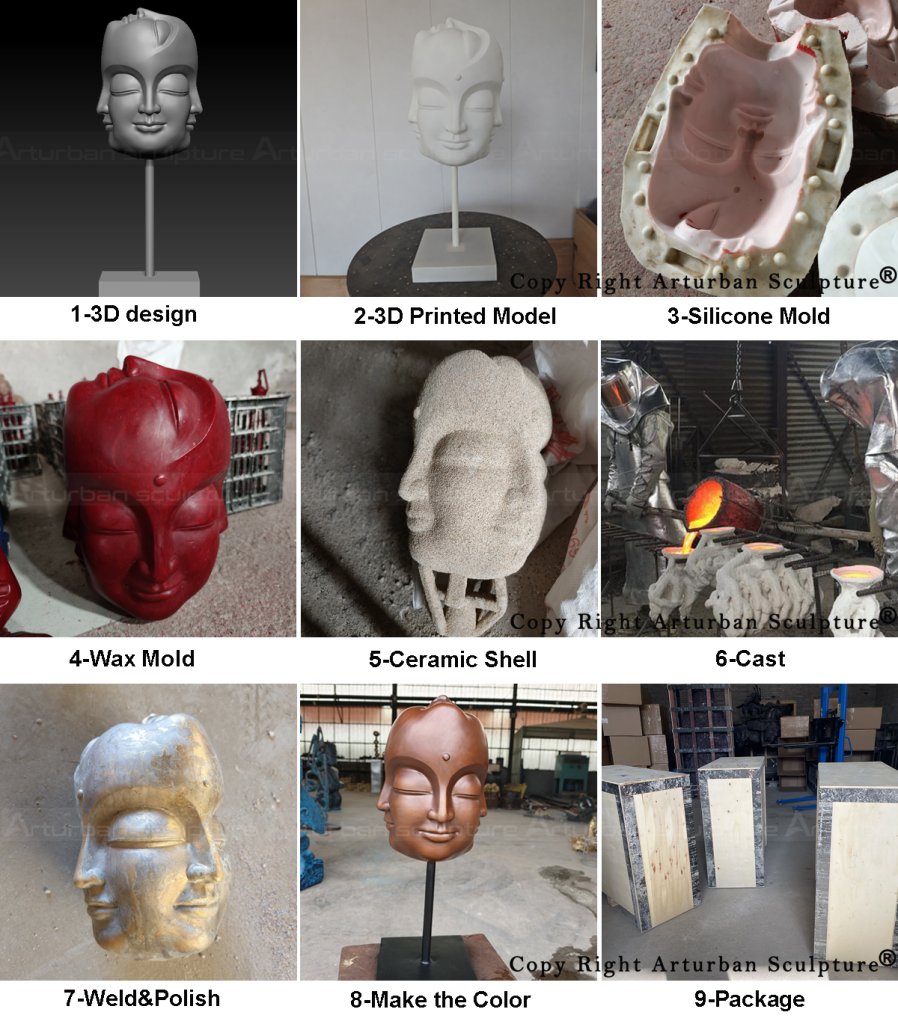
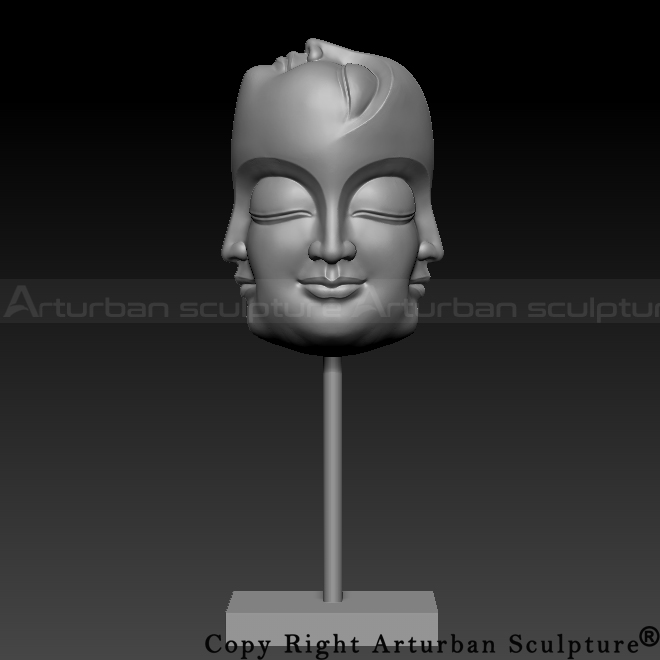
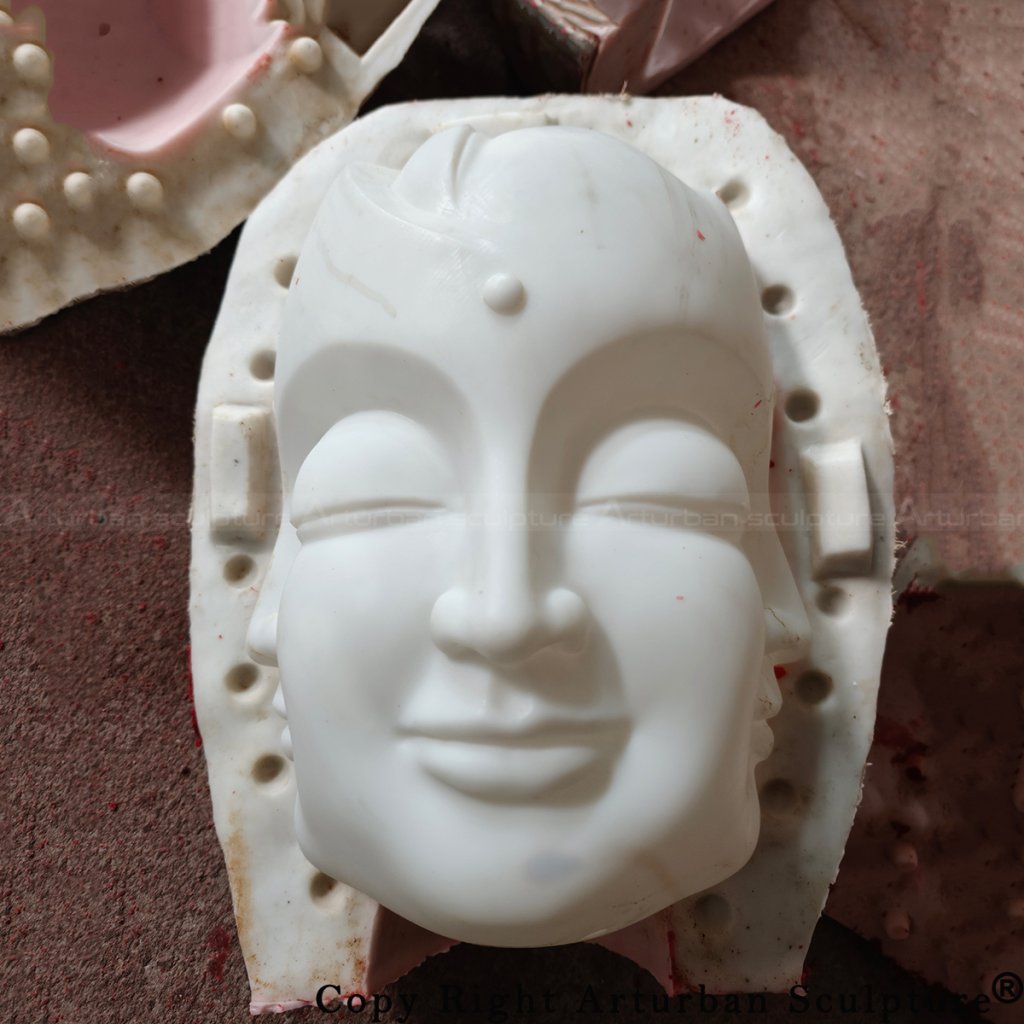
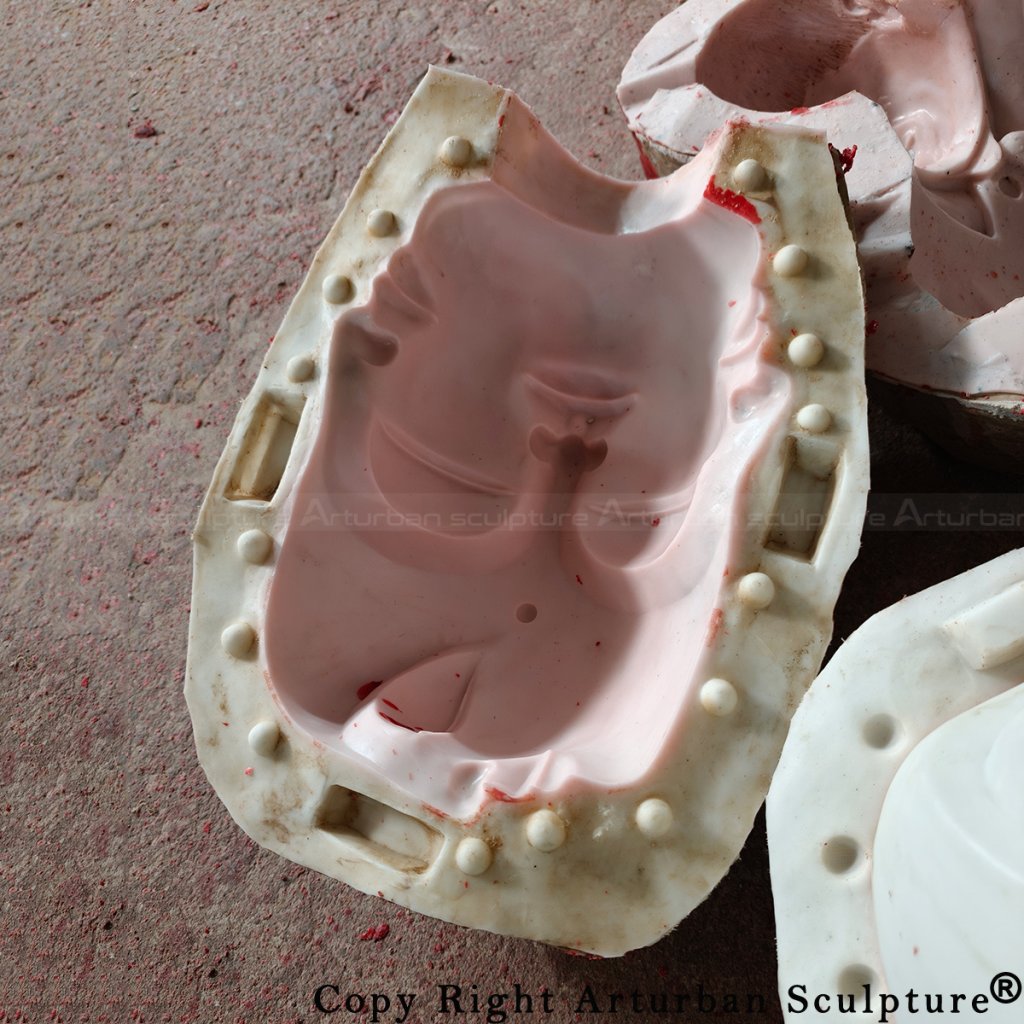
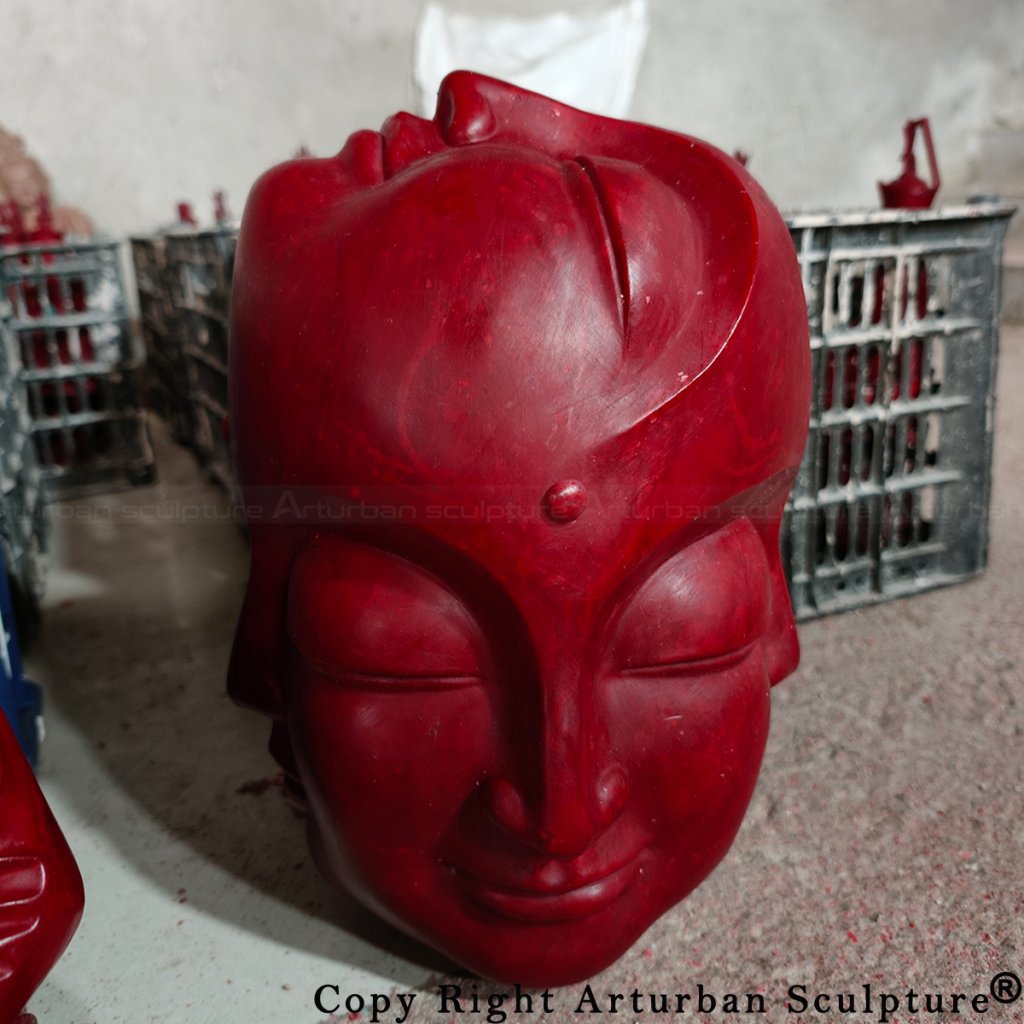
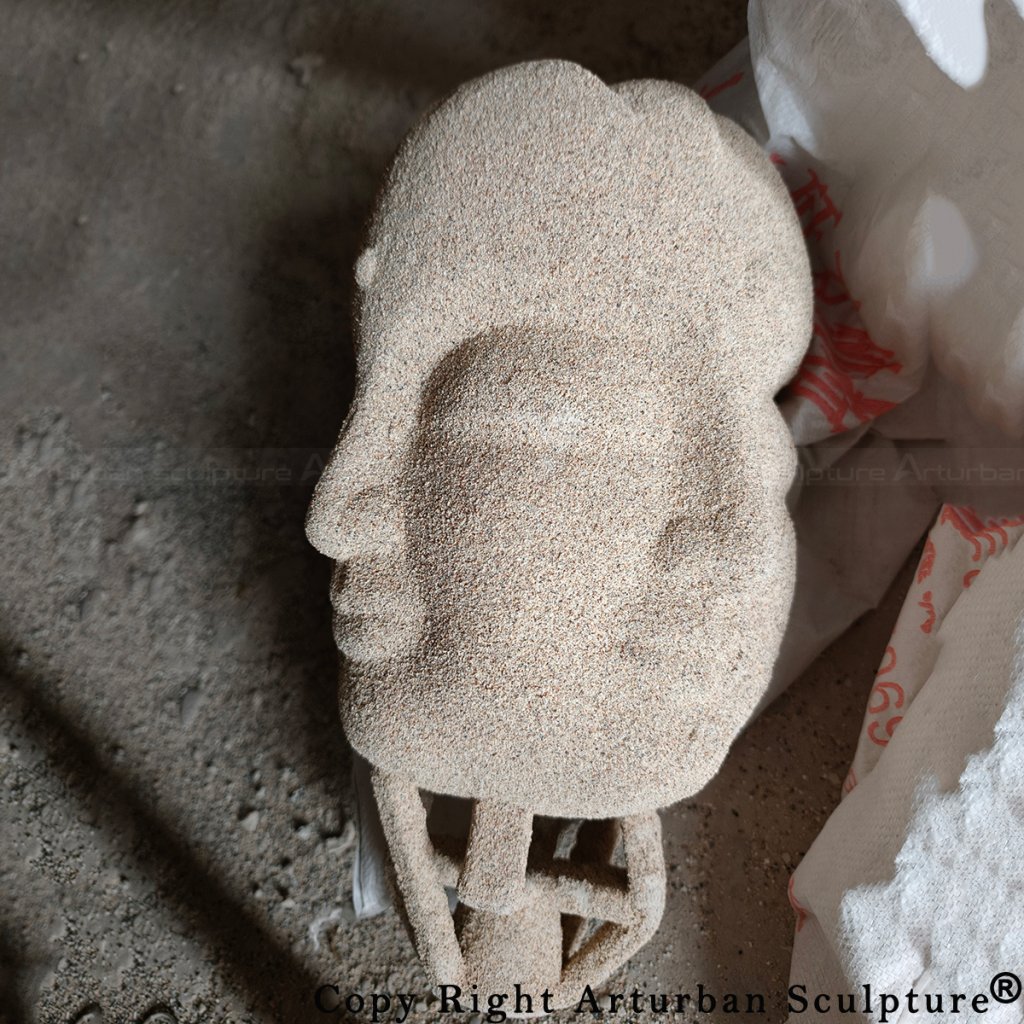
This bronze Five-Faced Buddha Head was made using the lost-wax casting method. First, a 3D design was created based on reference images, and a physical model was printed. Then, a silicone mold and a wax model were made. Next, a ceramic shell was formed by repeatedly applying slurry and sprinkling sand onto the surface of the wax model. After dewaxing and firing, bronze was cast. Once the casting was complete, it underwent welding, polishing, detail finishing, and surface coloring. Finally, the support rod and base were installed.
Why Bronze Works Well for a 5 Faced Buddha Head
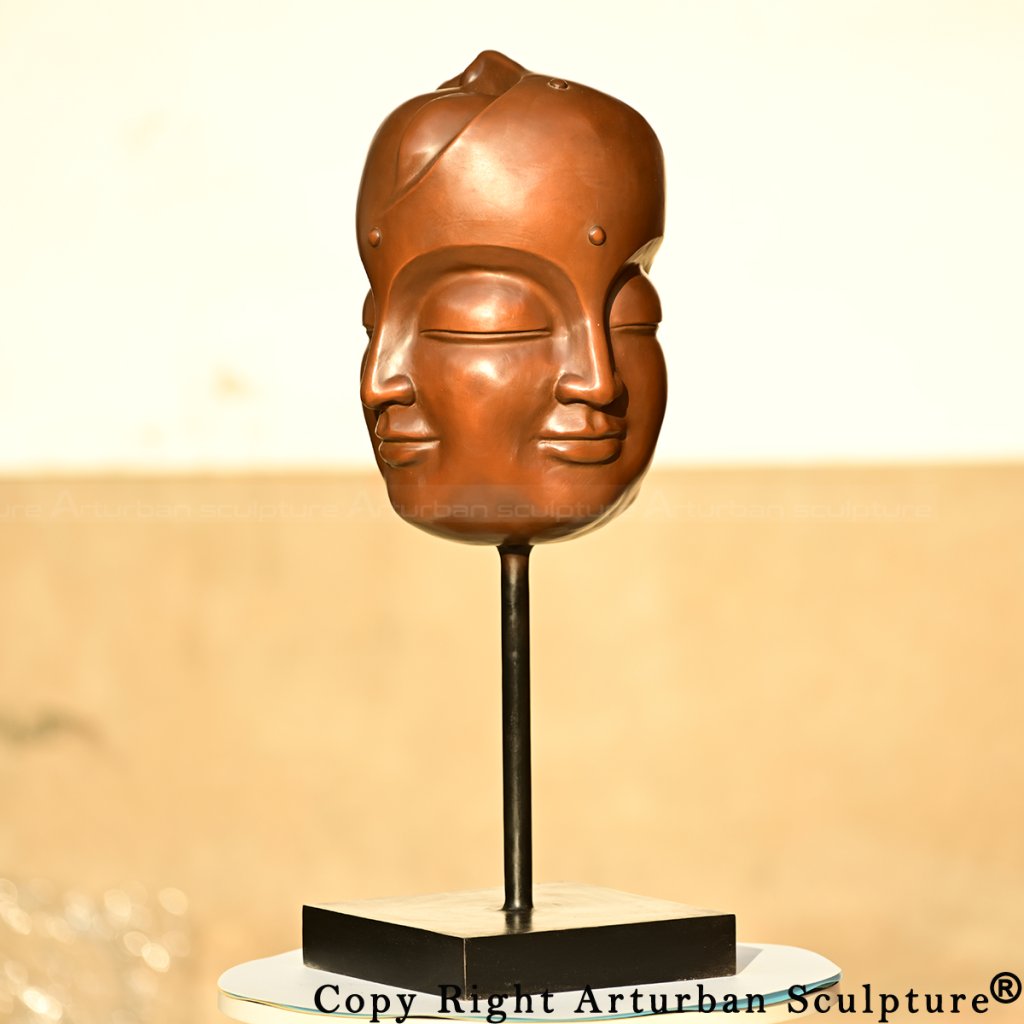
- Excellent detail: Bronze lost-wax casting preserves details such as eyelids, nose bridge, lips, and urna (white hairs) relatively intact, and is also suitable for depicting the complex curved transitions between the five Buddha faces.
- Suitable for multi-faceted structures: A five-faced Buddha head needs to maintain its complete shape from multiple angles. Bronze is easy to cast in parts, weld, and perform post-production finishing, which helps control the overall proportions.
- Structural stability: Bronze has good strength, making it suitable for both small displays and large Buddha heads.
- Rich surface finishes: Different patinas, such as brown, dark, and green, can be created to meet the style of different spaces and projects.
- Suitable for indoor and outdoor use: After proper surface treatment, bronze sculptures can be used in gardens, hotels, art spaces, and other long-term display locations.
Where Can This Buddha Head Sculpture Be Displayed?
- Hotels and Resorts: Suitable for lobbies, atriums, and rest areas, serving as a visual focal point with an oriental artistic feel.
- Gardens and Courtyards: This 5 Faced Buddha Head can be placed at landscape nodes, near water features, or at walkway corners; the bronze material is also suitable for long-term outdoor display.
- Meditation and Yoga Spaces: The Buddha head’s serene, closed-eye expression harmonizes well with the atmosphere of these spaces.
- Art Galleries and Exhibition Spaces: The five-sided structure allows for 360-degree viewing, presenting different combinations of Buddha faces from various angles.
- Villas and Private Residences: Can be used in entrances, lobbies, courtyards, or collection spaces as a standalone art sculpture.
- Commercial and Public Spaces: Also suitable for clubs, cultural spaces, art-themed commercial projects, and large indoor public areas.
How to Order a Custom Buddha Head from Our Factory
- Requirements: Clients send reference images, 3D files, or design ideas, specifying the sculpture’s dimensions, materials, colors, and installation location.
- Design Confirmation: Based on the sculpture’s shape, dimensions, and client requirements, a clay model or 3D model is created. The proportions of the Buddha’s head, facial details, overall structure, and base are confirmed and adjusted.
- Material Confirmation: Different materials such as bronze, fiberglass, marble, and stainless steel can be selected, and the surface finish is determined.
- Production Begins: After design confirmation, formal production begins, employing appropriate casting, carving, or machining techniques based on the materials.
- Progress Tracking: Images or videos of the modeling, fabrication, polishing, and surface treatment stages are available during production.
- Completion Inspection: Upon completion, the 5 Faced Buddha Head’s dimensions, structure, details, surface color, and base stability are checked.
- Packaging and Shipping: After confirming the finished product, it is protected in a reinforced wooden crate, and transportation is arranged according to the destination.
Other Buddha Sculptures Display
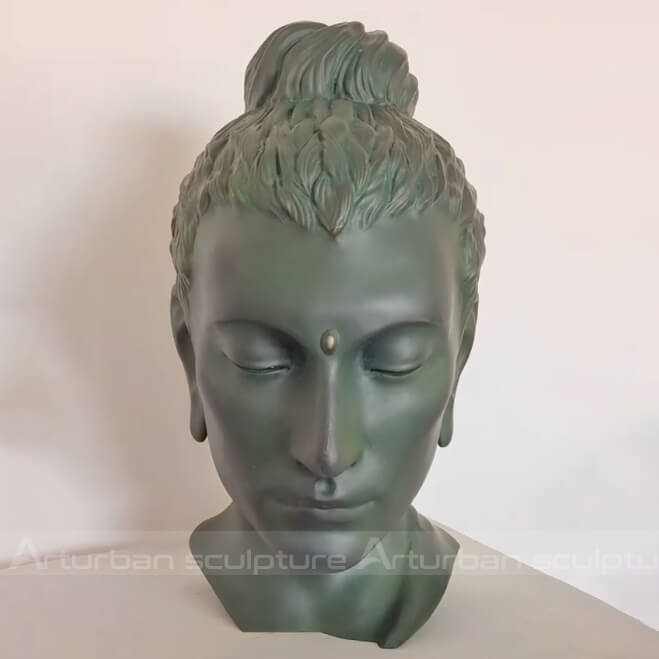
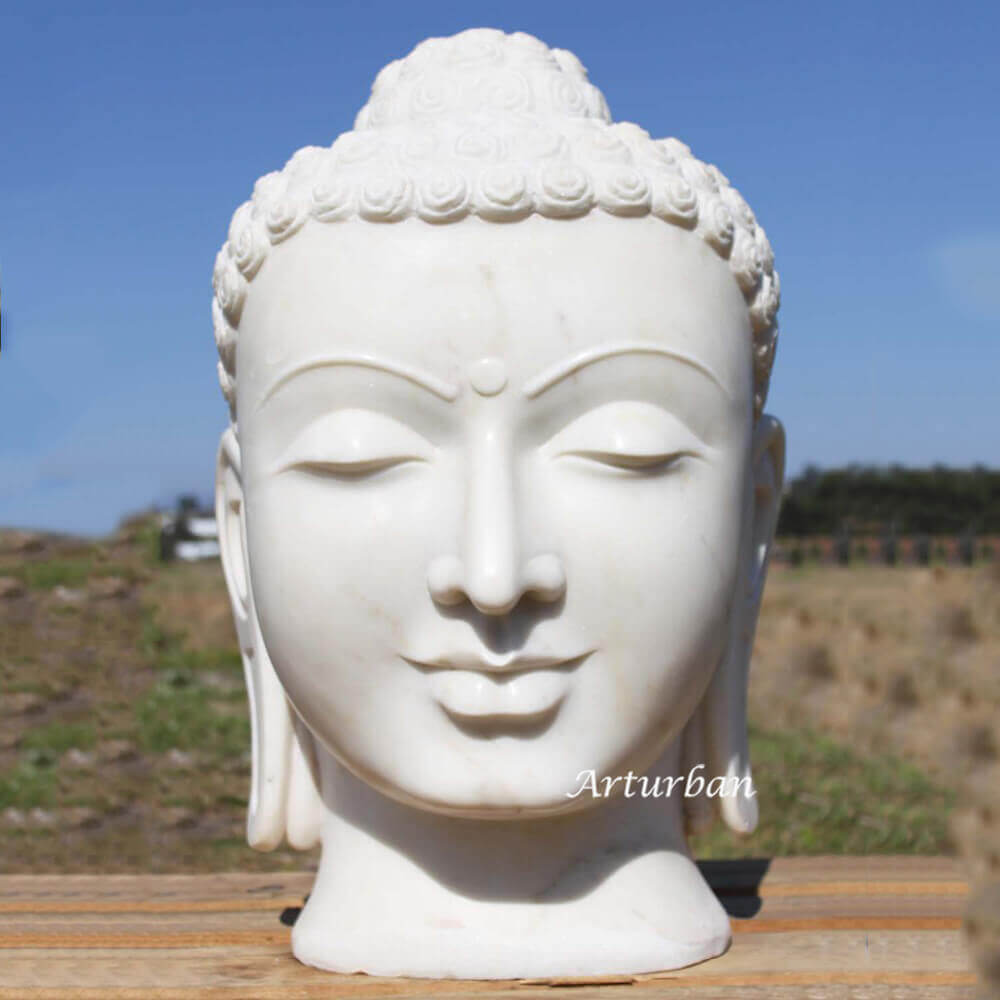
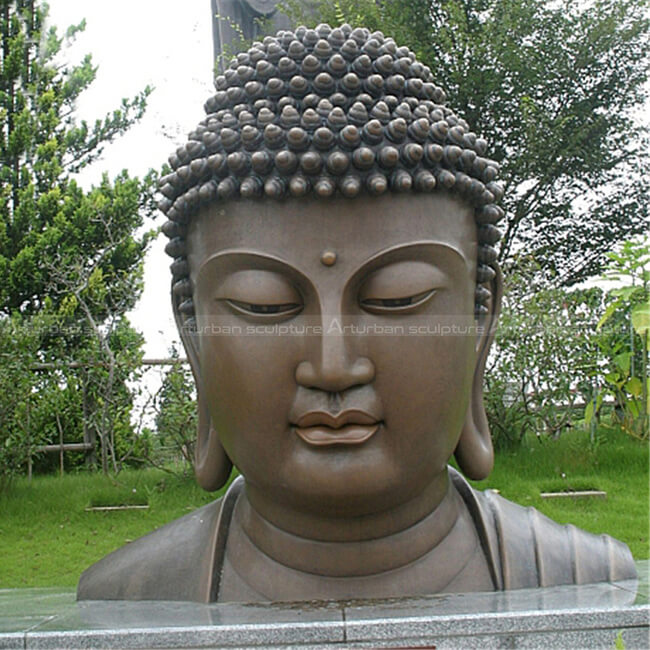
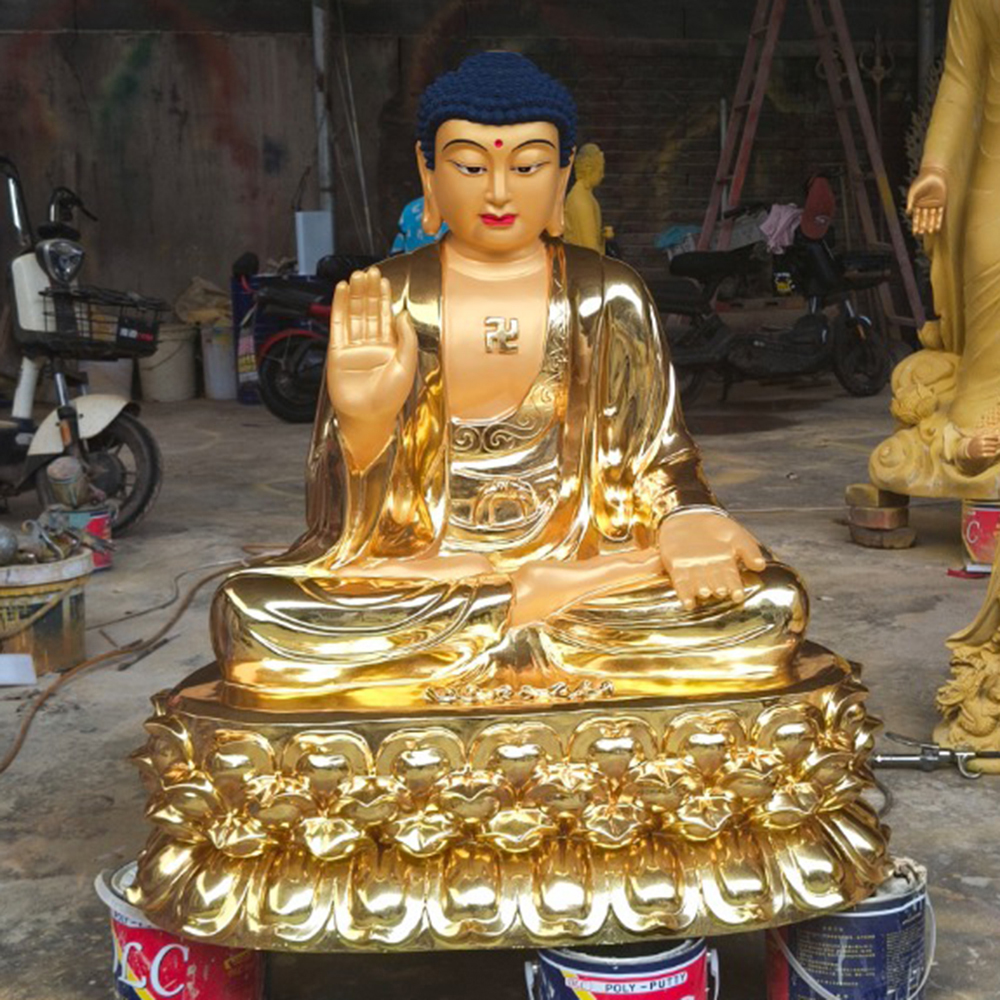
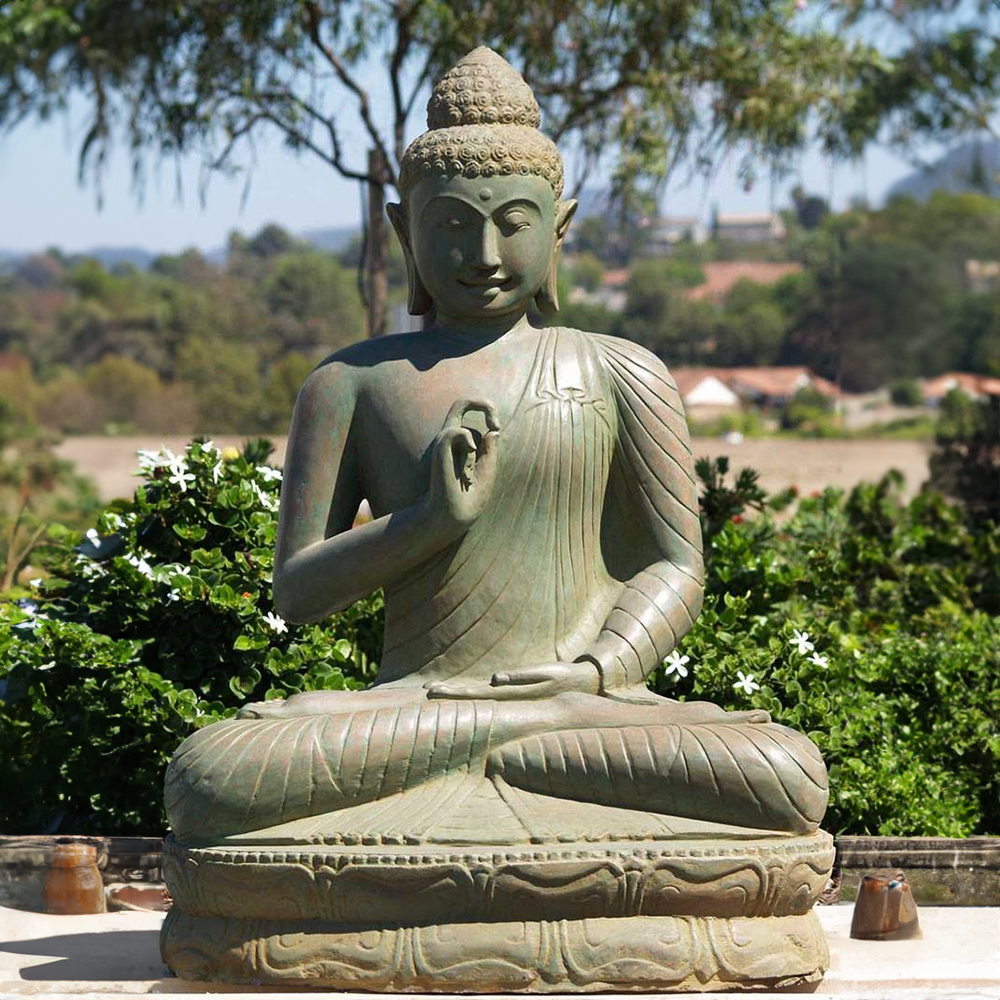
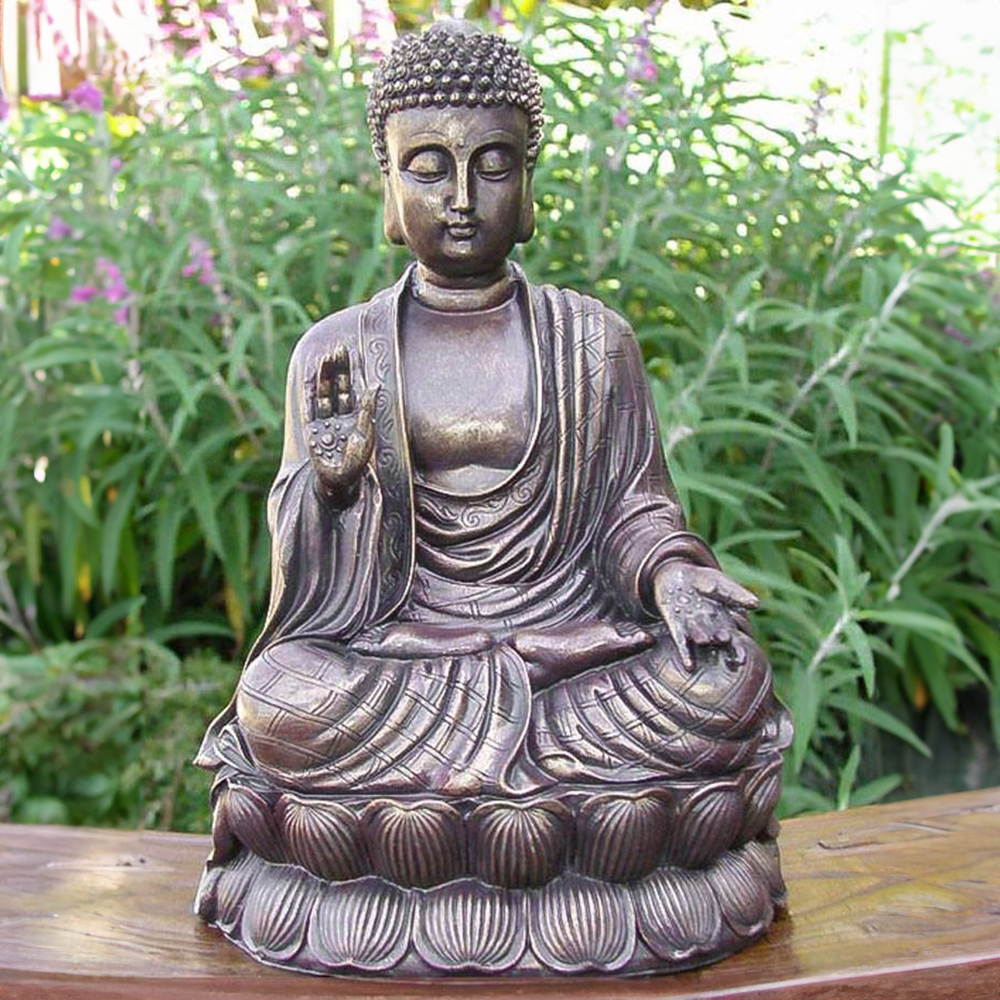
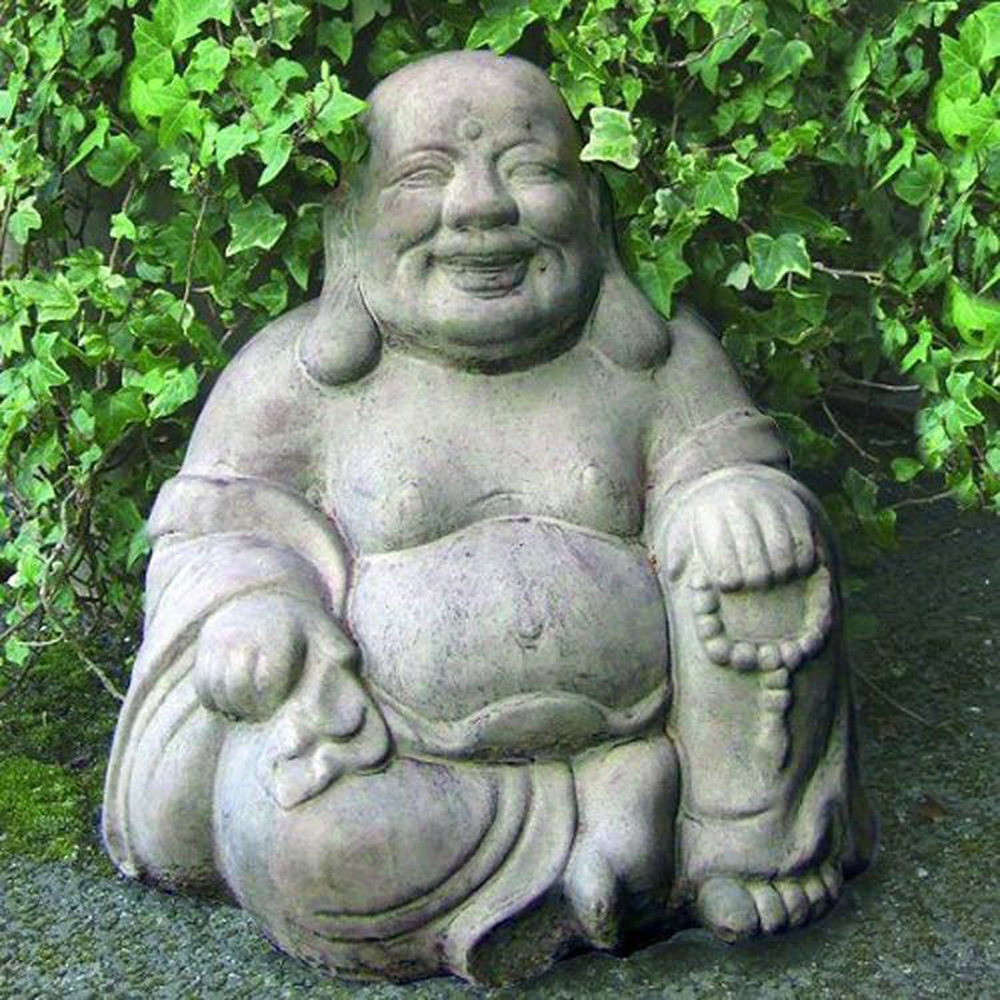
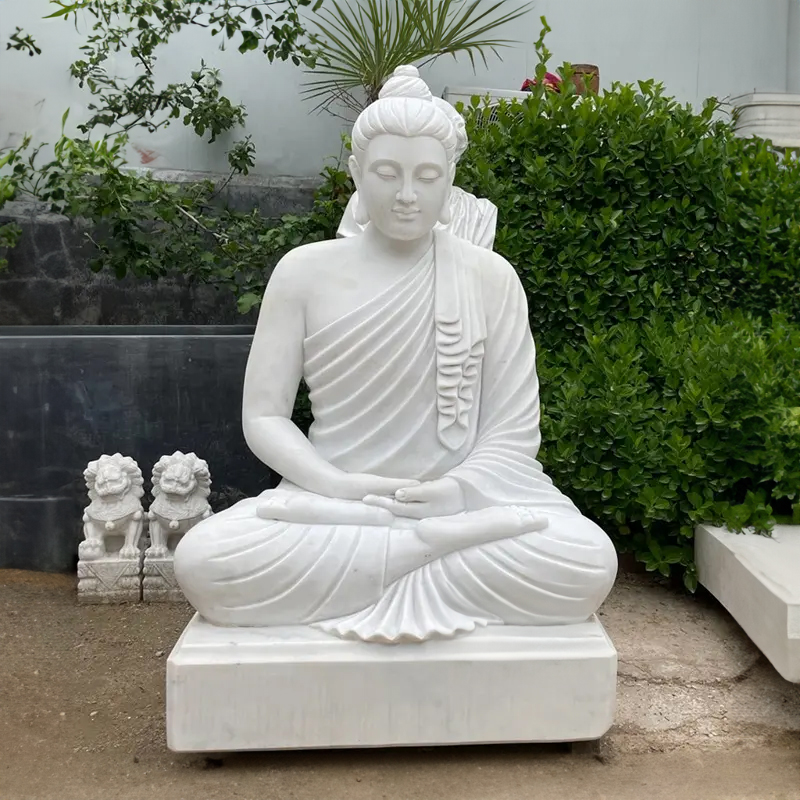
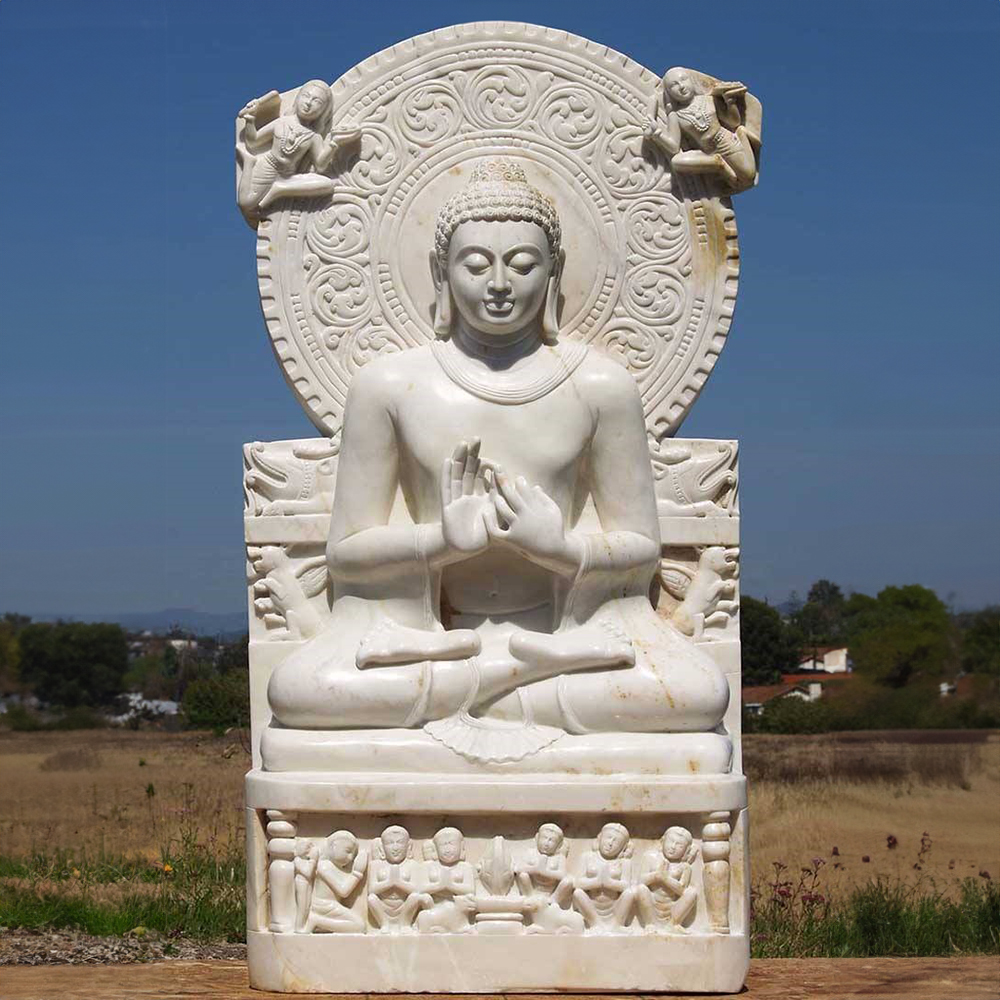
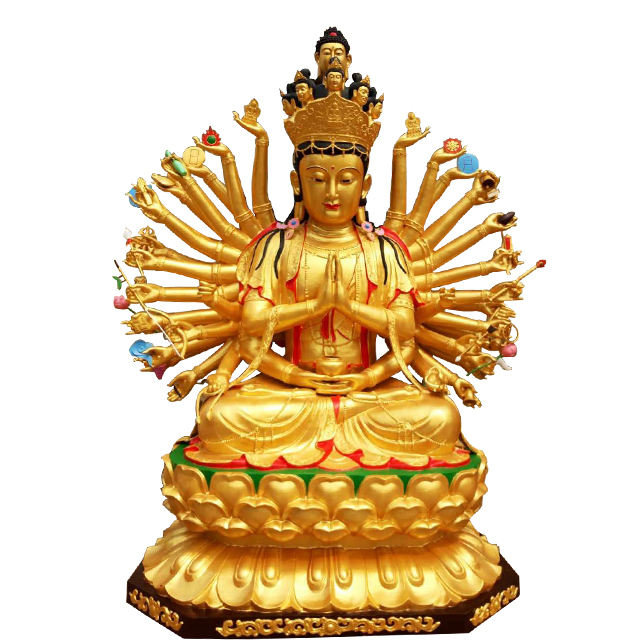
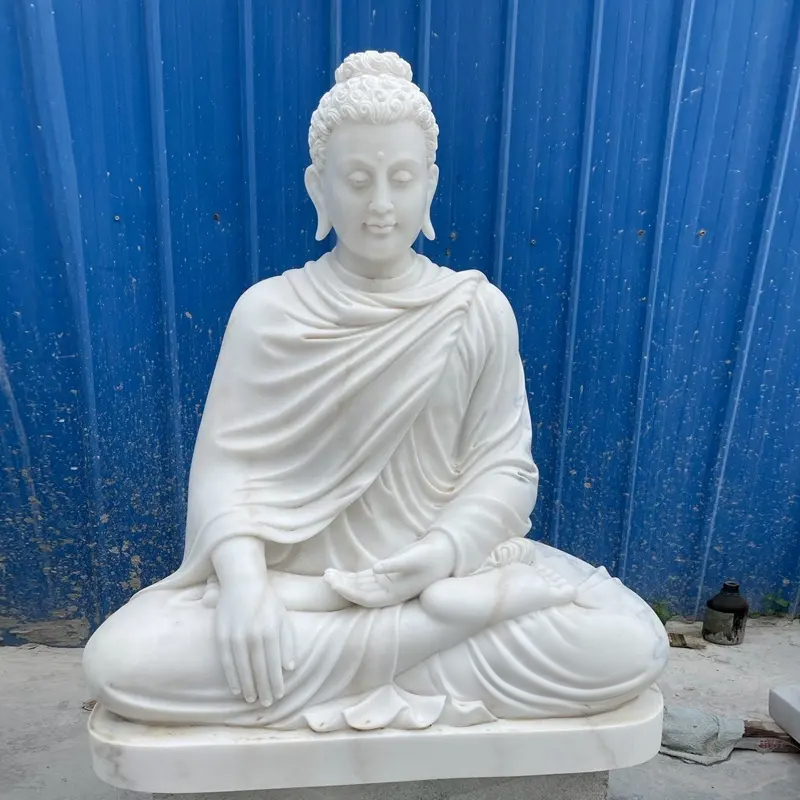
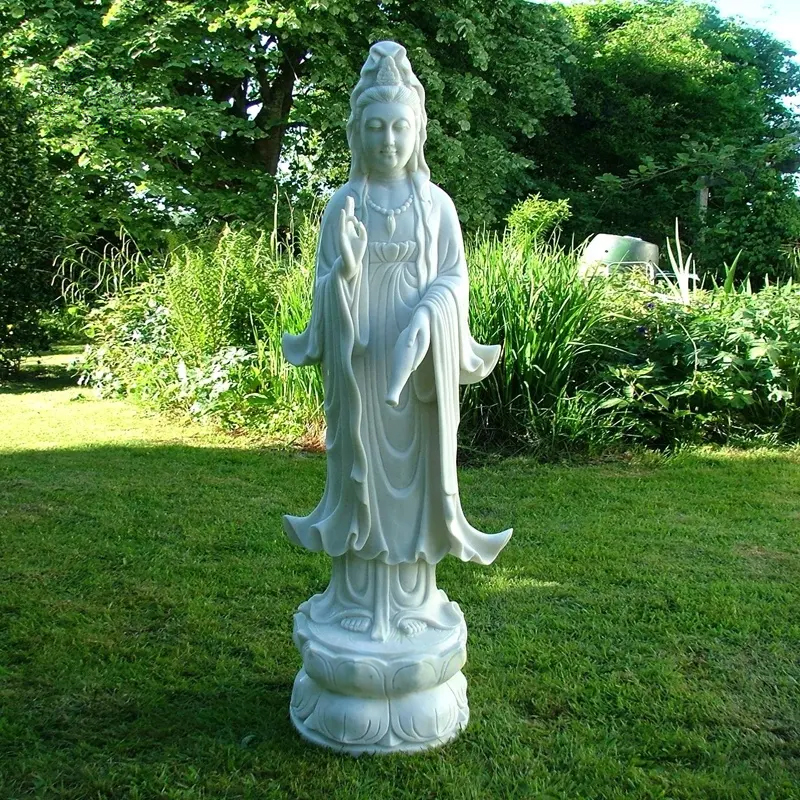
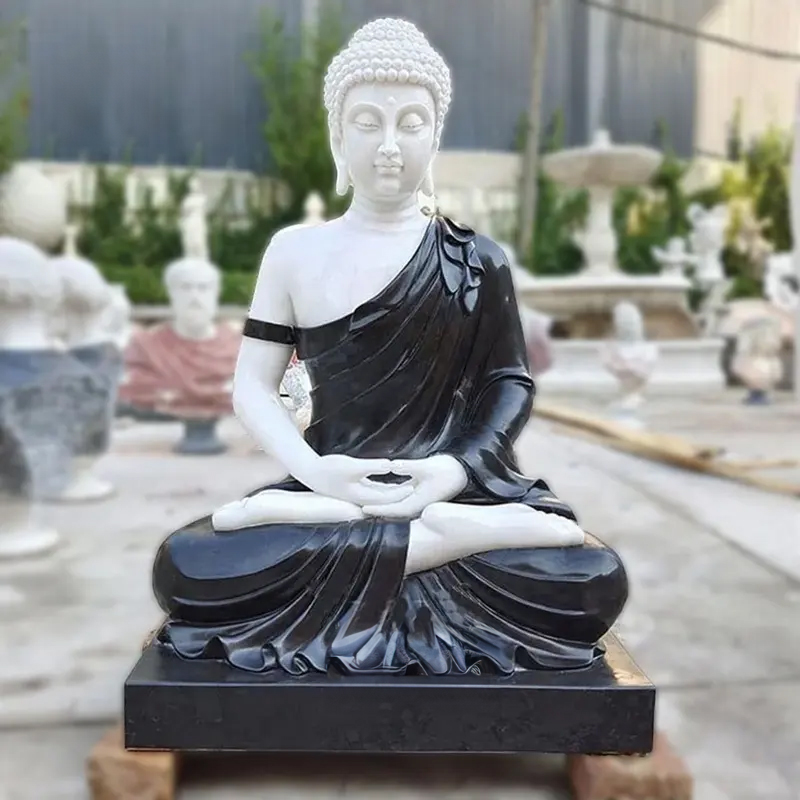
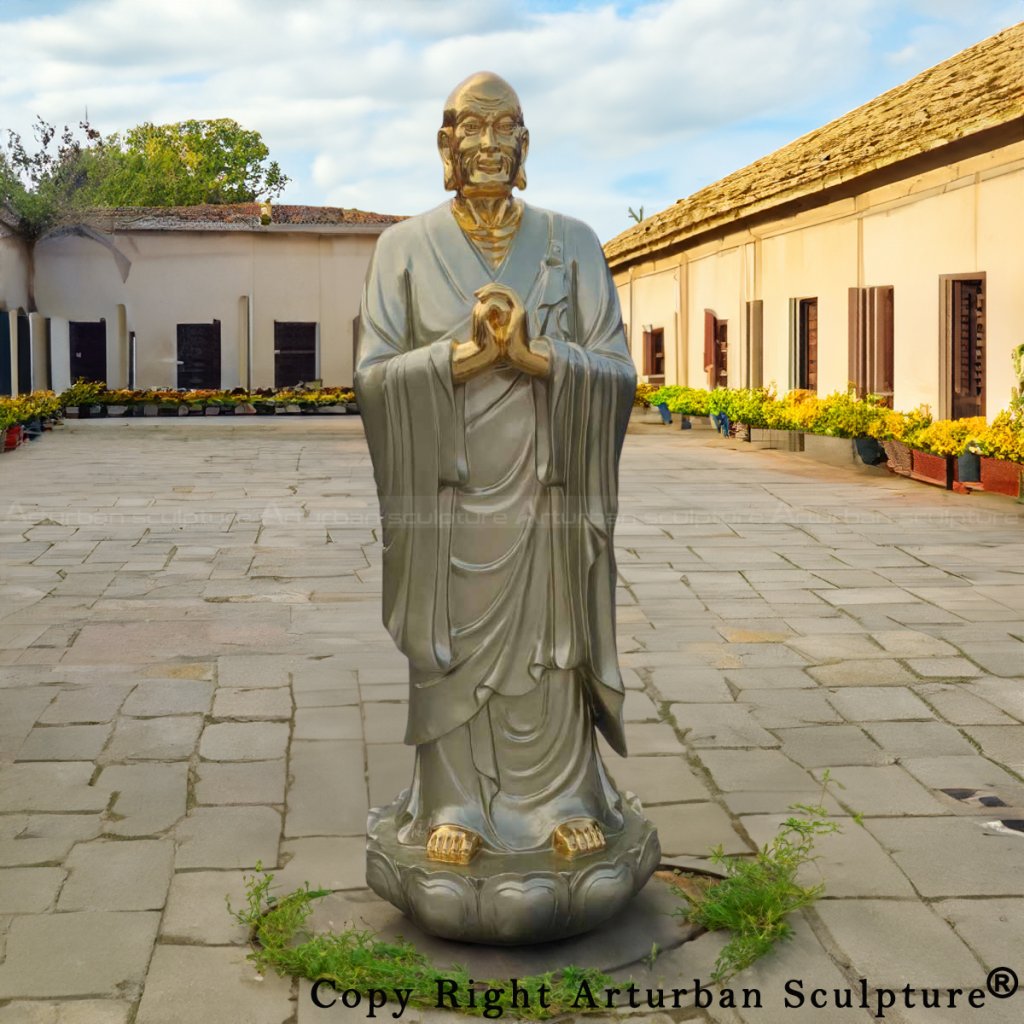
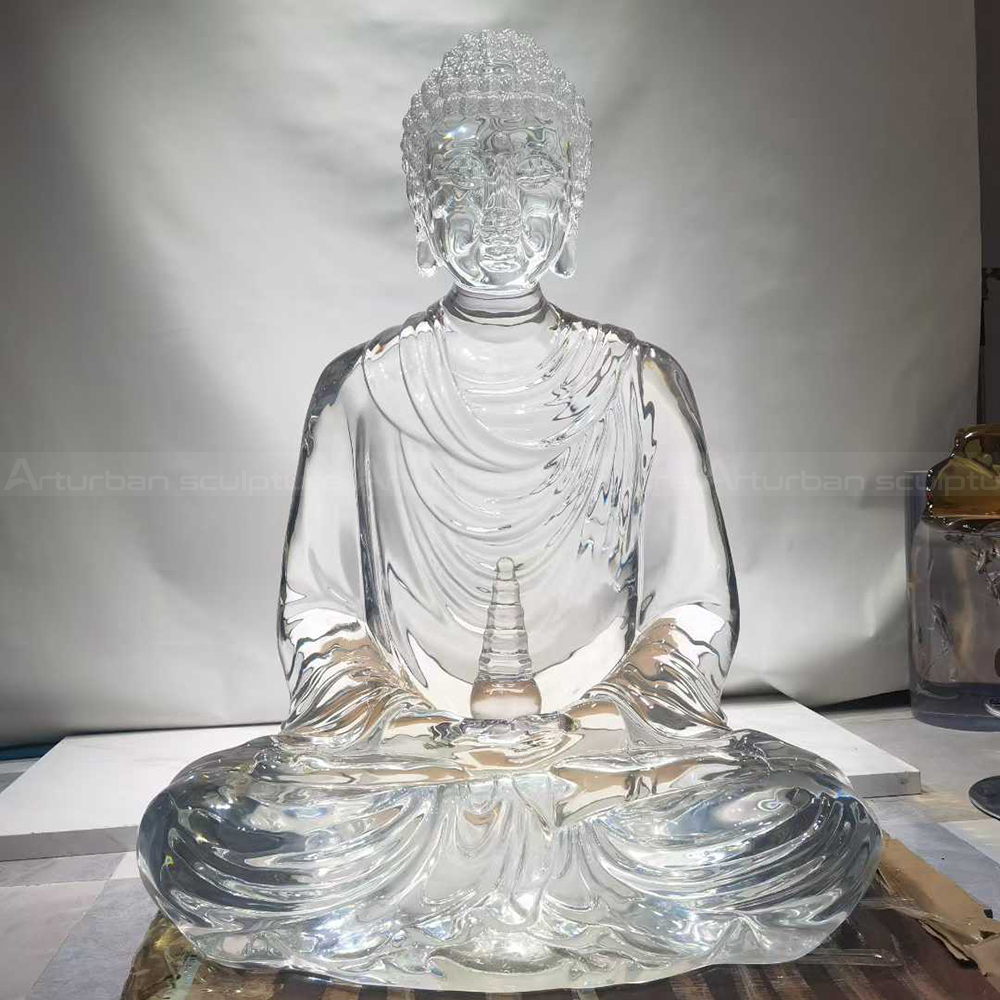
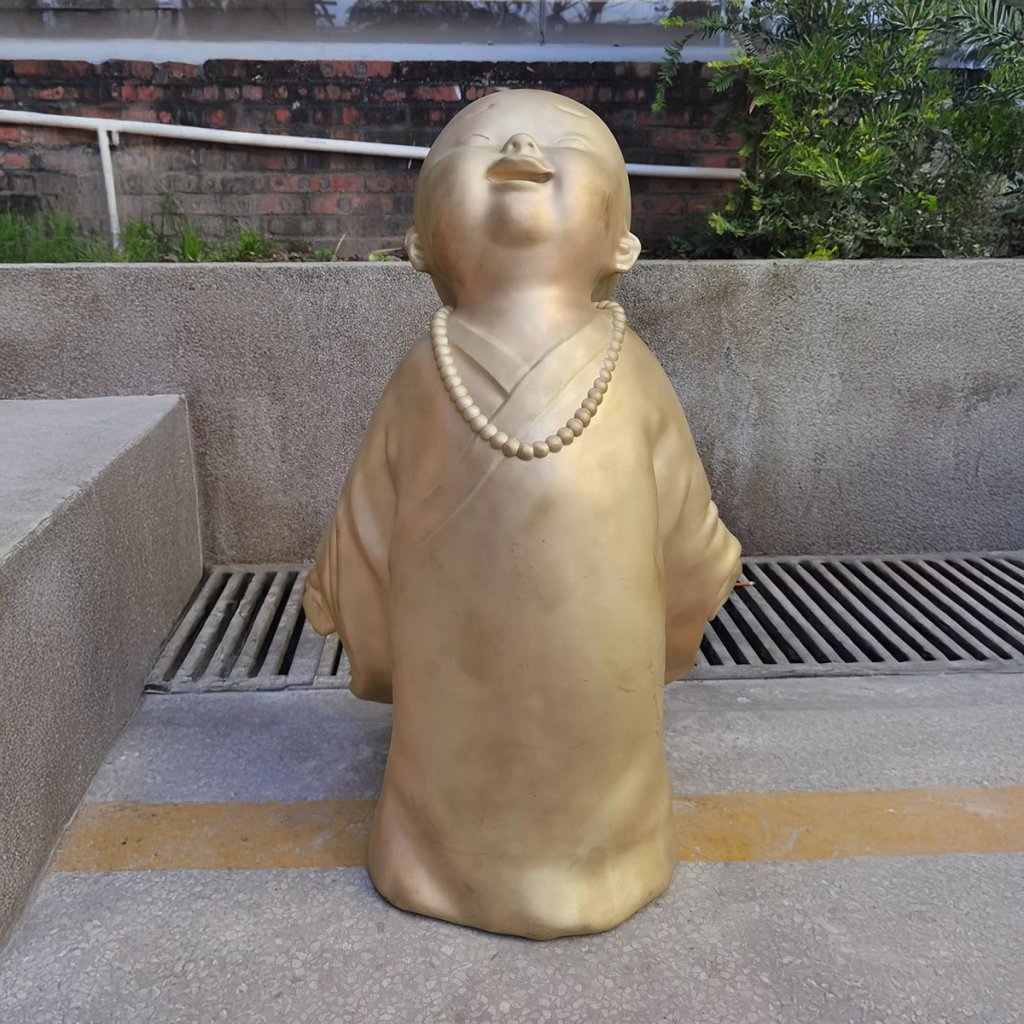
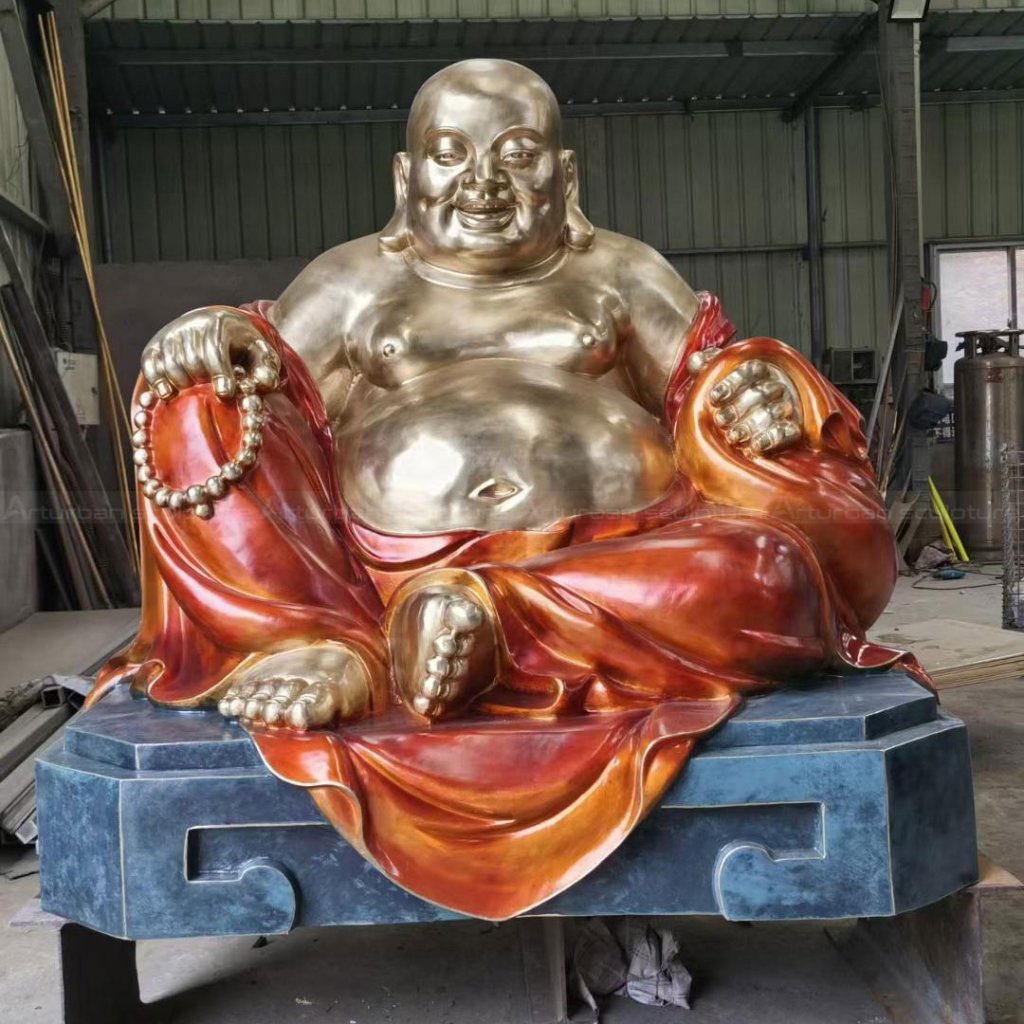
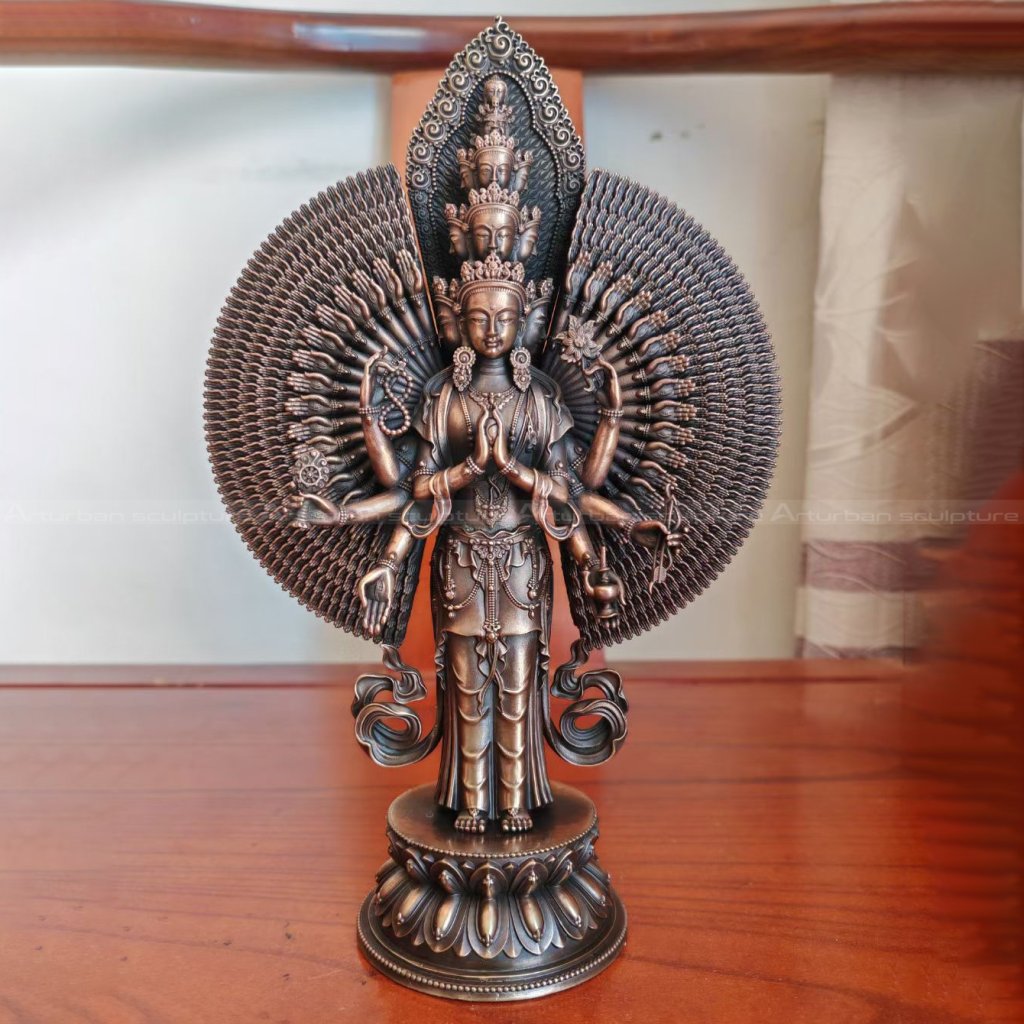
More Buddha Head Sculpture designs will be showcased below, including Buddha head and buddha sculptures in different shapes, sizes, and materials, providing more references for different projects and spaces.
FAQ About 5 Faced Buddha Head Sculptures
What is a 5 faced Buddha head?
A 5-faced Buddha head refers to a Buddha head with five faces facing different directions, commonly seen in modern Buddhist sculptures and contemporary art design. It has a strong three-dimensional effect and allows for viewing from multiple angles.
Is a Five-Faced Buddha the same as the Five Dhyani Buddhas?
No. The Five Dhyani Buddhas refer to the five Buddhas in Esoteric Buddhism, while a Five-Faced Buddha is usually a sculptural form where multiple faces are integrated into a single head. The two are not the same concept.
What does a 5 Faced Buddha Head symbolize?
There is no unified, fixed religious interpretation for modern Five-Faced Buddha works. Multiple faces are often used to express artistic concepts such as multi-directional viewing, meditation, peace, and introspection.
Who is Ma Tse Lin?
Ma Tse Lin is a contemporary Chinese artist residing in France. “Buddha” is one of his important creative themes. His multi-faceted Buddha works reinterpret traditional Buddha faces through repetition, fusion, and multi-directional arrangement, with the “Five-Faced Buddha” being one of his more representative forms.
What materials can be used for a Five-Faced Buddha Head?
Bronze, fiberglass, marble, and stainless steel are available depending on the project requirements. Different materials have their own characteristics in terms of weight, surface finish, manufacturing process, and suitable scenarios.
Can the size of the Buddha head be customized?
Yes. The size can be adjusted according to different spaces such as indoor furnishings, garden landscapes, hotels, and public art projects. For large-scale works, the internal structure and base will also be designed according to the dimensions.
Can the color and finish be customized?
Yes. Bronze sculptures can be customized with different patinas such as brown, dark brown, and green; fiberglass and stainless steel versions can also be selected with different colors and surface treatments according to project requirements.
Can you make a Buddha head from a photo or 3D model?
Yes. Clients can provide reference images, design drawings, or 3D files. We will choose to make a clay model or 3D model according to specific needs and confirm the proportions and details before formal production.
Is a bronze Buddha head suitable for outdoor display?
Yes. Bronze has good weather resistance and, after proper surface treatment, can be used in outdoor environments such as gardens, courtyards, hotel landscaping, and public art spaces.
How is a large Buddha head sculpture shipped?
After large sculptures are completed and inspected, they will be packaged according to their size using reinforced wooden crates and shock-absorbing materials; if necessary, they can be packaged in parts to facilitate international shipping and on-site installation.
Send us your requirements now, we will reply to your email within 24 hours