
Located in Boston, Massachusetts, this famous bronze equestrian sculpture was created by American sculptor Cyrus Edwin Dallin and unveiled in 1940. The Paul Revere Statue commemorates the historic midnight ride of 1775, depicting Revere on horseback as he delivered warnings of British troop movements. This article explores the statue’s historical background, 57-year creation journey, artistic design, symbolism, and other Paul Revere sculptures across the United States.
Who Was Paul Revere?
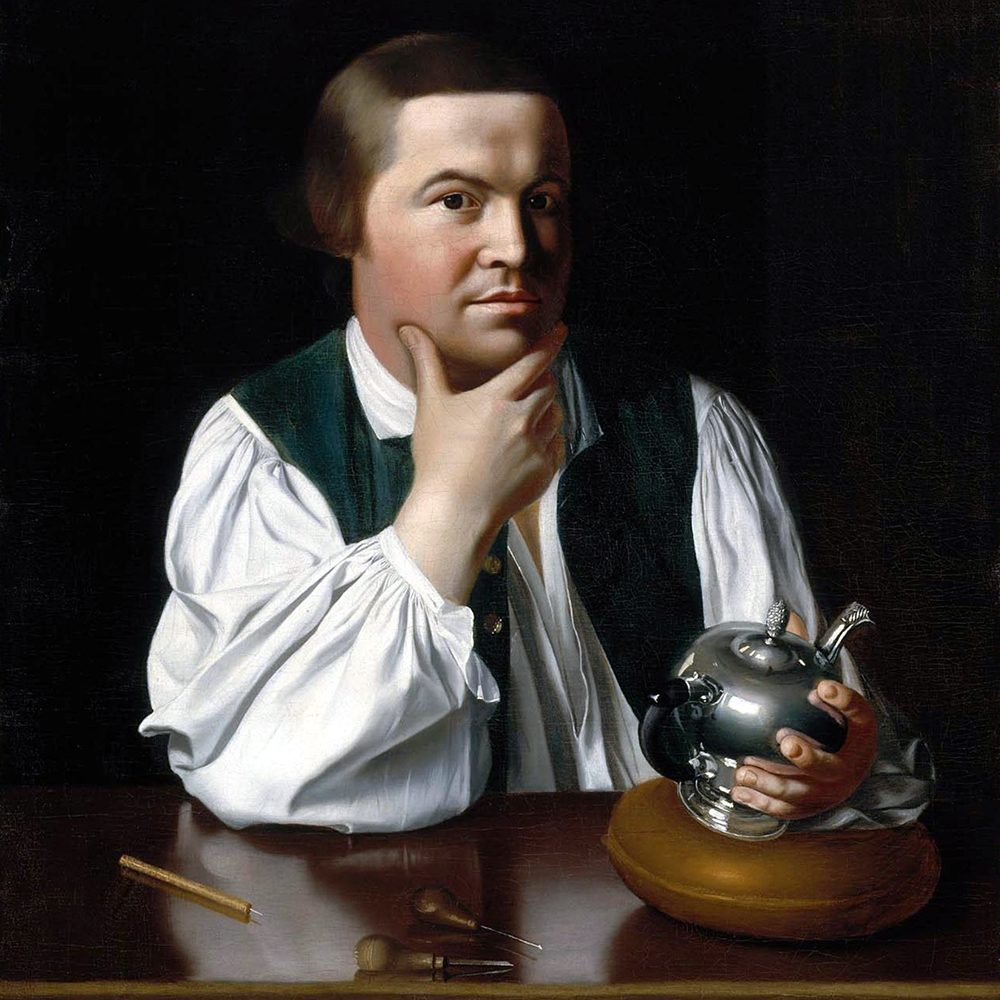
Paul Revere (1735–1818) was a renowned American silversmith, engraver, and revolutionary messenger, best known for his Midnight Ride in 1775. Born in Boston, he actively participated in the revolutionary activities leading up to the American Revolutionary War and later became one of the most iconic figures in American history.
Paul Revere Biography & Timeline
1735 – Born in Boston
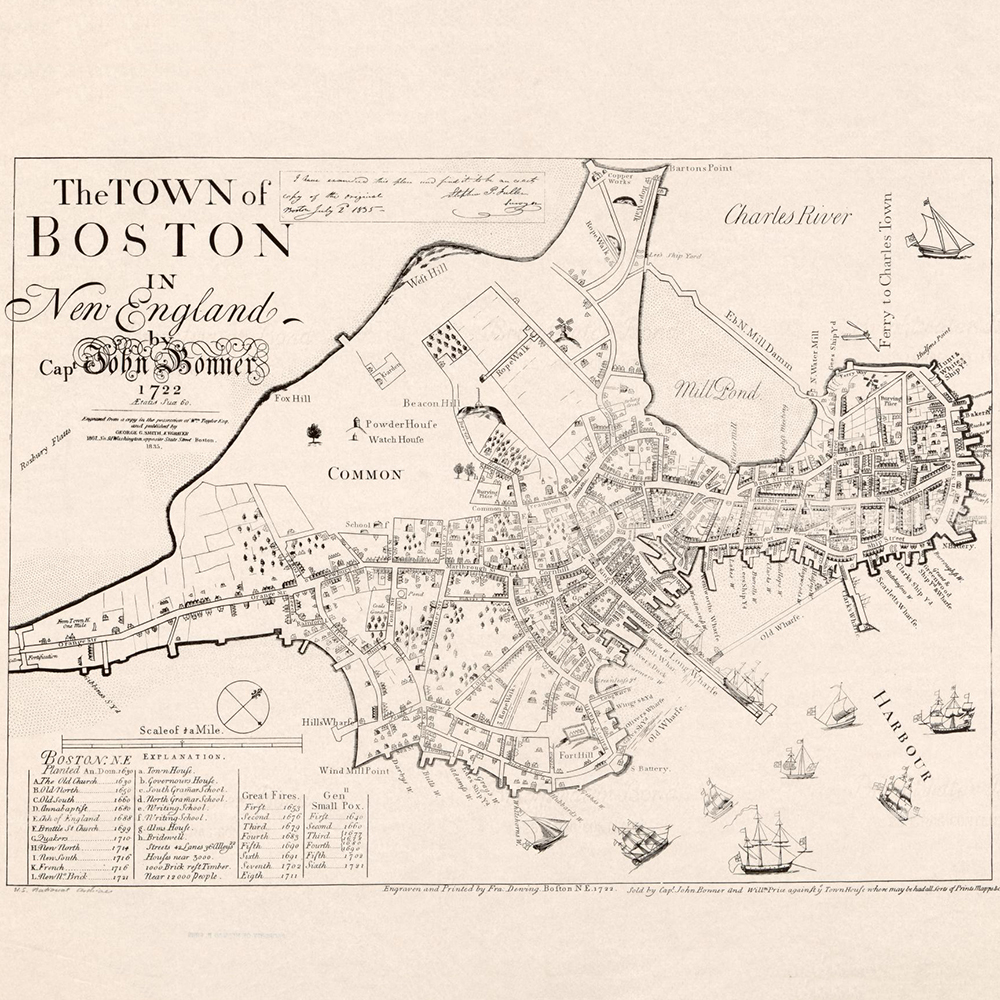
Paul Revere was born on January 1, 1735 (according to the modern calendar) in Boston, Massachusetts, into a silversmith’s family. He later followed in his father’s footsteps in silversmithing.
1756 – Participation in the French and Indian War
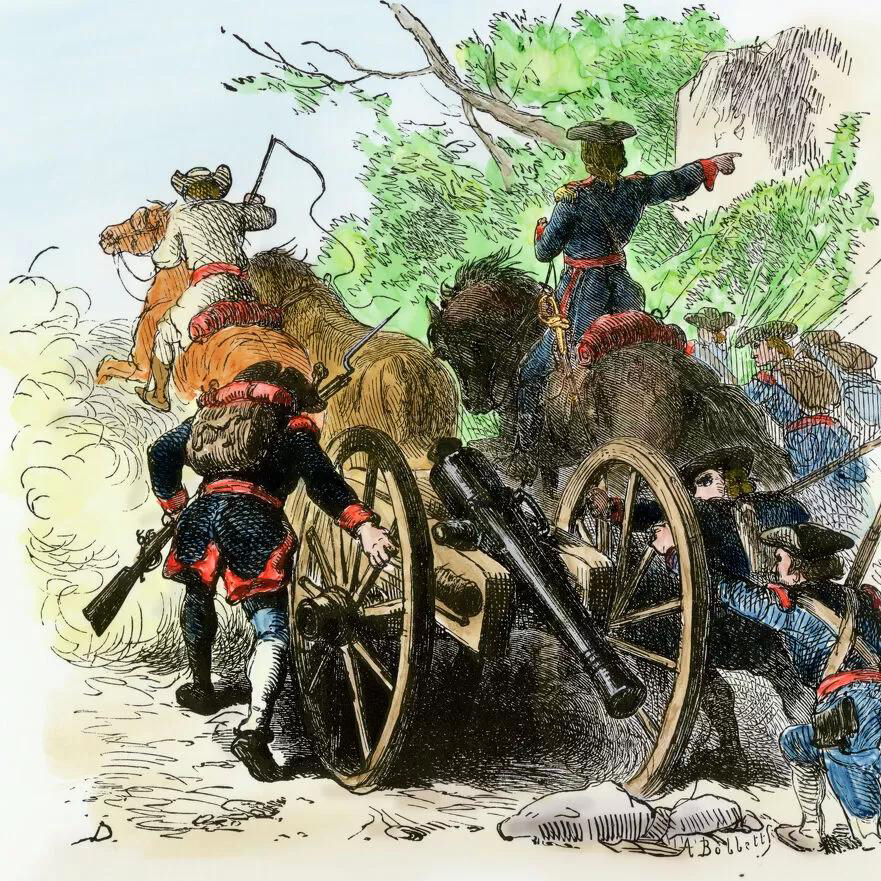
The young Revere briefly served in the Massachusetts Colonial Army as an artillery officer, participating in the French and Indian Wars.
1760s – Participation in Revolutionary Activities
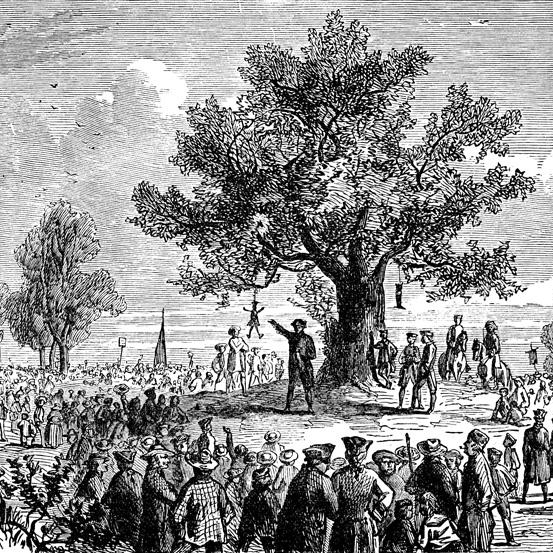
As tensions between the colonies and Britain escalated, he joined the Sons of Liberty, actively participating in political activities and undertaking tasks such as relaying messages and conducting clandestine communications.
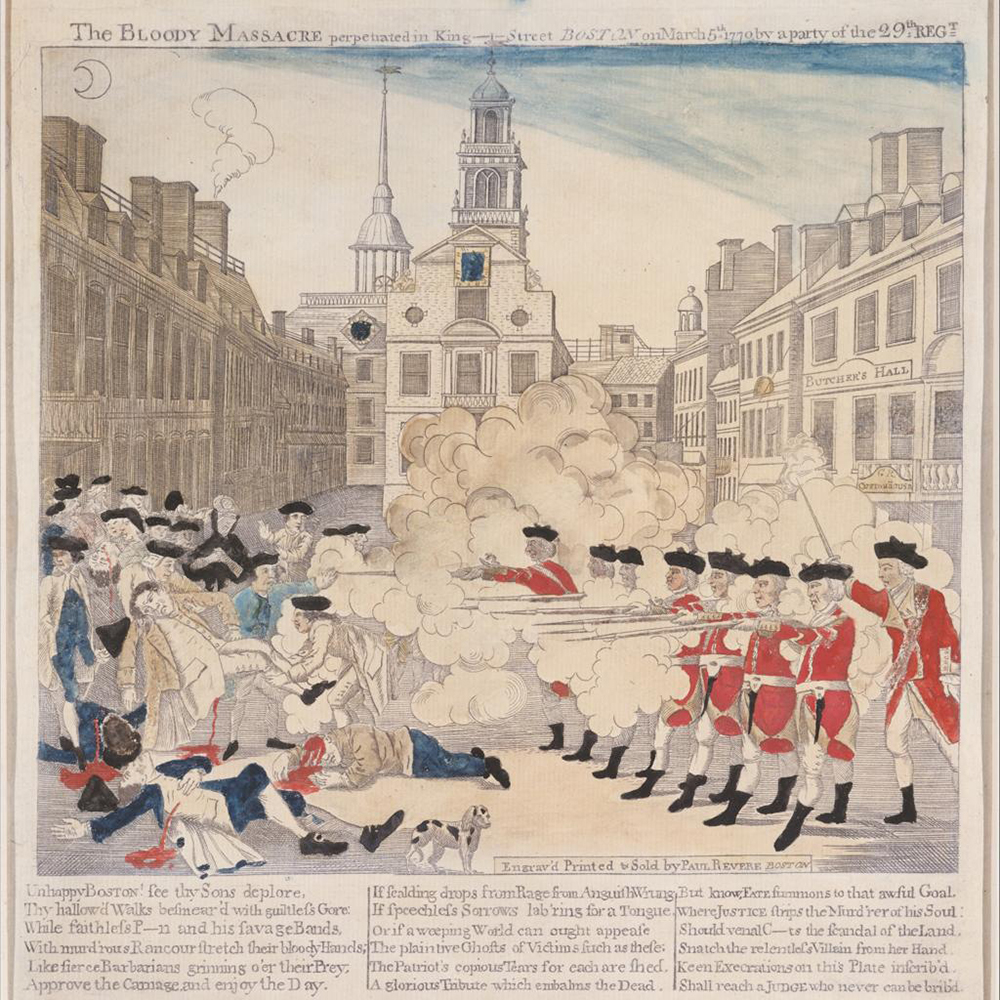
1770 – Creation of the Boston Massacre Engraving
Revere created and distributed engravings depicting the Boston Massacre, a work that became an influential political propaganda image during the colonial period.
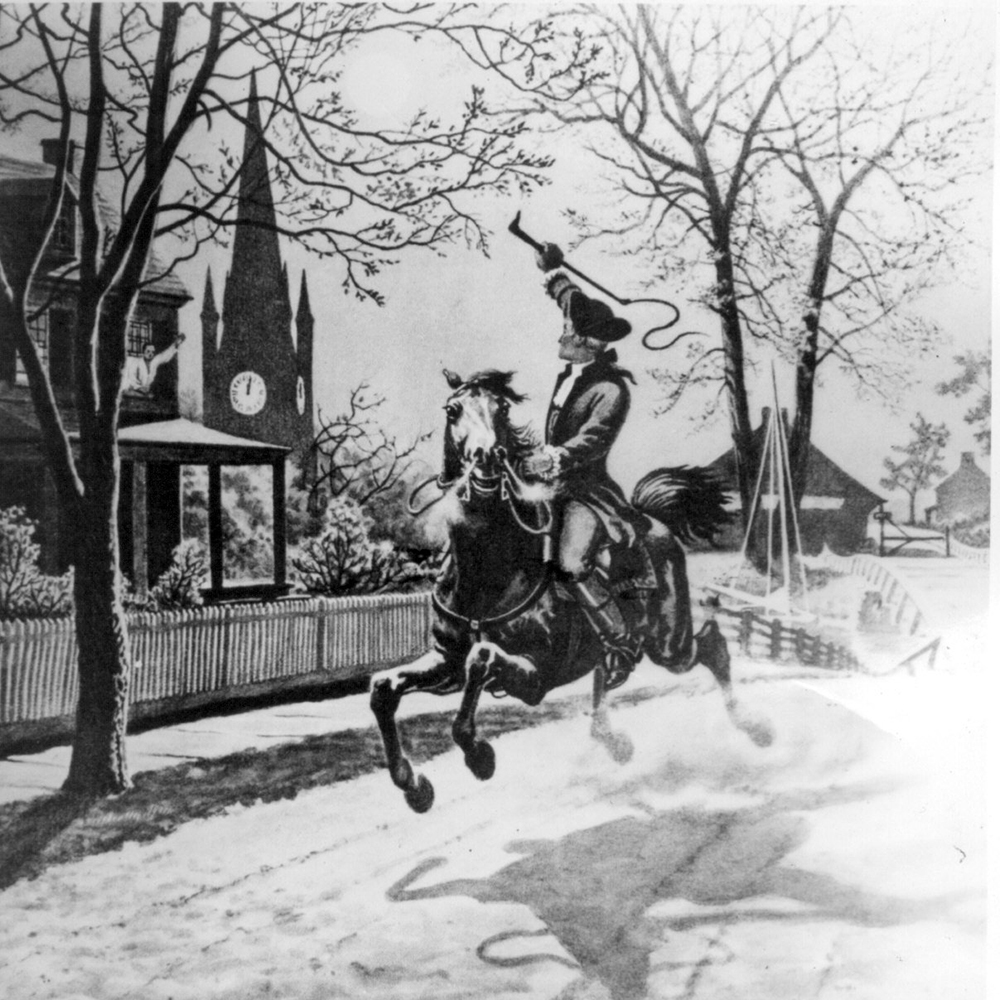
1775 – The famous Midnight Ride
On the night of April 18, Revere rode to Lexington to warn Samuel Adams and John Hancock of British advance. This act later became a famous event in the history of the American Revolutionary War.
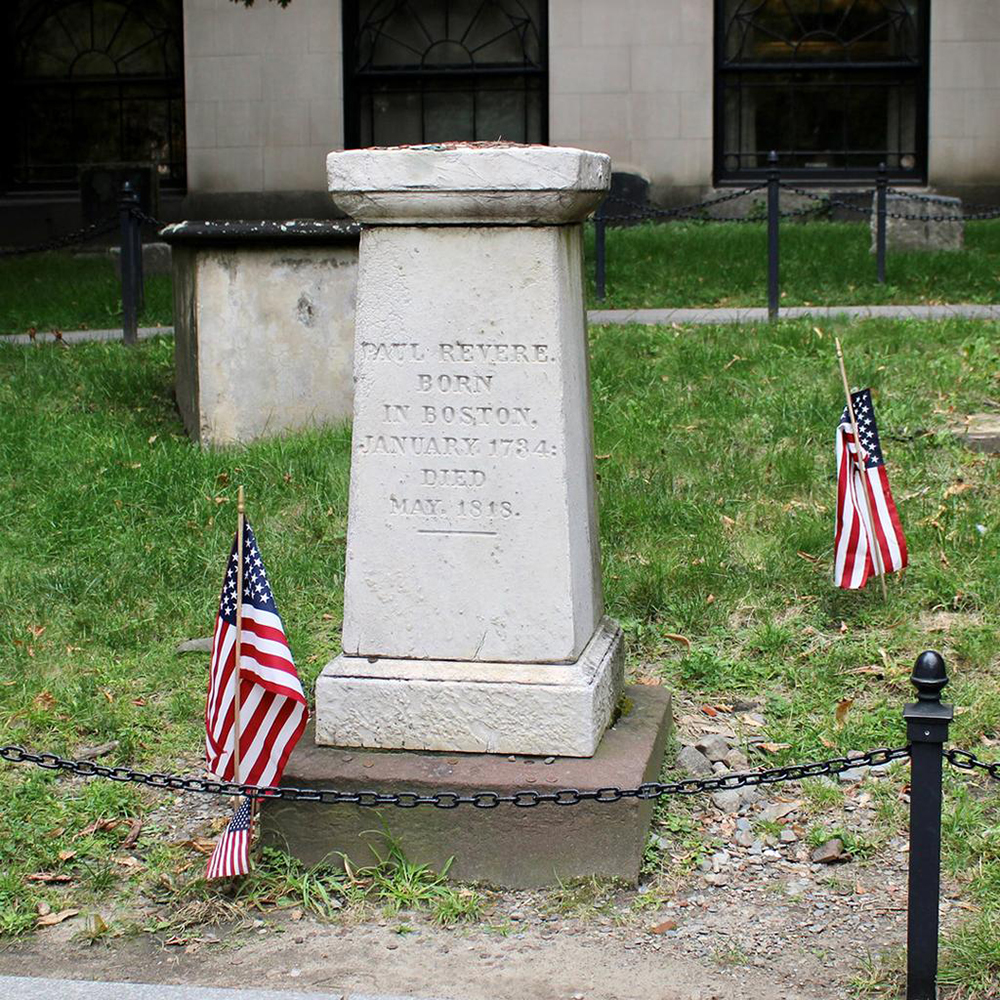
1818 – Death in Boston
Paul Revere died on May 10, 1818, at the age of 83. He is remembered not only for his Midnight Ride but also for his silversmithing and the development of early metalworking in America.
In 1861, American poet Henry Wadsworth Longfellow published “Paul Revere’s Ride,” further popularizing his story. Today, the Paul Revere Statue in Boston is an important public sculpture commemorating this historical event.
Where Is the Paul Revere Statue Located?
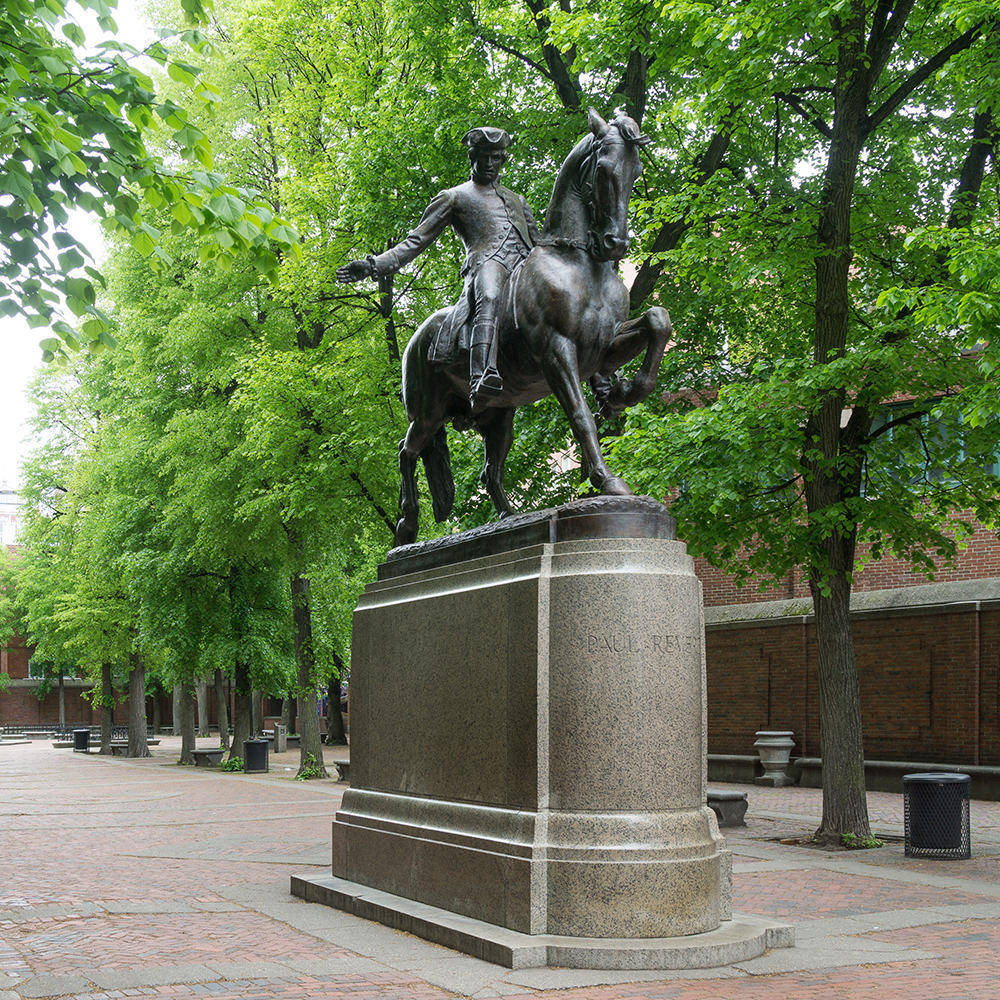
The Paul Revere Statue is located in Paul Revere Mall in Boston’s North End, Massachusetts, near Hanover Street. This public square, also known as The Prado, features the statue on a granite pedestal surrounded by red-brick walkways, trees, and rest areas.
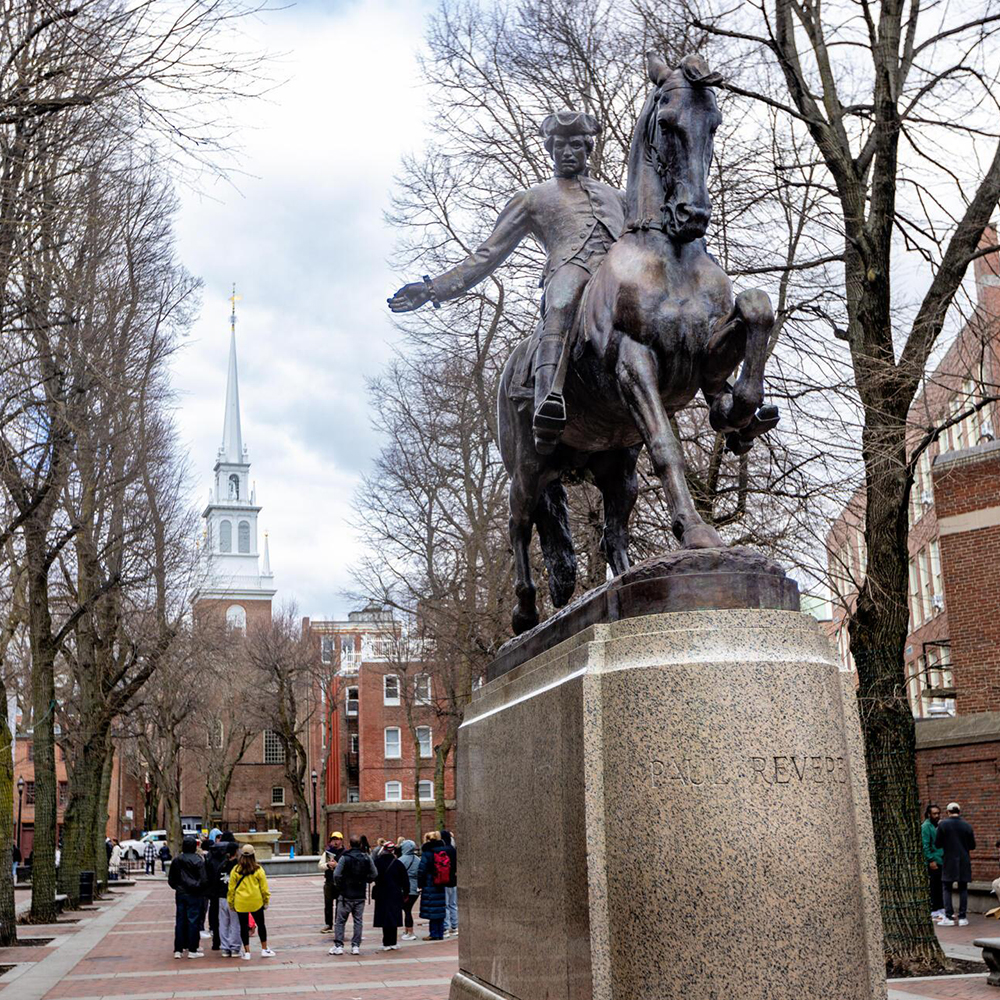
Near the statue is the Old North Church, built in 1723. On the eve of the midnight ride in 1775, two lanterns were hung from the church tower to signal the British army’s advance. Nearby is also Paul Revere House, the birthplace of Paul Revere. These historical sites together form an important part of Boston’s Freedom Trail.
Who Sculpted the Paul Revere Statue?
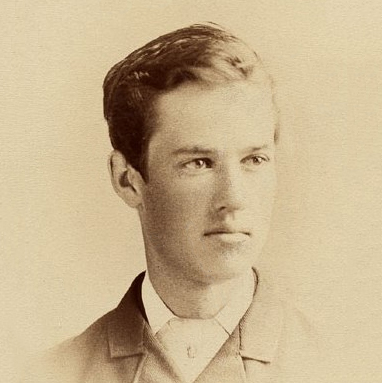
Cyrus Edwin Dallin
1861–1944
An American sculptor known for his equestrian statues, historical monuments, and sculptures depicting Native Americans.
| Biographical Information | Details |
| Full Name | Cyrus Edwin Dallin |
| Born | 1861, Springville, Utah, USA |
| Died | 1944, Arlington, Massachusetts, USA |
| Art Education | Studied under Truman H. Bartlett in Boston, later trained in sculpture in Paris |
| Artistic Style | Realism, Academic Sculpture |
| Notable Works | Paul Revere Statue, Appeal to the Great Spirit |
| Major Achievement | Won the Paul Revere Statue design competition in 1883 |
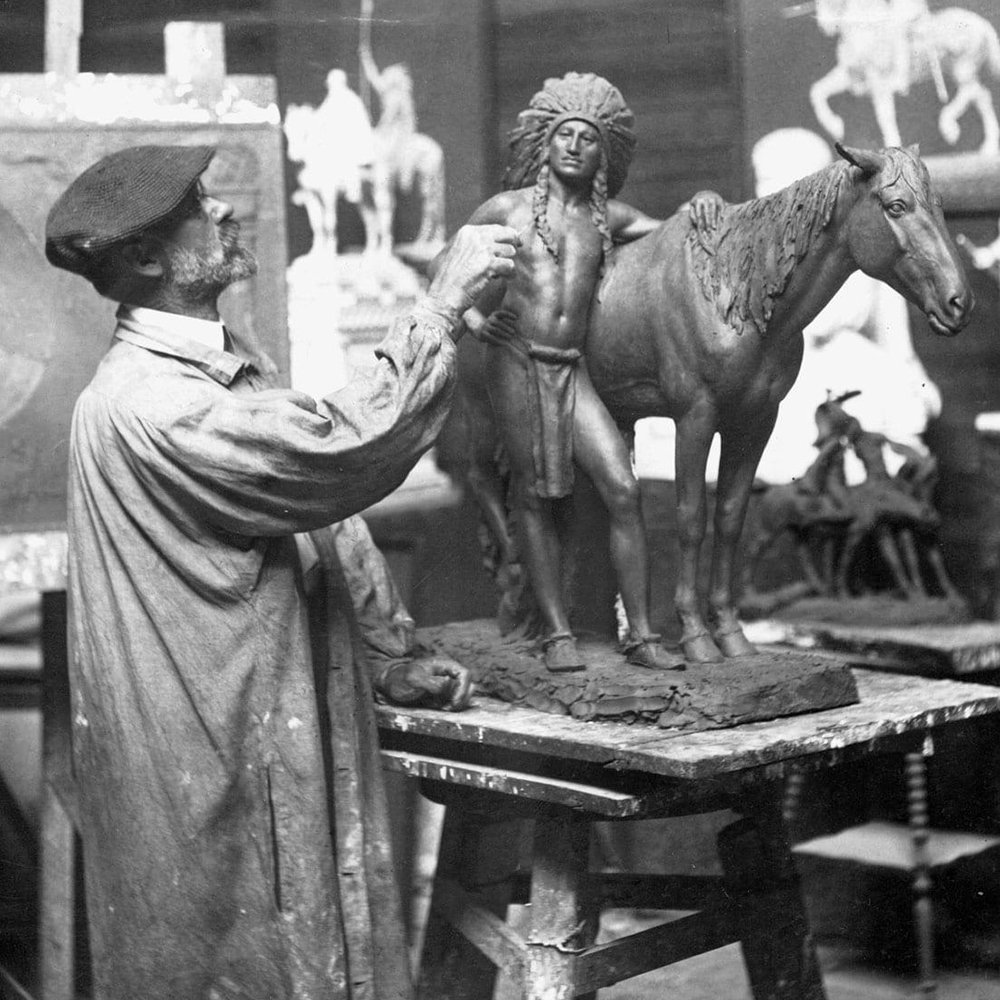
In 1883, Cyrus Edwin Dallin, only 22 years old, participated in a design competition for a memorial sculpture for Paul Revere in Boston, winning first place with his equestrian figure design. Despite the design’s recognition, the sculpture could not be built immediately due to issues such as fundraising and project approval. Dallin subsequently revised his work multiple times, creating seven different models, until the equestrian bronze sculpture was finally completed in 1940.
Why Did the Paul Revere Statue Take 57 Years to Complete?
The Paul Revere Statue took 57 years to build, from winning the design competition in 1883 to its official completion in 1940. Sculptor Cyrus Edwin Dallin created seven different models during this period. The project’s long delays were not due to difficulties in bronze casting technology, but primarily related to repeated reviews of the design, insufficient funding, and changes in Boston municipal policy.
1883–1885: Winning the Competition and Early Design Revisions
In 1883, 22-year-old Dallin won the competition to design a memorial sculpture for Paul Revere in Boston. Initially planned for Copley Square, the judging committee had concerns about the young sculptor’s experience and requested further revisions. In 1884, the third model was approved, but construction never officially began due to contract signing and fundraising issues.
1899: Fifth Model Approved
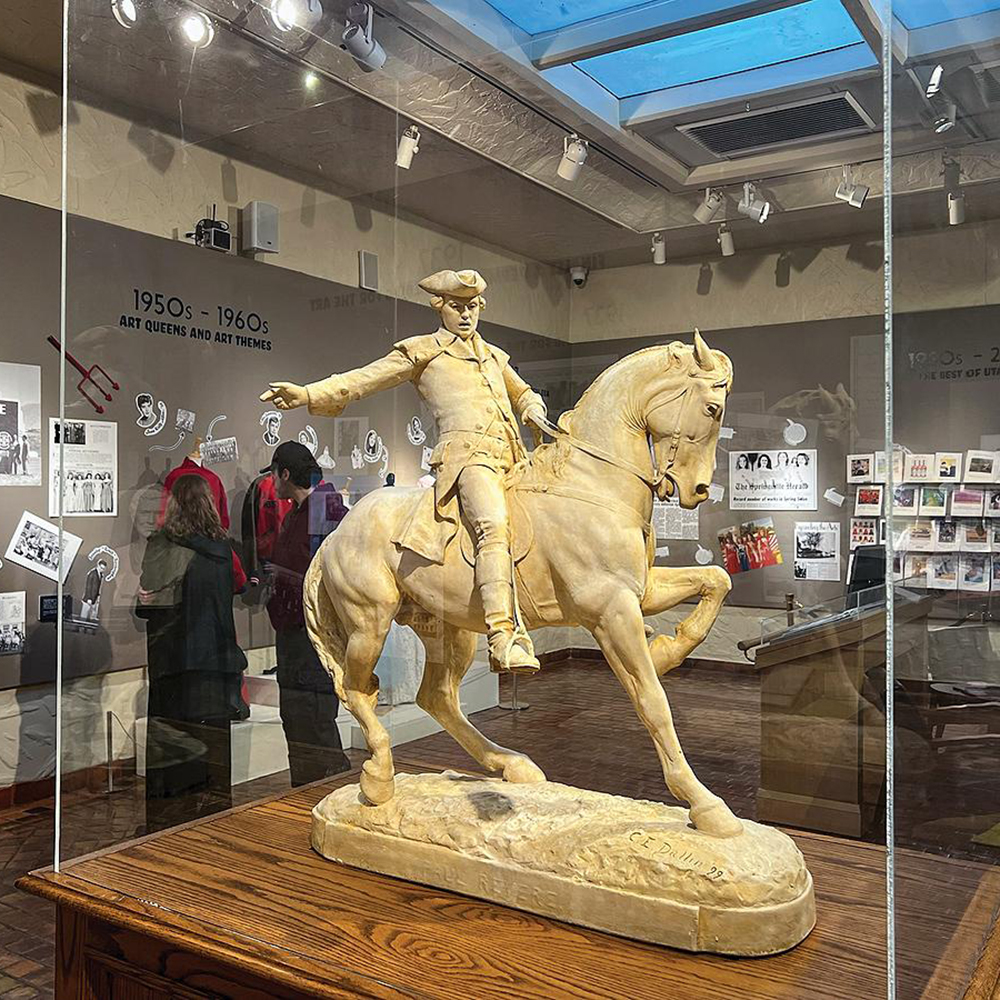
After years of research and adjustments, Dallin completed the fifth model in 1899. This version depicted Paul Revere on horseback with his arm outstretched, the horse’s forelegs raised; the overall composition was close to the final work. The design was approved again that year, but construction was again postponed due to insufficient funds. A plaster cast of this model was later donated by Dallin to a school in Springville, Utah, and is now in the collection of the Springville Museum of Art.
1930: The Sixth Model Revitalizes the Project
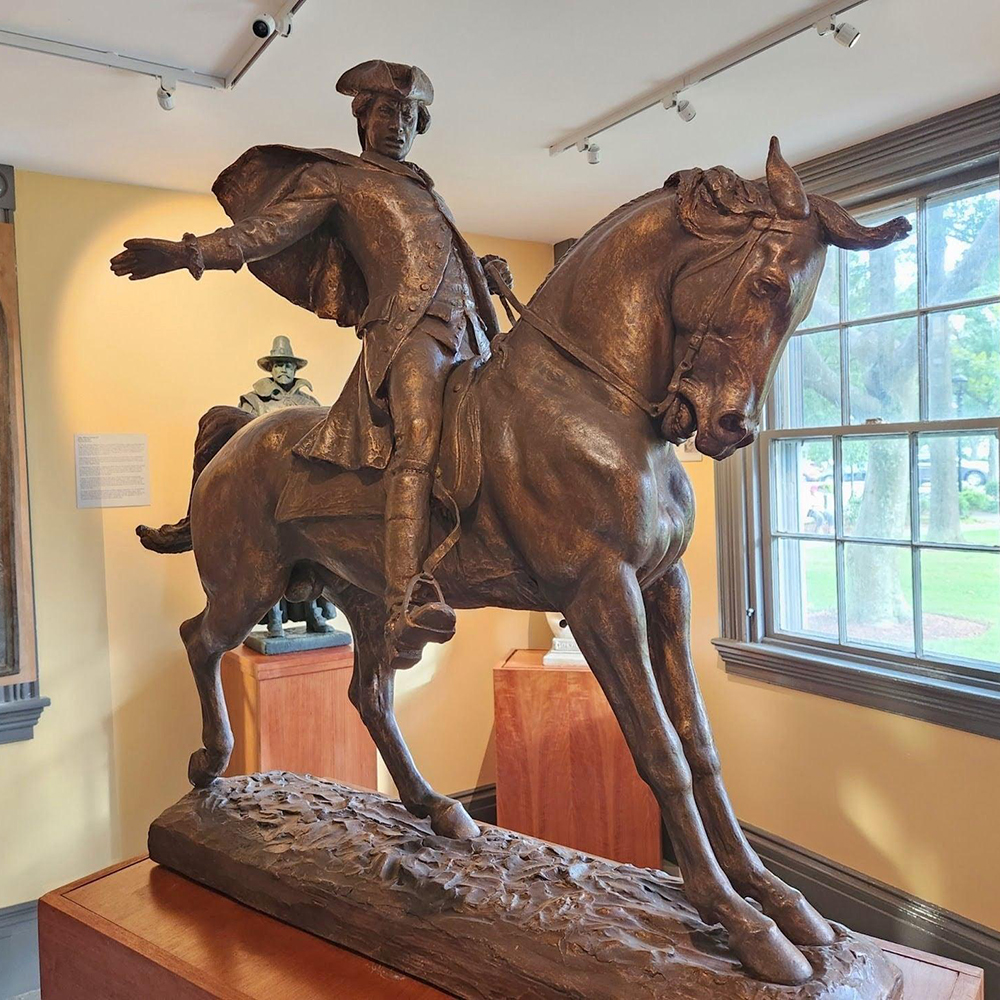
In 1930, Dallin created the sixth model, hoping to rekindle public attention to the memorial sculpture. The new version adjusted the horse’s posture and added details such as a cape to the rider’s clothing. Although the work received media coverage, the project still lacked sufficient funding. This version is currently on display at the Cyrus Dallin Art Museum.
1935–1936: The Seventh Model Finally Approved
In 1935, the over 70-year-old Dallin began working on the seventh model. Collaborating with his son Lawrence, he used approximately three tons of clay to complete a large-scale sculptural model approximately 10.5 feet (3.2 meters) tall. The new design referenced his earlier, more satisfactory designs and further refined the overall form of the figures and horses. In 1936, this version was approved, laying the foundation for the sculpture’s final completion.
1939–1940: Funding Secured and Official Unveiling
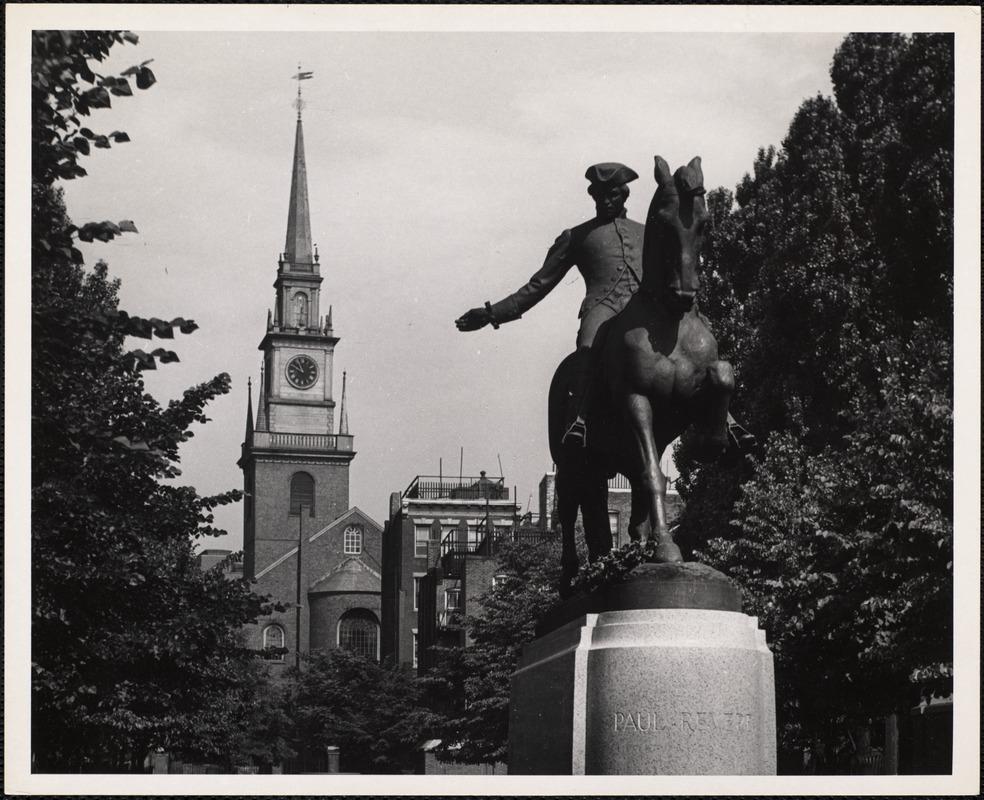
In 1939, Dallin again sought funding and finally received a grant from the George Robert White Fund. In 1940, the sculpture was cast in bronze by the T. F. McGann & Sons Company in Boston and installed at Paul Revere Mall in the North End.
The Paul Revere Statue was officially unveiled on September 22, 1940. This was 57 years after Dallin won the initial design competition. The sculpture not only commemorates Paul Revere’s midnight ride but also chronicles Dallin’s artistic creation and dedication over more than half a century.
Design and Artistic Details of the Paul Revere Statue
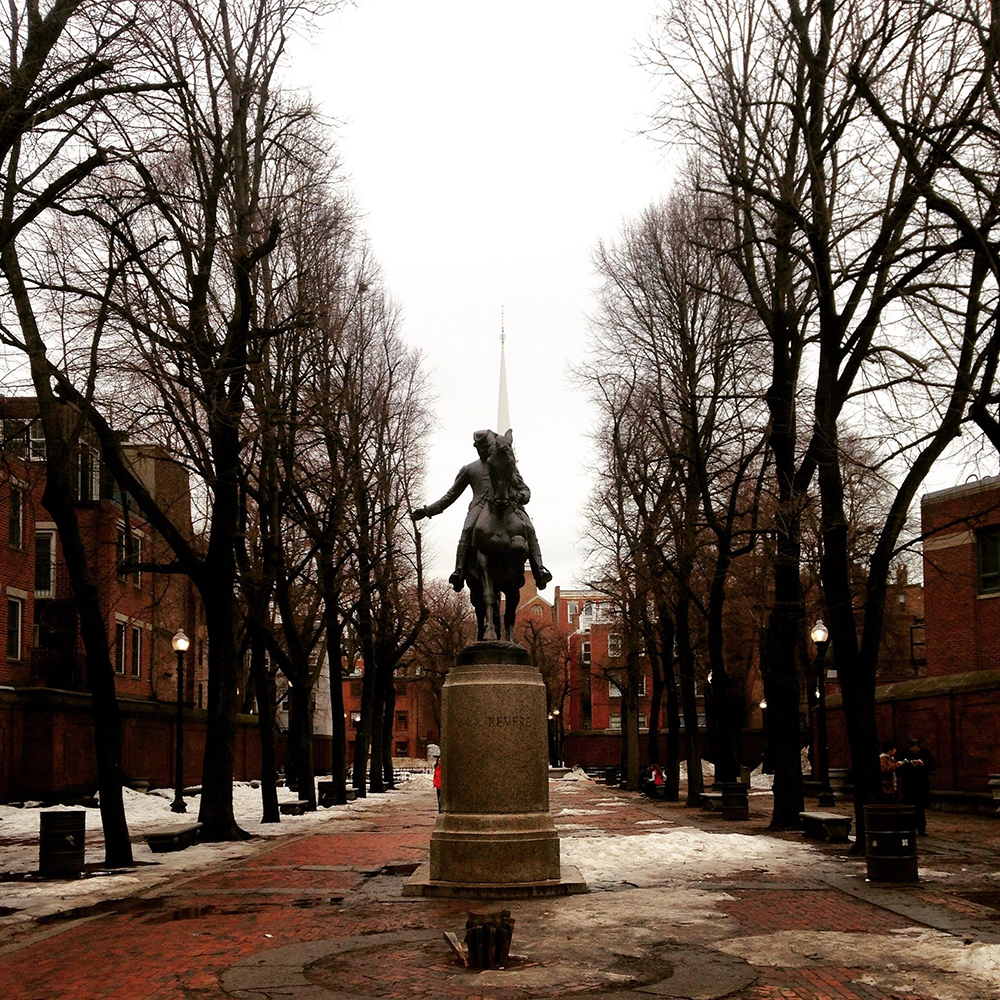
Name: Paul Revere Statue
Sculptor: Cyrus Edwin Dallin
Design Period: 1883–1935
Unveiled: September 22, 1940
Material: Bronze
Pedestal: Milford Granite
Dimensions: 10.5 ft (3.2 m) high × 4 ft (1.22 m) wide, excluding pedestal
Foundry: T. F. McGann & Sons Company
Location: Paul Revere Mall, Boston, Massachusetts, USA
Type: Equestrian Monument
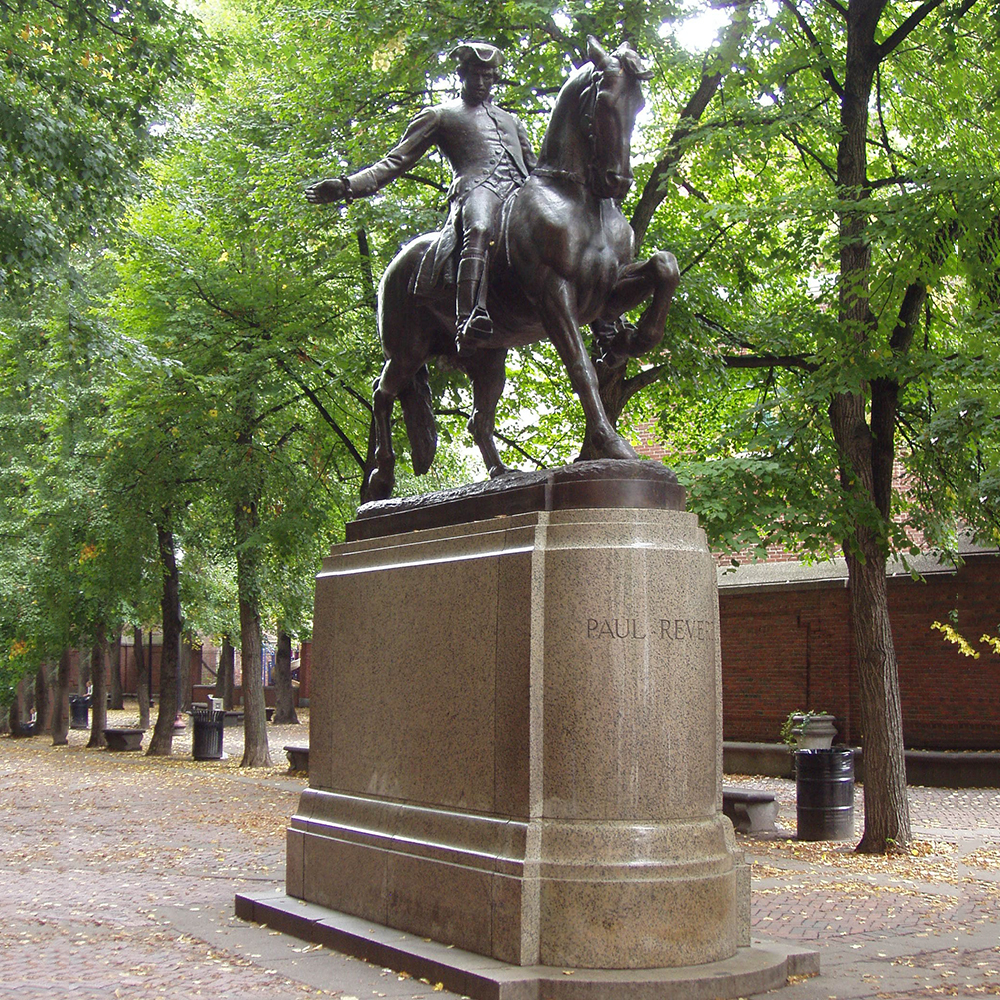
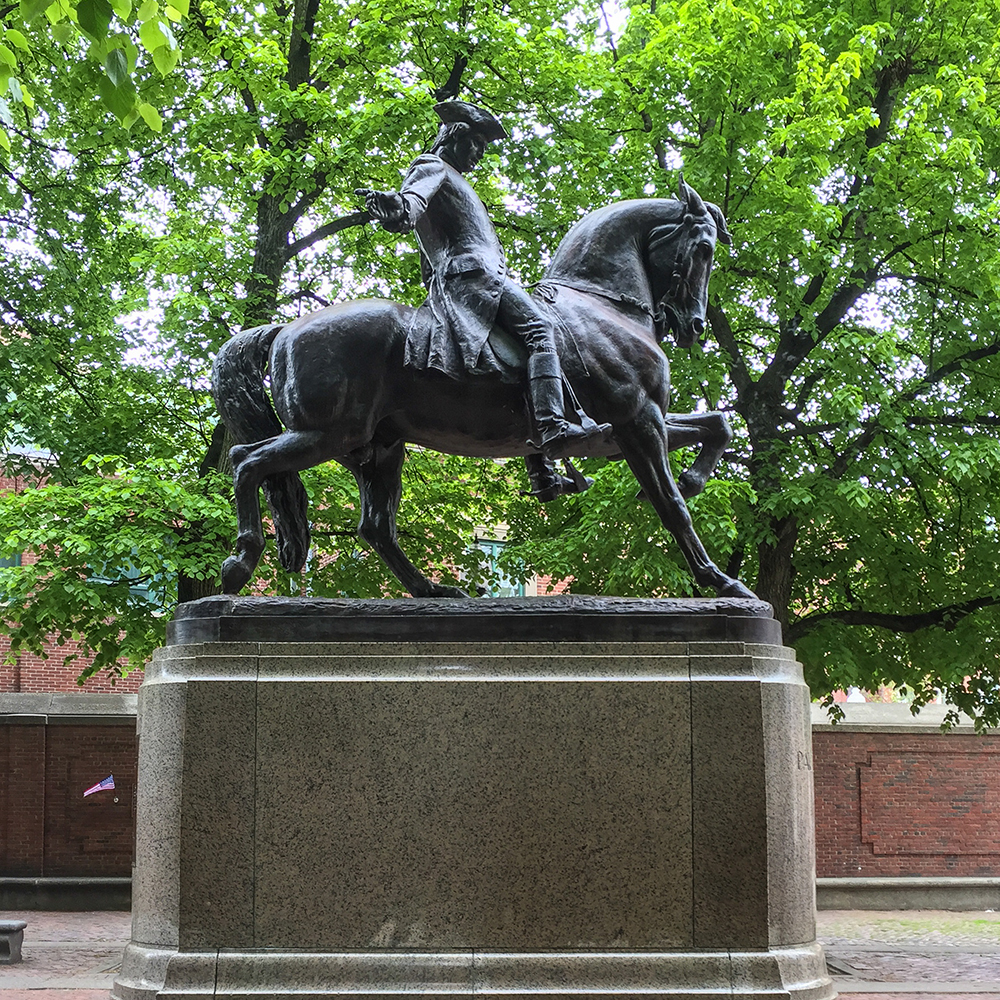
The Statue is a realistic bronze equestrian sculpture depicting Paul Revere riding a horse to deliver an alarm. The figure sits upright on horseback, wearing a tricorn hat, an 18th-century colonial-era long coat, breeches, and high riding boots. His left hand holds the reins, while his right arm extends to the side with an open palm, his expression serious. Details such as the coat’s buttons, folds, and the saddle and reins are clearly depicted.
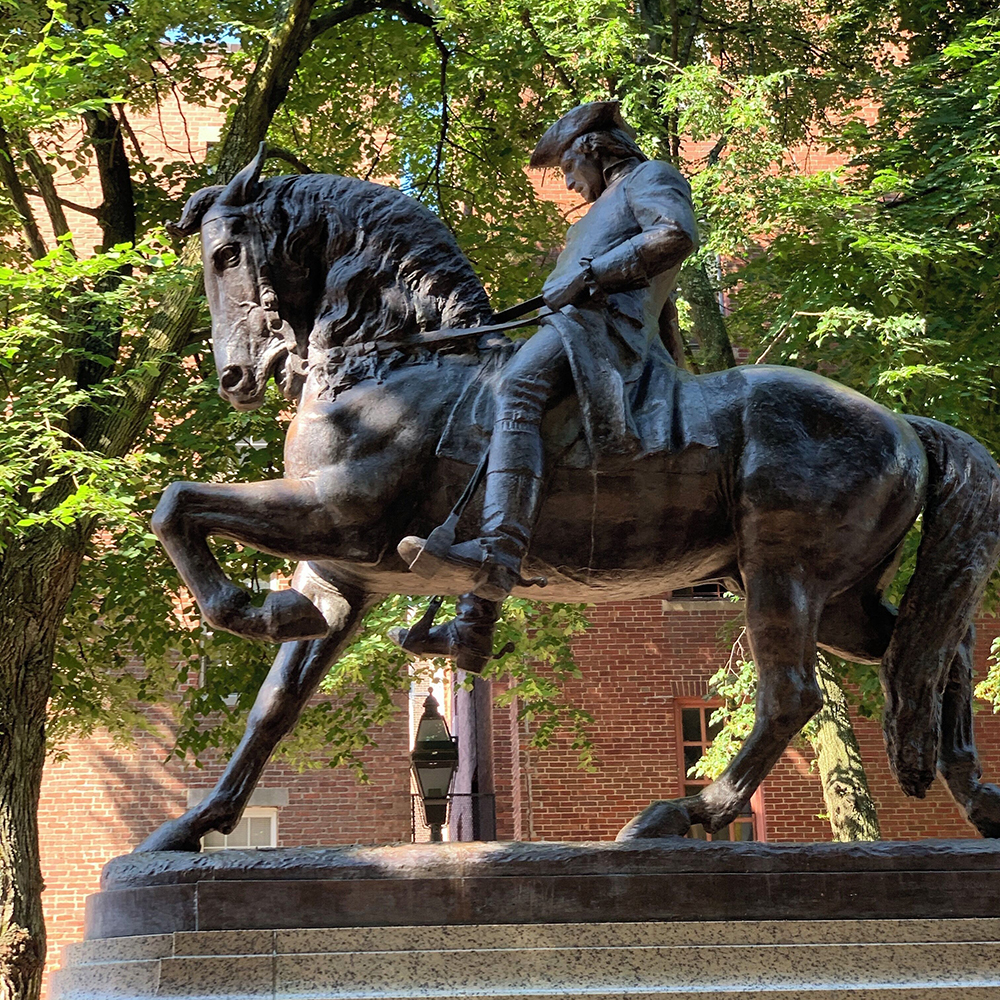
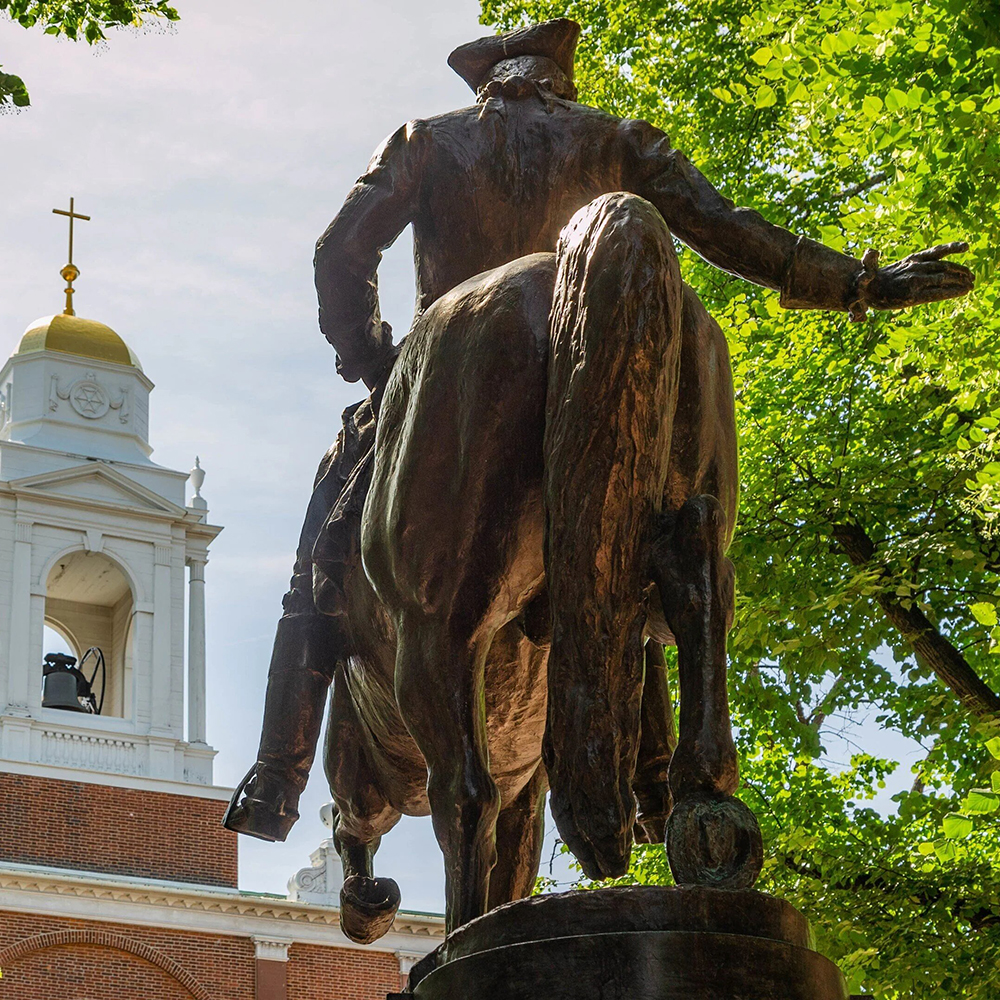
The horse’s head is raised, its neck naturally arched, one foreleg bent and lifted, the other legs providing stable support. The horse’s chest, shoulders, and leg muscles are clearly defined, conveying a dynamic posture of motion. The bronze Paul Revere Statue rests on a granite pedestal, the front of which is inscribed with “PAUL REVERE.” The overall design maintains a harmonious proportion between the figure and the horse, exhibiting the distinctive characteristics of a monumental equestrian sculpture.
What Does the Paul Revere Statue Symbolize?
The equestrian statue of paul revere symbolizes the courage, vigilance, and patriotism of the American Revolutionary War. The sculpture depicts the midnight ride of April 18, 1775, using the dynamic posture of the horse’s raised leg and the rider’s outstretched arm to portray Paul Revere delivering the alarm for British operations. This memorial sculpture not only pays homage to Paul Revere but also carries Boston’s collective memory of the early history of the American Revolutionary War.
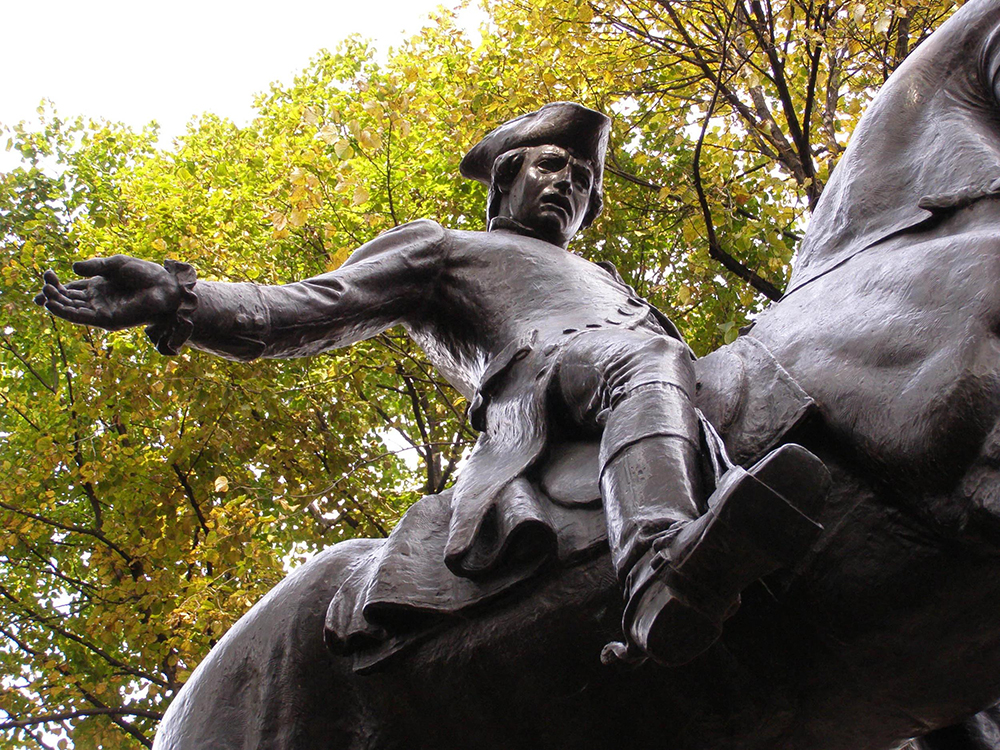
However, the paul revere monument presents an artistic interpretation of history, not a precise reproduction of the actual event. According to research at the Paul Revere House, the midnight ride was not accomplished alone; William Dawes and Samuel Prescott, among others, also participated in the alarm delivery. Revere was arrested by a British patrol en route to Concord, while Prescott ultimately succeeded in delivering the message. Therefore, the sculpture focuses more on commemorating the historical action accomplished by many participants through the image of a mounted messenger.
Are There Other Paul Revere Statues in America?
Besides the famous Paul Revere Statue in Boston, there are sculptures commemorating this historical figure in other parts of the United States, including works in California and Utah.
Paul Revere Statue – Cerritos, California
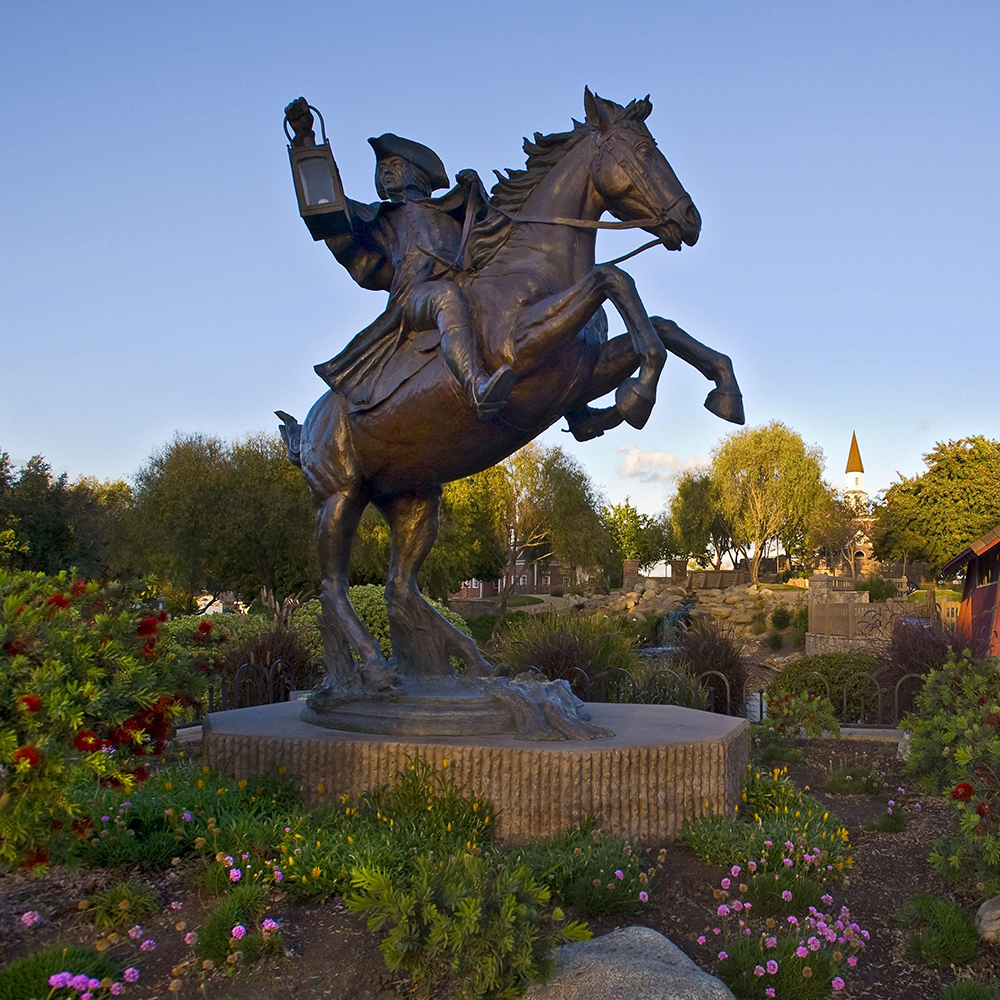
This bronze equestrian sculpture, located in Heritage Park in Cerritos, California, was created by sculptor Dee Clements and installed in June 2002. The sculpture depicts Paul Revere holding a lantern aloft, riding a horse with its forelegs off the ground, capturing the tension of a midnight ride.
Paul Revere Bust – Robert Kraus
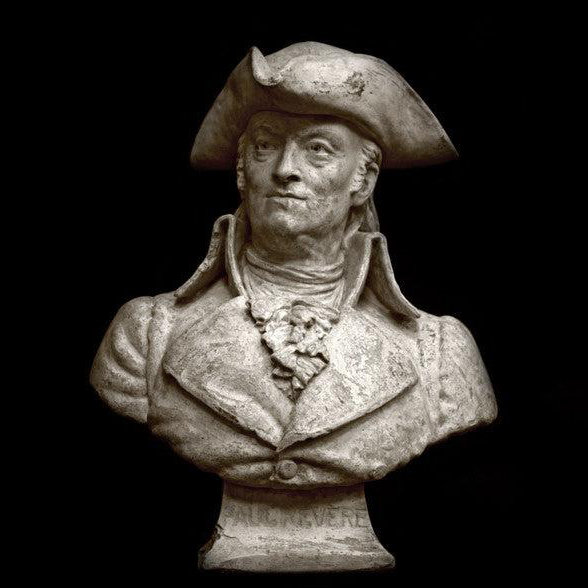
American sculptor Robert Kraus (1850–1901) created two busts of Paul Revere, one with a tricorn hat and the other without. The works emphasize the face, neck scarf, and colonial-era clothing. The Caproni Collection now offers a scaled-down replica of the hat-wearing version; the original’s location is yet to be confirmed.
Horse and Rider (Paul Revere) – Elijah Pierce
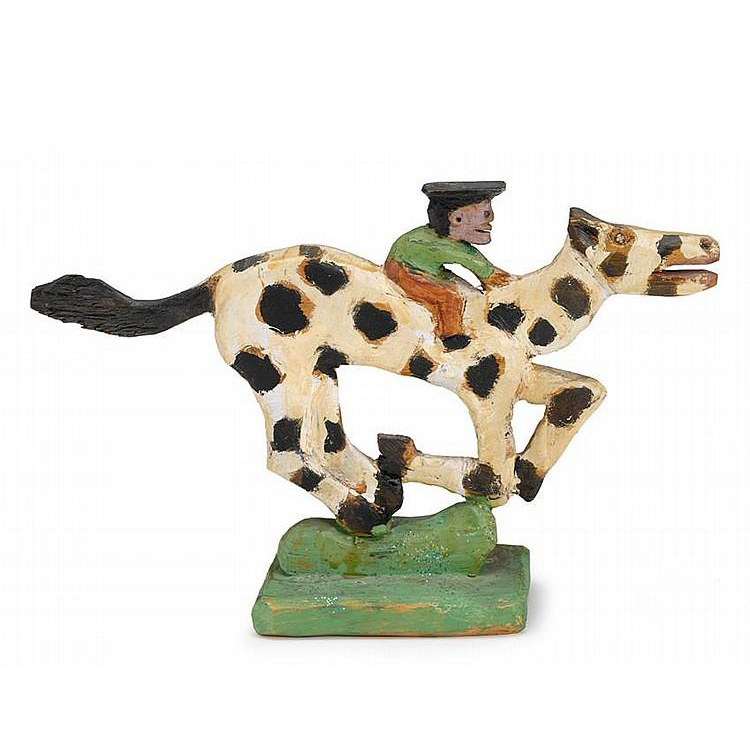
This work, created in 1977 by American folk artist Elijah Pierce, is now in the collection of The Johnson Collection in South Carolina. The sculpture, made of painted wood, depicts a man riding a spotted horse. The figure and horse are simplified in form and brightly colored, a stark contrast to traditional realistic bronze memorial sculptures.
Paul Revere Relief – Cyrus Cobb
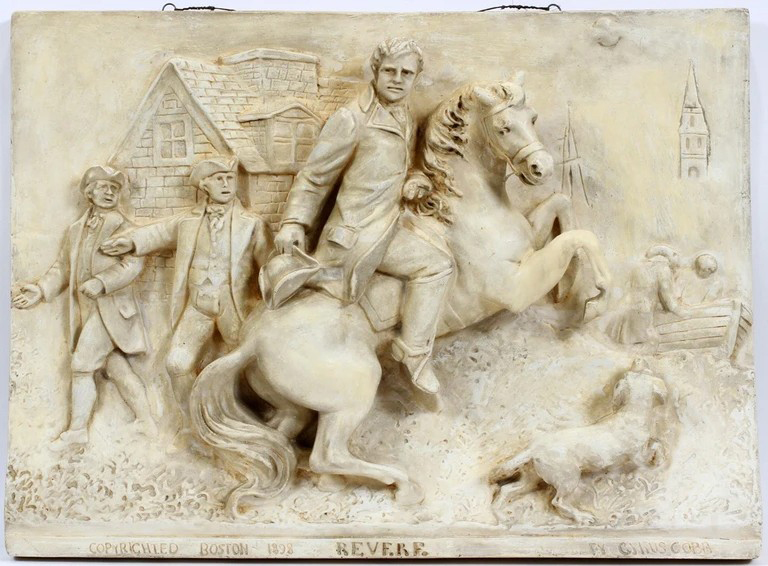
This plaster relief, created by American sculptor Cyrus Cobb in 1898, depicts Paul Revere’s Midnight Ride. Unlike three-dimensional equestrian sculptures, reliefs organize figures, horses, and historical scenes within the same composition, using varying depths of relief to express the relationship between the figures and their surroundings.
The Art of Bronze Equestrian Sculptures
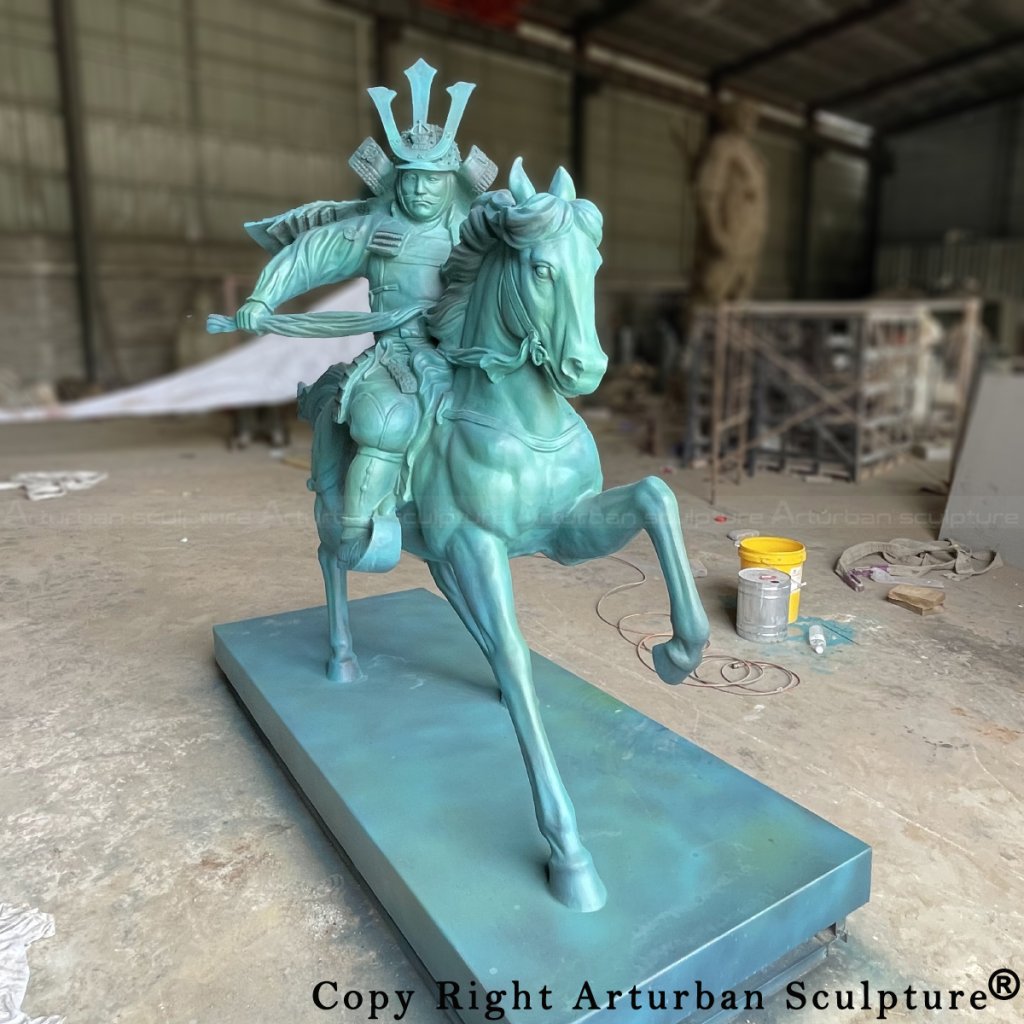
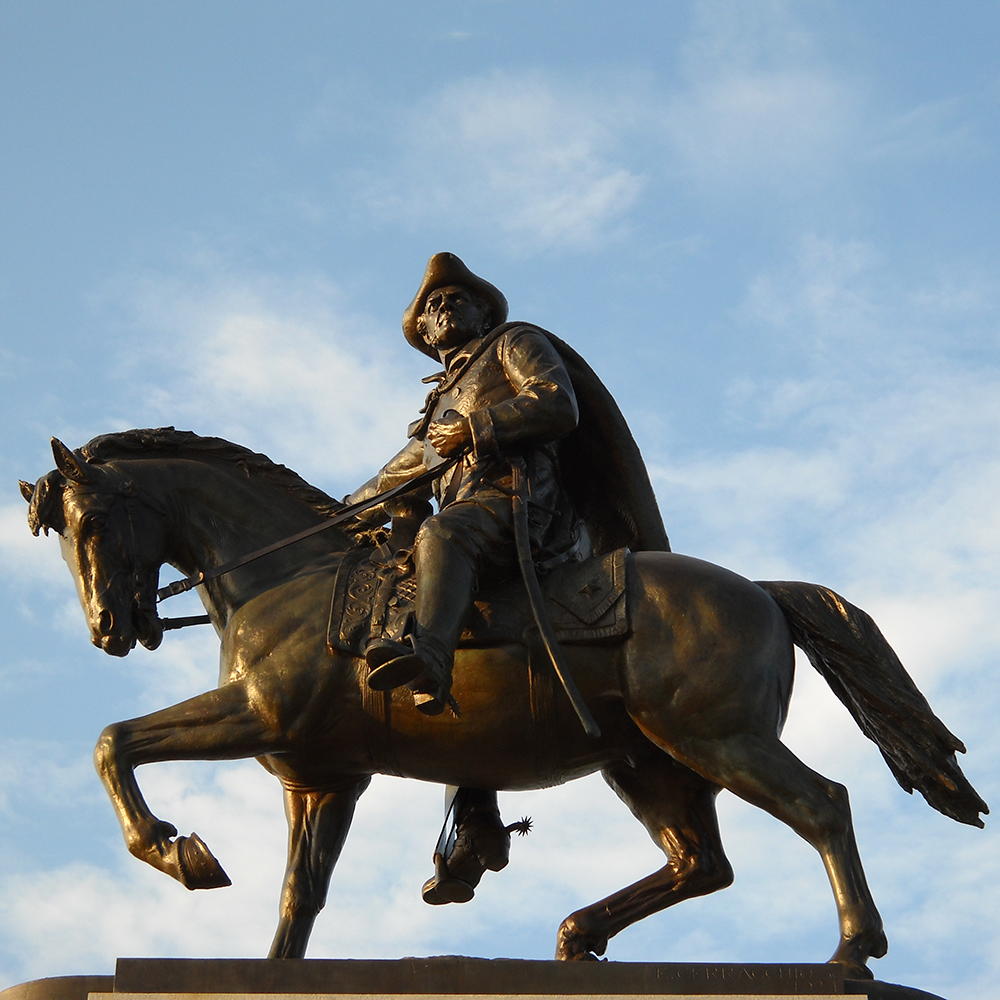
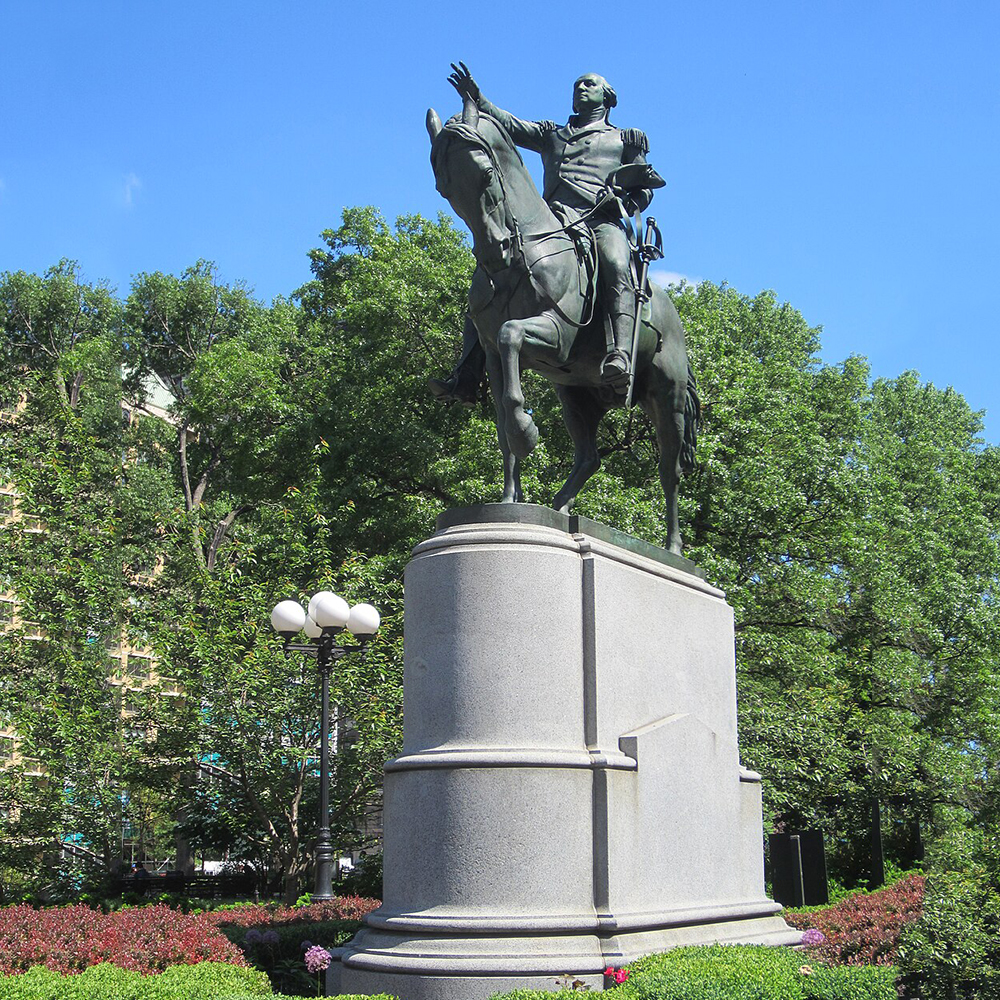
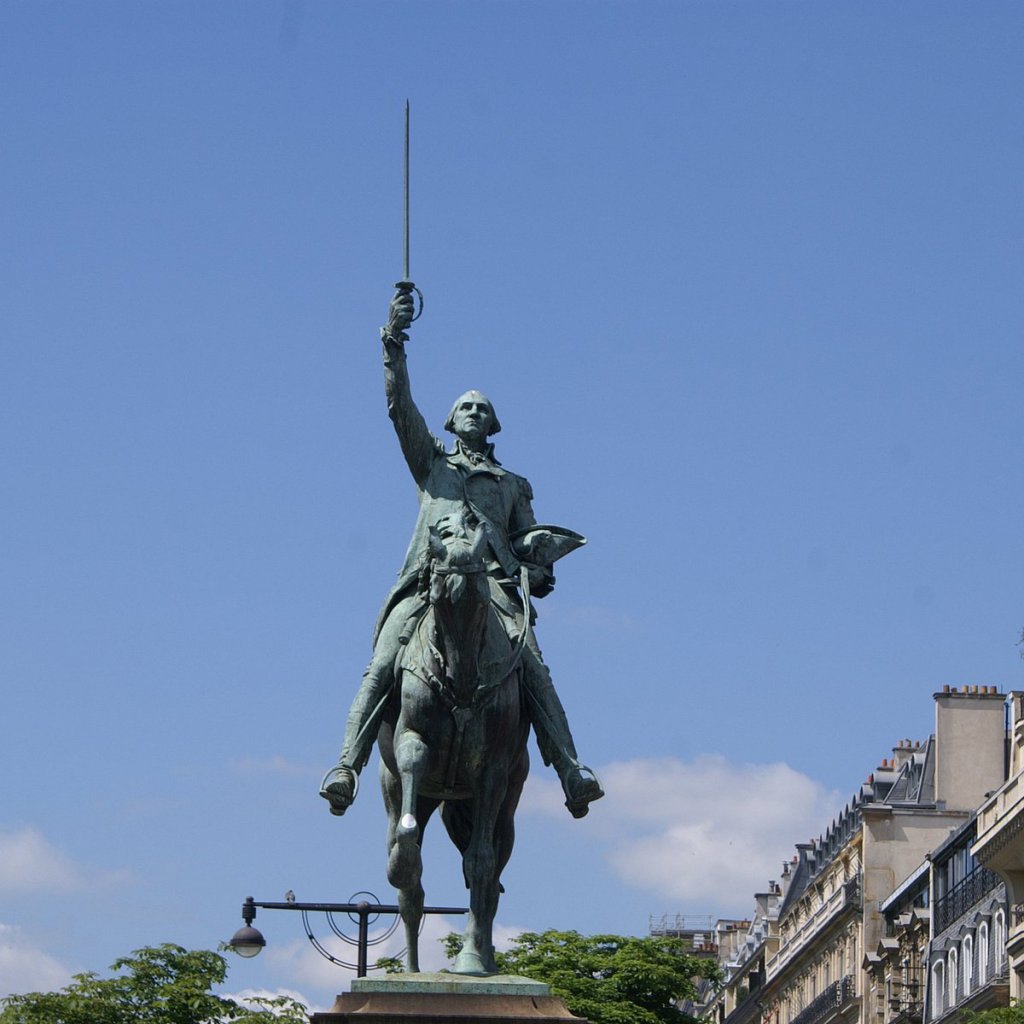
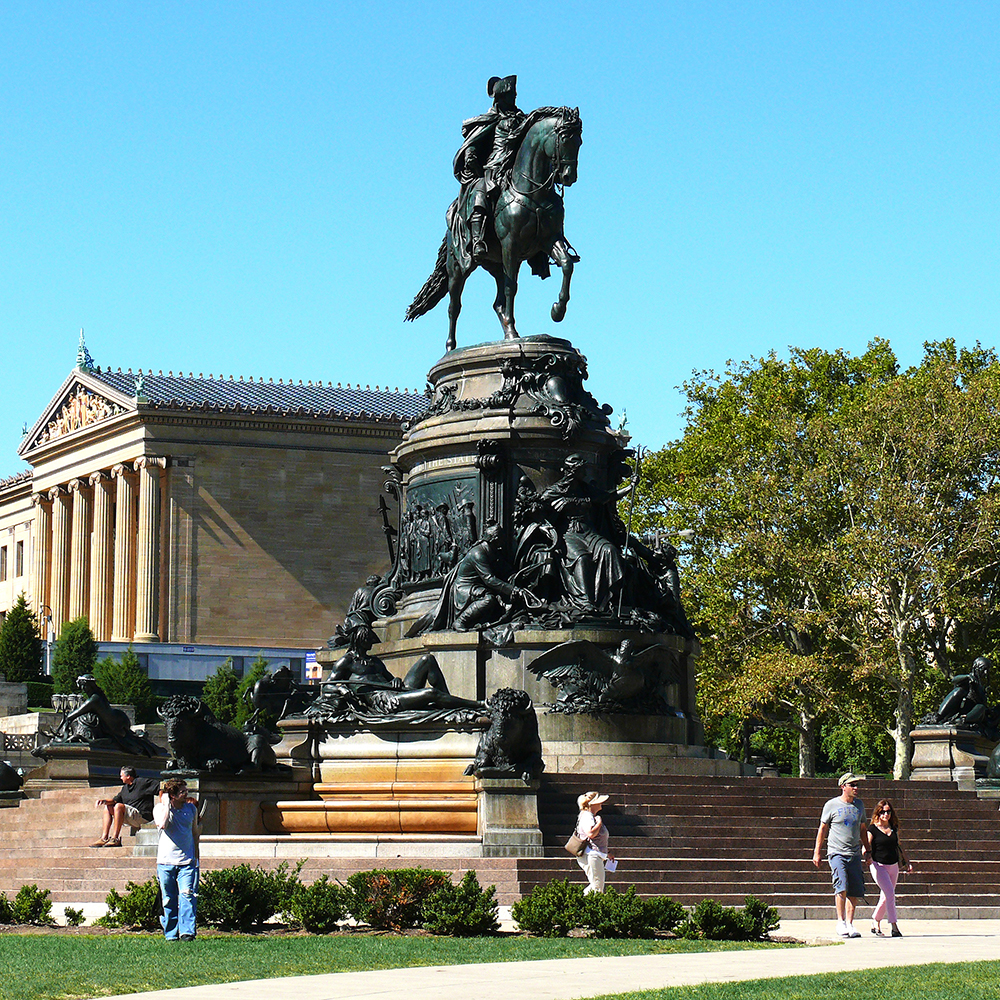
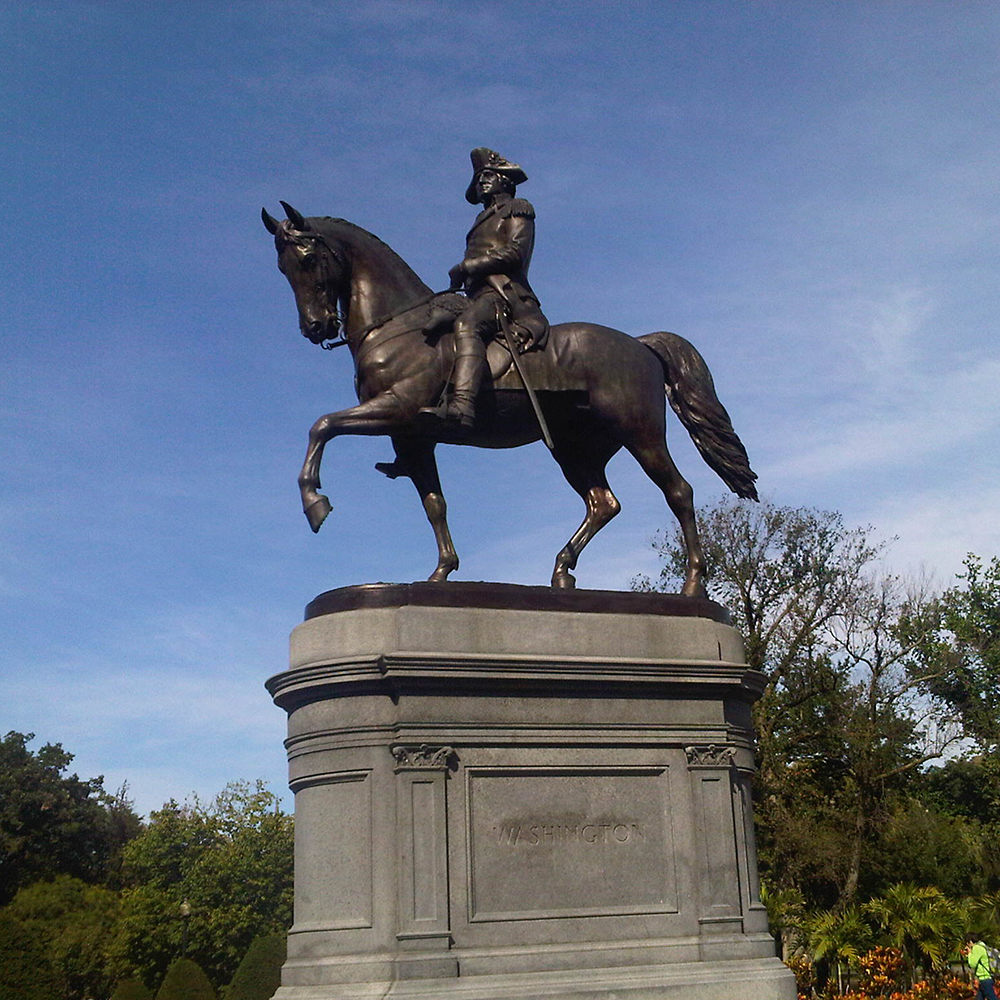
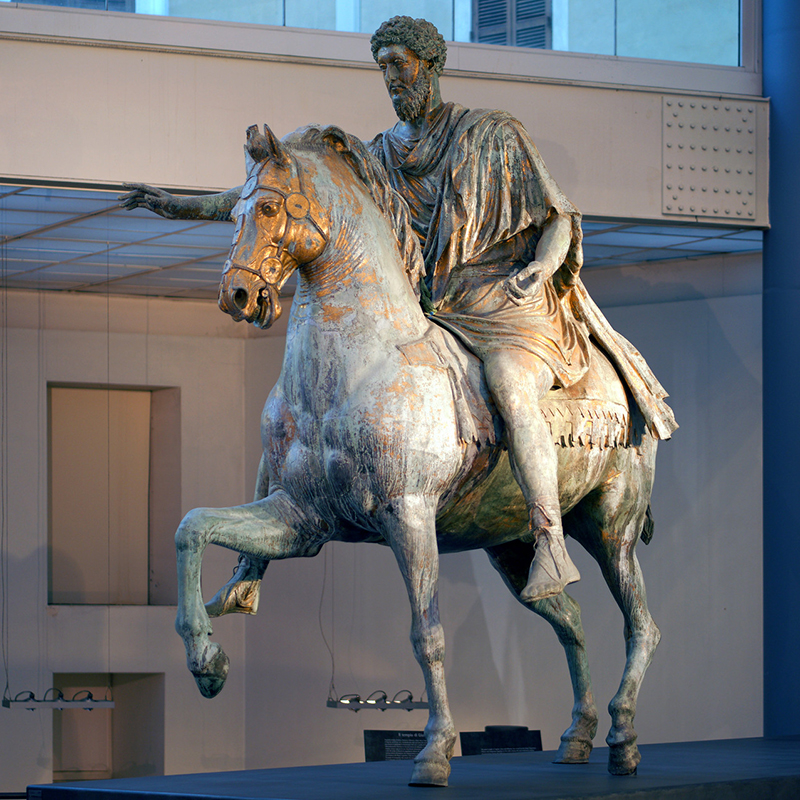
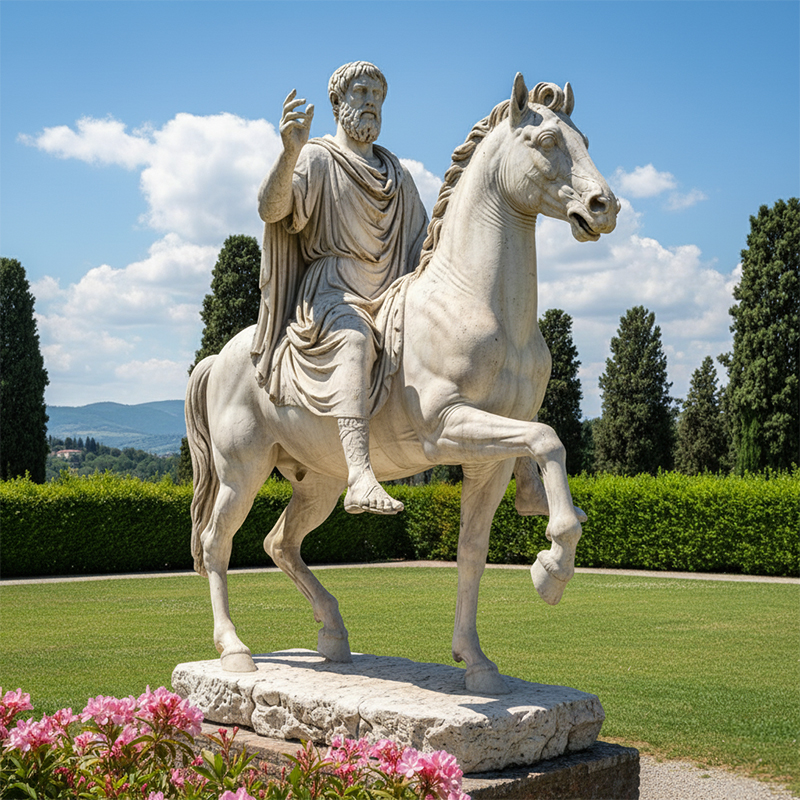
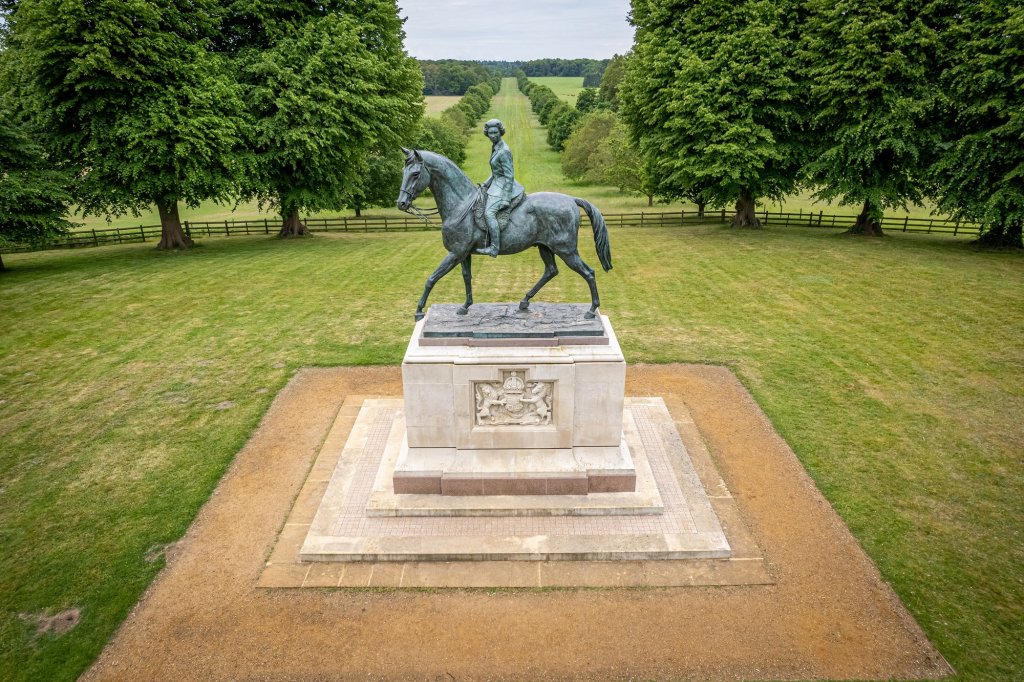
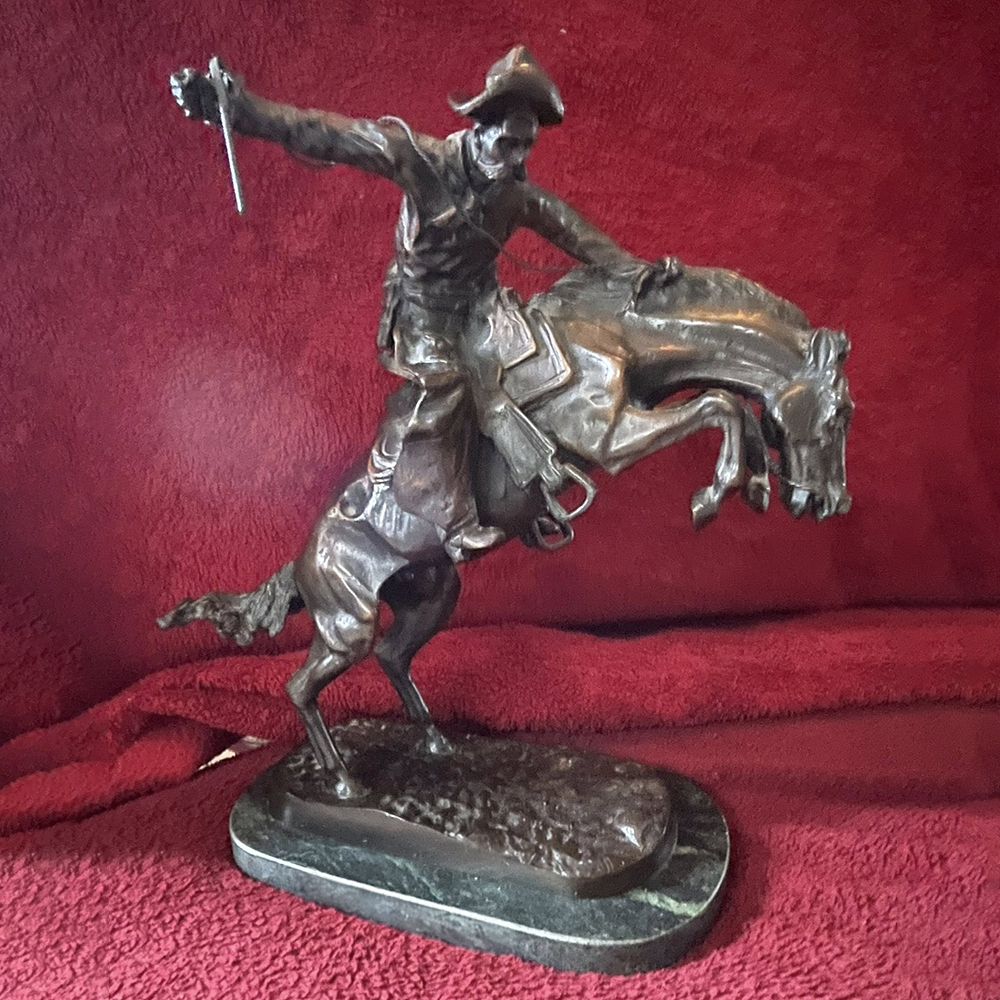
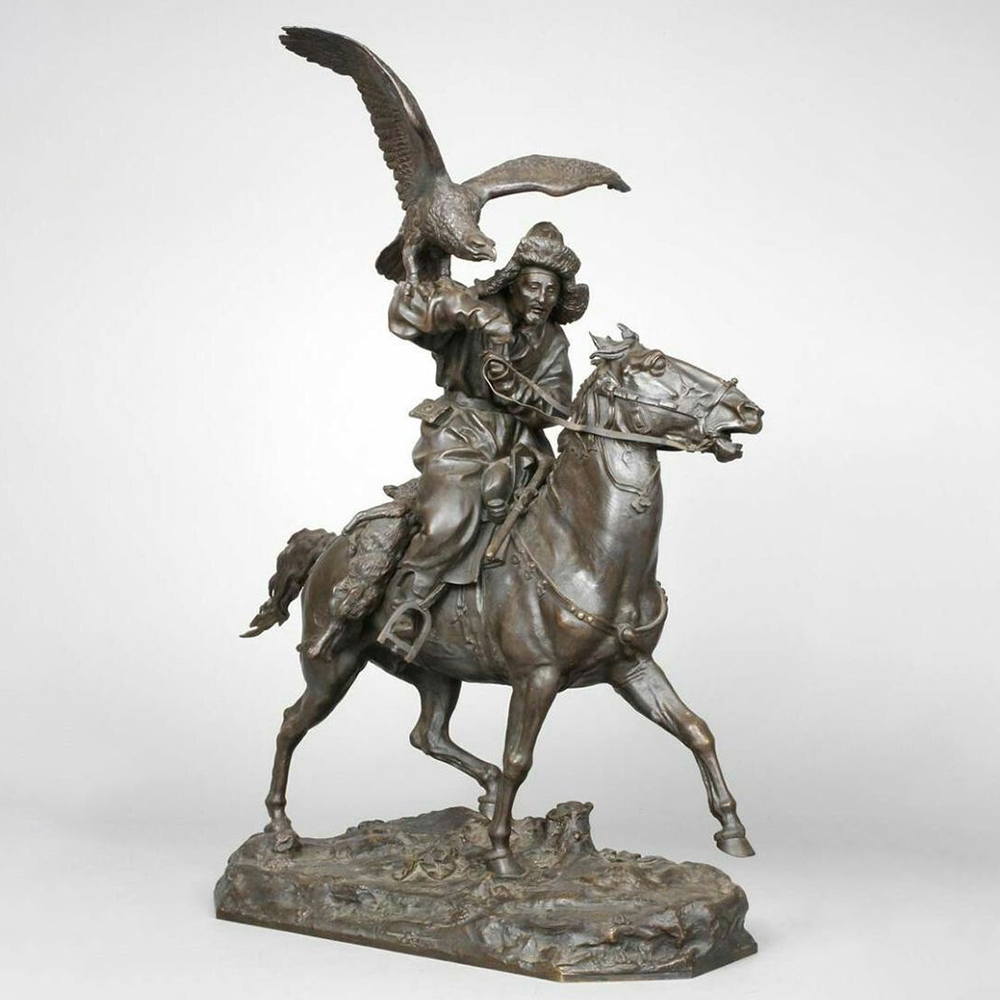
Bronze equestrian sculptures are commonly used as memorial statues to commemorate historical figures, military leaders, and significant events. Besides the Paul Revere Statue, many equestrian sculptures showcase different historical and artistic themes through the riders’ postures, horses’ movements, and detailed bronze craftsmanship. Arturban Sculpture offers custom bronze equestrian sculptures and memorial statues in various sizes, poses, and styles for public squares, memorial parks, and other outdoor spaces. Below are examples of our equestrian sculptures featuring different designs and styles.



Frequently Asked Questions About the Paul Revere Statue
1. Where is the Paul Revere Statue located?
The Paul Revere Statue is located in Paul Revere Mall in the North End of Boston, Massachusetts, near Old North Church. It is a historic landmark along the Freedom Trail.
2. Who created the Paul Revere Statue?
The sculpture was created by American sculptor Cyrus Edwin Dallin (1861–1944). He won the design competition for the Paul Revere memorial sculpture in 1883.
3. When was the Paul Revere Statue built?
The Paul Revere Statue was officially unveiled on September 22, 1940, 57 years after the initial design competition.
4. Why did the Paul Revere Statue take 57 years to complete?
The main reasons included repeated revisions to the design, difficulties in raising funds, and municipal approval issues. Dallin created seven different models during this period.
5. What is the Paul Revere Statue made of?
The main body of the sculpture is cast in bronze, with a Milford granite pedestal.
6. How tall is the Paul Revere Statue?
The main body of the bronze sculpture is approximately 10 feet 6 inches (3.2 meters) tall, excluding the granite pedestal.
7. What does the Paul Revere Statue symbolize?
The sculpture commemorates the Midnight Ride of April 18, 1775, symbolizing vigilance, courage, and the messenger mission on the eve of the American Revolutionary War.
8. Why is Paul Revere riding a horse in the statue?
The equestrian pose is based on the historical event of Paul Revere’s midnight ride in 1775 to deliver an alarm for British troops. The dynamic posture of the horse emphasizes the urgency of the mission.
9. Are there other Paul Revere statues in America?
Yes. There is another bronze equestrian statue of Paul Revere in Heritage Park in Cerritos, California. In addition, some museums in the United States also hold his busts, reliefs, and other sculptures.
10. Can visitors see the Paul Revere Statue for free?
Yes. The Paul Revere Statue is located in Paul Revere Mall, a public square in Boston. Visitors can view and take photos outdoors without purchasing tickets.
11. Can I order a custom bronze equestrian statue similar to the Paul Revere Statue?
Yes. Arturban Sculpture offers custom bronze equestrian sculpture services, designing different figures, horse poses, sizes, and bases according to client needs, creating uniquely designed historical figure memorial sculptures.
12. How can I get a quote for a custom bronze equestrian sculpture?
You can contact Arturban Sculpture and provide reference images of the sculpture, expected dimensions, design requirements, and installation location. Our team can provide customized solutions and quotes based on project needs.
Send us your requirements now, we will reply to your email within 24 hours