Tag Archives: the farnese hercules statue

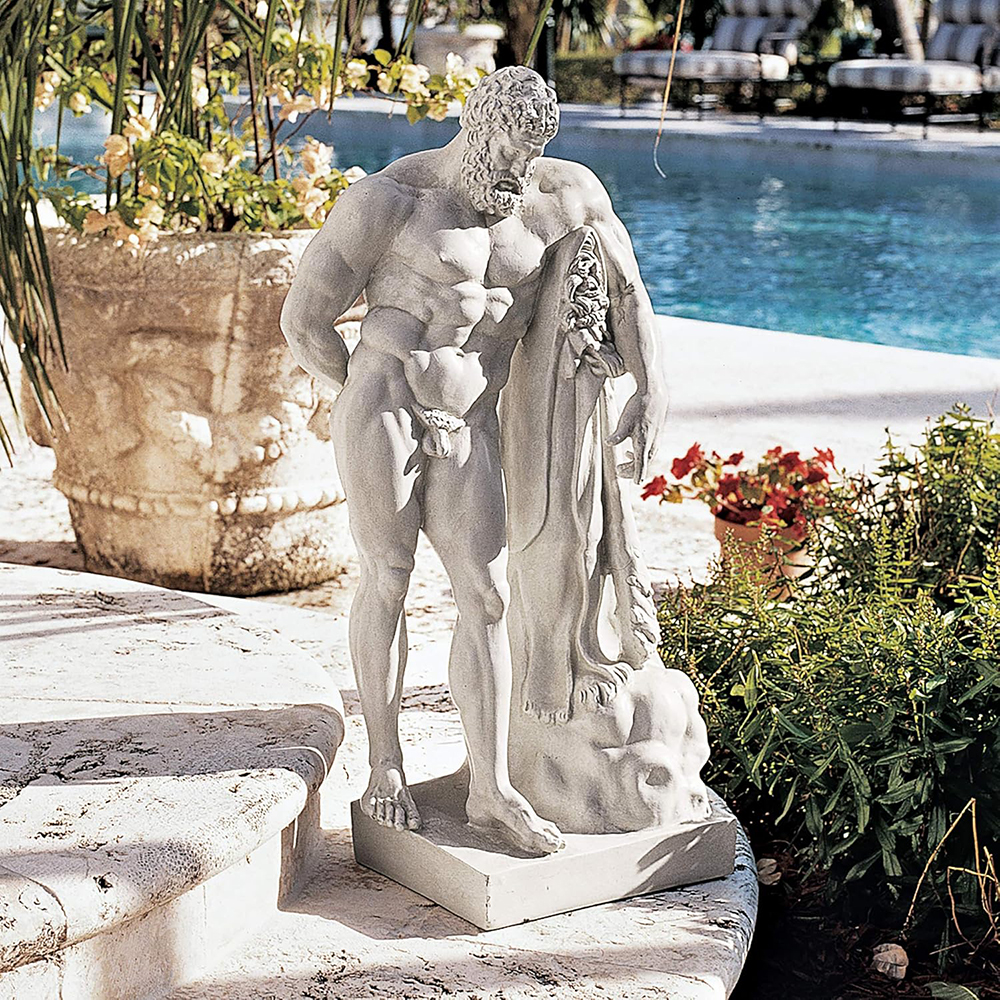
marble Lysippos Farnese Hercules garden statue

1. Introduction of Lysippos Farnese Hercules Lysippos was one of the most outstanding sculptors of ancient Greece in the 4th century BC and the official sculptor of Alexander the Great. He is known for his slender proportions, precise anatomy, emphasis on natural dynamism, and the idea that his sculptures are beautiful from any angle. One […]

View More...
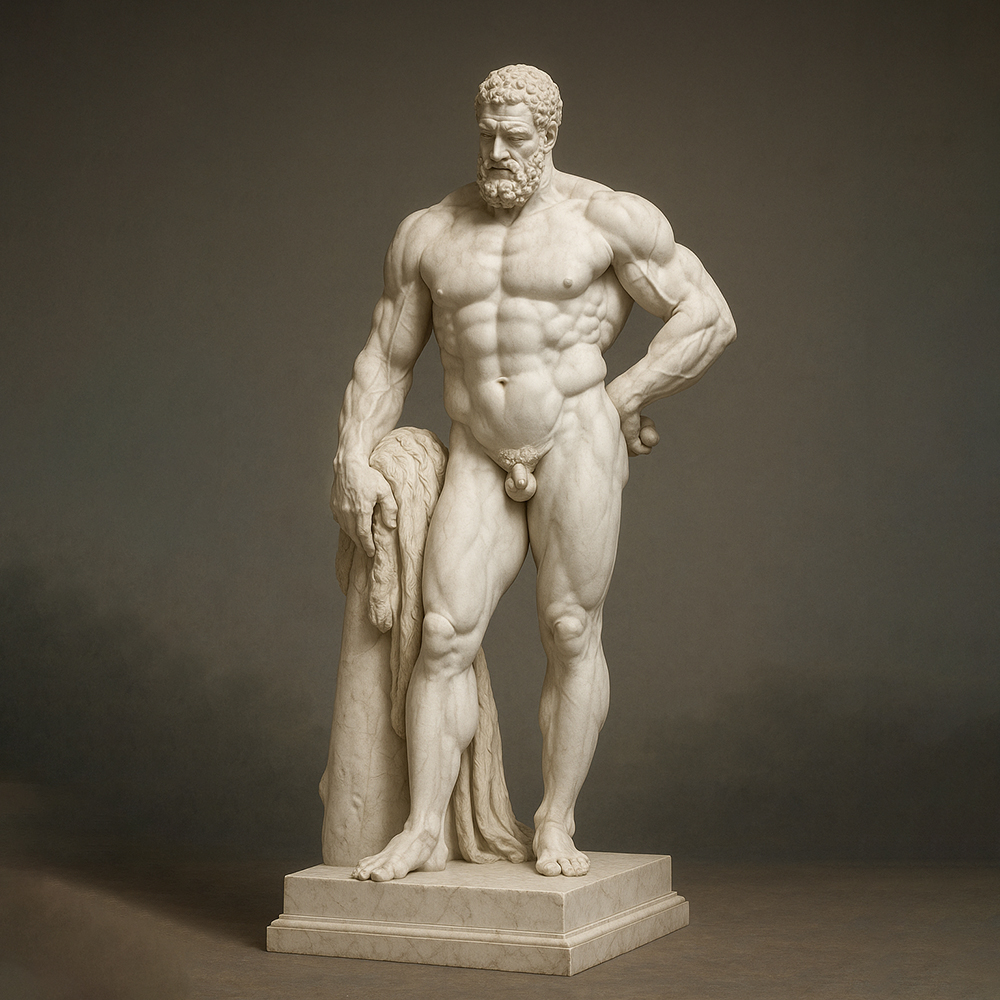
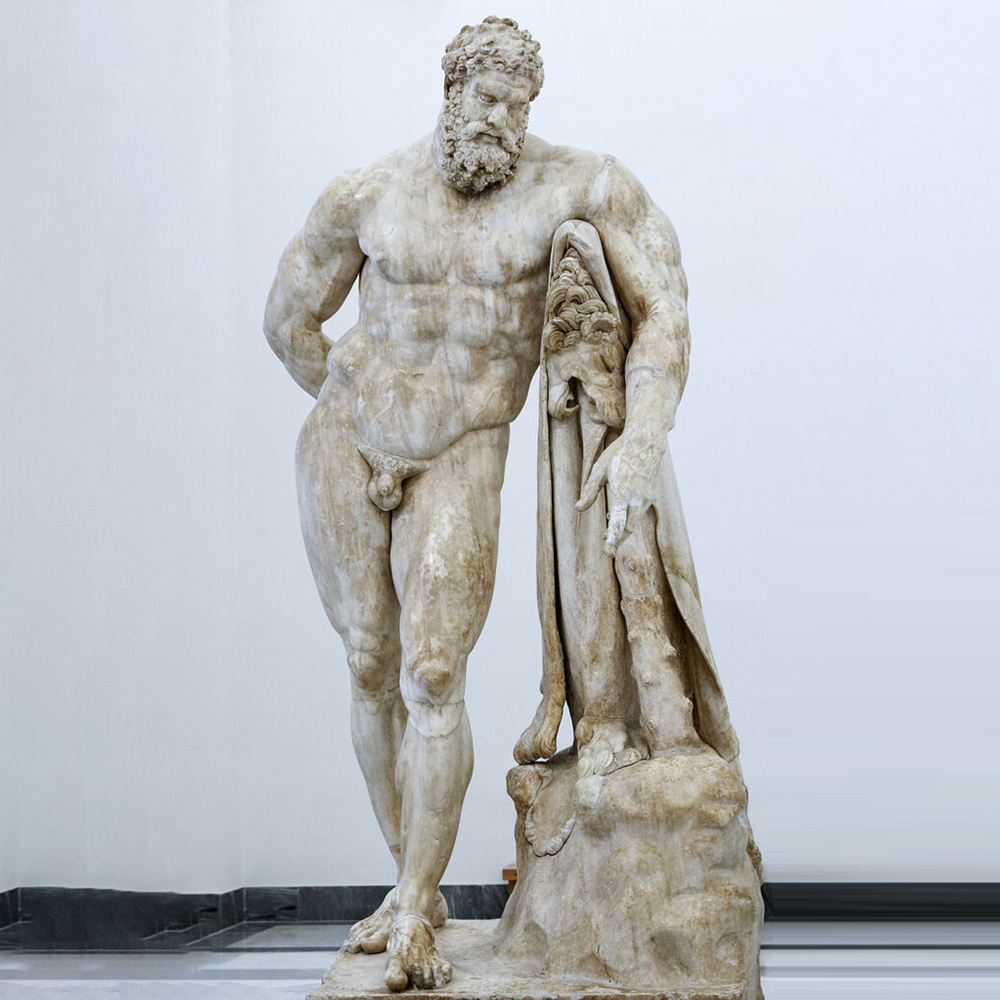
full marble Hercules resting Garden Statue

1. Introduction of Hercules Garden Statue The Hercules Statue, modeled after the renowned Hercules Statue Farnese of ancient Rome, embodies the image of the classical hero. Intricately carved from marble, the Hercules Garden Statue depicts Hercules resting on his club after completing the Twelve Labours. Hercules’s towering figure, muscular and perfectly proportioned, embodies a combination […]

View More...
full marble Hercules Ancient Statue garden display

1. Introduction of Hercules Ancient Statue This sculpture is inspired by the legend of the Ancient Greek hero Hercules (also known as Heracles), son of Zeus, renowned for his accomplishments of the Twelve Labors. He symbolized extraordinary strength and indomitable will. He conquered the Nemean Lion and draped its hide around himself, becoming a symbol […]

View More...
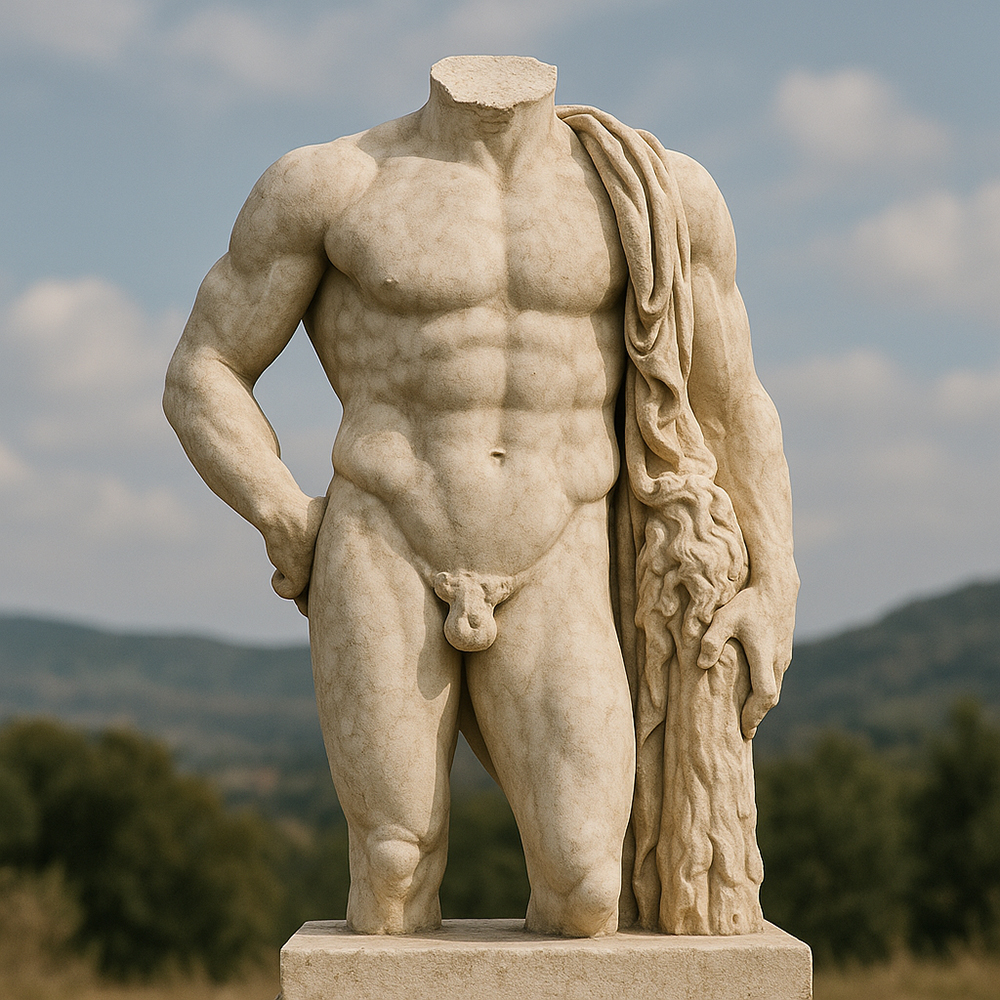
marble Hercules Statue Headless torso

1. Introduction of Hercules Statue Headless Hercules is one of the most famous heroes in Greek mythology, hailed as the embodiment of strength and courage. He was the son of Zeus, king of the gods, and the mortal woman Alcmene, thus possessing both divine and human ancestry. Due to the jealousy of the goddess Hera, […]

View More...
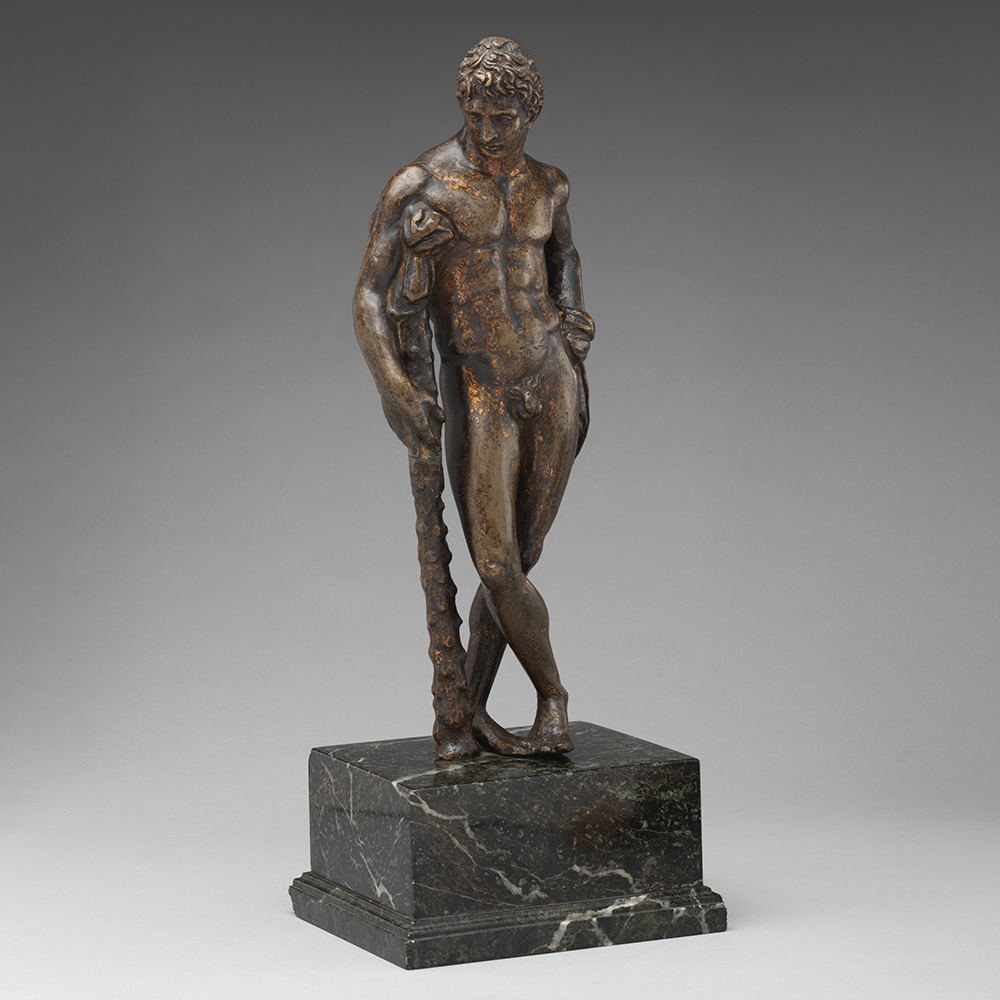
Hercules bronze Youthful statue standing by a club

1. Introduction of Youthful Hercules Statue Hercules, originally known as Heracles in Greek, is one of the most famous heroes in ancient Greek mythology. He was the son of Zeus, king of the gods, and the mortal woman Alcmene, possessing both divine and human qualities. Known for his unparalleled strength, courage, and loyalty, Heracles completed […]

View More...
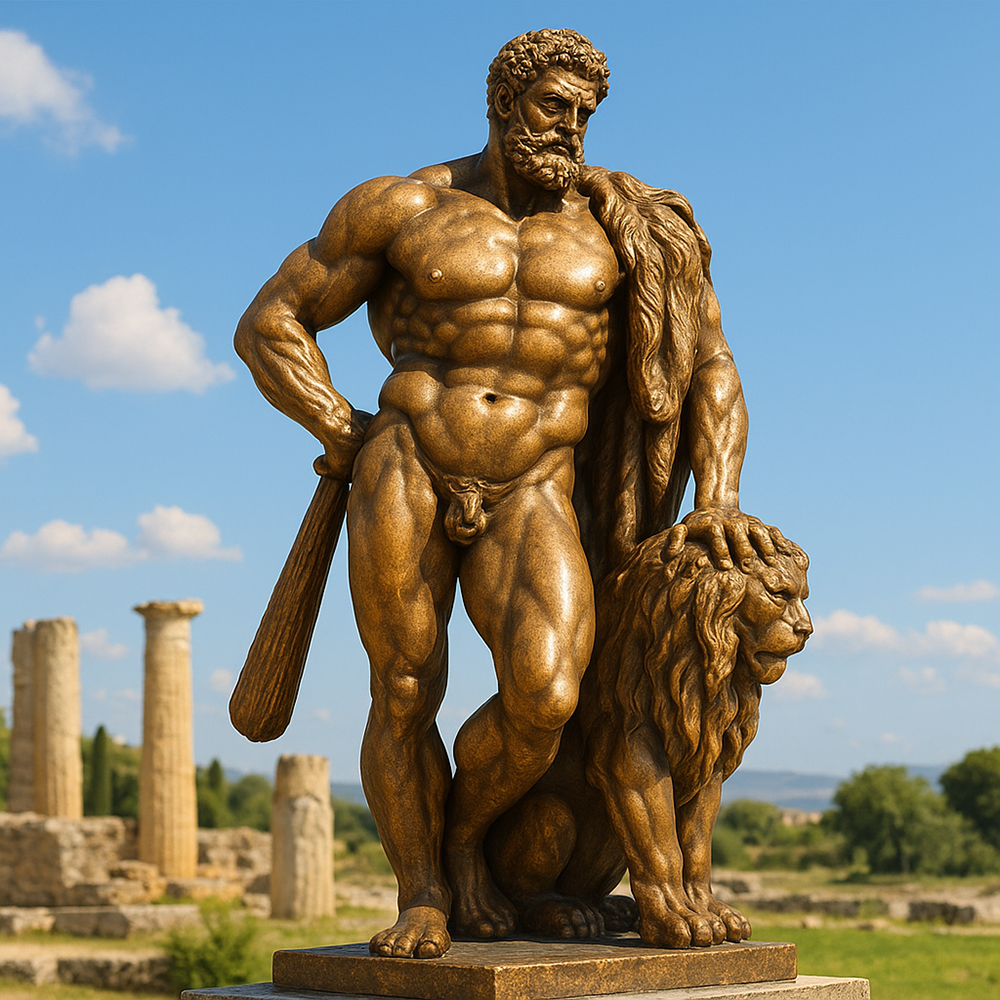
bronze ancient Hercules and Lion Statue

1. Introduction of Hercules and Lion Statue Hercules is the most famous hero in Greek mythology, renowned for his extraordinary strength and twelve labors. The first of these was his victory over the Nemean Lion, a beast created by the gods whose skin was impervious to swords and spears, even arrows. Finding weapons ineffective during […]

View More...
Herakles Sculpture marble statue

1. Introduction of Herakles Sculpture The “Resting Herakles” sculpture embodies the power and serenity of the classical hero in a majestic pose. The Herakles Sculpture is meticulously crafted from marble, resulting in a smooth, fine texture. Herakles stands naked, his figure tall and well-proportioned, his muscles defined and muscular. He holds a thick wooden club […]

View More...
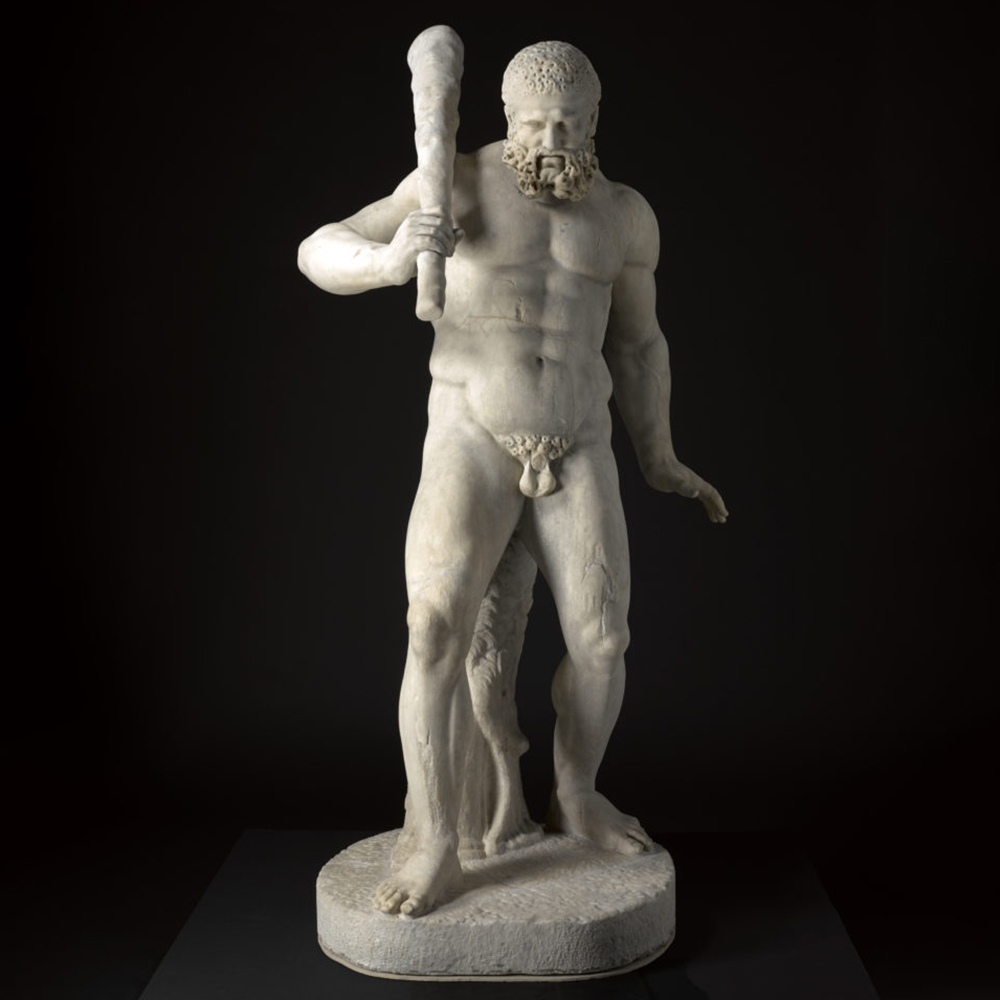
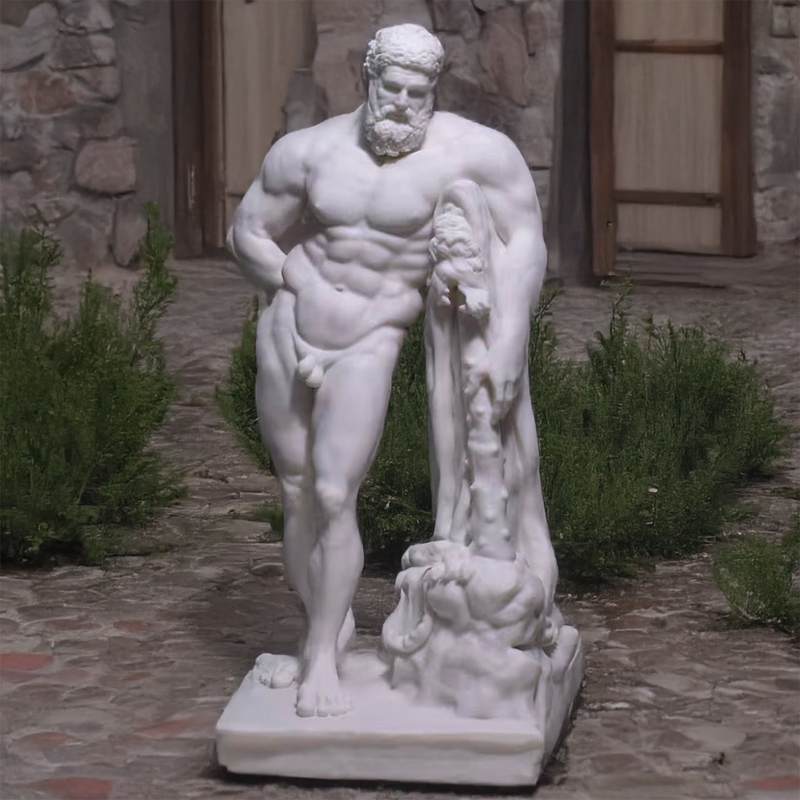
Farnese Hercules marble garden statue

1. Introduction of Farnese Statue This sculpture is a replica of the Farnese Hercules, one of the most powerful and heroic masterpieces of classical art. The original, created by Glykon in the 3rd century AD, was based on a model by the Greek sculptor Lysippos and is now housed in the National Archaeological Museum of […]

View More...
Giant Statue of Hercules marble art

1. Introduction of Giant Statue of Hercules The Colossus of Heracles, a majestic statue depicting the power and glory of the ancient Greek hero, is one of the most iconic mythological sculptures in classical art. Crafted from marble, the Giant Statue of Hercules boasts flowing lines and precise proportions. Standing naked on a pedestal, Heracles, […]

View More...
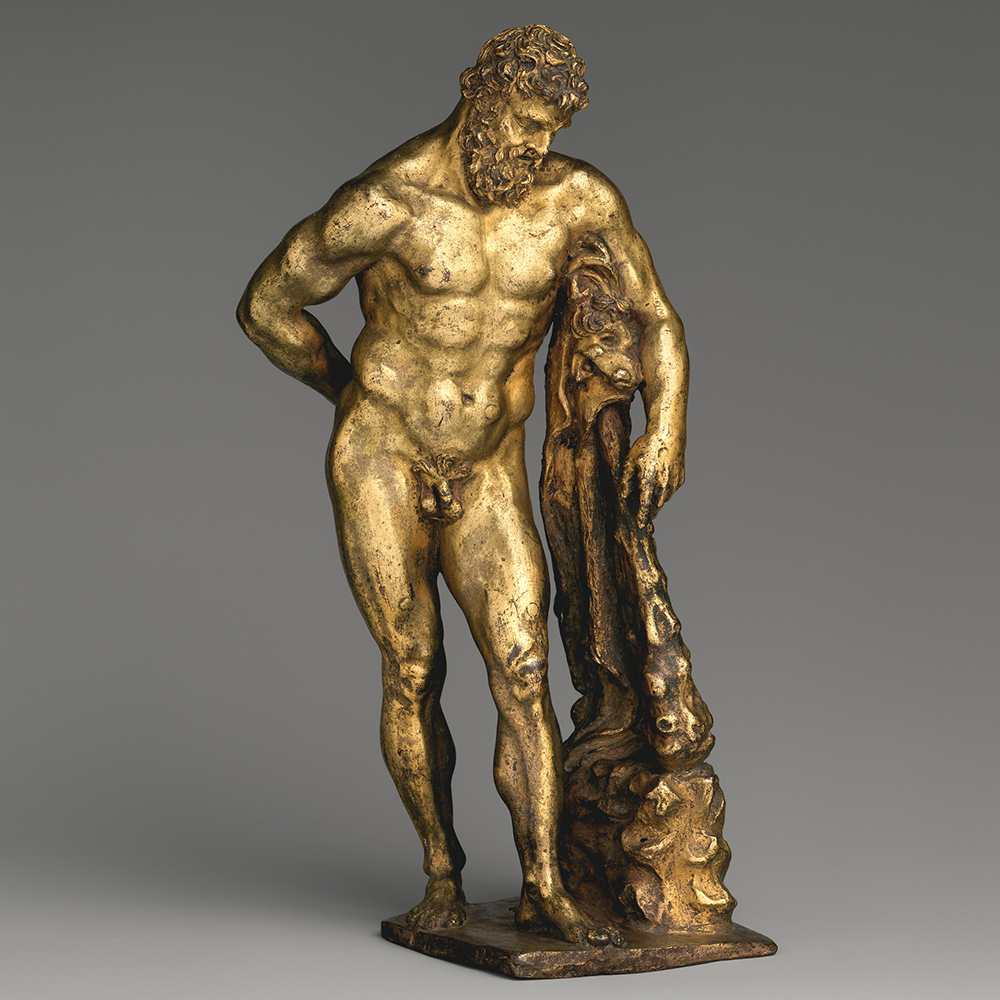
Farnese Hercules Replica bronze statue

1. Introduction of Farnese Hercules Replica Lysippos (c. 390–300 BC) was a renowned sculptor of Ancient Greece, known as Alexander the Great’s personal sculptor. Known for his idealized human proportions and dynamic poses, he was a key figure in the transition from Late Antiquity to Hellenistic art. Lysippos reformed traditional sculptural proportions, creating figures with […]

View More...
  • 1
  • 2