Tag Archives: Egyptian statue

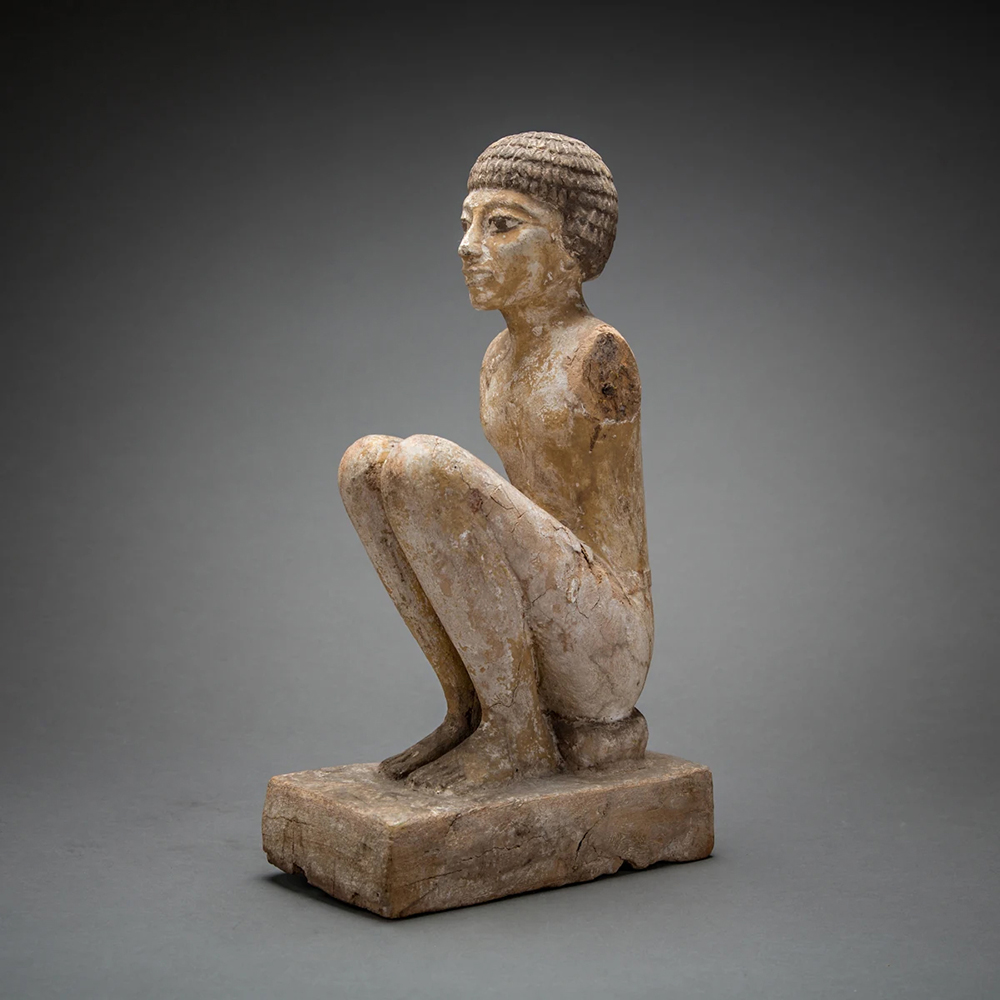
Egyptian figure sculpture showing detailed facial features

1. Introduction of Egyptian Figure Sculpture Ancient Egyptian sculpture adhered to a strict principle of “frontality.” Whether standing, sitting, or kneeling, figures were depicted upright, facing forward, presenting a solemn and sacred posture. This representational style was not a pursuit of naturalistic realism, but rather closely tied to the sculpture’s religious function. Statues were seen […]

View More...
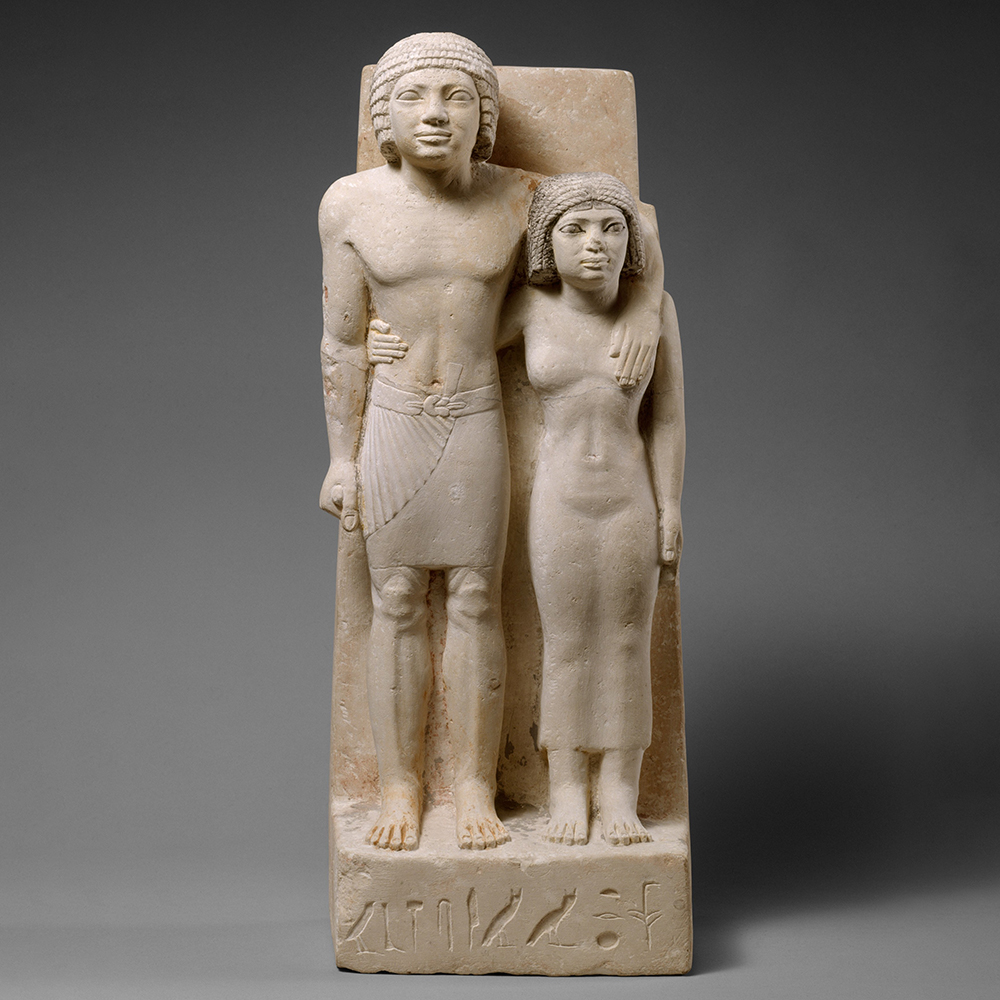
Egyptian Couple Statue marble artwork

1. Introduction of Egyptian Couple Statue This sculpture, titled “The King’s Acquaintances Memi and Sabu,” was created during the Fourth Dynasty of the Old Kingdom of Ancient Egypt (circa 2575–2465 BCE) and unearthed in the Western Necropolis of Giza. Memi and Sabu were not pharaohs, but rather members of the elite with close ties to […]

View More...
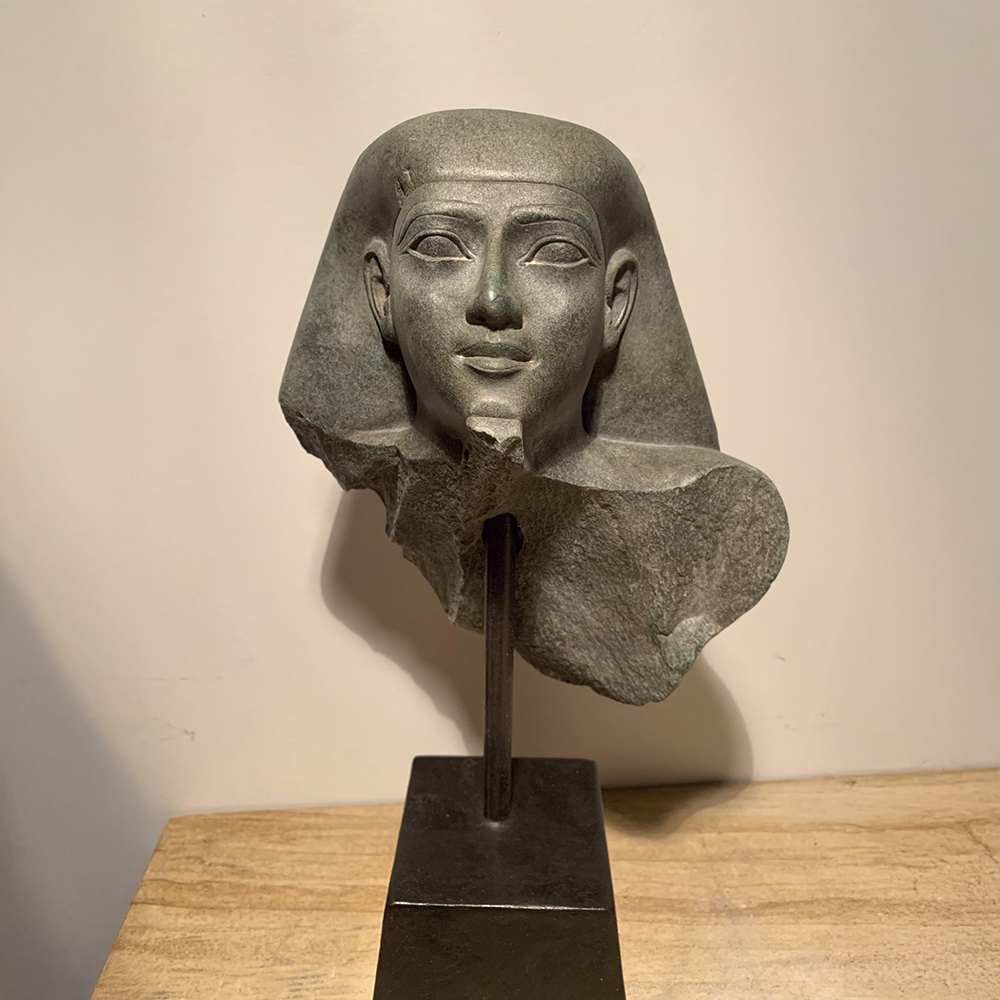
Frontal view of a replica Egyptian Head Bust

1. Introduction of Egyptian Head Bust This sculpture, dating from the Saite period (26th Dynasty) of ancient Egypt, is a replica of the head of Ankh-Khonsu. The Saite period, which lasted from approximately 664 to 525 BC, is considered a period of renaissance in ancient Egyptian culture. The rulers of the time actively returned to […]

View More...
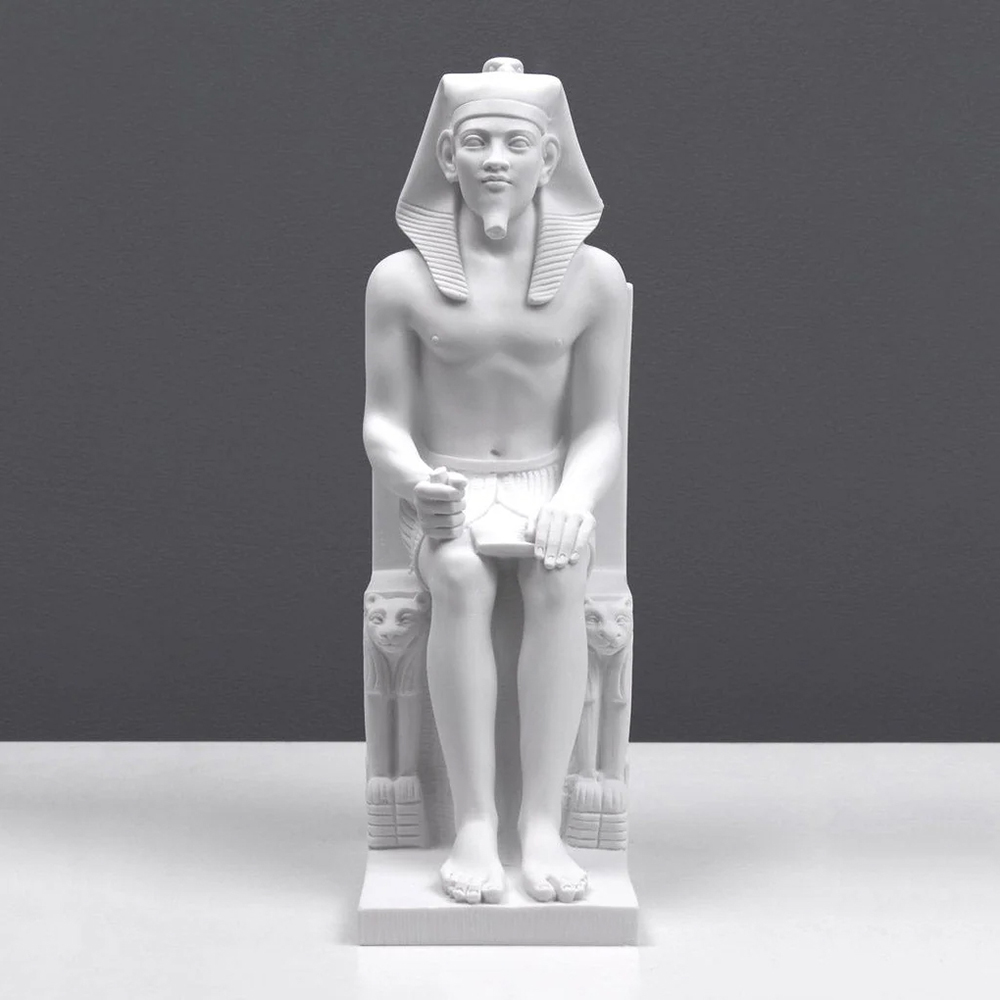
Pharaoh Khafre marble Statue sitting on decorated chair

1. Introduction of Pharaoh Khafre Statue Khafre was a pharaoh of the Fourth Dynasty of Ancient Egypt, reigning from approximately 2558 to 2532 BC. He was the son of the renowned Khufu and the ruler who built the second pyramid of Giza. Khafre’s reign is considered a glorious continuation of Ancient Egypt’s “Pyramid Age.” He […]

View More...
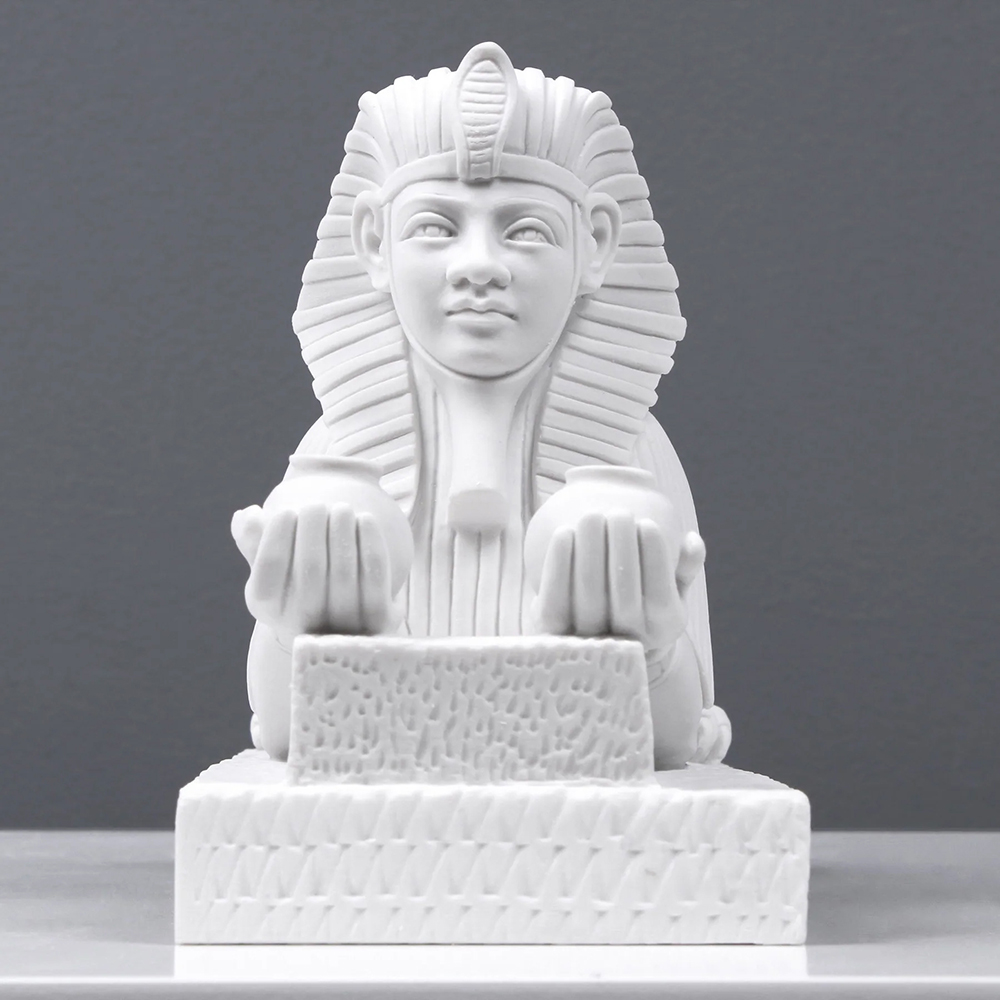
Front view of Small Sphinx marble Statue

1. Introduction of Small Sphinx Statue The sphinx is one of the most iconic mythological figures of ancient Egypt, often depicted as a combination of a lion’s body and a human head, symbolizing the unity of strength and wisdom. In ancient Egyptian culture, the sphinx was often seen as a guardian beast, guarding tombs and […]

View More...
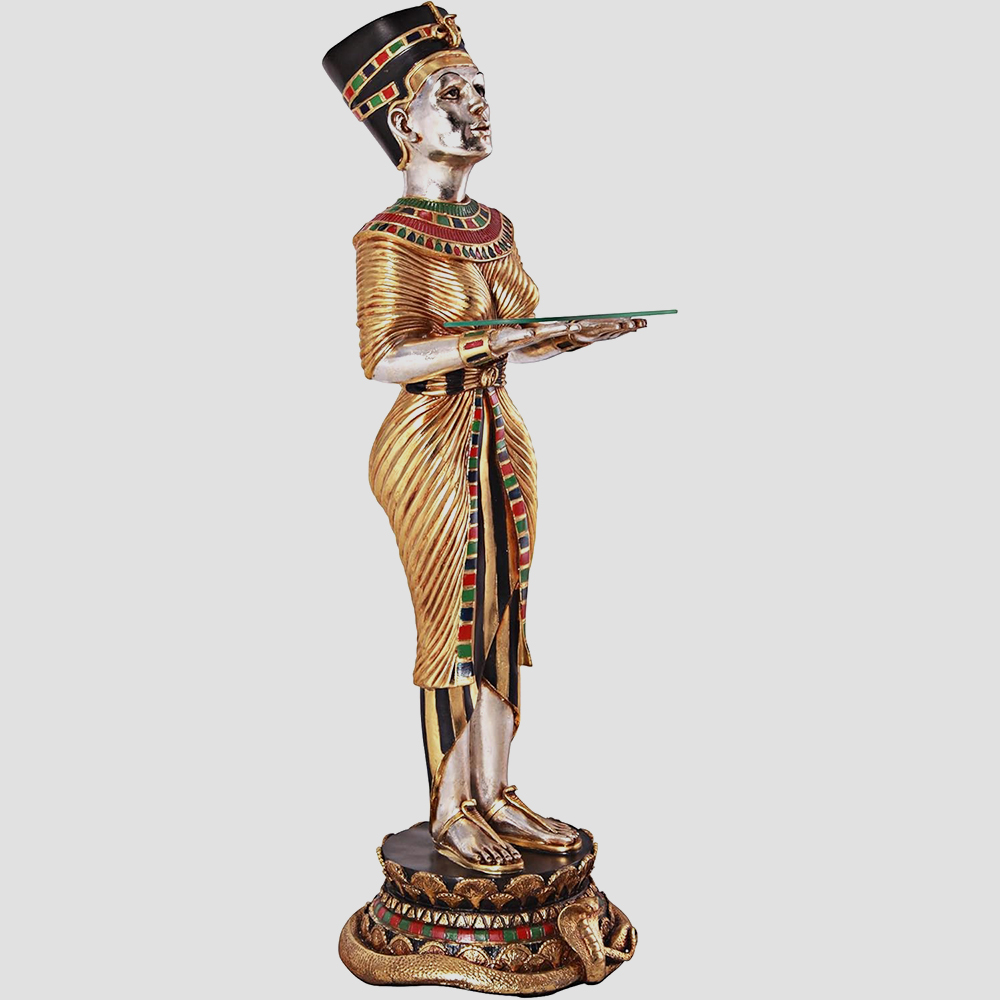
fiberglass Egyptian Servant Statue holding a glass tray

1. Introduction of Egyptian Servant Statue The Egyptian Queen’s Faithful Servant Statue is an artistic recreation inspired by ancient Egyptian court culture. Crafted from fiberglass, a lightweight yet sturdy material, it is covered in gold and colorful ornamentation, creating a luxurious, royal atmosphere. Through the artistic interpretation of the attendant’s attire and posture, the Egyptian […]

View More...
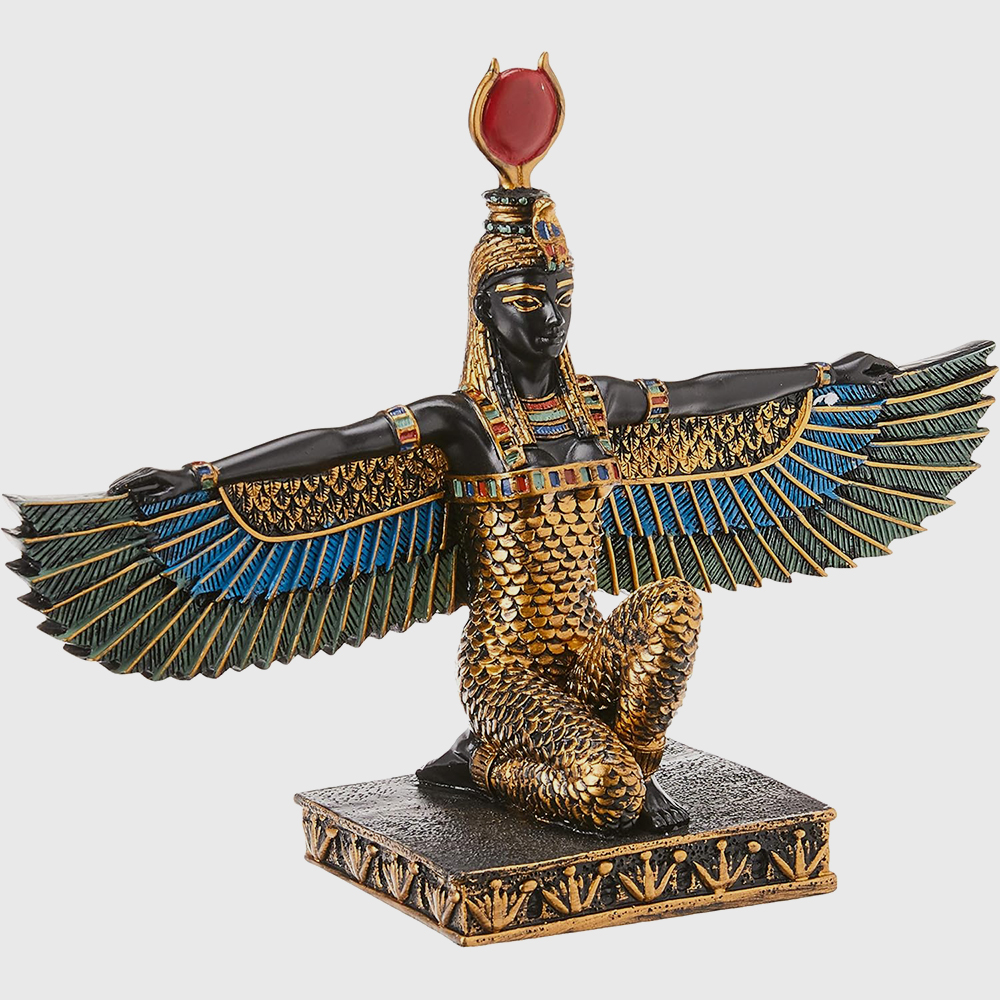
Egyptian Goddess Sculpture of Isis with outstretched wings

1. Introduction of Egyptian Goddess Sculpture In ancient Egyptian mythology, Isis is one of the most revered goddesses, considered the embodiment of motherhood, magic, and rebirth. As the wife of Osiris and mother of Horus, Isis carries the sacred duties of protecting her family, upholding the throne, and healing all things. Her image is often […]

View More...
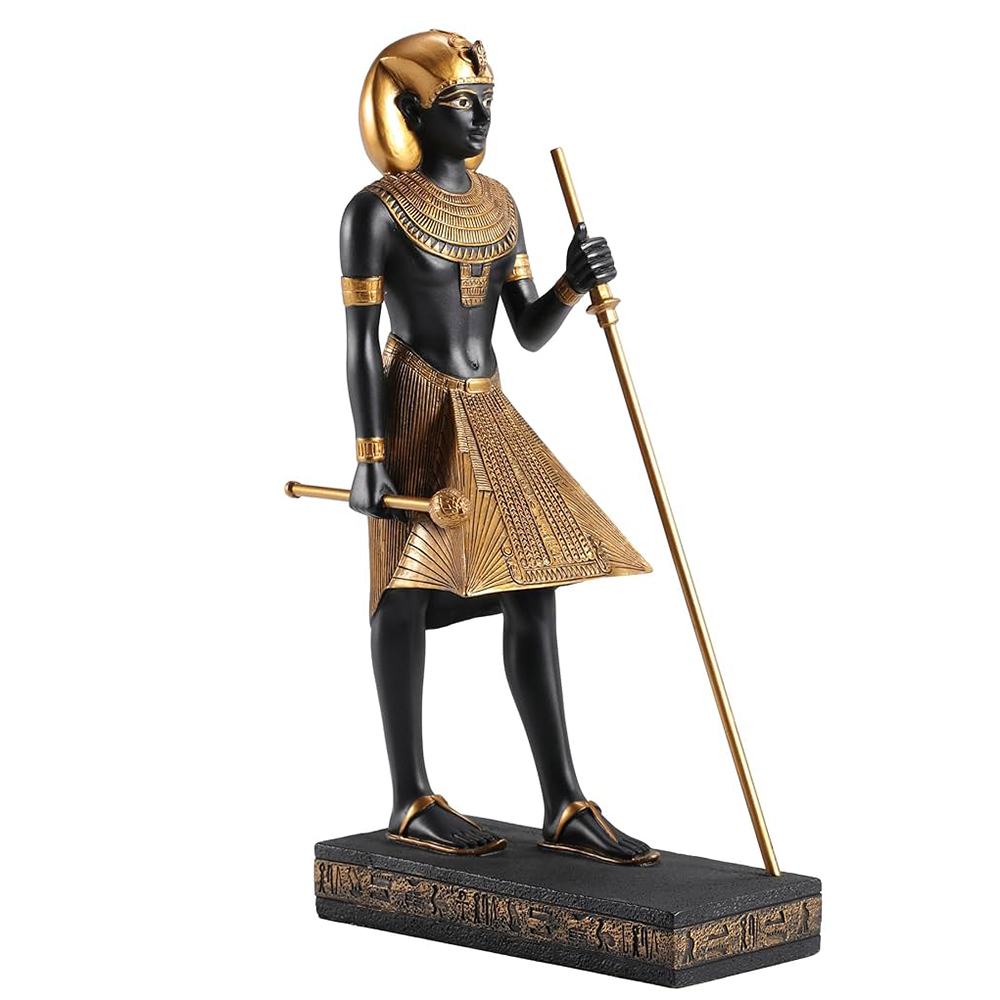
King Tut Guardian Statue holding staff and scepter

1. Introduction of King Tut Guardian Statue King Tutankhamun is one of the most celebrated pharaohs of the New Kingdom of Ancient Egypt, renowned for the wealth of exquisite funerary objects found in his tomb. Although his reign was brief, his image as a “young pharaoh” symbolized rebirth, protection, and divine power. In ancient Egyptian […]

View More...
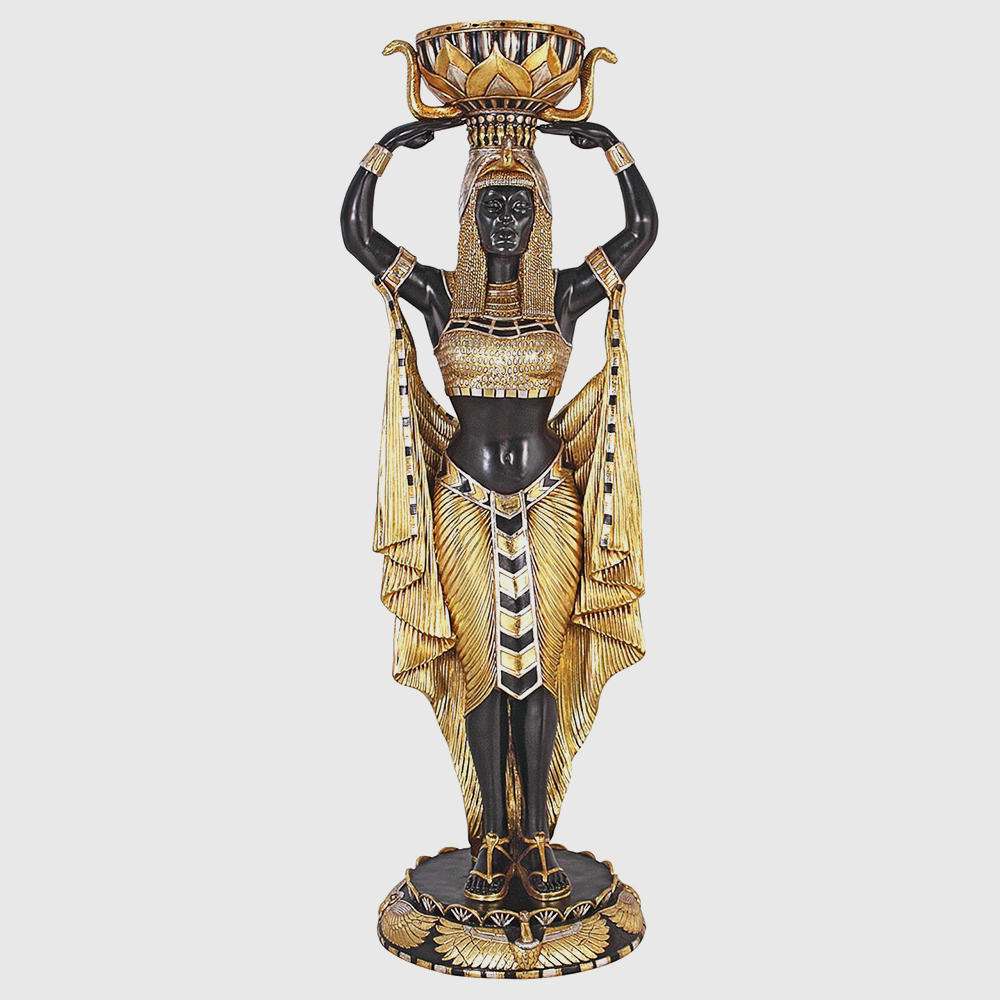
Nubian Woman Statue in fiberglass with golden skirt

1. Introduction of Nubian Woman Statue This sculpture depicts a Nubian woman in the style of an ancient Egyptian court, combining artistic appreciation with practical decorative value. Throughout ancient Egyptian history and art, the Nubians have deep ties with Egyptian culture. They often appear as maids, donors, and protectors, endowed with symbols of exotic beauty […]

View More...
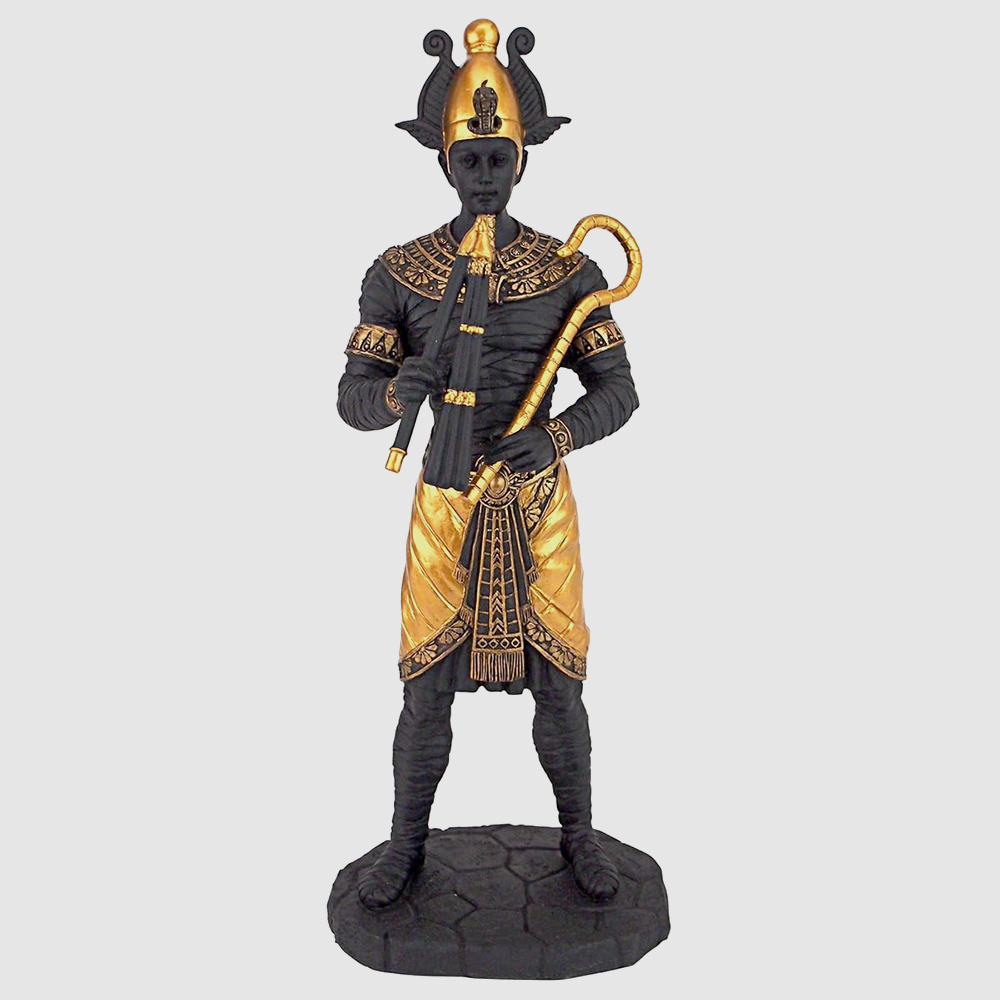
fiberglass Osiris Sculpture holding Crook and Flail

1. Introduction of Osiris Sculpture Osiris is one of the most important deities in ancient Egyptian mythology, revered as the lord of the underworld, judge of the dead, and a symbol of rebirth and eternal life. Originally the god of the earth and agriculture, he became the god of the underworld after being murdered by […]

View More...
  • 1
  • 2