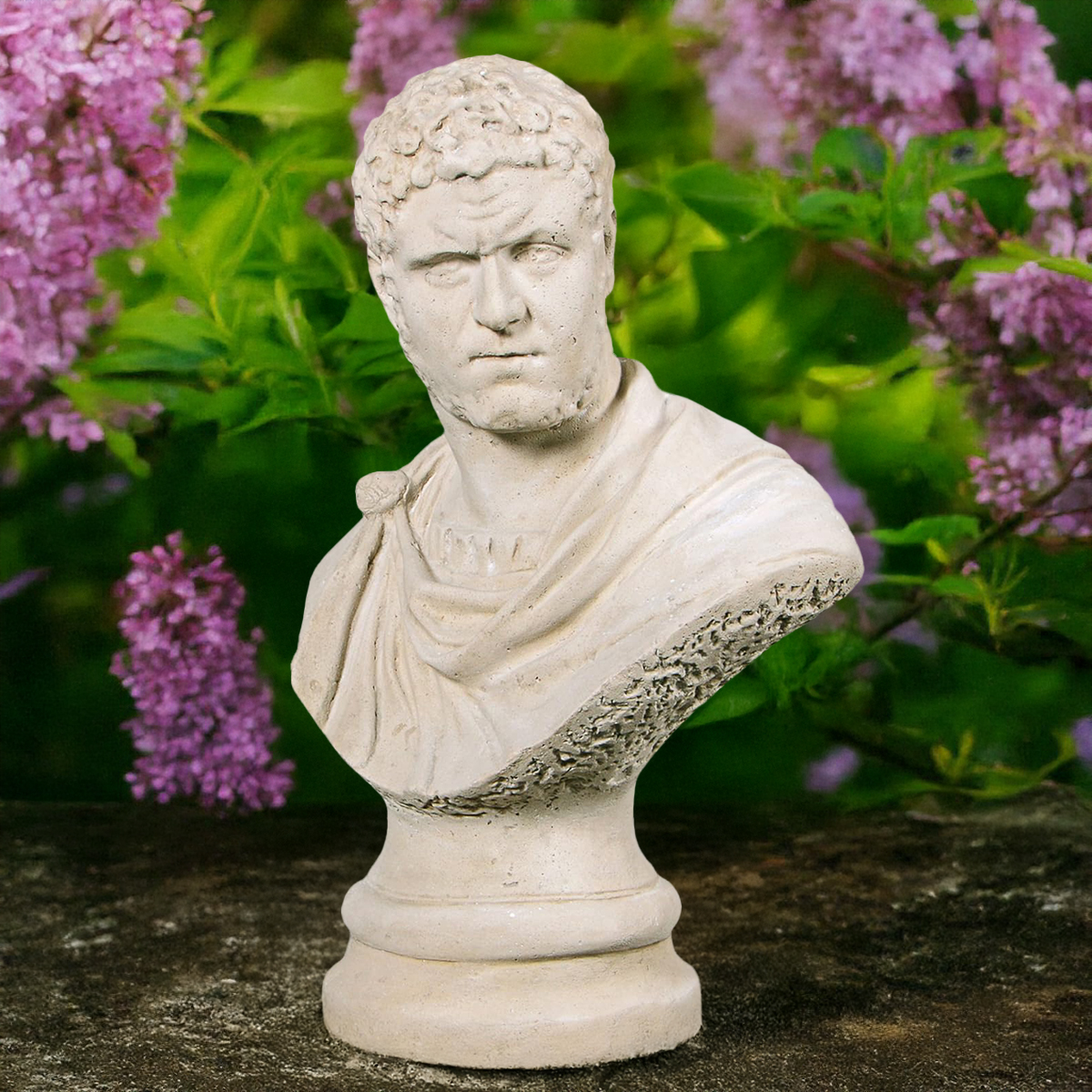
Tag Archives: Caracalla statue

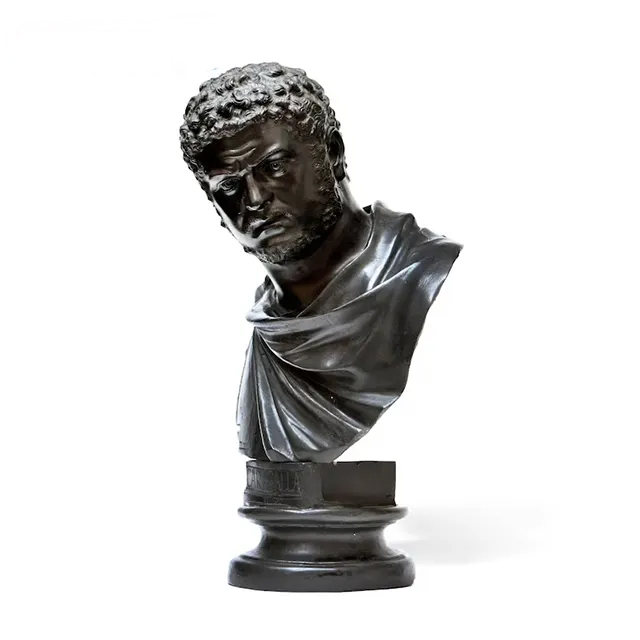
Caracalla Sculpture bronze bust front view

1. Introduction of Caracalla Sculpture Caracalla (188–217 AD) was one of the most important emperors of the Severan dynasty in ancient Rome and a highly controversial figure in Roman history. During his reign, he issued the famous Edict of Antoninus, granting Roman citizenship to the majority of free citizens within the empire, profoundly influencing later […]

View More...
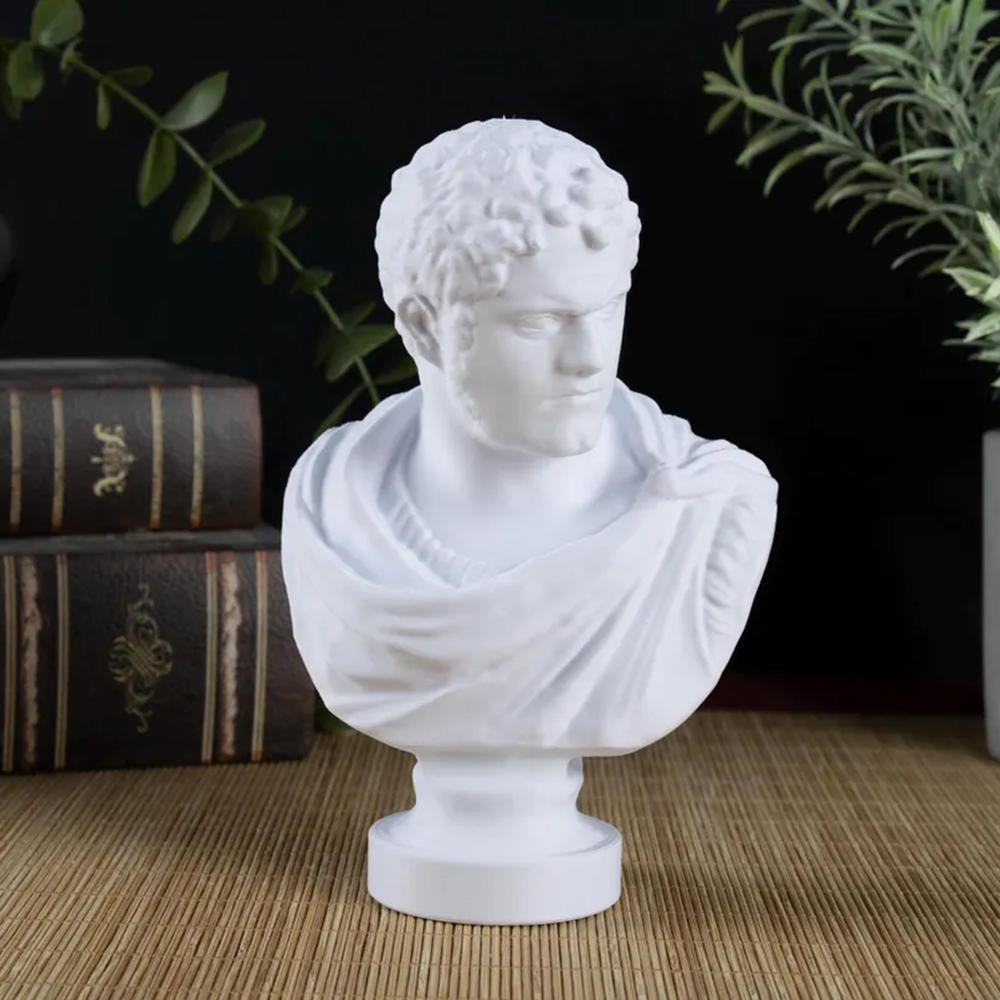
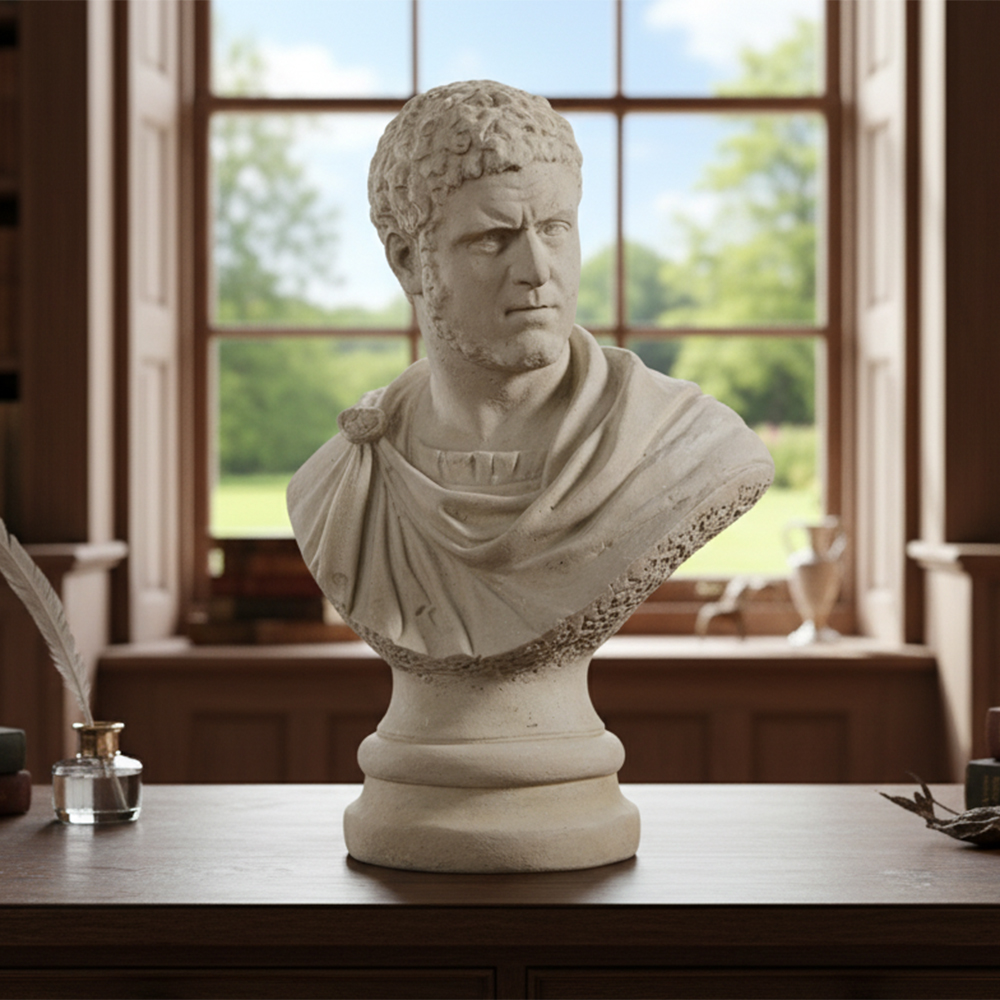
Marble Bust of Caracalla displayed for study room

1. Introduction of Marble Bust of Caracalla Caracalla (188–217 AD) was one of the Severan emperors of the Roman Empire, reigning during a period of significant change in the empire’s political structure. The son of Septimius Severus, he grew up with the military and had a very close relationship with it. Unlike previous emperors who […]

View More...
Emperor Caracalla Bust marble front

1. Introduction of Emperor Caracalla Bust Caracalla, whose real name was Marcus Aurelius Antoninus, was one of the most important emperors of the Severan dynasty of the Roman Empire, reigning from 198 to 217 AD. He was the son of Emperor Septimius Severus and initially ruled jointly with his brother Geta, but later consolidated power. […]

View More...
marble Bust of Emperor Caracalla

1. Introduction of Emperor Caracalla Bust Caracalla (188–217 AD) was a prominent emperor of the Septimius Severus dynasty of the Roman Empire, best known for his military reforms and the Edict of Antoninus, which granted Roman citizenship to almost all free citizens and profoundly influenced the development of Roman institutions. During his reign, he was […]

View More...
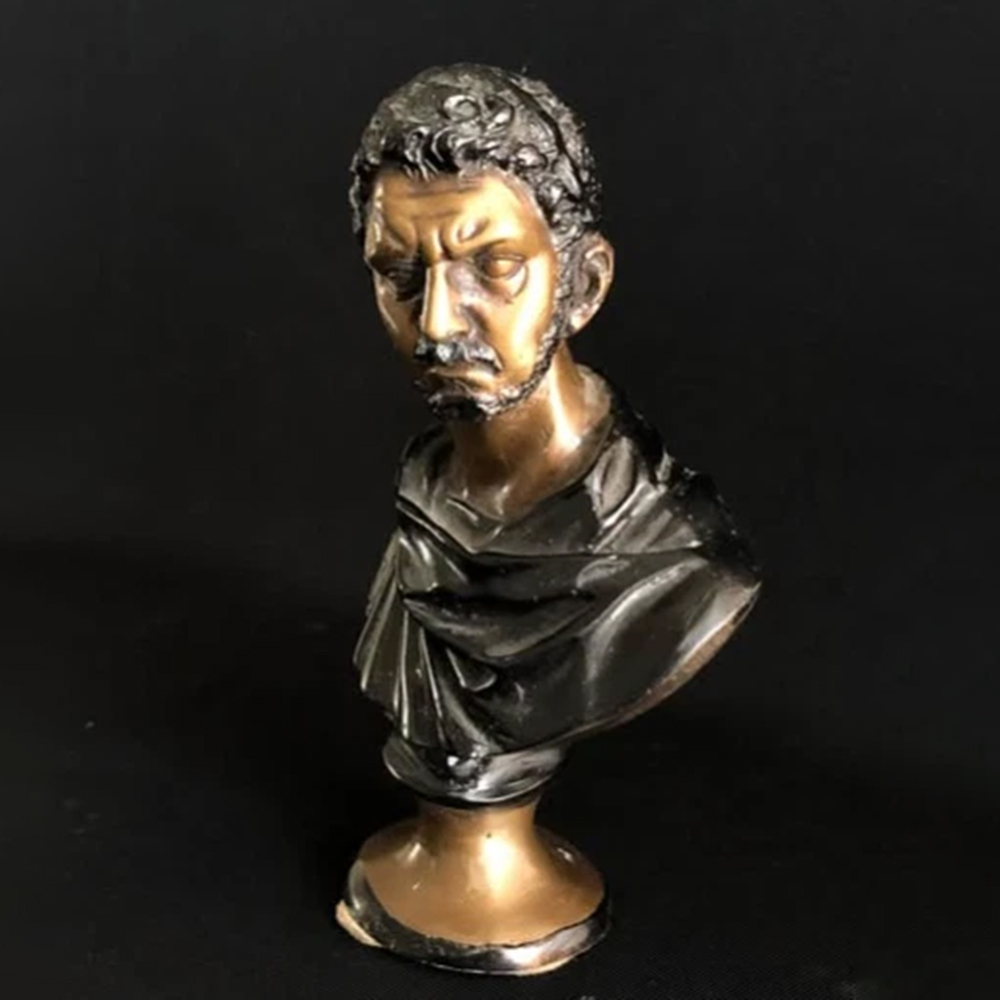
bronze Portrait Bust of Caracalla with dynamic drapery and lifelike expression

1. Introduction of Portrait Bust of Caracalla Caracalla (188–217 AD) was the second emperor of the Severan dynasty of the Roman Empire. He was known for his tough military policies and centralized rule during his reign. One of his most well-known political achievements was the issuance of the Constitutio Antoniniana in 212 AD, which extended […]

View More...